

P0507 on 2005-2010 Scion tC: Causes for High Idle and How to Fix It
On a 2005-2010 Scion tC, code P0507 is almost always caused by a vacuum leak (like a bad intake manifold gasket) or a dirty electronic throttle body. Start by cleaning the throttle body and checking for obvious cracked hoses; this often resolves the issue for under $20. If that fails, suspect the intake manifold gasket, a very common failure on this engine.
- P0507 on your Scion tC means the idle is too high.
- Start with the cheapest and most likely fix: a thorough cleaning of the electronic throttle body.
- If cleaning doesn't work, the next most probable cause is a vacuum leak, often from a failed intake manifold gasket or a cracked PCV hose.
- This car does NOT have a separate Idle Air Control (IAC) valve; don't waste time looking for one.
- After any repair, disconnect the battery for 15 minutes to reset the ECU and allow it to perform an idle relearn.
What's Unique About the 2005-2010 Scion tC
The 2005-2010 Scion tC with the 2AZ-FE engine uses an Electronic Throttle Control System (ETCS-i), meaning it does not have a separate Idle Air Control (IAC) valve like many older vehicles. Idle speed is managed by the ECU making tiny adjustments to the main throttle plate. Therefore, generic advice to 'clean the IAC valve' does not apply here and is a common misdiagnosis. The most common culprits are issues that let in unmetered air, such as a dirty throttle body plate that can't close fully or a leaking intake manifold gasket, which is a well-documented failure point on the 2AZ-FE engine.
Symptoms You May Notice
- Check Engine Light is on
- Engine idle speed is higher than normal (e.g., 1000-1500 RPM at a stop)
- Fluctuating or surging idle, sometimes described as 'hunting'
- Rough or unstable idle
- Harsh engagement when shifting from Park to Drive or Reverse
- Car feels like it wants to 'pull' forward at a stop
- Replacing the Mass Airflow (MAF) sensor. A dirty or faulty MAF sensor typically causes other codes (like lean/rich codes), stalling, or hesitation, not just a high idle.
- Looking for a separate Idle Air Control (IAC) valve. This vehicle does not have one; idle is controlled by the electronic throttle body.
Most Likely Causes
- Dirty Throttle Body 🔴 High Probability The PCV system vents oil vapors and blow-by gases back into the intake tract. Over time, this oily mist bakes onto the back of the throttle plate and the throttle bore. This carbon buildup prevents the plate from closing completely, creating a small air gap that lets in unmetered air and raises the idle speed.
How to confirm: Remove the air intake hose from the throttle body. Visually inspect the throttle plate and bore for a black, sticky layer of carbon. The buildup is often heaviest on the side facing the intake manifold.
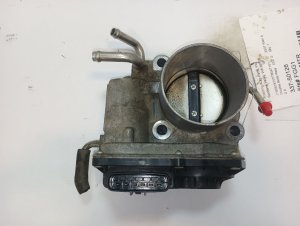
Typical fix: Clean the throttle body thoroughly using a dedicated throttle body cleaner (not carburetor cleaner) and a soft brush or microfiber towel. Manually open the plate (with ignition off) to clean all surfaces and the edges of the plate itself. A new throttle body gasket is recommended.
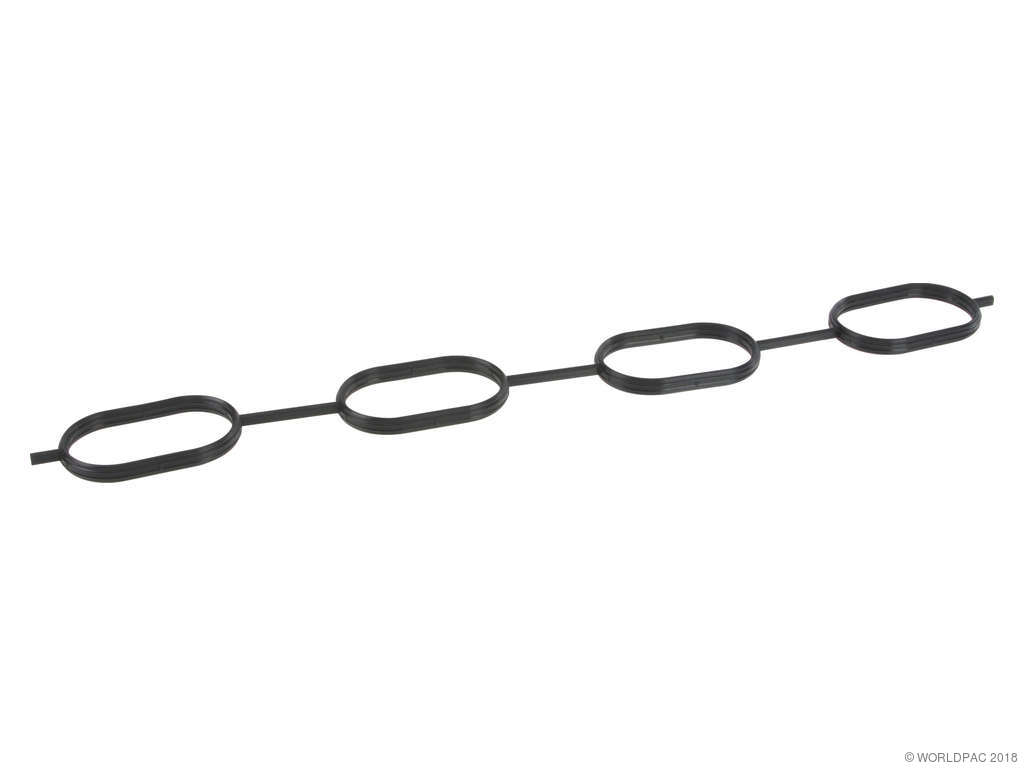
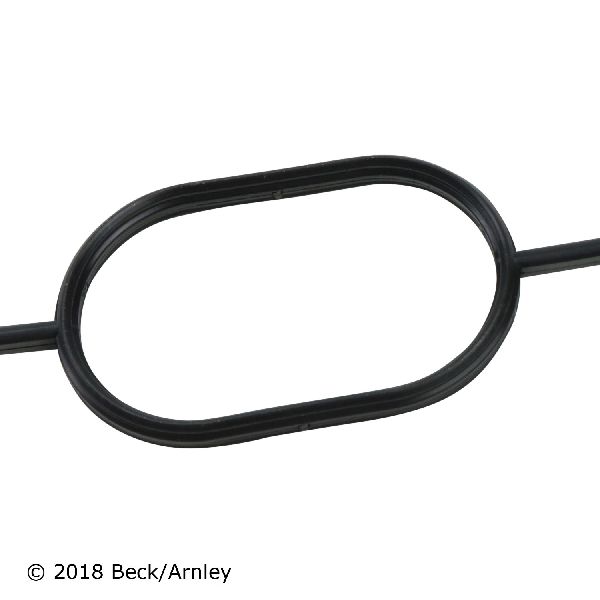
Est. part cost: $10-$20 for cleaner and brushes - Vacuum Leak (Intake Manifold Gasket, PCV Hose, etc.) 🔴 High Probability The intake manifold gasket on the 2AZ-FE engine is a very common failure point. Made of plastic and rubber, it becomes brittle from heat cycles and can crack or deform, allowing unmetered air to leak into the engine. A user on ScionLife.com identified a leak specifically near the second runner of the manifold. PCV and brake booster hoses also become brittle and crack with age.
How to confirm: Perform a smoke test by injecting smoke into the intake system with the engine off. Smoke will visibly escape from the location of the leak. Alternatively, with the engine running, carefully spray short bursts of brake cleaner or starter fluid near suspected leak points (like the gasket seam between the manifold and cylinder head); a noticeable change in idle RPM confirms a leak.
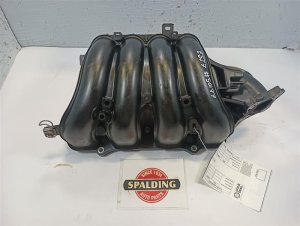
Typical fix: Replace the failed gasket or hose. The intake manifold gasket replacement is a common DIY job for this engine, requiring removal of the manifold itself.
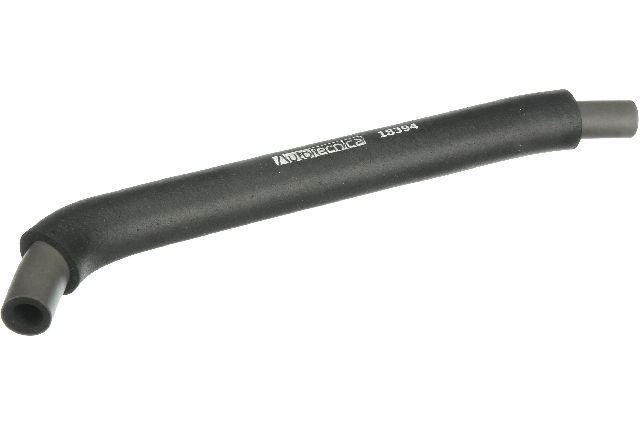
Est. part cost: $15-$40 for an intake manifold gasket set, $10-$30 for a PCV hose. - Faulty PCV Valve 🟡 Medium Probability The Positive Crankcase Ventilation (PCV) valve can get stuck open due to sludge or carbon buildup, creating a constant vacuum leak that raises idle speed. It's an inexpensive and simple part to check.
How to confirm: Remove the valve from the valve cover and shake it. If it rattles freely, it is likely functioning correctly. If it is silent, gummy, or makes no noise, it is stuck and needs replacement. Also, inspect the connecting hose for cracks or softness, as they often degrade.
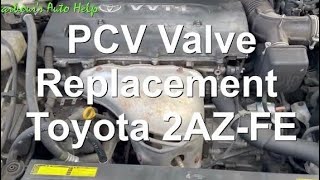
Typical fix: Replace the PCV valve and any cracked hoses. This is a low-cost and easy part to replace, often done as preventative maintenance. 🎬 Watch: This quick walkthrough shows how to replace the PCV valve.
Est. part cost: $10-$25
Rare But Worth Checking
- Failing Electronic Throttle Body Assembly: If a thorough cleaning and a confirmed absence of vacuum leaks doesn't solve the problem, the internal motor or position sensor of the throttle body itself may be failing. This is less common than the other causes and is a more expensive repair.
- Faulty Engine Control Module (ECM): This is extremely rare. A dealer document for a similar issue on another vehicle lists 'Replace ECM' as the absolute last step after checking all other possibilities. The ECM should only be considered after all other potential causes have been exhaustively ruled out by a professional.
Diagnosis Steps
- Read the code with an OBD-II scanner to confirm P0507 is present and check for any other codes.
- With the engine running and warm, observe the idle RPM using the tachometer or scanner live data. Note if it is consistently high (e.g., >900 RPM) or fluctuating.
- Perform a preliminary check for vacuum leaks. With the engine running, carefully spray brake cleaner or starter fluid around the intake manifold gasket, throttle body base, and all vacuum hoses. Listen for any change in engine RPM.
- For a more definitive test, perform a smoke test. Inject smoke into the intake system and look for smoke escaping from cracked hoses or, most commonly, the intake manifold gasket seam.
- If no leaks are found, turn the ignition off. Remove the air intake duct from the throttle body.
- Inspect the throttle plate and bore for black carbon buildup. Pay close attention to the edges of the plate and where it seats in the bore.
- If dirty, clean the throttle body thoroughly with a dedicated cleaner and a soft cloth/brush. Do not use aggressive tools that could scratch the bore.
- Inspect and test the PCV valve. Remove it, shake it to check for a rattle, and inspect the connected hose for cracks or mushiness.
- After cleaning or replacing parts, perform an idle relearn procedure. A common method for this vehicle is to disconnect the negative battery terminal for at least 15 minutes. Reconnect it, start the car without touching the throttle, and let it idle for 10-15 minutes to allow the ECU to recalibrate its fuel trims and idle position.
- If the high idle persists, the issue may be with the electronic throttle body assembly itself, which may require professional testing or replacement.
Parts You'll Likely Need
- Throttle Body Cleaner — This is the most common and cheapest first step. Carbon buildup is a frequent cause of a high idle on this engine.
Trusted brands: CRC, Gumout, 3M
Aftermarket price range: $10-$20 - Intake Manifold Gasket
(OEM #17171-28050)— This gasket is a known failure point on the 2AZ-FE engine and a very common cause of vacuum leaks that trigger P0507.
Trusted brands: Toyota OE, Fel-Pro (Part # MS 96793), Mahle
OEM price range: $25-$40
Aftermarket price range: $15-$30 - PCV Valve
(OEM #12204-28030)— A stuck PCV valve acts as a vacuum leak and is an inexpensive and easy part to replace during diagnosis.
Trusted brands: Toyota OE, Standard Motor Products (Part # V430)
OEM price range: $15-$25
Aftermarket price range: $5-$15 - Throttle Body Gasket / O-Ring
(OEM #22271-28010)— It is best practice to replace this gasket anytime the throttle body is removed for a thorough cleaning to prevent a new vacuum leak.
Trusted brands: Toyota OE, Fel-Pro
OEM price range: $5-$10
Aftermarket price range: $3-$8 - Electronic Throttle Body Assembly
(OEM #22030-0H021)— If cleaning fails and no vacuum leaks are present, the throttle body's internal motor or sensor may have failed.
Trusted brands: Toyota OE, Aisin, Hitachi
OEM price range: $400-$600
Aftermarket price range: $150-$300
Technical Service Bulletins (TSBs) & Recalls
- T-SB-0094-11 (Rev2): While not directly for code P0507, this service bulletin addresses excessive oil consumption on 2006-2011 vehicles with the 2AZ-FE engine, requiring piston assembly replacement. This is relevant as severe oil consumption can contribute to faster carbon buildup on the throttle body and issues with the PCV system, both of which are primary causes of P0507.
Platform-Specific Known Issues
- A known and serious issue with some 2AZ-FE engines is the stripping of the rear head bolt threads in the engine block. This can cause a coolant leak at the back of the head, but can also manifest as a vacuum leak near the intake manifold, potentially being misdiagnosed as a simple intake gasket failure. If a persistent vacuum leak is suspected in that area and a new gasket doesn't fix it, this more severe issue should be considered.
Mechanic-Grade Diagnostic Values
- Throttle Control Motor Resistance — expected: 0.3 to 100 Ω at 20°C (68°F). Failure: A reading outside this range indicates a faulty throttle control motor, requiring throttle body replacement.
- Throttle Position Sensor (via Scan Tool) — expected: 60% or more when accelerator pedal is fully depressed. Failure: A value less than 60% at wide-open throttle suggests a problem with the throttle body assembly.
- ECM Main Ground to Body Ground Resistance — expected: Below 1 Ω. Failure: A reading higher than 1 Ω indicates a poor ground connection, which can cause various engine control issues.
Scan Tool Commands That Help
- Toyota Techstream: Active Test: Control the Idle Speed — This function allows a technician to command the ECU to raise or lower the idle RPM. If the engine RPM responds correctly to the commands, it suggests the throttle body motor is functional and the problem is more likely a vacuum leak or incorrect sensor reading tricking the system.
- Toyota Techstream: Utility: Learning Value Reset — After cleaning the throttle body or replacing related components, the stored idle and fuel trim values may be incorrect for the new, clean state. This utility forces the ECU to clear its learned values and start the relearning process immediately, which is more reliable than just disconnecting the battery.
Wiring & Ground Locations
- ECM Ground Point — On the left side of the cylinder head.. A poor engine ground can cause erratic behavior in all engine sensors, including the throttle position sensor and MAF sensor, leading to incorrect idle control calculations by the ECM. Ensuring this ground is clean and tight is a critical step in diagnosing elusive electronic issues.
Real Owner Repair Stories
- ScionLife.com user 'LostCause' (2006 Scion tC, 59,000 miles) — Haunted by rough idling for months, especially with the A/C on, where RPMs would drop to 450-500.
❌ Tried (didn't work) Injector cleaning, Seafoam treatment
✅ What actually fixed it Thoroughly cleaning a large amount of carbon and gunk from the throttle body. After cleaning, the car ran great with a smooth idle. - Reddit user in r/SciontC (2011 Scion tC (2AR-FE engine, but same principle)) — After cleaning a gunked-up throttle body to fix a low/rough idle, the idle became high at 1200 RPM.
❌ Tried (didn't work) Just cleaning the throttle body
✅ What actually fixed it Performing an idle relearn procedure. The ECU had learned to compensate for the dirty throttle body, and after cleaning, it needed to be recalibrated to the new, correct airflow.
"I Checked Everything" — The Actual Cause
- A leaking brake booster or a faulty brake booster check valve can create a significant vacuum leak that causes a P0507. This is often missed because the leak is internal to the booster or at the firewall connection, which may not be easily visible during a smoke test focused on the engine bay hoses and intake manifold. A hard brake pedal or a change in idle when the brakes are applied are key symptoms.
- A crack or split in the EVAP canister purge valve hose can cause a vacuum leak that triggers a P0507. While this should ideally be found with a smoke test, the hose can be routed in a way that makes a small split difficult to spot, and some technicians may not check the EVAP system when diagnosing a high idle code.
OEM Part Supersession History
22030-0H020, 22030-28060, 22030-28061→22030-0H021— Standard part revision and consolidation by the manufacturer.
Heads up: The part 22030-0H021 is listed for 2005-2006 tC models, and up to a certain production date in 2007. Later 2007-2010 models may use a different part number (e.g., 22030-0H040), so verifying by VIN is critical.
Model Year Variations Within This Range
- 2007-2010: For the 2007 model year refresh, the 2AZ-FE engine received minor updates. The compression ratio was increased from 9.6:1 to 9.8:1, and oil squirters were added under the pistons. While these internal changes don't directly affect the cause of P0507, the ECU and MAF sensor were also changed. This means diagnostic procedures and part compatibility (especially the throttle body and ECU) may differ between 2005-2006 and 2007-2010 models.
Diagnostic Flowchart
Real Owner Stories
Aggregated from forums and TSBs cited above. Mileages and costs reflect what owners reported in those sources.
Scion tC
Symptoms: idles up and down while sitting and die out, fault codes p1172, p1611, p0507
What fixed it: Not specified. The user was asking for help and a mechanic recommended a professional inspection.
Source hint: YourMechanic Q&A
Scion tC 2AZ-FE
Symptoms: Vacuum leak causing intake manifold issues.
What fixed it: Identified a vacuum leak specifically near the second runner of the intake manifold.
Source hint: ScionLife.com (Thread: 'Intake Manifold/Vacuum Issue')
Related OBD-II Codes
Frequently Asked Questions
Does TSB T-SB-0094-11 apply to my P0507 code on the 2AZ-FE engine?
I replaced the intake manifold gasket on my Scion tC but still have a vacuum leak. What else could it be?
How do I perform an idle relearn on my 2005-2010 Scion tC after cleaning the throttle body?
Why is my Scion tC lurching or pulling forward when I'm stopped at a red light?
Where is the most common place to find a vacuum leak on the 2AZ-FE engine?
Helpful Videos
Used OEM Parts in Stock


New Aftermarket Parts Available



The information in this article is provided for general reference and educational purposes only. Vehicle specifications, procedures, and part compatibility can vary by production date, trim level, and region. Always consult your vehicle's factory service manual and verify part numbers before purchasing or performing repairs. Safety-critical components such as airbags, seat belts, and braking systems should be installed by a qualified professional.
- Scion tC:
- 🎬 Helpful Videos
- 🛍️ Shop This Part
- What's Unique About the 2005-2010 Scion tC
- Symptoms You May Notice
- Most Likely Causes
- Rare But Worth Checking
- Diagnosis Steps
- Parts You'll Likely Need
- Technical Service Bulletins (TSBs) & Recalls
- Platform-Specific Known Issues
- Mechanic-Grade Diagnostic Values
- Scan Tool Commands That Help
- Wiring & Ground Locations
- Real Owner Repair Stories
- "I Checked Everything" — The Actual Cause
- OEM Part Supersession History
- Model Year Variations Within This Range
- Diagnostic Flowchart
- Real Owner Stories
- Scion tC
- Scion tC 2AZ-FE
- Related OBD-II Codes
- Frequently Asked Questions
- 🎟️ Get 5% Off