

P0507 on 2011-2016 Chevrolet Cruze 1.4L Turbo: Causes and Fixes for High Idle
On the 1.4L Turbo Cruze, P0507 almost always means there's a major vacuum leak from the PCV system. The most likely cause is a ruptured diaphragm in the valve cover, often caused by a failed check valve in the intake manifold. Expect to replace the valve cover (~$80-$200) and inspect/remediate the intake manifold check valve, either by replacing the manifold or installing an aftermarket kit.
- If you have a P0507 code on a 2011-2016 1.4L Cruze, the problem is almost certainly a vacuum leak in the PCV system.
- Check for a hissing sound from the engine cover and perform the 'oil cap test' to quickly diagnose a failed valve cover diaphragm.
- Before replacing the valve cover, you MUST inspect the intake manifold for its internal check valve. If it's missing, the new valve cover will fail again.
- Consider using an aftermarket PCV fix kit as a more durable and cost-effective solution than replacing the entire intake manifold.
- P0507 is rarely a standalone code on this car; expect to see it with P0171 (System Lean) and/or P1101 (Intake Air Flow Performance).
What's Unique About the 2011-2016 Chevrolet Cruze

The 1.4L Turbo engine in the first-generation Cruze has a notoriously problematic Positive Crankcase Ventilation (PCV) system. Unlike many cars where P0507 might be a simple vacuum hose or dirty throttle body, on this specific engine, it's most often a symptom of a cascading failure within the PCV system. A failed non-return check valve inside the intake manifold allows boost pressure into the crankcase, which then ruptures a diaphragm in the valve cover. This creates a massive vacuum leak that the ECM cannot compensate for, triggering the P0507 code along with others like P0171 (System Too Lean) and P1101 (Intake Air Flow System Performance).
Generation note: This guide covers the first-generation Chevrolet Cruze (2011-2016) and its 2016 'Limited' variant. A new generation was introduced in 2016, but this guide's information is specific to the Gen 1 platform with the 1.4L LUJ/LUV engine, which is known for these specific PCV issues. The same engine and similar issues are found in platform mates.
Symptoms You May Notice
- Check Engine Light is on
- Engine idle speed is noticeably high (e.g., 1000-1500 RPM or more)
- Rough or unstable idle
- Audible hissing or whistling sound from the top of the engine at idle, particularly around the PCV diaphragm on the valve cover.
- Engine may hesitate or stall
- Increased fuel consumption
- Strong suction when trying to remove the oil fill cap with the engine running
- Replacing only the valve cover without checking the intake manifold check valve. If the check valve has failed, it will quickly cause the new valve cover diaphragm to rupture again.
- Replacing oxygen sensors or MAP sensors based on associated codes (like P0171 or P0106) without first diagnosing the root cause, which is the vacuum leak.
Most Likely Causes

- Ruptured PCV Diaphragm in Valve Cover 🔴 High Probability This is the most common failure point. The rubber diaphragm inside the camshaft cover tears, creating a large, unmetered vacuum leak. This is often a consequence of the intake manifold check valve failing first, which allows turbo boost pressure to enter the crankcase and destroy the diaphragm.
How to confirm: With the engine running, listen for a hissing noise near the circular PCV regulator on the valve cover. Carefully try to remove the oil fill cap. If there is strong suction holding it down and the engine stumbles or idle changes dramatically when you pull it off, the diaphragm is torn. This is the definitive test.
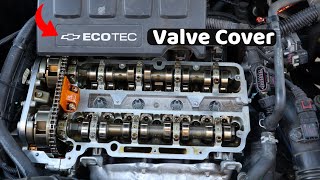
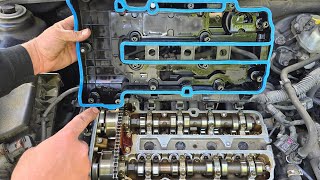
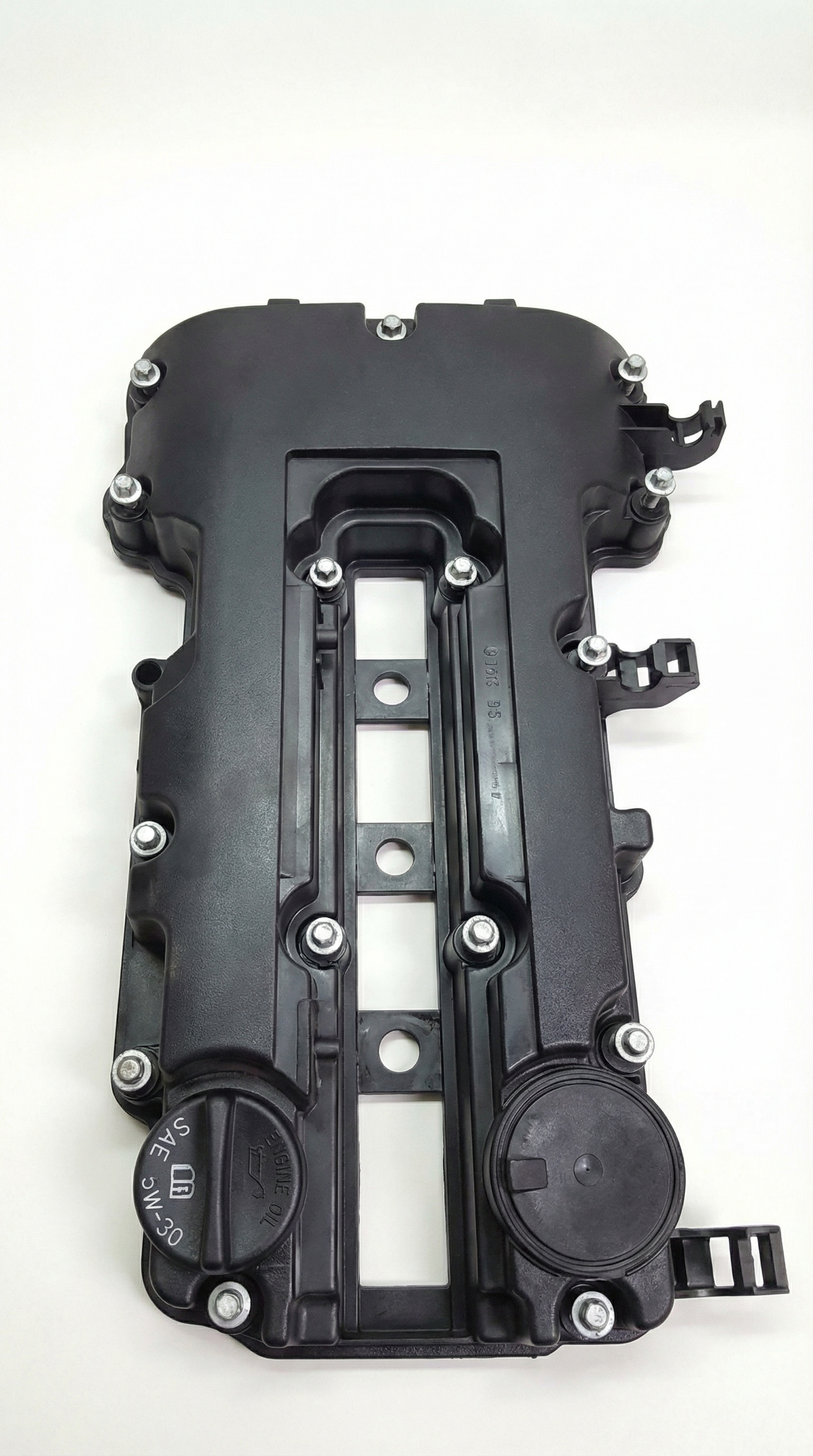
Typical fix: Replace the entire camshaft cover (valve cover) assembly. The diaphragm is not sold separately by GM. It is critical to also inspect the intake manifold check valve to ensure it hasn't failed, as it will cause the new valve cover to fail again, sometimes very quickly.
Est. part cost: $80 - $250 - Failed/Missing Intake Manifold Check Valve 🔴 High Probability A small orange, cone-shaped check valve inside the intake manifold is known to fail, break apart, and get sucked into the engine. This allows pressurized air from the turbo to enter the crankcase, which over-pressurizes the system and ruptures the valve cover diaphragm.
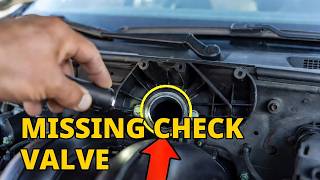
How to confirm: Visually inspect the PCV port on the intake manifold (where the hose from the valve cover connects). You should see the small orange, cone-shaped valve inside. If it is missing, it has failed. A recent finding from experts shows that even if the valve appears to be present, the functional flap portion can erode away, rendering it useless. The only 100% reliable test is to measure crankcase pressure.
Typical fix: The official GM repair is to replace the entire intake manifold. A popular, more robust DIY fix involves installing an aftermarket external PCV check valve kit (e.g., from CruzeKits), which bypasses the faulty internal design.
Est. part cost: $150 - $400 for a new manifold; $60 - $90 for an aftermarket fix kit. - Dirty Throttle Body ⚪ Low Probability While less common than the PCV issue, carbon buildup can prevent the throttle plate from closing completely, allowing excess air to enter and causing a high idle.
How to confirm: Remove the air intake hose connected to the throttle body and visually inspect the throttle plate and bore for carbon buildup. If significant deposits are present, they can prevent the plate from closing fully.
Typical fix: Clean the throttle body bore and plate with a dedicated throttle body cleaner and a soft cloth or brush. An idle relearn procedure may be required after cleaning. Some owners have had success spraying cleaner into the throttle body while the engine is running, but this can be tricky and may cause stalling.
Est. part cost: $10 - $20 for cleaner.
Rare But Worth Checking
- Other Vacuum Leaks: While the PCV system is the primary suspect, it's still possible for other vacuum hoses (like the brake booster line) or gaskets to crack and leak, causing a high idle. A smoke test is the best way to find these.
- PCV System Icing (Extreme Cold): In temperatures below 0°F (-18°C), moisture in the PCV system can freeze and block passages, leading to pressure buildup, oil leaks, and high idle. GM issued TSBs for this condition, which may involve replacing the intake manifold or installing updated cold-weather components.
Diagnosis Steps

- Scan for all stored trouble codes. Note if P0171, P1101, or P0106 are present with P0507, as this strongly indicates a PCV system failure.
- With the engine idling, listen for a loud hissing or whistling sound coming from the valve cover area, specifically the round diaphragm housing.
- Carefully attempt to remove the engine oil fill cap while the engine is running. If you feel strong suction and the engine's idle becomes much rougher or stalls, this confirms a ruptured valve cover diaphragm.
- If the diaphragm is bad, replace the valve cover. Before installing the new cover, inspect the intake manifold port for the orange check valve.
- If the orange check valve is missing or damaged (even if the center nub is still present), you must either replace the intake manifold or install an aftermarket PCV fix kit. Failure to do so will lead to repeat failure of the new valve cover.
- If the PCV system seems intact (no strong vacuum at the oil cap, no hissing), inspect the throttle body for heavy carbon buildup and clean if necessary.
- If no issues are found, perform a smoke test to check for less common vacuum leaks in hoses or gaskets.
Parts You'll Likely Need

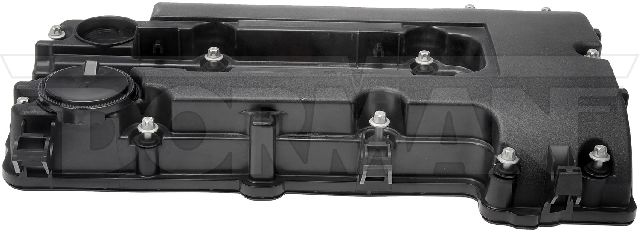
- Camshaft Cover (Valve Cover)
(OEM #25198874 (superseded by 25209141))— This is the most common part to fail. The integrated PCV diaphragm ruptures, causing a massive vacuum leak and the P0507 code. It must be replaced as a complete assembly.
Trusted brands: ACDelco (OEM), Dorman (e.g., 264-968)
OEM price range: $150-$250
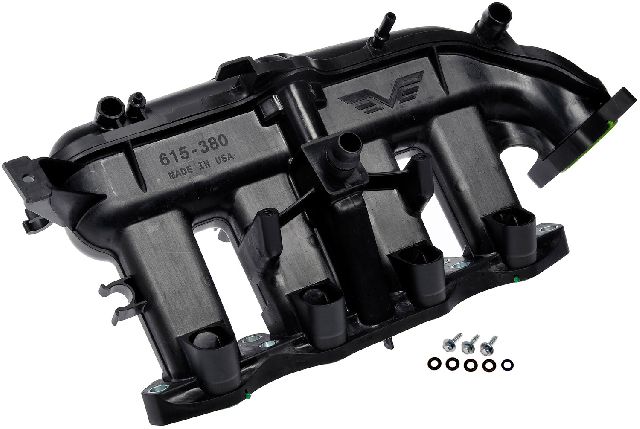
Aftermarket price range: $80-$150 - Intake Manifold
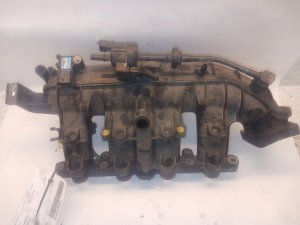
(OEM #25200449)— Replaced if the internal non-return check valve has failed and been ingested by the engine. Failure to replace it will cause repeat failure of the valve cover diaphragm.
Trusted brands: ACDelco (OEM)
OEM price range: $250-$400
Aftermarket price range: $150-$250 - Aftermarket PCV Fix Kit — A popular and more permanent alternative to replacing the entire intake manifold. These kits add an external check valve to properly regulate crankcase pressure, bypassing the failure-prone internal valve.
Trusted brands: CruzeKits (V3.4 is most popular), SuperCruzes
Aftermarket price range: $70 - $90
Related Codes That Often Appear With This One
- P0171 — System Too Lean. This code is triggered because the massive vacuum leak from the failed PCV system allows a large amount of unmetered air into the engine, creating a lean air/fuel mixture.
- P1101 — Intake Air Flow System Performance. The ECM detects a discrepancy between the expected and actual airflow based on sensor readings, which is a direct result of the unmetered air from the vacuum leak.
- P0106 — Manifold Absolute Pressure (MAP) Sensor Performance. The vacuum leak causes the pressure in the intake manifold at idle to be higher (less vacuum) than the ECM expects, triggering a MAP sensor performance code.
- P0299 — Turbocharger Underboost. The PCV system failure can create a path for boost pressure to leak into the crankcase instead of being directed into the cylinders, leading to an underboost condition.
Technical Service Bulletins (TSBs) & Recalls
- PIP5197: Preliminary information from GM detailing the PCV failure cascade (missing intake check valve causing diaphragm failure) and listing the associated DTCs including P0507.
- 22-NA-067: Addresses poor engine performance in extreme cold due to PCV system and charge air cooler icing. Recommends inspection and potential replacement of intake manifold or installation of updated cold-weather parts.
Platform-Specific Known Issues
- GM Special Coverage N192213000: For some 2015-2016 Cruze models, GM extended the warranty on the camshaft cover for PCV diaphragm failure to 10 years or 120,000 miles.
- GM TSB PIP5197C: This technical service bulletin directly links codes P0507, P0171, P1101, and others to the dual failure of the intake manifold check valve and the valve cover diaphragm.
Mechanic-Grade Diagnostic Values
- Long-Term (LTFT) and Short-Term (STFT) Fuel Trims at Idle — expected: Close to 0%, typically within +/- 10%.. Failure: Both LTFT and STFT will be highly positive, often +25% to +40%, as the ECM commands more fuel to compensate for the unmetered air.
- Fuel Trims at 2500-3000 RPM (no load) — expected: Close to 0%, typically within +/- 10%.. Failure: When RPMs are raised, the vacuum leak becomes a smaller percentage of the total air intake, and the fuel trims will drop significantly, moving back towards 0%. This is a classic indicator of a vacuum leak.
- Manifold Absolute Pressure (MAP) at Idle — expected: A healthy engine will have a strong vacuum at idle, showing a low pressure of around 25-35 kPa.. Failure: Due to the vacuum leak, the manifold pressure will be higher than normal (less vacuum), potentially reading 40-60 kPa or more at idle.
Scan Tool Commands That Help
- GDS2 / Tech 2 / Professional Scan Tool (e.g., Launch X431): Idle Learn Reset / Throttle Body Idle Air Flow Compensation Reset — This function should be used after cleaning or replacing the throttle body. It forces the ECM to erase its old learned idle airflow values and recalibrate to the clean/new throttle body's baseline, preventing an unstable or high idle after the repair.
- Manual Procedure (No Scan Tool): Idle Relearn Procedure — If a scan tool is not available after a throttle body cleaning or battery disconnect. The procedure typically involves idling the engine for a set time, turning it off, and then idling again to allow the ECM to relearn. One common method is: 1. Start engine and idle in Park for 3 minutes. 2. Turn engine off for 60 seconds. 3. Start engine again and idle in Park for 3 minutes. The idle should normalize.
Wiring & Ground Locations
- G103 — On the left (driver's side) front shock tower in the engine compartment.. This is a major ground point for the engine control module (ECM) and other critical components. While P0507 is almost always a mechanical vacuum leak, a poor ground here could cause erratic ECM behavior and sensor readings. It should be checked for corrosion or looseness if electrical issues are suspected.
- G102 — On the lower right (passenger's side) rear of the engine block.. This provides a ground path for the engine block itself. A poor connection here could affect sensor readings that rely on the block for a ground reference.
- ECM Connector — Mounted on top of the transmission.. If all mechanical fixes fail, a technician might need to check for correct voltage and ground at the ECM pins related to the throttle position sensor and other inputs to rule out a rare wiring or ECM fault.
Real Owner Repair Stories
- ScannerDanner Forum (2013 Chevrolet Cruze 1.4L Turbo) — Lean codes (P0171), high fuel trims at idle.
❌ Tried (didn't work) The dealership wanted to replace fuel system parts, which would not have fixed the issue.
✅ What actually fixed it The diagnosis pointed directly to a vacuum leak because fuel trims were very high at idle (+35%) but corrected themselves at higher RPM. The community confirmed the likely cause was the classic failure sequence: the intake manifold check valve fails, which then causes the PCV diaphragm in the valve cover to rupture, creating the massive vacuum leak. The fix is to replace the valve cover and remediate the intake manifold check valve.
"I Checked Everything" — The Actual Cause
- A standard smoke test of the intake manifold and vacuum hoses may show no leaks. This is because the P0507-causing leak on the Cruze 1.4T is often *internal* to the PCV system. Pressurized crankcase air (from a failed intake check valve) escapes through the torn valve cover diaphragm and is ingested directly into the intake manifold via the PCV plumbing. A smoke test won't reveal this path unless the technician specifically knows to isolate and test the crankcase and PCV system itself, rather than just the main intake tract.
OEM Part Supersession History
25198874→25209141 (current as of searches)— GM frequently revises parts to address design flaws, improve materials, or consolidate part numbers. The PCV system components on this engine have undergone several revisions.
Heads up: The new part number (25209141) is a direct replacement for the older numbers, including 25198498, 25198877, 25203036, and 55573746. There are no known incompatibilities when using the latest OEM part.
Model Year Variations Within This Range
- 2011-2016: There are no significant variations in the design of the PCV system related to the P0507 failure within the 2011-2016 (Gen 1) model years for the LUJ/LUV 1.4L engine. The diagnosis and repair are consistent across this entire range.
Diagnostic Flowchart
Other Known Issues on This Vehicle
Issues unrelated to this code that are worth knowing about as an owner of this generation:
- Cooling System Leaks (Water Pump & Thermostat Housing) 🔴 High — Very common. The plastic thermostat housing and water pump are known failure points, often leading to coolant leaks and overheating. Failures can occur as early as 60,000 miles.
- Oil Cooler Line / Transmission Cooler Line Leaks 🟠 Medium — Common. The seals and lines for the oil and transmission fluid coolers are known to degrade and leak oil or transmission fluid.
- Negative Battery Cable Connection Failure 🟠 Medium — A known issue where a poor connection at the negative battery terminal can cause a wide range of difficult-to-diagnose electrical problems, including no-start conditions. (Ref: There was a recall for this issue (e.g., GM recall 14V725000).)
- Cracked Flex Pipe / Exhaust Leak 🟡 Low — The flexible section of the exhaust pipe is prone to cracking over time, resulting in a loud exhaust noise.
Used vs. New Parts: Buying Guide for This Vehicle
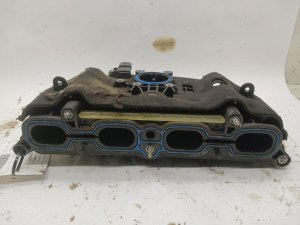
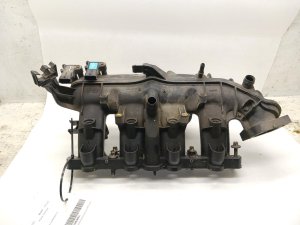
When a used part is the smart pick: A used intake manifold can be a cost-effective choice, but ONLY if the internal orange check valve can be visually inspected and confirmed to be present and in good condition before purchase.
Donor-vehicle mileage cap: roughly under 80000 miles for the part to have meaningful remaining life.
What to inspect on the donor part:
- For a used intake manifold, shine a light into the PCV inlet port. The orange, cone-shaped check valve must be clearly visible and not appear broken or deformed.
- Avoid any plastic parts that show signs of brittleness, cracking, or extreme heat discoloration.
OEM-only on this vehicle (don't cheap out):
- No parts are strictly 'OEM-only' for this repair due to strong aftermarket support. However, for maximum reliability when not using a bypass kit, an OEM ACDelco intake manifold is often preferred over a used one with unknown history.
Aftermarket brands forum-validated for this vehicle:
- CruzeKits: Widely praised in owner forums for their permanent PCV fix kits that bypass the faulty internal check valve.
Brands owners have reported issues with on this vehicle:
- Unbranded/No-Name Valve Covers: While brands like Dorman are generally acceptable budget options, extremely cheap, unbranded valve covers from online marketplaces have a high risk of premature diaphragm failure or using poor-quality gasket material. Some user reviews for Dorman valve covers also report early failures.
Real Owner Stories
Aggregated from forums and TSBs cited above. Mileages and costs reflect what owners reported in those sources.
2014 Chevrolet Sonic 1.4L Turbo
Symptoms: Owner experienced a cluster of codes including P0171, P1101, and P0507 simultaneously.
What fixed it: Identified as the shared PCV system failure common to the LUJ/LUV engine platform.
Source hint: Sonic Owners Forum - Codes 0171, 1101, and 0507
2011-2016 Chevrolet Cruze 1.4L Turbo
Symptoms: The intake manifold check valve appeared to be visually present, but the functional flap portion had eroded away, rendering it useless.
What fixed it: Installation of an aftermarket PCV fix kit to bypass the faulty internal manifold design.
Source hint: Reddit: r/cruze - Gen1 1.4L Turbo Intake Manifold check valve testing discovery
2011-2016 Chevrolet Cruze 1.4L Turbo
Symptoms: High idle and P0507 code caused by the recurring failure of the PCV system.
What fixed it: Installed a CruzeKits.com PCV Fix Kit as a permanent solution to prevent repeat valve cover failures.
Source hint: Reddit: r/cruze - CruzeKits.com PCV Fix Kit Support
Related OBD-II Codes
Frequently Asked Questions
Is there an extended warranty for the PCV diaphragm failure on my 2015 Chevrolet Cruze?
My mechanic says I need a new intake manifold for P0507. Is there a cheaper alternative for the 1.4L Turbo?
Does TSB PIP5197C apply to the P0507 code on my Cruze?
Why does my oil fill cap have strong suction when I try to remove it at idle?
Can I just replace the PCV diaphragm itself instead of the whole valve cover?
Will extreme cold weather affect my PCV system and cause these codes?
Helpful Videos
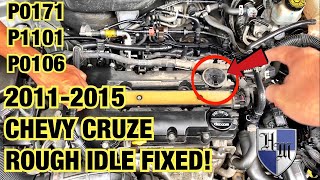
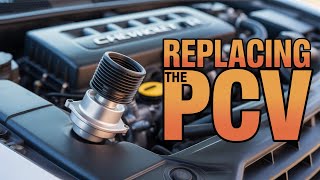
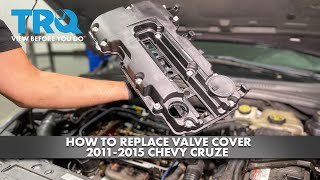
Used OEM Parts in Stock
New Aftermarket Parts Available


The information in this article is provided for general reference and educational purposes only. Vehicle specifications, procedures, and part compatibility can vary by production date, trim level, and region. Always consult your vehicle's factory service manual and verify part numbers before purchasing or performing repairs. Safety-critical components such as airbags, seat belts, and braking systems should be installed by a qualified professional.
- Chevrolet Cruze:
- 🎬 Helpful Videos
- 🛍️ Shop This Part
- What's Unique About the 2011-2016 Chevrolet Cruze
- Symptoms You May Notice
- Most Likely Causes
- Rare But Worth Checking
- Diagnosis Steps
- Parts You'll Likely Need
- Related Codes That Often Appear With This One
- Technical Service Bulletins (TSBs) & Recalls
- Platform-Specific Known Issues
- Mechanic-Grade Diagnostic Values
- Scan Tool Commands That Help
- Wiring & Ground Locations
- Real Owner Repair Stories
- "I Checked Everything" — The Actual Cause
- OEM Part Supersession History
- Model Year Variations Within This Range
- Diagnostic Flowchart
- Other Known Issues on This Vehicle
- Used vs. New Parts: Buying Guide for This Vehicle
- Real Owner Stories
- 2014 Chevrolet Sonic 1.4L Turbo
- 2011-2016 Chevrolet Cruze 1.4L Turbo
- 2011-2016 Chevrolet Cruze 1.4L Turbo
- Related OBD-II Codes
- Frequently Asked Questions
- 🎟️ Get 5% Off