

P0506 on 2003-2007 Saturn Ion: Causes and Fixes for Low Idle Speed
On a 2003-2007 Saturn Ion, code P0506 is almost always caused by a dirty electronic throttle body. Cleaning the carbon buildup from the throttle plate and bore is a high-probability, low-cost fix that can be done at home for under $20. This issue is common because the Ecotec engine's PCV system routes oil vapors into the intake, leading to gunk accumulation that restricts airflow at idle.
- P0506 on a Saturn Ion means the idle RPM is too low, almost always due to a dirty electronic throttle body.
- The fix is typically a DIY-friendly cleaning of the throttle body and plate with specialized cleaner, costing under $20.
- While driving is possible, stalling at stops is a common and dangerous symptom.
- After cleaning, a simple idle relearn procedure (letting the car idle or a short drive) is often required.
- The issue is shared with other GM vehicles using the same Ecotec engine, like the Chevrolet Cobalt and Pontiac G5.
What's Unique About the 2003-2007 Saturn Ion
The Saturn Ion uses a 'drive-by-wire' or Electronic Throttle Control (ETC) system, which was becoming common in the mid-2000s. Unlike older systems with a separate Idle Air Control (IAC) valve, the Ion's idle is managed directly by the electronic throttle body. These units, particularly on the Ecotec engine, are known for accumulating carbon and oil residue around the throttle plate and bore. This buildup physically restricts the tiny amount of air needed for a stable idle, making a thorough throttle body cleaning the most common and critical fix for P0506 on this specific vehicle. Some owners report that the engine-side of the throttle plate is significantly dirtier than the intake side.
Symptoms You May Notice
- Engine idles at a lower RPM than usual, often feeling rough or shaky.
- Engine stalls when coming to a stop, like at a traffic light or stop sign.
- Difficulty starting the engine.
- Check Engine Light is illuminated on the dashboard.
- Engine shudders or hesitates when accelerating from a stop.
- Replacing the accelerator pedal position (APP) sensor. While part of the drive-by-wire system, the APP sensor typically causes different codes and symptoms related to acceleration, not low idle.
- Looking for a traditional PCV valve to replace. The 2.2L Ecotec engine in the Ion uses a fixed orifice and hose system, not a replaceable valve.
Most Likely Causes
- Dirty Electronic Throttle Body 🔴 High Probability The Ecotec engine's PCV (Positive Crankcase Ventilation) system can route oil vapor and combustion byproducts back into the intake, which builds up as a black, sticky layer of carbon/gunk on the throttle plate and bore over time. This accumulation physically restricts the small amount of air required to bypass the closed throttle plate for idling.
How to confirm: Remove the air intake hose from the throttle body. Visually inspect the throttle plate and the inside of the throttle body bore for a black, sticky layer of carbon buildup. The engine side is often dirtier than the air filter side. The buildup can cause the plate to stick or not close properly.
Typical fix: Remove the four 10mm bolts holding the electronic throttle body to the intake manifold and clean it thoroughly with a dedicated throttle body cleaner and a soft brush or rag. Pay special attention to the edges of the throttle plate and where it seats in the bore. It is recommended to disconnect the battery and the throttle body's electrical connector before cleaning. A new throttle body gasket should be used upon reinstallation, torquing the bolts to 89 inch-pounds.
Est. part cost: $10-$20 for a can of throttle body cleaner and a new gasket. - Vacuum Leak 🟡 Medium Probability Over time, rubber vacuum hoses and plastic intake components on the Saturn Ion can become brittle and crack due to age and heat cycles, creating unmetered air leaks that disrupt the engine's air-fuel ratio and idle stability. Common leak points include vacuum hoses, the intake manifold gasket, and the throttle body gasket.
How to confirm: With the engine running, listen for hissing sounds around the intake manifold, vacuum lines, and PCV hoses. A more definitive method is to introduce smoke into the intake system with a smoke machine and watch for where it escapes. You can also carefully spray short bursts of brake cleaner or starting fluid around suspected leak areas; a change in engine idle indicates a leak.
Typical fix: Replace the cracked or broken vacuum hose, intake manifold gasket, or other leaking component.
Est. part cost: $5-$50 depending on the specific hose or gasket. - Faulty PCV System Component ⚪ Low Probability The 2.2L Ecotec engine in the Saturn Ion does not use a traditional, replaceable PCV valve. Instead, it uses a fixed orifice system and breather hoses. These hoses can crack, collapse, or become clogged, effectively creating a vacuum leak or improper crankcase ventilation, which can contribute to idle problems and the buildup on the throttle body.
How to confirm: Inspect the PCV breather hoses running from the valve cover to the intake manifold for any cracks, softness, or blockages. A stuck-open system can sometimes be identified by a loud hissing sound.
Typical fix: Replace any damaged PCV hoses. This is an inexpensive and simple maintenance item.
Est. part cost: $10-$30
Rare But Worth Checking
- Failing Electronic Throttle Body: While cleaning usually resolves the issue, the electronic motor or position sensor within the throttle body can fail. This is a more likely cause if cleaning provides no improvement and other codes related to throttle position (like P2119) are present. Replacement is the only fix in this case.
- Powertrain Control Module (PCM) Issue: This is extremely rare. The PCM itself could have a software glitch or hardware failure, but all other possibilities should be exhausted before considering PCM replacement.
Diagnosis Steps
- Scan for other DTCs. If other codes are present, diagnose them first, as they may be the root cause of the P0506 code.
- Visually inspect the air intake system. Check for a dirty air filter, loose connections, or cracks in the air intake tube between the air filter box and the throttle body.
- Clean the Electronic Throttle Body. This is the most common fix. Disconnect the battery, remove the throttle body (held by four 10mm bolts), and clean it thoroughly with specialized cleaner and a soft brush. Reinstall with a new gasket and perform an idle relearn procedure.
- Perform an Idle Relearn Procedure. After cleaning or replacing the throttle body, an idle relearn may be necessary. A common manual procedure is to start the engine and let it idle in Park for 3 minutes, turn the engine off for 60 seconds, and then restart and idle for another 3 minutes. Driving the vehicle with several decelerations may also allow the PCM to adjust.
- Check for Vacuum Leaks. If cleaning the throttle body doesn't solve the problem, perform a smoke test to check for leaks from hoses, the intake manifold gasket, or the PCV system.
- Inspect the PCV System. Check the PCV hoses for cracks, blockages, or malfunction. Replace if suspect.
- Test the Electronic Throttle Body. If all else fails, a mechanic can use a professional scan tool to monitor the desired vs. actual throttle position to determine if the unit is failing electronically.
- Check for Exhaust Restrictions. A clogged catalytic converter can cause idle problems, though it will usually be accompanied by other codes (like P0420) and a significant loss of power.
Parts You'll Likely Need
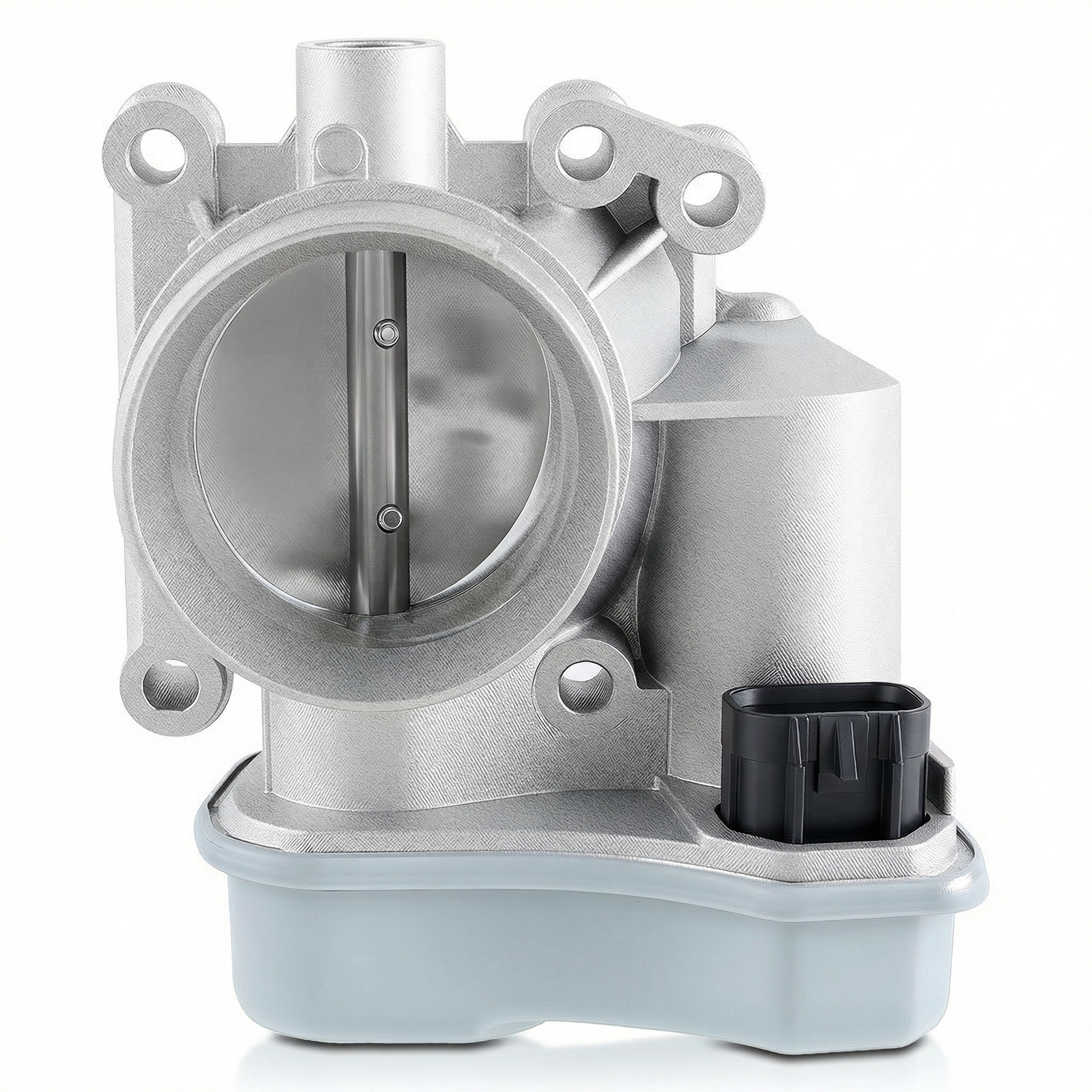
- Electronic Throttle Body
(OEM #12568796)— This is the most likely part to be replaced if a thorough cleaning does not resolve the low idle issue, indicating an internal electronic or mechanical failure.
Trusted brands: ACDelco, Hitachi, Bosch, Dorman
OEM price range: $200-$350
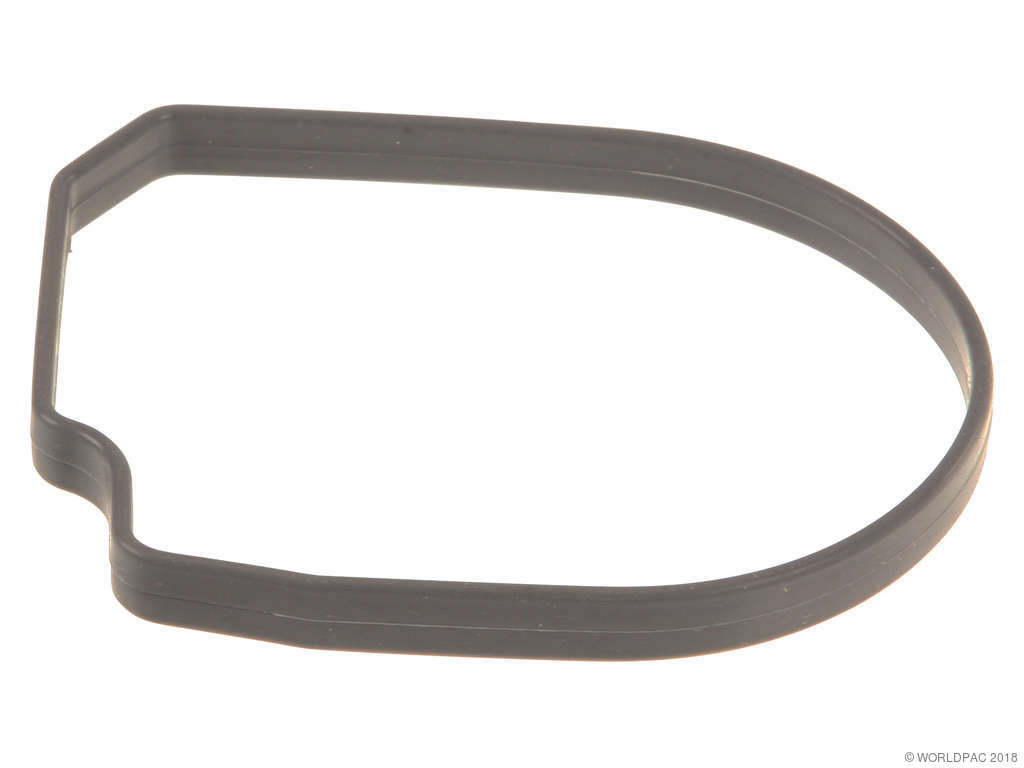
Aftermarket price range: $100-$250 - Throttle Body Gasket — This should be replaced whenever the throttle body is removed for cleaning to prevent a vacuum leak.
Trusted brands: Fel-Pro, Mahle, ACDelco
OEM price range: $5-$15
Aftermarket price range: $3-$10
Platform-Specific Known Issues
- Idle Relearn Confusion: There is conflicting information on the necessity and procedure for an idle relearn. Some sources state it's automatic after a battery disconnect and idle period. Others suggest a specific sequence of key turns and pedal presses. A common manual method involves idling the engine for 3 minutes, shutting it off for 60 seconds, and idling again for 3 minutes, while a scan tool can also initiate the process.
- Owner Experience: Successful Cleaning: An owner of a 2006 Saturn Ion detailed their experience on Medium.com. They were experiencing RPM fluctuations and near-stalling at idle. They removed and cleaned the throttle body, noting significant carbon buildup on the engine side. After cleaning and reinstalling with a new seal (torqued to 89 inch-pounds), the idle was steady and the stalling issue was completely resolved.
Mechanic-Grade Diagnostic Values
- Throttle Position Sensor (TPS) Voltage at Closed Throttle — expected: ~0.3V - 1.0V. Failure: Voltage is 0V or significantly outside the expected range.
- Throttle Position Sensor (TPS) Voltage at Wide-Open Throttle (WOT) — expected: ~4.0V - 4.5V. Failure: Voltage does not increase smoothly with throttle opening or does not reach the expected WOT voltage.
- Mass Air Flow (MAF) Sensor Reading at Idle — expected: Greater than 2 g/s. Failure: Reading is below 2 g/s, which may prevent the idle relearn procedure from initiating.
- Manifold Absolute Pressure (MAP) Sensor Reading at Idle — expected: Greater than 5 kPa. Failure: Reading is below 5 kPa, which may prevent the idle relearn procedure from initiating.
Scan Tool Commands That Help
- Tech2 or equivalent professional scan tool: Idle Learn Reset / Reset Adaptive Values — This command should be used after cleaning or replacing the electronic throttle body to force the PCM to relearn the new minimum throttle plate angle for correct idle speed. It is a more reliable method than the manual relearn procedure.
- Tech2 or equivalent professional scan tool: Monitor Desired vs. Actual RPM — During diagnosis, this function allows a technician to see if the PCM is commanding a specific idle speed and if the engine is failing to achieve it. This helps differentiate between a control problem and a mechanical/airflow problem.
Wiring & Ground Locations
- G103 — At the lower left front side of the engine compartment.. This is a primary ground point for the Engine Control Module (ECM). A poor connection here can cause erratic ECM behavior, including incorrect idle control calculations.
- G105 — On the lower left rear of the engine, above the starter motor.. This is another critical ground for the ECM/PCM. A forum post specifically identifies a 10mm bolt with two ring terminals in this location as a common source of issues. A bad ground here can directly impact engine management.
- G107 — On the left rear corner of the cylinder head.. This ground serves the Powertrain Control Module (PCM) and the Mass Airflow (MAF) / Intake Air Temperature (IAT) sensor. A faulty ground here can corrupt the MAF sensor signal, leading to incorrect airflow data and poor idle control.
Real Owner Repair Stories
- Medium.com article by Ryan Cresawn (2006 Saturn Ion, manual transmission, 142,825 miles at purchase) — Engine RPMs fluctuated +/- 100 RPMs at idle; severe near-stalling when accelerating from a stop, especially when the engine was cold with the A/C on.
❌ Tried (didn't work) Replacing the spark plugs.
✅ What actually fixed it The owner removed the electronic throttle body and found significant carbon and gum buildup, especially on the side closer to the intake manifold. A thorough 20-minute cleaning with throttle body cleaner, followed by reinstallation with a new gasket (torqued to 89 inch-pounds), completely resolved the RPM fluctuations and near-stalling issues.
OEM Part Supersession History
25312094→12568796— Standard part evolution, likely for improved reliability or manufacturing process changes.
Heads up: The replacement part, 12568796, may require programming or a special setup procedure (like an idle relearn) after installation to ensure proper function.
Model Year Variations Within This Range
- 2007 only: For the 2007 model year, the 2.2L L61 Ecotec engine received a power increase (140 to 145 hp) and was fitted with the ECU from the 2.4L engine. This software difference could potentially alter the specifics of the idle relearn procedure or diagnostic parameters compared to 2003-2006 models.
Diagnostic Flowchart
Used vs. New Parts: Buying Guide for This Vehicle
When a used part is the smart pick: A used OEM throttle body from a junkyard is a very sensible choice if the original unit has failed electronically and cleaning is not a fix. The failure is often the electronics, not the mechanical body, but a complete used assembly is the typical replacement.
Donor-vehicle mileage cap: roughly under 80000 miles for the part to have meaningful remaining life.
What to inspect on the donor part:
- Verify the donor vehicle has the same engine (2.2L L61).
- Inspect the throttle bore and plate. While it will likely be dirty, avoid units with deep scoring, corrosion, or physical damage.
- Ensure the electrical connector pins are straight and free of corrosion.
- If possible, check the donor vehicle's mileage. A lower-mileage part is always preferable.
Aftermarket brands forum-validated for this vehicle:
- ACDelco (Professional Grade is recommended)
- Dorman (Often cited as a reliable aftermarket option, sometimes with design improvements)
Brands owners have reported issues with on this vehicle:
- Unbranded, 'white-box' parts from online marketplaces should be avoided, as their quality control and longevity are unknown.
Real Owner Stories
Aggregated from forums and TSBs cited above. Mileages and costs reflect what owners reported in those sources.
2006 Saturn Ion
Symptoms: RPM fluctuations and near-stalling at idle.
What fixed it: The owner removed and cleaned the throttle body, noting significant carbon buildup on the engine side. After cleaning and reinstalling with a new seal torqued to 89 inch-pounds, the idle was steady and the stalling issue was completely resolved.
Source hint: Vehicle Specific Issues section, citing a Medium.com article
Related OBD-II Codes
Frequently Asked Questions
What is the most common cause of a P0506 code on my 2003-2007 Saturn Ion?
I cleaned my Ion's throttle body, but the idle is still rough. What should I do next?
How do I perform a manual idle relearn procedure on my Saturn Ion?
What are the torque specs for the throttle body bolts on the 2.2L Ecotec engine?
I can't find the PCV valve on my Saturn Ion. Where is it located?
Are other GM cars from that era, like the Chevy Cobalt, also prone to this P0506 issue?
Used OEM Parts in Stock



New Aftermarket Parts Available




The information in this article is provided for general reference and educational purposes only. Vehicle specifications, procedures, and part compatibility can vary by production date, trim level, and region. Always consult your vehicle's factory service manual and verify part numbers before purchasing or performing repairs. Safety-critical components such as airbags, seat belts, and braking systems should be installed by a qualified professional.
- Saturn Ion:
- 🛍️ Shop This Part
- What's Unique About the 2003-2007 Saturn Ion
- Symptoms You May Notice
- Most Likely Causes
- Rare But Worth Checking
- Diagnosis Steps
- Parts You'll Likely Need
- Platform-Specific Known Issues
- Mechanic-Grade Diagnostic Values
- Scan Tool Commands That Help
- Wiring & Ground Locations
- Real Owner Repair Stories
- OEM Part Supersession History
- Model Year Variations Within This Range
- Diagnostic Flowchart
- Used vs. New Parts: Buying Guide for This Vehicle
- Real Owner Stories
- 2006 Saturn Ion
- Related OBD-II Codes
- Frequently Asked Questions
- 🎟️ Get 5% Off