

P0506 on 2011-2018 Porsche Cayenne 3.6L: Low Idle Causes and Fixes
On the 2011-2018 Porsche Cayenne with the 3.6L VR6 engine, code P0506 is most often caused by a dirty electronic throttle body that needs cleaning. This is a DIY-friendly job that costs less than $20 for a can of throttle body cleaner. A less common but possible cause is a failing PCV system, which more typically causes a high idle (P0507).
- P0506 on this Cayenne means the idle is too low.
- The most likely and easiest fix is to clean the electronic throttle body.
- After cleaning the throttle body, you must perform a throttle 'relearn' or 'adaptation' procedure.
- While checking things, inspect for cracked air intake hoses and test for the common PCV diaphragm failure (strong vacuum at the oil cap when running).
What's Unique About the 2011-2018 Porsche Cayenne
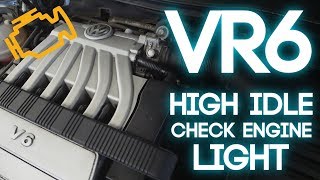
The 3.6L VR6 engine in this generation of Cayenne is known for two key issues that affect idle speed. The most common cause for a low idle (P0506) is heavy carbon and oil buildup inside the electronic throttle body, which restricts airflow at small throttle openings. Conversely, this engine is also famous for a torn PCV/Air-Oil Separator diaphragm, which typically creates a large vacuum leak and causes a *high* idle (code P0507). However, any idle instability warrants checking this system due to its extremely high failure rate, 🎬 Watch: Diagnosing high idle and PCV issues on the VR6 engine. as intermittent issues or associated lean conditions can sometimes manifest as a low or stumbling idle.
Generation note: The 2011-2018 model years cover the entire second generation of the Porsche Cayenne (Type 958), which includes the 958.1 (2011-2014) and the facelifted 958.2 (2015-2018). The 3.6L VR6 was the base engine throughout this period, and the common causes for P0506 are consistent across both sub-generations. This engine is also shared with the Volkswagen Touareg and Audi Q7 of the same era, which exhibit identical idle problems.
Symptoms You May Notice
- Engine idle is lower than normal (e.g., 500-600 RPM instead of the usual ~680 RPM)
- Rough or shaking idle, especially when stopped in gear.
- Engine may hesitate or stall when coming to a stop.
- Noticeable vibration felt in the cabin and on the steering wheel at idle.
- Check Engine Light is illuminated.
- Idle may flutter or hunt by 50-75 RPM.
- Replacing the throttle body when it only needs to be cleaned.
- Replacing spark plugs and ignition coils for a rough idle without first checking for vacuum leaks or a dirty throttle body.
- Ignoring the need for a throttle body gasket replacement after cleaning, thus inducing a new vacuum leak.
Most Likely Causes
- Dirty Electronic Throttle Body 🔴 High Probability The PCV system routes oil vapors into the intake, which can mix with dust and carbon over time, creating a sticky sludge around the throttle plate and bore. This buildup physically restricts the small amount of air needed for idle, preventing the PCM from maintaining the target RPM.
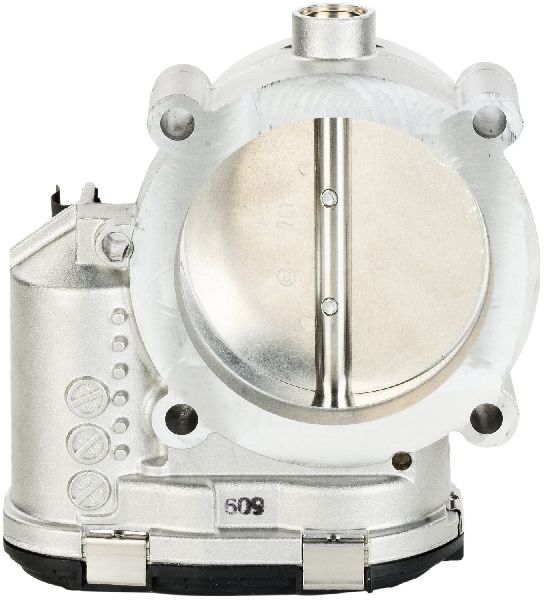
How to confirm: Remove the air intake hose connected to the throttle body. Visually inspect the throttle plate and the inside of the throttle body for a thick, black coating of carbon. The buildup is often heaviest on the back side of the plate and the bore where it rests at idle.
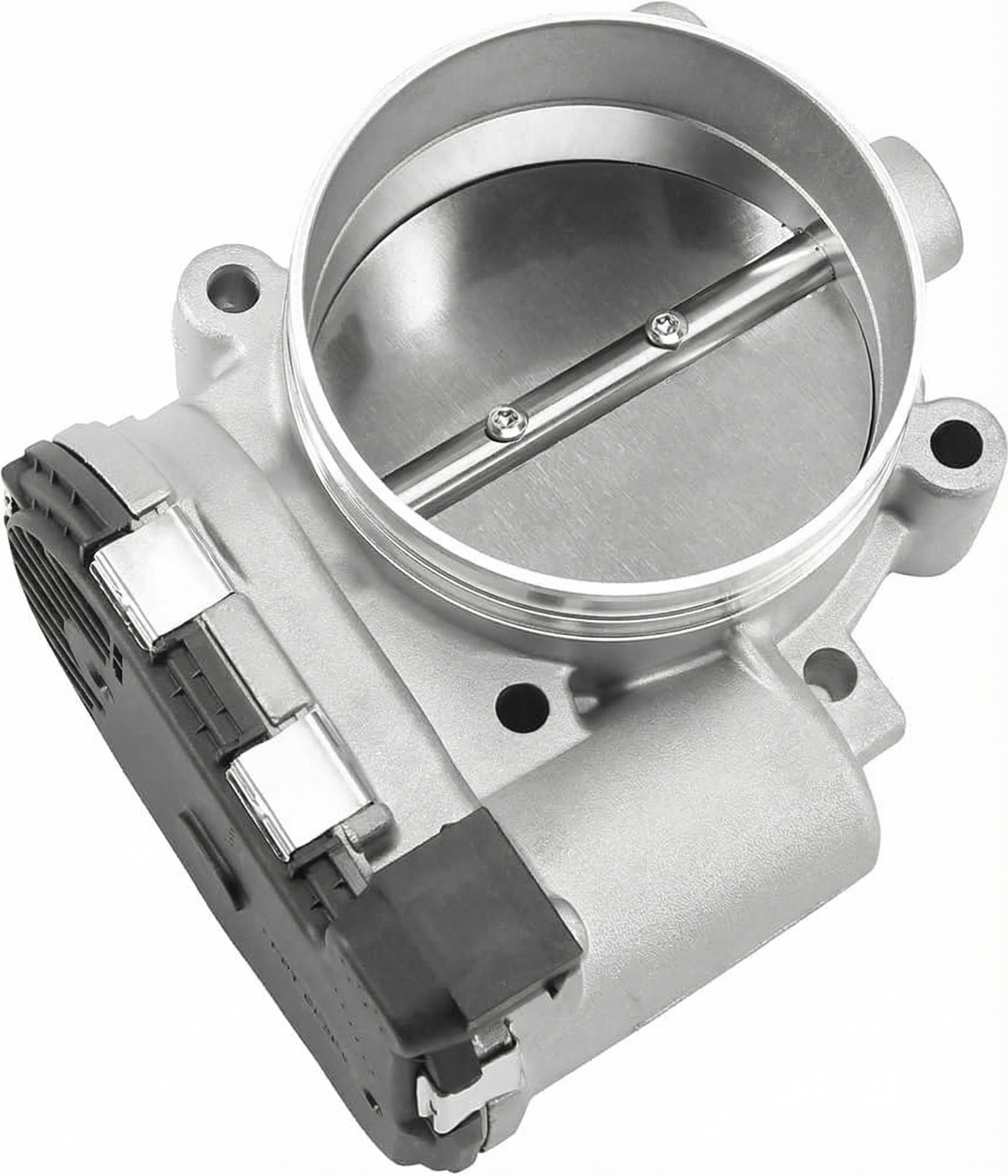
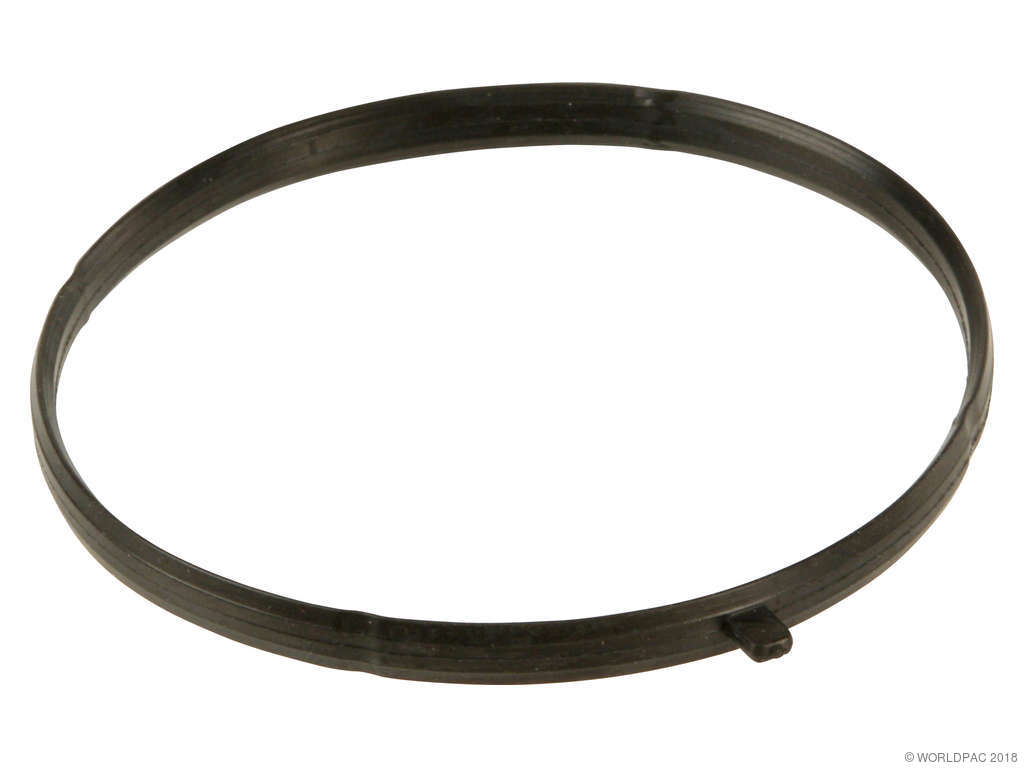
Typical fix: Remove the throttle body (typically four T25 or T30 Torx bolts) from the intake manifold and clean it thoroughly with a dedicated throttle body cleaner and a soft brush or microfiber towel. It is critical to also replace the throttle body gasket to prevent a new vacuum leak. A throttle body adaptation (relearn) procedure is required after reinstallation.
Est. part cost: $15-$40 (cleaner and new gasket) - Vacuum Leak (Cracked Hoses, Bad Gaskets) 🟡 Medium Probability The plastic and rubber components of the intake and vacuum system become brittle over time due to engine heat cycles and can easily crack. While large leaks cause a high idle (P0507), small or intermittent leaks can confuse the ECU, leading to overcorrection and a low, stumbling idle.
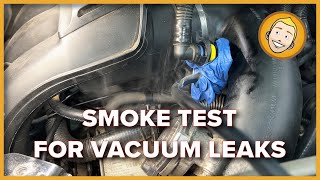
How to confirm: Visually inspect all accessible vacuum lines and the main air intake boot for cracks, breaks, or loose connections. A professional smoke test is the most effective way to find small, hidden leaks. 🎬 See how a professional smoke test identifies hidden vacuum leaks. Pay close attention to the brake booster line and EVAP purge valve hoses.
Typical fix: Replace the specific hose or gasket that is leaking. The throttle body gasket (if not replaced during cleaning) and the main air intake hose are common culprits.
Est. part cost: $20-$150 - Failed PCV / Air-Oil Separator (AOS) Diaphragm ⚪ Low Probability This is a very common failure on the 3.6L VR6 engine. While it usually causes a large vacuum leak and a HIGH idle (P0507) with a loud hissing sound, a partially failed or intermittently sticking valve can cause general idle instability. Some owners have reported P0506 in conjunction with lean codes (P2187) that were ultimately traced back to the PCV system.
How to confirm: With the engine running, listen for a loud whistling or hissing sound from the round PCV cap on the valve cover. Try to remove the oil filler cap; if it is held on by strong vacuum, the diaphragm is torn. Placing a finger over the small vent hole on the cap and noticing a change in idle or sound is also a definitive test.
Typical fix: Porsche replaces the entire valve cover assembly. However, cost-effective aftermarket kits are available to replace only the diaphragm, cap, and spring, which requires removing the intake manifold for access. 🎬 Watch this step-by-step guide to replacing the PCV valve.
Est. part cost: $25-$50 (diaphragm kit), $400-$600 (full valve cover assembly)
Rare But Worth Checking
- Dirty or Faulty Mass Airflow (MAF) Sensor: The MAF sensor measures the air entering the engine. If it's dirty and under-reporting the amount of air, the ECU may not provide enough fuel, leading to a low/stumbling idle. It's easy to clean with a dedicated MAF sensor cleaner spray when you are already working on the intake/throttle body. Note: Some forum users report the 3.6L VR6 uses a MAP sensor strategy instead of a MAF, so this may not be applicable to all vehicles.
- Heavy Carbon Buildup on Intake Valves: As a Direct Injection (DI) engine, the 3.6L VR6 is prone to carbon buildup on the intake valves over many miles. This can impede airflow into the cylinders and cause a rough idle or misfires, which could be interpreted as a low idle condition. This is an expensive, labor-intensive cleaning job (walnut blasting) typically needed after 80,000+ miles.
- Failing EVAP Purge Valve (N80): The EVAP purge valve controls the flow of fuel vapors from the charcoal canister to the intake manifold. If it sticks open, it can create a small, intermittent vacuum leak, disrupting idle stability and potentially causing P0506 along with lean codes.
Diagnosis Steps
- Read all fault codes from the PCM using an OBD-II scanner. Note any accompanying lean codes (P2187, P2189) or correlation codes (P0068).
- With the engine running, listen for any hissing or whistling sounds from the engine bay that would indicate a vacuum leak.
- Check for the common PCV failure: listen for noise from the valve cover and check for excessive vacuum at the oil filler cap.
- Inspect the entire air intake tract, from the air filter box to the throttle body, for any visible cracks, tears, or loose connections.
- Remove the intake duct from the throttle body and inspect the throttle plate and bore for heavy carbon buildup.
- If dirty, remove the throttle body and clean it thoroughly using a dedicated cleaner and a soft brush. Always replace the throttle body gasket (Part # 95811014400 or 95811021520 depending on specific year/model) to prevent leaks.
- While the intake is apart, consider cleaning the MAF sensor (if equipped) with dedicated MAF sensor cleaner.
- Reinstall the throttle body and perform a throttle adaptation (relearn) procedure. This can be attempted by turning the ignition on (engine off) for 60 seconds, off for 10 seconds, and then starting the engine. A Porsche-specific scan tool (PIWIS) is the most reliable method to force adaptation.
- If the idle is still low, perform a smoke test to definitively identify any hard-to-see vacuum leaks, such as from the EVAP system or brake booster hose.
Parts You'll Likely Need
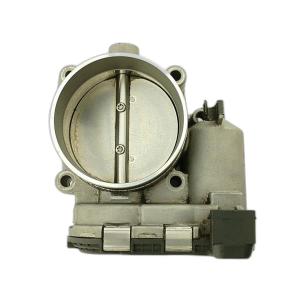
- Electronic Throttle Body Cleaner — This is the most likely solution. Cleaning the existing throttle body of carbon buildup often restores proper idle control.
Trusted brands: CRC, Liqui Moly, Permatex
Aftermarket price range: $10-$20 - Throttle Body Gasket
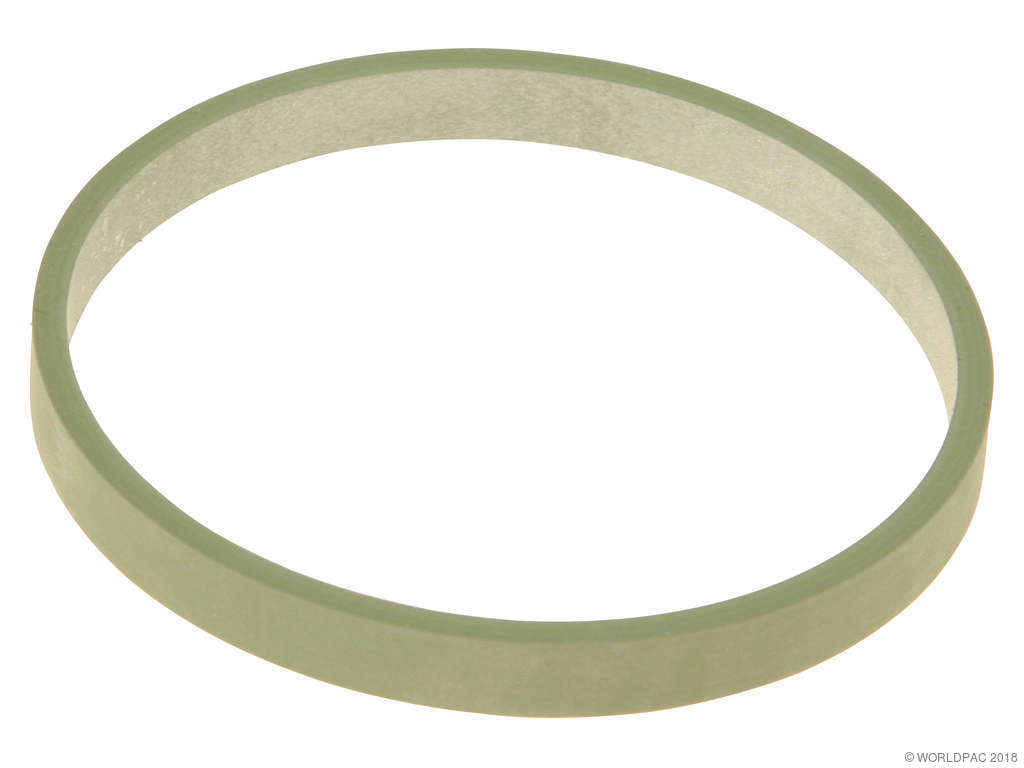
(OEM #95811014400 / 95811021520)— This gasket should always be replaced when the throttle body is removed for cleaning to ensure an airtight seal and prevent vacuum leaks. Part number may vary slightly by year.
Trusted brands: Porsche (OEM), Victor Reinz
OEM price range: $20-$30
Aftermarket price range: $10-$20
Related Codes That Often Appear With This One
- P2187 — System Too Lean at Idle, Bank 1. This code often appears with vacuum leaks, as unmetered air enters the engine, disrupting the air-fuel ratio. A failing PCV system is a common cause for both P2187 and idle issues.
- P2189 — System Too Lean at Idle, Bank 2. Similar to P2187, this indicates a lean condition on the other cylinder bank, pointing towards a vacuum leak affecting the entire engine.
- P0507 — Idle Air Control System RPM Higher Than Expected. While the opposite of P0506, seeing both codes intermittently or having one flip to the other can suggest a very erratic vacuum leak or a failing PCV system that is not behaving consistently.
- P0068 — MAP/MAF - Throttle Position Correlation. This code can appear if the ECU sees a mismatch between the expected airflow (based on throttle position) and the actual airflow reported by the MAP/MAF sensor, which can be caused by a dirty throttle body or vacuum leak.
Platform-Specific Known Issues
- A Rennlist forum member with a 993 (different car, same code) reported P0506 after other work, pointing to the generic nature of the code across Porsche models. URL: https://rennlist.com/forums/993-forum/747379-code-p0506.html
- A user on Rennlist with a 2012 Cayenne S experienced idle flutter and codes P0068, P1071, and P1074, which pointed towards a MAF/MAP correlation issue, highlighting the interconnectedness of these systems. URL: https://rennlist.com/forums/cayenne-958-2011-2018/1392686-pointers-where-to-start.html
Mechanic-Grade Diagnostic Values
- Camshaft Position Deviation (VarioCam) — expected: Values should be relatively stable and similar between banks at idle. They will change with RPM.. Failure: On a diagnostic tool, watching one bank's deviation value remain at zero and then suddenly jump can indicate a faulty camshaft position sensor or wiring issue, even if no specific sensor fault code is present.
- System Voltage during Adaptation/Programming — expected: Must remain stable between 13.5 and 14.5 Volts.. Failure: A drop in voltage can cause the adaptation or programming process to fail, leading to persistent issues. A battery charger/power supply is required when using a PIWIS tester for these functions.
Hidden / Shadow Codes Worth Checking
- P12A2 / C342D: Manufacturer Control. These are Porsche-specific codes that may appear alongside generic P-codes. While their exact definition isn't publicly documented, they often point the technician toward a system (like fuel/air metering) that requires deeper investigation with a factory tool like PIWIS. They were reported in conjunction with idle speed faults. (see via Porsche PIWIS Tester or other advanced European-specific scan tools.)
Scan Tool Commands That Help
- Porsche PIWIS Tester: Throttle valve adaptation — This function is required after cleaning or replacing the electronic throttle body to allow the DME to relearn the closed, open, and partial opening positions. The path is typically: DME -> Maintenance/repairs -> Adaptations -> Throttle valve adaptation.
- Porsche PIWIS Tester: Vehicle Handover — Recommended as a first step for any difficult-to-diagnose electrical or module communication issue. It performs a system-wide reset and re-initialization of control units, which can sometimes resolve erratic behavior before component-level diagnosis begins.
Wiring & Ground Locations
- Engine-to-Chassis Ground Strap (Upper) — In the engine bay, a braided strap runs from the engine block to the passenger side strut tower.. Poor grounding can cause erratic sensor readings and incorrect actuator commands. The throttle body is an electronic device that relies on a stable voltage and ground reference to function correctly. Corrosion on this main ground can cause a host of drivability issues, including idle instability.
- Engine-to-Chassis Ground Strap (Lower) — Underneath the vehicle, in the front right corner, a strap connects the bottom of the engine to the vehicle's frame.. This is another primary ground path for the engine and its electronics. It is exposed to road salt and moisture, making it highly susceptible to corrosion, which can lead to intermittent and hard-to-diagnose electrical faults affecting idle control.
- Main Chassis Ground — In front of the driver's seat, under the carpet. There is often a small access flap.. This is a central grounding point for many interior and chassis modules. While less likely to directly cause a P0506 code, a problem here can create system-wide electrical noise that may affect the DME's stability.
Real Owner Repair Stories
- YouTube user 'Ruslan Videofilms' (2008 Porsche Cayenne 3.6L VR6 (957 generation, but same engine and common issues as 958)) — Rough idle where RPMs would hunt up and down, causing the vehicle to shake and almost stall when stopped.
❌ Tried (didn't work) The user went straight to a multi-step repair, but the initial focus was cleaning the MAF and throttle body.
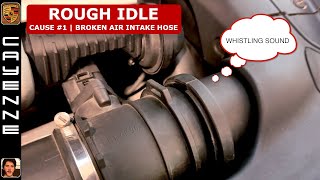
✅ What actually fixed it The ultimate fix was repairing a cracked air intake hose between the MAF sensor and the throttle body using self-fusing silicone tape. This stopped the unmetered air leak that was causing the idle instability.
"I Checked Everything" — The Actual Cause
- A dragging torque converter. If the torque converter fails to unlock completely as the vehicle comes to a stop, it will lug the engine's RPM down, mimicking a stall or low idle condition. This is a transmission issue, not an engine air/fuel problem, so it will not be found with a smoke test.
- A small, intermittent leak in the brake booster or its check valve. This may not show up during a standard low-pressure smoke test but can introduce unmetered air under specific vacuum conditions (like deceleration), confusing the idle control system.
Model Year Variations Within This Range
- 2011-2018: The base 3.6L VR6 engine and its common failure points for code P0506 (dirty throttle body, PCV failure) are consistent across the entire 958 generation (958.1 and 958.2). The major engine changes for the facelift in 2015 affected the 'S' and 'GTS' trims, which received a different 3.6L twin-turbo engine, not the VR6.
Diagnostic Flowchart
Other Known Issues on This Vehicle
Issues unrelated to this code that are worth knowing about as an owner of this generation:
- Transfer Case Failure 🔴 High — Very common, especially on pre-2017 models. Symptoms include shuddering/juddering during low-speed acceleration and tight turns. Often occurs between 30k-80k miles. (Ref: Porsche extended the warranty on this component for many vehicles, but it is not a formal recall.)
- Sheared Camshaft Adjuster Bolts 🔴 High — Primarily affects 2011-2012 V8 models, but has been seen on V6 engines. The aluminum bolts can shear, causing the engine to stall, potentially leading to catastrophic engine damage. (Ref: NHTSA Campaign 17V368000 (Porsche recall AH08) was issued for some 2011 models.)
- Timing Chain Guide Wear / Rattle 🟠 Medium — The plastic timing chain guides can wear out, causing a rattling noise on startup. If ignored, it can lead to chain failure. Less common than on other German engines but still a known issue at higher mileage (100k+ miles).
- Coolant Pipe & Housing Leaks 🟠 Medium — Plastic coolant pipes and fittings, especially at the rear of the engine, can become brittle and crack, causing coolant leaks. This is a common issue on many VW/Audi engines of this era.
- Water Pump Failure 🟠 Medium — Premature water pump failure is common, often signaled by a slow coolant leak visible from underneath the vehicle. Many owners report replacement needed between 60k-90k miles.
Used vs. New Parts: Buying Guide for This Vehicle
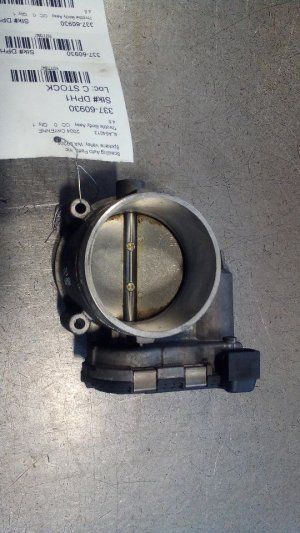
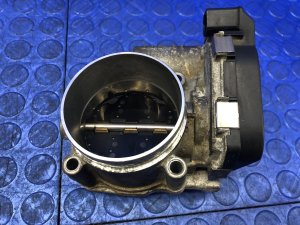
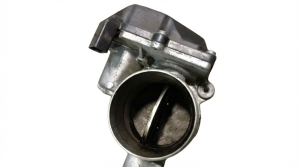
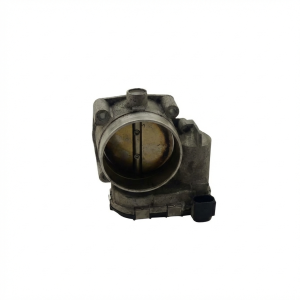
When a used part is the smart pick: A used OEM throttle body from a reputable salvage yard is a viable option, as the part is generally robust. The primary failure mode is carbon buildup, which can be cleaned off a used part before installation. This can be significantly cheaper than a new unit.
Donor-vehicle mileage cap: roughly under 80000 miles for the part to have meaningful remaining life.
What to inspect on the donor part:
- Verify the donor vehicle's mileage is reasonably low.
- Inspect the electrical connector pins for any signs of corrosion or damage.
- Manually move the throttle plate (if possible) to ensure it moves smoothly without binding or gritty feeling.
- Ensure there are no cracks in the plastic housing.
OEM-only on this vehicle (don't cheap out):
- PCV / Air-Oil Separator Diaphragm: While aftermarket diaphragm-only kits are cheap and popular, their long-term durability can be questionable. For a fix-it-once repair without risking a repeat failure in 1-2 years, using the complete OEM valve cover assembly is the most reliable, albeit expensive, option.
Aftermarket brands forum-validated for this vehicle:
- Bosch (for Throttle Body - OEM Supplier)
- Victor Reinz (for Gaskets)
Brands owners have reported issues with on this vehicle:
- Unbranded, no-name PCV diaphragm repair kits from online marketplaces have a high rate of premature failure.
Real Owner Stories
Aggregated from forums and TSBs cited above. Mileages and costs reflect what owners reported in those sources.
2012 Porsche Cayenne S
Symptoms: Idle flutter and codes P0068, P1071, and P1074.
What fixed it: The issues pointed toward a MAF/MAP correlation problem, highlighting the interconnectedness of the intake systems.
Source hint: Rennlist.com thread titled 'pointers where to start' (URL: https://rennlist.com/forums/cayenne-958-2011-2018/1392686-pointers-where-to-start.html)
2011-2017 Volkswagen Touareg 3.6L VR6
Symptoms: Low or high idle codes (P0506/P0507).
What fixed it: Cleaning the dirty throttle body and replacing the failed PCV diaphragm.
Source hint: Platform mate data for VW Touareg 3.6L VR6
Porsche Cayenne 3.6L V6
Symptoms: Slow coolant leak from a plastic fitting on the back of the engine.
What fixed it: Repairing the plastic coolant pipes and housing at the rear of the engine.
Source hint: RennTech.org thread titled '3.6 V6 coolant leak help'
Related OBD-II Codes
Frequently Asked Questions
Is there a recall for the 2011-2018 Cayenne 3.6L VR6 regarding the P0506 idle issue?
Can I just clean the throttle body on my Cayenne, or do I need to replace it?
My 2012 Cayenne S has idle flutter and P0506; could it be the MAF sensor?
Does the transfer case issue on the 958 Cayenne cause P0506?
How do I perform the throttle relearn on my Cayenne without a PIWIS tool?
Is the PCV failure on the 3.6L VR6 covered by a special warranty?
Helpful Videos
Used OEM Parts in Stock
New Aftermarket Parts Available



The information in this article is provided for general reference and educational purposes only. Vehicle specifications, procedures, and part compatibility can vary by production date, trim level, and region. Always consult your vehicle's factory service manual and verify part numbers before purchasing or performing repairs. Safety-critical components such as airbags, seat belts, and braking systems should be installed by a qualified professional.
- Porsche Cayenne:
- 🎬 Helpful Videos
- 🛍️ Shop This Part
- What's Unique About the 2011-2018 Porsche Cayenne
- Symptoms You May Notice
- Most Likely Causes
- Rare But Worth Checking
- Diagnosis Steps
- Parts You'll Likely Need
- Related Codes That Often Appear With This One
- Platform-Specific Known Issues
- Mechanic-Grade Diagnostic Values
- Hidden / Shadow Codes Worth Checking
- Scan Tool Commands That Help
- Wiring & Ground Locations
- Real Owner Repair Stories
- "I Checked Everything" — The Actual Cause
- Model Year Variations Within This Range
- Diagnostic Flowchart
- Other Known Issues on This Vehicle
- Used vs. New Parts: Buying Guide for This Vehicle
- Real Owner Stories
- 2012 Porsche Cayenne S
- 2011-2017 Volkswagen Touareg 3.6L VR6
- Porsche Cayenne 3.6L V6
- Related OBD-II Codes
- Frequently Asked Questions
- 🎟️ Get 5% Off