

P0496 on 2008-2017 Buick Enclave: EVAP Flow, Causes, and Fixes
On a 2008-2017 Buick Enclave with the 3.6L V6, code P0496 is almost always caused by a faulty EVAP canister purge solenoid valve that is stuck open. This is a common failure, but the part is inexpensive and very easy to replace. The most telling symptom is difficulty starting the engine right after refueling.
- P0496 on a Buick Enclave almost always means the canister purge solenoid valve is stuck open.
- A key symptom is the engine being difficult to start right after you get gas.
- This is a very common problem, but the fix is simple, cheap, and DIY-friendly, requiring only basic tools and about 15 minutes.
- The purge valve is located on top of the engine and is held in place by a single 10mm bolt.
- Ignoring this code can eventually lead to more expensive repairs, such as damage to the catalytic converter.
What's Unique About the 2008-2017 Buick Enclave

The 3.6L V6 engine used across the GM Lambda platform (Enclave, Traverse, Acadia, Outlook) is well-known for this specific issue. The canister purge solenoid valve is a frequent failure point, often sticking internally due to wear. Fortunately, on this particular vehicle, the valve is located in a very accessible position on top of the engine, making diagnosis and replacement a 15-minute job for most DIYers.
Generation note: The 2008-2017 model years cover the first generation of the Buick Enclave. A facelift occurred in 2013, but the 3.6L V6 engine and the EVAP system design related to this code remained fundamentally the same. The causes and fixes are consistent across this entire year range.
Symptoms You May Notice

- Check Engine Light is on.
- Difficulty starting the engine immediately after filling up the gas tank. This happens because the stuck-open valve allows raw fuel vapors to flood the engine, creating an overly rich mixture.
- Engine may run rough or have an unstable idle, especially after starting.
- Slight decrease in fuel economy due to un-metered vapors entering the engine.
- A 'whoosh' or suction sound may be heard when opening the gas cap, as the stuck valve can cause a constant vacuum to be pulled on the fuel tank.
- Replacing the gas cap. While it's good to check, it's rarely the cause of a P0496 code, which specifically points to flow when none is commanded, not a system leak.
- Replacing the EVAP charcoal canister. The canister is a storage device and is unlikely to cause a flow condition. It's more likely to be the valve that controls the flow from it. The canister is more likely to be the issue if the symptom is difficulty filling the fuel tank.
Most Likely Causes

- Faulty EVAP Canister Purge Solenoid Valve 🔴 High Probability This specific part is a well-documented common failure item on GM's 3.6L V6 engine. The internal diaphragm or seal can fail, causing the valve to stick open and create a constant vacuum leak from the EVAP system into the intake manifold.
How to confirm: With the engine running, disconnect the EVAP line from the purge valve. If you can feel suction with your finger or if a vacuum gauge shows a vacuum, the valve is stuck open and needs to be replaced. Alternatively, remove the valve, and if you can blow air through it from either direction, it has failed, as it is a normally-closed valve.
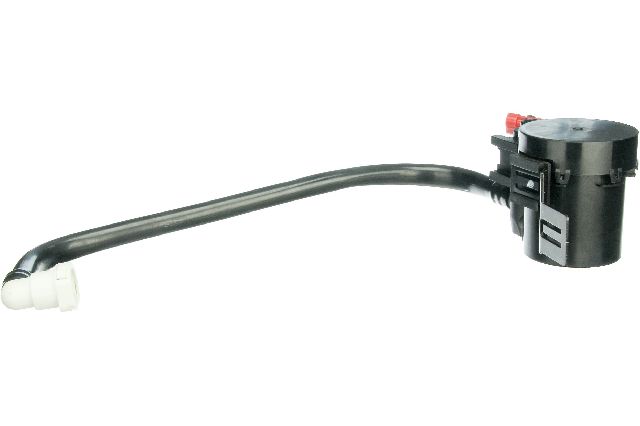
Typical fix: Replace the canister purge solenoid valve. It is held on by a single 10mm bolt and is located on top of the engine, making it a very simple DIY repair. 🎬 See this step-by-step walkthrough for replacing the Enclave purge valve.
Est. part cost: $20-$60
Rare But Worth Checking
- Loose or Faulty Gas Cap: While a loose gas cap typically causes a P0442 (small leak) or P0455 (large leak) code, it's a simple and free check. Ensure the cap is tight and the seal is not cracked or damaged. However, this is rarely the cause for P0496.
- Faulty Fuel Tank Pressure (FTP) Sensor: In rare cases, the sensor that detects the vacuum can fail or provide an incorrect reading, tricking the computer into setting the P0496 code. This is uncommon and the purge valve should be ruled out first.
Diagnosis Steps

- Verify the Check Engine Light is on and code P0496 is present using an OBD-II scanner. Note if there is also a permanent DTC stored, which may take several drive cycles to clear after the repair.
- Check the gas cap to ensure it is tight and the seal is in good condition.
- Locate the EVAP canister purge solenoid valve on the top of the engine. You will need to remove the plastic engine cover by first removing the oil cap.
- Start the engine.
- Disconnect the vapor line from the purge valve (it often has green press-tabs).
- Place your finger over the port on the valve where the line was connected. If you feel suction, the valve has failed and is stuck open.
- For a definitive test, remove the valve completely (one 10mm bolt). Try to blow through either port of the removed valve. If any air passes through, it is faulty and must be replaced. A new valve 🎬 Watch: A quick 3-minute guide to diagnosing and fixing this code. will not allow air to pass.
- If no suction is felt and the valve passes the blow test, the issue may be intermittent or could be a more complex problem with the wiring or the Fuel Tank Pressure sensor, which may require professional diagnosis.
Parts You'll Likely Need
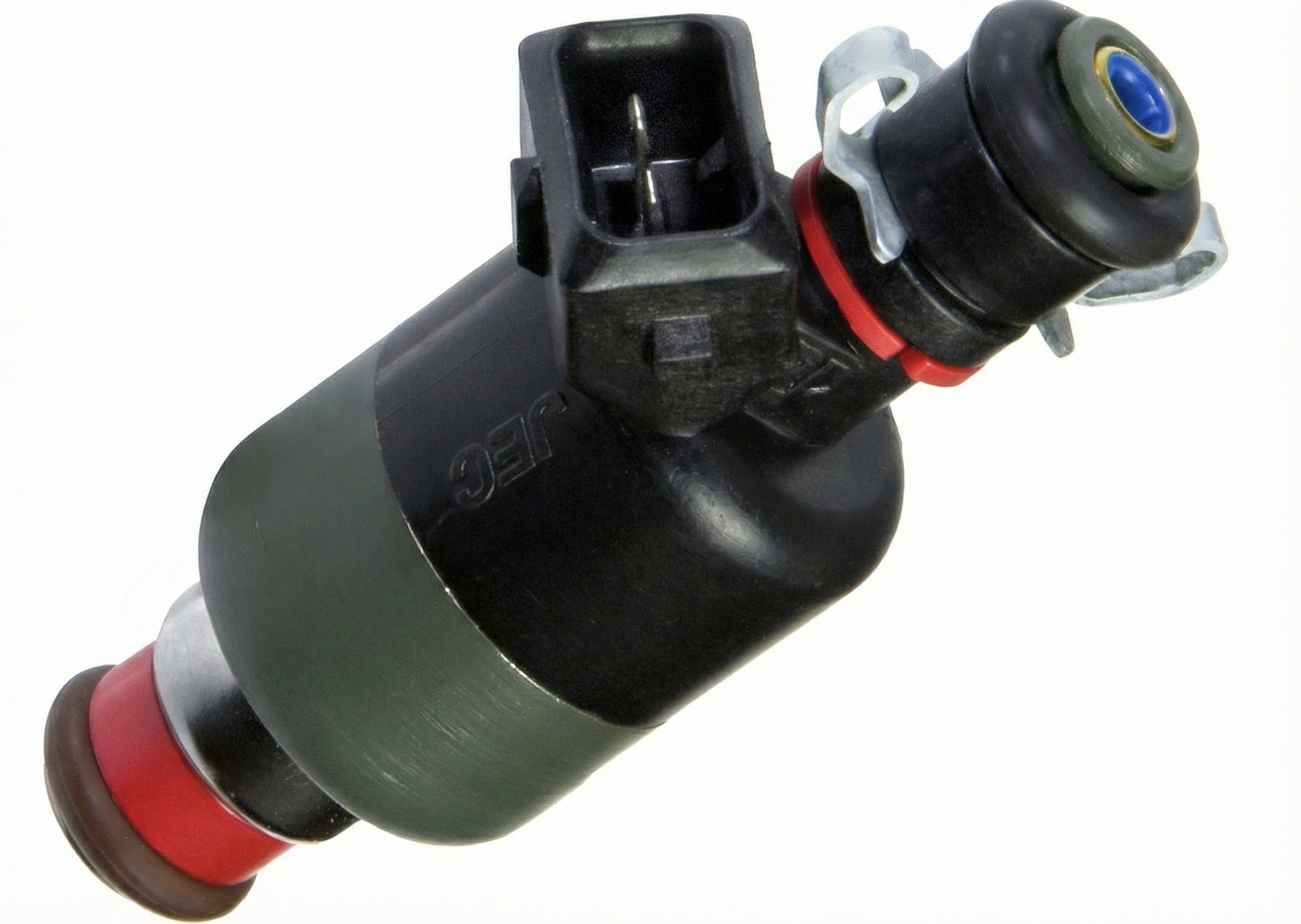
- EVAP Canister Purge Solenoid Valve
(OEM #12690512 (may be superseded by 12610560 or 12737252))— This is the most common failure point for code P0496 on this vehicle, responsible for over 80% of cases. It gets stuck open, allowing un-commanded vapor flow.
Trusted brands: ACDelco (OEM), Dorman (911-082), Standard Motor Products (CP612), SKP
OEM price range: $45-$60
Aftermarket price range: $17-$40
Related Codes That Often Appear With This One
- P0442 — A P0442 (Small Evaporative Emission System Leak) can sometimes appear alongside P0496 if the faulty purge valve is also causing the system to fail its leak-down test.
- P0171/P0174 — While a rich condition is more common, a vacuum leak from the purge valve can sometimes confuse the engine's fuel trims, leading to lean codes under certain conditions.
Technical Service Bulletins (TSBs) & Recalls
- While no specific TSB for the Enclave and P0496 was found, GM has issued special coverage adjustments for this exact part on other vehicles with 3.6L engines, such as N192210240 for the Chevy Caprice, indicating a known high failure rate for the component.
- Manufacturer Bulletin #PIP6037A notes a potential for DTC P0496 to fail due to damaged purge solenoid valve O-rings on related Buick models.
- Manufacturer Bulletin #PIP5284A suggests that if DTC P0496 continues to set after performing strategy-based diagnostics, the technician should evaluate the customer's drive cycle as a contributing factor.
- Manufacturer Bulletin #PIP5284 advises technicians that if the code persists after standard diagnostics, they should contact the General Motors Technical Assistance Center for further guidance.
Platform-Specific Known Issues
- The primary vehicle-specific issue is the high failure rate of the original equipment purge solenoid valve on the 3.6L V6 engine platform used in the Enclave, Traverse, and Acadia. Some owners report replacing this part more than once over the life of the vehicle.
Mechanic-Grade Diagnostic Values
- EVAP Purge Solenoid Commanded State (Scan Tool) — expected: 0% at idle and during non-purge conditions.. Failure: If the command is 0% but vacuum is still detected at the valve, the valve is stuck open.
- Fuel Tank Pressure (FTP) Sensor Live Data (Scan Tool) — expected: Near 0 inches of water (atmospheric pressure) at startup with the purge command at 0%.. Failure: Immediately dropping to a negative value (e.g., -11 inches of water) upon startup indicates un-commanded vacuum, pointing to a stuck-open purge valve.
- EVAP Purge Solenoid Coil Resistance — expected: Typically between 15-30 ohms.. Failure: A reading of infinite resistance (open) or near-zero resistance (short) indicates a failed solenoid coil. This would typically set a P0443 circuit code, but can be a useful test.
- EVAP Purge Solenoid Connector Voltage — expected: Approximately 12V (battery voltage) on one pin with the key on, engine off.. Failure: No voltage suggests a wiring issue, a blown fuse (check 'Emission 1' fuse), or an ECM problem.
Scan Tool Commands That Help
- GDS2 / Tech2 / High-End Bidirectional Scanner: EVAP Purge Solenoid Output Control — This command allows a technician to manually cycle the purge solenoid on and off (e.g., from 0% to 80% duty cycle) while the engine is running. You should hear the valve clicking as the duty cycle is increased. This test confirms if the ECM can control the valve and if the valve responds to commands. If you command it to 0% and still feel vacuum, the valve is mechanically stuck.
- GDS2 / Tech2: EVAP Service Bay Test — This is a comprehensive, automated test to verify the entire EVAP system's integrity after a repair. It will only run under specific conditions: fuel level between 15-85% and engine coolant temperature below 158°F (70°C). Successfully passing this test confirms the repair and can help clear the permanent DTC faster.
Wiring & Ground Locations
- EVAP Purge Solenoid Connector — On top of the engine, connected directly to the purge valve.. This is the primary point for electrical testing (voltage and resistance). The two wires are typically a 12V power feed and a pulse-width modulated ground controlled by the ECM.
- G103 / G105 / G106 / G110 — These are key engine grounds located on the engine block, often at the front or rear corners. G103 is often at the left side of the engine compartment, while G106 can be on the top front corner of the engine.. A poor or corroded engine ground can cause erratic behavior from the ECM and its actuators. While less common for P0496, checking that engine grounds are clean and tight is a crucial step in diagnosing any persistent electronic issue.
- G112 — Located on the rear of the engine, mounted to the rear of a cylinder head.. This ground is in the vicinity of the EVAP system components on the engine. A loose or corroded connection here could potentially affect the purge solenoid's circuit performance.
Real Owner Repair Stories
- DoItYourself.com Community Forums (2015 Buick Enclave) — Car sometimes about to stall, hard starting after refueling, Check Engine Light with code P0496.
❌ Tried (didn't work) Initially, replacing the purge valve and clearing the code did not make the code disappear from the scanner immediately, causing confusion.
✅ What actually fixed it Replacing the EVAP purge solenoid valve. The user later confirmed that after about a month, the hard starting and stalling issues were completely gone, indicating the repair was successful despite the initial confusion with the code clearing. - YouTube - South Main Auto LLC (Buick Enclave (year not specified, but first generation)) — Check Engine Light with P0496. Freeze frame data showed -11 inches of water pressure in the fuel tank when purge was commanded to 0%.
✅ What actually fixed it The mechanic confirmed a stuck-open purge valve by observing the fuel tank pressure on a scan tool drop into a deep vacuum immediately at startup. Replacing the purge valve (ACDelco part) resolved the issue. - ACDelco part review (2015 GMC Acadia (platform mate)) — P0496 code, Check Engine Light, automatic start feature was disabled.
✅ What actually fixed it Replaced the original purge valve with a new ACDelco part (12690512). The fix took 5-10 minutes with a 10mm socket. The check engine light went away and the automatic start feature began working again. - NHTSA ODI #11661835 — An owner reported that the system was not sealing properly and causing a leak. Scan testing of the engine control module diagnosed DTC P0496-00, and the vehicle was brought to a dealership for repair.
OEM Part Supersession History
12610560→12690512, 12737252— Likely internal design improvements to the valve's diaphragm or sealing materials to increase longevity and prevent sticking, which was a common failure mode of the original part.
Heads up: The newer part numbers are direct, backward-compatible replacements for the older ones.
Model Year Variations Within This Range
- 2008-2017: While the fundamental cause and fix are the same, the specific OEM part number for the purge valve has been superseded multiple times. However, the location, function, and replacement procedure remain identical across the entire first generation, including the 2013 facelift.
Diagnostic Flowchart
Used vs. New Parts: Buying Guide for This Vehicle
When a used part is the smart pick: For this specific repair, buying a used EVAP purge solenoid is strongly discouraged. The part is a known high-failure item due to internal wear, is inexpensive to buy new, and the labor to replace it is minimal. A used part from a junkyard has a high probability of either being already faulty or failing shortly after installation.
What to inspect on the donor part:
- Not applicable as used purchase is not recommended.
OEM-only on this vehicle (don't cheap out):
- While not strictly 'OEM-only', using a reputable brand is critical. Given the small price difference between a quality aftermarket part and the ACDelco OEM part, choosing OEM is a wise investment to avoid repeat failures.
Aftermarket brands forum-validated for this vehicle:
- ACDelco (OEM)
- Standard Motor Products (SMP)
- Dorman
Brands owners have reported issues with on this vehicle:
- Unnamed, no-brand parts from online marketplaces should be avoided. These often use inferior internal seals that fail quickly, leading to the same P0496 code returning within months.
Real Owner Stories
Aggregated from forums and TSBs cited above. Mileages and costs reflect what owners reported in those sources.
2015 Buick Enclave
Symptoms: Check engine light with code P0496, car sometimes about to stall, hard starting after refueling.
What fixed it: Replaced the solenoid purge valve. The owner noted this was the second time the same valve had failed and been replaced on the vehicle.
Source hint: DoItYourself.com Community Forums
2009 Buick Enclave 3.6L V6
Symptoms: Check Engine Light with codes P0420 and occasionally P0496, very 'rough' idle.
What fixed it: The issue was not resolved at the time of the post, even after the owner had already replaced the vapor canister purge valve/solenoid among many other parts.
Source hint: r/MechanicAdvice
2014 Buick Enclave
Symptoms: Initially had a P0496 code. A month after the repair, the car would not turn over at all and displayed 'engine power is reduced' and 'Service stabilitrak' messages with a new P0606 code.
What fixed it: A shop replaced the purge valve to address the original P0496 code.
Cost: $300
Source hint: r/MechanicAdvice
Buick Enclave
Symptoms: Implied Check Engine Light with P0496, as the comment was on a video specifically about diagnosing and fixing this code.
What fixed it: The owner, a self-described novice, successfully installed the new purge valve themselves after watching a DIY video.
Source hint: South Main Auto LLC
Related OBD-II Codes
Frequently Asked Questions
I'm getting a P0496 code on my Buick Enclave. Is this a common problem?
My Enclave is very difficult to start right after I get gas. Is this related to the P0496 code?
How can I test the purge solenoid valve on my Enclave to confirm it's the problem?
Is fixing the P0496 code an expensive or difficult DIY repair on a 2008-2017 Enclave?
Are there any official GM recalls or special coverage programs for this purge valve issue on the Enclave?
My GMC Acadia has a P0496 code. Is the cause the same as on the Buick Enclave?
Helpful Videos
Used OEM Parts in Stock
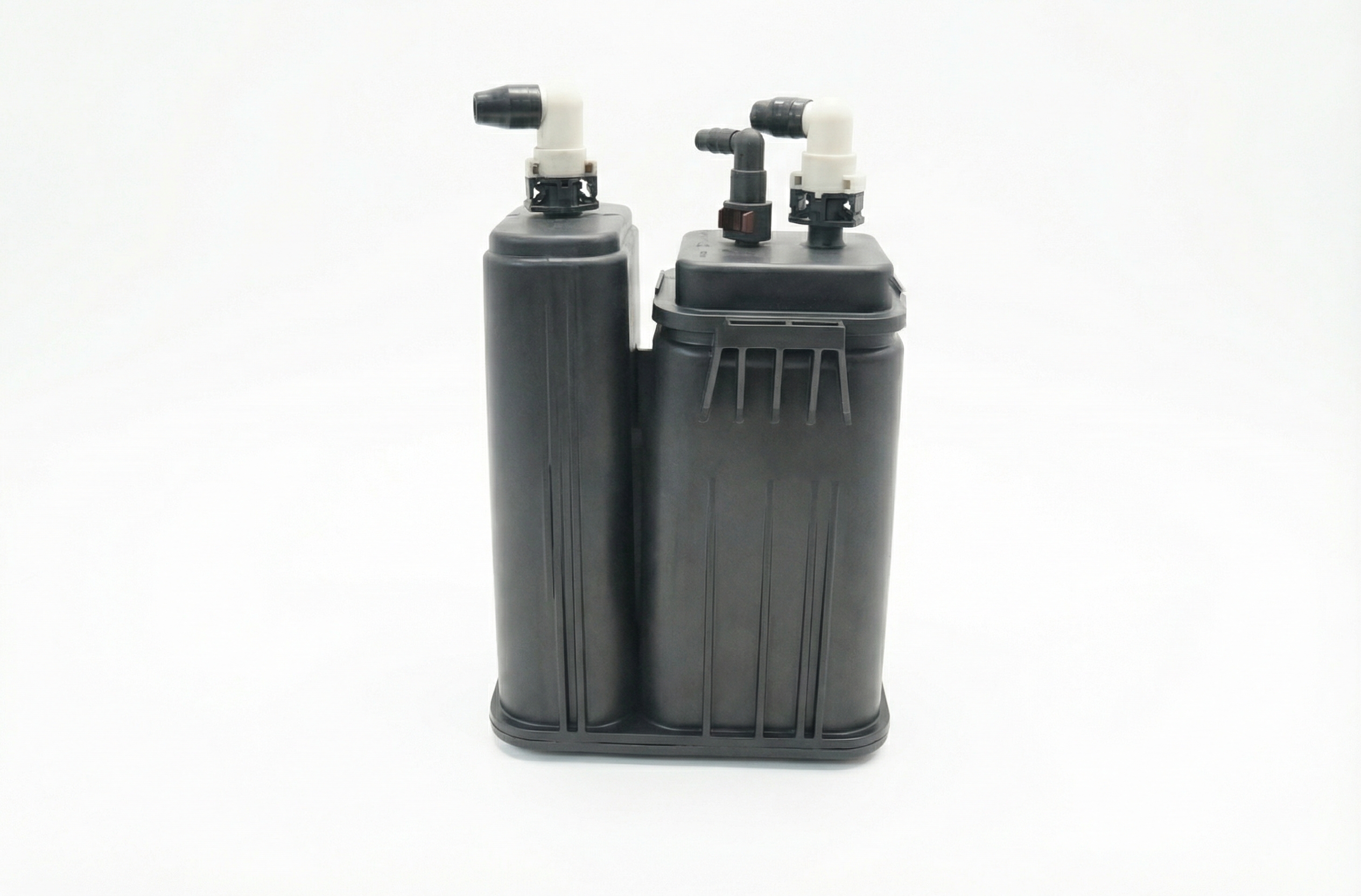


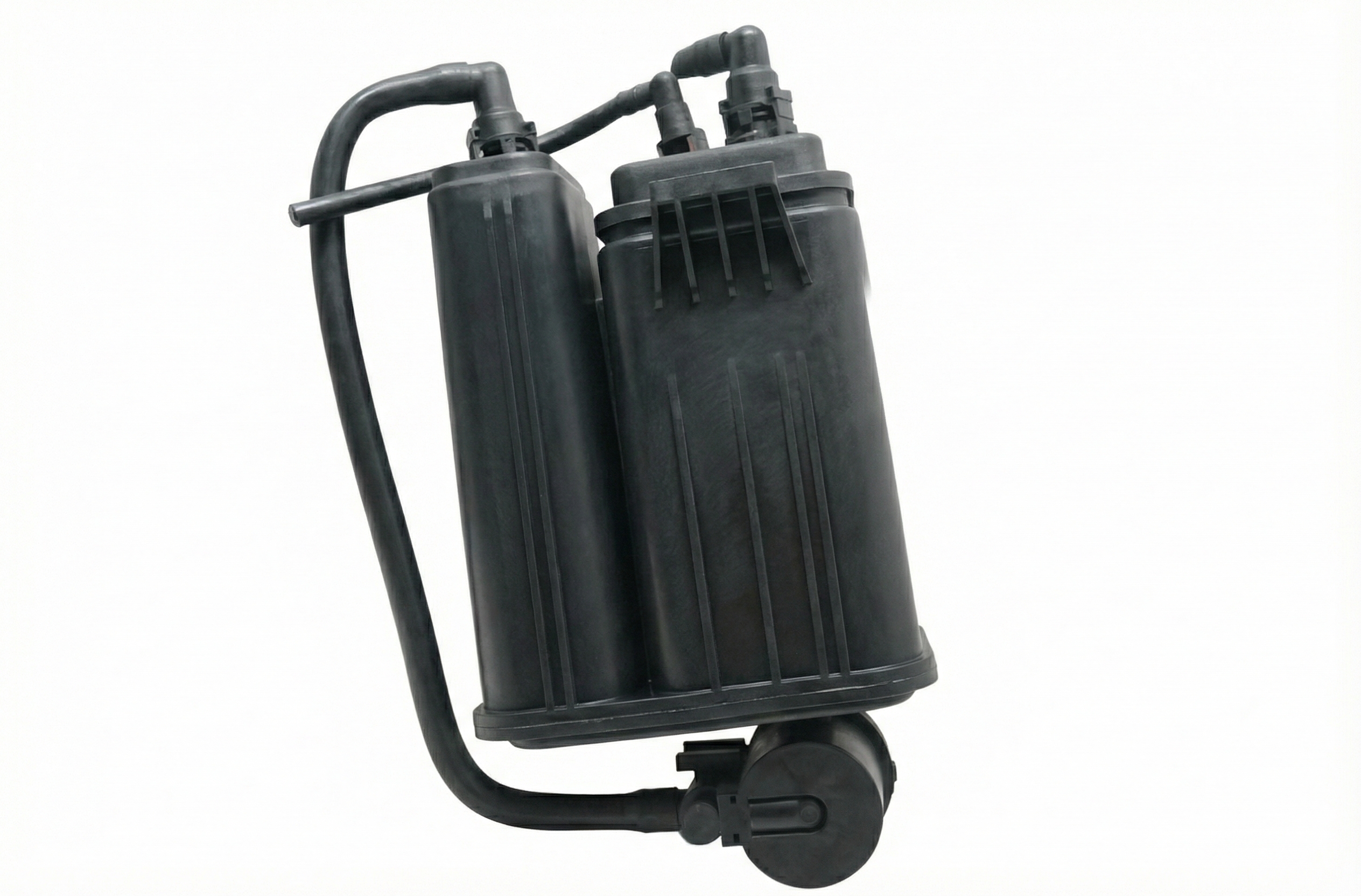
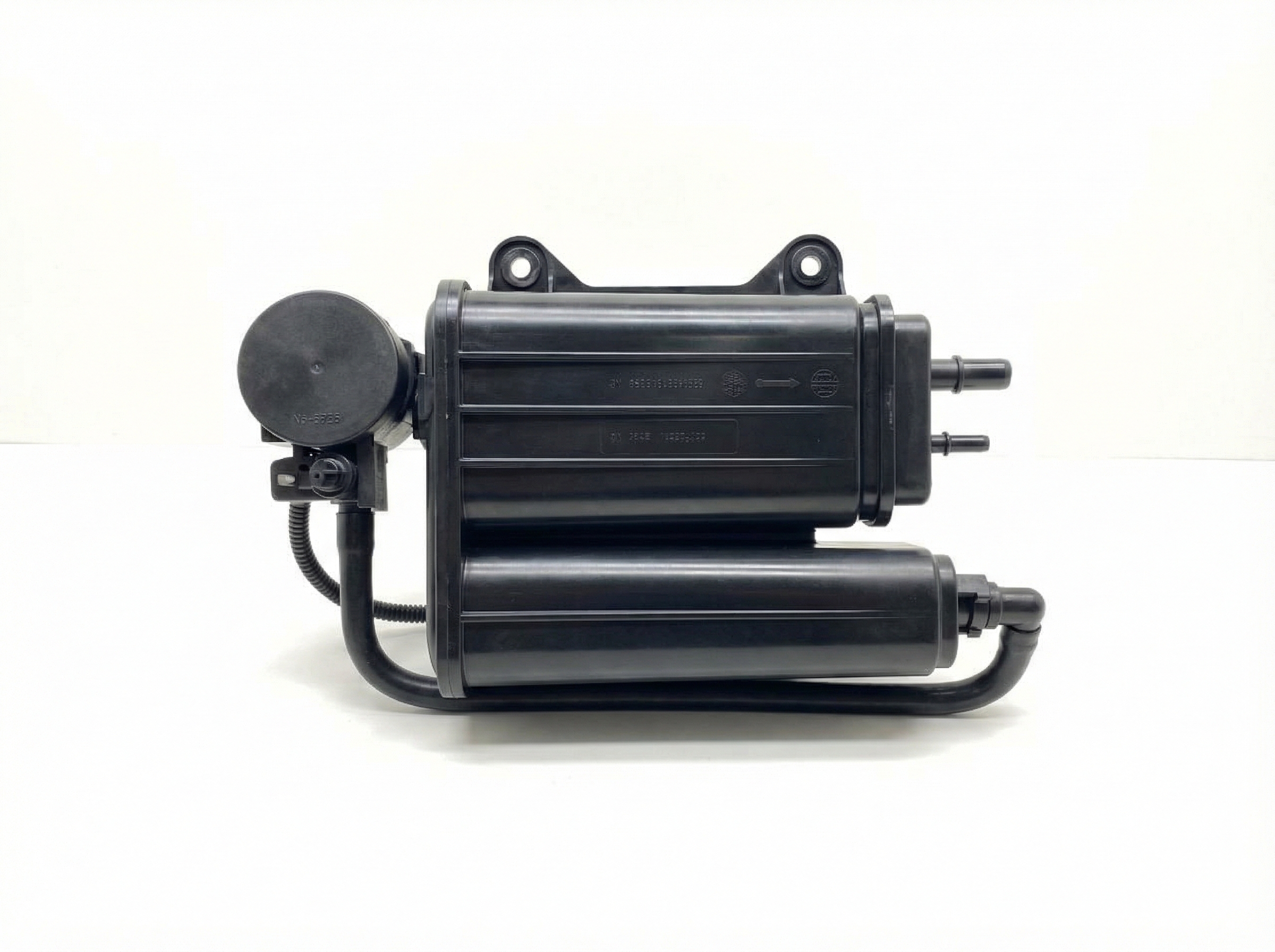
New Aftermarket Parts Available

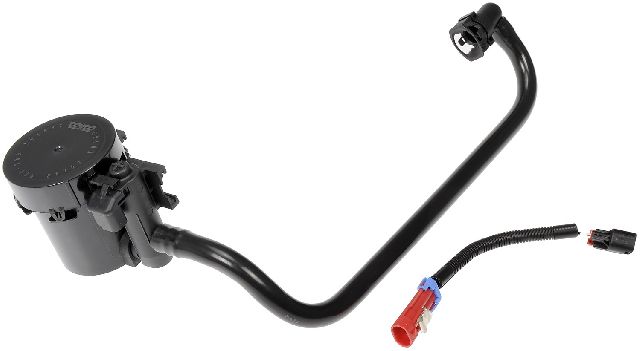

The information in this article is provided for general reference and educational purposes only. Vehicle specifications, procedures, and part compatibility can vary by production date, trim level, and region. Always consult your vehicle's factory service manual and verify part numbers before purchasing or performing repairs. Safety-critical components such as airbags, seat belts, and braking systems should be installed by a qualified professional.
- Buick Enclave:
- 🎬 Helpful Videos
- 🛍️ Shop This Part
- What's Unique About the 2008-2017 Buick Enclave
- Symptoms You May Notice
- Most Likely Causes
- Rare But Worth Checking
- Diagnosis Steps
- Parts You'll Likely Need
- Related Codes That Often Appear With This One
- Technical Service Bulletins (TSBs) & Recalls
- Platform-Specific Known Issues
- Mechanic-Grade Diagnostic Values
- Scan Tool Commands That Help
- Wiring & Ground Locations
- Real Owner Repair Stories
- OEM Part Supersession History
- Model Year Variations Within This Range
- Diagnostic Flowchart
- Used vs. New Parts: Buying Guide for This Vehicle
- Real Owner Stories
- 2015 Buick Enclave
- 2009 Buick Enclave 3.6L V6
- 2014 Buick Enclave
- Buick Enclave
- Related OBD-II Codes
- Frequently Asked Questions
- 🎟️ Get 5% Off