

P0456 on 2003-2010 Porsche Cayenne: EVAP Small Leak Causes and Fixes
For a 2003-2010 Porsche Cayenne, code P0456 is most often caused by a loose or faulty gas cap. If that doesn't fix it, the next most likely culprit is a failing Leak Detection Pump (LDP). A new OEM gas cap is around $40, while a new LDP can cost between $150 and $500. Always use an OEM gas cap, as aftermarket versions are known to cause issues.
- P0456 means a very small leak has been detected in the EVAP system.
- Always start by checking and/or replacing the gas cap with an OEM part; this is the cheapest and most frequent solution.
- If a new gas cap doesn't fix the issue, the Leak Detection Pump (LDP) behind the rear passenger wheel is the next most likely failure point on a 2003-2010 Cayenne.
- The vehicle is safe to drive with this code, but you will not pass an emissions test until it is resolved.
- Finding the leak may require a professional smoke test if it's not the gas cap or the LDP.
What's Unique About the 2003-2010 Porsche Cayenne

On the first-generation Cayenne (9PA), the P0456 code is a very common issue. While the gas cap is a frequent starting point for any vehicle with this code, the Leak Detection Pump (LDP) is a well-documented, high-failure item on this specific platform. This pump is responsible for pressurizing the system for the leak test, and its internal diaphragm or seals can fail over time, creating an internal leak that the system flags. Many owners on forums like Rennlist and Pelican Parts report chasing the P0456 code by first replacing the gas cap, only to find the LDP was the true cause.
Generation note: The 2003-2010 model years cover the entire first generation of the Porsche Cayenne, known as the 9PA chassis (or 955 for 2003-2006 and 957 for 2008-2010 facelift models). The causes and fixes for P0456 are generally consistent across this entire generation, with minor part number variations.
Symptoms You May Notice
- Check Engine Light is on
- A faint smell of fuel (in rare cases)
- Difficulty starting immediately after refueling (can point to a stuck-open purge valve)
- Immediately replacing expensive components like the charcoal canister or LDP before replacing the gas cap. The gas cap is the most common and cheapest fix and should always be the first step.
- Replacing the purge valve (N80) without testing it. While it can fail, it's less common than the gas cap or LDP for this specific code on the Cayenne.
Most Likely Causes

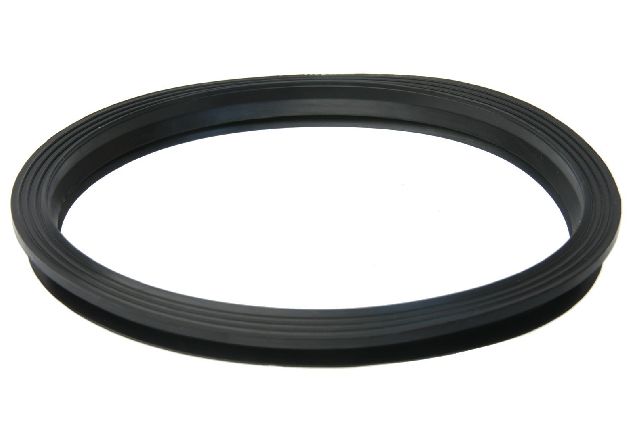
- Loose or Faulty Gas Cap 🔴 High Probability The gas cap seal is a simple rubber O-ring that degrades, hardens, and cracks over time from exposure to fuel vapors, losing its ability to create a perfect seal. This is an extremely common failure item and the first thing to check.
How to confirm: First, ensure the cap is tightened until it clicks multiple times. Inspect the rubber seal for cracks, stiffness, or visible damage. If the light returns after tightening and clearing the code, replacement is the next logical and inexpensive step.
Typical fix: Replace the gas cap. It is highly recommended to use a Genuine Porsche OEM gas cap (Part No. 99620124103, check for your specific year). Forum users repeatedly warn that aftermarket caps often do not seal correctly and fail to resolve the code.
Est. part cost: $30-$50 - Faulty Leak Detection Pump (LDP) 🟡 Medium Probability The LDP is a known high-failure point on the 9PA Cayenne. The internal diaphragm can wear out or the pump housing can develop cracks, causing the pump itself to leak internally or fail to operate correctly during the EVAP system self-test.
How to confirm: This is difficult to confirm without a smoke test or a Porsche-specific scan tool (like PIWIS) that can actuate the pump. A common diagnostic path is: 1) Replace gas cap. 2) If code returns, perform a smoke test. If no external smoke leaks are found from hoses or the canister, the LDP is the prime suspect. The pump is located behind the passenger-side rear wheel well liner.
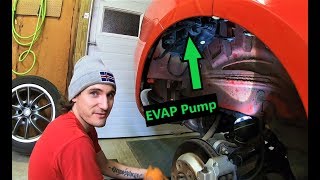
Typical fix: Replace the Leak Detection Pump. This is a common DIY job that involves removing the passenger rear wheel and wheel well liner 🎬 Watch: How to replace the Leak Detection Pump to access the component.
Est. part cost: $150-$500 - Cracked or Disconnected EVAP Hoses ⚪ Low Probability Over time, the plastic and rubber hoses in the engine bay and around the charcoal canister can become brittle and crack due to heat cycles and age. The connections to the purge valve and LDP are common areas to inspect.
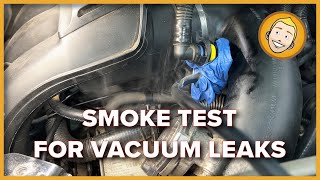
How to confirm: A thorough visual inspection of all accessible EVAP lines is the first step. However, finding a very small leak often requires a smoke test. A technician (or DIYer with a smoke machine) will introduce smoke into the EVAP system via a service port and look for where it escapes.
Typical fix: Replace the specific hose section that is found to be leaking.
Est. part cost: $20-$100 - Faulty EVAP Purge Valve (N80 Valve) ⚪ Low Probability The purge valve, located in the engine bay, can get stuck partially open, creating a leak path that the system will detect during its self-test. This is a common failure on many VW/Audi/Porsche products of the era.
How to confirm: The valve is normally closed. It can be tested by removing it and trying to blow through it; if air passes, it has failed. A scan tool can also be used to command it open and closed while observing system pressure. Symptoms like difficulty starting after filling the gas tank can also point to a faulty purge valve.
Typical fix: Replace the EVAP purge valve. This is generally an accessible part in the engine bay. 🎬 See this step-by-step purge valve replacement guide
Est. part cost: $50-$120
Rare But Worth Checking
- Cracked Charcoal Canister: While not common for a *small* leak, the plastic housing of the charcoal canister can develop hairline cracks. This is almost always found during a smoke test after other, more common components have been ruled out.
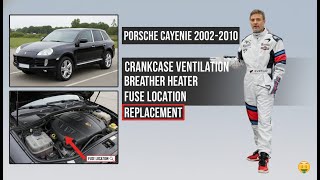
- Blown Fuse for PCV/Breather Heater: A video guide specifically for the 2002-2010 Cayenne shows that a blown 10A fuse (fuse #50 in the driver-side dash fuse box) for the crankcase ventilation heater can trigger EVAP-related codes like P0456 or P0457, especially in colder climates. This is an easy and often-overlooked check. 🎬 Watch: How to check the PCV heater fuse
Diagnosis Steps

- Verify the code with an OBD-II scanner.
- Inspect the gas cap. Ensure it is tight (clicks 3 times). Check the seal for cracks or hardness. If it looks old, replace it with a Genuine Porsche part (e.g., 99620124103) as the first step.
- Clear the code and drive the vehicle for several days. The EVAP monitor runs only under specific conditions (e.g., fuel tank between 1/4 and 3/4 full, ambient temperature within a certain range, after the vehicle has sat and cooled down), so it may take time for the light to return.
- If the light returns, perform a thorough visual inspection of all visible EVAP hoses in the engine bay (around the purge valve) and near the rear passenger wheel well (around the LDP and charcoal canister) for obvious cracks or disconnections.
- If no obvious leaks are found, a professional smoke test is the most effective next step. This will definitively identify leaks in hoses, the filler neck, the charcoal canister, or the LDP itself.
- If the smoke test reveals no external leaks, the Leak Detection Pump (LDP) is the most likely cause due to internal failure. It is located behind the rear passenger-side wheel well liner.
- Consider testing or replacing the EVAP purge valve (N80), especially if you experience rough idle or hard starting after refueling.
Parts You'll Likely Need

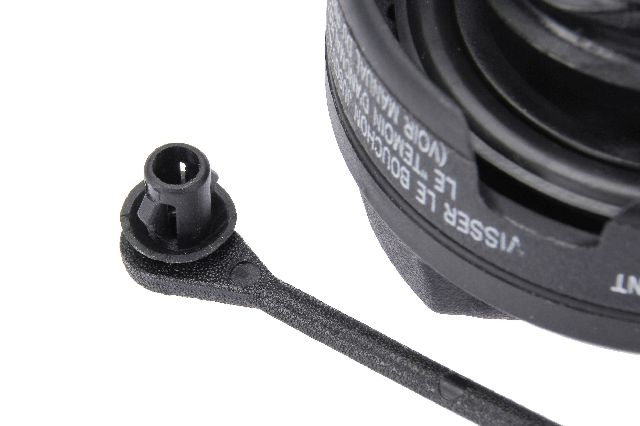
- Fuel Tank Cap
(OEM #99620124103 (Verify for specific year))— This is the most common cause for P0456. The seal wears out over time, causing a small leak. Using an OEM cap is critical as aftermarket versions are known to seal improperly.
Trusted brands: Genuine Porsche
OEM price range: $30-$50
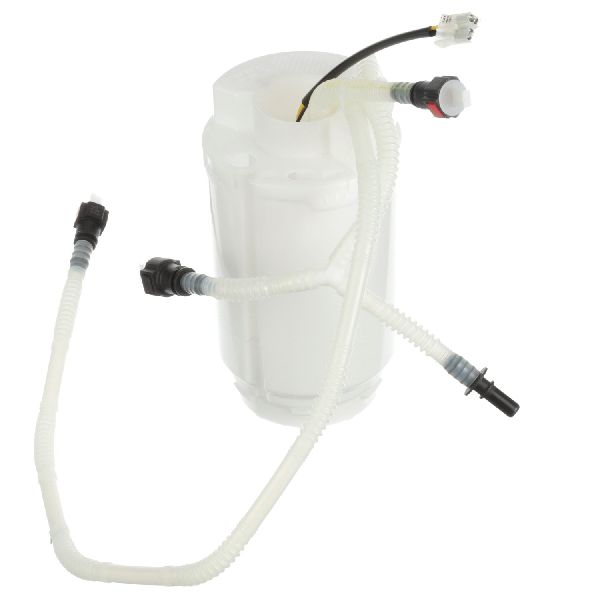
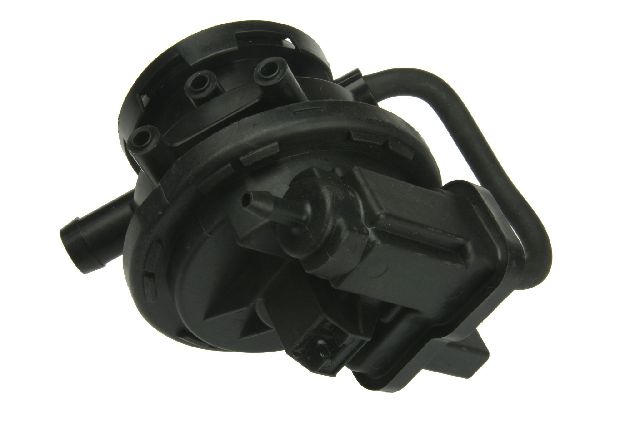
Aftermarket price range: $15-$30 - EVAP System Leak Detection Pump (LDP)
(OEM #95560510501 (Bosch is the OEM manufacturer))— This is a very common failure point on the first-generation Cayenne after the gas cap has been ruled out. The pump fails internally, causing the system to report a leak.
Trusted brands: Bosch, Genuine Porsche
OEM price range: $400-$500
Aftermarket price range: $150-$250 - Vapor Canister Purge Solenoid (Purge Valve)
(OEM #94811002013 (V8) / Check for V6)— Less common than the gas cap or LDP for P0456, but this valve can stick open, causing a persistent small leak. Often implicated if hard-starting after refueling occurs.
Trusted brands: Bosch, Genuine Porsche
OEM price range: $80-$120
Aftermarket price range: $40-$70
Related Codes That Often Appear With This One
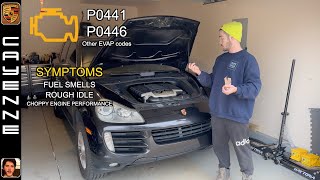
- P0441 (Incorrect Purge Flow) - Often appears alongside P0456 if the purge valve (N80) is malfunctioning.
- P0442 (EVAP System Leak Detected - small leak) - A similar code for a slightly larger leak. A worsening P0456 leak may eventually trigger a P0442.
Platform-Specific Known Issues
- Owner Story: Purge Valve was the Culprit After LDP Replacement: On 6SpeedOnline, a user with a 997 (which shares some EVAP components) documented their journey with P0456. They first replaced the gas cap, which didn't work. Then, on dealership advice, they replaced the Leak Detection Pump, which also failed to fix the issue. The final solution was replacing the 'Fuel Tank Vent' (another name for the purge valve/solenoid), which finally resolved the code and allowed them to pass a smog test.
- Owner Story: Gas Cap and Purge Valve Replaced, Still Has Code: A user on the Pelican Parts forums with a 2008 Cayenne GTS reported having a recurring P0456 code after replacing both the fuel cap and the purge valve. Their next step was to suspect the 'Fuel Vapor Sensor Valve' (LDP) in the right rear wheel well, highlighting the common diagnostic progression for this issue.
- DIY Video Confirms LDP Replacement: A detailed YouTube video shows the entire process of replacing the Leak Detection Pump on a 2006 Cayenne S to fix a P0456 code, confirming its location behind the rear passenger wheel well liner and the commonality of this repair.
Mechanic-Grade Diagnostic Values
- EVAP Canister Purge Valve (N80) Resistance — expected: 26 ± 4 Ohms at 20°C (68°F). Failure: A reading significantly outside this range indicates a faulty valve coil.
- EVAP System Test Pressure (via LDP) — expected: Approx. 20 mbar overpressure. Failure: The inability of the system to build or hold this pressure during the diagnostic test cycle indicates a leak.
Scan Tool Commands That Help
- Porsche PIWIS Tester: "Leakage Diagnosis" short test — This function forces the EVAP system to run its self-test on command, rather than waiting for specific drive cycle conditions to be met. It allows a technician to pressurize the system and check for leaks in a workshop setting.
- Porsche PIWIS Tester: Actuate EVAP Purge Valve / Canister Shutoff Valve — This bidirectional control allows a technician to manually command the purge and vent valves to open or close. This is used to isolate components; for example, a technician can close the valves and then attempt to blow through them to confirm they are sealing correctly.
Wiring & Ground Locations
- Fuse #50 — Driver's side dashboard fuse panel, fourth fuse from the right on the bottom row.. This 10A fuse powers the crankcase ventilation breather heater. A blown fuse here can unexpectedly trigger EVAP codes like P0456, especially in cold weather, and is an often-overlooked electrical check.
- LDP Connector — Behind the passenger-side rear wheel well liner, attached to the Leak Detection Pump on the charcoal canister assembly.. Corrosion or damage to this connector or its wiring can prevent the LDP from running its test, potentially causing EVAP codes. Access requires removing the wheel and liner.
Real Owner Repair Stories
- Rennlist Forum User (2007 Carrera S (shares EVAP components)) — P0456 code, engine running fine initially, then developed rough running and stalling after replacing the purge valve.
❌ Tried (didn't work) Replaced gas cap with an OEM part., Replaced the EVAP purge valve (the old one was confirmed to be leaking).
✅ What actually fixed it The user discovered they had not properly re-seated the throttle body crossover tube after replacing the purge valve, causing a massive vacuum leak. Fixing the tube resolved the rough running, and after a few drive cycles, the P0456 code also cleared. This highlights the importance of checking for user-induced faults after a repair. - Rennlist Forum User (2011 Cayenne (958, but relevant diagnostic principle)) — Recurring P0456 code, especially when the fuel tank reached 1/2 full.
❌ Tried (didn't work) Replaced EVAP purge line/valve., Replaced Leak Detection Pump (LDP)., Performed a smoke test which found no leaks., Replaced gas cap (was only a year old).
✅ What actually fixed it The final fix was a new brake light switch. The user noted that a faulty brake switch in some VAG vehicles can cause bizarre, unrelated codes to appear, and replacing it resolved the persistent P0456 after all standard EVAP components had been replaced.
"I Checked Everything" — The Actual Cause
- In cases where a smoke test shows no external leaks, the most common culprit on the 9PA Cayenne is an internal failure of the Leak Detection Pump (LDP). The pump's internal diaphragm can fail, creating a leak path within the component itself that the system correctly identifies as a leak, even though no smoke will be visible externally.
OEM Part Supersession History
7L0906271 / 95560510700→95560510702 (APA/URO Parts lists this as a compatible replacement)— Component revision by the OEM manufacturer (Bosch/VW/Porsche).
Heads up: While multiple part numbers exist and are shared with the VW Touareg, it is critical to use a part specified for the Cayenne. Some aftermarket LDPs may have slightly different hose orientations that can complicate installation.
Model Year Variations Within This Range
- 2003-2006 (955) vs. 2008-2010 (957): The 955 models use port-injected engines (3.2L VR6, 4.5L V8), while the facelifted 957 models feature more powerful direct-injected engines (3.6L VR6, 4.8L V8). While the fundamental EVAP system layout and common P0456 causes (gas cap, LDP) are the same, some specific hose routing and part numbers for components like the purge valve may differ between engine types.
Diagnostic Flowchart
Real Owner Stories
Aggregated from forums and TSBs cited above. Mileages and costs reflect what owners reported in those sources.
Porsche 997 (Shares EVAP components)
Symptoms: P0456 very small EVAP leak code preventing the vehicle from passing a smog test.
What fixed it: Replaced the 'Fuel Tank Vent' (purge valve/solenoid) after replacing the gas cap and Leak Detection Pump failed to resolve the issue.
Source hint: 6SpeedOnline forum thread
2008 Cayenne GTS
Symptoms: Recurring P0456 code.
What fixed it: Replaced both the fuel cap and the purge valve, but the code remained; the next diagnostic step was replacing the 'Fuel Vapor Sensor Valve' (LDP) in the right rear wheel well.
Source hint: Pelican Parts Forums
2006 Cayenne S
Symptoms: Intermittent CEL for P0456, faint fuel smell when climate control is running.
What fixed it: Diagnosed as an EVAP emission control system leak (very small).
Source hint: Rennlist forum thread
2006 Cayenne S
Symptoms: P0456 code triggered by the EVAP system.
What fixed it: Replaced the Leak Detection Pump (LDP) located behind the rear passenger wheel well liner.
Source hint: DIY Video / YouTube
Related OBD-II Codes
Frequently Asked Questions
Do I need to use a Genuine Porsche gas cap to fix the P0456 code on my 2003-2010 Cayenne?
Where is the Leak Detection Pump (LDP) located on the Porsche Cayenne?
My Cayenne is hard to start immediately after refueling and has a P0456 code. What does this mean?
I replaced the gas cap and the LDP on my Cayenne, but the P0456 code came back. What should I check next?
Are the EVAP issues on the Cayenne shared with other vehicles?
How can I test the EVAP purge valve (N80) on my Cayenne?
Helpful Videos
We Have This Part in Stock


The information in this article is provided for general reference and educational purposes only. Vehicle specifications, procedures, and part compatibility can vary by production date, trim level, and region. Always consult your vehicle's factory service manual and verify part numbers before purchasing or performing repairs. Safety-critical components such as airbags, seat belts, and braking systems should be installed by a qualified professional.
- Porsche Cayenne:
- 🎬 Helpful Videos
- 🛍️ Shop This Part
- What's Unique About the 2003-2010 Porsche Cayenne
- Symptoms You May Notice
- Most Likely Causes
- Rare But Worth Checking
- Diagnosis Steps
- Parts You'll Likely Need
- Related Codes That Often Appear With This One
- Platform-Specific Known Issues
- Mechanic-Grade Diagnostic Values
- Scan Tool Commands That Help
- Wiring & Ground Locations
- Real Owner Repair Stories
- "I Checked Everything" — The Actual Cause
- OEM Part Supersession History
- Model Year Variations Within This Range
- Diagnostic Flowchart
- Real Owner Stories
- Porsche 997 (Shares EVAP components)
- 2008 Cayenne GTS
- 2006 Cayenne S
- 2006 Cayenne S
- Related OBD-II Codes
- Frequently Asked Questions
- 🎟️ Get 5% Off