

P0456 on 2010-2017 GMC Terrain: EVAP Small Leak Causes and Fixes
For a 2010-2017 GMC Terrain, code P0456 is most often caused by a loose gas cap or a failing EVAP purge valve solenoid. Always check the gas cap first. If the light returns, the purge valve on top of the engine is the next most likely and affordable part to replace.
- P0456 indicates a very small leak in the fuel vapor system; it is not a critical issue and the vehicle is safe to drive.
- Always start your diagnosis by checking the gas cap. Ensure it is tight and the seal is not cracked. This is the most common and cheapest fix.
- On the 2010-2017 Terrain, the EVAP purge valve on top of the engine is a very frequent cause of this code and is an easy part to replace for a DIYer.
- If the gas cap and purge valve are good, the next most likely culprit is the EVAP vent valve, located under the car on the charcoal canister.
- Finding the leak may require a professional smoke test if it's not caused by one of the common components.
What's Unique About the 2010-2017 GMC Terrain
The 2010-2017 GMC Terrain, which is the first generation, shares its platform with the Chevrolet Equinox. On this specific platform, two components are very common failure points for EVAP codes: the purge valve solenoid located on top of the engine and the vent valve solenoid located under the vehicle near the charcoal canister. While the gas cap is always the first suspect, these two valves are frequently the root cause on the Terrain and are well-documented by owners and mechanics.
Symptoms You May Notice
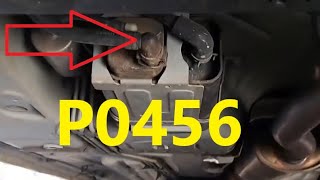
- Check Engine Light is on 🎬 Watch: Understanding the causes and fixes for a P0456 code.
- A faint fuel smell may be noticeable, but this is not always present.
- No noticeable impact on drivability or performance.
- Replacing the oxygen (O2) sensors. O2 sensors are not part of the EVAP system and will not cause a P0456 code.
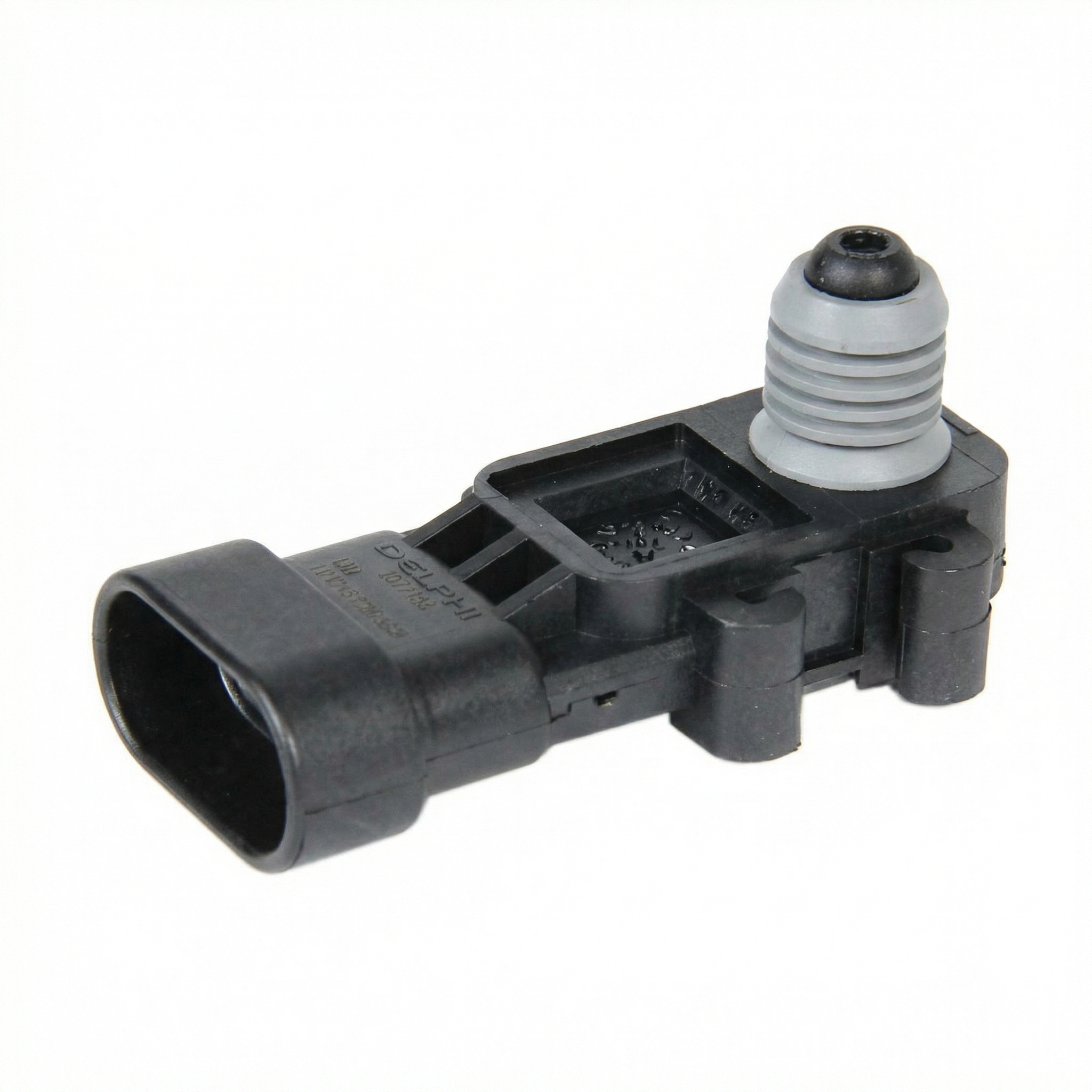
- Replacing the fuel tank pressure (FTP) sensor. While an FTP sensor can fail, it is much less common than a faulty purge/vent valve or gas cap, and it often produces different trouble codes.
Most Likely Causes
- Loose or Worn Gas Cap 🔴 High Probability This is the most common cause on all vehicles, as the cap's seal can degrade over time or it may not have been tightened properly after refueling.
How to confirm: Ensure the gas cap is tightened until it clicks several times. Inspect the rubber O-ring on the cap for cracks, stiffness, or damage. Also, inspect the rim of the fuel filler neck for rust or pitting, which can prevent a good seal, and clean it with emery cloth if needed. Clear the code and drive for a few days to see if it returns.
Typical fix: Tighten the existing cap or replace it with a new one. It is often recommended to use an OEM (ACDelco) cap, as some aftermarket caps may not seal correctly.
Est. part cost: $15-$30 - Faulty EVAP Purge Valve Solenoid 🔴 High Probability This is a very common failure item on first-generation Terrains and Equinoxes. The valve can get stuck slightly open, creating a small, constant leak path from the EVAP canister to the engine intake. This failure often triggers code P0496 alongside P0456.
How to confirm: The valve is located on top of the engine, near the oil fill cap, under the plastic engine cover. When removed from the vehicle and unplugged, you should not be able to blow air through it. If you can, it is stuck open and faulty.
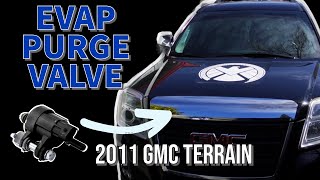
Typical fix: Replacement of the purge valve solenoid. It is an easy DIY job, typically taking less than an hour. 🎬 See this step-by-step guide to replacing the purge valve yourself.
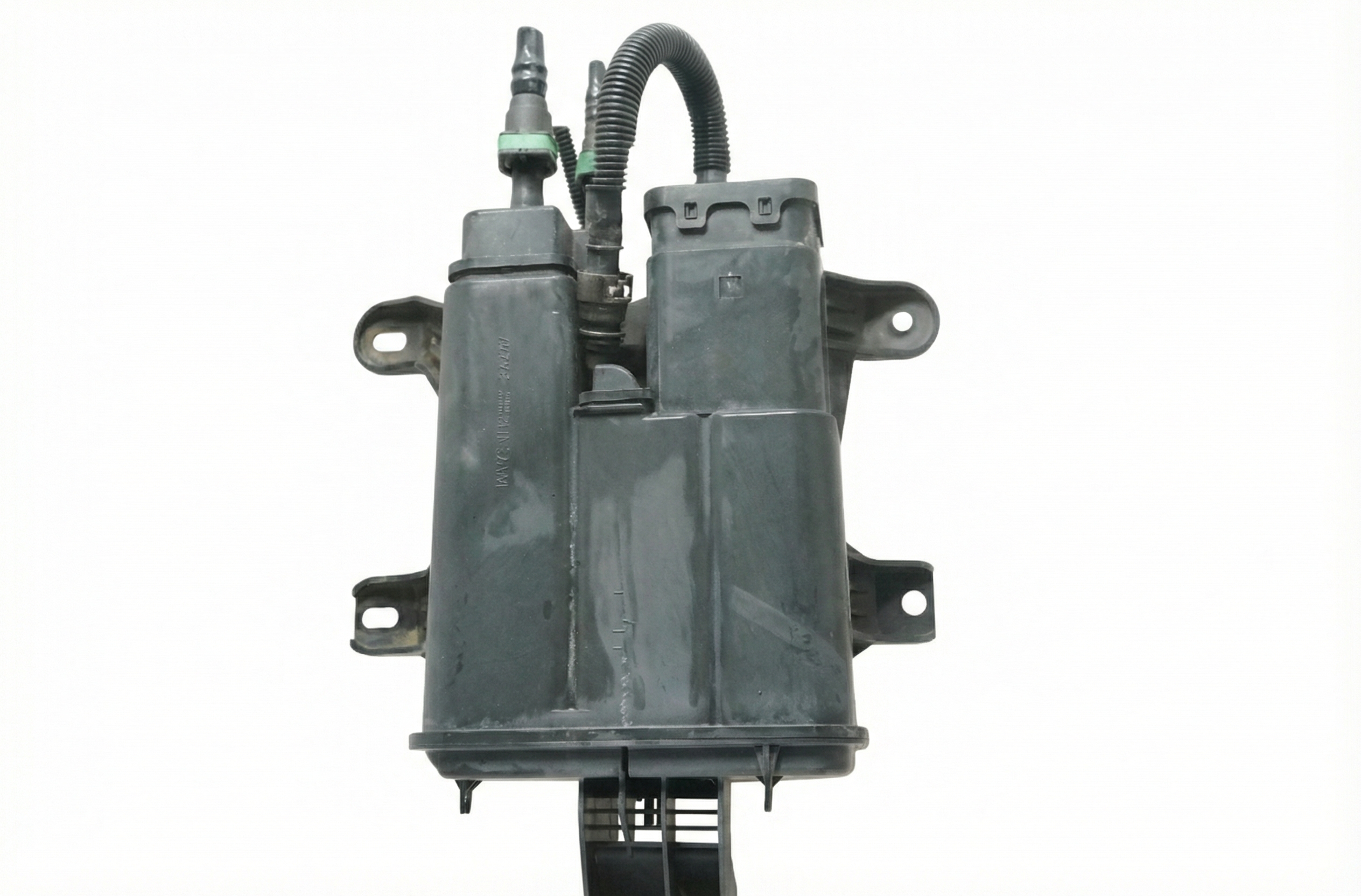
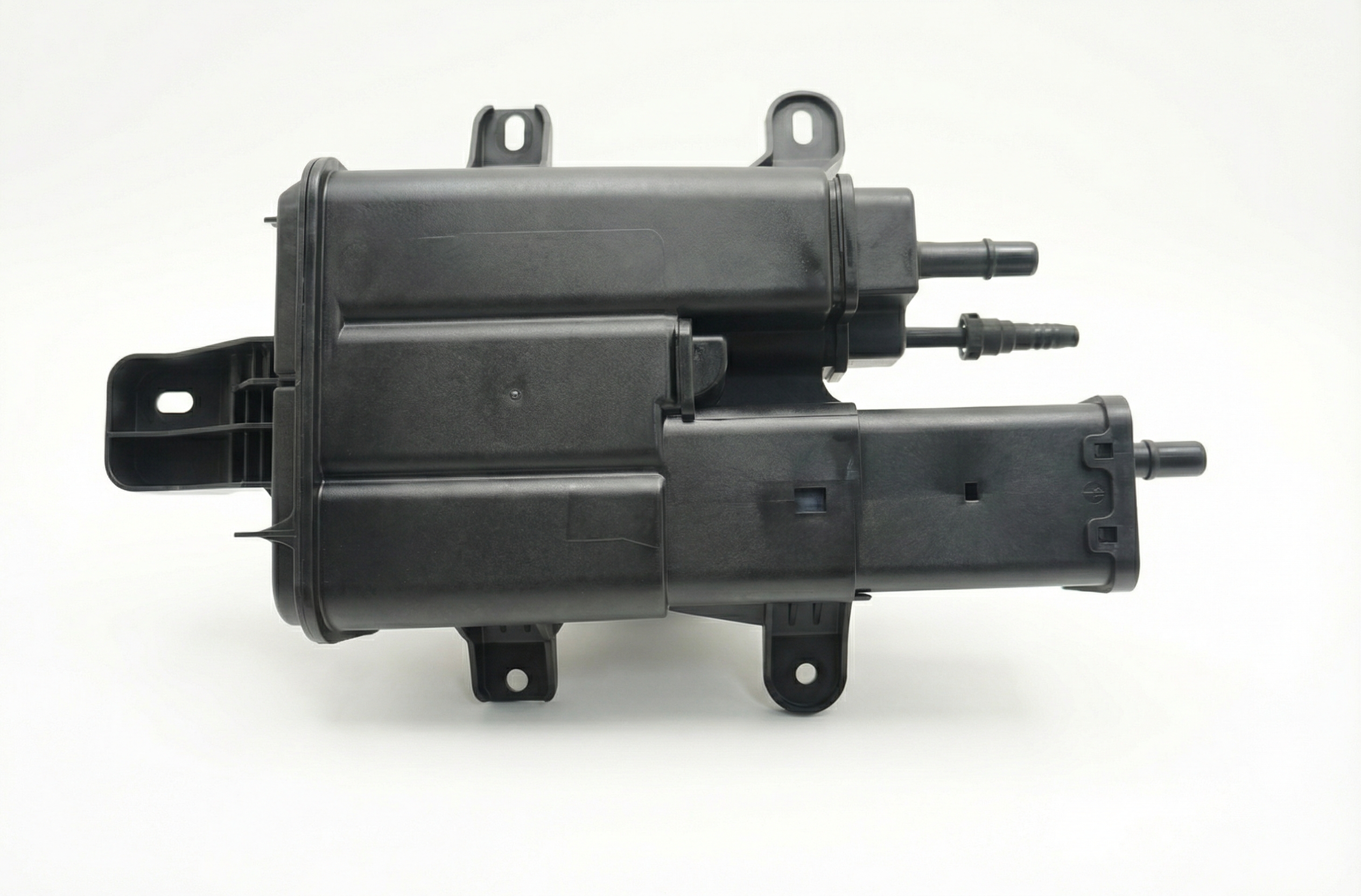
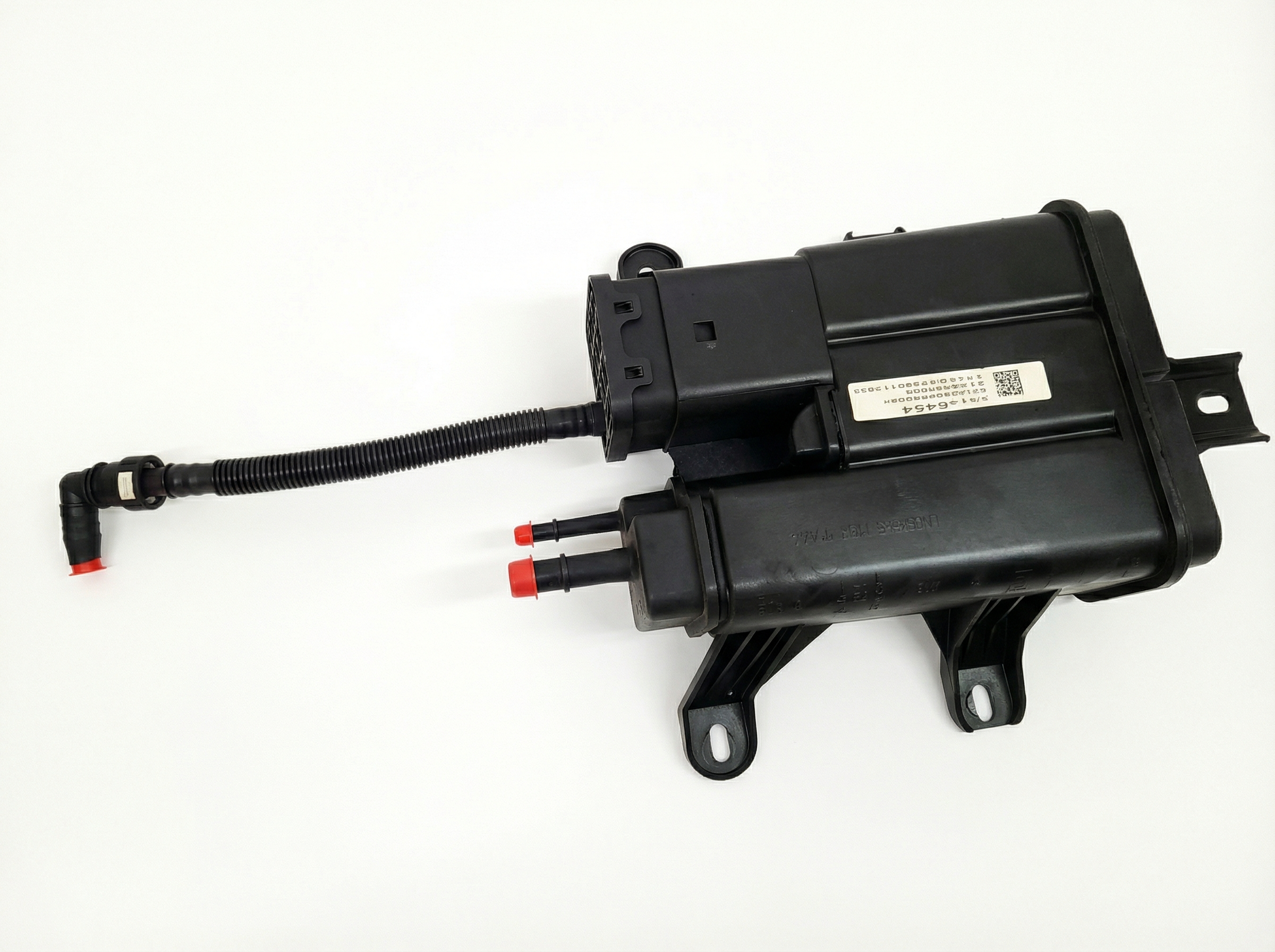
Est. part cost: $25-$50 - Faulty EVAP Vent Valve Solenoid 🟡 Medium Probability The vent valve is located under the vehicle near the charcoal canister, making it vulnerable to road dirt, moisture, and corrosion. This can cause the valve to not close completely during the EVAP system self-test.
How to confirm: Locate the charcoal canister under the vehicle on the driver's side, between the front and rear doors. The vent solenoid is attached to it. Visually inspect the valve and its filter for dirt or damage. A professional smoke test is the most reliable way to confirm a leak at the vent valve.
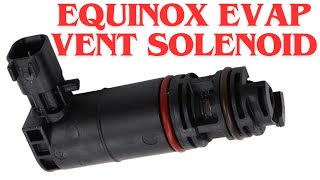
Typical fix: Replace the EVAP vent valve solenoid. This is more involved than the purge valve as it requires safely lifting the vehicle for access. 🎬 Watch: How to replace the vent solenoid under the vehicle.
Est. part cost: $30-$60 - Cracked or Disconnected EVAP Hoses ⚪ Low Probability Over time, the rubber and plastic lines in the EVAP system can become brittle and crack, especially at connection points.
How to confirm: Visually inspect all accessible EVAP lines, from the engine bay (around the purge valve) to the charcoal canister and fuel tank area. Look for obvious cracks, splits, or loose connections. A smoke test is the most effective method for finding small hose leaks.
Typical fix: Replace the damaged section of hose or the entire hose assembly. Ensure connections are secure.
Est. part cost: $10-$40
Rare But Worth Checking
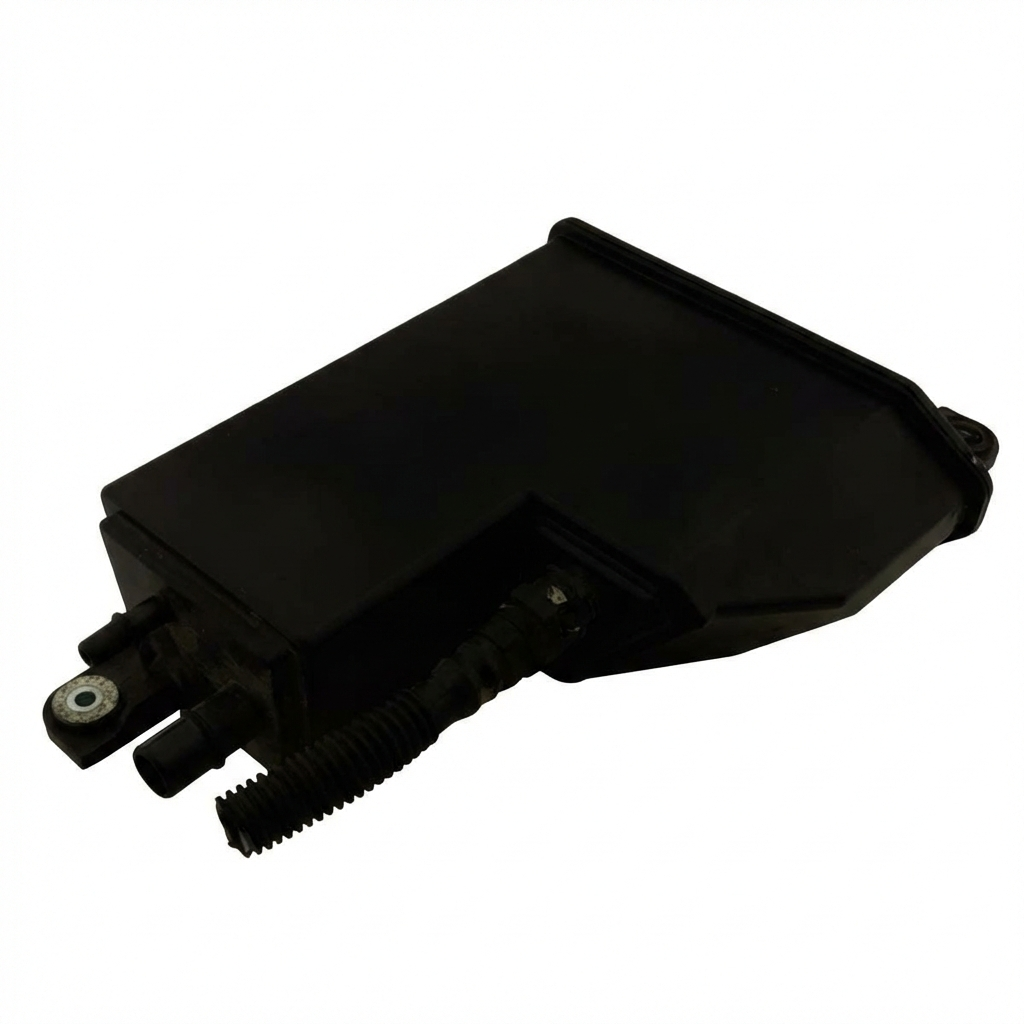
- Leaking Charcoal Canister: The plastic housing of the charcoal canister itself can develop hairline cracks over time, creating a small leak. This is less common than the valves attached to it but is a possibility.
- Damaged Fuel Filler Neck: Corrosion or damage to the rim of the fuel filler neck can prevent even a new gas cap from sealing properly, causing a persistent P0456 code.
Diagnosis Steps
- Check the Gas Cap: Remove and reinstall the gas cap, ensuring it clicks multiple times. Inspect the cap's seal for any cracks or damage. Also check the fuel filler neck for rust or debris that could prevent a seal. If it looks worn, replace it.
- Clear the Code: Use an OBD-II scanner to clear the P0456 code.
- Drive the Vehicle: Drive for several days, including a mix of city and highway driving, to allow the EVAP monitor to run its self-test. The fuel tank level must typically be between 1/4 and 3/4 full for the test to run. If the Check Engine Light returns, proceed to the next step.
- Inspect the Purge Valve: Locate the purge valve on top of the engine. Check for any visible damage to the valve or its hoses. For a more definitive test, remove the valve. With the electrical connector unplugged, try to blow through it. If air passes through, the valve is faulty and needs to be replaced.
- Inspect the Vent Valve and Hoses: Safely raise the vehicle. Locate the charcoal canister and vent valve under the driver's side. Visually inspect the valve, canister, and all connected hoses for cracks, corrosion, or loose fittings.
- Perform a Smoke Test: If the leak source is still not apparent, the most effective diagnostic step is to use an automotive smoke machine. This involves feeding low-pressure smoke into the EVAP system (usually via a service port) and watching where it escapes. This will pinpoint the exact location of the small leak.
Parts You'll Likely Need
- Fuel Tank Cap — This is the most frequent and simplest fix for a P0456 code. The seal wears out over time.
Trusted brands: ACDelco, Gates, Stant
OEM price range: $20-$30
Aftermarket price range: $15-$25 - Vapor Canister Purge Valve / Solenoid
(OEM #12690512)— A very common failure point on this platform. It gets stuck partially open, causing a leak that the system detects. It's easy to access and replace.
Trusted brands: ACDelco, Bosch, Standard Motor Products, Dorman
OEM price range: $35-$50
Aftermarket price range: $25-$40 - Vapor Canister Vent Valve / Solenoid
(OEM #23481275)— Its location under the vehicle makes it prone to failure from dirt and moisture, causing it to stick or not seal correctly.
Trusted brands: ACDelco, Dorman, Standard Motor Products
OEM price range: $40-$60
Aftermarket price range: $30-$50
Related Codes That Often Appear With This One
- P0496 — This code indicates 'EVAP Flow During a Non-Purge Condition' and is very commonly caused by a purge valve stuck open, which can also be interpreted by the system as a small leak, triggering P0456.
- P0442 — This code indicates a 'Small Leak Detected,' which is very similar to P0456 ('Very Small Leak'). They share the same common causes, and sometimes one code may appear before the other depending on the severity of the leak at the time of the test.
Technical Service Bulletins (TSBs) & Recalls
- No specific Technical Service Bulletin (TSB) for code P0456 on the 2010-2017 GMC Terrain has been widely published. However, GM has issued TSBs for similar EVAP issues on other vehicles, such as TSB 23-NA-073 for newer trucks, which addresses dust intrusion into the vent valve and canister—a problem that could also affect the Terrain due to the vent valve's exposed location. Other TSBs like NTB17-082E from Nissan also point to vent valve O-rings as a source for P0456, highlighting it as a common industry-wide failure point.
Platform-Specific Known Issues
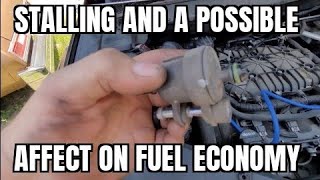
- Owner Experience with P0456 and P1450: A forum user on Reddit described having both P0456 and P1450 codes, along with symptoms of the car sputtering and stalling after filling the fuel tank. The issue was ultimately resolved by replacing the EVAP purge valve.
Mechanic-Grade Diagnostic Values
- EVAP Purge Valve Solenoid Coil Resistance — expected: 20 to 30 Ohms. Failure: A reading of infinite resistance (open circuit) or near-zero resistance (short circuit) indicates a failed coil.
- EVAP Purge Valve Connector Voltage (Ignition On, Engine Off) — expected: One pin should have 12V+ (battery voltage). The other pin is the ground control from the PCM.. Failure: No voltage suggests a blown fuse (F21 in the underhood fuse block) or a break in the power supply wire.
- Fuel Tank Pressure (FTP) Sensor Voltage (Key On, Engine Off) — expected: Approximately 1.5V to 2.5V with the gas cap off (atmospheric pressure). Voltage will decrease as vacuum is applied and increase with pressure.. Failure: Voltage stuck high (near 5V) or low (near 0V), or not changing when pressure/vacuum is applied, indicates a faulty sensor or wiring issue.
- Fuel Tank Pressure (FTP) Sensor 5-Volt Reference — expected: 5 volts at the reference wire on the sensor connector with key on, engine off.. Failure: No voltage or incorrect voltage points to a problem with the ECM or the wiring harness.
Scan Tool Commands That Help
- GDS2 (GM Tech 2): Purge/Seal Test — This function commands the system to seal (by closing the vent valve) and can activate the purge solenoid. While monitoring the Fuel Tank Pressure (FTP) sensor data, a technician can see if the system holds vacuum or if the purge valve is stuck open.
- GDS2 (GM Tech 2): Vent Valve Command — This bidirectional control allows a technician to manually command the normally-open vent valve to close. This is a required step for sealing the EVAP system before performing a smoke test to find leaks.
- GDS2 (GM Tech 2): EVAP Purge Solenoid Control — Allows the technician to command the purge solenoid open by a specific percentage (e.g., 10%) to verify its operation. When commanded open, a vacuum should be observed on the FTP sensor, confirming the valve is opening and not stuck closed.
Wiring & Ground Locations
- F21 (10A Fuse) — In the underhood fuse block, located in the left rear of the engine compartment.. This fuse provides the 12V power to the EVAP purge solenoid. A blown F21 fuse will cause a circuit code (like P0443) but could be investigated if power is missing during P0456 diagnosis.
- G109 (2.4L Engine) — Located on the top right rear of the engine.. This is a main engine ground. While not directly for the EVAP system, a poor engine ground can cause a variety of sensor and actuator issues, including erratic behavior from EVAP components.
- G101 / G102 — G101 is at the left front of the engine compartment; G102 is at the right front.. These are primary chassis grounds. The EVAP vent solenoid, located under the vehicle, relies on a clean chassis ground to operate correctly. Corrosion at these points can affect various systems.
- EVAP Purge Solenoid Connector — On top of the engine, mounted to a bracket near the oil fill cap, under the plastic engine cover.. This is the connection point for testing power, ground signal, and resistance of the purge solenoid, the most common failure part for this code.
- EVAP Vent Solenoid Connector — Under the vehicle on the driver's side, attached to the charcoal canister which is located in front of the fuel tank.. This is the connection point for the vent solenoid. Due to its location, it is susceptible to corrosion and damage, which can prevent the valve from closing and sealing the system for the leak test.
Real Owner Repair Stories
- OldSoulMillennial on YouTube (GMC Terrain with 2.4L engine, nearly 200,000 miles) — Intermittent P0442 code (small leak), which shares the same causes as P0456.
❌ Tried (didn't work) The owner decided to proactively replace the most likely culprits rather than perform a smoke test.
✅ What actually fixed it The owner replaced both the EVAP purge valve (on the engine) and the EVAP vent valve (on the canister) as a preventative measure, considering them the most likely mechanical wear items at high mileage.
OEM Part Supersession History
Multiple (e.g., 10382080, 15893884, 20995471, 25932566)→23481275— Part consolidation and design updates by GM over many model years and platforms.
Heads up: Part 23481275 is the widely accepted current replacement for the EVAP vent valve solenoid for this vehicle generation. Using one of the older, discontinued part numbers is not recommended.Unknown→12690512— This is the current, widely available OEM part number for the EVAP purge valve.
Diagnostic Flowchart
Other Known Issues on This Vehicle
Issues unrelated to this code that are worth knowing about as an owner of this generation:
- Excessive Oil Consumption (2.4L Ecotec) 🔴 High — Very common on 2010-2015 models with the 2.4L engine. Can start as early as 50,000 miles, often consuming over 1 quart per 2,000 miles. (Ref: Multiple Special Coverage Adjustments issued, e.g., #15810, #16118, extending warranty to replace piston and ring assemblies.)
- Stretched Timing Chain & Guide Failure 🔴 High — Common on both 2.4L and V6 engines, often presenting as a rattle on cold starts around 100,000 miles. Can be exacerbated by low oil levels from the oil consumption issue. (Ref: No specific recall, but a well-known issue. Failure can cause catastrophic engine damage.)
- Electronic Stability Control (StabiliTrak) Malfunction 🟠 Medium — Reported across various model years, causing stalling, poor acceleration, and erratic engine behavior. (Ref: GM has released TSBs to address the issue, but diagnosis is often on a case-by-case basis.)
- Transmission Failure 🟠 Medium — Reports of jerking, hard shifting, and complete failure are most prominent on the 2011 model year, often occurring before 100,000 miles.
- Clogged PCV Orifice / Rear Main Seal Failure 🟠 Medium — The PCV orifice in the intake manifold can clog, leading to excessive crankcase pressure that blows out the rear main seal, causing a major oil leak.
Used vs. New Parts: Buying Guide for This Vehicle
When a used part is the smart pick: For electronic solenoids like the purge or vent valve, a used part from a low-mileage, accident-damaged vehicle can be a cost-effective option. These parts often have significant life remaining.
Donor-vehicle mileage cap: roughly under 75000 miles for the part to have meaningful remaining life.
What to inspect on the donor part:
- Verify the donor vehicle's mileage.
- Inspect plastic housings for cracks or brittleness.
- Check electrical connector pins for corrosion or damage.
- For a purge valve, perform the simple 'blow through' test at the junkyard if possible; you should not be able to pass air through it.
OEM-only on this vehicle (don't cheap out):
- Fuel Tank Cap - Aftermarket gas caps are a frequent source of new, incorrect EVAP leaks. It is strongly recommended to use an OEM (ACDelco) cap to ensure a proper seal.
Aftermarket brands forum-validated for this vehicle:
- ACDelco (OEM)
- Standard Motor Products (SMP)
- Bosch
- Gates
Brands owners have reported issues with on this vehicle:
- Unbranded, 'white-box' parts from online marketplaces can have high failure rates. While Dorman is a popular brand, some professional technicians report inconsistent quality with their electronic components compared to OEM or brands like SMP and Bosch.
Real Owner Stories
Aggregated from forums and TSBs cited above. Mileages and costs reflect what owners reported in those sources.
2010-2017 GMC Terrain
Symptoms: The car was sputtering and stalling specifically after filling the fuel tank with gas.
What fixed it: Replacement of the EVAP purge valve.
Source hint: Reddit user experience cited in 'Owner Experience with P0456 and P1450'
Related OBD-II Codes
Frequently Asked Questions
Is there a specific TSB for the P0456 code on my 2010-2017 GMC Terrain?
Which gas cap should I buy for my GMC Terrain to fix this small leak?
Where is the EVAP purge valve located on the 2.4L or V6 Terrain engines?
Can the common oil consumption issue on the 2.4L Ecotec engine cause EVAP codes?
Where is the charcoal canister and vent valve located on this vehicle?
My Terrain stalls right after I fill up the gas tank; is this related to P0456?
Helpful Videos
Used OEM Parts in Stock
New Aftermarket Parts Available



The information in this article is provided for general reference and educational purposes only. Vehicle specifications, procedures, and part compatibility can vary by production date, trim level, and region. Always consult your vehicle's factory service manual and verify part numbers before purchasing or performing repairs. Safety-critical components such as airbags, seat belts, and braking systems should be installed by a qualified professional.
- GMC Terrain:
- 🎬 Helpful Videos
- 🛍️ Shop This Part
- What's Unique About the 2010-2017 GMC Terrain
- Symptoms You May Notice
- Most Likely Causes
- Rare But Worth Checking
- Diagnosis Steps
- Parts You'll Likely Need
- Related Codes That Often Appear With This One
- Technical Service Bulletins (TSBs) & Recalls
- Platform-Specific Known Issues
- Mechanic-Grade Diagnostic Values
- Scan Tool Commands That Help
- Wiring & Ground Locations
- Real Owner Repair Stories
- OEM Part Supersession History
- Diagnostic Flowchart
- Other Known Issues on This Vehicle
- Used vs. New Parts: Buying Guide for This Vehicle
- Real Owner Stories
- 2010-2017 GMC Terrain
- Related OBD-II Codes
- Frequently Asked Questions
- 🎟️ Get 5% Off