

P0456 on 2011-2016 Chrysler Town & Country: Causes and Fixes for a Small EVAP Leak
On a 2011-2016 Town & Country, P0456 is almost always a loose gas cap or a failed EVAP System Integrity Monitor (ESIM) switch. After checking the cap, the ESIM is the most likely fix, costing about $35-$60 for the part and is an easy DIY replacement. For 2013 models, a PCM software update under TSB #18-050-16 should be investigated first for overly sensitive leak detection logic.
- Always check that your gas cap is tight and its seal is intact before attempting any repairs. This is the easiest and most common fix.
- If the gas cap isn't the problem, the EVAP System Integrity Monitor (ESIM) switch is the most likely culprit on your Town & Country.
- Replacing the ESIM is a simple, 10-minute DIY job that requires no special tools.
- This code does not indicate a mechanical problem with the engine and is safe to drive with, but it will cause an automatic failure on an emissions test.
What's Unique About the 2011-2016 Chrysler Town & Country

Chrysler vehicles from this era, including the Town & Country and its twin, the Dodge Grand Caravan, use a specific device called an Evaporative System Integrity Monitor (ESIM) to test for leaks. Unlike some systems that use a complex leak detection pump, the ESIM is a mostly mechanical device with weights and a diaphragm that can become a common failure point. Owners and mechanics frequently find that replacing the ESIM switch resolves a persistent P0456 code, even when a professional smoke test doesn't reveal an obvious physical leak, indicating an internal failure of the switch itself. TSB #9003665 confirms this issue and points to water ingestion near the ESIM as a common cause of failure. Manufacturer service bulletins for similar Chrysler platforms, such as TSB Bulletin #1809223, also highlight that P0456 often appears alongside other EVAP codes like P0440 and P0441, requiring specific reprogramming of the PCM.
Symptoms You May Notice

- Check Engine Light is on
- A faint fuel smell may be noticeable in rare cases; NHTSA ODI #11281463 notes a similar Chrysler vehicle experienced a gasoline odor upon startup alongside the P0456 code.
- Difficulty starting the engine immediately after refueling (a strong indicator of a failed purge valve)
- Sudden engine stalling; NHTSA ODI #11076128 describes a scenario where the check engine light was on for P0456 and the vehicle would shut down unexpectedly.
- Replacing the O2 sensors. O2 sensors are part of the exhaust system and have no connection to the EVAP system.
- Replacing the fuel injectors. While a fuel system component, injectors are not part of the sealed vapor recovery system that triggers a P0456 code.
- Replacing the charcoal canister when only the attached ESIM switch is faulty.
Most Likely Causes

- Loose or Faulty Gas Cap 🔴 High Probability This is the most common cause for any vehicle. The cap's rubber seal can dry out and crack over time, or it may simply not have been tightened correctly after refueling. Many owners and mechanics strongly recommend using an OEM Mopar cap, as aftermarket caps are frequently reported to seal improperly.
How to confirm: Ensure the gas cap is tightened until it clicks at least three times. Inspect the rubber O-ring on the cap for cracks, tearing, or signs of wear. A cap tester can also be used for a definitive check.
Typical fix: Tighten or replace the gas cap. If replacing, an OEM Mopar part is recommended for a reliable seal.
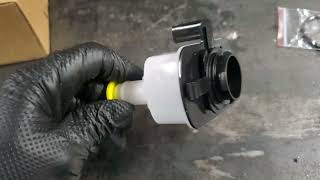
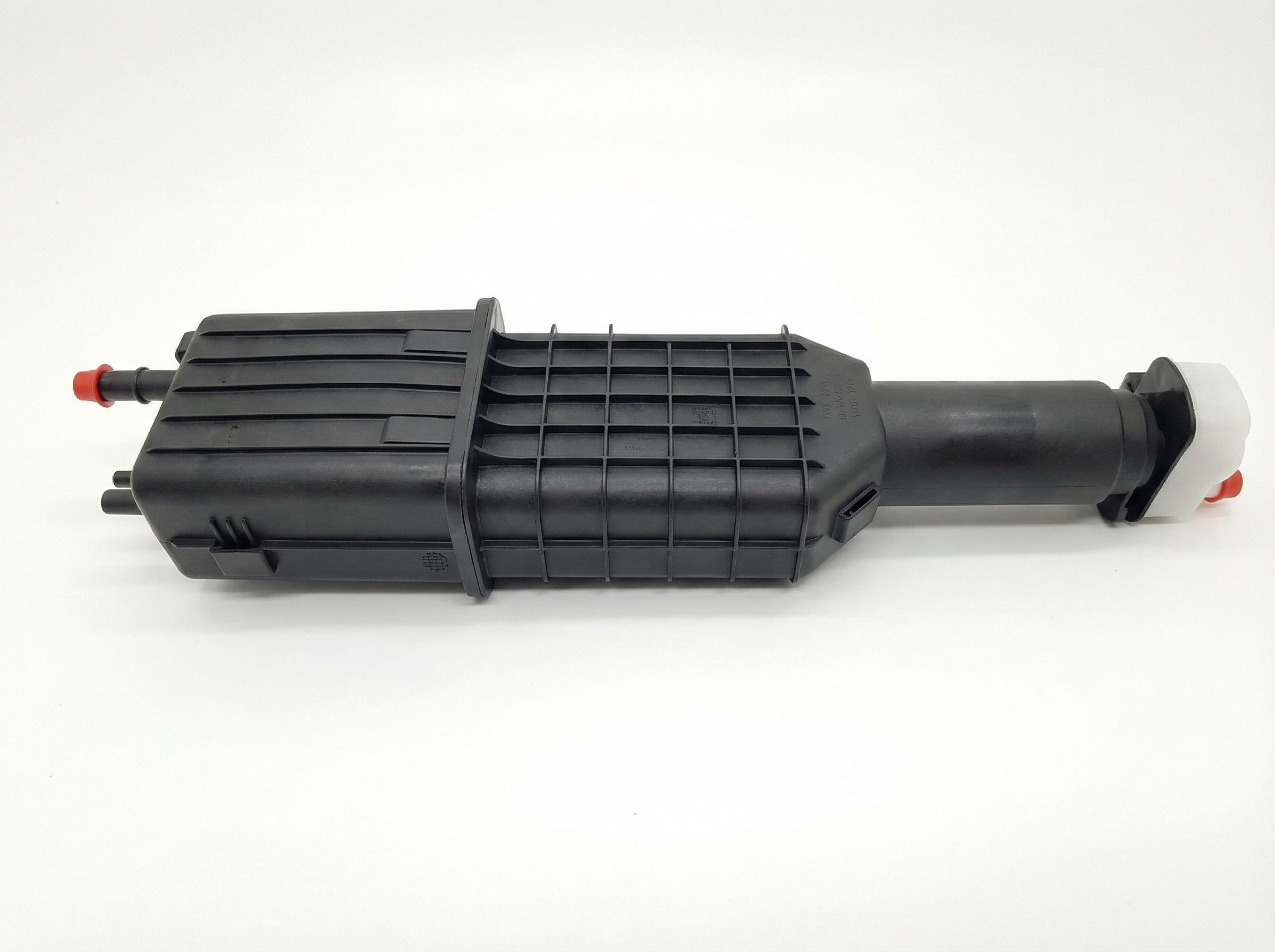
Est. part cost: $15-$30 - Failed EVAP System Integrity Monitor (ESIM) Switch 🔴 High Probability The ESIM is a known high-failure part on this platform, with multiple part number revisions (AA, AB, AC, AD) indicating design updates. It is located on the charcoal canister where it can be exposed to moisture and road spray, leading to internal corrosion and failure of its delicate diaphragm and switch mechanism. TSB #9003665 specifically addresses this failure mode.
How to confirm: After ruling out the gas cap, this is the next logical part to replace. A smoke test may not show a leak if the ESIM has failed internally. Given the low cost and high failure rate, many owners and mechanics opt to replace it without further diagnosis, especially if a smoke test comes back negative. A failed ESIM may also rattle when shaken.
Typical fix: Replace the ESIM switch and its O-ring. It is located on the vapor canister, behind the driver's side rear wheel, and is removed with a simple quarter-turn twist.
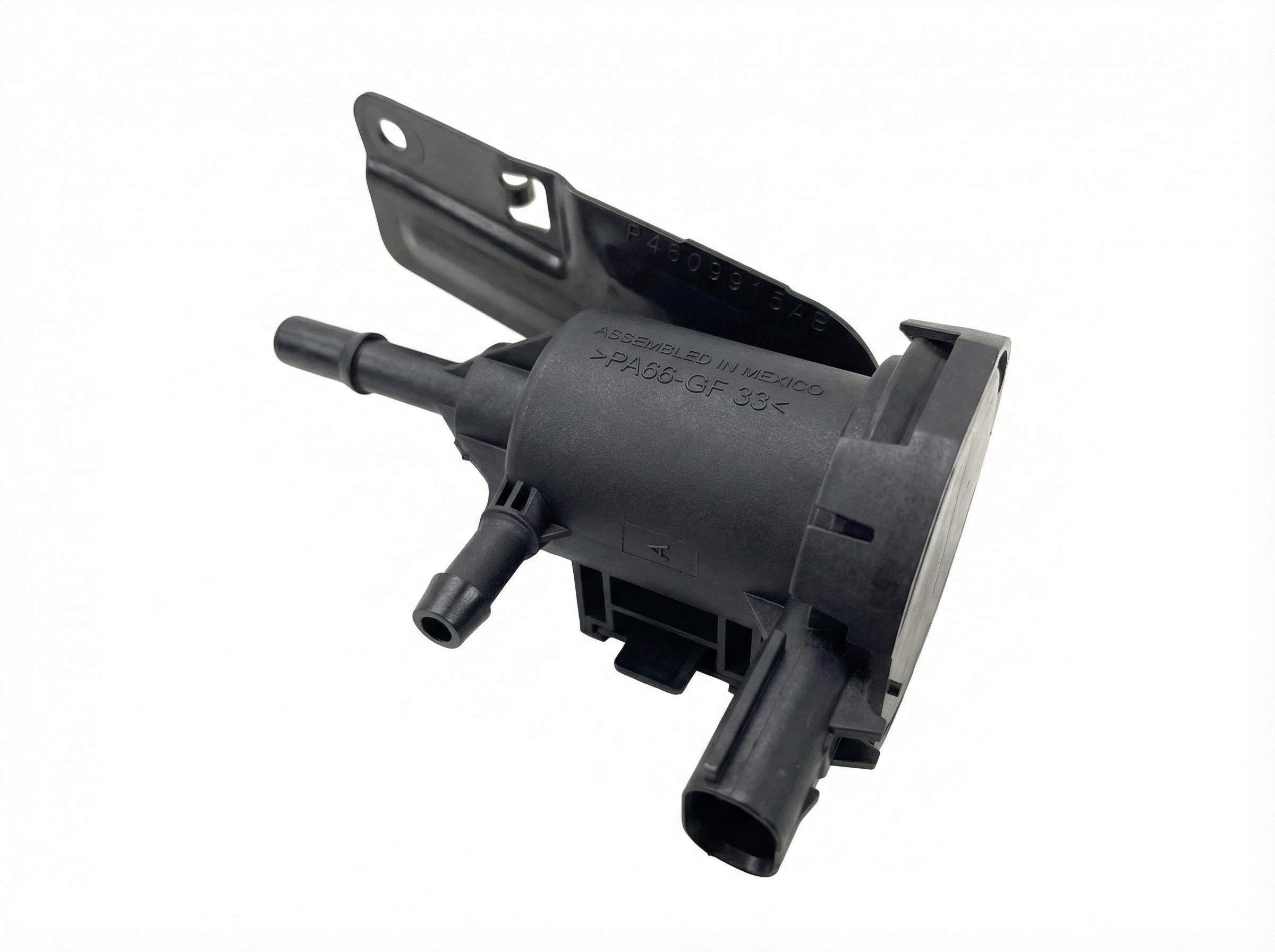
Est. part cost: $35-$60 - Failed EVAP Purge Valve / Solenoid 🟡 Medium Probability The purge valve, located in the engine bay, can get stuck slightly open, causing a small leak that the system detects. This is a common issue on many modern engines, including the 3.6L Pentastar.
How to confirm: A classic symptom is difficulty starting the engine immediately after refueling. To test, with the engine off, remove the valve and try to blow through it. If air passes, it is stuck open and must be replaced.
Typical fix: Replace the purge valve.
Est. part cost: $25-$50 - Cracked or Disconnected EVAP Hoses ⚪ Low Probability Rubber and plastic lines can become brittle with age and heat cycles, developing small cracks. This is less common than component failure for a very small leak. A common place to check is the rubber hose connecting the rigid lines under the airbox in the engine bay.
How to confirm: A thorough visual inspection of all EVAP lines from the engine bay to the fuel tank is the first step. The definitive method is to have a mechanic perform a smoke test, which fills the system with visible vapor to pinpoint the exact location of the leak.
Typical fix: Replace the cracked or damaged section of hose.
Est. part cost: $10-$40
Rare But Worth Checking
- Cracked Charcoal Canister: The plastic housing of the charcoal canister can develop hairline cracks, especially if the vehicle has sustained an impact to the undercarriage. A smoke test is the best way to identify such a leak.
- Leaking Fuel Filler Neck: Rust or corrosion on the metal tube leading to the gas tank can create a small leak, though this is more common on older vehicles or those in rust-prone climates.
Diagnosis Steps
- Read the code with an OBD-II scanner to confirm P0456 is the active code.
- Inspect the gas cap. Remove it, check for any cracks in the rubber seal, and retighten it until it clicks several times. Many owners recommend replacing it with an OEM Mopar cap as a first step due to the low cost and high probability of failure.
- Clear the code and drive for a few days. The EVAP monitor runs under specific conditions (fuel level, temperature, etc.), so it may take several drive cycles for the light to return if the fault persists.
- If the code returns, perform a thorough visual inspection of all accessible EVAP hoses in the engine bay and around the fuel tank area for obvious cracks or disconnections.
- Test the purge valve, especially if you experience hard starting after refueling. Locate it in the engine bay, disconnect it, and try to blow through it. If air passes, it's faulty.
- If the gas cap and purge valve are good, the most likely culprit is the ESIM switch. It is located on the charcoal canister behind the driver's side rear wheel. Given its high failure rate and the fact that it can fail internally without showing an external leak, many DIYers replace it at this point.
- For a definitive diagnosis, a professional smoke test is recommended. A machine injects harmless, UV-dyed smoke into the EVAP system, making even the smallest leak visible under a blacklight. If a smoke test reveals no leaks, the ESIM switch has almost certainly failed internally and should be replaced. TSB Bulletin #18-089-24 notes that if P0456 is present, technicians should use the wiTECH Small Leak Verification test (SLVT) to determine if a leak is present in the system.
- For 2013 models specifically, check with a dealer if TSB #18-050-16 or #18-001-14 has been performed. This involves a PCM software reflash to correct overly sensitive leak detection logic that can falsely trigger P0456.
Parts You'll Likely Need
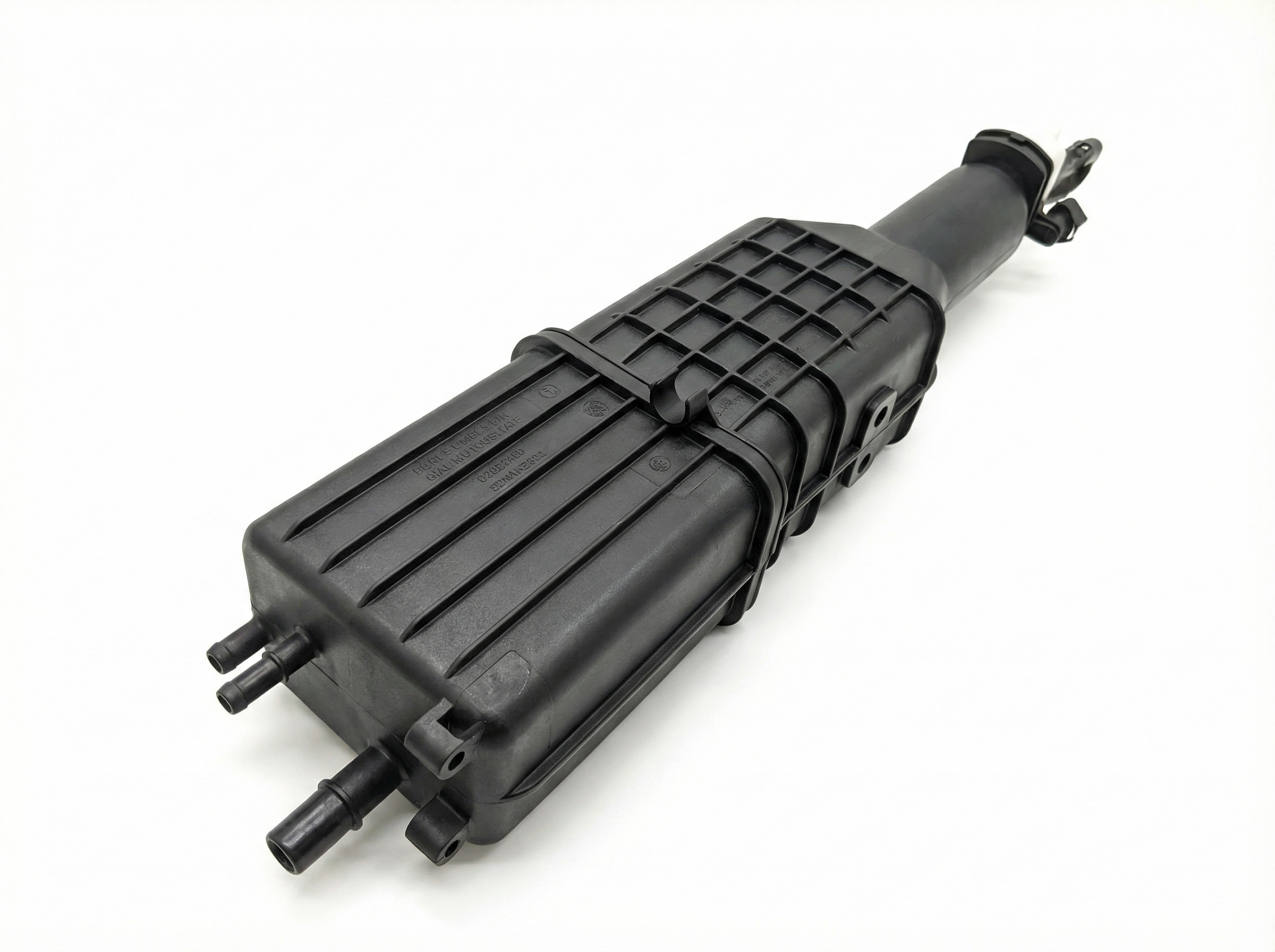
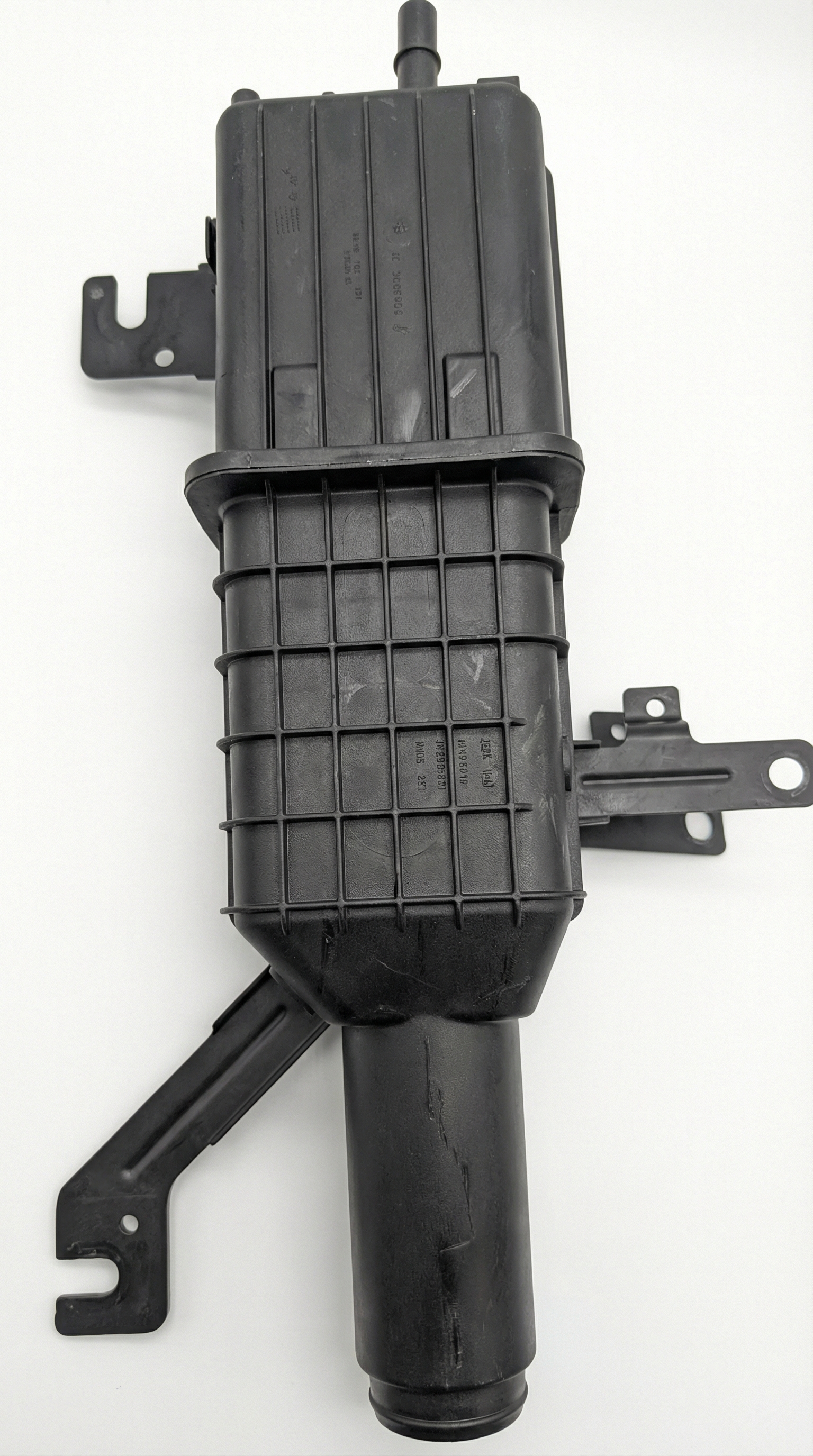
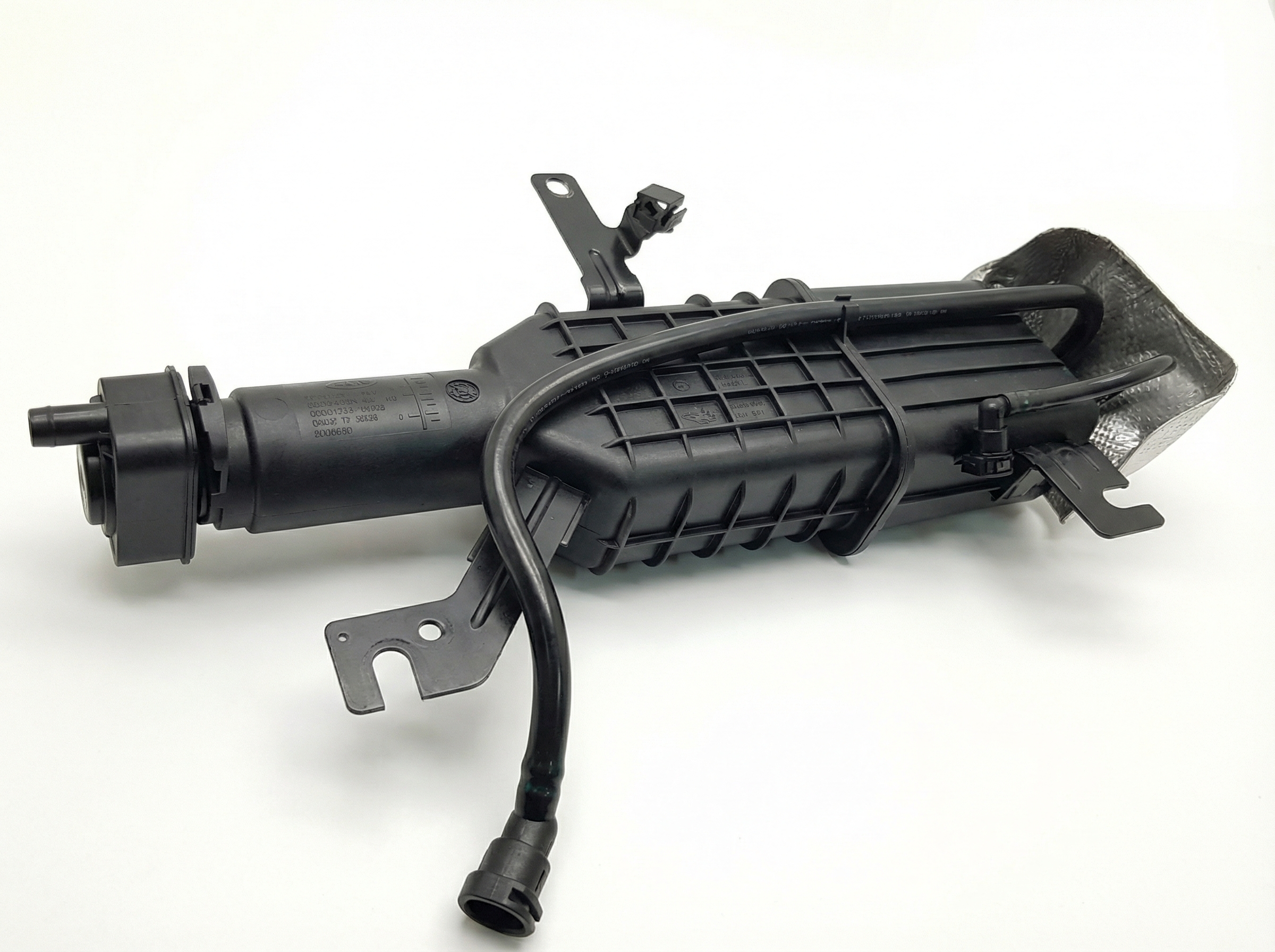
- Evaporative System Integrity Monitor (ESIM) Switch
(OEM #4861959AD)— This is the most common failure point on this specific vehicle platform for a P0456 code after the gas cap has been ruled out. It has been through several revisions (AA, AB, AC, AD), indicating its problematic history.
Trusted brands: Mopar
OEM price range: $40-$60
Aftermarket price range: $25-$45 - Fuel Cap
(OEM #52124512AA)— A worn-out or loose gas cap is the simplest and a very frequent cause of a small EVAP leak across all vehicles. An OEM cap is highly recommended over aftermarket versions for this platform.
Trusted brands: Mopar, Stant
OEM price range: $20-$30
Aftermarket price range: $15-$25 - Vapor Canister Purge Valve / Solenoid
(OEM #04891738AD)— This valve can stick open, creating a constant small leak in the system. It's a common failure item on the 3.6L Pentastar engine, often causing hard starts after refueling.
Trusted brands: Mopar, Bosch, Dorman
OEM price range: $35-$50
Aftermarket price range: $20-$40
Related Codes That Often Appear With This One
- P0455 — Indicates a large EVAP leak. A component that initially causes a small leak (P0456) can fail completely, leading to a large leak code.
- P0457 — Specifically points to a leak from a loose or missing fuel cap. It often appears with P0456 if the cap is the root cause.
- P0441 — Indicates incorrect purge flow, which is directly related to a failing EVAP purge valve—a common cause for P0456.
Technical Service Bulletins (TSBs) & Recalls

- TSB #9003665: Confirms the ESIM as a high-failure part for P0456 and advises checking for water ingestion in the EVAP lines near the component.
- TSB #18-050-16 (also cited as #18-001-14): Applies to some 2013 models for an overly sensitive PCM logic that can falsely trigger a P0456 code. The fix is a PCM reflash.
- TSB Bulletin #1804823: Recommends using the wiTECH Small Leak Verification Test (SLVT) specifically for diagnosing P0456 EVAP system small leaks.
- TSB Bulletin #18-089-24: Notes that P0456 may be present alongside catalyst efficiency codes P0420 and P0430, and advises using the SLVT to confirm the leak.
Platform-Specific Known Issues
- The ESIM (Evaporative System Integrity Monitor) used on this platform is a known high-failure item, often triggering a P0456 code without any actual physical leak in a hose.
- For 2013 models, TSB #18-050-16 was issued to address overly sensitive PCM logic that could falsely trigger a P0456 code. The fix is a dealer software reflash.
Mechanic-Grade Diagnostic Values
- EVAP Purge Valve Solenoid Coil Resistance — expected: 14 to 30 Ohms. Failure: A reading of infinite (OL) indicates an open circuit, while near-zero Ohms indicates a short circuit.
- ESIM Switch State (Scan Tool Live Data) — expected: The switch should read 'Closed' after the vehicle has sat and cooled down, allowing a natural vacuum to form in the tank.. Failure: If the switch consistently reads 'Open' after a cold soak, it indicates either a physical leak is present (preventing vacuum) or the ESIM switch itself has failed and cannot close.
- ESIM Switch Reference Voltage (at connector) — expected: Approximately 4.5 - 5.0 Volts on the signal wire from the PCM with the switch unplugged or in the open state.. Failure: When the switch closes (under vacuum), this voltage should be pulled down to near 0 Volts. If the voltage doesn't change, the switch or wiring is faulty.
Scan Tool Commands That Help
- wiTECH (or equivalent high-end scanner): Small Leak Verification Test (SLVT) — For 2013 and newer models, this is a mandatory test to confirm a P0456 leak is present and to verify a fix without waiting for multiple drive cycles. It uses the Fuel Tank Pressure (FTP) sensor to actively test the system, and can also report if the purge valve has an internal leak.
- Professional Scan Tool with Bidirectional Controls: EVAP System Seal / Close Vent Valve — This command manually closes the ESIM (which acts as the vent valve) to seal the system. It is essential to use this command before starting a smoke test to ensure the system is closed and can be properly pressurized with smoke.
- Professional Scan Tool with Bidirectional Controls: Purge Solenoid Activation/Duty Cycle — This allows the technician to command the purge solenoid open and closed while the engine is off to check its mechanical function (listening for a click) and to verify the integrity of the control circuit with a test light or multimeter.
Wiring & Ground Locations
- EVAP Purge Solenoid — Located in the engine compartment, on the right side of the engine.. This is the primary location for testing the purge valve's resistance and checking for voltage/ground signals from the PCM. The connector is a common point for inspection.
- EVAP System Monitor Switch (ESIM) — Under the left rear of the vehicle, mounted on the charcoal canister.. The connector and wiring to the ESIM can be damaged by road debris or corrosion. A bad connection here will prevent the PCM from seeing the switch's status, mimicking a failed part.
- G300 — Base of the right 'A' pillar, inside the vehicle.. This is a major ground distribution point for several systems. While not directly tied only to EVAP, poor grounding here can cause erratic behavior in modules that control or monitor the EVAP system.
- G302 — Base of the right 'D' pillar.. This ground point is physically close to the rear-mounted EVAP components, including the fuel pump module and ESIM. Corrosion at this ground could affect the ESIM's ability to send a clear signal to the PCM.
Real Owner Repair Stories
- Chrysler Forum user (2001 Chrysler Town & Country (older model, but relevant hose location)) — Persistent P0456 code.
❌ Tried (didn't work) Initial visual inspections.
✅ What actually fixed it Found a cracked 2-inch section of 5/16" rubber hose connecting two metal EVAP lines located underneath the air cleaner box in the engine bay. Replacing this small hose resolved the code. - Chrysler Forum user (Chrysler Minivan (model year not specified)) — P0456 code that passed a smoke test.
❌ Tried (didn't work) Smoke test performed by a dealer came back clean.
✅ What actually fixed it The actual cause was a cracked plastic nipple on the fuel pump assembly, which is only accessible by dropping the fuel tank. The user notes that short factory hoses may put constant strain on these nipples, causing them to crack over time.
"I Checked Everything" — The Actual Cause
- The most common 'smoke test clean' scenario for a P0456 on this van is an internal failure of the ESIM switch. The shop's smoke machine pressurizes the system, which may not reveal the fault. The vehicle's own test relies on pulling a vacuum during a cool-down cycle, and the ESIM's internal diaphragm or switch fails to report this vacuum hold correctly to the PCM, even though no physical leak exists for smoke to escape.
- A technician on a forum noted that the standard smoke test adapter used in place of the gas cap can sometimes mask a leak at the filler neck because its O-ring is larger and more forgiving than the gas cap's own seal. If a smoke test is performed without the actual gas cap in place, it might miss a leak caused by a corroded filler neck or a faulty cap.
When the Usual Fixes Don't Work
- While the ESIM is the most likely culprit after the gas cap, it is not a guaranteed fix. In a notable forum case, a user replaced the gas cap and ESIM, but the code persisted. The final fix was a cracked plastic nipple on the fuel pump assembly, requiring the fuel tank to be dropped. This highlights that while common causes are common, a persistent P0456 after replacing the top two parts necessitates a full, professional diagnostic, likely with a smoke machine, starting from the engine bay and working all the way back to the tank.
OEM Part Supersession History
4861959AA, 4861959AB, 4861959AC→4861959AD— The ESIM switch has gone through multiple revisions by Mopar to improve its reliability and resistance to moisture, which was a common failure point.
Heads up: All previous versions should be replaced with the latest 'AD' revision for best results. Using an older version from new-old-stock is not recommended.Earlier versions of 04891738AD→04891738AD— The purge valve for the 3.6L Pentastar has also been updated to improve durability and prevent the internal seal from sticking or failing.
Model Year Variations Within This Range
- 2013 Only: A specific PCM software update, detailed in TSB #18-050-16, was released to correct overly sensitive leak detection logic that could falsely trigger a P0456 code. This should be investigated before replacing parts on a 2013 model.
- 2013 and newer: Models from 2013 onwards have a 'Small Leak Verification Test' (SLVT) available in the wiTECH dealer scan tool. This test uses the Fuel Tank Pressure (FTP) sensor to confirm a leak, whereas earlier models relied solely on the ESIM switch state for the small leak test. This makes diagnosis on newer models more definitive.
Diagnostic Flowchart
Other Known Issues on This Vehicle
Issues unrelated to this code that are worth knowing about as an owner of this generation:
- Leaking Oil Filter Housing/Cooler 🔴 High — Extremely common. Can occur as early as 60,000 miles. The plastic housing cracks or warps from heat cycles, causing a significant oil leak onto the top of the transmission and down the back of the engine.
- Rocker Arm Failure ('Pentastar Tick') 🔴 High — Common, particularly in earlier 2011-2014 models, but can occur at any time. Caused by needle bearing failure in the rocker arms, leading to a distinct ticking noise, misfires, and potential camshaft damage if ignored. (Ref: Subject of class-action lawsuits.)
- Totally Integrated Power Module (TIPM) Failure 🔴 High — A well-documented issue across many Chrysler products of this era. Can occur at any mileage, causing a wide range of bizarre electrical problems like the fuel pump not shutting off, engine failing to start, or wipers/horn activating randomly. (Ref: Subject of recalls and lawsuits on other Chrysler models, but a known issue on the Town & Country.)
- Transmission Cooler Line Leaks 🟠 Medium — Common. The lines can leak, leading to low transmission fluid levels, overheating, and eventual transmission failure if not addressed.
- HVAC Blend Door Actuator Failure 🟡 Low — Very common. The plastic gears in the actuators fail, causing a clicking noise from the dash and an inability to control air temperature or direction for specific zones.
Used vs. New Parts: Buying Guide for This Vehicle
When a used part is the smart pick: For this specific repair, using used parts is generally not recommended. The primary failure components (ESIM, purge valve, gas cap) are wear items with high failure rates and are relatively inexpensive to buy new. A used part may have very little life left or could be faulty from the start.
Donor-vehicle mileage cap: roughly under 80000 miles for the part to have meaningful remaining life.
What to inspect on the donor part:
- If buying a used charcoal canister, ensure the plastic housing is free of any cracks or stress marks.
- Inspect any rubber hoses for pliability; avoid any that are hard or brittle.
OEM-only on this vehicle (don't cheap out):
- Fuel Cap: Aftermarket caps are notoriously problematic and a leading cause of misdiagnosis. A genuine Mopar cap is strongly recommended to ensure a proper seal.
- Evaporative System Integrity Monitor (ESIM) Switch: Given the multiple design revisions to fix reliability issues, using a new OEM Mopar part (latest revision 4861959AD) is the wisest choice.
Aftermarket brands forum-validated for this vehicle:
- Bosch or Dorman for the EVAP Purge Valve are generally considered reliable alternatives to OEM.
Brands owners have reported issues with on this vehicle:
- Generic, no-name, or ultra-cheap aftermarket fuel caps and ESIM switches found on marketplace sites should be avoided as they often do not seal correctly or fail prematurely.
Real Owner Stories
Aggregated from forums and TSBs cited above. Mileages and costs reflect what owners reported in those sources.
2012 Chrysler Town & Country 3.6L
Symptoms: Check engine light on for a small EVAP leak.
What fixed it: Replaced the ESIM (leak detection pump). The owner noted this is more common than a bad gas cap on these vans.
Source hint: YouTube - Anonymous User 'fix it': In "2012 Town and Country P0456 Fix"
2011-2016 Chrysler Town & Country 3.6L
Symptoms: P0456 code triggered; visual inspection of lines and gas cap appeared normal.
What fixed it: Replacement of the ESIM switch. The part is known to fail due to moisture and road spray causing internal corrosion.
Source hint: YouTube - The Flat Rate Mechanic: In "Dodge Caravan P0456 small EVAP leak 'Most Common Cause'"
Chrysler Town & Country 3.6L
Symptoms: Small EVAP leak code P0456.
What fixed it: Found and replaced a small, cracked 5/16" rubber hose located under the air cleaner box.
Source hint: Chrysler Forum - user 'Anonymous'
Related OBD-II Codes
Frequently Asked Questions
I have a 2013 Chrysler Town & Country and the P0456 code keeps coming back. Is there a software fix?
Why do mechanics recommend a Mopar gas cap instead of a cheaper one from the auto parts store?
Where is the ESIM switch located on my Town & Country?
My van is hard to start only after I fill up at the gas station. Is this related to P0456?
Can I test the ESIM switch myself if I take it off?
Is there a specific hose I should check in the engine bay for this code?
Helpful Videos
Used OEM Parts in Stock

New Aftermarket Parts Available


The information in this article is provided for general reference and educational purposes only. Vehicle specifications, procedures, and part compatibility can vary by production date, trim level, and region. Always consult your vehicle's factory service manual and verify part numbers before purchasing or performing repairs. Safety-critical components such as airbags, seat belts, and braking systems should be installed by a qualified professional.
- Chrysler Town & Country:
- 🎬 Helpful Videos
- 🛍️ Shop This Part
- What's Unique About the 2011-2016 Chrysler Town & Country
- Symptoms You May Notice
- Most Likely Causes
- Rare But Worth Checking
- Diagnosis Steps
- Parts You'll Likely Need
- Related Codes That Often Appear With This One
- Technical Service Bulletins (TSBs) & Recalls
- Platform-Specific Known Issues
- Mechanic-Grade Diagnostic Values
- Scan Tool Commands That Help
- Wiring & Ground Locations
- Real Owner Repair Stories
- "I Checked Everything" — The Actual Cause
- When the Usual Fixes Don't Work
- OEM Part Supersession History
- Model Year Variations Within This Range
- Diagnostic Flowchart
- Other Known Issues on This Vehicle
- Used vs. New Parts: Buying Guide for This Vehicle
- Real Owner Stories
- 2012 Chrysler Town & Country 3.6L
- 2011-2016 Chrysler Town & Country 3.6L
- Chrysler Town & Country 3.6L
- Related OBD-II Codes
- Frequently Asked Questions
- 🎟️ Get 5% Off