

P0455 on 2011-2018 Volvo S60: EVAP Large Leak Causes and Fixes
For a 2011-2018 Volvo S60, code P0455 is most often caused by a loose or faulty gas cap. If tightening or replacing the cap (~$25-$45) doesn't fix it, the next most likely culprits are a failed EVAP purge valve or the leak detection pump (LDP), a known failure item on this platform. A smoke test is the most effective way to find the source of the leak.
- Always start with the simplest fix: check that your gas cap is tight and the seal is in good condition. A new cap is an inexpensive diagnostic step.
- If the gas cap isn't the issue, the EVAP purge valve and the leak detection pump are the next most likely failures on this specific Volvo model.
- A fuel smell around the car is a strong symptom that should not be ignored.
- While some diagnosis can be done at home (checking the cap, testing the purge valve), finding the exact source of a leak often requires a smoke test, which is typically performed by a professional mechanic.
What's Unique About the 2011-2018 Volvo S60

On the second-generation (P3 platform) Volvo S60, the EVAP system uses a sophisticated leak detection pump (LDP) to pressurize the system for its self-test. While the causes are similar to other cars, these specific Volvo models are known for failures of this LDP, in addition to the more universal issues like a bad gas cap or purge valve. In many forum discussions, the LDP is cited as the eventual culprit after other simpler fixes are attempted. Diagnosing a faulty LDP can sometimes require a Volvo-specific scan tool (VIDA) to activate the component directly, though related codes like P2402 often point directly to the LDP.
Symptoms You May Notice
- Check Engine Light is on
- A message on the dashboard such as 'Tighten Gas Cap'
- A noticeable fuel smell, particularly around the rear of the car or near the gas cap
- No noticeable change in engine performance or drivability
- Immediately replacing the charcoal canister. The canister is often expensive and rarely fails. The leak is much more likely to be in a connected component like a hose, the LDP, or the purge valve.
Most Likely Causes


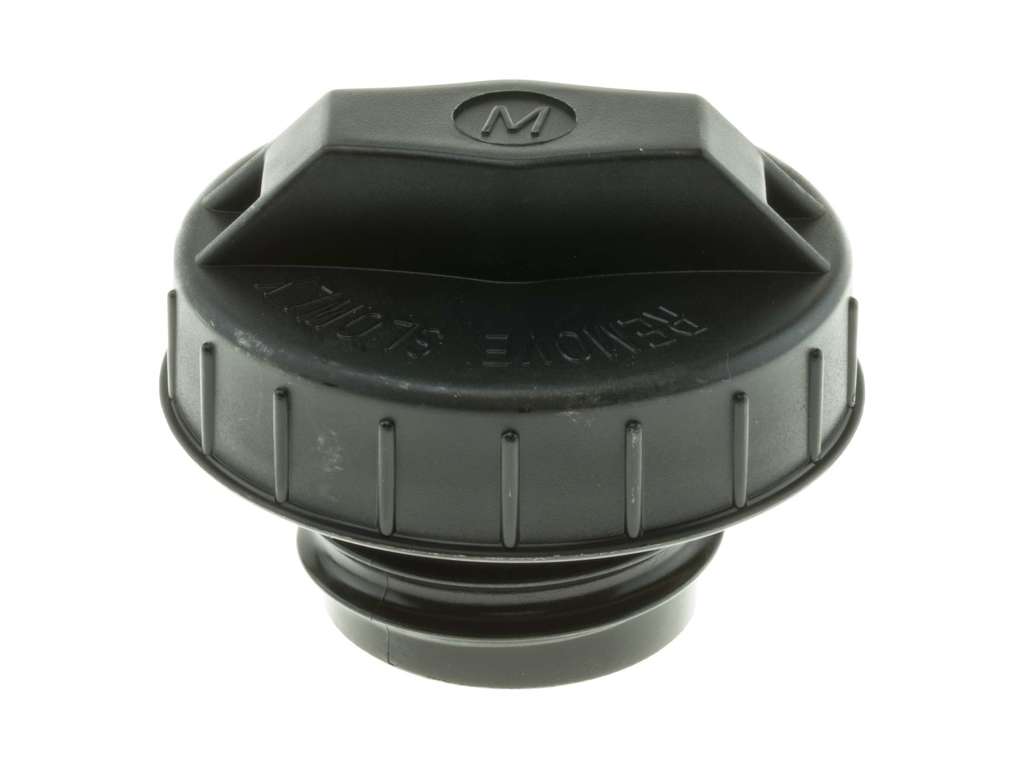
- Loose or Faulty Gas Cap 🔴 High Probability The gas cap is a frequently used component and its seal can wear out over time, or it may simply not have been tightened correctly after refueling. This is the most common and easiest-to-fix cause for P0455 across all vehicles.
How to confirm: Ensure the gas cap clicks at least three times when tightened. Inspect the rubber seal on the cap for cracks, stiffness, or damage. If the seal is compromised, the cap needs replacement. A temporary test can be done by creating a makeshift seal with a plastic bag under the cap, clearing the code, and seeing if it returns after a few days of driving.
Typical fix: Replace the gas cap. This is an inexpensive and simple first step that resolves the issue for many owners.
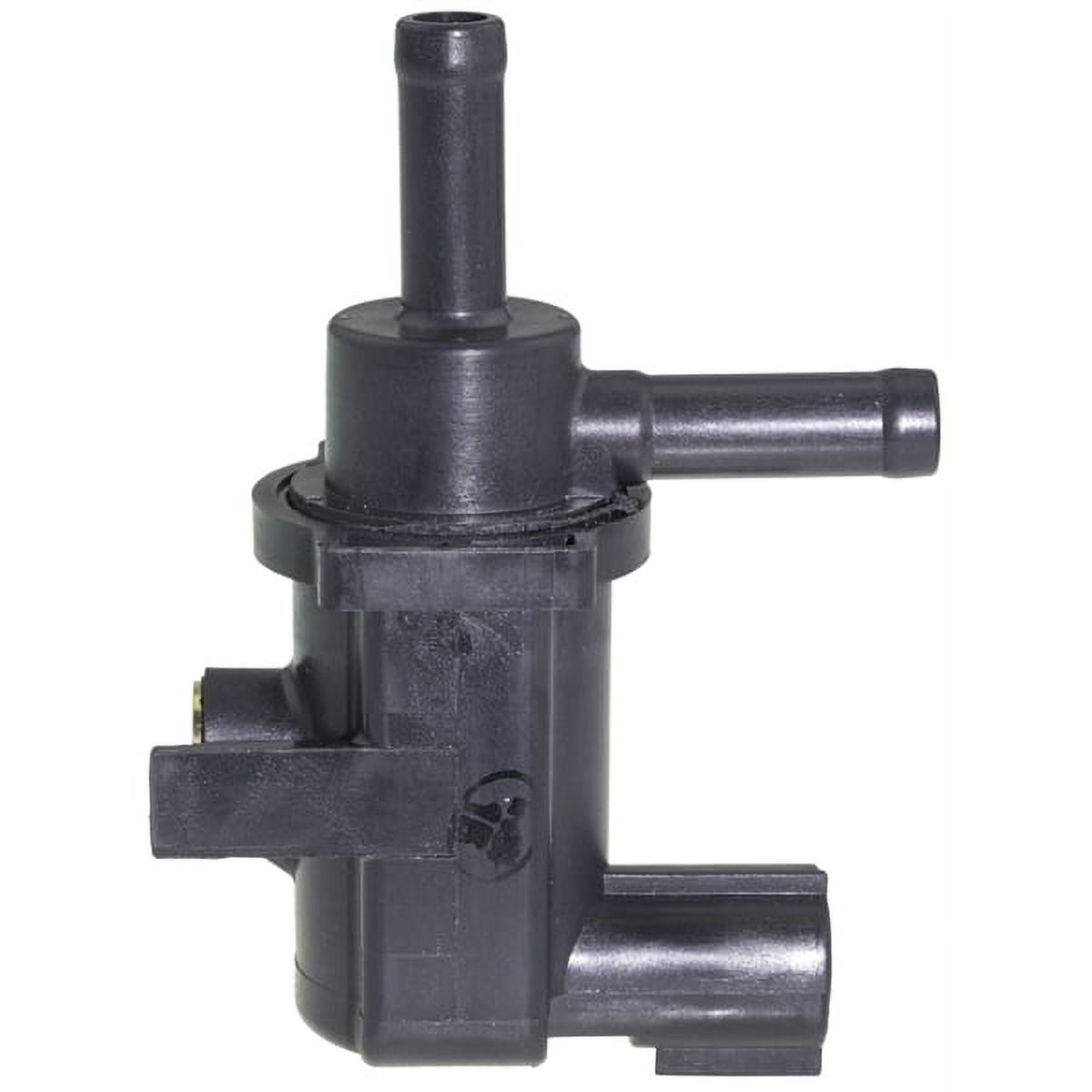
Est. part cost: $25-$45 - Faulty EVAP Purge Valve 🟡 Medium Probability The purge valve (or solenoid) cycles frequently and can fail by getting stuck open or closed. A stuck-open valve is a common cause for a large leak code as it creates a constant vacuum leak into the intake manifold.
How to confirm: Locate the purge valve in the engine bay, often near the intake manifold. With the engine running, disconnect the electrical connector and the hose leading from the valve to the charcoal canister. There should be no vacuum present at idle. If you feel suction, the valve is stuck open and must be replaced.
Typical fix: Replace the purge valve. It is typically located in the engine compartment and is accessible for DIY replacement. On some S60 models, it's near the radiator fan shroud. 🎬 Watch: Step-by-step guide to replacing the S60 purge valve.
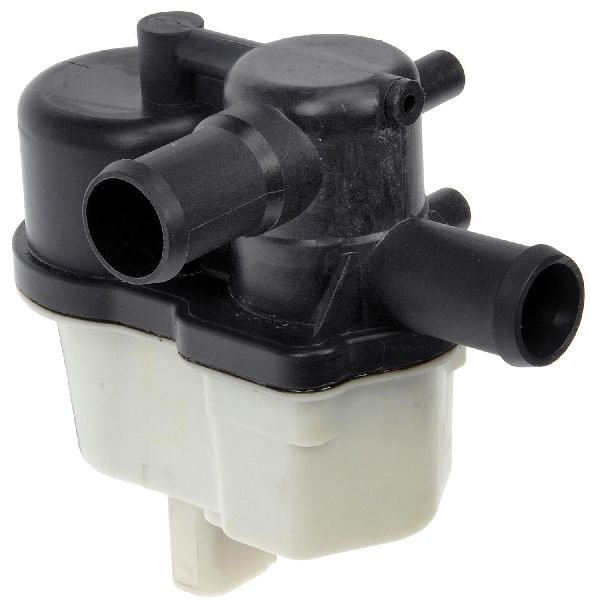
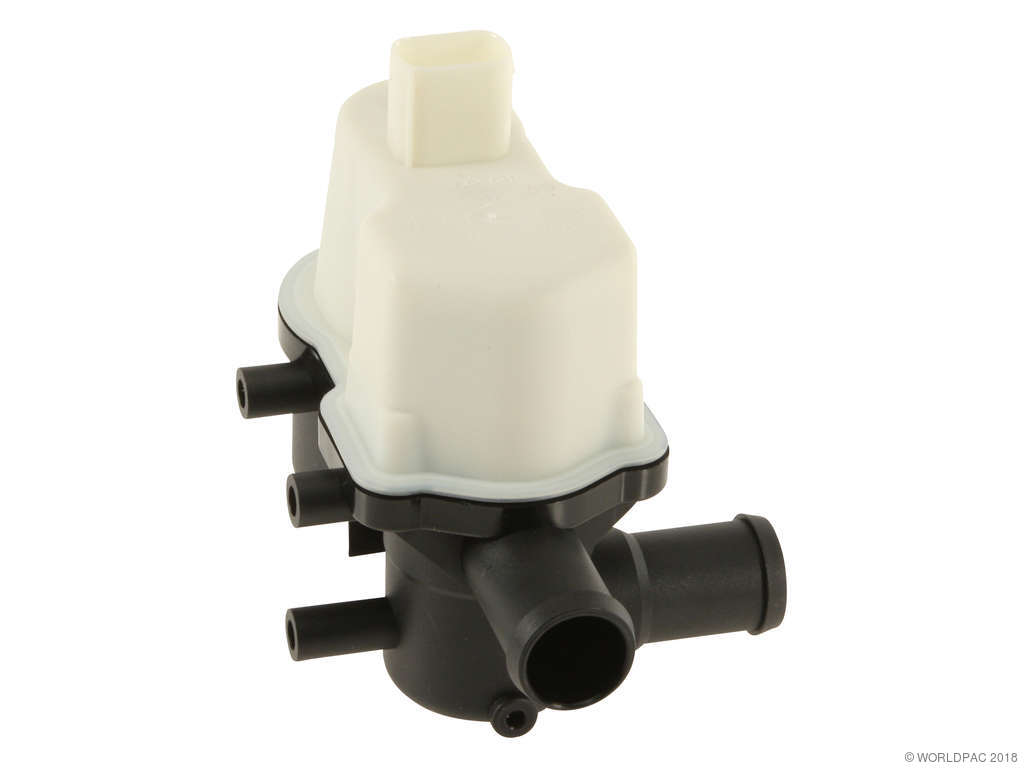
Est. part cost: $70-$130 - Failed Leak Detection Pump (LDP) 🟡 Medium Probability The LDP is a known failure point on many P3 platform Volvos. It is a small pump located near the charcoal canister that pressurizes the system for leak testing. Its internal motor or sensor can fail, preventing the system from sealing and testing, which registers as a large leak. Owners on forums report this part failing after several years, sometimes intermittently at first.
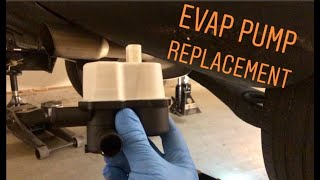
How to confirm: This is best confirmed with a professional smoke test or a high-end scan tool that can perform a bi-directional test to command the pump on. The LDP is located near the charcoal canister, above the rear axle. 🎬 See this walkthrough for replacing the leak detection pump. A related code, such as P2402, P043E, or P2419, specifically points to an LDP circuit or component failure, making diagnosis much more certain.
Typical fix: Replace the leak detection pump. Accessing it requires safely raising the rear of the vehicle. It is mounted near the charcoal canister.
Est. part cost: $100-$325 - Cracked or Disconnected EVAP Hoses ⚪ Low Probability Over time, the plastic and rubber hoses in the EVAP system can become brittle and crack, especially those exposed to the elements under the car near the charcoal canister or in the engine bay where they are exposed to heat.
How to confirm: A visual inspection may reveal obvious cracks, but the most effective method is a smoke test. A mechanic injects pressurized smoke into the EVAP service port; the leak will be visible where the smoke escapes. This is the definitive way to find hairline cracks that are not visible to the naked eye.
Typical fix: Replace the specific section of cracked hose. The 'J-hose' connecting to the charcoal canister is a common point of failure on older Volvos.
Est. part cost: $20-$60
Rare But Worth Checking
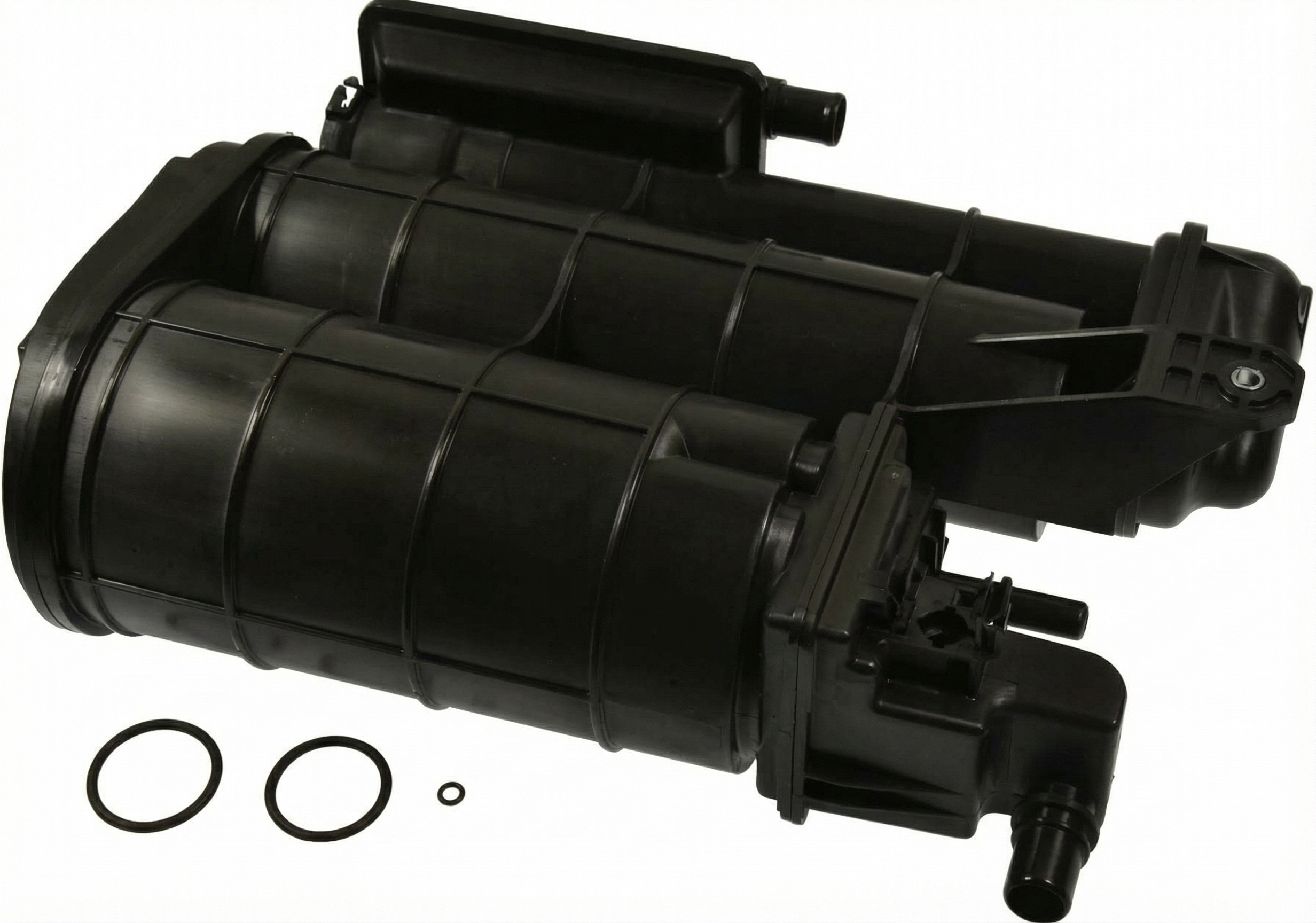
- Cracked Charcoal Canister: The canister itself can be damaged by road debris or age, leading to a large leak. This is uncommon but should be checked during a visual inspection if other causes are ruled out.
- Damaged Fuel Filler Neck: Rust or damage to the metal filler neck where the gas cap seals can prevent a proper seal, causing a persistent P0455 code even with a new gas cap. A smoke test will quickly reveal a leak in this area.
- Fuel Tank Seam Leaks: While less common on the S60, other Volvo models have demonstrated that physical damage to the fuel tank itself can trigger this code. For instance, NHTSA ODI #10714113 describes a P0455 code caused by a verified crack at a seam of the gas tank.
Diagnosis Steps

- Check the Gas Cap: Remove, inspect the seal for damage, and retighten it, ensuring it clicks several times. Clear the code and drive for a few days to see if it returns. This is the first and most crucial step.
- Visual Inspection: Look for any obviously cracked, disconnected, or damaged hoses in the engine bay around the purge valve and underneath the vehicle near the charcoal canister (located near the rear axle). Pay attention to hard plastic lines and rubber connectors.
- Test the Purge Valve: With the engine at idle, disconnect the electrical connector from the purge valve. Then, disconnect the EVAP line running from the canister to the valve. Feel for vacuum on the valve's port. If suction is present, the valve is stuck open and needs to be replaced.
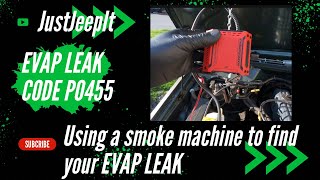
- Perform a Smoke Test: If the above steps do not reveal the issue, a smoke test is the most reliable way to find the leak. This involves feeding low-pressure smoke into the EVAP service port and watching for where it escapes. 🎬 Watch: How to find a leak using a smoke tester. This can pinpoint leaks in hoses, the canister, the filler neck, or the leak detection pump.
- Scan Tool Diagnosis: Use a professional scan tool (like Volvo's VIDA) to activate the purge valve and leak detection pump to confirm their operation electronically. This can confirm if a component is receiving a signal but not functioning.
Parts You'll Likely Need

- Fuel Filler Cap
(OEM #31392044)— This is the most common cause. The seal wears out over time, causing a large leak.
Trusted brands: Genuine Volvo, Gates, Stant
OEM price range: $35-$45
Aftermarket price range: $10-$25 - Vapor Canister Purge Valve
(OEM #31478983 (replaces 31405211))— A common failure item that gets stuck open, creating a constant leak path from the EVAP system to the intake manifold.
Trusted brands: Genuine Volvo, Bosch, Dorman, Pro Parts
OEM price range: $90-$130
Aftermarket price range: $50-$80 - Leak Detection Pump (LDP)
(OEM #31392490 (replaces 31321575))— This pump is a known failure point on P3 platform Volvos and will set a large leak code when it can no longer pressurize the system for testing.
Trusted brands: Genuine Volvo, Bosch
OEM price range: $250-$325
Aftermarket price range: $80-$150
Related Codes That Often Appear With This One
- P0456 — This code indicates a 'small leak'. You might see this code intermittently before it becomes a large enough leak to trigger P0455.
- P0442 — This is another code for a 'small leak', similar to P0456, and can precede a P0455 code as a component continues to degrade.
- P2402 — This code specifically indicates a problem with the EVAP Leak Detection Pump control circuit. If you see this alongside P0455, the LDP is almost certainly the culprit.
- P0171 — System Too Lean (Bank 1). A stuck-open purge valve can cause this code by creating a vacuum leak, allowing unmetered air into the intake manifold.
Platform-Specific Known Issues
- Intermittent LDP Failure: Owners on volvoXC.com have reported chasing a P0455 code for up to a year, with the light appearing intermittently, especially on hot days. The issue was eventually traced to a failing Leak Detection Pump (LDP) that took a long time to fail completely and trigger a specific LDP code.
Mechanic-Grade Diagnostic Values
- Fuel Tank Pressure Sensor Voltage (Signal Wire) — expected: Approximately 2.5V with the system at atmospheric pressure. Voltage should decrease as vacuum is applied.. Failure: Voltage that is stuck high (e.g., 5V) or low (e.g., 0V), or does not change when vacuum is applied with a hand pump, indicates a failed sensor.
- EVAP Purge Valve Power Supply — expected: Battery voltage (approx. 12V) at the power supply pin with the key on.. Failure: No voltage suggests a wiring or fuse issue.
Hidden / Shadow Codes Worth Checking
- ECM-4308: This is the Volvo-specific Diagnostic Trouble Code (DTC) for a major EVAP system leak, which corresponds directly to the generic P0455 code. (see via A Volvo-specific scan tool like VIDA (Vehicle Information & Diagnostics for Aftersales) will display this code.)
Scan Tool Commands That Help
- Volvo VIDA: Activate Canister Purge (CP) Valve — To manually command the purge valve open and closed to check for correct mechanical and electrical operation. This helps determine if the valve is sticking.
- Volvo VIDA: Activate Leak Diagnostic Unit (LDP) — To command the Leak Detection Pump to run its pressurization cycle. A technician can monitor system pressure data in VIDA to see if the pump is working and if the system holds pressure, directly testing the LDP's function.
- Volvo VIDA: Read Fuel Tank Pressure — To monitor the live data from the fuel tank pressure sensor. This is crucial during a smoke test or LDP activation to see if the system is building and holding pressure as expected.
Wiring & Ground Locations
- 31/1 and 31/2 — Ground points located on the right and left MacPherson strut towers in the engine bay.. The main engine wiring harness, which includes wiring for the EVAP purge valve and other sensors, uses these ground points. Corrosion or a loose connection at these locations can cause intermittent electrical faults for various engine components, including the EVAP system.
- Fuse F6 (Engine Bay Fuse Box) — In the engine compartment fuse box (11B).. On earlier P2 platform cars, this fuse provides power to the EVAP valve, Camshaft reset valve, and other components. While the exact fuse number may vary on the P3 S60, checking the fuse for the EVAP system components is a critical early electrical check.
Real Owner Repair Stories
- YouTube user 'Mikeoscope' (2016 Volvo S60 T5 Inscription) — Dashboard message 'Tighten Gas Cap' and a pending P0455 code.
❌ Tried (didn't work) Tightening the gas cap, Clearing the codes (they returned as pending), Performing a smoke test, which showed no visible leaks in the lines or at the canister.
✅ What actually fixed it The problem was diagnosed as a faulty Leak Detection Pump (LDP). Even though the smoke test passed (smoke was seen exiting the canister as expected), the LDP was not functioning correctly to pressurize the system for the self-test, leading the ECM to interpret it as a large leak. The final fix was replacing the LDP. - NHTSA ODI #10714113 — An owner reported a Check Engine Light with code P0455 and a "large leak no flow" condition. A certified repair facility verified the cause was a crack at a seam of the gas tank.
"I Checked Everything" — The Actual Cause
- In one documented case on a 2016 S60, a full smoke test was performed and no leaks were found in any hoses, the filler neck, or the charcoal canister. The actual cause was a malfunctioning Leak Detection Pump (LDP). The LDP's job is to pressurize the system for the test; when it fails to run, the system cannot build pressure, which the car's computer interprets as a large leak, triggering P0455. The smoke test only checks for physical leak paths and doesn't test the LDP's mechanical function.
OEM Part Supersession History
31321575→31392490— Component revision/update for the Leak Detection Pump (LDP).31405211→31478983— Component revision/update for the Vapor Canister Purge Valve.
Model Year Variations Within This Range
- 2015-2016: For the 2015-2016 model years, Volvo introduced the new Drive-E family of engines alongside the older 5-cylinder and 6-cylinder engines. While the overall EVAP system function is the same, part numbers for components like the purge valve can differ between engine types. For example, purge valve 31478983 is specified for the 2.0L Drive-E engine.
Diagnostic Flowchart
Other Known Issues on This Vehicle
Issues unrelated to this code that are worth knowing about as an owner of this generation:
- Excessive Oil Consumption (5-Cylinder and 4-Cylinder Engines) 🔴 High — Commonly reported starting around 45k-80k miles. Caused by faulty piston ring design, leading to carbon buildup. Can consume over 1 quart per 1000 miles. (Ref: A class-action lawsuit and extended warranty program existed for this issue, but may now be expired for many vehicles.)
- Automatic Transmission (TF-80SC) Valve Body Failure 🟠 Medium — Can occur at various mileages, often manifesting as harsh shifting, flares between gears, or delays engaging drive. Often caused by fluid breakdown, as Volvo claimed it was 'sealed for life'.
- PCV / Oil Trap Failure (T6 and VEA 4-Cylinder Engines) 🟠 Medium — The diaphragm in the PCV oil trap can tear, typically between 60k-100k miles. This creates a loud squealing or whistling noise from the engine and can cause oil seals to fail if not addressed.
- Leaking Brake Vacuum Pump (T6 Engines) 🟡 Low — The seal on the engine-driven brake vacuum pump commonly begins to leak oil after 100k miles. It doesn't typically cause a loss of brake assist but will coat the driver's side of the engine and transmission in oil. (Ref: Volvo offers a reseal kit for this specific issue.)
Used vs. New Parts: Buying Guide for This Vehicle
When a used part is the smart pick: Used parts can be a cost-effective option for the charcoal canister and potentially the Leak Detection Pump (LDP), especially if sourced from a lower-mileage, non-corrosion-area donor car. These parts are not high-wear items in the traditional sense but can fail electronically or become brittle.
Donor-vehicle mileage cap: roughly under 80000 miles for the part to have meaningful remaining life.
What to inspect on the donor part:
- For an LDP or canister, check for any visible cracks in the plastic housing.
- Ensure all hose connection points are intact and not brittle or broken.
- Verify the electrical connector pins are clean, straight, and free of corrosion.
- Ask for the donor vehicle's mileage and history if possible; avoid parts from flood or heavy-impact vehicles.
OEM-only on this vehicle (don't cheap out):
- Fuel Filler Cap: Aftermarket gas caps are notoriously hit-or-miss. Given the low cost of an OEM Volvo cap and its critical function in sealing the system, it is highly recommended to use a Genuine Volvo part (31392044) to avoid persistent issues.
Aftermarket brands forum-validated for this vehicle:
- Bosch: Bosch is the Original Equipment Manufacturer (OEM) for many Volvo electronic components, including the purge valve and LDP. Choosing a Bosch-branded part often provides the same quality as a Genuine Volvo part at a lower cost.
Brands owners have reported issues with on this vehicle:
- Unbranded/White-box LDPs: While significantly cheaper, very low-cost aftermarket Leak Detection Pumps have a higher reported failure rate. Given the labor to access this part, opting for a reputable brand like Bosch or Genuine Volvo is a safer investment.
Real Owner Stories
Aggregated from forums and TSBs cited above. Mileages and costs reflect what owners reported in those sources.
Volvo S60 (P3 Platform)
Symptoms: The Check Engine Light appeared intermittently for up to a year, specifically occurring more often on hot days.
What fixed it: Replacement of the Leak Detection Pump (LDP) after it finally failed completely and triggered a specific LDP code.
Source hint: volvoXC.com: Evap Emission System Leak Detected (Large Leak) P0455
Volvo 850 (Cross-Manufacturer Reference)
Symptoms: Check Engine Light with P0455 "Large Leak Detected" and no flow.
What fixed it: A certified Volvo repair facility verified a crack at a seam of the gas tank (NHTSA ODI #10714113).
Related OBD-II Codes
Frequently Asked Questions
My 2011-2018 Volvo S60 dashboard says 'Tighten Gas Cap' but the cap is tight. Is it still the cap?
Where is the Leak Detection Pump (LDP) located on the S60 P3 platform?
How can I tell if my S60's purge valve is causing the P0455 large leak code?
Is there a specific hose on the S60 known for causing EVAP leaks?
Can I use Volvo-specific software to diagnose this code?
Helpful Videos

Used OEM Parts in Stock
New Aftermarket Parts Available


The information in this article is provided for general reference and educational purposes only. Vehicle specifications, procedures, and part compatibility can vary by production date, trim level, and region. Always consult your vehicle's factory service manual and verify part numbers before purchasing or performing repairs. Safety-critical components such as airbags, seat belts, and braking systems should be installed by a qualified professional.
- Volvo S60:
- 🎬 Helpful Videos
- 🛍️ Shop This Part
- What's Unique About the 2011-2018 Volvo S60
- Symptoms You May Notice
- Most Likely Causes
- Rare But Worth Checking
- Diagnosis Steps
- Parts You'll Likely Need
- Related Codes That Often Appear With This One
- Platform-Specific Known Issues
- Mechanic-Grade Diagnostic Values
- Hidden / Shadow Codes Worth Checking
- Scan Tool Commands That Help
- Wiring & Ground Locations
- Real Owner Repair Stories
- "I Checked Everything" — The Actual Cause
- OEM Part Supersession History
- Model Year Variations Within This Range
- Diagnostic Flowchart
- Other Known Issues on This Vehicle
- Used vs. New Parts: Buying Guide for This Vehicle
- Real Owner Stories
- Volvo S60 (P3 Platform)
- Volvo 850 (Cross-Manufacturer Reference)
- Related OBD-II Codes
- Frequently Asked Questions
- 🎟️ Get 5% Off