

P0455 on 2010-2014 Subaru Legacy: EVAP Large Leak Causes and Fixes
On a 2010-2014 Subaru Legacy, code P0455 is most often caused by a loose or faulty gas cap. Before buying any parts, check that the cap is tight and clicks. If it's worn, a new OEM cap costs about $25-$40 and is the most likely fix. This code will also disable driver aids like EyeSight and cruise control as a safety measure.
- Always check the gas cap first for a P0455 code. Ensure it's tight and the seal is intact. This resolves the issue more than 50% of the time.
- Don't be alarmed if EyeSight, cruise control, and other systems are disabled. This is normal for a Subaru with a check engine light and will be restored once the P0455 code is fixed and cleared.
- If the gas cap isn't the problem, the next most likely causes are a cracked EVAP hose or a faulty purge valve in the engine bay.
- Driving with this code is safe for the engine, but you will be releasing excess pollution and will fail an emissions test.
- After performing a fix (like tightening the gas cap), you must clear the code with a scanner. The light will not turn off immediately on its own.
What's Unique About the 2010-2014 Subaru Legacy
On this generation of Subaru Legacy, the appearance of a P0455 code has a unique and often alarming side effect: it will typically disable other major systems like EyeSight, cruise control, and the Vehicle Dynamics Control (VDC). This is a deliberate design choice by Subaru to get the driver's attention for any issue that triggers the check engine light. While it may seem like a major failure, it's simply the car's way of ensuring you don't ignore the emissions-related fault. The underlying EVAP issue is usually minor and does not affect the engine's mechanical operation.
Symptoms You May Notice
- Check Engine Light is on.
- Disabling of EyeSight, cruise control, and Vehicle Dynamics Control (VDC) systems.
- A faint smell of fuel, particularly around the rear of the vehicle or after refueling.
- The vehicle will automatically fail an emissions inspection.
- A blinking 'S' mode light on the dashboard in some instances.
- Replacing the charcoal canister when the problem is just a simple hose or valve.
- Immediately assuming a complex leak without first checking and replacing the inexpensive gas cap.
- Performing an expensive smoke test before physically inspecting the gas cap seal and ensuring it clicks when tightened.
Most Likely Causes
- Loose, Damaged, or Incorrect Fuel Cap 🔴 High Probability This is the most common cause for a P0455 code on any vehicle, including the Subaru Legacy. The rubber O-ring on the cap can wear out, crack, or become stiff over time, preventing a proper seal. Owners frequently report resolving the code simply by re-tightening or replacing the cap.
How to confirm: Remove the fuel cap and inspect the rubber seal for cracks, stiffness, or damage. Ensure it is an OEM or equivalent cap. Reinstall the cap, ensuring it clicks at least once. Clear the code and see if it returns after a few drive cycles. A cap tether caught under the seal can also cause this leak.
Typical fix: Tighten the cap or replace it with a new one.
Est. part cost: $20-$40 - Faulty Purge Control Solenoid Valve 🟡 Medium Probability This valve is an electromechanical part located in the engine bay that cycles frequently and can fail by sticking open, creating a large leak path directly into the engine intake.
How to confirm: The purge valve is located in the engine bay, typically mounted on or near the intake manifold. 🎬 See this video to quickly locate the purge valve in your engine. It's a normally closed valve. With the engine off, you can remove the valve and try to blow through it. If air passes through, the valve is stuck open and needs to be replaced. A mechanic can also command it to open and close with a scan tool to test its function.
Typical fix: Replace the purge control solenoid valve.
Est. part cost: $40-$120 - Cracked or Disconnected EVAP Hoses 🟡 Medium Probability Rubber hoses can become brittle and crack over time due to heat and age, especially at connection points. A large crack or a hose that has popped off a fitting will cause a P0455 code.
How to confirm: Visually inspect all accessible EVAP hoses, from the engine bay to the charcoal canister area near the fuel tank. Look for obvious cracks, breaks, or loose connections. A smoke test is the professional method to find a leak that isn't visually apparent.
Typical fix: Replace the damaged hose section and secure with clamps.
Est. part cost: $10-$50 - Faulty Vent Valve / Solenoid ⚪ Low Probability The vent valve, located near the charcoal canister at the rear of the vehicle, can fail and stick open. It is exposed to road debris and moisture, which can lead to corrosion or mechanical failure. On some Subaru models, this component is integrated into the charcoal canister assembly.
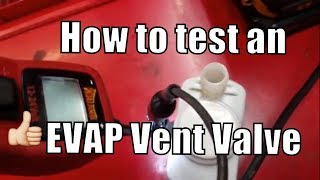
How to confirm: This valve is normally open and closes when the system performs a leak test. It can be tested with a scan tool to command it closed. A smoke test will also reveal if the valve is stuck open, as smoke will exit the valve. Accessing this part can be difficult, sometimes requiring the rear differential to be lowered. 🎬 Watch: How to test the vent valve for common leak codes.
Typical fix: Replace the vent valve assembly.
Est. part cost: $50-$150
Rare But Worth Checking
- Cracked Charcoal Canister: The charcoal canister is a plastic box filled with activated carbon located near the fuel tank. It can be damaged by road debris or develop cracks from age, causing a large leak.
- Leaking Fuel Tank Filler Neck: The metal pipe leading from the gas cap to the tank can rust and perforate, especially in regions that use road salt, creating a large, un-sealable leak. This is a known issue on older Subarus and can be a cause for a persistent P0455.
- Faulty Fuel Tank Pressure Sensor: While rare, the sensor that measures pressure in the EVAP system can fail and give a false reading, tricking the computer into thinking there is a leak when there isn't one. This will often be accompanied by other sensor-specific codes.
Diagnosis Steps
- Read the code with an OBD-II scanner to confirm P0455 is the active fault.
- Inspect the fuel cap. Remove it, check the rubber seal for cracks or damage, and ensure the tether isn't caught underneath. Reinstall it and turn it until it clicks multiple times. If in doubt, replace it with an OEM cap. This is the most common fix.
- Clear the code with the scanner. Drive the vehicle for a few days. The EVAP monitor runs under specific conditions (e.g., fuel level between 15-85%, moderate temperatures), so it may take time for the light to return if the problem persists.
- If the light returns, perform a thorough visual inspection of the EVAP system. Start in the engine bay and trace the vapor lines back towards the fuel tank. Look for any cracked, disconnected, or brittle hoses, especially at connection points.
- Locate the purge control solenoid in the engine bay. With the engine off, remove it and test if you can blow through it. If air passes, it's stuck open and needs replacement.
- Inspect the charcoal canister and vent valve area, usually located near the fuel tank at the rear of the vehicle. Check for any physical damage, cracks, or severe rust on the filler neck.
- If no obvious issues are found, the most effective next step is a professional smoke test. A machine fills the EVAP system with a harmless, visible smoke under low pressure. Any leaks will be revealed by smoke exiting the system, pinpointing the source. NOTE: For 2011+ models with an ELCM, Subaru advises against smoke testing as a first step. See Model Year Variations.
Parts You'll Likely Need
- Fuel Tank Filler Cap
(OEM #42031AJ00A)— This is the most frequent cause of a P0455 code due to wear on the seal or improper tightening. The original part number 42031AJ001 may have been superseded.
Trusted brands: Subaru (OEM)
OEM price range: $25-$40
Aftermarket price range: $15-$30 - Vapor Canister Purge Solenoid / Valve (Engine Bay)
(OEM #16131AA070)— This valve cycles frequently and is a common failure point, getting stuck open and causing a large leak.
Trusted brands: Subaru (OEM), Dorman, Denso
OEM price range: $80-$120
Aftermarket price range: $40-$70 - Canister Vent Valve / Solenoid (Rear)
(OEM #42084FG020)— Located near the rear canister, this valve can fail due to exposure to the elements. It may be sold as a standalone part or as part of the canister assembly.
Trusted brands: Subaru (OEM)
OEM price range: $110-$155
Aftermarket price range: $60-$100
Related Codes That Often Appear With This One
- P0456 — If a large leak (P0455) is intermittent or borderline, the system might first detect it as a small leak (P0456). Sometimes both codes appear if the leak size is ambiguous to the ECU.
- P0457 — This code specifically indicates a leak detected due to a loose or missing fuel cap, which is a primary cause of P0455. If you see P0457, the gas cap is almost certainly the culprit.
Technical Service Bulletins (TSBs) & Recalls
- Subaru TechTIPS Newsletter (undated): Discusses the proper diagnosis for late-model EVAP systems with an Electronic Leak Check Module (ELCM), advising a forced self-test before other methods.
- While no specific TSB for P0455 on this model was found, TSB 09-67-18R addresses EVAP leak diagnosis procedures for other Subaru models, which may share similar principles.
Platform-Specific Known Issues
- A known Subaru behavior is to disable EyeSight, cruise control, and VDC when the Check Engine Light is illuminated for any reason, including a minor EVAP code like P0455. This is not indicative of a failure in those systems.
- According to a Subaru TechTIPS newsletter, for models equipped with an Electronic Leak Check Module (ELCM, ~2011+), technicians are advised to use the Subaru Select Monitor (SSM) scan tool to perform a forced self-test of the EVAP system as a primary diagnostic step, rather than immediately using a smoke machine.
- Accessing the rear vent valve or charcoal canister can be labor-intensive on this platform, sometimes requiring the rear differential to be lowered.
Mechanic-Grade Diagnostic Values
- Purge Control Solenoid (Engine Bay) Function — expected: Valve should be fully closed with engine off. No air should pass when blowing through it.. Failure: If air can be blown through the valve when it is removed from the vehicle and unpowered, it is stuck open and faulty.
- Vent Valve (Rear) Function — expected: Valve is normally open. It should close when commanded by a scan tool or when 12V is applied to its pins.. Failure: If the valve does not click or close when commanded/powered, or if it is stuck closed when unpowered, it is faulty.
- Evap System Absolute Pressure (via Subaru Select Monitor) — expected: During the 'Evaporative System Leak Test', the graphed pressure should drop as the ELCM pump creates a vacuum and then hold steady.. Failure: If the pressure fails to drop or drops and then rises back to atmospheric pressure quickly, a large leak is present.
Scan Tool Commands That Help
- Subaru Select Monitor (SSM): Evaporative System Leak Test — This is the Subaru-preferred method for diagnosing EVAP leaks on models with an ELCM (~2011+). It runs an automated, 15-30 minute self-test by drawing a vacuum on the system and monitoring for decay, which is more precise and safer for the components than a smoke test.
- Subaru Select Monitor (SSM): Each System Check > Current Data Display — To monitor live data from the Fuel Tank Pressure sensor and observe system pressure in real-time while manually testing components or driving.
- Bi-Directional Scan Tool: Vent Valve/Solenoid Command (On/Off) — To manually command the rear vent valve closed. This is essential before performing a smoke test, as the valve is normally open and smoke will simply exit through it if it is not commanded shut.
- Physical Connector (Pre-SSM method): Connect Green Test Connectors — On some Subaru models, connecting a pair of green connectors under the driver's side dash puts the car into a diagnostic test mode. This mode cycles all relays and solenoids (including EVAP valves) on and off, allowing a technician to listen or feel for their operation without a scan tool.
Wiring & Ground Locations
- ECM (Engine Control Module) — Under the passenger side of the dashboard, typically behind the glove box.. The ECM is the computer that receives data from the EVAP pressure sensor and controls the purge and vent valves. All related wiring terminates here.
- BIU (Body Integrated Unit) — Under the driver's side of the dashboard, to the right of the steering column.. The BIU controls various body functions and communicates with the ECM. While not a primary cause, wiring issues in this area could potentially affect system communication.
- Main Fuse Box (F/B) — In the driver's side kick panel area.. This fuse box contains fuses that power the EVAP system components. A blown fuse here would likely cause a circuit code, but it's a key location for electrical diagnosis.
Real Owner Repair Stories
- Reddit user on r/SubaruForester (2021 Subaru Forester (similar EVAP system logic)) — Check engine light on, EyeSight disabled, blinking 'S' mode light, code P0455.
❌ Tried (didn't work) Removing and re-tightening the gas cap multiple times.
✅ What actually fixed it The owner took the vehicle to a dealership. The dealer performed diagnostic checks, including a vacuum leak check and a purge valve test, and found no faults. They cleared the code and concluded the most likely cause was that the gas cap had not been fully tightened previously. The code did not return. - NHTSA ODI #11637451 (Subaru Forester platform mate) — An owner reported taking their vehicle to a dealership for a P0455 diagnosis. The technician found the gas cap was secured, reset the code, and test drove the car to confirm the error did not return.
"I Checked Everything" — The Actual Cause
- On 2011+ models with an Electronic Leak Check Module (ELCM), Subaru explicitly advises against using a smoke machine as the first diagnostic step. The residual oil in the smoke can contaminate and damage the sensitive ELCM pump and valve mechanism. In these cases, the proper procedure is to use the Subaru Select Monitor (SSM) to run the 'Evaporative System Leak Test'. A failure of this test, even when a smoke test shows no leaks, points to a fault within the ELCM itself or a leak that only manifests under the specific vacuum conditions of the self-test.
Model Year Variations Within This Range
- 2011-2014: Starting around 2011, Subaru phased in an Electronic Leak Check Module (ELCM) for the EVAP system. This replaced some older components and fundamentally changed the diagnostic process. For these vehicles, the primary diagnostic tool is the Subaru Select Monitor's built-in 'Evaporative System Leak Test,' and smoke testing is discouraged as a first step to avoid damaging the ELCM.
Diagnostic Flowchart
Other Known Issues on This Vehicle
Issues unrelated to this code that are worth knowing about as an owner of this generation:
- Lineartronic CVT Transmission Problems 🔴 High — Common in 2010-2014 models, especially earlier years. Issues include shuddering, hesitation, and stalling. Can occur at mileages as low as 60,000 miles. (Ref: Subaru issued a warranty extension to 10 years/100,000 miles. TSBs like 16-90-13R and 16-107-17R address specific symptoms like shuddering and stalling.)
- Excessive Oil Consumption (2.5L FB25 Engine) 🔴 High — Primarily affects 2013-2014 models with the 2.5L FB engine. Owners report consuming a quart of oil every 1,200-2,000 miles due to issues with piston rings. (Ref: Subaru extended the powertrain warranty to 8 years/100,000 miles for this issue and issued TSB 02-157-14R to guide dealers on performing an oil consumption test and repair.)
- Prematurely Burnt-Out Headlights 🟡 Low — Very common on 2010-2011 models. Owners report replacing low-beam headlight bulbs multiple times a year. The cause is often attributed to the electrical system providing excessive voltage to the bulbs.
- Electronic Parking Brake (EPB) Failure (Manual Transmission) 🟠 Medium — Affects all 2010-2014 Legacy/Outback models with a manual transmission. The EPB may not engage properly, creating a rollaway risk. (Ref: Subaru issued recall WTV-81 for this issue to replace the EPB actuator assembly.)
- Cracked ABS Wheel Speed Sensor Clips 🟡 Low — Certain acidic wheel cleaners can cause the plastic retaining clips for the ABS wheel speed sensor harness to become brittle and break. (Ref: TSB 06-49-15R was issued to replace the clips with a more resistant material (polypropylene).)
Used vs. New Parts: Buying Guide for This Vehicle
When a used part is the smart pick: Used parts can be a cost-effective option for non-wear items. This includes the charcoal canister (inspect carefully for cracks), EVAP hoses from a low-mileage donor, and the metal fuel filler neck if sourced from a rust-free vehicle.
Donor-vehicle mileage cap: roughly under 80000 miles for the part to have meaningful remaining life.
What to inspect on the donor part:
- For plastic parts like the canister, check for any hairline cracks or brittle-looking plastic.
- For hoses, ensure they are still pliable and not stiff or cracked.
- For electronic valves, check that connectors are clean and free of corrosion.
- For a fuel filler neck, inspect thoroughly for any signs of rust, especially at welds and bends.
OEM-only on this vehicle (don't cheap out):
- Fuel Cap: The seal on the gas cap is critical. Aftermarket caps can have slightly different tolerances that may not seal perfectly, leading to a recurring P0455. OEM is strongly recommended.
- Electronic Leak Check Module (ELCM): For 2011+ models, this is a sensitive and critical electronic component. An OEM part ensures compatibility with the ECU's diagnostic software.
Aftermarket brands forum-validated for this vehicle:
- Denso: Often an OEM supplier to Subaru, Denso parts are generally considered high quality and reliable.
- Dorman: Widely available and often a good value. While some have reported mixed results with Dorman electronics, their EVAP components are commonly used and generally considered a viable alternative to OEM.
Brands owners have reported issues with on this vehicle:
- Unbranded 'Cheapest Available' Valves: While tempting, the lowest-priced electronic valves from unknown brands on marketplace websites can have high failure rates and may not perform to OEM specifications, leading to a quick return of the check engine light.
Real Owner Stories
Aggregated from forums and TSBs cited above. Mileages and costs reflect what owners reported in those sources.
2012 Subaru Impreza (Platform Mate)
Symptoms: Described the difficulty of accessing the rear charcoal canister and vent valve, noting it is tucked away.
What fixed it: Noted that access may require lowering the rear differential for repair.
Source hint: r/MechanicAdvice (Reddit)
2010-2014 Subaru Forester (Platform Mate)
Symptoms: Check engine light with P0455 code; dealer performed vacuum leak and purge valve tests but found no hardware faults.
What fixed it: The dealer suspected a loose gas cap was the original cause, cleared the code, and it did not return.
Source hint: r/SubaruForester (Reddit)
2022+ Subaru WRX (Platform Mate)
Symptoms: P0455 code triggered despite the owner remembering they had tightened the cap.
What fixed it: Confirmed the issue was a loose gas cap, highlighting the sensitivity of the Subaru EVAP system.
Source hint: r/wrx_vb (Reddit)
Subaru Forester (Platform Mate)
Symptoms: A technician diagnosed a P0455 error code after a driver brought the vehicle in for repair.
What fixed it: The technician found that the gas cap was secured, reset the code, and confirmed the fix with a test drive (NHTSA ODI #11637451).
Source hint: NHTSA ODI #11637451
Related OBD-II Codes
Frequently Asked Questions
Why did my EyeSight, cruise control, and VDC systems stop working when the P0455 code appeared?
Is there a specific diagnostic procedure for my 2011+ Legacy with an Electronic Leak Check Module (ELCM)?
Could my P0455 code be related to the excessive oil consumption issues on my 2013 Legacy?
I've tightened my gas cap but the light is still on. How long does it take to clear?
Why is the labor cost so high to check the vent valve on this model?
Helpful Videos
Used OEM Parts in Stock
New Aftermarket Parts Available


The information in this article is provided for general reference and educational purposes only. Vehicle specifications, procedures, and part compatibility can vary by production date, trim level, and region. Always consult your vehicle's factory service manual and verify part numbers before purchasing or performing repairs. Safety-critical components such as airbags, seat belts, and braking systems should be installed by a qualified professional.
- Subaru Legacy:
- 🎬 Helpful Videos
- 🛍️ Shop This Part
- What's Unique About the 2010-2014 Subaru Legacy
- Symptoms You May Notice
- Most Likely Causes
- Rare But Worth Checking
- Diagnosis Steps
- Parts You'll Likely Need
- Related Codes That Often Appear With This One
- Technical Service Bulletins (TSBs) & Recalls
- Platform-Specific Known Issues
- Mechanic-Grade Diagnostic Values
- Scan Tool Commands That Help
- Wiring & Ground Locations
- Real Owner Repair Stories
- "I Checked Everything" — The Actual Cause
- Model Year Variations Within This Range
- Diagnostic Flowchart
- Other Known Issues on This Vehicle
- Used vs. New Parts: Buying Guide for This Vehicle
- Real Owner Stories
- 2012 Subaru Impreza (Platform Mate)
- 2010-2014 Subaru Forester (Platform Mate)
- 2022+ Subaru WRX (Platform Mate)
- Subaru Forester (Platform Mate)
- Related OBD-II Codes
- Frequently Asked Questions
- 🎟️ Get 5% Off