

P0455 on 2011-2015 Lincoln MKX: EVAP Large Leak Causes and Fixes
For a 2011-2015 Lincoln MKX, code P0455 is most often caused by a faulty capless fuel filler neck that no longer seals properly. The second most likely cause is a failed EVAP purge valve in the engine bay. Replacing the filler neck is a common and effective fix, often preceded by a 'Check Fuel Inlet' dashboard message.
- P0455 on a 2011-2015 Lincoln MKX points to a large leak in the emissions system, which will cause an automatic failure of an emissions test.
- The most frequent cause is a faulty capless fuel filler neck, often accompanied by a 'Check Fuel Inlet' message on the dashboard.
- The second most common cause is a failed EVAP purge valve, which often reveals itself by causing the engine to have a long crank or rough start immediately after refueling.
- Driving with the code is generally safe, but the underlying issue should be addressed to ensure proper emissions compliance and vehicle performance.
What's Unique About the 2011-2015 Lincoln MKX

The 2011-2015 Lincoln MKX, like many Ford and Lincoln vehicles from this era including its platform-mate the Ford Edge, uses a capless fuel filler system. While convenient, the spring-loaded flap mechanism inside the filler neck is a well-documented failure point that commonly wears out, gets stuck with debris, or has its internal spring break, preventing a proper seal and directly causing the P0455 large leak code. The low position of the filler neck makes it susceptible to road debris kicked up by the tires, which can contaminate the seal. Owners often see a 'Check Fuel Inlet' message on the dashboard along with this code, pointing directly to this specific component.
Symptoms You May Notice
- Check Engine Light is on
- A 'Check Fuel Inlet' message may appear on the dashboard
- A faint to strong smell of gasoline, especially around the rear of the vehicle
- Difficulty starting the engine immediately after refueling (this strongly points to a stuck-open EVAP purge valve)
- Replacing the gas cap. This vehicle does not have a traditional gas cap; the issue is with the integrated capless filler neck assembly.
Most Likely Causes


- Faulty Capless Fuel Filler Neck 🔴 High Probability The internal spring-loaded flap mechanism is a known weak point on this platform. Dirt and road debris can prevent it from closing, or the seal and spring can simply wear out or break over time, failing to create the necessary seal for the EVAP system.
How to confirm: Visually inspect the fuel filler opening for debris or visible damage. Try cleaning the seal area with a clean cloth and a small amount of lubricant like WD-40, then work the flap open and closed with the emergency funnel. If a 'Check Fuel Inlet' message is displayed, this is the most likely cause. A professional smoke test will show smoke billowing out of the fuel door if it's not sealing.
Typical fix: The entire fuel filler neck assembly must be replaced. This part runs from the fuel door, over the rear suspension, and connects to the fuel tank. While it seems intimidating, it can be done by a DIYer with basic tools.
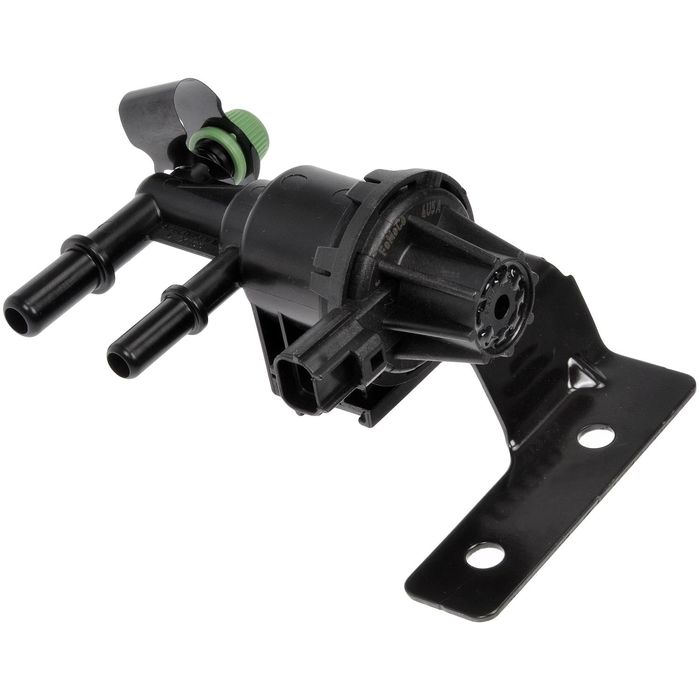
Est. part cost: $100-$200 - Faulty EVAP Purge Valve/Solenoid 🟡 Medium Probability This solenoid is an electromechanical part that cycles frequently and can fail by getting stuck open. When stuck open, it creates a permanent vacuum leak that the system detects as a large leak. This is a common failure item on many Ford products.
How to confirm: The purge valve is located in the engine bay, near the firewall. A key symptom is a rough start or long crank time right after getting gas. To test, with the engine off, remove the valve and try to blow through it; if air passes, it's stuck open and faulty.
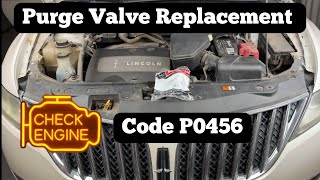
Typical fix: Replace the purge valve assembly. It is mounted with two 5/16" (8mm) bolts and has two hose connections and one electrical connector, making for a relatively simple replacement. 🎬 See this step-by-step purge valve replacement walkthrough.
Est. part cost: $35-$75 - Cracked or Disconnected EVAP Hoses ⚪ Low Probability Rubber and plastic hoses become brittle with age and exposure to heat and the elements, leading to cracks or loose connections, particularly at fittings.
How to confirm: A visual inspection may reveal an obvious break, but the most effective method is to have a mechanic perform a smoke test. This involves filling the EVAP system with a harmless, visible smoke under low pressure to pinpoint the exact location of any leaks.
Typical fix: Replace the specific section of cracked hose or re-secure the loose connection.
Est. part cost: $10-$50
Rare But Worth Checking
- Faulty EVAP Canister Vent Valve: This valve is located near the charcoal canister, under the vehicle by the fuel tank. It's designed to be normally open and closes during system self-tests. If it gets stuck and fails to close during the test, it will cause a large leak code. It's less common to fail than the purge valve but was the confirmed fix for a P0455 on a platform-mate Ford Edge.
- Cracked Charcoal Canister: The plastic housing of the charcoal canister can be damaged by road debris, causing a large crack and a P0455 code. This is uncommon but possible, especially if the vehicle has been driven on rough roads.
Diagnosis Steps

- Read the code with an OBD-II scanner and note any other codes present, such as P0456 or P0457.
- Inspect the capless fuel filler neck for any debris holding the flap open. Clean the sealing surface with a rag and lubricant, working the flap with the provided funnel.
- If a 'Check Fuel Inlet' message is present on the dash, the filler neck is the primary suspect.
- Listen for a long crank or rough start immediately after refueling. If this occurs, the EVAP purge valve is the likely culprit.
- Locate the EVAP purge valve in the engine bay. With the engine off, check if it's stuck open by attempting to blow through it.
- Visually inspect all accessible EVAP hoses for obvious cracks, damage, or disconnections.
- If the leak source is not obvious, the most effective next step is a professional smoke test to precisely locate the leak.
- Using a scan tool with bidirectional controls, command the vent and purge valves to close and monitor the fuel tank pressure sensor to see if the system holds pressure.
Parts You'll Likely Need

- Fuel Tank Filler Neck
(OEM #BT4Z-9034-A, DT4Z-9034-A)— This is the most common failure point on the 2011-2015 MKX for code P0455 due to the design of the capless system.
Trusted brands: Motorcraft, Dorman, Spectra Premium
OEM price range: $180-$270
Aftermarket price range: $80-$150 - Vapor Canister Purge Valve
(OEM #AU5Z-9C915-B (Motorcraft CX-2695))— This is the second most common cause. It's an electronic solenoid that wears out over time and can get stuck open, causing a large leak and often a hard-start condition after fueling.
Trusted brands: Motorcraft, Dorman, Standard Motor Products
OEM price range: $40-$65
Aftermarket price range: $25-$50
Related Codes That Often Appear With This One
- P0456 — P0456 indicates a small EVAP leak. It's common to see both codes if the leak is intermittent or on the borderline between small and large, such as a failing filler neck seal that sometimes seals and sometimes doesn't.
- P0442 — This is another code for a medium EVAP leak, similar to P0456. Its presence with P0455 suggests an intermittent or borderline leak source.
- P0457 — This code specifically means 'EVAP System Leak Detected (Fuel Cap Loose/Off)'. On a capless system, it points directly to a failure of the fuel filler neck to seal properly.
Technical Service Bulletins (TSBs) & Recalls
- While no specific TSB number for P0455 was identified, the fuel filler neck part number has been superseded multiple times (e.g., DG1Z-9034-F replaces several previous versions), which strongly indicates that Ford/Lincoln has acknowledged and attempted to correct the original design flaw.
Platform-Specific Known Issues
- The low mounting point of the fuel filler neck makes it highly susceptible to collecting road grime and water, which accelerates the failure of the internal seal and spring mechanism.
Mechanic-Grade Diagnostic Values
- Fuel Tank Pressure (FTP) Sensor Voltage, Key On Engine Off (KOEO) — expected: ~2.6 - 2.65 Volts. Failure: A reading that immediately drops upon starting the engine suggests the purge valve is stuck open and pulling vacuum when it shouldn't be. A fixed high or low voltage can indicate a faulty sensor or wiring issue.
- EVAP System Pressure During Gross Leak Test — expected: The PCM will pull the system into a vacuum, targeting approximately -8.0 inches of water (in-H2O).. Failure: If the target vacuum is not achieved, the PCM concludes a large leak (P0455) exists. If the vacuum holds steady, there is no leak.
- EVAP System Pressure During Normal Purge Operation — expected: Approximately -2.0 to -4.0 inches of water (in-H2O).. Failure: This reading reflects a slight restriction from the charcoal canister during normal purging. Readings far outside this range could indicate a blockage.
Scan Tool Commands That Help
- Ford IDS, FORScan, or equivalent bidirectional scanner: EVAP System Test / Purge & Vent Solenoid Command — This is used to definitively test for a mechanically stuck-open purge valve after a physical inspection doesn't reveal an obvious leak. With the engine running, command the purge valve to 0% (off) and the vent valve to 100% (closed). Monitor the FTP sensor data. If the pressure/vacuum value begins to drop, it proves the purge valve is leaking engine vacuum into the sealed EVAP system and must be replaced.
Wiring & Ground Locations
- Passenger Compartment Fuse Panel — Located under the dashboard on the driver's side, near the brake pedal.. This panel contains fuses for various electronic modules and interior systems. While not a direct cause, checking relevant fuses here is a basic electrical diagnostic step.
- Power Distribution Box (Engine Compartment) — Located in the engine bay near the battery.. This box houses higher-amperage fuses and relays for critical powertrain components, including power feeds for the PCM which controls the EVAP system.
- EVAP Component Grounds — EVAP system components like the purge and vent solenoids are grounded at various points in the chassis wiring harness, often near the component itself. A full wiring diagram should be consulted for specific ground point locations (e.g., G-points).. A poor ground connection to the purge valve, vent valve, or FTP sensor can cause erratic operation or incorrect readings, potentially triggering a false P0455 code.
"I Checked Everything" — The Actual Cause
- A common scenario for a persistent P0455 after a smoke test comes back clean (showing no leaks) is a faulty Fuel Tank Pressure (FTP) sensor. The sensor itself can fail and send incorrect pressure readings to the computer, making the PCM believe a large leak exists when the system is actually sealed. The technician, relying on the smoke test, may miss this because they are looking for a physical leak, not an electrical sensor failure. Testing the FTP sensor's voltage output against specifications is the correct next step in this situation.
OEM Part Supersession History
AU5Z-9C915-A, AU5Z-9C915-B, etc.→Motorcraft CX-2695— Ford has updated the design of the vapor canister purge valve multiple times to improve reliability. The CX-2695 part number replaces several previous versions including AU5Z-9C915-A through AU5Z-9C915-E, as well as CX2383, CX2409, CX2450, and CX2470.
Model Year Variations Within This Range
- 2011-2015: No significant variations related to the causes or fixes for code P0455 have been identified within this specific model year range. The primary failure points (capless fuel filler neck, purge valve) and diagnostic procedures are consistent across these years, as they share the same 3.7L engine and EVAP system design.
Diagnostic Flowchart
Real Owner Stories
Aggregated from forums and TSBs cited above. Mileages and costs reflect what owners reported in those sources.
2011 Lincoln MKX
Symptoms: Check engine light was on with codes P0455 (gross leak) and P0456 (small leak). The dashboard also displayed a 'check filler neck' message.
What fixed it: The owner replaced the entire fuel filler neck assembly. The theory was that the internal flap for the capless system was no longer sealing properly.
Source hint: YouTube - Willpower Garage
2011 Lincoln MKX 3.7L
Symptoms: Check engine light with code P0456 (often associated with P0455), and rough start/hesitation immediately after refueling.
What fixed it: Replaced the vapor canister purge valve solenoid with an OEM Ford part.
Cost: $35
Source hint: YouTube - Car Care Clues
Related OBD-II Codes
Frequently Asked Questions
Why does my 2011-2015 Lincoln MKX display a 'Check Fuel Inlet' message with code P0455?
Is there a TSB or recall for the P0455 code on the Lincoln MKX?
My MKX has a rough start immediately after getting gas. Is this related to P0455?
Can I just clean the capless fuel filler on my MKX instead of replacing it?
How much does it cost to fix the P0455 code on a 2011-2015 Lincoln MKX?
Does the Ford Edge have the same P0455 issues as my Lincoln MKX?
Helpful Videos
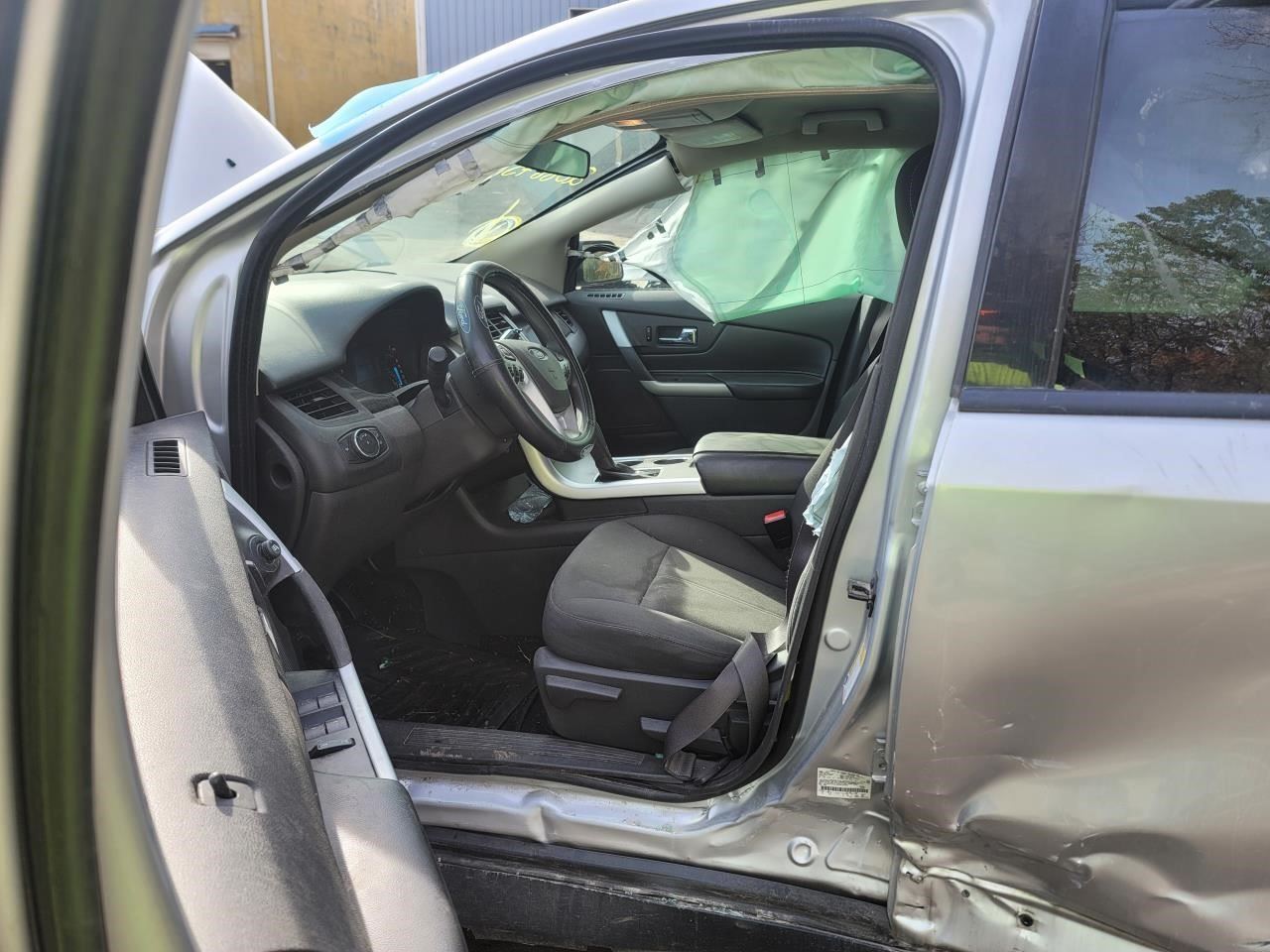
Used OEM Parts in Stock
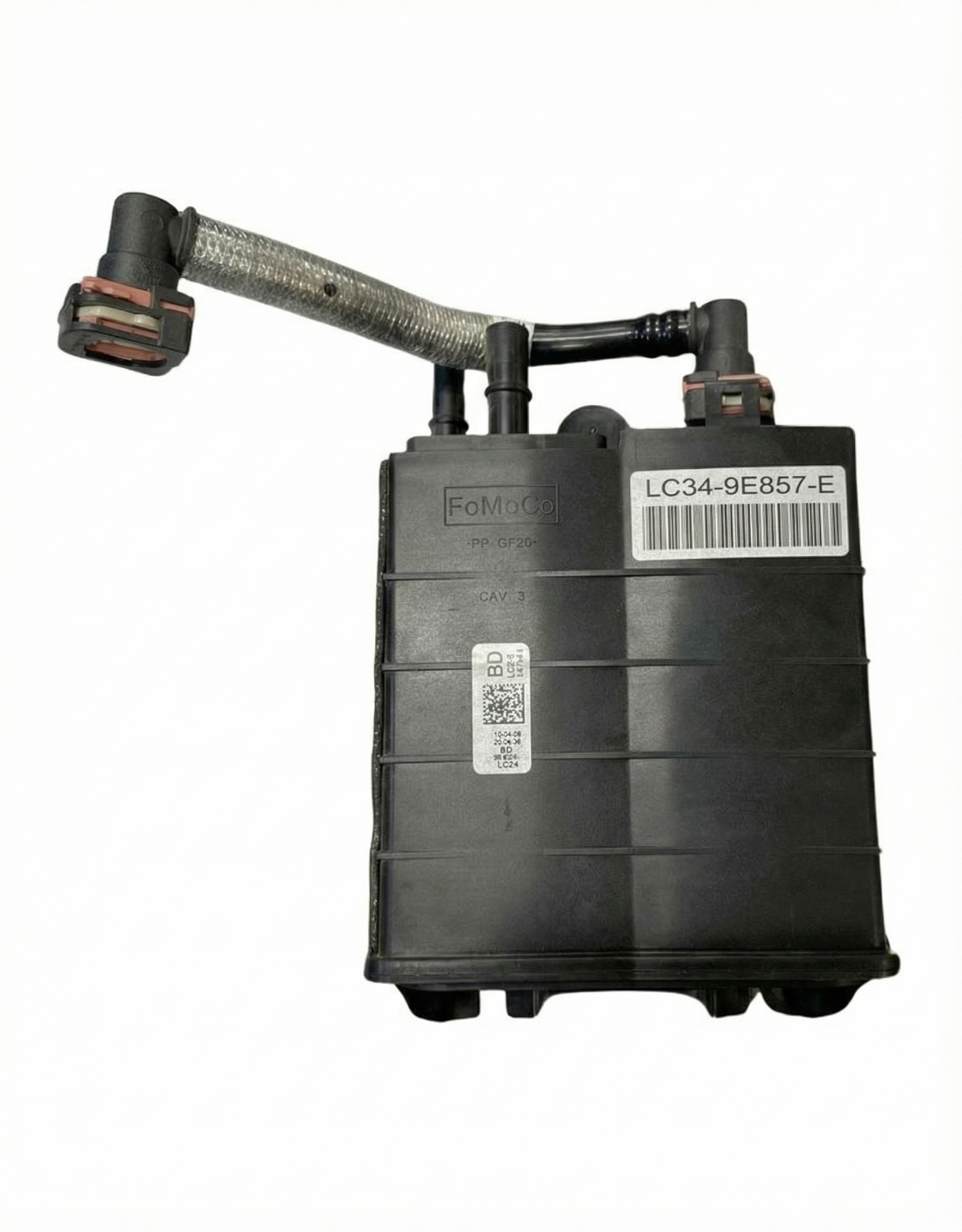

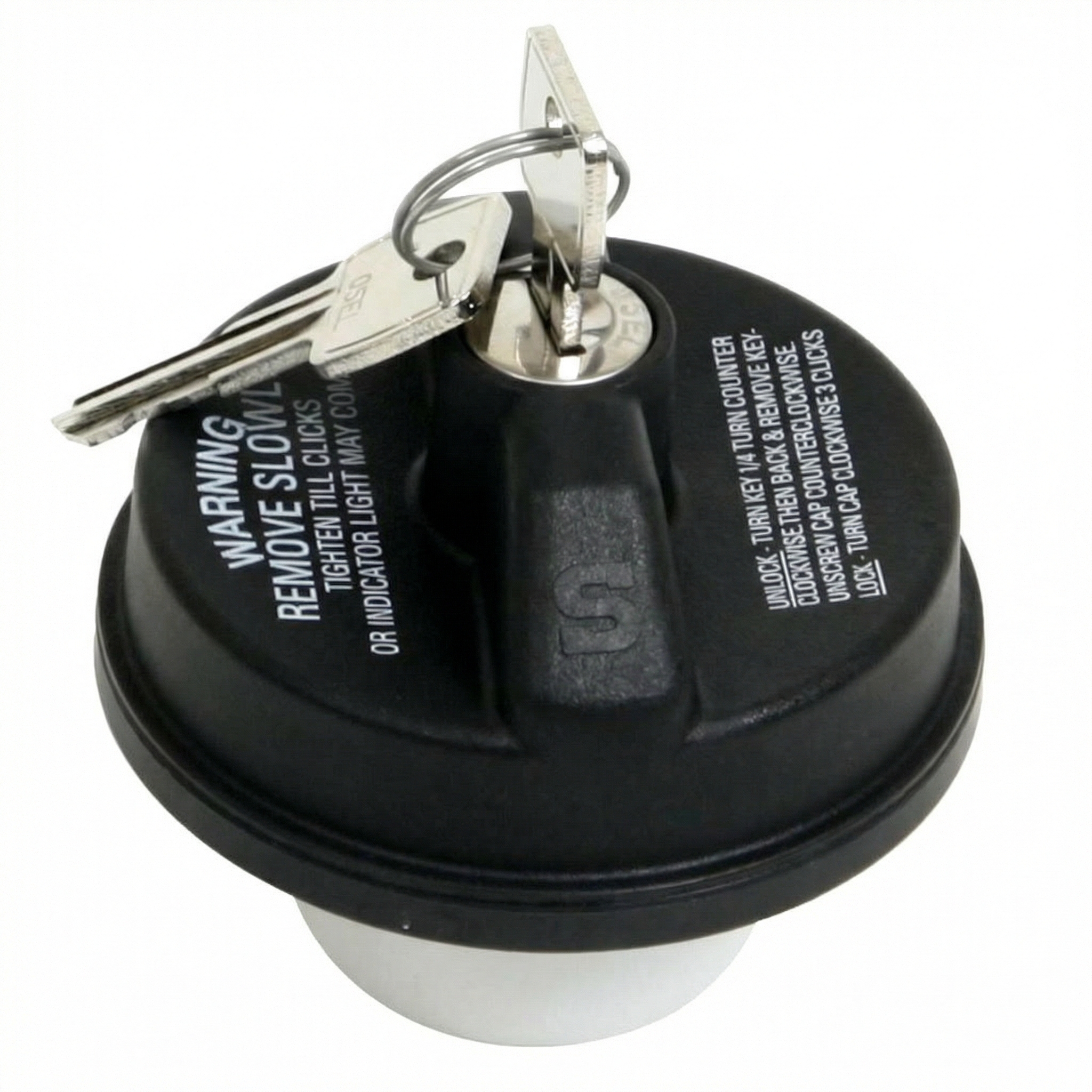
New Aftermarket Parts Available



The information in this article is provided for general reference and educational purposes only. Vehicle specifications, procedures, and part compatibility can vary by production date, trim level, and region. Always consult your vehicle's factory service manual and verify part numbers before purchasing or performing repairs. Safety-critical components such as airbags, seat belts, and braking systems should be installed by a qualified professional.
- Lincoln MKX:
- 🎬 Helpful Videos
- 🛍️ Shop This Part
- What's Unique About the 2011-2015 Lincoln MKX
- Symptoms You May Notice
- Most Likely Causes
- Rare But Worth Checking
- Diagnosis Steps
- Parts You'll Likely Need
- Related Codes That Often Appear With This One
- Technical Service Bulletins (TSBs) & Recalls
- Platform-Specific Known Issues
- Mechanic-Grade Diagnostic Values
- Scan Tool Commands That Help
- Wiring & Ground Locations
- "I Checked Everything" — The Actual Cause
- OEM Part Supersession History
- Model Year Variations Within This Range
- Diagnostic Flowchart
- Real Owner Stories
- 2011 Lincoln MKX
- 2011 Lincoln MKX 3.7L
- Related OBD-II Codes
- Frequently Asked Questions
- 🎟️ Get 5% Off