

P0455 on 2011-2015 Kia Sorento 2.4L: EVAP Large Leak Causes and Fixes
For a 2011-2015 Kia Sorento, code P0455 almost always means a loose gas cap or a faulty canister purge valve. Always check that the gas cap is tight and its seal is intact before buying any parts. If the cap is good, the purge valve is the next most likely culprit, costing around $25-$75 for the part. A smoke test is the definitive way to find leaks if the gas cap and purge valve are not the issue.
- Always start with the simplest and most common fix: check that your gas cap is tight and its seal is not cracked or worn.
- If the gas cap is not the issue, the canister purge valve (PCSV) in the engine bay is the next most likely culprit and is a DIY-friendly replacement.
- Difficulty starting the car right after filling the gas tank is a strong symptom of a failing purge valve.
- If you've replaced the gas cap and purge valve and the code persists, a professional smoke test is the most efficient way to find the leak.
- Be aware of TSBs for this model, as the issue could be a less common part like an internal fuel tank valve on 2014-2015 models.
What's Unique About the 2011-2015 Kia Sorento

The second-generation Kia Sorento (2011-2015) is known for having specific EVAP system components that fail. The canister purge valve (also called a Purge Control Solenoid Valve or PCSV) is a very common failure point on this platform. Additionally, Kia issued Technical Service Bulletins (TSBs) for this generation related to the P0455 code, one pointing directly to testing the purge valve and another for a faulty internal fuel tank valve on 2014-2015 models. In 'salt belt' states, corrosion of the charcoal canister bracket is also a major concern, addressed by Service Campaign SC135.
Symptoms You May Notice
- Check Engine Light is on
- A faint smell of fuel, particularly around the rear of the vehicle
- Difficulty starting the engine immediately after refueling
- Rough running or stalling if the purge valve is stuck wide open
- Replacing other EVAP components before checking the gas cap. The gas cap is the most frequent and cheapest fix and should always be the first step.
- Confusing the Canister Purge Valve (in the engine bay) with the Canister Close Valve (at the rear of the vehicle). These are two different parts with distinct functions.
- Replacing the fuel tank for a P0455 code on a 2014-2015 model without first checking TSB FUE033 regarding the internal Fill Level Limit Valve (FLLV).
Most Likely Causes

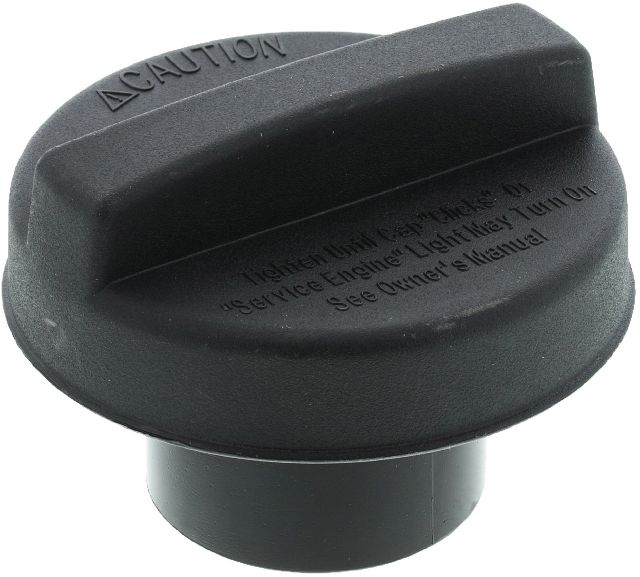
- Loose or Faulty Gas Cap 🔴 High Probability This is the most common cause for any EVAP code on any vehicle. The cap's rubber seal can crack or degrade over time, or the cap may not have been tightened properly after refueling. Using a non-OEM cap can also lead to sealing issues.
How to confirm: Inspect the gas cap for any visible cracks or damage to the seal. Ensure it is tightened until it clicks at least once. If the seal looks worn, it's a cheap and easy first replacement. Some owners clear the code after tightening the cap, and if it doesn't return after a few days of driving, the problem is solved.
Typical fix: Clean the cap and filler neck sealing surfaces. If the seal is damaged, replace the gas cap with a new OEM part for the best fit.
Est. part cost: $20-$40 - Faulty Canister Purge Valve (PCSV) 🔴 High Probability The purge valve is a known common failure item on this Kia/Hyundai engine platform, often getting stuck open. Kia even issued a Tech Tip (TT051) advising technicians to test this specific part when a P0455 code appears on the 2012 Sorento 2.4L.
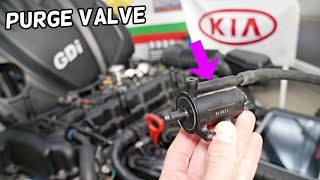
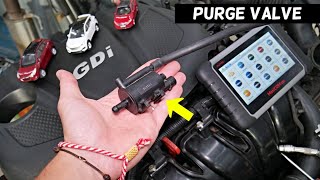
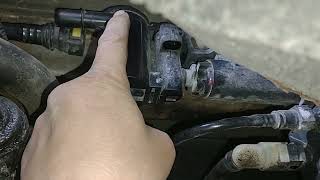
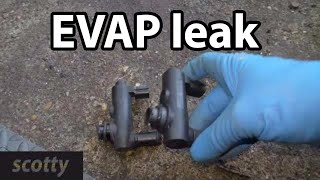
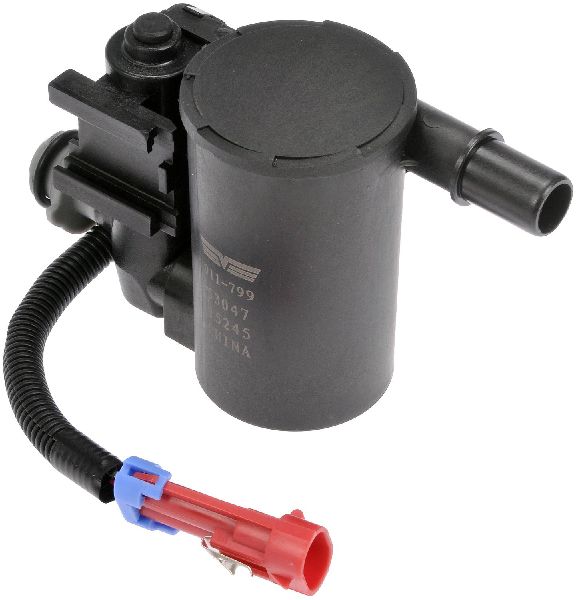
How to confirm: The purge valve is located in the engine bay, on top of the intake manifold. When the engine is off, the valve should be closed. You can remove it and try to blow through it; if air passes, 🎬 Watch: How to remove and test the purge valve yourself. it's stuck open and needs to be replaced. A faulty purge valve can also cause difficulty starting after getting gas.
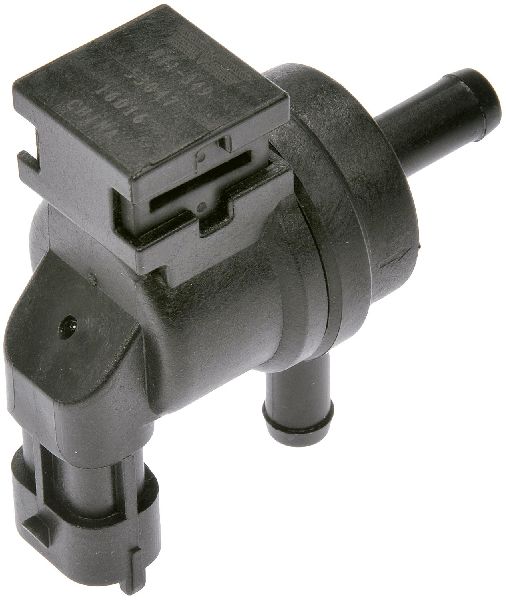
Typical fix: Replace the canister purge valve. This is a straightforward repair involving disconnecting two hoses and an electrical connector.
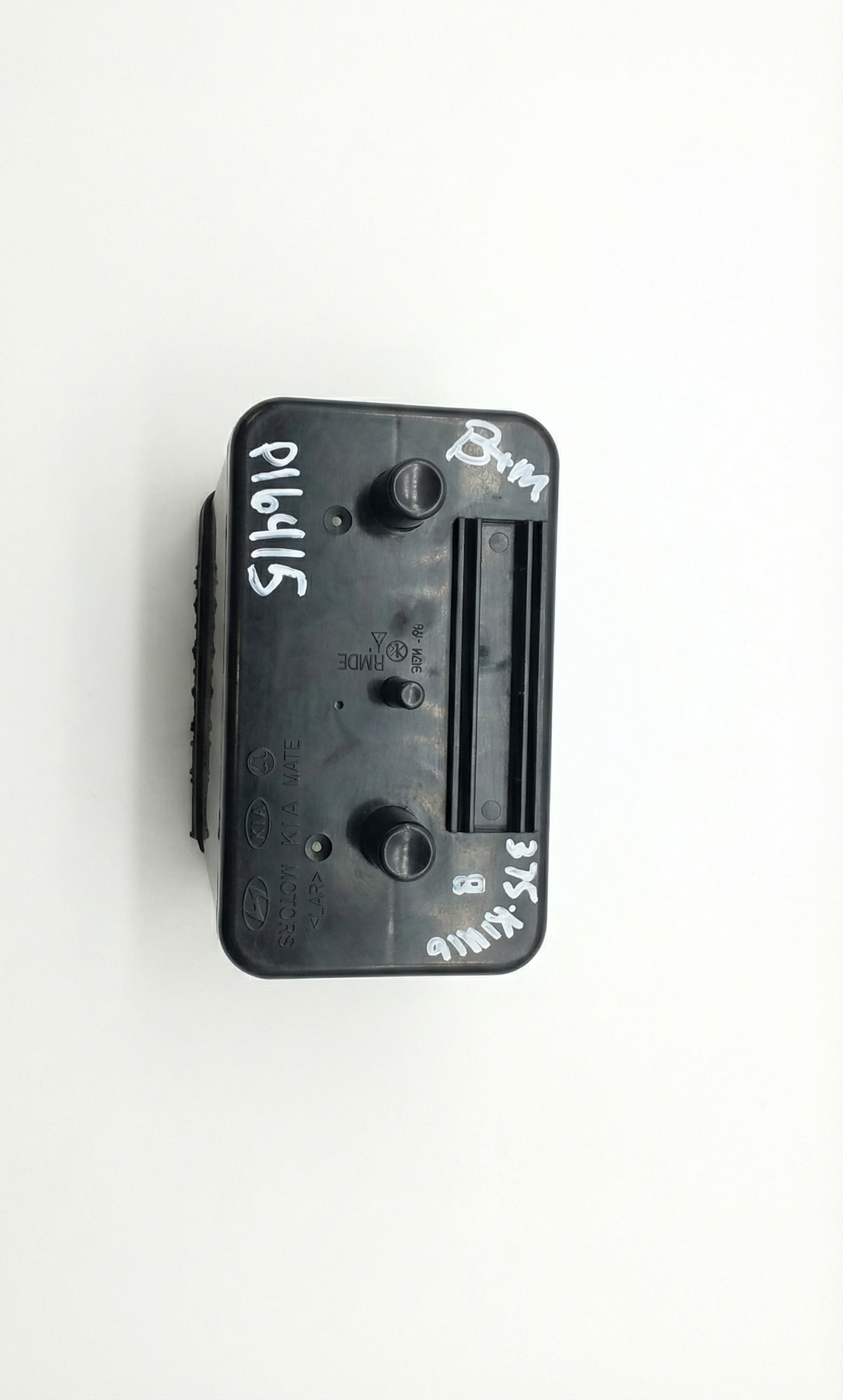
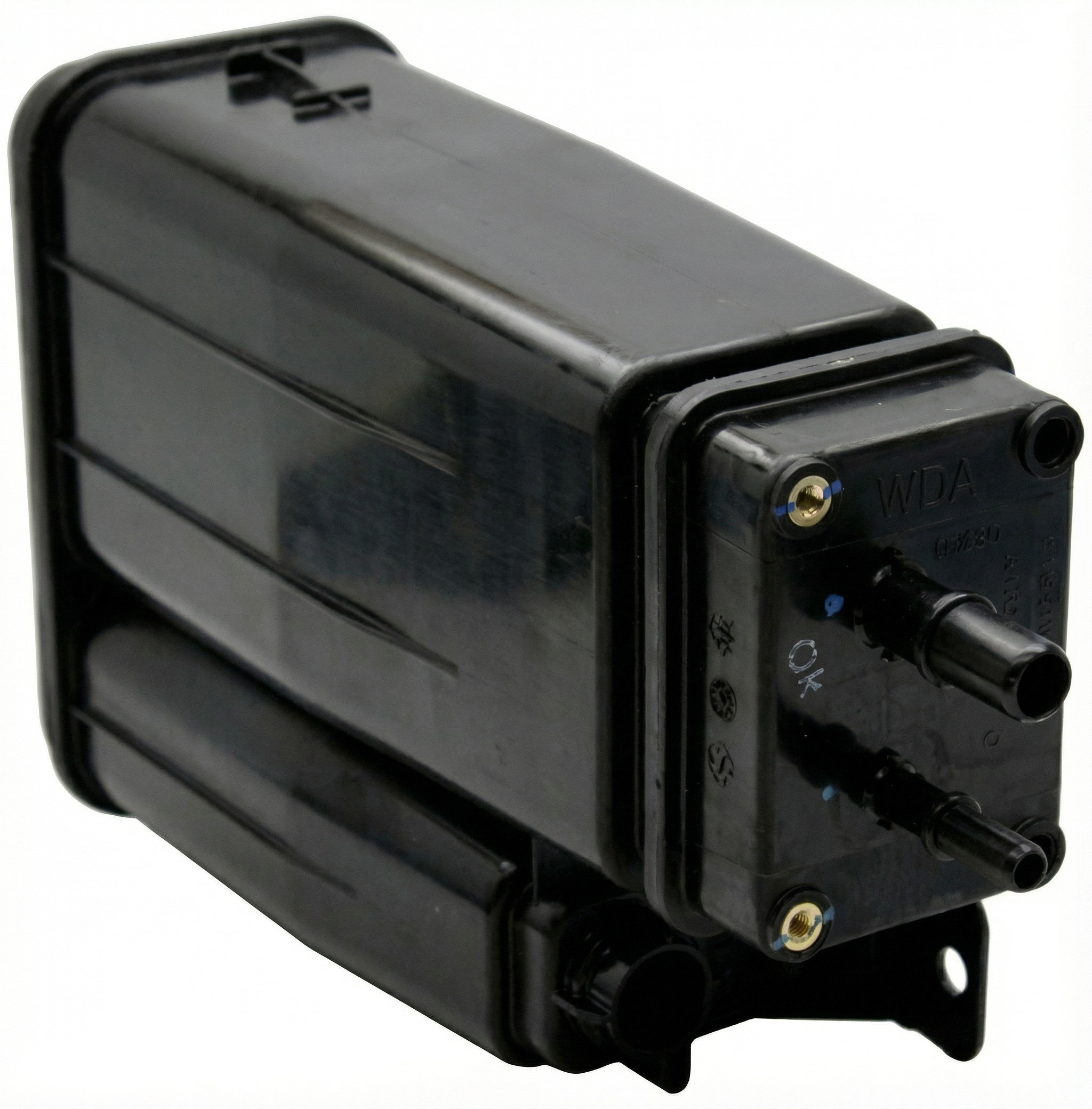
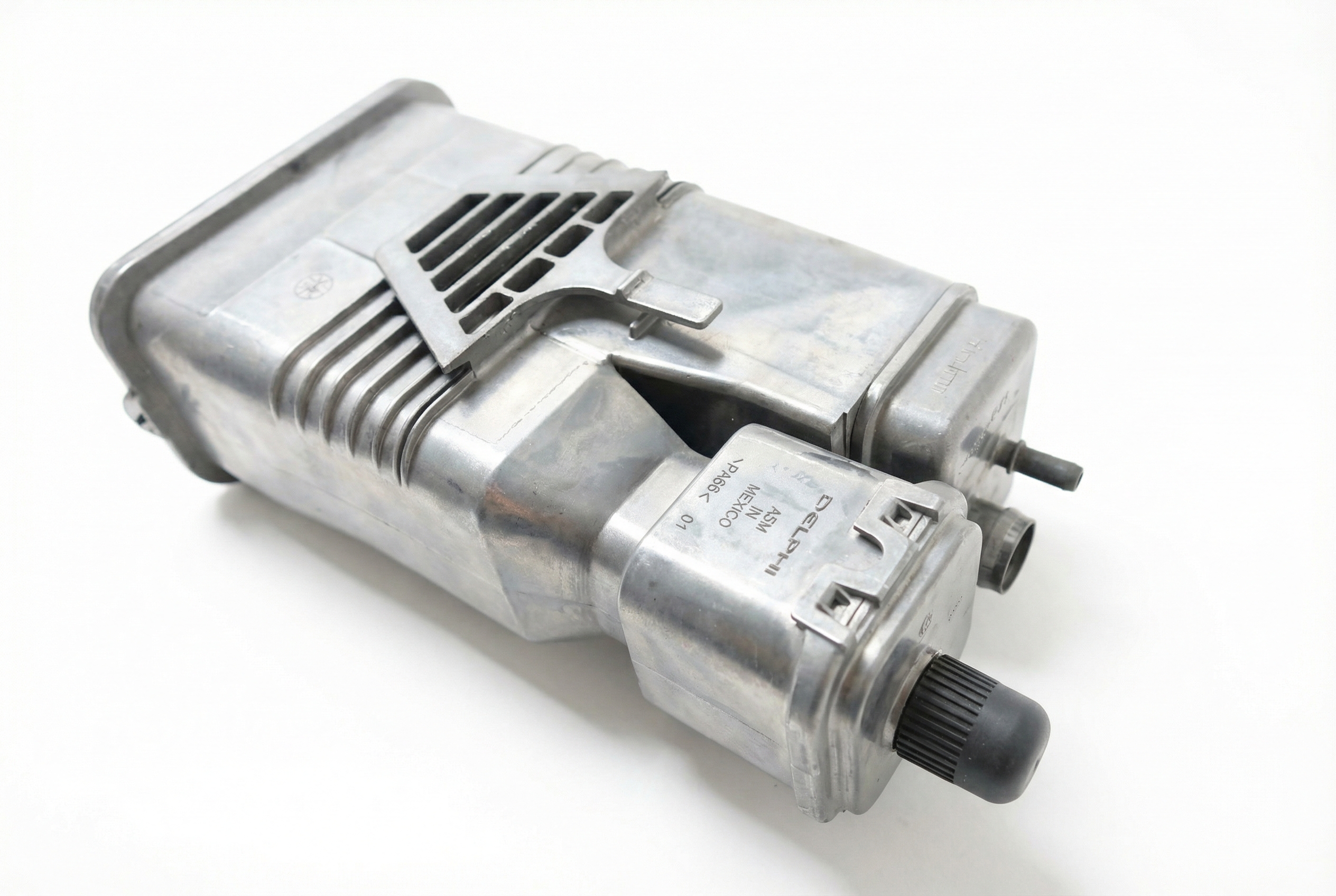
Est. part cost: $25-$75 - Faulty Canister Close Valve (CCV) 🟡 Medium Probability Located at the rear of the vehicle near the charcoal canister, this valve is exposed to road debris and moisture, making it susceptible to corrosion and failure, especially in 'salt belt' states. It can get stuck open, causing a large leak.
How to confirm: The CCV is normally open and closes when the EVAP system runs its self-test. A scan tool that can command the valve to close is the best way to test it. Visually inspect the valve and its wiring for corrosion or damage. It is often sold as part of the charcoal canister assembly.
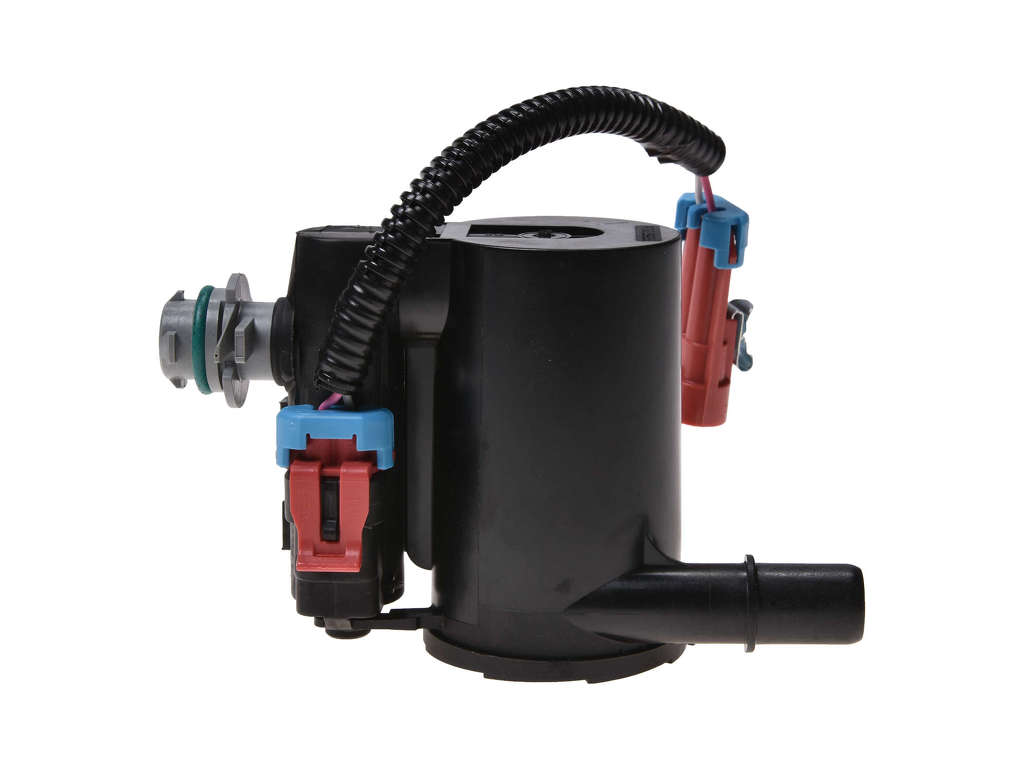
Typical fix: Replace the canister close valve, which is typically mounted on the charcoal canister itself. 🎬 Watch: How to remove the canister vent solenoid.
Est. part cost: $40-$90 - Cracked or Disconnected EVAP Hoses ⚪ Low Probability Over time, the rubber and plastic hoses that make up the EVAP system can become brittle from heat and age, leading to cracks and leaks. The connection at the purge valve or canister can also become loose.
How to confirm: Visually inspect all accessible EVAP lines in the engine bay and underneath the vehicle near the fuel tank. The definitive way to find a leak in a hose or the canister is with a smoke test, which forces smoke into the EVAP system to reveal the leak's location.
Typical fix: Replace the cracked or broken section of hose. Ensure all connections are secure.
Est. part cost: $10-$50
Rare But Worth Checking
- Faulty Fill Level Limit Valve (FLLV): Kia issued TSB FUE033 for 2014-2015 Sorento models (produced Dec 2012 - Dec 2014) for this internal fuel tank valve causing a P0455 code. The fix requires removing the fuel pump assembly to access the valve, but avoids replacing the entire tank.
- Cracked Charcoal Canister: The canister itself can be damaged by road debris or develop cracks due to corrosion of its mounting hardware, particularly in rust-prone areas. This was common enough for Kia to issue Service Campaign SC135 for vehicles in 'salt belt' states, which involves inspecting the canister and replacing the bracket or the entire canister if cracked. A smoke test is the best way to confirm a leak from the canister body.
- Blown Fuse: The purge valve and canister close valve are electronic components that rely on a fuse. If the fuse blows, the valves may not operate correctly, potentially leading to an EVAP code. Always check the fuse box if you suspect an electrical issue with a component.
Diagnosis Steps

- Read the code with an OBD-II scanner to confirm P0455 is present.
- Inspect the gas cap. Remove it, check the seal for cracks or wear, and ensure it's the correct OEM type for the vehicle. Reinstall it, making sure it clicks.
- Clear the code and drive for a few days to see if it returns. If it doesn't, the gas cap was the issue.
- If the code returns, locate the canister purge valve (PCSV) in the engine bay on top of the intake manifold. Visually inspect its hoses and electrical connector for cracks or loose fittings.
- Test the purge valve. With the engine off, remove the valve and try to blow air through it. If air passes, the valve is stuck open and must be replaced.
- If the purge valve is good, inspect the canister close valve (CCV) and charcoal canister under the rear of the vehicle for any signs of physical damage, rust, or corrosion, especially around the mounting bracket as noted in SC135.
- Check the fuses for the EVAP system components in the vehicle's fuse box, specifically the 'SENSOR 2' 10A fuse in the engine compartment fuse box.
- If no obvious issues are found, the most effective next step is to have a professional mechanic perform a smoke test. This will pressurize the system with smoke and make even a small leak visible, pinpointing the exact location of the fault.
Parts You'll Likely Need

- Gas Cap
(OEM #31010-3L600U)— This is the most common cause of a P0455 code. The seal wears out, or the cap is lost or not tightened correctly. An OEM cap is strongly recommended for a proper seal, as aftermarket caps can be problematic.
Trusted brands: Kia Genuine
OEM price range: $20-$40
Aftermarket price range: $10-$25 - Canister Purge Valve / Solenoid
(OEM #28910-25100)— This is a very common failure point on the 2.4L engine, often getting stuck open and causing a large leak code. It's located in the engine bay and is relatively easy to replace.
Trusted brands: Kia Genuine, Bosch, Dorman, Standard Motor Products
OEM price range: $50-$80
Aftermarket price range: $25-$50 - Canister Close Valve
(OEM #31430-0W000)— This valve, located at the rear of the vehicle, is exposed to the elements and can fail due to corrosion or debris, getting stuck open and preventing the system from sealing. It is a common cause if the gas cap and purge valve are confirmed to be good.
Trusted brands: Kia Genuine, Dorman
OEM price range: $60-$90
Aftermarket price range: $40-$70
Related Codes That Often Appear With This One
- P0442 — This code for a 'small leak' can appear if the component causing the large leak (like a failing valve seal) is intermittent or in the early stages of failure.
- P0441 — This code for 'Incorrect Purge Flow' often points directly to a malfunctioning canister purge valve, a common cause for P0455 on this vehicle.
- P0449 — This code for 'EVAP Vent Control Circuit' often appears alongside P0455 and points towards a problem with the canister close valve (CCV) or its wiring, located near the charcoal canister.
Technical Service Bulletins (TSBs) & Recalls
- TT051: Advises technicians to specifically test the Purge Solenoid Valve (PSV) when a P0455 code is present on a 2012 Sorento 2.4L. According to Tech Tip #TT051, technicians should test the functionality of the PSV and monitor EVAP test results and CARB readiness monitors.
- FUE033: Addresses a faulty internal Fill Level Limit Valve (FLLV) in the fuel tank on 2014-2015 Sorento models causing P0455. Bulletin #TSB-FUE033 notes that vehicles may exhibit an illuminated MIL with DTC P0455, and replacement of the fuel tank is not necessary to correct the concern.
- SC135: Voluntary Emissions Service Campaign for vehicles in 'salt belt' states to inspect and replace the evaporative canister mounting bracket to prevent cracks and leaks (P0442, P0455).
- SC288: Voluntary Emissions Service Campaign to update ECM software for PCSV logic and potentially replace the fuel tank or PCSV check valve.
Platform-Specific Known Issues
- A service campaign (SC135) was issued for some Kia models in 'salt belt' states due to corroding evaporative canister mounting brackets, which could lead to the canister cracking and causing a P0455 leak. The fix involves replacing the bracket or the entire canister if it's damaged.
- TSB FUE033 was released for 2014-2015 models due to an internal Fill Level Limit Valve (FLLV) failing and causing a P0455 code.
- Service Campaign SC288 involves an ECM software update to improve the logic for the Purge Control Solenoid Valve (PCSV) and may involve inspection/replacement of the fuel tank or PCSV check valve.
Mechanic-Grade Diagnostic Values
- Canister Purge Solenoid Valve (PCSV) Coil Resistance — expected: 15 - 38 Ohms. Failure: A reading of infinity (OL) indicates an open circuit, while a reading near zero ohms indicates a shorted coil.
- Canister Close Valve (CCV) Coil Resistance — expected: 23 - 26 Ohms at 68°F (20°C). Failure: A reading significantly outside this range, or OL, indicates a failed internal coil.
- Fuel Tank Pressure Sensor (FTPS) Signal Voltage — expected: ~2.5 Volts with Key On, Engine Off (KOEO) and the gas cap removed.. Failure: A voltage reading that is significantly different, or stuck at 0V or 5V, points to a faulty sensor or a wiring issue.
Scan Tool Commands That Help
- Kia GDS or equivalent professional scanner: EVAP Vent Valve On/Off Command — This bidirectional command is used to manually close the normally-open Canister Close Valve (CCV). This is essential for sealing the system to perform a smoke test or a vacuum/pressure decay test to find a leak. If the valve doesn't click or seal when commanded, the valve itself or its circuit is faulty.
Wiring & Ground Locations
- SENSOR 2 Fuse (10A) — Located in the main fuse and relay box in the engine compartment.. This fuse supplies power to multiple EVAP components, including the Canister Purge Valve and the Canister Close Valve. If this fuse is blown, the valves will be inoperative and can trigger P0455 or other circuit codes.
- Canister Purge Valve (PCSV) Connector — In the engine bay, on the purge valve which is mounted on the intake manifold.. This 2-pin connector is the test point for the PCSV's resistance and voltage. It is also a potential failure point due to vibration and heat, which can lead to frayed wires right at the connector.
- Canister Close Valve (CCV) Connector — Under the rear of the vehicle, attached to the CCV on or near the charcoal canister.. This connector's exposed location makes it highly susceptible to moisture, corrosion, and physical damage from road debris, which can cause an open or shorted circuit, leading to P0455 or P0449 codes.
Real Owner Repair Stories
- Reddit user in /r/KiaSorento (2013 Kia Sorento, V6, 150k miles) — Check Engine Light with codes P0455 and P0447. Poor and fluctuating MPG.
❌ Tried (didn't work) Replaced gas cap with OEM part, Replaced Canister Purge Valve, Replaced Purge Control Solenoid, Replaced PCV Valve, Resetting computer by disconnecting battery
✅ What actually fixed it The wires at the canister purge valve connector were frayed. The user had missed this during initial visual inspections. Splicing the wires and repairing the connection resolved both codes.
When the Usual Fixes Don't Work
- In at least one documented case for a 2013 Sorento, the P0455 code was not resolved by replacing the most common parts (gas cap, purge valve). After multiple failed attempts, the root cause was discovered to be frayed wiring directly at the purge valve's electrical connector. This highlights that while component failure is common, a thorough inspection of the wiring and connectors is critical before replacing more expensive parts, especially when initial fixes don't work.
Model Year Variations Within This Range
- 2011-2015: Parts diagrams indicate potential variations in EVAP components and brackets based on whether the vehicle was a 'US build' or 'Korea build'. Always confirm the correct part number using the vehicle's VIN.
- 2014-2015: The 2014 model year introduced a major facelift. While the 2.4L engine remained, some ancillary components in the EVAP system may have different part numbers or slightly different locations compared to 2011-2013 models. For example, the vapor canister part number may not be the same.
Diagnostic Flowchart
Other Known Issues on This Vehicle
Issues unrelated to this code that are worth knowing about as an owner of this generation:
- Catastrophic Engine Failure (Theta II) 🔴 High — Widespread issue affecting 2.4L engines, often occurring before 100,000 miles. Failures include spun rod bearings, oil starvation from metal debris, and engine seizure. (Ref: Multiple recalls (e.g., 23V-877) and class-action lawsuits have been issued, resulting in a Knock Sensor Detection System (KSDS) software update and a lifetime engine warranty for certain failures.)
- Degrading Steering Coupler 🟠 Medium — Very common. The flexible rubber coupler in the electronic power steering column disintegrates over time, causing a noticeable 'clunk' or clicking sound in the steering wheel when turning. Onset can be as early as 60,000 miles. (Ref: No specific TSB, but it is a widely documented problem with an inexpensive part (P/N 56315-2K000-FFF) that is labor-intensive to replace.)
- Engine Compartment Fire Risk 🔴 High — Affects 2011-2016 models. A faulty Hydraulic Electronic Control Unit (HECU) can short circuit, potentially causing a fire even when the vehicle is parked. (Ref: Multiple recalls have been issued by the NHTSA to address this fire risk.)
- Failing A/C Compressor Clutch 🟡 Low — A common complaint where the A/C stops blowing cold air despite refrigerant levels being normal. The clutch on the compressor is a known failure point.
- Prematurely Burnt Out Headlight Bulbs 🟡 Low — Owners frequently report a short lifespan for low-beam headlight bulbs, requiring replacement more often than expected.
Used vs. New Parts: Buying Guide for This Vehicle
When a used part is the smart pick: Used parts can be a cost-effective option for structural components like the charcoal canister (if not cracked) or EVAP hoses, provided they come from a low-mileage vehicle that was not in a collision.
Donor-vehicle mileage cap: roughly under 80000 miles for the part to have meaningful remaining life.
What to inspect on the donor part:
- Inspect plastic for brittleness or cracking.
- Check rubber hoses for softness and flexibility; avoid hard or swollen hoses.
- Examine electrical connectors for corrosion, bent pins, or broken locking tabs.
- If possible, source parts from vehicles in dry, 'non-salt-belt' climates to minimize corrosion risk.
OEM-only on this vehicle (don't cheap out):
- Gas Cap: Aftermarket gas caps are a frequent source of sealing problems, leading to persistent EVAP codes. It is strongly recommended to use a genuine Kia OEM cap for this repair.
Aftermarket brands forum-validated for this vehicle:
- Standard Motor Products (SMP)
- Bosch
- Dorman (for valves and some canisters)
Real Owner Stories
Aggregated from forums and TSBs cited above. Mileages and costs reflect what owners reported in those sources.
2012 Kia Sorento 2.4L
Symptoms: Check engine light for P0455 large leak; the owner followed advice to check the purge valve.
What fixed it: Replaced the canister purge valve (PCSV) after confirming it was a known failure point on this engine platform.
Source hint: YouTube video '9v4G8W3J-yU' showing purge valve replacement on a Sorento
2011 Kia Sorento 2.4L
Symptoms: P0455 large leak code; an aftermarket gas cap was previously used but did not solve the problem.
What fixed it: Installed a new OEM gas cap which provided a better seal than the aftermarket version.
Source hint: https://www.kia-forums.com/threads/p0455-large-leak.333017/
2014 Kia Sorento 2.4L
Symptoms: P0455 code present due to a failure in the fuel tank's internal venting components.
What fixed it: Addressed the internal Fill Level Limit Valve (FLLV) as described in TSB FUE033.
Source hint: TSB FUE033
2013 Hyundai Santa Fe 2.4L (Platform Mate)
Symptoms: Large EVAP leak code P0455; owner traced the issue to the rear of the vehicle near the charcoal canister.
What fixed it: Replaced the canister close valve (CCV) / solenoid located on the charcoal canister.
Source hint: Reddit thread r/Hyundai '2016 santa fe p0455 large leak charcoal canister'
Related OBD-II Codes
Frequently Asked Questions
I have a 2012 Kia Sorento 2.4L and the P0455 code just appeared. Is there a specific part I should check first according to Kia?
My 2014 Sorento is throwing a P0455 code and I'm having trouble filling the gas tank. Could this be related to a TSB?
I live in a 'salt belt' state and have a P0455 code. Is there a common structural issue for my Sorento?
Is there a software update available for the EVAP system on the 2011-2015 Sorento?
Where is the purge valve located on the 2.4L engine if I want to test it myself?
Can a bad gas cap really cause a 'Large Leak' code on a Kia?
Helpful Videos
Used OEM Parts in Stock
New Aftermarket Parts Available


The information in this article is provided for general reference and educational purposes only. Vehicle specifications, procedures, and part compatibility can vary by production date, trim level, and region. Always consult your vehicle's factory service manual and verify part numbers before purchasing or performing repairs. Safety-critical components such as airbags, seat belts, and braking systems should be installed by a qualified professional.
- Kia Sorento:
- 🎬 Helpful Videos
- 🛍️ Shop This Part
- What's Unique About the 2011-2015 Kia Sorento
- Symptoms You May Notice
- Most Likely Causes
- Rare But Worth Checking
- Diagnosis Steps
- Parts You'll Likely Need
- Related Codes That Often Appear With This One
- Technical Service Bulletins (TSBs) & Recalls
- Platform-Specific Known Issues
- Mechanic-Grade Diagnostic Values
- Scan Tool Commands That Help
- Wiring & Ground Locations
- Real Owner Repair Stories
- When the Usual Fixes Don't Work
- Model Year Variations Within This Range
- Diagnostic Flowchart
- Other Known Issues on This Vehicle
- Used vs. New Parts: Buying Guide for This Vehicle
- Real Owner Stories
- 2012 Kia Sorento 2.4L
- 2011 Kia Sorento 2.4L
- 2014 Kia Sorento 2.4L
- 2013 Hyundai Santa Fe 2.4L (Platform Mate)
- Related OBD-II Codes
- Frequently Asked Questions
- 🎟️ Get 5% Off