

P0455 on 2010-2015 Hyundai Tucson: EVAP Large Leak Causes and Fixes
For a 2010-2015 Hyundai Tucson, the P0455 code is most often caused by a loose or faulty gas cap. Before buying any parts, check that the cap is tight and the seal is intact. A new OEM gas cap is inexpensive and a very common fix. If that doesn't solve it, the purge valve or canister close valve are the next most likely culprits.
- Always check your gas cap first. Make sure it's tight and the seal is not cracked before spending money on other parts.
- P0455 is not a serious code and will not leave you stranded. You can safely drive the vehicle while you schedule a repair.
- If a new gas cap doesn't fix the issue, the next most likely parts to fail are the purge valve (in the engine bay) or the close valve (at the rear of the car).
- A professional smoke test is the fastest way to find a leak if it's not one of the common, obvious components.
What's Unique About the 2010-2015 Hyundai Tucson
On the second-generation Hyundai Tucson and its platform-mate, the Kia Sportage, the P0455 code follows a typical diagnostic pattern for many vehicles, with no unique, widespread design flaw being the sole cause. The most common culprits are standard wear-and-tear items like the gas cap, purge valve, or canister close valve. Owner experiences confirm that starting with the gas cap is the correct first step 🎬 Watch: A complete diagnostic walkthrough for the P0455 code. before moving to other components of the EVAP system.
Symptoms You May Notice
- Check Engine Light is on
- A faint smell of fuel, possibly near the rear of the vehicle or after parking.
- Potential rough idle, difficulty starting after refueling, or reduced fuel economy if the canister purge valve is stuck open.
- Replacing the oxygen (O2) sensors. O2 sensors are not part of the EVAP system and will not cause a P0455 code.
- Replacing the fuel injectors. While part of the fuel system, injectors are unrelated to the vapor recovery system.
Most Likely Causes
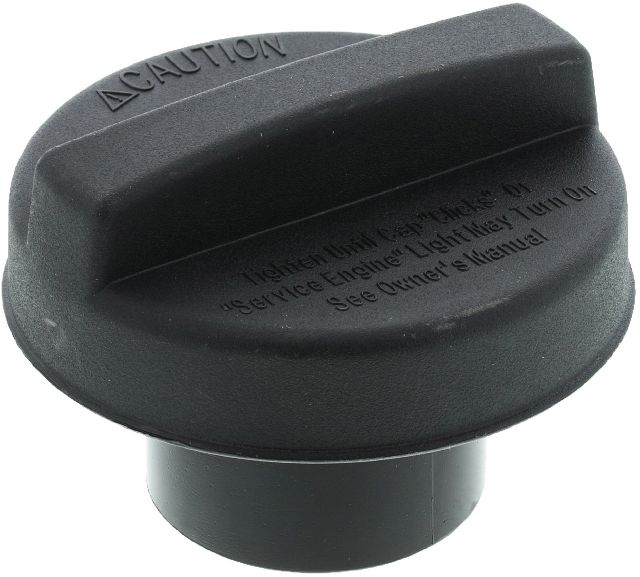
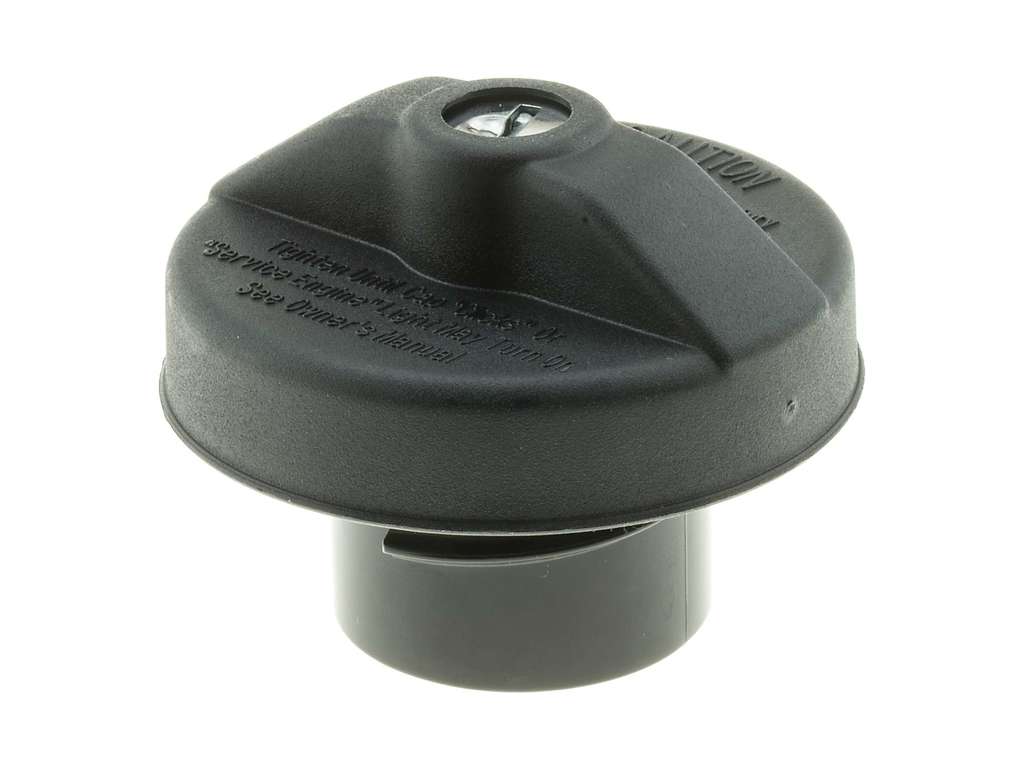
- Loose, Damaged, or Incorrect Gas Cap 🔴 High Probability The gas cap seal is a simple rubber O-ring that can dry out, crack, or get dirty over time, preventing a proper seal. This is the most frequent and cheapest cause for P0455 on any vehicle. Owners on forums frequently report that using non-OEM (aftermarket) gas caps can cause this code to appear.
How to confirm: Remove the gas cap and inspect the rubber seal for any cracks, stiffness, or debris. Ensure you hear it click at least once when tightening. If the seal looks worn, replacement is the best confirmation.
Typical fix: Clean the cap and filler neck sealing surfaces. If the seal is damaged or the problem persists, replace the gas cap with a new OEM part (P/N 31010-3L600).
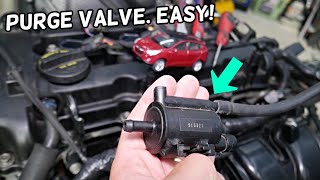
Est. part cost: $15-$35 - Faulty Canister Purge Valve (Solenoid) 🟡 Medium Probability This valve controls the flow of fuel vapors from the charcoal canister to the engine. It can get stuck open, creating a constant leak path that the system detects.
How to confirm: The purge valve is located in the engine bay, near the intake manifold. With the engine off, remove the valve and try to blow through it. If air passes through, it is stuck open and faulty. A normally functioning purge valve is closed when no power is applied. You can also test for vacuum at the port while the engine is running; there should be no vacuum right after a cold start.
Typical fix: Replace the canister purge valve.
Est. part cost: $30-$85 - Faulty Canister Close Valve (Vent Solenoid) 🟡 Medium Probability This valve is located at the rear of the vehicle near the charcoal canister. It's normally open and closes to allow the system to be pressure-tested. If it gets stuck open or fails to close, the system cannot seal and will report a large leak. It is exposed to the elements, making it susceptible to corrosion and damage. Manufacturer service bulletins for other Hyundai models, such as Bulletin #5NP-Q7J2C-07, specifically link P0455 and P0449 (Canister Closed Valve) codes to check engine warning lights.
How to confirm: The valve is located near the charcoal canister, accessible by removing the driver's side rear wheel and fender liner. Confirmation often requires a scan tool to command the valve closed and see if it responds. A visual inspection for cracks or damage is also recommended. A smoke test will definitively show a leak from this component if it's faulty.
Typical fix: Replace the canister close valve assembly. The OEM part is sometimes called a 'Control Valve'.
Est. part cost: $70-$170 - Cracked or Disconnected EVAP Hoses ⚪ Low Probability Rubber hoses throughout the EVAP system can become brittle and crack with age and exposure to heat cycles, creating a leak. This is less common than component failure but possible.
How to confirm: Visually inspect all accessible EVAP lines, from the engine bay to the charcoal canister in the rear. Look for obvious cracks, breaks, or loose connections. A professional smoke test is the most effective way to find a hard-to-see leak in a hose.
Typical fix: Replace the cracked section of hose or the entire hose assembly.
Est. part cost: $10-$50
Rare But Worth Checking
- Cracked Charcoal Canister: The canister itself, located near the rear axle, can be damaged by road debris or develop cracks from age, leading to a large crack and a P0455 code. This is uncommon but should be considered if other components check out.
- Damaged Fuel Filler Neck: Rust or damage to the metal filler neck where the gas cap seals can prevent a proper seal, even with a new gas cap. Inspect this area carefully when checking the cap.
- Faulty Fuel Tank Pressure Sensor (FTPS): A faulty FTPS can send incorrect data to the ECM, making it believe there is a large leak when there isn't one. This is an edge case, as a failing sensor will often trigger its own specific codes (like P0452), but it can be the root cause if all other components pass a smoke test.
Diagnosis Steps
- Read the code with an OBD-II scanner to confirm P0455 is present.
- Inspect the Gas Cap: Remove the gas cap. Check for cracks in the rubber seal. Ensure it is an OEM or high-quality aftermarket cap. Clean the seal and the filler neck surface.
- Tighten and Clear: Reinstall the gas cap until it clicks multiple times. Clear the code with the scanner.
- Drive Cycle: Drive the vehicle for a few days to see if the Check Engine Light returns. The EVAP monitor runs under specific conditions, so it may take time.
- Visual Inspection: If the light returns, visually inspect the EVAP hoses in the engine bay and around the charcoal canister at the rear for obvious cracks or disconnections.
- Test Purge Valve: Locate the purge valve in the engine bay. Disconnect it and attempt to blow through it. If air passes, it's faulty and needs replacement.
- Inspect Canister Close Valve: Locate the canister close valve near the rear axle, typically behind the driver's side rear wheel well liner. Check for visible damage or corrosion. Testing often requires a scan tool to command it shut or applying 12v to see if it actuates.
- Smoke Test: If the leak source is still not found, the most reliable method is to have a professional perform a smoke test. This involves injecting pressurized smoke into the EVAP system to reveal the exact location of the leak. 🎬 Watch: How to perform a professional EVAP smoke test.
Parts You'll Likely Need
- Gas Cap
(OEM #31010-3L600)— This is the most common failure point, responsible for a high percentage of P0455 codes due to a worn or damaged seal. Using an OEM cap is highly recommended.
Trusted brands: Hyundai (OEM)
OEM price range: $20-$35
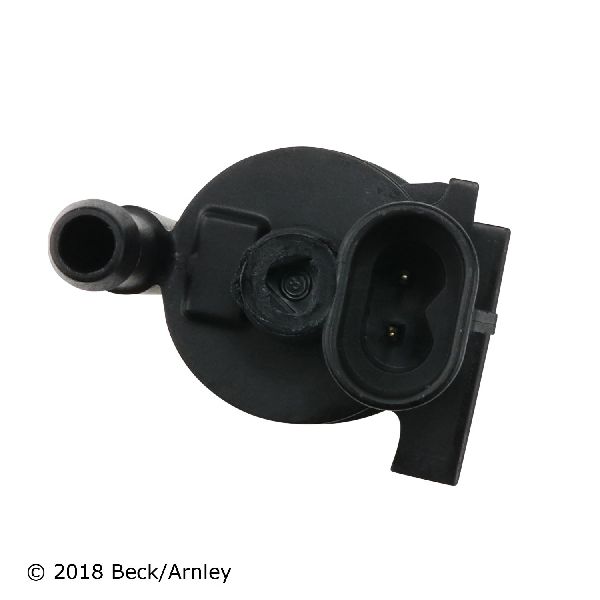
Aftermarket price range: $15-$25 - Canister Purge Valve / Solenoid
(OEM #28910-25100)— A common failure where the valve sticks open, creating a large leak. It's located in the engine bay and is relatively easy to replace.
Trusted brands: Hyundai (OEM), Dorman, Standard Motor Products
OEM price range: $60-$85
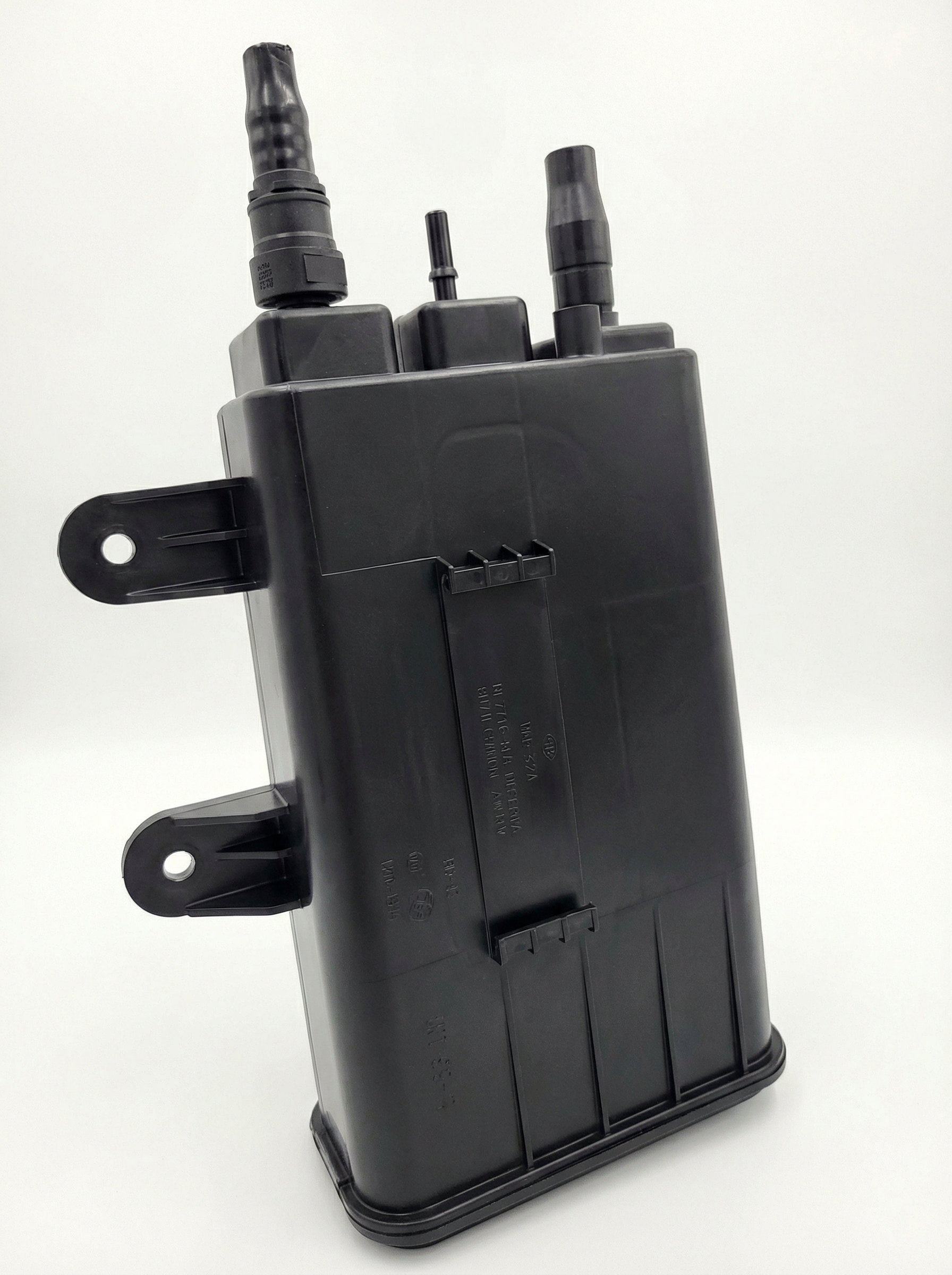
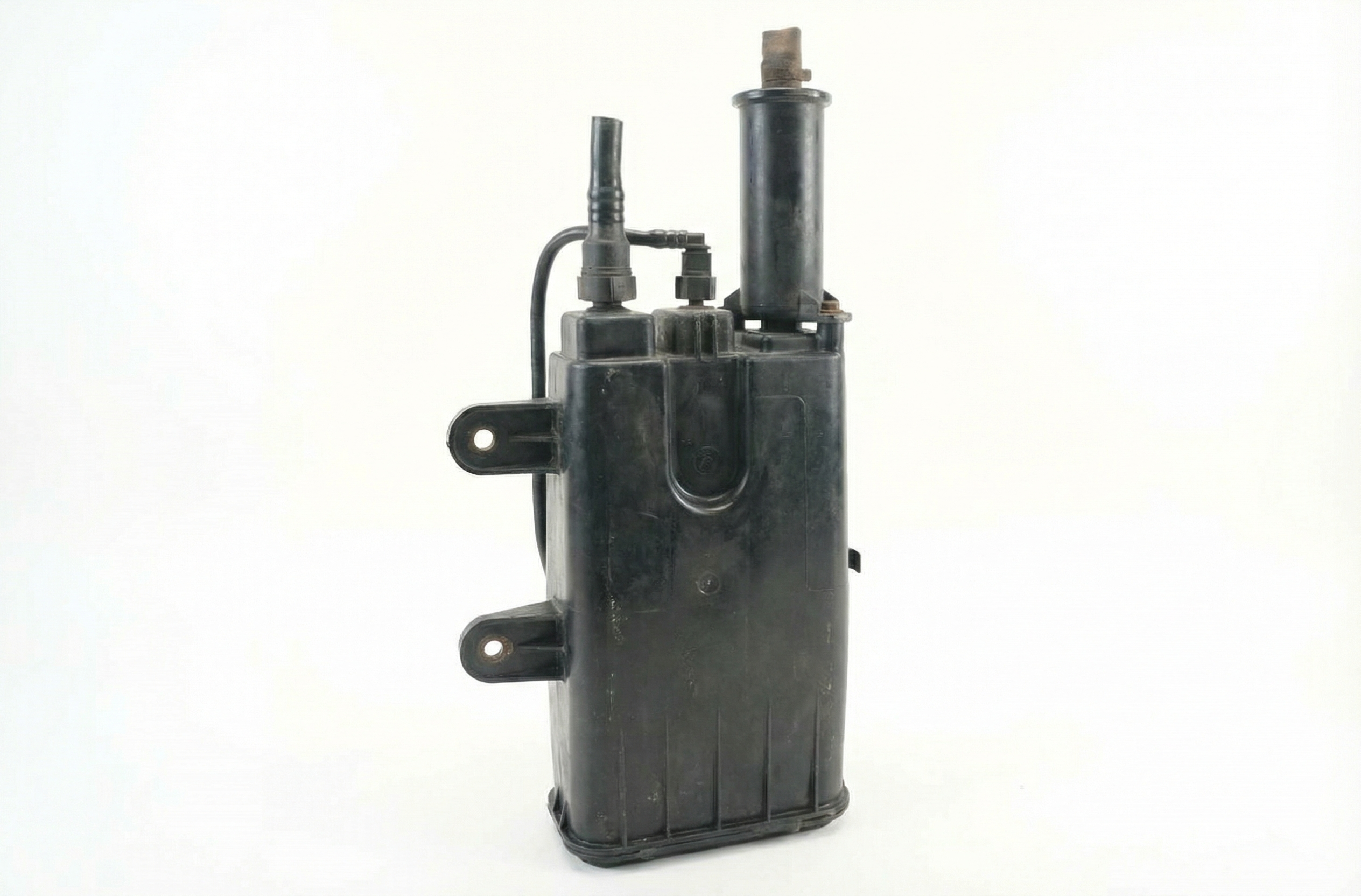
Aftermarket price range: $30-$50 - Canister Close Valve / Vent Valve / Control Valve
(OEM #31431-2S500)— This valve at the rear of the car can fail or get stuck, preventing the system from sealing for its self-test. Its location makes it prone to road debris and corrosion.
Trusted brands: Hyundai (OEM), Dorman
OEM price range: $120-$170
Aftermarket price range: $75-$125
Related Codes That Often Appear With This One
- P0456 — P0456 indicates a 'very small' EVAP leak. Manufacturer bulletins like #5NP-Z2J3V-04 note that P0455 and P0456 often occur together in the same system.
- P0442 — Similar to P0456, P0442 indicates a 'small' EVAP leak. It points to the same set of potential problems, just with a different leak size threshold.
- P0441 — This code indicates 'Incorrect Purge Flow' and often points directly to a faulty Canister Purge Valve (PCSV) that is stuck open or closed, which can also be interpreted by the system as a large leak.
Technical Service Bulletins (TSBs) & Recalls
- TSB 21-01-042H: This TSB is for the Knock Sensor Detection System (KSDS) software update, a critical update for the Theta II engine in this vehicle to monitor for engine bearing wear and prevent catastrophic failure.
- Bulletin #21-FL-002H: While issued for the Sonata Hybrid, this bulletin notes that salt particulate deposits can form inside the Natural Vacuum Leak Detection (NVLD) sensor, leading to P0455 and P0442 codes.
- Bulletin #21-01-035H: This manufacturer record indicates that EVAP leakage codes like P0455 can occur primarily in coastal areas subject to marine layer clouds, which may contribute to sensor or valve issues.
Platform-Specific Known Issues
- Canister Close Valve Replacement Experience: Owners on various forums note that replacing the Canister Close Valve (P/N 31431-2S500) can be challenging due to its location. It requires removing the driver's side rear wheel and the plastic fender liner to gain access. Bolts holding the valve and canister assembly can be rusted, requiring penetrating oil and patience.
- Aftermarket Gas Cap Issues: A recurring theme in owner discussions is the failure of aftermarket gas caps to properly seal, leading to a P0455 code even after replacement. It is strongly recommended to use a genuine Hyundai OEM gas cap (P/N 31010-3L600) to avoid this common misstep.
Mechanic-Grade Diagnostic Values
- Canister Close Valve (CCV) Coil Resistance — expected: Approximately 15.5 Ω at 20°C (68°F). Failure: A reading significantly higher or lower than the specification, or an open circuit (infinite resistance), indicates a faulty coil.
- Purge Control Solenoid Valve (PCSV) Coil Resistance — expected: Approximately 26 Ω at 20°C (68°F). Failure: A reading significantly outside this range suggests the solenoid coil is bad.
- Fuel Tank Pressure Sensor (FTPS) Voltage — expected: Approximately 2.5V at atmospheric pressure (engine off, gas cap removed). Voltage decreases with vacuum and increases with pressure.. Failure: Voltage stuck high (e.g., 4.5-5.0V) or low (e.g., 0.1-0.5V) regardless of tank pressure/vacuum indicates a failed sensor or wiring issue.
Scan Tool Commands That Help
- Hyundai GDS (Global Diagnostic System) or equivalent professional scanner: EVAP System Leak Test — This is a guided, automated test that commands the Canister Close Valve (CCV) to seal the system and operates the Purge Control Solenoid Valve (PCSV) to create a vacuum, while monitoring the Fuel Tank Pressure Sensor (FTPS). It can confirm the system's ability to hold a vacuum and pinpoint if the leak is large or small.
- Hyundai GDS or equivalent bidirectional scanner: Actuation Test: Canister Close Valve (CCV) On/Off — Use this command to manually close the CCV. While the valve is commanded closed, you can perform a smoke test. If smoke exits the CCV vent, the valve is not sealing correctly and is faulty. It also allows you to check for voltage at the connector and listen for an audible click.
- Hyundai GDS or equivalent bidirectional scanner: Actuation Test: Purge Control Solenoid Valve (PCSV) Duty Cycle Control — This allows a technician to command the PCSV to open at varying percentages (duty cycle). It's used to verify the valve is not stuck and is responding to the ECM's command. You can feel for vacuum or listen for clicking as you command it to open and close.
Wiring & Ground Locations
- Canister Close Valve (CCV) Connector — At the rear of the vehicle, near the charcoal canister, typically behind the driver's side rear wheel well liner.. This 2-pin connector provides power and ground to the CCV. One pin should receive battery voltage with the key on, and the other is the ground control from the ECM. Checking for voltage here is a key step in diagnosing a non-responsive valve.
- Purge Control Solenoid Valve (PCSV) Connector — In the engine bay, mounted on or near the intake manifold.. This 2-pin connector powers the purge valve. One pin receives key-on battery voltage, and the other is a duty-cycled ground provided by the ECM. Verifying power at this connector helps differentiate between a failed valve and a wiring/ECM issue.
Real Owner Repair Stories
- Hyundai Forums user (2011 Hyundai Tucson) — Check Engine Light with code P0455.
❌ Tried (didn't work) Replaced the gas cap with an OEM part, Replaced the canister purge valve (PCSV)
✅ What actually fixed it The canister close valve (CCV) located at the rear of the vehicle was faulty. After replacing the CCV, the code was cleared and did not return. - NHTSA ODI #11531219 — An owner reported that a "Fix Finder" report showed error code P0455. While the vehicle initially reset itself, it later experienced a total loss of power and required towing to a dealership.
"I Checked Everything" — The Actual Cause
- In some cases, a smoke test may not reveal a leak if the issue is intermittent or related to a component that only fails under specific conditions (e.g., a valve sticking only when hot). A more difficult-to-diagnose cause, if a smoke test is clean, can be a faulty Fuel Tank Pressure Sensor (FTPS) providing incorrect readings to the computer, tricking it into reporting a leak that doesn't exist.
OEM Part Supersession History
31431-2S500→31431-2S550— Part revision or supplier change.
Heads up: The newer part number 31431-2S550 appears to be a direct replacement for 31431-2S500 for this application.
Diagnostic Flowchart
Other Known Issues on This Vehicle
Issues unrelated to this code that are worth knowing about as an owner of this generation:
- Theta II Engine Failure / Excessive Oil Consumption 🔴 High — Widespread across multiple Hyundai/Kia models with the 2.4L Theta II engine. Failures can occur without warning, often manifesting as a knocking sound followed by seizure. Oil consumption issues are also very common. (Ref: Subject to multiple lawsuits, settlements, and warranty extensions. Hyundai launched Campaign 966 / TSB 21-01-042H to install a Knock Sensor Detection System (KSDS) to detect bearing wear and prevent catastrophic failure. TSB 23-EM-005H provides guidelines for oil consumption tests.)
- Worn Motor Driven Power Steering (MDPS) Coupler 🟠 Medium — Extremely common. A flexible rubber coupler in the steering column wears out, causing a distinct clicking or 'thud' noise when turning the steering wheel. While steering control is not lost, the noise is prominent. (Ref: Hyundai extended the warranty for this specific part to 10 years / 100,000 miles. TSB 17-ST-002 details the replacement procedure. The part itself is inexpensive, but labor can be significant.)
- Rear Subframe Rust 🔴 High — More common in regions that use road salt ('Salt Belt'). The rear subframe can rust to the point of structural failure, potentially causing a control arm to detach. (Ref: Hyundai issued recall 113 (NHTSA campaign 13V-354) for earlier models, but the issue can still affect this generation. Owners report mixed success with getting repairs covered outside of the initial recall scope.)
Used vs. New Parts: Buying Guide for This Vehicle
When a used part is the smart pick: For this repair, used parts are generally not recommended. The primary failure components (gas cap, purge valve, vent valve) are relatively inexpensive new, and their failure is often due to age-related wear of rubber seals and plastic components. A used part from a junkyard is likely to have similar wear and a short remaining lifespan.
Donor-vehicle mileage cap: roughly under 50000 miles for the part to have meaningful remaining life.
What to inspect on the donor part:
- For a valve, ensure there are no visible cracks in the plastic housing.
- Check that electrical connector pins are clean and free of corrosion.
- Verify the donor vehicle is from a dry, non-salt-belt region to minimize corrosion risk, especially for the rear-mounted Canister Close Valve.
OEM-only on this vehicle (don't cheap out):
- Gas Cap: Aftermarket gas caps are a widely reported cause of P0455 codes due to improper sealing. It is strongly recommended to use a genuine Hyundai (OEM) gas cap to ensure a correct fit and avoid a misdiagnosis.
Aftermarket brands forum-validated for this vehicle:
- Dorman (for Purge Valve and Canister Close Valve)
- Standard Motor Products (for Purge Valve)
Brands owners have reported issues with on this vehicle:
- Non-branded, generic gas caps from online marketplaces.
Real Owner Stories
Aggregated from forums and TSBs cited above. Mileages and costs reflect what owners reported in those sources.
2010-2015 Hyundai Tucson
Symptoms: The owner replaced the purge valve, gas cap, and charcoal canister, but the P0455 code persisted.
What fixed it: A professional smoke test was required to identify a cracked hose that was not visible during a standard inspection.
Source hint: Reddit (r/Hyundai, r/kia)
2010-2015 Hyundai Tucson
Symptoms: The Check Engine Light was on and the owner noted that the bolts holding the valve and canister assembly were heavily rusted.
What fixed it: Replacement of the Canister Close Valve (P/N 31431-2S500) after removing the driver's side rear wheel and fender liner.
Source hint: vehicle_specific_issues: Canister Close Valve Replacement Experience
2010-2015 Hyundai Tucson
Symptoms: Check Engine Light for a large EVAP leak (P0455).
What fixed it: Inspecting the gas cap and ensuring it clicked at least once when tightening; if the seal is worn, replacing it with OEM part 31010-3L600.
Source hint: Hyundai Forums (hyundai-forums.com)
Related OBD-II Codes
Frequently Asked Questions
I bought an aftermarket gas cap for my Tucson but the P0455 code is still there. What should I do?
Does TSB 21-01-042H relate to my EVAP leak?
Where is the canister close valve located on the 2010-2015 Tucson?
How can I tell if my purge valve is the cause of the P0455 code?
Is there a specific part number for the gas cap on the 2010-2015 Hyundai Tucson?
Can a bad purge valve cause my Tucson to idle roughly after I get gas?
Helpful Videos

Used OEM Parts in Stock
New Aftermarket Parts Available


The information in this article is provided for general reference and educational purposes only. Vehicle specifications, procedures, and part compatibility can vary by production date, trim level, and region. Always consult your vehicle's factory service manual and verify part numbers before purchasing or performing repairs. Safety-critical components such as airbags, seat belts, and braking systems should be installed by a qualified professional.
- Hyundai Tucson:
- 🎬 Helpful Videos
- 🛍️ Shop This Part
- What's Unique About the 2010-2015 Hyundai Tucson
- Symptoms You May Notice
- Most Likely Causes
- Rare But Worth Checking
- Diagnosis Steps
- Parts You'll Likely Need
- Related Codes That Often Appear With This One
- Technical Service Bulletins (TSBs) & Recalls
- Platform-Specific Known Issues
- Mechanic-Grade Diagnostic Values
- Scan Tool Commands That Help
- Wiring & Ground Locations
- Real Owner Repair Stories
- "I Checked Everything" — The Actual Cause
- OEM Part Supersession History
- Diagnostic Flowchart
- Other Known Issues on This Vehicle
- Used vs. New Parts: Buying Guide for This Vehicle
- Real Owner Stories
- 2010-2015 Hyundai Tucson
- 2010-2015 Hyundai Tucson
- 2010-2015 Hyundai Tucson
- Related OBD-II Codes
- Frequently Asked Questions
- 🎟️ Get 5% Off