

P0455 on 2011-2014 Hyundai Sonata 2.4L: EVAP Large Leak Causes and Fixes
For a 2011-2014 Sonata with code P0455, first check that the gas cap is tight and its seal is intact. If the cap is not the issue, the most likely culprit is a faulty canister purge valve in the engine bay, a common failure on this model. This part costs around $30-$40 for an OEM replacement and is a straightforward DIY fix that many owners have successfully performed.
- Always check the gas cap first; ensure it's tight and the seal is in good condition.
- The most likely part to have failed on a 2011-2014 Sonata is the canister purge valve (P/N 28910-2E000) in the engine bay.
- You can test the purge valve yourself by removing it and trying to blow through it; if air passes, it's bad.
- If the gas cap and purge valve are good, the next step is a professional smoke test to find the leak, which could be a hose or the canister close valve at the rear of the car.
- Do not ignore the code, as you will not be able to pass an emissions inspection until the leak is repaired.
What's Unique About the 2011-2014 Hyundai Sonata

On this specific generation of Hyundai Sonata, the canister purge valve has a notably high failure rate that leads directly to a P0455 code. Mechanics and owners report that the valve can stick open, causing a large leak, without triggering any other specific codes related to purge flow, which can be misleading. While the gas cap is always the first check, owners of this vehicle should be aware that the purge valve is a very common and well-documented point of failure.
Symptoms You May Notice
- Check Engine Light is on
- A faint fuel smell, particularly around the rear of the car
- Slight decrease in fuel mileage
- Difficulty starting the engine immediately after refueling (a classic sign of a stuck-open purge valve flooding the intake with vapor)
- Sudden loss of power, especially when driving uphill (as noted in NHTSA ODI #11643345)
- Replacing the fuel tank pressure sensor. While part of the EVAP system, this sensor typically throws its own specific codes when it fails and is not a common cause of P0455 alone.
Most Likely Causes

- Loose or Faulty Gas Cap 🔴 High Probability This is the most common cause for a P0455 on any vehicle due to simple user error or natural wear of the cap's rubber seal. Many owners replace the cap as the first step.
How to confirm: Remove the gas cap, inspect the rubber O-ring for cracks, brittleness, or damage. Reinstall the cap, ensuring it clicks at least three times. Clear the code and see if it returns after a few drive cycles (which can be up to 80-100 miles).
Typical fix: Replace the gas cap with a new OEM part (P/N: 31010-3L600) to ensure a proper seal. Aftermarket caps can sometimes fail to seal correctly.
Est. part cost: $20-$35 - Faulty Canister Purge Valve (PCSV) 🔴 High Probability This is a very common failure part on the 2011-2014 Sonata. The valve can become stuck open, creating a permanent leak path from the EVAP system to the intake manifold. Numerous owner forums and videos cite this as the definitive fix after a new gas cap fails to resolve the code.
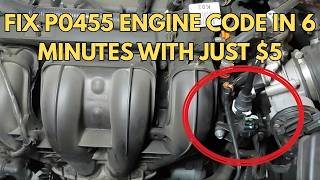
How to confirm: Locate the valve in the engine bay near the throttle body. Disconnect the electrical connector and the two hoses. Try to blow through the valve; if air passes through, it is stuck open 🎬 Watch: How to test the purge valve with no tools. and has failed. A working purge valve is normally closed when no power is applied.
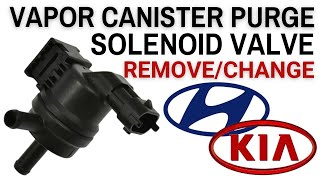
Typical fix: Replace the canister purge valve. It is mounted on a slide clip in the engine bay and is accessible after removing the engine cover and intake snorkel. This is a popular DIY repair. 🎬 See this step-by-step walkthrough for replacing the purge valve.
Est. part cost: $30-$50 - Faulty Canister Close Valve (CCV) / Vent Valve 🟡 Medium Probability This valve is located at the rear of the car near the charcoal canister and is exposed to road debris and moisture. It can fail to close when the system runs its leak test, causing the computer to register a large leak.
How to confirm: The valve is normally open. A diagnostic scan tool can command it to close for testing. The most practical method for a DIYer is to identify it as the source of a leak during a smoke test.
Typical fix: Replace the canister close valve. This requires safely raising the rear of the vehicle and sometimes removing the driver's side rear wheel and wheel well liner for access.
Est. part cost: $100-$150 - Cracked or Disconnected EVAP Hoses ⚪ Low Probability Over time, the rubber and plastic hoses in the EVAP system can become brittle and crack, or a connection can come loose. This can happen in the engine bay or near the tank.
How to confirm: A visual inspection may reveal an obvious break, but the most effective method is to have a smoke test performed. A mechanic injects low-pressure smoke into the EVAP system, and the leak is identified where smoke escapes. A user on YouTube found a line snapped in half after running over road debris.
Typical fix: Replace the damaged section of hose or reconnect the loose fitting.
Est. part cost: $10-$50
Rare But Worth Checking
- Failed Natural Vacuum Leak Detection (NVLD) Sensor: According to Hyundai TSBs #21-01-035H and #21-FL-002H, vehicles operated in coastal regions are prone to NVLD failure due to salt contamination, which can trigger EVAP codes like P0455.
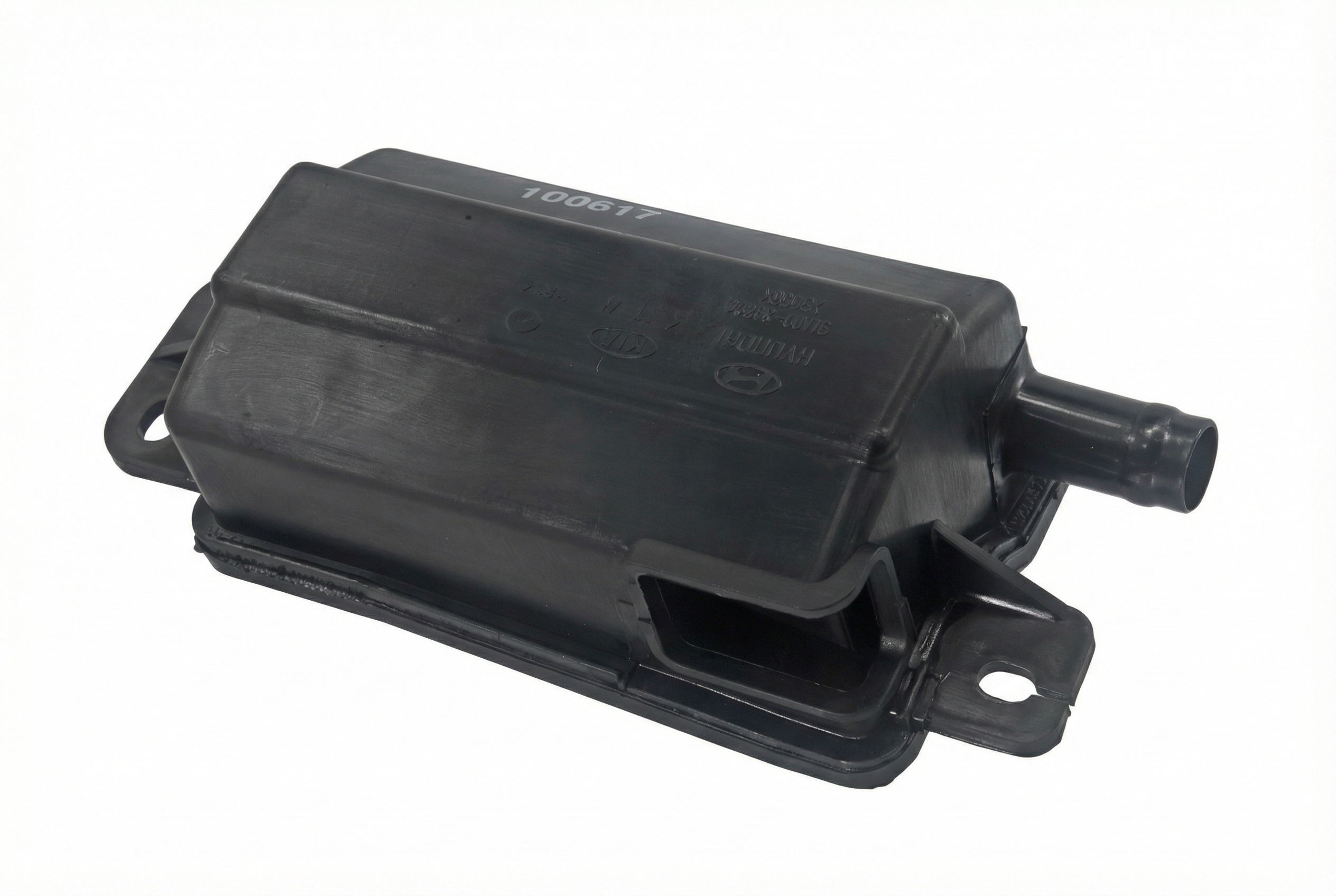
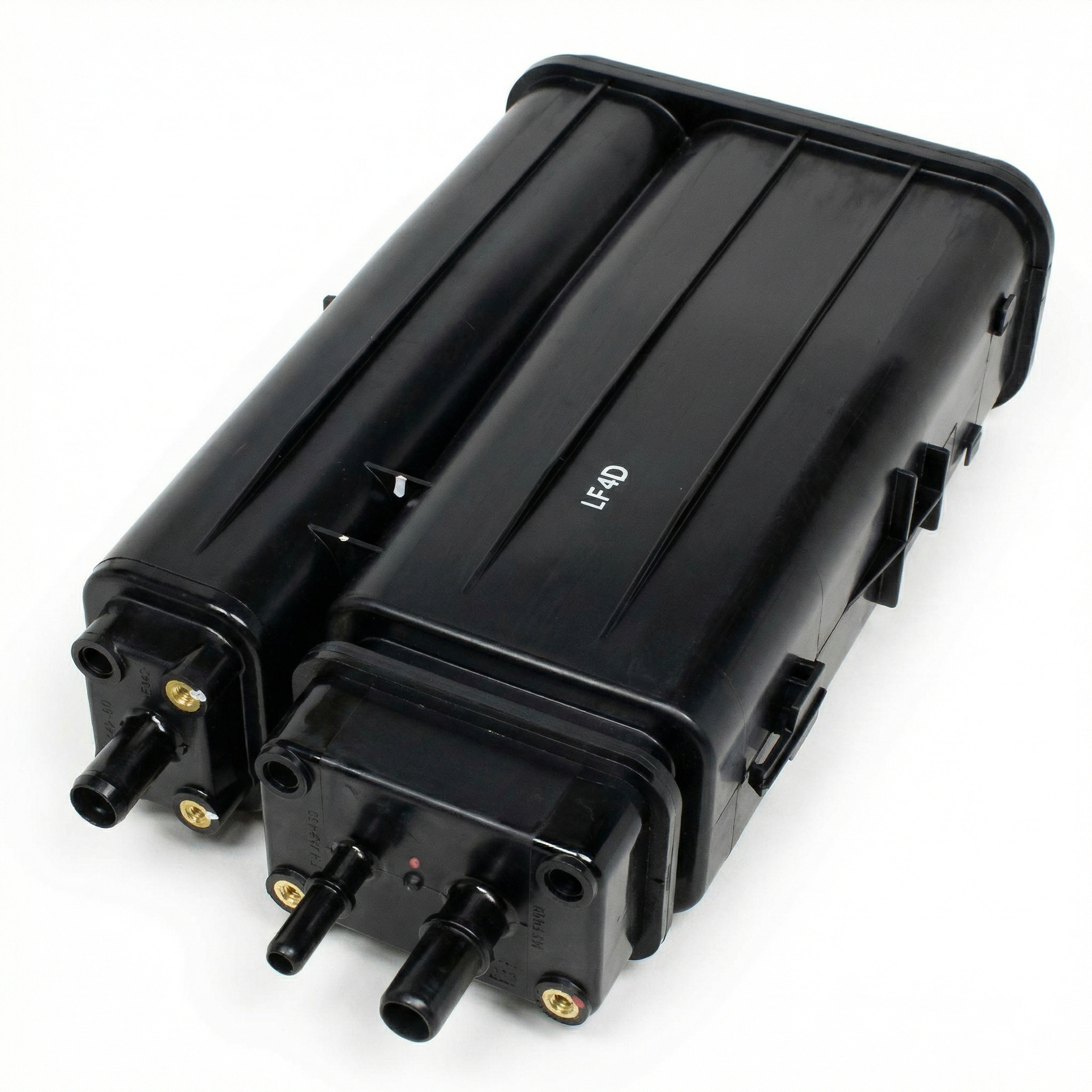
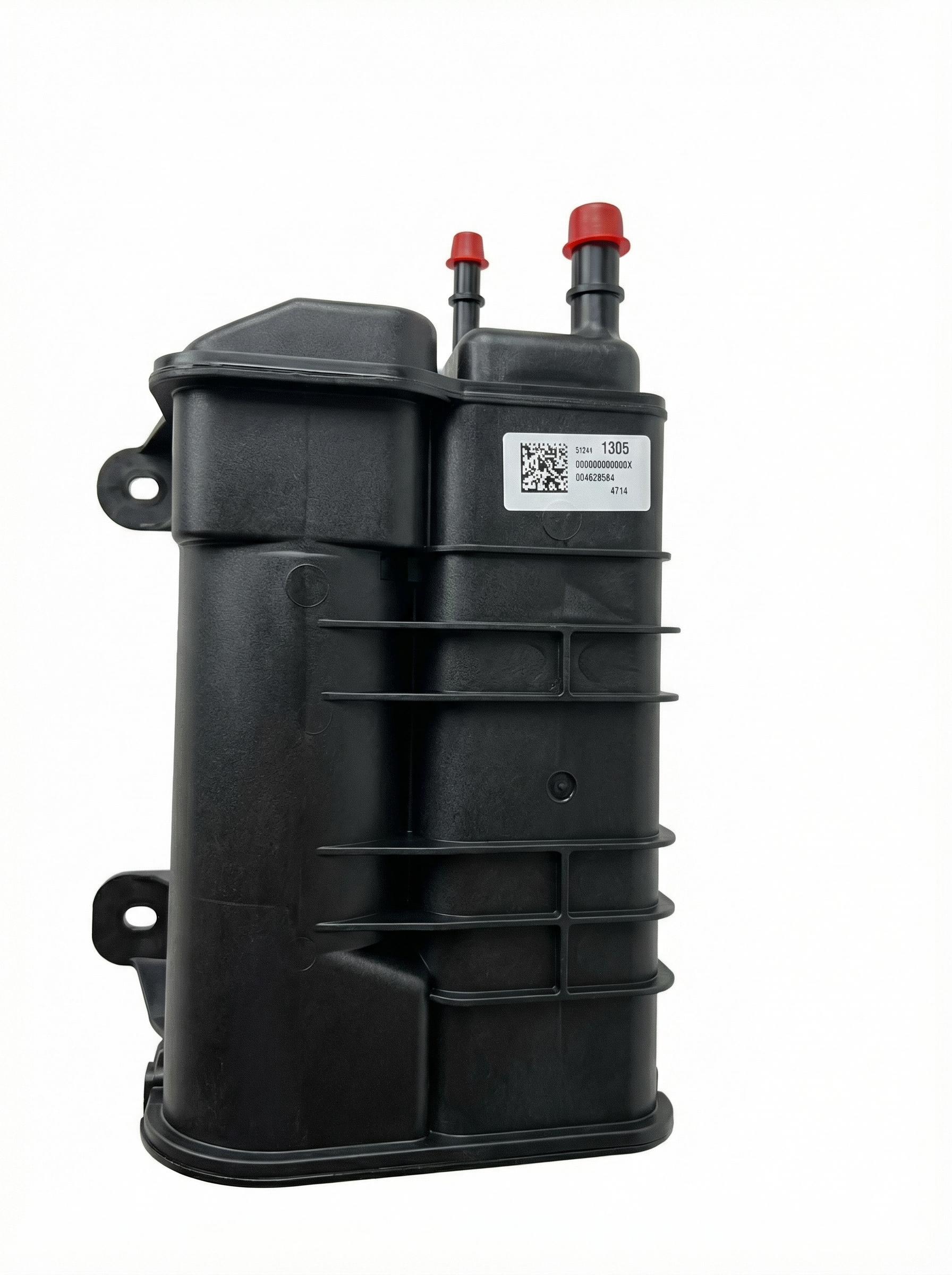
- Cracked Charcoal Canister: A physical impact from road debris can crack the plastic body of the charcoal canister, creating a large leak. This is usually found during a smoke test and is a known issue on the sister platform, the Kia Optima.
- Damaged Fuel Filler Neck: Rust or physical damage to the metal filler neck where the gas cap seals can prevent a proper seal, even with a brand new cap. This is more common in salt-belt regions.
Diagnosis Steps

- Read the Code: Confirm P0455 is the only code present. If other codes like P0441 (Incorrect Purge Flow) or P0446 (Vent Control Circuit) are present, they can help pinpoint the problem.
- Inspect the Gas Cap: Remove the gas cap. Check the seal for any cracks, tears, or hardening. Ensure you are using a high-quality OEM or equivalent cap (P/N 31010-3L600).
- Tighten and Clear: Reinstall the cap until it clicks several times. Use an OBD-II scanner to clear the P0455 code. Drive the vehicle for a few days (up to 100 miles) to see if the Check Engine Light returns. If it does not, the issue was the cap.
- Test the Purge Valve (PCSV): If the code returns, locate the purge valve in the engine bay. Disconnect it and try to blow through it. If air passes, the valve is stuck open and must be replaced. This is the most common fix reported by owners.
- Visual Inspection: Visually inspect all accessible EVAP hoses in the engine bay and around the fuel tank for obvious cracks, breaks, or disconnections.
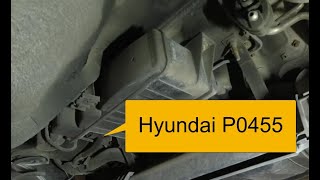
- Perform a Smoke Test: If the leak source is still not found, the most reliable method is a smoke test. 🎬 Watch: How to find and fix large EVAP leaks. This involves injecting pressurized smoke into the EVAP system to visually identify the source of the leak. This test will definitively find cracked hoses, a faulty canister close valve, a cracked charcoal canister, or a bad filler neck seal.
Parts You'll Likely Need

- Canister Purge Valve / Purge Control Solenoid Valve
(OEM #28910-2E000)— This is a very common failure item on the 2011-2014 Sonata that causes code P0455, often by sticking open. It is the most frequently successful DIY fix after the gas cap.
Trusted brands: Hyundai (OEM), Bosch, Standard Motor Products
OEM price range: $30-$40
Aftermarket price range: $20-$35 - Fuel Tank Cap
(OEM #31010-3L600)— The gas cap is the most common and easiest first step for a P0455 code. The seal wears out over time, causing a leak. An OEM cap is recommended.
Trusted brands: Hyundai (OEM)
OEM price range: $20-$35
Aftermarket price range: $15-$25 - Canister Close Valve / Vent Valve Solenoid
(OEM #31453-3Q500)— Located near the fuel tank, this valve can fail to close during the EVAP system's self-test, resulting in a large leak code. It is less common than the purge valve but a known failure point.
Trusted brands: Hyundai (OEM), Dorman
OEM price range: $120-$150
Aftermarket price range: $70-$110
Technical Service Bulletins (TSBs) & Recalls
- TSB #21-01-035H / #21-FL-002H: Mentions that salt particulates in coastal areas can contaminate the NVLD sensor, causing it to fail and trigger EVAP codes like P0455.
Platform-Specific Known Issues
- Per Hyundai TSBs #21-01-035H and #21-FL-002H, vehicles in coastal areas with high salt exposure may experience failure of the Natural Vacuum Leak Detection (NVLD) sensor, leading to EVAP codes.
Mechanic-Grade Diagnostic Values
- Canister Purge Valve (PCSV) Coil Resistance — expected: 29.1 Ω. Failure: Readings that are significantly higher or lower, or an open circuit. One technician noted that used valves pulled from junkyards showed inconsistent resistances from 12Ω to 47Ω, indicating internal degradation.
Scan Tool Commands That Help
- Professional Scan Tool (e.g., Autel, Snap-on, GDS): EVAP System Leak Test / Purge/Seal — This function is used to manually seal the EVAP system by commanding the Canister Close Valve (CCV) shut and then commanding the Purge Valve (PCSV) to open to a specific duty cycle (e.g., 30%) to draw a vacuum. The tool then monitors the Fuel Tank Pressure (FTP) sensor to see if the vacuum holds. A rapid loss of vacuum confirms a leak is present, which is essential for diagnosis after a gas cap check fails.
Wiring & Ground Locations
- Canister Purge Valve (PCSV) Connector — On the purge valve itself, located on the driver's side of the intake manifold in the engine bay.. This 2-pin connector is the primary test point for the PCSV. One pin receives 12V power with the ignition on, while the other is a ground-side control wire pulsed by the PCM. Testing for power and control signal here can rule out wiring issues, although a failed valve coil is far more common for P0455.
- Sensor 2 Fuse — In the main engine compartment fuse box. It is the 5th fuse in one of the rows (check diagram on fuse box cover).. This single fuse powers multiple critical components, including the Purge Control Valve, Canister Valve, crankshaft position sensor, and camshaft position sensor. While a blown fuse would likely cause more severe running issues and additional codes, checking it is a quick and valid step in a comprehensive electrical diagnosis.
- GE01 / GE02 — Main engine compartment ground points, typically located on the left (driver's side) fender or inner structure.. The Powertrain Control Module (PCM) controls the EVAP solenoids and relies on these main grounds to function correctly. A corroded or loose ground at GE01 or GE02 can cause intermittent and difficult-to-diagnose electrical issues across multiple systems, including the EVAP system.
Real Owner Repair Stories
- Reddit user Auto_Union_VA (2011 Hyundai Sonata Limited 2.4L with PZEV emissions) — Persistent P0455 code returning after a few miles of driving.
❌ Tried (didn't work) Replaced gas cap, Replaced Canister Vent Valve (CCV), Replaced Gas Tank Pressure Sensor, Performed smoke test on engine bay vacuum lines (no leaks found), Smoke tested charcoal canister (no leaks found)
✅ What actually fixed it The owner replaced the Canister Purge Valve (PCSV) for a second time. They suspect the first replacement part, which was only a couple of months old, was faulty from the factory or failed prematurely. They also installed a new, near-OEM quality gas cap at the same time. - NHTSA ODI #11231676 — An owner reported that after diagnostics were run for code P0455, the purge valve was found to be shortened internally. The owner noted the issue was particularly evident when filling the vehicle with fuel.
- NHTSA ODI #11643345 — A driver reported that their vehicle lost power while going up a hill, generating codes P1326, P0455, and P0302.
When the Usual Fixes Don't Work
- While the canister purge valve is the most common fix after the gas cap, it is not a guaranteed solution. One owner on Reddit went through a lengthy diagnostic process, replacing the gas cap, both the purge and vent valves, and the fuel tank pressure sensor, and performed multiple smoke tests without finding a leak. The final solution was to replace the purge valve a *second* time, suggesting the first aftermarket replacement part was defective. This highlights the risk of using non-OEM electronic components, which can fail prematurely and lead to a repeat diagnosis.
OEM Part Supersession History
31453-3Q500— This is the current part number for the Canister Close Valve (Vent Valve) that fits the 2011-2014 Sonata, as well as many other Hyundai models up to 2019.28910-2E000— This is the current part number for the Canister Purge Valve that fits a wide range of Hyundai vehicles from 2011-2020, including the Sonata.
Diagnostic Flowchart
Other Known Issues on This Vehicle
Issues unrelated to this code that are worth knowing about as an owner of this generation:
- Catastrophic Engine Failure (Theta II Engine) 🔴 High — Widespread across 2011-2014 models with the 2.4L GDI engine. Manufacturing debris could block oil passages, leading to connecting rod bearing failure, engine seizure, and potential fires. (Ref: Multiple recalls (e.g., 15V-568, 17V-226) and a major class-action lawsuit settlement (In re: Hyundai Sonata Engine Litigation) which extended engine warranties to a lifetime warranty for the short block assembly for original and subsequent owners.)
- Worn Steering Column Coupler 🟠 Medium — Extremely common. Owners typically notice a clicking or clunking sound in the steering column when turning the wheel, especially at low speeds or when parked. The flexible rubber coupler (Part # 56315-2K000-FFF) disintegrates over time. (Ref: While not a formal safety recall for all vehicles, it's a well-documented issue with a warranty extension in some cases. The repair is a common DIY or independent shop job.)
- Engine Stalling and Power Loss 🔴 High — Frequently reported by owners, often related to the main engine defect but also tied to other electrical and fuel system issues. The 2011 model year has over 4,000 NHTSA complaints, many for engine stalling without warning. (Ref: Related to various engine and fuel system recalls.)
Used vs. New Parts: Buying Guide for This Vehicle
When a used part is the smart pick: For this vehicle and code, using a used part is generally not recommended for the electronic solenoids (Purge Valve, Canister Close Valve). However, a used charcoal canister from a low-mileage donor vehicle can be a cost-effective option if the original is physically cracked, as it is a simple, non-electronic component.
Donor-vehicle mileage cap: roughly under 70000 miles for the part to have meaningful remaining life.
What to inspect on the donor part:
- For a charcoal canister, inspect the plastic housing thoroughly for any hairline cracks or damage, especially around the hose ports.
- Shake the canister; if you hear rattling, the internal charcoal bed has broken apart, and the part is useless.
- Check for any signs of wet fuel or heavy fuel saturation, which indicates it was flooded and its absorption capacity is compromised.
OEM-only on this vehicle (don't cheap out):
- Canister Purge Valve (PCSV)
- Fuel Cap
Aftermarket brands forum-validated for this vehicle:
- Dorman (for some components, quality can be hit-or-miss but some of their 'OE FIX' parts are considered upgrades)
- Standard Motor Products (SMP)
Brands owners have reported issues with on this vehicle:
- Unbranded, generic electronic solenoids from online marketplaces. Forum users report these parts failing quickly, sometimes within months, leading to the code returning.
Real Owner Stories
Aggregated from forums and TSBs cited above. Mileages and costs reflect what owners reported in those sources.
2012 Hyundai Sonata 2.4L — ~80 miles
Symptoms: The check engine light would return every 80 miles even after replacing the gas cap. The car would also struggle to crank specifically after filling up with gas.
What fixed it: Replacement of the purge valve solenoid located by the air filter box on the engine, which was found to be stuck open.
Source hint: Reddit r/sonata - 2012 Hyundai Sonata P0455 code keeps appearing
2011 Hyundai Sonata 2.4L
Symptoms: Check engine light was on and the owner noticed a decrease in MPG.
What fixed it: Replaced the purge valve with an OEM part. The CEL remained off for over a month and fuel mileage improved.
Cost: $30-$30
Source hint: YouTube - 2011 Hyundai Sonata P0455 CEL Fixed!
2012 Hyundai Sonata 2.4L
Symptoms: P0455 Large Leak detected.
What fixed it: Replacement of the purge valve, accessed by removing the air intake snorkel.
Source hint: YouTube - Hyundai Sonata 2012 p0455 Purge Valve replacement
Related OBD-II Codes
Frequently Asked Questions
I live in a coastal area and keep getting EVAP codes on my 2013 Sonata. Is there a specific issue I should know about?
What is the specific OEM part number for a replacement gas cap for my 2011-2014 Sonata?
My car struggles to start only after I fill up at the gas station. Is this related to P0455?
Where is the canister purge valve located on the 2.4L engine for a DIY repair?
I've heard about major engine recalls for this model year. Could a P0455 be related to the Theta II engine failure?
How many times should I click my gas cap to ensure it is sealed?
Helpful Videos
Used OEM Parts in Stock

New Aftermarket Parts Available


The information in this article is provided for general reference and educational purposes only. Vehicle specifications, procedures, and part compatibility can vary by production date, trim level, and region. Always consult your vehicle's factory service manual and verify part numbers before purchasing or performing repairs. Safety-critical components such as airbags, seat belts, and braking systems should be installed by a qualified professional.
- Hyundai Sonata:
- 🎬 Helpful Videos
- 🛍️ Shop This Part
- What's Unique About the 2011-2014 Hyundai Sonata
- Symptoms You May Notice
- Most Likely Causes
- Rare But Worth Checking
- Diagnosis Steps
- Parts You'll Likely Need
- Technical Service Bulletins (TSBs) & Recalls
- Platform-Specific Known Issues
- Mechanic-Grade Diagnostic Values
- Scan Tool Commands That Help
- Wiring & Ground Locations
- Real Owner Repair Stories
- When the Usual Fixes Don't Work
- OEM Part Supersession History
- Diagnostic Flowchart
- Other Known Issues on This Vehicle
- Used vs. New Parts: Buying Guide for This Vehicle
- Real Owner Stories
- 2012 Hyundai Sonata 2.4L — ~80 miles
- 2011 Hyundai Sonata 2.4L
- 2012 Hyundai Sonata 2.4L
- Related OBD-II Codes
- Frequently Asked Questions
- 🎟️ Get 5% Off