

P0455 on 2005-2010 Ford Mustang: EVAP Gross Leak Causes and Fixes
For a 2005-2010 Mustang, code P0455 is most often caused by a loose gas cap (2005-2009) or a failed canister purge valve. First, check that the gas cap is tight and the seal is good. For 2010 models, clean the capless fuel filler neck. If that doesn't fix it, the purge valve in the engine bay is the next most likely culprit, costing around $30-$50 for a DIY replacement.
- Always start with the gas cap (on 2005-2009 models) or by cleaning the capless filler neck (2010 model). This is the most common and cheapest fix.
- The second most likely culprit is the canister purge valve, located on the driver's side of the engine bay. It's an easy and affordable DIY replacement.
- If the issue persists, the leak is likely at the rear of the car (vent valve, canister, or hoses), and a smoke test is the best way to find it.
- Do not 'top off' your fuel tank after the pump clicks off, as this can force liquid fuel into the charcoal canister and damage the EVAP system.
What's Unique About the 2005-2010 Ford Mustang
The 2005-2010 Mustang (S197 generation) has two very common and easy-to-access failure points for the P0455 code: the gas cap and the canister purge valve. Unlike some vehicles where components are hard to reach, the purge valve on the Mustang is conveniently located in the engine bay on the driver's side inner fender, making it a popular and quick DIY fix. A key difference within this year range is that 2005-2009 models use a traditional, twist-on gas cap, while the 2010 model introduced the capless 'Easy Fuel' system, which changes the first diagnostic step.
Generation note: This range covers the first phase of the S197 generation. A notable change occurred in 2010 with the introduction of the capless fuel filler system. For 2005-2009 models, a faulty gas cap is a primary suspect. For 2010 models, the issue is more likely debris in the capless filler neck preventing the internal flap from sealing correctly.
Symptoms You May Notice
- Check Engine Light is on
- A noticeable smell of gasoline, especially around the rear of the car near the fuel tank or in the engine bay.
- Slightly rough idle or difficulty starting immediately after refueling (less common, but can occur if the purge valve is stuck open).
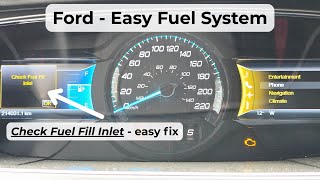
- A 'Check Fuel Fill Inlet' message may appear on the dashboard of 2010 models.
- Replacing the O2 sensors. Oxygen sensors are not part of the EVAP system and will not cause a P0455 code.
- Replacing the fuel pump. While part of the fuel system, the fuel pump is not typically a cause of EVAP leaks unless the fuel tank's main seal is compromised during a pump replacement.
- Assuming a bad purge valve without testing. While common, it's important to perform the simple blow-through or vacuum test before replacing the part, as the issue could be as simple as a loose gas cap.
Most Likely Causes
- Loose, Damaged, or Incorrect Gas Cap (2005-2009 models) 🔴 High Probability The gas cap seal is a simple rubber O-ring that degrades over time from exposure to fuel vapors, becoming brittle and cracked. It's also the most frequently handled part of the fuel system, leading to it being left loose or cross-threaded.
How to confirm: Inspect the gas cap for any visible cracks on the seal. Ensure it is tightened until it clicks at least three times. If the seal is worn, it's best to replace it. An aftermarket cap that doesn't meet OEM specifications can also cause this code.
Typical fix: Replace the gas cap with a new OEM (Motorcraft) or high-quality aftermarket equivalent. This is the cheapest and easiest first step.
Est. part cost: $15-$35 - Faulty Canister Purge Valve (Purge Solenoid) 🔴 High Probability This solenoid cycles frequently during engine operation and can fail by getting stuck open, creating a constant vacuum leak within the EVAP system. It's a very common failure point across many Ford models of this era.
How to confirm: The purge valve is located in the engine bay on the driver's side inner fender. With the engine off, disconnect the valve and try to blow through it. If air passes through, it's stuck open and has failed. Alternatively, with the engine running at idle, disconnect the hose leading from the charcoal canister and feel for vacuum with your finger. If there is constant suction, the valve is stuck open.
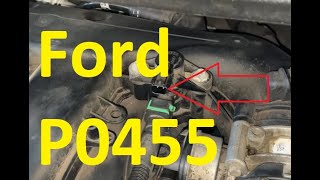
Typical fix: Replacement is straightforward. Disconnect the electrical connector and two quick-disconnect hose fittings, then slide the new valve into place. This is a 10-15 minute job for most DIYers. 🎬 Watch: Step-by-step guide to replacing your canister purge valve.
Est. part cost: $30-$80 - Debris in Capless Fuel Filler Neck (2010 model) 🟡 Medium Probability The spring-loaded door of the 'Easy Fuel' system can be prevented from sealing properly by small particles of dirt, grime, or even spider webs.
How to confirm: Visually inspect the opening of the capless fuel filler neck for any foreign material that could be preventing the internal flap from closing completely.
Typical fix: Use the special funnel that came with the vehicle (usually stored with the spare tire) to open the flap. Carefully clean the sealing surface with a clean rag and a small amount of solvent like WD-40 or brake cleaner, then work the funnel in and out a few times 🎬 See how to fix the 'Check Fuel Fill Inlet' message. to ensure smooth operation.
Est. part cost: $0 - Faulty Canister Vent Valve (Vent Solenoid) 🟡 Medium Probability Located near the rear axle attached to the charcoal canister, this valve is exposed to road debris, salt, and moisture, which can cause it to corrode and fail by getting stuck open.
How to confirm: The vent valve is part of the charcoal canister assembly under the rear of the car, near the spare tire well. A scan tool with bidirectional controls can command the valve to close; if it doesn't, it has failed. A smoke test is the most common way to confirm, as smoke will pour out of a stuck-open vent valve.
Typical fix: Replace the vent valve/solenoid. On many 2005-2007 Mustangs, this valve is sold as a separate component that attaches to the canister.
Est. part cost: $50-$150 - Cracked or Disconnected EVAP Hoses ⚪ Low Probability
How to confirm: Visually inspect all accessible EVAP hoses in the engine bay and under the car, particularly around the purge valve, canister, and fuel tank. The plastic lines can become brittle with age. The most definitive way to find a hose leak is with a smoke test, which involves pumping low-pressure smoke vapor into the system and watching where it escapes. A manufacturer service bulletin, TSB 25-2431, notes that a P0455 code may also be caused by a disconnected fuel vapor line inside the fuel tank.
Typical fix: Replace the cracked section of hose or re-secure the disconnected fitting. Small cracks can sometimes be repaired with a suitable sealant, but replacement is recommended.
Est. part cost: $10-$50
Rare But Worth Checking
- Cracked EVAP (Charcoal) Canister: The plastic housing of the canister itself can develop a crack from age or impact from road debris. This is almost always found during a smoke test when smoke is seen seeping from the body of the canister itself.
- Faulty Fuel Tank Pressure (FTP) Sensor: While less common for causing a gross leak code, the sensor that monitors system pressure can fail, sending incorrect data to the computer and tricking it into thinking there is a leak when there isn't one. This may be accompanied by other codes.
- Leaking Fuel Filler Neck: The metal tube leading from the gas cap to the tank can rust and perforate, especially in areas where moisture and debris collect. This is more common in regions that use road salt. A visual inspection and smoke test can confirm a leak here.
Diagnosis Steps
- Read the Code: Confirm P0455 is the active code using an OBD-II scanner. Note any other accompanying EVAP codes like P0442, P0456, or P0457.
- Check the Gas Cap/Filler Neck: For 2005-2009, inspect the gas cap seal for cracks and ensure it's tight (clicks 3+ times). For 2010, inspect the capless filler neck for debris and clean it with the provided funnel and a rag. Clear the code and drive for a few days. This simple, free step fixes the issue a significant amount of the time.
- Inspect the Purge Valve: Locate the purge valve on the driver's side of the engine bay. With the engine off, remove the valve and try to blow through it. If air passes, it's failed. Clear the code and see if it returns.
- Visual Inspection of Hoses: Trace the EVAP lines from the engine bay to the rear of the car, looking for obvious cracks, breaks, or disconnections. Pay close attention to connections at the purge valve and canister.
- Inspect Rear Components: Safely raise the vehicle and locate the charcoal canister under the spare tire well. Inspect the canister and the attached vent solenoid for any visible damage or cracks.
- Perform a Smoke Test: If the leak is not visually apparent, a smoke test is the most effective method. A machine injects low-pressure smoke into the EVAP service port (often a green cap in the engine bay). The leak will be revealed by the escaping smoke, whether from a hose, the canister, the vent valve, or the filler neck.
Parts You'll Likely Need
- Canister Purge Valve
(OEM #7U5Z-9C915-F (2007-2010), 4R3Z-9C915-AA (2005-2006))— This is one of the most common failure points for this code on the S197 Mustang. It is a frequently cycling solenoid that wears out and gets stuck open.
Related Codes That Often Appear With This One
- P0442 — P0442 indicates a small EVAP leak. If a component like a hose or seal is beginning to fail, it might first cause a small leak before it worsens and triggers the large leak code P0455.
- P0456 — Indicates a very small EVAP leak. Similar to P0442, this can be a precursor to a larger leak as components continue to degrade.
- P0443 — This code points to a malfunction in the purge control valve's electrical circuit (e.g., a bad solenoid coil). It often appears with P0455 if the purge valve has failed electrically rather than mechanically (stuck open).
- P0457 — This code specifically indicates a large leak detected, often interpreted by the system as a loose or missing fuel cap. It's very common to see this alongside P0455, especially on capless systems.
Technical Service Bulletins (TSBs) & Recalls
- SSM 50306 — While not specific to the Mustang, this Ford Special Service Message warns technicians that canister purge valves are often replaced unnecessarily for EVAP codes like P0455 across many models. It advises thorough diagnosis with a scan tool before replacing the part.
- SSM 51719 — A manufacturer service bulletin notes that an illuminated MIL with DTC P0455 may be due to improper fuel filler cap installation or outside contamination on the fuel cap.
Mechanic-Grade Diagnostic Values
- Fuel Tank Pressure (FTP) Sensor Voltage (KOEO, system at atmospheric pressure) — expected: 2.4V - 2.6V. Failure: A reading significantly outside this range with the gas cap off may indicate a faulty sensor. Voltage below 2.4V indicates vacuum, while voltage above 2.6V indicates pressure.
- Canister Purge Valve Solenoid Resistance — expected: 4 - 30 Ohms. Failure: A reading of 0 Ohms (short circuit) or infinite/OL (open circuit) indicates a failed solenoid coil.
- Canister Vent Valve Solenoid Resistance — expected: 20 - 60 Ohms. Failure: A reading of 0 Ohms (short circuit) or infinite/OL (open circuit) indicates a failed solenoid coil.
Hidden / Shadow Codes Worth Checking
- Mode $06, Test ID (TID) $3A, Component ID (CID) $82: This is the onboard diagnostic test result for the gross leak check (P0455/P0457). It measures the system's pressure bleed-up in Pascals (Pa). If the measured value exceeds the maximum limit stored in the PCM, it confirms a large leak. (see via A professional scan tool capable of displaying Mode $06 data. This allows a technician to see the raw test data from the last time the EVAP monitor ran.)
Scan Tool Commands That Help
- Ford IDS (or advanced bidirectional scanner): EVAP System Test / Output State Control — This function allows a technician to manually command the EVAP system to seal itself (by closing the vent valve) and then command the purge valve to open, drawing a vacuum. By monitoring the FTP sensor data during this test, a technician can verify the function of both solenoids and confirm if the system can hold a vacuum without needing to wait for the vehicle's own monitor to run.
Wiring & Ground Locations
- G100 — Right side of the radiator support, in the engine bay.. Provides a primary chassis ground point in the engine bay. A poor connection here can cause erratic behavior in various electronic components, including solenoids.
- G103 — On the right front of the engine compartment.. Another key engine bay ground. The EVAP purge solenoid and its related wiring rely on clean and secure grounds to function correctly.
- G401 — Right rear of the luggage compartment.. This is a critical ground point for rear-mounted components. The EVAP canister, vent valve, and Fuel Tank Pressure (FTP) sensor are all located at the rear of the vehicle and may use this ground path. A corroded or loose G401 is a potential cause for rear EVAP component codes.
- Purge Valve Connector — On the driver's side inner fender in the engine bay, connected to the purge valve.. The pins for power and PCM control can be back-probed here to check for voltage and command signals from the PCM, confirming the electrical circuit is intact.
Real Owner Repair Stories
- YouTube Commenter (Ford (model unspecified, but common scenario)) — Check Engine Light with codes P0443 and P0455.
❌ Tried (didn't work) Initial diagnosis pointed towards a faulty purge valve.
✅ What actually fixed it The owner had recently performed other maintenance and had forgotten to reconnect the electrical connector to the EVAP purge valve solenoid. Reconnecting it cleared both the circuit code (P0443) and the gross leak code (P0455). - Common Forum Scenario (2005-2009 Ford Mustang) — P0455 code, sometimes with a fuel smell.
❌ Tried (didn't work) Tightening the gas cap., Replacing the gas cap with a new one.
✅ What actually fixed it The canister purge valve in the engine bay was stuck open. Replacing the valve, a 15-minute job, resolved the code. This is the most common repair path after the gas cap is ruled out. - NHTSA ODI #11246459 — An owner reported a check engine light that stays on constantly along with a "Check Fuel Fill Inlet" message when pumping gas; the diagnostic code was P0455, indicating a large leak in the EVAP system.
- NHTSA ODI #11320104 — A vehicle owner inquired about the commonality of having an EVAP code P0455 reading as a large leak.
"I Checked Everything" — The Actual Cause
- In some cases, a technician will perform a smoke test and find no visible leaks, yet the P0455 code returns. The cause can be a faulty Fuel Tank Pressure (FTP) sensor. The PCM sets the P0455 code because it cannot pull the fuel tank down to its target vacuum level during the self-test. If the FTP sensor is providing an inaccurate reading (e.g., reading close to atmospheric pressure when there is actually a vacuum), the PCM will incorrectly flag a 'gross leak' even though the system is sealed. The fix is to replace the FTP sensor, not to continue searching for a non-existent leak.
OEM Part Supersession History
4R3Z-9C915-AA→Still active for specified years.— Original part for 2005-2006/07 models.
Heads up: This part is for early S197 models and differs from the one used in later years.7U5Z-9C915-F→9U5Z-9F945-C— Part number was updated by Ford.
Heads up: This is the purge valve for 2007-2010 models. The original 7U5Z part number has been replaced, so ordering the superseded number is correct.
Model Year Variations Within This Range
- 2005-2007: The vapor canister and vent valve assembly are different for Coupe vs. Convertible body styles. They are not interchangeable. Ordering the wrong part for your body style will result in fitment issues.
- 2005-2006 vs 2007-2010: The canister purge valve part number changed starting with the 2007 model year. 2005-2006 models use part number 4R3Z-9C915-AA, while 2007-2010 models use an updated part (originally 7U5Z-9C915-F).
- 2010: The 2010 model introduced the 'Easy Fuel' capless fuel filler system. The primary cause of P0455 on this year is often debris in the filler neck's sealing flap, rather than a traditional gas cap issue.
Diagnostic Flowchart
Other Known Issues on This Vehicle
Issues unrelated to this code that are worth knowing about as an owner of this generation:
- Water Leak into Passenger Footwell 🔴 High — Extremely common. Clogged cowl drains below the windshield force rainwater to enter the cabin through the cabin air filter opening. (Ref: TSB 07-14-6)
- Cracked Plastic Thermostat Housing (V6 Models) 🔴 High — Very common on the 4.0L SOHC V6. The plastic housing becomes brittle from heat cycles and cracks, causing a significant coolant leak.
- Two-Piece Spark Plug Breakage (4.6L 3V V8) 🔴 High — A notorious issue on 2005-early 2008 4.6L 3V engines. The original-design spark plugs can break during removal, leaving the threaded portion stuck in the cylinder head.
- Alternator Failure 🟠 Medium — Premature alternator failure is common on 2005-2009 models, often causing battery drain and erratic gauge behavior. Many owners upgrade to the more robust 2010+ model alternator.
- Automatic Transmission Problems 🟠 Medium — The 5R55S automatic transmission can be prone to issues like hard shifting, slipping, and a flashing overdrive light, often related to solenoid pack failure.
- Hood Edge Corrosion 🟡 Low — The leading edge of the aluminum hood is prone to bubbling and corrosion under the paint due to contamination during manufacturing.
Used vs. New Parts: Buying Guide for This Vehicle
When a used part is the smart pick: Structural, non-electronic parts are good candidates for used purchase from a junkyard. This includes the fuel filler neck (if inspected for rust), the plastic charcoal canister housing (inspect carefully for cracks or damage), and any mounting brackets.
Donor-vehicle mileage cap: roughly under 80000 miles for the part to have meaningful remaining life.
What to inspect on the donor part:
- For canisters, ensure all plastic hose ports are intact, not brittle or cracked.
- For filler necks, check for deep rust pitting, especially around the sealing area and along the tube.
- For any electrical component, inspect connectors for corrosion, bent pins, or broken locking tabs.
OEM-only on this vehicle (don't cheap out):
- Gas Cap (2005-2009): An OEM Motorcraft cap is strongly recommended to ensure a perfect seal. Many aftermarket caps fail to seal correctly, causing the code to return.
- Canister Purge Valve / Vent Valve: Due to high failure rates and fitment issues with aftermarket electrical connectors, OEM Motorcraft solenoids are the most reliable choice.
- Fuel Tank Pressure (FTP) Sensor: This is a sensitive electronic sensor; using an OEM part ensures accurate readings for the PCM.
Aftermarket brands forum-validated for this vehicle:
- Standard Motor Products (SMP): Often considered the most reliable aftermarket option for electronic sensors and valves if an OEM part is not available or is cost-prohibitive.
Brands owners have reported issues with on this vehicle:
- Dorman: While a popular brand, forum and reviewer feedback for their EVAP solenoids on Ford applications is frequently negative, citing issues with electrical connectors not fitting correctly or premature part failure.
- Generic/No-Name (Amazon/eBay): Very low-cost electronic parts from unknown brands are a significant gamble and often fail quickly or are dead-on-arrival.
Real Owner Stories
Aggregated from forums and TSBs cited above. Mileages and costs reflect what owners reported in those sources.
Ford Mustang (Year not specified in source)
Symptoms: Check engine light P0455 appeared immediately after an exhaust leak was repaired.
What fixed it: The source suggests checking for a stuck canister vent solenoid or damaged EVAP hoses, though the specific final fix for this user was not confirmed beyond the service manual recommendations.
Source hint: StangNet thread titled 'EXHAUST LEAK FIXED NOW P0455 & P0401'
Ford Mustang (Year not specified in source)
Symptoms: Check engine light P0455; discussion regarding how fuel vapors degrade rubber parts over time.
What fixed it: The recommendation was to inspect the gas cap, the filler neck for rust, and the filler neck grommet.
Source hint: StangNet thread titled 'Check engine light p0455 HELPP'
Related OBD-II Codes
Frequently Asked Questions
My 2010 Mustang is showing a 'Check Fuel Fill Inlet' message along with P0455. What does this mean?
Does Ford TSB SSM 50306 mean I shouldn't replace my purge valve for a P0455 code?
I have a 2006 Mustang; should I buy an aftermarket gas cap to fix this?
Where is the canister vent solenoid located on the 2005-2010 Mustang?
Is the purge valve failure common on other Fords with the 4.0L V6 engine?
How can I tell if my Mustang's purge valve is stuck open without a scan tool?
Helpful Videos

Used OEM Parts in Stock
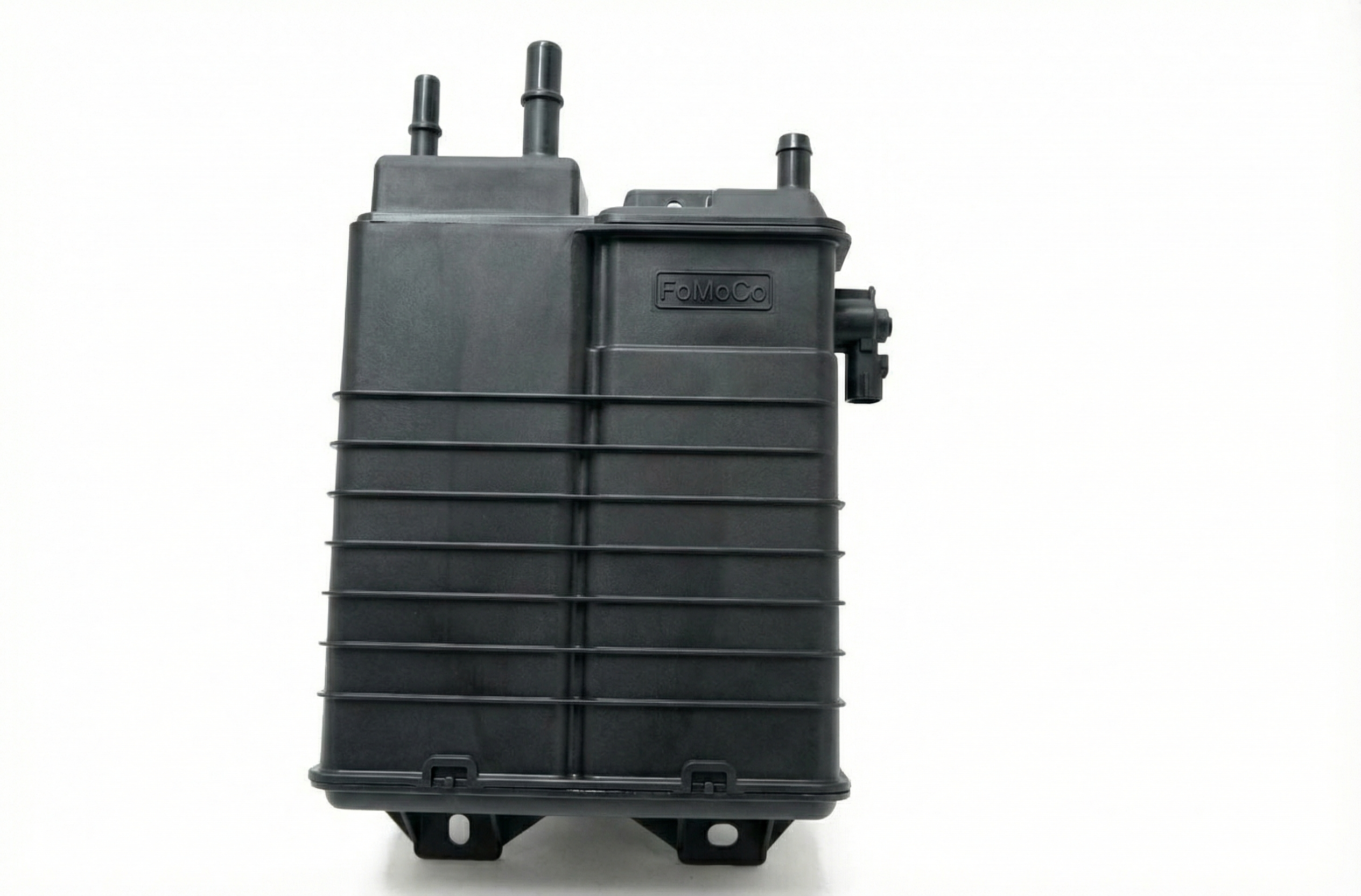
New Aftermarket Parts Available


The information in this article is provided for general reference and educational purposes only. Vehicle specifications, procedures, and part compatibility can vary by production date, trim level, and region. Always consult your vehicle's factory service manual and verify part numbers before purchasing or performing repairs. Safety-critical components such as airbags, seat belts, and braking systems should be installed by a qualified professional.
- Ford Mustang:
- 🎬 Helpful Videos
- 🛍️ Shop This Part
- What's Unique About the 2005-2010 Ford Mustang
- Symptoms You May Notice
- Most Likely Causes
- Rare But Worth Checking
- Diagnosis Steps
- Parts You'll Likely Need
- Related Codes That Often Appear With This One
- Technical Service Bulletins (TSBs) & Recalls
- Mechanic-Grade Diagnostic Values
- Hidden / Shadow Codes Worth Checking
- Scan Tool Commands That Help
- Wiring & Ground Locations
- Real Owner Repair Stories
- "I Checked Everything" — The Actual Cause
- OEM Part Supersession History
- Model Year Variations Within This Range
- Diagnostic Flowchart
- Other Known Issues on This Vehicle
- Used vs. New Parts: Buying Guide for This Vehicle
- Real Owner Stories
- Ford Mustang (Year not specified in source)
- Ford Mustang (Year not specified in source)
- Related OBD-II Codes
- Frequently Asked Questions
- 🎟️ Get 5% Off