

P0455 on 2009-2020 Dodge Journey: EVAP Large Leak Causes and Fixes
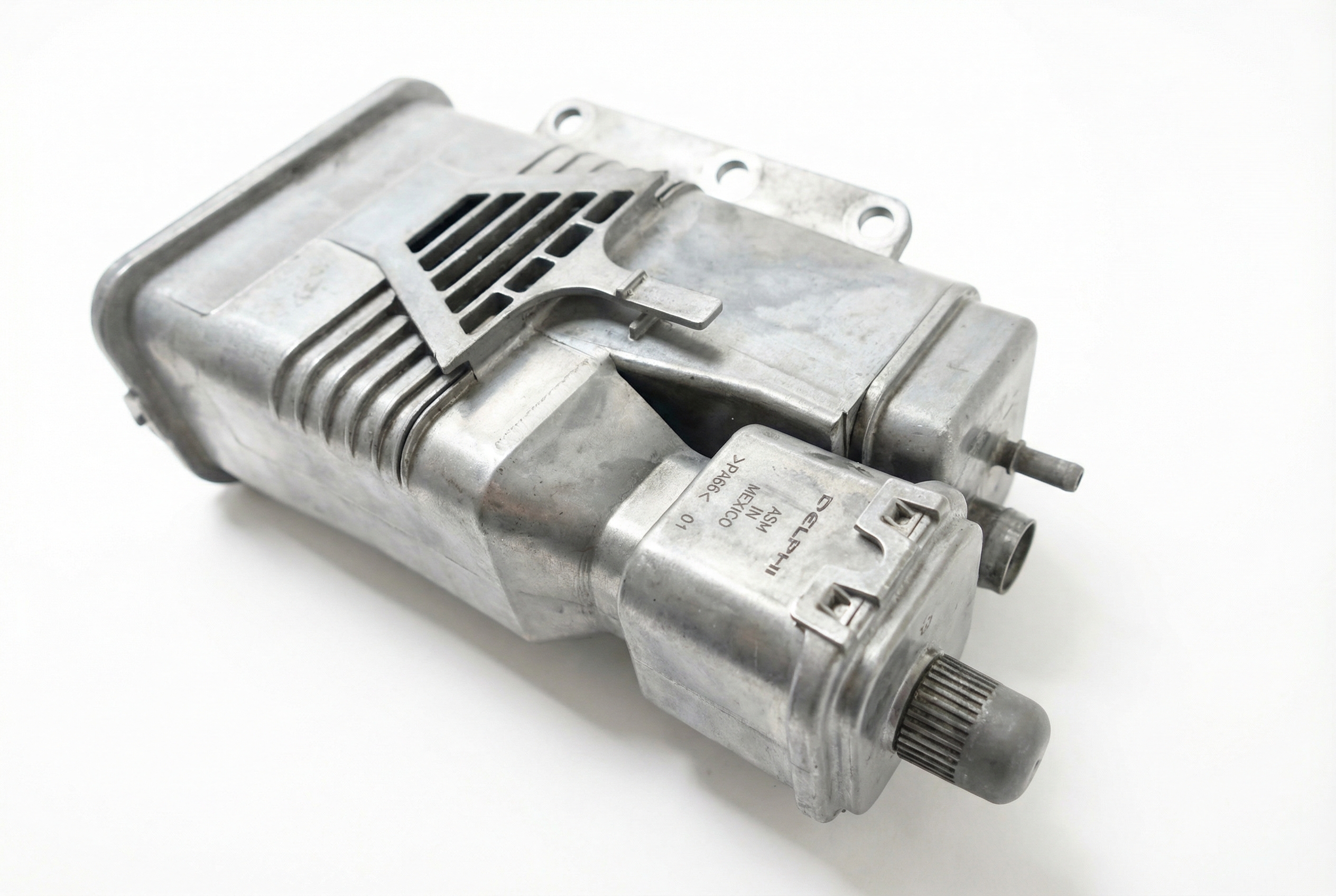
The P0455 code on a Dodge Journey almost always points to a loose or faulty gas cap. If not the cap, the next most likely cause is a failed EVAP leak detection pump (ESIM module), Mopar P/N 04861959AD, located near the spare tire. A new gas cap is about $15-$30, while an ESIM module is around $50. Both are common DIY fixes.
- Always check the gas cap first for code P0455. Ensure it's tight and the seal is intact. This solves the problem a majority of the time.
- If the gas cap isn't the issue, the next most likely failure on a Dodge Journey is the EVAP System Integrity Module (ESIM), also called the leak detection pump, located by the spare tire.
- While other issues like cracked hoses or a bad purge valve can cause P0455, they are less common than the gas cap or ESIM.
- You can continue to drive the vehicle with this code, but you should get it fixed to pass emissions testing and prevent releasing fuel vapors into the environment.
What's Unique About the 2009-2020 Dodge Journey

The Dodge Journey, like many Chrysler/Dodge/Jeep products of this era, uses an Evaporative System Integrity Module (ESIM), also called a leak detection pump, to test the EVAP system. This specific component is a frequent failure point. It contains a weighted plunger that is supposed to move and seal the system for testing; however, it often gets stuck in the open position. The computer interprets this stuck-open state as a large leak, triggering the P0455 code. While the gas cap is always the first suspect, this ESIM module is a well-documented, platform-specific weak point that often causes the P0455 code after the gas cap has been ruled out.
Generation note: The Dodge Journey was produced in a single generation from 2009 to 2020. While there were facelifts and engine changes (2.4L I4, 3.5L V6, 3.6L V6), the fundamental design of the EVAP system and the common failure points for code P0455 are consistent across the entire year range. The Fiat Freemont, its European counterpart, shares the same components and issues.
Symptoms You May Notice
- Check Engine Light (CEL) is on
- A noticeable smell of gasoline, especially around the rear of the vehicle near the fuel tank or filler neck.
- The vehicle's onboard computer may display a "Check Gas Cap" or similar message on the instrument cluster.
- In rare cases, if the purge valve is stuck wide open, it can create a vacuum leak large enough to cause a rough idle or difficulty starting.
- Replacing the purge valve when the gas cap or ESIM module is the actual problem. While the purge valve can fail, it's less common for a large leak code without other accompanying codes like P0441.
- Immediately performing an expensive smoke test before replacing the inexpensive gas cap and considering the high-failure-rate ESIM module.
Most Likely Causes

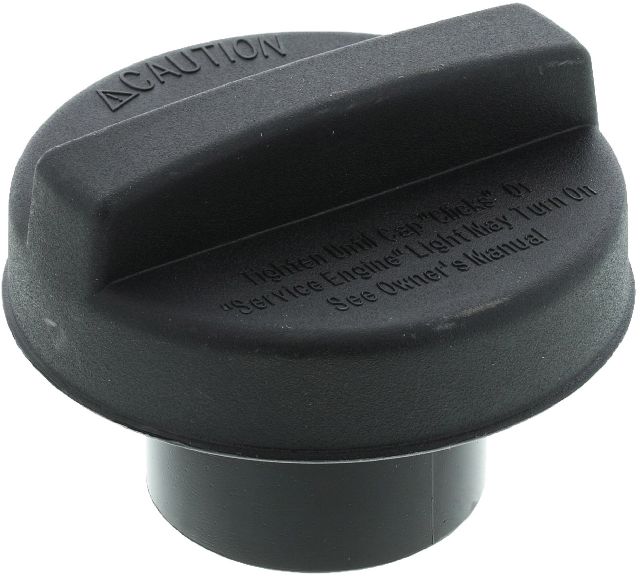
- Loose, Damaged, or Incorrect Gas Cap 🔴 High Probability This is the most common cause for P0455 on any vehicle. The seal on the cap can dry out, crack, or the cap may not have been tightened properly after refueling.
How to confirm: Inspect the gas cap for cracks or a worn-out, brittle rubber seal. Ensure it is tightened until it clicks at least once. If the light returns after a few drive cycles, this is likely not the cause. A new cap is a cheap and easy first step.
Typical fix: Tighten or replace the gas cap.
Est. part cost: $15-$30 - Faulty EVAP System Integrity Module (ESIM) / Leak Detection Pump 🟡 Medium Probability This Chrysler-specific component is known to fail by getting stuck in the open position, which the system registers as a large leak. Its location under the vehicle exposes it to road grime and moisture, contributing to its failure.
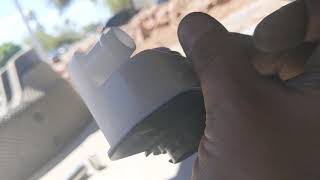
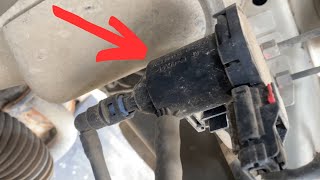
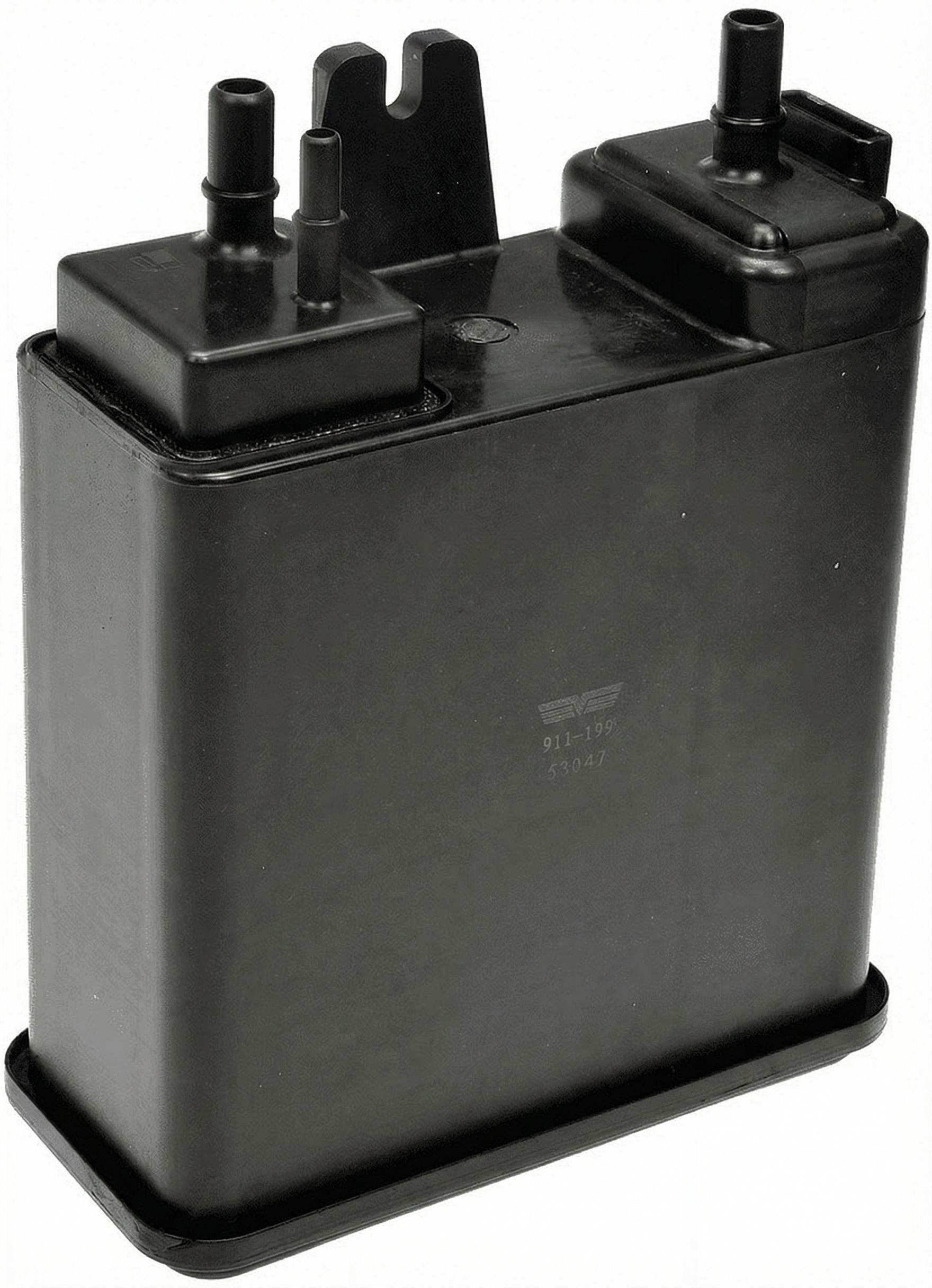
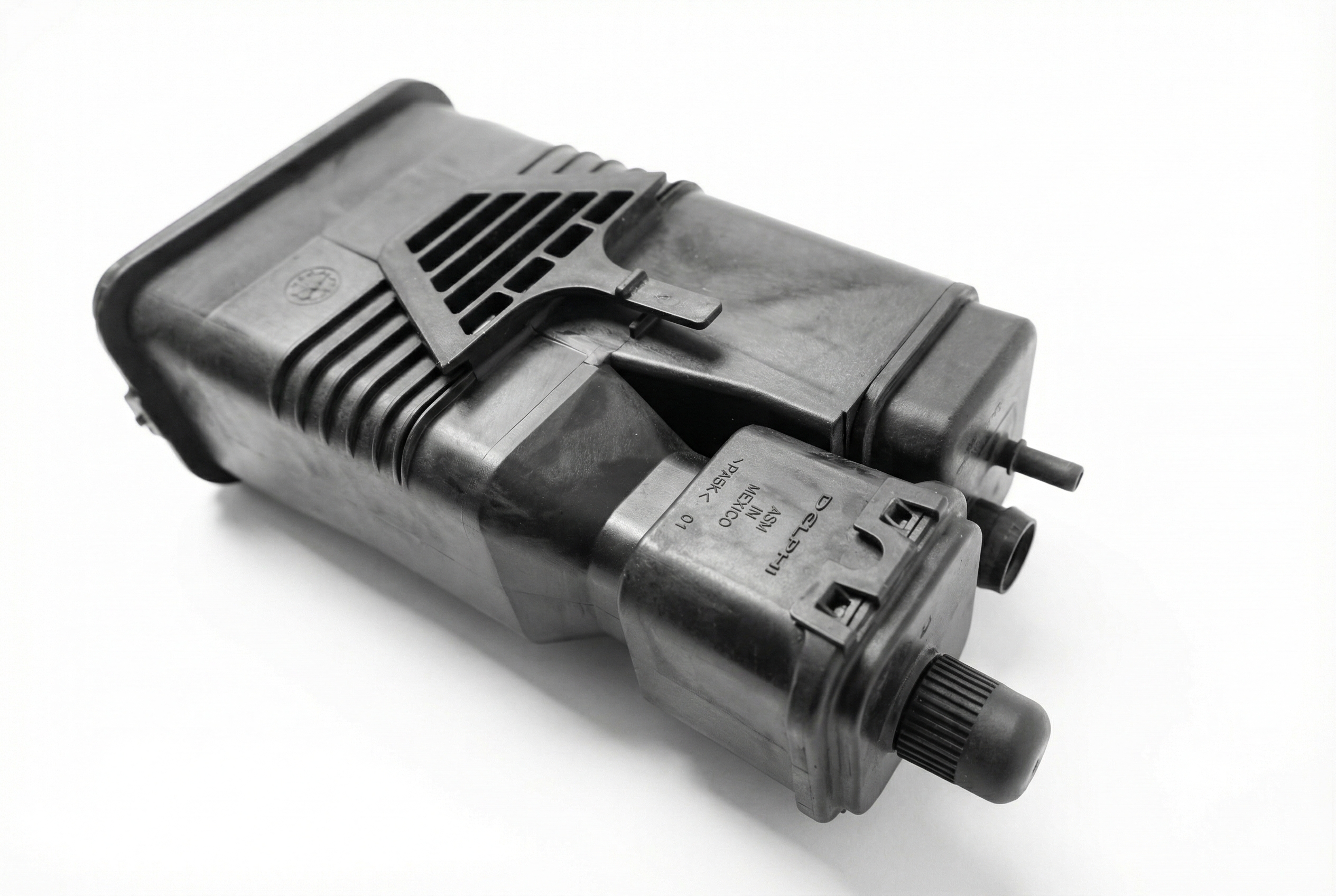
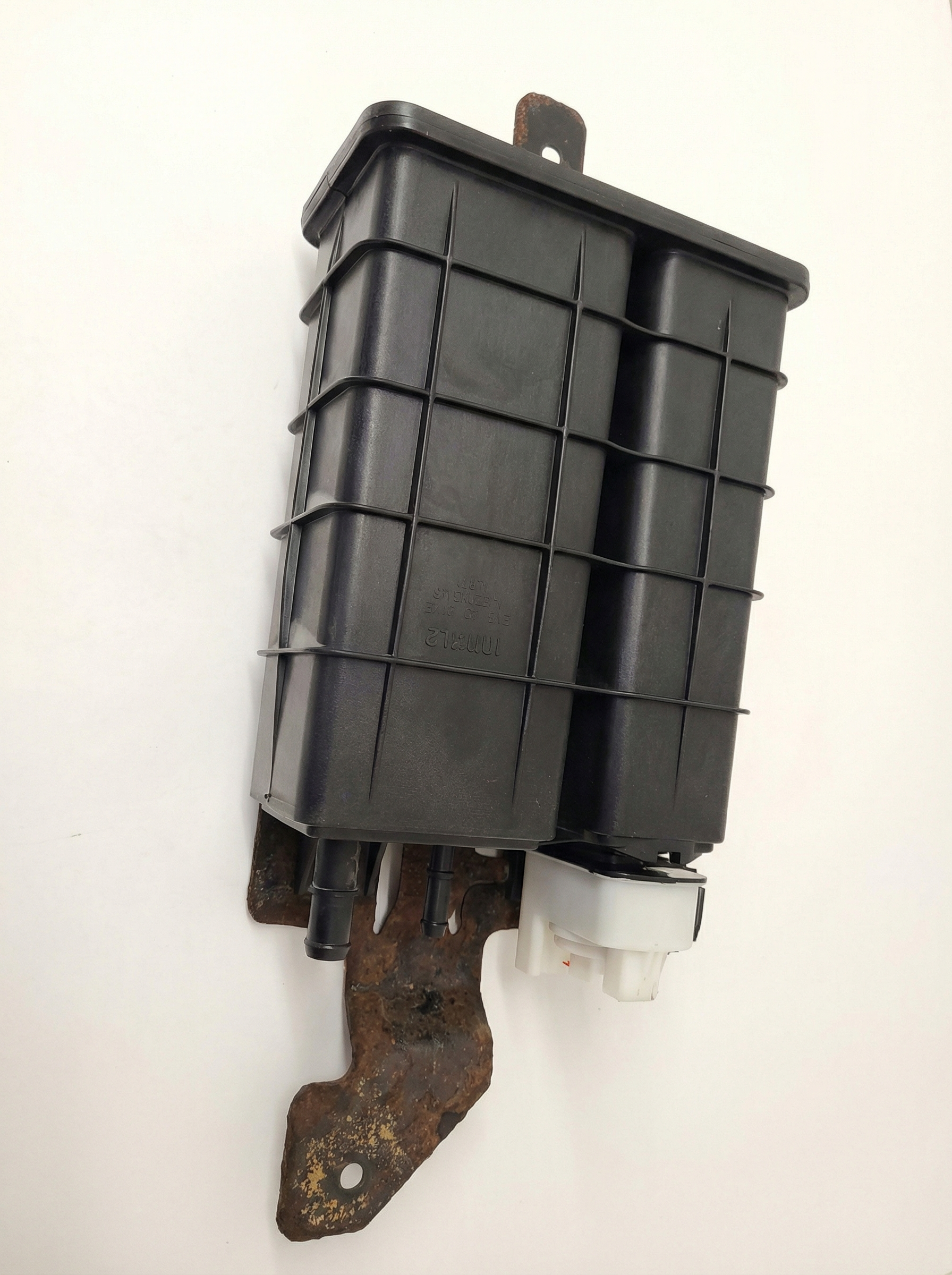
How to confirm: The part is located on the charcoal canister, under the vehicle near the spare tire. After ruling out the gas cap, this is the next logical part to replace. A YouTube video shows the replacement process on a 2011 Journey, which involves lowering the spare tire, unbolting a bracket, and twisting the old ESIM out of the canister. 🎬 Watch this walkthrough of the ESIM replacement on a 2011 Journey. Testing it is difficult without a bidirectional scan tool to command the EVAP test.
Typical fix: Replace the ESIM/Leak Detection Pump. This involves lowering the spare tire for access, disconnecting one electrical connector and one hose, and twisting the module a quarter-turn to release it from the canister.
Est. part cost: $40-$60 - Faulty EVAP Purge Solenoid/Valve ⚪ Low Probability The purge valve can get stuck open, creating a constant vacuum leak from the EVAP system into the engine.
How to confirm: The valve is located in the engine bay, near the back of the engine on the 2.4L or on the side of the intake manifold on the 3.6L. 🎬 See how to locate and replace the purge solenoid on a 2.4L engine. With the engine off, remove the valve and try to blow through it. If air passes through, it is stuck open and needs replacement. Often, a faulty purge valve will be accompanied by other codes like P0441 (Incorrect Purge Flow).
Typical fix: Replace the purge solenoid/valve.
Est. part cost: $25-$50 - Cracked or Disconnected EVAP Hoses ⚪ Low Probability Rubber and plastic hoses become brittle over time due to heat and age, leading to cracks. The P0455 code implies a large leak, so it would likely be a hose that is completely disconnected or has a large, visible crack.
How to confirm: A visual inspection of all EVAP lines from the engine bay to the charcoal canister may reveal obvious cracks or disconnections. A definitive diagnosis requires a smoke test, where a machine fills the EVAP system with visible vapor to pinpoint the exact location of the leak.
Typical fix: Replace the cracked section of hose or re-secure a disconnected line.
Est. part cost: $10-$40
Rare But Worth Checking
- Cracked Charcoal Canister: The plastic housing of the charcoal canister can crack from road debris impact or age, creating a large leak. This is usually found during a smoke test after all other common components have been checked.
- Leaking Fuel Tank Filler Neck: Rust or corrosion on the metal filler neck where the gas cap seals can prevent a proper seal, even with a new cap. Inspect the neck for bubbling paint, rust, or pitting when you check the cap.
Diagnosis Steps
- Check the Gas Cap: This is the most common and cheapest fix. Remove the cap, inspect the seal for cracks, and clean the sealing surfaces. Reinstall it and ensure it clicks several times. Clear the code and drive for a few days to see if it returns.
- Visual Inspection: Look under the vehicle near the fuel tank and in the engine bay for any obviously cracked, disconnected, or damaged EVAP hoses. 🎬 Watch this guide on common causes and fixes for the P0455 code. A large leak is often visible.
- Replace the ESIM Module: If the gas cap is confirmed good, the next most likely culprit on a Dodge Journey is the EVAP System Integrity Module (ESIM). It is located on the charcoal canister by the spare tire. Given its high failure rate and moderate cost, many owners choose to replace it as the second step. The Mopar part number is 04861959AD, which supersedes 04861959AA, AB, and AC.
- Test the Purge Valve: Locate the purge valve in the engine bay. Disconnect it and attempt to blow through it. If air passes, it's stuck open and must be replaced. This is a more likely cause if code P0441 is also present.
- Perform a Smoke Test: If the leak source is still not found, the most effective method is a smoke test. A mechanic will connect a smoke machine to the EVAP system service port. Smoke is forced into the system, and any leaks will be visible as smoke escapes from the cracked hose, canister, or filler neck.
Parts You'll Likely Need

- Gas Cap
(OEM #52124512AA (Check by VIN))— This is the most frequent cause of a P0455 code due to a loose fit or a worn-out seal.
Trusted brands: Mopar, Stant
OEM price range: $25-$40
Aftermarket price range: $15-$25 - EVAP System Integrity Module (ESIM) / Leak Detection Pump
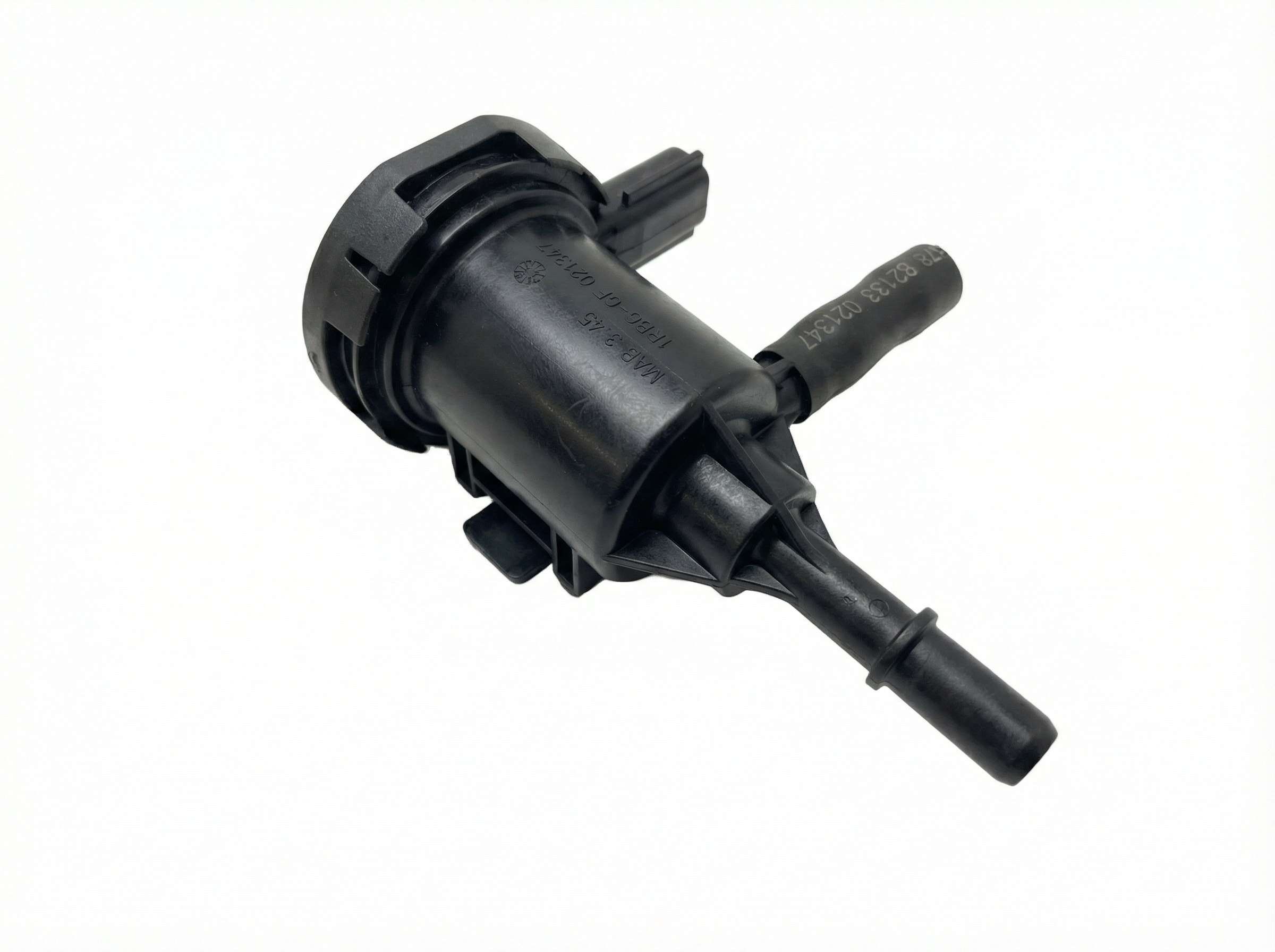
(OEM #04861959AD)— This is a common failure point on Dodge/Chrysler vehicles. It gets stuck open, tricking the computer into thinking there is a large leak. The part number 04861959AD is the latest revision, replacing 4861959AA, AB, and AC.
Trusted brands: Mopar, Dorman, Standard Motor Products
OEM price range: $50-$70
Aftermarket price range: $35-$55 - EVAP Purge Solenoid
(OEM #04891731AA (Check by VIN))— Can get stuck open, causing a leak. It's a more likely cause if code P0441 is also present.
Trusted brands: Mopar, Bosch, Standard Motor Products
OEM price range: $40-$60
Aftermarket price range: $25-$45
Related Codes That Often Appear With This One
- P0456 — P0456 indicates a small EVAP leak. Sometimes a failing component like an ESIM or purge valve can initially cause a small leak before it worsens and triggers the P0455 for a large leak.
- P0441 — This code indicates incorrect purge flow and often points directly to a malfunctioning purge valve in the engine bay. If you see P0455 and P0441 together, the purge valve is a strong suspect.
- P0457 — This code indicates a leak detected due to a loose or missing fuel cap. It's functionally very similar to P0455 and reinforces the gas cap as the primary suspect.
Technical Service Bulletins (TSBs) & Recalls
- TSB #18-019-14 REV. A - PCM update for P0456 on some 3.6L models.
- TSB #18-089-19 - Details the use of the wiTECH scan tool for diagnosing a P0456 small leak, showing the official dealer diagnostic procedure.
- Bulletin #S2025000004 - Notes that technicians may observe DTC P0456 or P0455 set in the PCM when a customer complains of a MIL lamp illumination.
- Bulletin #1809423 - A manufacturer bulletin for the same make notes that P0455 may be found alongside P0456, P0440, or P0441 during investigation of a check engine light.
- Bulletin #1400522REVB - Describes instances where P0455 and P0456 are set, sometimes accompanied by P04EC (Large Leak Detected - Fuel Tank Side) or P04EE.
- Bulletin #1807422 - Lists P0455 as a possible code alongside P0452 (Pressure Switch Stuck Closed) and P0440.
Platform-Specific Known Issues
- A Technical Service Bulletin (TSB) #18-019-14 REV. A was issued for some 2011-2014 Chrysler vehicles with the 3.6L engine for P0456 (small leak), which could be resolved with a PCM software update. While not for P0455 specifically, it shows the PCM logic can be a factor, though part failure is far more common for a large leak.
- Owners on dodgejourneyforum.com frequently discuss the P0455 code. The consensus repair path is always gas cap first, then ESIM module. Many threads confirm this two-step process resolves the issue without needing a smoke test.
Mechanic-Grade Diagnostic Values
- EVAP Purge Solenoid Coil Resistance — expected: 14 to 36 ohms. A 2019 2.4L Journey owner measured a proper valve at 28-36 ohms, while another video showed a working Dodge valve at 14.4 ohms.. Failure: An open circuit (infinite resistance) or a reading significantly outside the expected range indicates a failed solenoid coil.
- EVAP Purge Solenoid Connector Voltage — expected: 11-12 Volts (battery voltage) with key on, engine off.. Failure: No voltage at the connector points to a wiring issue, a blown fuse, or a problem with the PCM, not the solenoid itself.
Scan Tool Commands That Help
- WiTech or equivalent bidirectional scanner: EVAP System Test — This command forces the vehicle's computer to run the EVAP leak test on demand, sealing the system and monitoring for pressure loss. It's used to confirm if a repair was successful without waiting for a full drive cycle.
- WiTech or equivalent bidirectional scanner: Purge/Seal Function — Allows the technician to manually command the purge and vent solenoids open or closed. This is essential for diagnosis, as you can seal the system and then use a smoke machine to find the leak, or command the purge valve open to check for flow.
- WiTech or equivalent bidirectional scanner: Read EVAP Monitor Data / Mode 6 — To view the raw data from the last EVAP self-test. This can provide clues about the size of the leak and under what conditions the test failed, even before a full-blown code is set.
Wiring & Ground Locations
- Main Battery Ground Stud — Located on the driver's side strut tower in the engine bay. The negative battery cable connects here.. This is the central ground point for the entire vehicle. Forum users report that the stock 4-gauge ground cables on the Journey are undersized and prone to causing various electrical issues. Upgrading the ground from this stud to the engine block is a common recommendation to improve overall electrical stability, which can prevent erroneous sensor readings.
- G300 / G301 — These are primary chassis ground points located in the driver and passenger kick panel areas.. Interior-located modules, including potentially the PCM or body control module which process EVAP data, rely on these grounds. A corroded or loose kick panel ground can cause unpredictable electronic behavior.
- Passenger Strut Tower Ground Studs — Located on the passenger side strut tower in the engine bay.. A stock ground wire runs from the passenger side engine mount to these studs. A poor connection here can affect the grounding of engine-mounted sensors and actuators, including the purge solenoid.
- Purge Solenoid Connector — A 2-pin connector attached to the purge solenoid, located on the back of the engine (2.4L) or side of the intake (3.6L).. This connector provides power and control signals to the purge solenoid. Damage to the connector or its wiring is a common cause of EVAP circuit codes (like P0443) and can sometimes be related to leak codes if it prevents the valve from closing properly.
Real Owner Repair Stories
- YouTube video by 'Repairs and Stuff' (2011 Dodge Journey Main Street, 3.6L V6, ~135,000 miles) — Check engine light with a P0455 'gross evap leak' code.
❌ Tried (didn't work) Replaced the gas cap with a new Mopar E85-compatible cap., Replaced the EVAP purge valve and its associated vacuum harness.
✅ What actually fixed it The code remained after replacing the gas cap and purge valve. The final fix was replacing the EVAP System Integrity Module (ESIM) / Leak Detection Pump located on the charcoal canister under the spare tire. The video explains the ESIM gets stuck open, which the computer interprets as a large leak. - NHTSA ODI #11204850 — An owner of a similar manufacturer model reported a P0455 check engine light at 60,000 miles, which was diagnosed as a cracked EVAP purge hose.
OEM Part Supersession History
04861959AA, 04861959AB, 04861959AC→04861959AD— Standard revision and improvement of the part over time.
Heads up: The 'AD' revision is the current, correct part and is backward compatible with vehicles that used the earlier versions. Using an older revision is not recommended as they are more prone to the original failure mode.
Diagnostic Flowchart

Other Known Issues on This Vehicle
Issues unrelated to this code that are worth knowing about as an owner of this generation:
- Leaking Oil Filter Housing (3.6L V6) 🔴 High — Extremely common, especially on models over 60,000 miles. The plastic housing cracks due to heat cycles, leaking oil into the engine valley. (Ref: TSB #9003357 and others relate to this part, offering service instructions.)
- Premature Brake Wear 🟠 Medium — Widespread complaints from owners about needing to replace pads and rotors more frequently than expected, sometimes as early as 20,000-30,000 miles.
- Uconnect Infotainment System Glitches 🟡 Low — Common across many model years. Issues include Bluetooth connectivity problems, screen freezing, or the radio module failing entirely.
- Transmission Problems (62TE 6-Speed) 🔴 High — Complaints of harsh shifting, shuddering, or outright failure are noted, particularly in 2014-2016 models. (Ref: Recall S44 (NHTSA #16V-461) for 2016 models for a failing transmission pump that could cause loss of power.)
- Engine Ticking / Rocker Arm Failure (3.6L V6) 🔴 High — A distinct ticking noise from the top of the engine often indicates failed rocker arms or lifters, a known issue with the Pentastar V6.
- Electrical and Wiring Problems 🟠 Medium — Reported frequently in earlier models (2009-2012), involving issues with broken wires in door harnesses, starting problems, and random electronic failures.
Used vs. New Parts: Buying Guide for This Vehicle
When a used part is the smart pick: For this specific P0455 repair, using used parts is generally not recommended for the common failure items. The gas cap, ESIM, and purge valve are all relatively inexpensive new and are known wear/failure items. A used part may have very little life left. A used charcoal canister from a low-mileage, non-corrosion-belt vehicle could be a cost-effective option if the canister itself is cracked, as it is a more expensive part.
Donor-vehicle mileage cap: roughly under 50000 miles for the part to have meaningful remaining life.
What to inspect on the donor part:
- For a charcoal canister, inspect for any visible cracks or damage to the plastic housing.
- Ensure all hose ports are intact and not broken.
- Avoid parts from vehicles in the rust belt, as corrosion can affect the filler neck and other metal components.
OEM-only on this vehicle (don't cheap out):
- Gas Cap: While aftermarket caps exist, many forum users and technicians strongly recommend using an OEM Mopar gas cap. Aftermarket caps can have slightly different tolerances that fail to seal properly on this system, causing the code to return.
- ESIM Module: Given this is a high-failure part with a specific design for Chrysler vehicles, using an OEM Mopar part is the safest bet to ensure compatibility and longevity.
Aftermarket brands forum-validated for this vehicle:
- Dorman
- Standard Motor Products (SMP)
Brands owners have reported issues with on this vehicle:
- Unbranded, no-name parts from online marketplaces are frequently cited as being problematic or failing shortly after installation.
Real Owner Stories
Aggregated from forums and TSBs cited above. Mileages and costs reflect what owners reported in those sources.
2011 Dodge Journey
Symptoms: P0455 and P0456 Evap Leak Codes present. Owner attempted to fix by replacing the gas cap and the purge valve first.
What fixed it: Replacing the ESIM (Evap System Integrity Module) on the charcoal canister finally resolved the codes.
Source hint: YouTube: Video 'P0455, P0456 Evap Leak Codes on 2011 Dodge Journey' by user 'Repairs and Stuff'
Dodge Journey (General)
Symptoms: User inquiring about P0455 code on a forum dedicated to the vehicle.
What fixed it: The consensus repair path identified by the community is replacing the gas cap first, followed by the leak detection pump (ESIM).
Source hint: dodgejourneyforum.com: Thread 'P0455 - Engine & Transmission'
Related OBD-II Codes
Frequently Asked Questions
Does TSB #18-019-14 REV. A apply to my 2012 Dodge Journey with a P0455 code?
Where is the ESIM / Leak Detection Pump located on my Journey?
What is the specific Mopar part number for the ESIM module replacement?
How can I tell if my purge valve is the cause of the P0455 code?
Is there a recall for the transmission on my 2016 Dodge Journey?
My instrument cluster says 'Check Gas Cap' but the cap looks fine. What is the next step?
Helpful Videos
Used OEM Parts in Stock
New Aftermarket Parts Available


The information in this article is provided for general reference and educational purposes only. Vehicle specifications, procedures, and part compatibility can vary by production date, trim level, and region. Always consult your vehicle's factory service manual and verify part numbers before purchasing or performing repairs. Safety-critical components such as airbags, seat belts, and braking systems should be installed by a qualified professional.
- Dodge Journey:
- 🎬 Helpful Videos
- 🛍️ Shop This Part
- What's Unique About the 2009-2020 Dodge Journey
- Symptoms You May Notice
- Most Likely Causes
- Rare But Worth Checking
- Diagnosis Steps
- Parts You'll Likely Need
- Related Codes That Often Appear With This One
- Technical Service Bulletins (TSBs) & Recalls
- Platform-Specific Known Issues
- Mechanic-Grade Diagnostic Values
- Scan Tool Commands That Help
- Wiring & Ground Locations
- Real Owner Repair Stories
- OEM Part Supersession History
- Diagnostic Flowchart
- Other Known Issues on This Vehicle
- Used vs. New Parts: Buying Guide for This Vehicle
- Real Owner Stories
- 2011 Dodge Journey
- Dodge Journey (General)
- Related OBD-II Codes
- Frequently Asked Questions
- 🎟️ Get 5% Off