

P0455 on 2008-2014 Dodge Avenger: EVAP Large Leak Causes and Fixes
For a 2008-2014 Dodge Avenger, code P0455 most often means you have a loose or faulty gas cap. If tightening or replacing the gas cap doesn't fix it, the next most likely causes are a faulty EVAP Leak Detection Pump (also called an ESIM) or a bad purge valve solenoid.
- P0455 means your Avenger has a large leak in the fuel vapor (EVAP) system.
- Always check the gas cap first. Make sure it's tight and the seal is intact. This solves the problem more than half the time.
- If the gas cap isn't the issue, the most likely culprits are the purge valve in the engine bay or the leak detection pump near the gas tank.
- You can continue to drive the car without harming the engine, but you will fail an emissions test and may notice a slight fuel odor.
- A smoke test is the most reliable professional method to find a leak if the cause isn't obvious.
What's Unique About the 2008-2014 Dodge Avenger

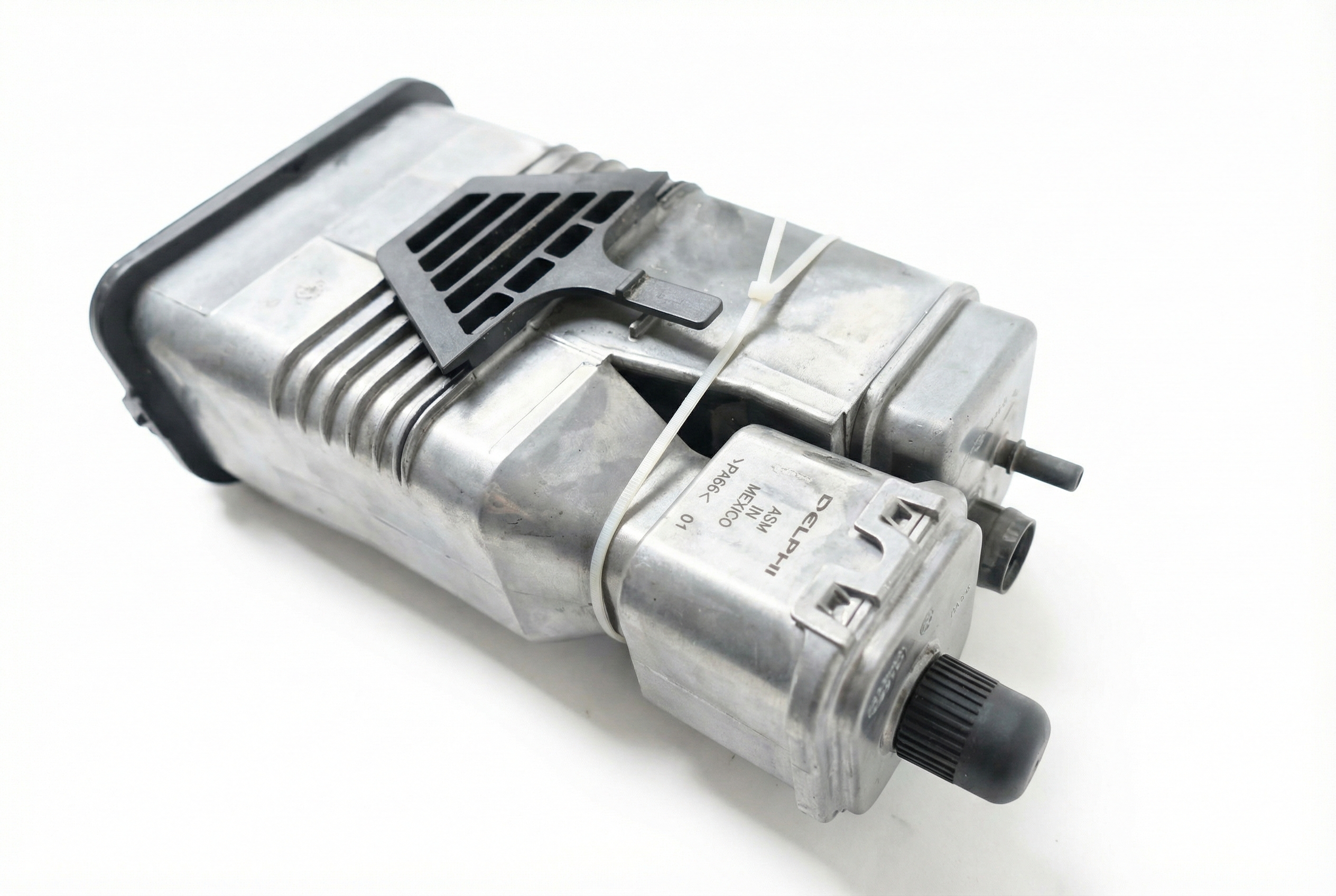
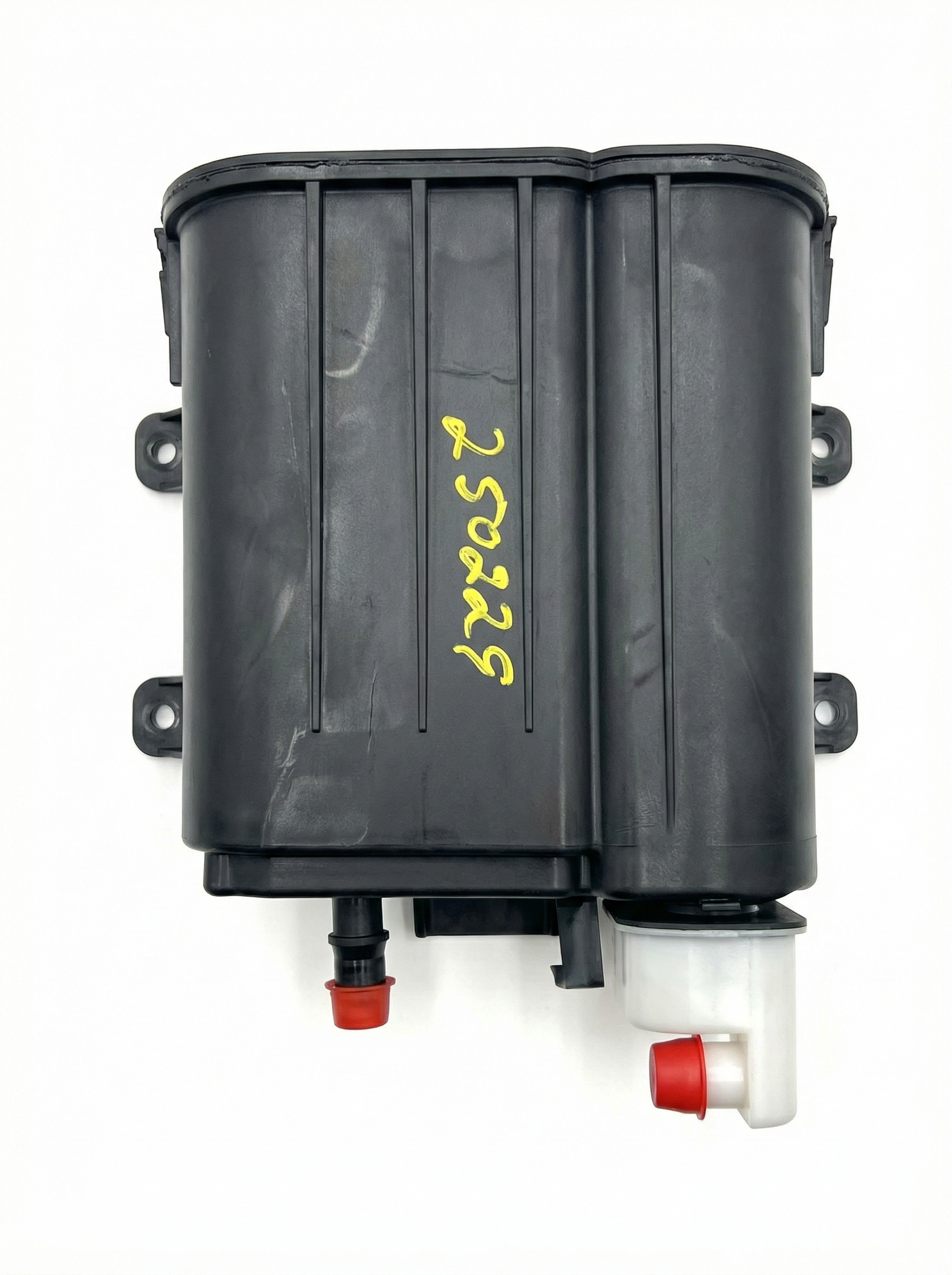
On this generation of Dodge Avenger, like many Chrysler products of the era, the EVAP system uses a component called an Evaporative System Integrity Module (ESIM) or Leak Detection Pump (LDP) to test the system's integrity. This module is mounted directly on the charcoal canister near the fuel tank and is a very common failure point. The internal valve can fail, creating the large leak that triggers the code. While a loose gas cap is always the first suspect, a faulty ESIM/LDP or a stuck-open purge valve are frequent culprits on these specific vehicles.
Symptoms You May Notice
- Check Engine Light is on
- A faint smell of fuel, especially around the rear of the vehicle or in the garage after being parked.
- Remote start may be disabled by the system when a Check Engine Light is active.
- A whooshing sound may be heard or a fuel odor noticed when inspecting the EVAP system hoses.
- Replacing the oxygen sensors. O2 sensors are not related to the EVAP system.
- Replacing the fuel injectors. While fuel-related, injectors are not part of the sealed vapor system.
- Immediately replacing the charcoal canister. The canister itself is rarely the point of failure; it's more often a connected component like the ESIM/LDP or a hose.
Most Likely Causes

- Loose, Damaged, or Incorrect Gas Cap 🔴 High Probability This is the most common cause for a P0455 code on any vehicle, as the cap seal can degrade over time or simply not be tightened correctly after refueling. Even the tether getting caught under the cap can break the seal and cause the code.
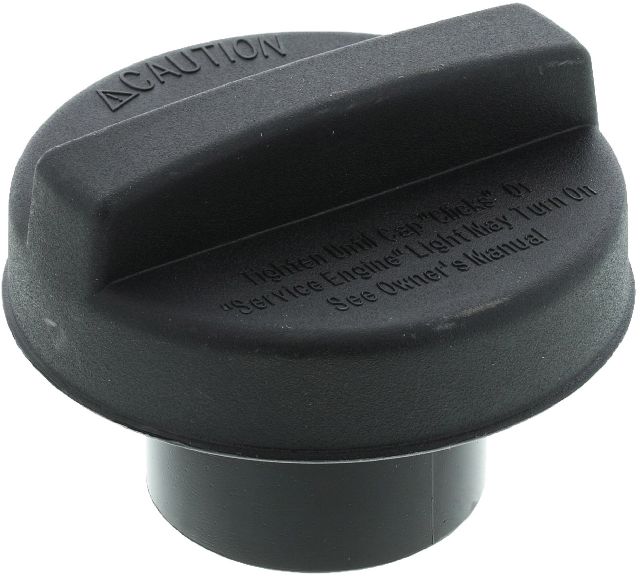
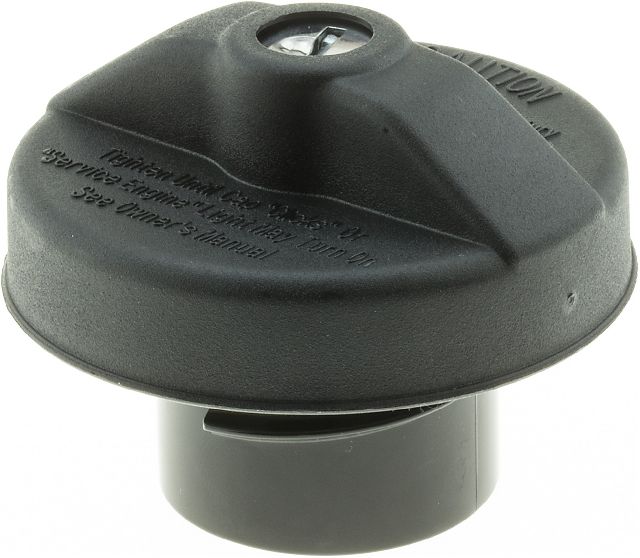
How to confirm: Inspect the gas cap for cracks or damage to the rubber O-ring seal. Ensure it is tightened until it clicks at least once. If the cap looks worn or damaged, it's an inexpensive and easy first replacement. An OEM Mopar cap is recommended for best fit.
Typical fix: Tighten or replace the gas cap.
Est. part cost: $15-$35 - Faulty EVAP Leak Detection Pump / ESIM 🟡 Medium Probability The ESIM (Evaporative System Integrity Module), also called a Leak Detection Pump, is a known failure point on many Chrysler/Dodge vehicles of this era. It's a single assembly that often contains the vent valve and pressure sensor. The internal valve can fail, creating a large leak.
How to confirm: The ESIM is located near the fuel tank, mounted on the charcoal canister. Diagnosis can be tricky without a scan tool, but it's a high-probability part to fail after the gas cap is ruled out. A smoke test is the definitive way to confirm a leak at this component or its seals.
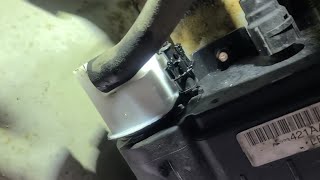
Typical fix: Replace the ESIM assembly. This involves lowering the charcoal canister, giving the old ESIM a quarter-turn to remove it, and installing the new one.
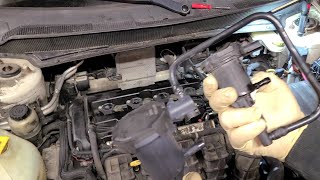
Est. part cost: $50-$100 - Faulty Purge Valve/Solenoid 🟡 Medium Probability The purge valve, located in the engine bay, can get stuck open, creating a constant vacuum leak into the EVAP system and triggering a large leak code. This is a common failure item on the 2.4L engine. 🎬 Watch: Step-by-step purge valve replacement for the 2.4L engine.
How to confirm: Remove the purge valve from its bracket in the engine bay. It should be normally closed. Try to blow air through either port; if you can blow through it, it is stuck open and needs to be replaced.
Typical fix: Replace the purge valve solenoid.
Est. part cost: $25-$50 - Cracked or Disconnected EVAP Hoses ⚪ Low Probability Rubber and plastic hoses become brittle with age and exposure to the elements, leading to cracks, especially at connection points near the engine or canister.
How to confirm: Visually inspect all accessible EVAP lines running from the fuel tank to the charcoal canister and up to the engine bay. A smoke test is the most effective method, where low-pressure smoke is introduced into the system via the service port, and any leaks become visible.
Typical fix: Replace the cracked or damaged section of hose.
Est. part cost: $5-$20
Rare But Worth Checking
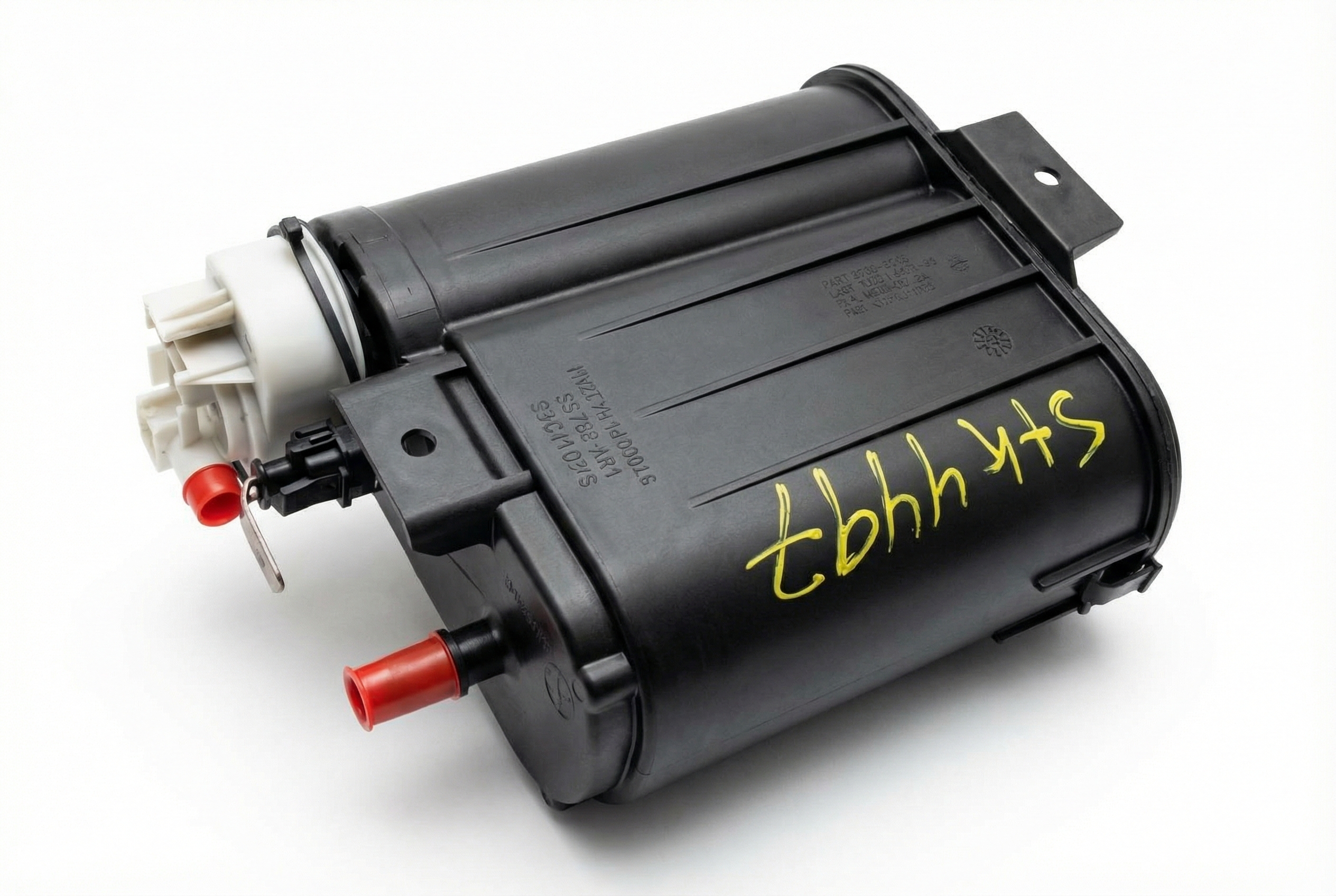
- Cracked Charcoal Canister: The plastic housing of the charcoal canister can crack due to road debris impact or age, creating a large leak. This is usually found during a visual inspection or with a smoke test.
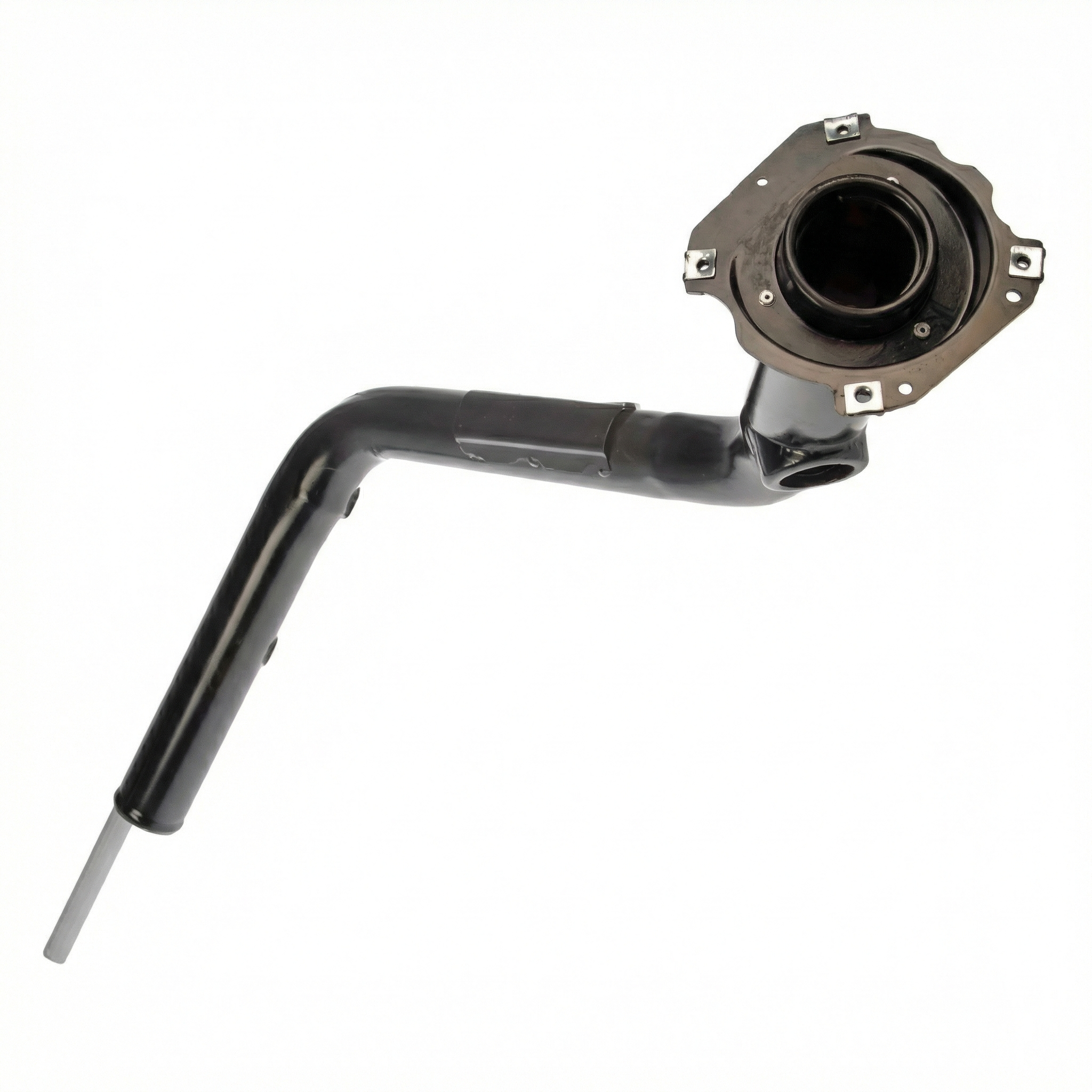
- Damaged Fuel Filler Neck: Rust or physical damage can compromise the sealing surface where the gas cap sits, preventing a proper seal and causing a P0455 code. This is more common in salt-belt regions.
Diagnosis Steps

- Read the code with an OBD-II scanner to confirm P0455 is present.
- Inspect the gas cap. Remove it, check for cracks or a worn seal, and then reinstall it, ensuring it clicks several times. Check that the tether is not caught under the seal.
- Clear the code with the scanner and drive for a few days. The EVAP monitor typically runs when the fuel level is between 1/4 and 3/4 full. If the code does not return, the issue was a loose gas cap.
- If the code returns, locate the purge valve in the engine bay, near the intake manifold. Disconnect its hoses and electrical connector. Try to blow through it. If air passes through, it's stuck open and must be replaced.
- If the purge valve is good, visually inspect all visible EVAP hoses for obvious cracks, breaks, or disconnections, particularly around the canister and engine bay.
- If no visible issues are found, the next most likely culprit is the Evaporative System Integrity Module (ESIM) on the charcoal canister near the fuel tank.
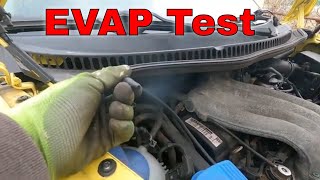
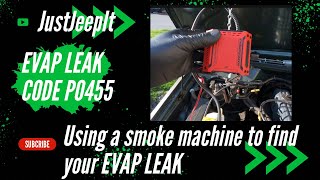
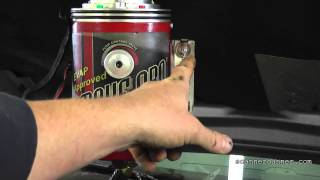
- For a definitive diagnosis, perform a smoke test. A smoke machine forces low-pressure smoke into the EVAP system's service port. Smoke will exit from the location of the leak, making it easy to spot.
Technical Service Bulletins (TSBs) & Recalls
Manufacturer service bulletins for related Dodge and Chrysler platforms frequently group P0455 with other EVAP performance codes. For instance, TSB Bulletin #1809423 and TSB Bulletin #1400522REVB note that technicians may find P0455 set alongside P0456 (small leak) or P0441 (purge performance). Additionally, TSB Bulletin #1807422 suggests using the wiTECH Small Leak Verification test if multiple codes are present to isolate the failure point.
Parts You'll Likely Need

- Gas Cap
(OEM #52030377AB, 98558FNGB (Mopar))— This is the most frequent and simplest fix for a P0455 code. The seal wears out or it's improperly tightened.
Trusted brands: Mopar, Stant, Gates, Carquest
OEM price range: $25-$40
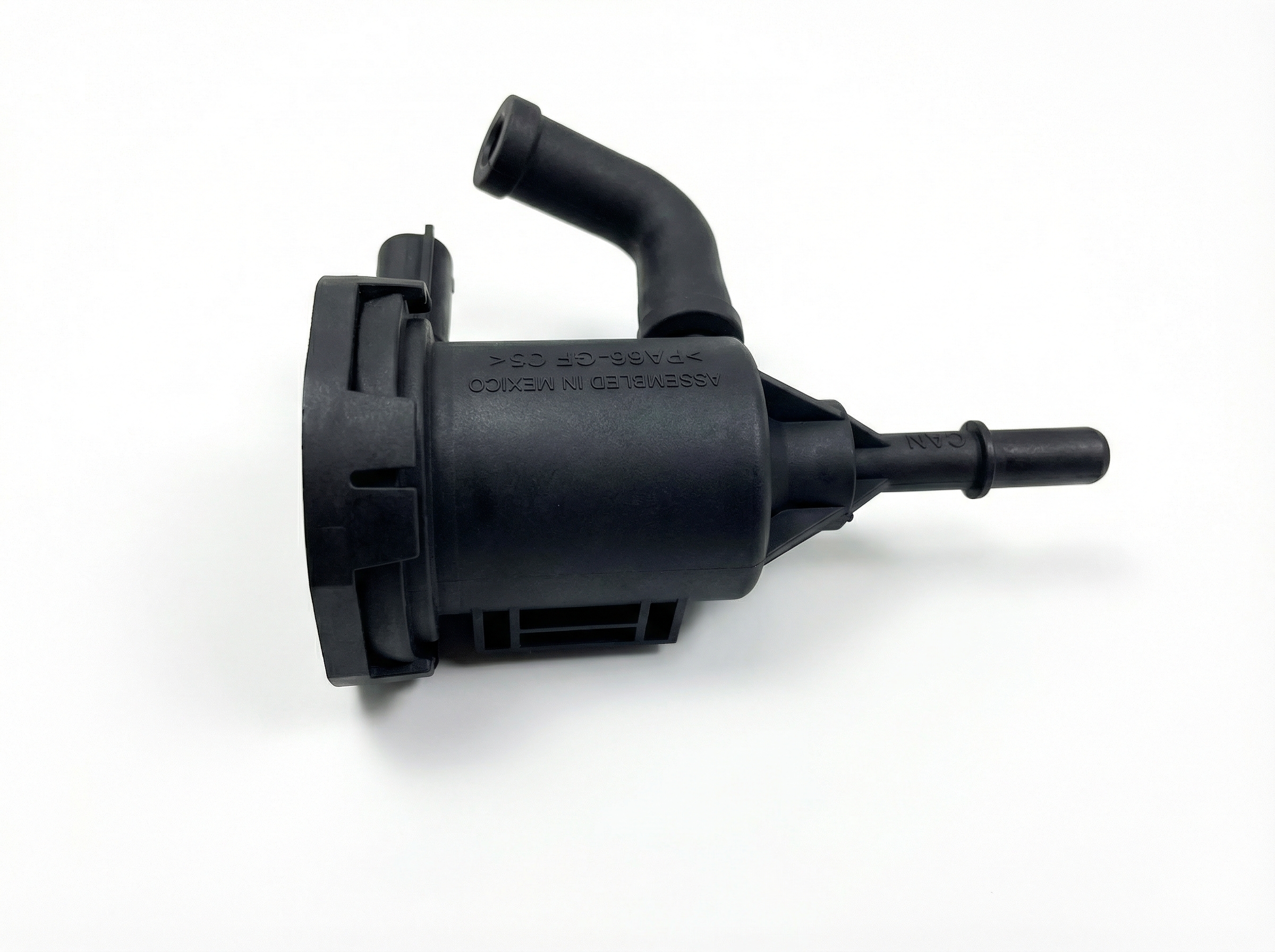
Aftermarket price range: $15-$25 - EVAP Leak Detection Pump (ESIM)
(OEM #4861962AA (Mopar))— This component, also called an Evaporative System Integrity Module (ESIM), is a common failure point on Chrysler vehicles of this era, causing a large leak when its internal valve fails.
Trusted brands: Mopar, Dorman, Standard Motor Products (SMP)
OEM price range: $70-$120
Aftermarket price range: $50-$90 - Canister Purge Valve / Solenoid
(OEM #4891735AC, 04891735AC (Mopar))— This valve can get stuck open, causing a constant leak that the system detects as 'large'. It's a common failure item located in the engine bay.
Trusted brands: Mopar, Bosch, Dorman (911-481)
OEM price range: $40-$60
Aftermarket price range: $25-$50
Related Codes That Often Appear With This One
- P0456 — P0456 indicates a small EVAP leak. Sometimes a component is beginning to fail and may initially set a small leak code before it worsens and triggers the large leak code P0455.
- P0441 — P0441 indicates incorrect purge flow. This often points directly to a malfunctioning purge valve, which can also cause a P0455 if it's stuck open.
- P0457 — Indicates a large leak detected specifically due to a loose or missing fuel cap. If this code is present with P0455, the gas cap is almost certainly the culprit.
Mechanic-Grade Diagnostic Values
- Purge Valve Solenoid Functional Test — expected: Solenoid should be normally closed. With the valve removed from the vehicle, you should NOT be able to blow air through it.. Failure: If air can be blown through the valve when it is not energized, it is stuck open and must be replaced.
- EVAP System Pressure (via Scan Tool) — expected: When the system is sealed by the PCM for a test, the fuel tank pressure sensor should show the system holding a slight vacuum (pressure drops and holds steady).. Failure: With a P0455 large leak, the pressure will fail to drop or will drop and then return to atmospheric pressure very quickly, indicating it cannot hold a vacuum.
Scan Tool Commands That Help
- Professional Scan Tool (e.g., Witech, Autel, Snap-on): EVAP System Test / Purge/Vent Solenoid Actuation — This bidirectional command allows the technician to manually open and close the purge and vent solenoids to verify their function. You can command the vent solenoid closed and the purge solenoid open to allow a smoke machine to fill the entire system for a leak test. It is used to isolate a faulty solenoid without having to remove it from the vehicle first.
Wiring & Ground Locations
- Evap/Purge Solenoid — Located in the engine bay, at the left rear of the engine compartment.. This is a primary component for the P0455 code. Knowing its location is key for visual inspection, testing, and replacement.
- ESIM / Evap System Monitor Switch — Under the left rear of the vehicle, mounted on the charcoal canister near the fuel tank.. This is the second most likely component to fail after the gas cap. It is often replaced to fix a P0455. Its location under the vehicle requires raising it for access.
- G303 (Ground) — Location varies by year. On 2008 models, it's at the left rear quarter panel. On 2012 models, it's at the left 'B' pillar. Always verify with a diagram for your specific year.. A poor ground for the ESIM or other EVAP components can cause erratic behavior or failure, potentially leading to a false code. This is an important check if electrical issues are suspected.
- Fuel Tank Pressure Sensor — On later models (e.g., 2014), this sensor is part of the fuel pump module, located on top of the fuel tank.. While less common, a faulty pressure sensor can report a large leak when none exists. Accessing it requires dropping the fuel tank or removing the rear seat for access through the service panel.
Real Owner Repair Stories
- YouTube video 'Codigo p0455 2014 Dodge Avenger' (2014 Dodge Avenger) — Check Engine Light with code P0455.
❌ Tried (didn't work) The video starts with diagnosis, not failed attempts.
✅ What actually fixed it A smoke test revealed that an EVAP line running from the fuel tank to the engine had been rubbing against the transmission shifter cable, causing a hole to be worn into the line. The fix was to repair the damaged section of the EVAP line. - NHTSA ODI #11204850 — An owner of a related Dodge vehicle reported a P0455 check engine light caused specifically by a cracked EVAP purge hose.
- NHTSA ODI #10561465 — One owner reported that after a P0455 code appeared, a dealer ran an ESIM test and vacuum test with no results, initially suggesting the cause was likely a loose gas cap.
OEM Part Supersession History
4861962AA→04861962AD— Part has been revised and updated by the manufacturer over time. The supersession chain is 4861962AA -> 4861962AB -> 4861962AC -> 04861962AD.
Heads up: The newest part number (04861962AD) is the correct replacement for all previous versions and should be used for repairs.4891735AC (Purge Valve)→4891735AD— Manufacturer revision.
Heads up: Some Mopar catalogs incorrectly list this part as the entire throttle body assembly, which has been discontinued. The purge valve for the Avenger is a separate, small solenoid located in the engine bay, not part of the throttle body itself. Ensure you are buying the standalone solenoid, not searching for a throttle body.
Model Year Variations Within This Range
- 2008-2010: These early models are known for widespread electrical issues, most notably related to the Totally Integrated Power Module (TIPM). A faulty TIPM can cause a cascade of seemingly unrelated codes and problems, including potential power issues to EVAP components. These years also had significant powertrain and interior quality issues.
- 2011-2014: The 2011 model year was a major refresh with a new interior, a new optional 3.6L Pentastar V6, and heavily revised suspension. Reliability is generally considered much better for these later years. While the EVAP system is functionally similar, some wiring and ground locations may differ from pre-refresh models (e.g., G303 ground point).
Diagnostic Flowchart
Other Known Issues on This Vehicle
Issues unrelated to this code that are worth knowing about as an owner of this generation:
- Electronic Throttle Body (ETB) Failure 🔴 High — Very common. Often causes the 'Electronic Throttle Control' (lightning bolt) light, limp mode (won't accelerate past 15 mph), and rough idle.
- Alternator / Charging System Failure 🟠 Medium — Common failure item. Symptoms include a battery light, flickering headlights/interior lights, and eventual stalling or no-start conditions. On these vehicles, the PCM controls voltage regulation, so sometimes the PCM itself is the cause of overcharging.
- 62TE Automatic Transmission Problems 🔴 High — Affects models with the 6-speed automatic. Issues include harsh shifting, slipping between gears, stalling when put into drive, and entering 'limp mode'. Problems are often traced to the solenoid pack or internal valve body wear.
- Front/Rear Subframe Corrosion 🔴 High — Significant rust perforation can occur on the front and rear crossmembers, particularly in salt-belt regions. This can lead to popping noises and, in severe cases, structural failure. (Ref: Chrysler extended the warranty to 10 years for this issue (X69 Warranty Extension) and issued TSB 23-007-17 REV. B for inspection and replacement.)
- Thermostat Failure 🟡 Low — The thermostat, often sold as a complete plastic housing, is known to fail, leading to a check engine light or lack of heat.
Used vs. New Parts: Buying Guide for This Vehicle
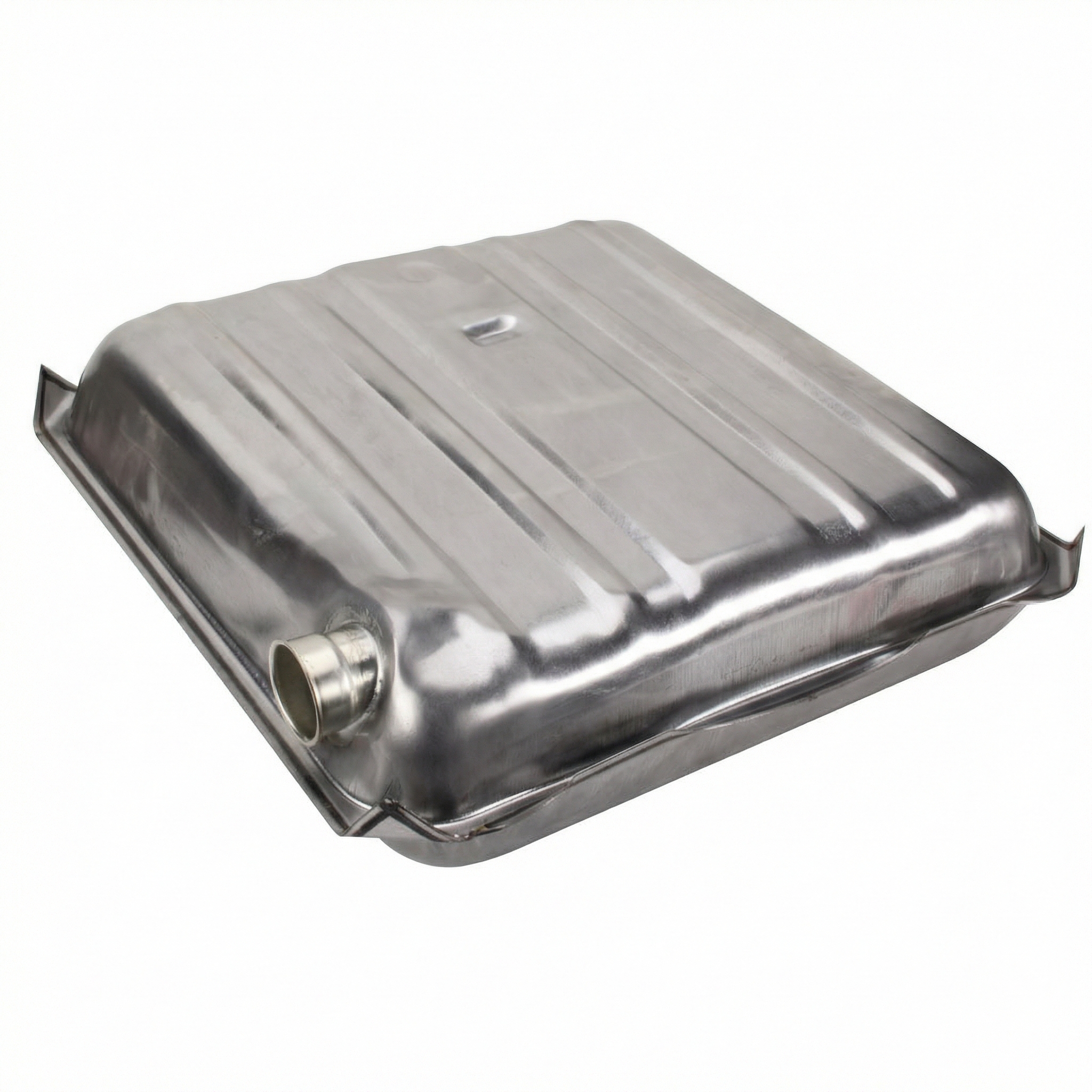
When a used part is the smart pick: A used part can be a cost-effective choice for larger, less failure-prone components like the charcoal canister or the fuel filler neck. These parts rarely fail unless physically damaged.
Donor-vehicle mileage cap: roughly under 80000 miles for the part to have meaningful remaining life.
What to inspect on the donor part:
- For fuel filler necks, inspect the gas cap sealing surface for any rust, pitting, or damage.
- For charcoal canisters, ensure the plastic housing has no cracks, especially around the hose fittings.
- Check that all plastic hose connectors and clips on any used part are intact and not brittle.
- Prioritize donors from dry, non-salt-belt climates to minimize rust and plastic degradation.
OEM-only on this vehicle (don't cheap out):
- Gas Cap: Aftermarket caps can have sealing issues. An OEM Mopar cap is strongly recommended to ensure a perfect seal and avoid a recurring code.
Aftermarket brands forum-validated for this vehicle:
- Dorman
- Standard Motor Products (SMP)
- Bosch
Brands owners have reported issues with on this vehicle:
- No-name, unbranded parts from online marketplaces, especially for electronic components like the ESIM and purge valve, as their quality and durability can be highly questionable.
Real Owner Stories
Aggregated from forums and TSBs cited above. Mileages and costs reflect what owners reported in those sources.
2013 Dodge Avenger
Symptoms: Check Engine Light is on and the remote start feature is disabled.
What fixed it: The owner noted the P0455 code was present, which is a known cause for the system to disable remote start functionality.
Source hint: Reddit r/Dodge
2008-2014 Dodge Avenger (Platform Specific)
Symptoms: A single mother reported her vehicle needed a part replaced that the shop quoted $400 for; she experienced issues common to the platform's throttle system.
What fixed it: Replaced the throttle body in 35 minutes using a DIY video guide.
Source hint: YouTube Video: 'How to Replace Throttle Body Dodge Avenger...' by Backyard Chevy
Related OBD-II Codes
Frequently Asked Questions
Why is my remote start not working on my 2013 Dodge Avenger now that the Check Engine Light is on?
Is there a specific gas cap I should buy for my Avenger to fix the P0455 code?
Where is the Leak Detection Pump (ESIM) located on the 2008-2014 Dodge Avenger?
My Avenger has a 'lightning bolt' light and won't go over 15 mph; is this related to the P0455 EVAP code?
Is there a warranty extension for the subframe rust issues mentioned in the common problems for this vehicle?
How can I test if the purge valve on my 2.4L Avenger is causing the large leak code?
Helpful Videos
Used OEM Parts in Stock
New Aftermarket Parts Available


The information in this article is provided for general reference and educational purposes only. Vehicle specifications, procedures, and part compatibility can vary by production date, trim level, and region. Always consult your vehicle's factory service manual and verify part numbers before purchasing or performing repairs. Safety-critical components such as airbags, seat belts, and braking systems should be installed by a qualified professional.
- Dodge Avenger:
- 🎬 Helpful Videos
- 🛍️ Shop This Part
- What's Unique About the 2008-2014 Dodge Avenger
- Symptoms You May Notice
- Most Likely Causes
- Rare But Worth Checking
- Diagnosis Steps
- Technical Service Bulletins (TSBs) & Recalls
- Parts You'll Likely Need
- Related Codes That Often Appear With This One
- Mechanic-Grade Diagnostic Values
- Scan Tool Commands That Help
- Wiring & Ground Locations
- Real Owner Repair Stories
- OEM Part Supersession History
- Model Year Variations Within This Range
- Diagnostic Flowchart
- Other Known Issues on This Vehicle
- Used vs. New Parts: Buying Guide for This Vehicle
- Real Owner Stories
- 2013 Dodge Avenger
- 2008-2014 Dodge Avenger (Platform Specific)
- Related OBD-II Codes
- Frequently Asked Questions
- 🎟️ Get 5% Off