

P0446 on 2000-2002 Mercedes-Benz E-Class: EVAP Vent Circuit Causes and Fixes
This code almost always points to a faulty charcoal canister shut-off valve (vent valve) or its wiring. The valve is located behind the rear driver's side wheel well liner. Expect to pay $120-$180 for a new OEM valve. Before replacing, test the valve with 12V and check the connector for corrosion.
- P0446 on a 2000-2002 E-Class is most likely a bad charcoal canister shut-off valve (vent valve).
- The valve is located behind the rear driver's side wheel, requiring removal of the fender liner to access.
- Before buying parts, test the valve with a 12V source and check its connector for power and corrosion.
- Always replace the small O-ring seal (PN 0299978448) when replacing the valve to prevent future leaks.
- This is a manageable DIY repair for those comfortable with removing a wheel and fender liner.
What's Unique About the 2000-2002 Mercedes-Benz E-Class
On the W210 E-Class, the P0446 code is very commonly traced back to the charcoal canister shut-off valve itself. This valve, often made by Bosch, is located in the rear driver's side fender, an area exposed to road debris and moisture, which can lead to corrosion of the valve's electrical connector or the valve simply failing over time. Unlike some other brands where this code is frequently a leak, on this platform, the valve or its circuit is the primary suspect.
Symptoms You May Notice
- Check Engine Light is on.
- Difficulty filling the fuel tank (the pump nozzle clicks off repeatedly). This happens because the vent valve is stuck closed, and the displaced air/vapor has no way to escape the tank as fuel enters.
- A faint fuel odor may be noticeable near the rear of the car.
- In some cases, no symptoms are present other than the Check Engine Light.
- Replacing the charcoal canister when only the shut-off valve is bad. The valve is sold separately and is the true point of failure in most cases.
- Replacing the gas cap first without checking the vent valve, which is the more probable cause for this specific code on a W210.
- Assuming a leak exists and performing a smoke test before testing the vent valve's electrical circuit and operation, which is what the code P0446 specifically points to.
Most Likely Causes
- Faulty Charcoal Canister Shut-Off Valve (Vent Valve) 🔴 High Probability The valve is located in the rear fender area, where it is exposed to road spray and debris, leading to internal failure or corrosion over time. It is the most cited failure component for this code on Mercedes forums.
How to confirm: Access the valve behind the rear driver's side wheel well liner. Apply 12V power and a ground to the valve's terminals; a healthy valve will make an audible 'click' as it actuates. If it doesn't click, it has failed. The valve is normally open, so when de-energized, you should be able to blow through it.
Typical fix: Replace the shut-off valve. It is typically mounted directly to the charcoal canister with one or two bolts.
Est. part cost: $120-$180 - Damaged Wiring or Corroded Connector 🟡 Medium Probability The location of the valve makes its electrical connector and wiring susceptible to corrosion from water and salt spray, or physical damage from road debris. The plastic connector can become brittle and the pins can develop green or white corrosion, leading to a poor connection.
How to confirm: Visually inspect the wiring harness and connector leading to the shut-off valve for green corrosion, chafed insulation, or broken wires. Wires can sometimes break inside the insulation right at the connector. Use a multimeter to confirm ~12V is present at the connector with the key in the 'on' position.
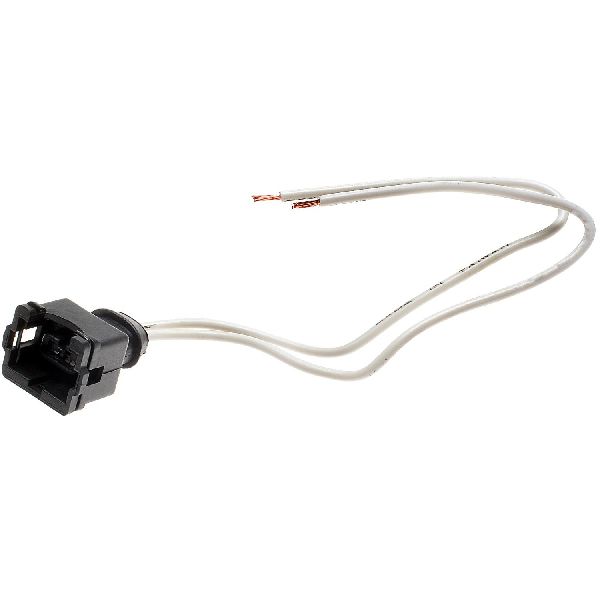
Typical fix: Clean the connector terminals with a contact cleaner and a small brush. If corrosion is severe or the connector is broken, replace it with a new connector pigtail. Repair any broken wires.
Est. part cost: $15-$40 for a pigtail connector. - Blocked EVAP Vent Hose or Filter ⚪ Low Probability The vent hose's fresh air inlet, which is often integrated into the valve or has a small filter box, can become clogged with dirt, debris, or even insect nests (like spiders), preventing the system from breathing.
How to confirm: Disconnect the vent hose from the shut-off valve and inspect it for blockages. Attempt to blow low-pressure compressed air through it to ensure it's clear.
Typical fix: Clear the blockage from the hose or replace the hose if it is damaged.
Est. part cost: $10-$40 - Loose or Defective Gas Cap ⚪ Low Probability
How to confirm: Ensure the gas cap is tightened until it clicks. Inspect the cap's seal for cracks or damage. While a bad gas cap typically throws other codes like P0455 (large leak), it's an easy and cheap item to check first.
Typical fix: Replace the gas cap.
Est. part cost: $20-$50
Rare But Worth Checking
- Cracked Charcoal Canister: While the canister itself rarely fails internally, it can develop physical cracks at its mounting points or hose connections, causing leaks or structural issues. In one documented case, after replacing the valve and checking hoses, the P0446 was only resolved by replacing the entire canister assembly.
- Faulty Purge Valve: The purge valve is located in the engine bay and is a different component. While a failure here can affect the EVAP system, it is less likely to be the direct cause of a P0446 'vent circuit' code and would typically be accompanied by other codes.
Diagnosis Steps
- Read the code with an OBD-II scanner to confirm P0446 is the primary code. Note any other codes.
- Check the gas cap. Ensure it is tight and the seal is not cracked or brittle. Resolve any obvious issues.
- Raise the rear of the vehicle safely using a jack and jack stands.
- Remove the driver's side rear wheel and the plastic fender liner to gain access to the charcoal canister and the attached shut-off valve (vent valve).
- Visually inspect the valve, its electrical connector, and the surrounding hoses for any obvious signs of damage, corrosion, or cracks. Pay close attention to the connector pins for green/white powder.
- Disconnect the electrical connector from the valve. With the ignition key in the 'on' position, use a multimeter to verify that one of the pins in the connector has ~12V power.
- If power is present, test the valve itself. Use jumper wires to apply 12V and a ground directly to the two pins on the valve. It should make a distinct clicking sound. If there is no click, the valve is faulty and needs replacement.
- If the valve clicks, the issue may be a blockage. Disconnect the vent hose from the valve and inspect it for obstructions like dirt or spider webs.
- If the valve and wiring test good and no blockages are found, the issue could be intermittent or, in rare cases, the charcoal canister itself may be clogged or cracked. A professional smoke test can help identify hard-to-find cracks in the canister or hoses.
Parts You'll Likely Need
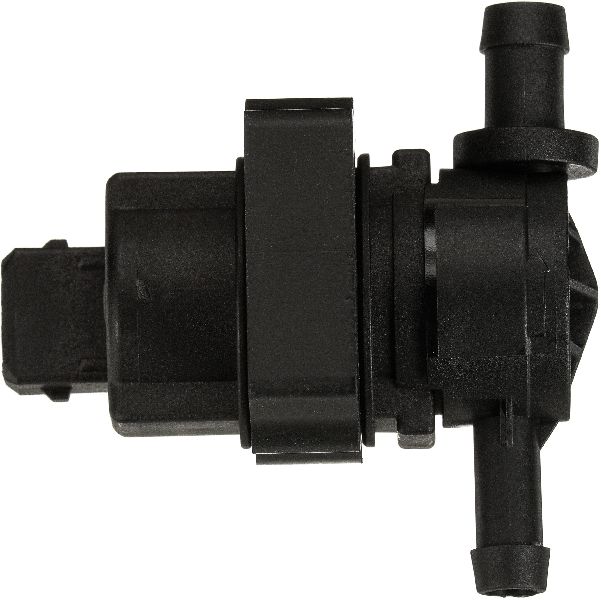
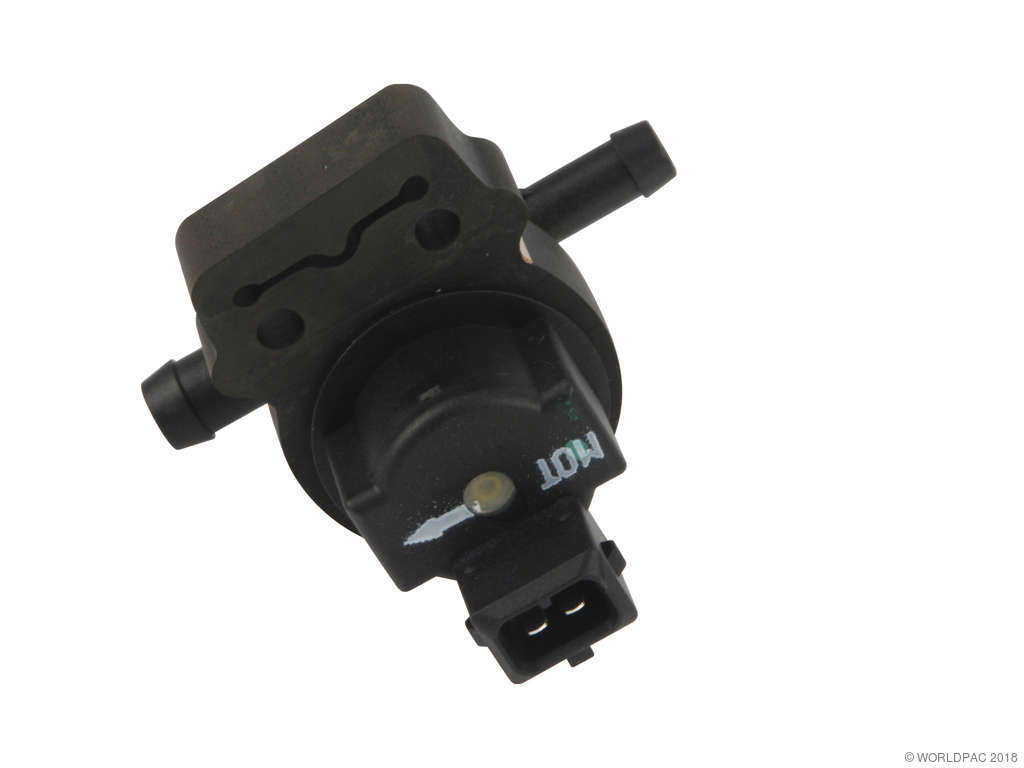
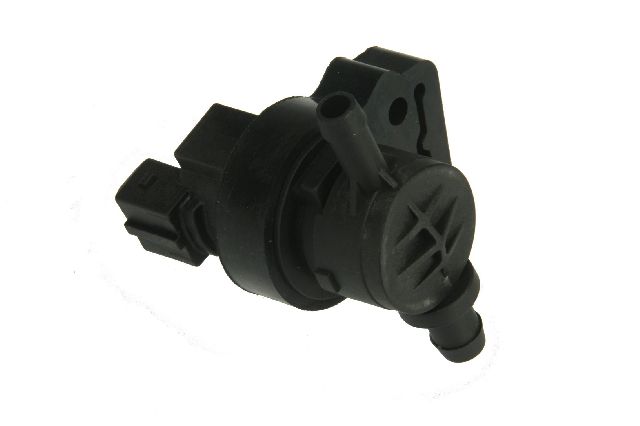
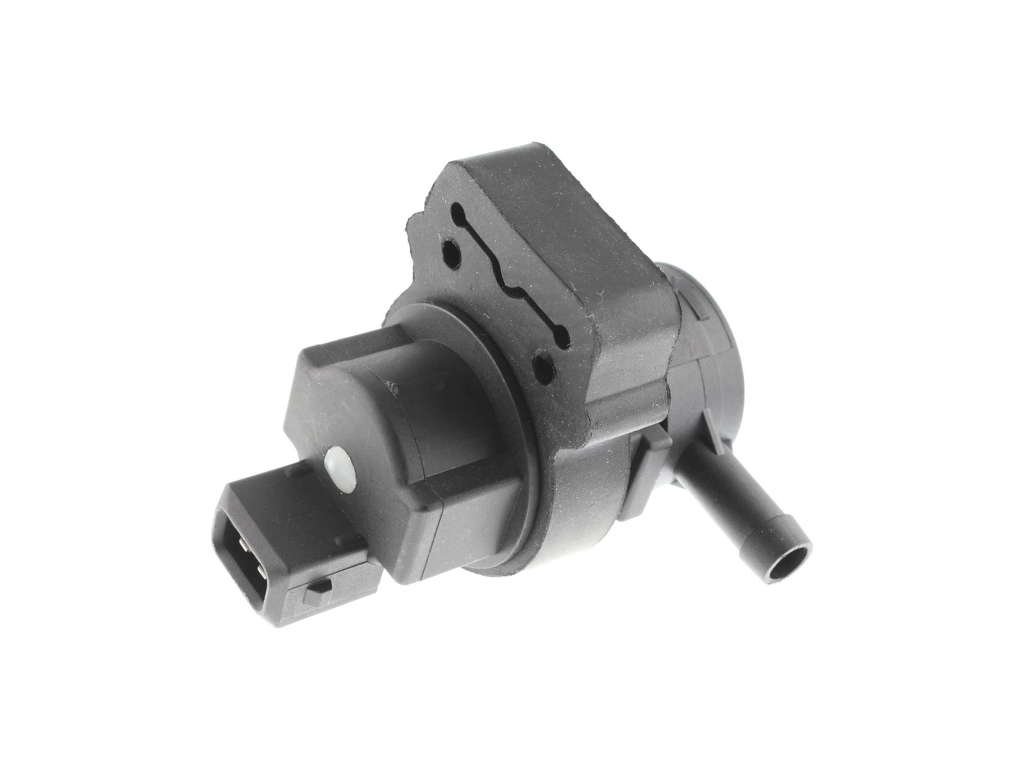
- Charcoal Canister Shut-Off Valve / Vent Valve
(OEM #0004707193 (may supersede 0004704993, 0004706393))— This is the most common failure point for code P0446 on this vehicle.
Trusted brands: Genuine Mercedes-Benz, Bosch (0 280 142 347)
OEM price range: $150-$180
Aftermarket price range: $100-$140 - Shut-Off Valve Seal
(OEM #0299978448)— This O-ring seal should be replaced whenever the shut-off valve is removed to ensure a proper seal with the charcoal canister and prevent future leaks.
Trusted brands: Genuine Mercedes-Benz
OEM price range: $5-$10
Aftermarket price range: $3-$8 - Wiring Harness Adapter
(OEM #2114400134)— An updated vent valve design may use a different connector than the original factory part. This adapter may be required to connect the new valve to the existing vehicle harness.
Trusted brands: Genuine Mercedes-Benz
OEM price range: $15-$25
Aftermarket price range: N/A
Platform-Specific Known Issues
- Immediate CEL on Second Start: Many owners report a specific failure pattern: after clearing the P0446 code, the Check Engine Light remains off for the first drive cycle. However, the light illuminates with the same code almost immediately upon the second startup of the engine. This is normal behavior, as the EVAP monitor self-test that detects this fault often runs after an initial drive cycle is completed.
Mechanic-Grade Diagnostic Values
- Current draw of charcoal canister shut-off valve (Y58/4) — expected: 0.5 to 1.0 Amps. Failure: A reading outside this range indicates a faulty valve or a problem in the wiring from the ME-SFI control module (N3/10).
- Voltage at shut-off valve connector — expected: ~12V (battery voltage) with key on, engine off. Failure: No voltage or fluctuating voltage points to a wiring issue between the power source and the valve connector.
Scan Tool Commands That Help
- Mercedes STAR/XENTRY/DAS, high-end Autel: Actuation of component Y58/4 (Activated charcoal canister shut-off valve) — This bidirectional command allows a technician to force the valve to open and close while observing its operation or listening for a click. It is the most effective way to test the valve's function without having to manually apply 12V, confirming both the valve and the control circuit from the ECU are working.
- Mercedes STAR/XENTRY/DAS: EVAP System Leakage Test — After replacing a component, this guided function will run the complete onboard diagnostic test. It seals the system (by commanding the Y58/4 valve closed) and monitors pressure to confirm the repair was successful and that no other leaks are present. This can prevent the code from returning after a drive cycle.
Wiring & Ground Locations
- Y58/4 — The charcoal canister shut-off valve, located behind the driver's side rear wheel well liner, mounted to the charcoal canister.. This is the component that P0446 directly refers to. Knowing its designation is key to finding correct test procedures and wiring diagrams.
- N3/10 — The ME-SFI (Motor Electronics) control module, typically located in the underhood control module box.. This ECU controls the Y58/4 valve. Test procedures involve checking the wiring from this module to the valve.
- W16/4 — A primary ground point located near the left front axle, often used by multiple systems.. While not the exclusive ground for the EVAP system, poor grounds in this area are a known issue on W210s and can cause various electrical faults. A high-resistance ground can affect the valve's operation and trigger a circuit code.
Real Owner Repair Stories
- MBWorld.org Forums (2001 E320) — Check Engine Light with P0446, car would not start after filling the gas tank completely full, but would start after waiting a few minutes.
❌ Tried (didn't work) Replaced the purge valve (located in the engine bay).
✅ What actually fixed it The user first had a P0455 code which was fixed by replacing the 'plunger valve' (the shut-off valve, Y58/4) on the charcoal canister. Two weeks later, the P0446 code appeared with the refueling issue. The forum consensus pointed to the newly installed shut-off valve being faulty or a blockage in the canister/hoses, as these are the classic symptoms for a vent path failure. The final resolution was not posted in the thread, but the diagnostic path is highly instructive.
OEM Part Supersession History
0004704993, 0004706393→0004707193— Component revision and update by Mercedes-Benz.
Heads up: The updated valve (0004707193) may have a different electrical connector than the original part on the car's harness. If so, a wiring harness adapter (PN 2114400134) is required to complete the installation.
Model Year Variations Within This Range
- 2000-2002: The W210 platform received a major facelift for the 2000 model year, which included updates to the instrument cluster and the addition of head curtain airbags. However, the core EVAP system components, including the location and function of the charcoal canister and shut-off valve, remained consistent through the 2002 model year for North American models.
Diagnostic Flowchart
Used vs. New Parts: Buying Guide for This Vehicle
When a used part is the smart pick: A used charcoal canister assembly can be a cost-effective option if the original is confirmed to be cracked or internally clogged, as new OEM units are expensive. However, a used shut-off valve is generally not recommended.
Donor-vehicle mileage cap: roughly under 100000 miles for the part to have meaningful remaining life.
What to inspect on the donor part:
- For a used charcoal canister, inspect the plastic housing thoroughly for any hairline cracks, especially around mounting tabs and hose connections.
- Ensure the donor vehicle is from a dry climate to minimize the risk of internal moisture saturation.
- Shake the canister; if you hear loose pellets rattling inside, the internal charcoal media has broken down and the part is useless.
- Visually inspect the electrical connector on the shut-off valve for any signs of green or white corrosion before purchasing the assembly.
OEM-only on this vehicle (don't cheap out):
- Charcoal Canister Shut-Off Valve (Vent Valve): Due to the high failure rate and critical emissions function, using a new Genuine Mercedes or OEM Bosch part is strongly advised. Aftermarket valves have a higher reported failure rate.
Aftermarket brands forum-validated for this vehicle:
- Bosch (for the shut-off valve, as they are the original equipment manufacturer)
Brands owners have reported issues with on this vehicle:
- Unbranded, 'white-box' shut-off valves from online marketplaces are a gamble and may fail quickly or not work out of the box.
Real Owner Stories
Aggregated from forums and TSBs cited above. Mileages and costs reflect what owners reported in those sources.
2000-2002 Mercedes-Benz E-Class
Symptoms: After fixing a P0455 code by replacing a valve, the Check Engine Light returned two weeks later with a P044x code. The car also failed to start after refueling; it would only crank over and over.
What fixed it: The source quote is cut off and does not state the final resolution for the P044x code.
Source hint: MBWorld.org Forums
Mercedes-Benz E-Class
Symptoms: A persistent P0446 code that did not go away even after replacing the shut-off valve.
What fixed it: The charcoal canister itself was found to be the problem and was replaced, which finally solved the code, even though the canister had previously passed a smoke test.
Source hint: MBWorld.org - Thread 'Evap charcoal canister shut off valve testing'
Related OBD-II Codes
Frequently Asked Questions
Where is the charcoal canister shut-off valve located on my 2000-2002 E-Class?
I cleared the P0446 code, but the Check Engine Light came back on the very next day. Is something else wrong?
Why is it suddenly so difficult to fill my gas tank? The pump handle clicks off constantly.
How can I test the vent valve to see if it's the problem?
What is the most common cause for P0446 on this specific Mercedes model?
I replaced the vent valve but the code is still there. What should I check next?
Is this P0446 issue also found on other Mercedes-Benz cars from that era?
Helpful Videos
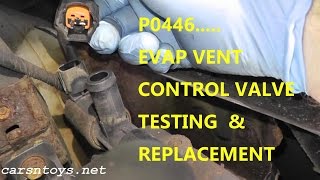
We Have This Part in Stock


The information in this article is provided for general reference and educational purposes only. Vehicle specifications, procedures, and part compatibility can vary by production date, trim level, and region. Always consult your vehicle's factory service manual and verify part numbers before purchasing or performing repairs. Safety-critical components such as airbags, seat belts, and braking systems should be installed by a qualified professional.
- Mercedes-Benz E-Class:
- 🎬 Helpful Videos
- 🛍️ Shop This Part
- What's Unique About the 2000-2002 Mercedes-Benz E-Class
- Symptoms You May Notice
- Most Likely Causes
- Rare But Worth Checking
- Diagnosis Steps
- Parts You'll Likely Need
- Platform-Specific Known Issues
- Mechanic-Grade Diagnostic Values
- Scan Tool Commands That Help
- Wiring & Ground Locations
- Real Owner Repair Stories
- OEM Part Supersession History
- Model Year Variations Within This Range
- Diagnostic Flowchart
- Used vs. New Parts: Buying Guide for This Vehicle
- Real Owner Stories
- 2000-2002 Mercedes-Benz E-Class
- Mercedes-Benz E-Class
- Related OBD-II Codes
- Frequently Asked Questions
- 🎟️ Get 5% Off