

P0443 on 2009-2014 Ford F-150: EVAP Purge Control Valve Circuit Fixes
On a 2009-2014 F-150, code P0443 almost always points to a faulty EVAP Purge Control Valve/Solenoid. It's a common failure item that's relatively easy and inexpensive to replace, often costing between $30 and $70 for the part. Before replacing, check for chewed wires, as rodent damage to the harness is also a frequent cause.
- P0443 on a 2009-2014 F-150 points to an electrical fault in the EVAP purge valve circuit.
- The most likely cause is a failed purge valve solenoid, which is a common and inexpensive part to replace.
- Before buying parts, perform a quick visual inspection of the wiring near the valve for damage, especially from rodents.
- If multiple, unrelated circuit codes appear with P0443, check for a blown fuse in the under-hood fuse box before replacing any components.
What's Unique About the 2009-2014 Ford F-150

For the 12th generation F-150 (2009-2014), the EVAP purge valve is a very common failure point across all engine options (5.4L, 5.0L, 3.5L, 3.7L, 6.2L). Owners frequently report this specific code, often accompanied by a rough idle or difficulty starting after refueling. The valve's location on top of the engine makes it susceptible to heat and vibration, but also makes it very accessible for a quick DIY replacement, which is a common topic in owner forums. Additionally, the wiring harness for this component is a known target for rodents, making a visual inspection for chewed wires a critical first step.
Symptoms You May Notice
- Check Engine Light is on
- Rough idle
- Difficulty starting the engine, especially after filling the gas tank 🎬 Watch: How to fix a hard start after refueling
- Slightly reduced fuel economy
- Hissing noise from the engine bay
- Audible clicking from the purge valve area as the PCM repeatedly tries to actuate it
- In rare cases, if combined with other EVAP faults, it can contribute to fuel tank deformation (sucking the tank in) due to excessive vacuum, which may trigger code P1450.
- Inaccurate or erratic fuel gauge indication or inaccurate distance to empty (DTE) readings, as noted in NHTSA ODI #11443669.
- Replacing the gas cap. A bad gas cap typically causes a P0455 (large leak) or P0457 (leak detected - cap loose/off) code, not a P0443 circuit code.
- Replacing the EVAP canister vent solenoid. This component is located near the fuel tank and has its own specific trouble code (P0446). A P0443 code specifically points to the purge valve circuit under the hood.
Most Likely Causes

- Faulty EVAP Purge Control Valve/Solenoid 🔴 High Probability This component is a frequent failure item on many Ford vehicles from this era, including the F-150. It can fail internally (stuck open or closed) or the internal solenoid coil can develop an electrical fault (open or short).
How to confirm: With the engine off, unplug the valve and test the resistance between its two electrical pins using a multimeter. A good valve will have a specific resistance, with forum users reporting values between 30-50 ohms (one user measured 47 ohms, another guide suggests 34 +/- 4 ohms). An open circuit (infinite resistance) or a short (near zero ohms) indicates a bad valve. You can also try blowing through the valve; it should be completely sealed with no power applied.
Typical fix: Replace the EVAP purge control valve. It is typically held on by one or two 8mm bolts.
Est. part cost: $30-$80 - Damaged Wiring or Electrical Connector 🟡 Medium Probability The wiring harness leading to the purge valve can become brittle from engine heat or damaged by rodents chewing on the soy-based wire insulation, which is a widely reported issue.
How to confirm: Visually inspect the wires leading to the purge valve connector for any signs of cracking, chafing, melting, or chewing. Unplug the connector and check for corrosion or bent pins. Use a multimeter to check for 12V power on one wire (often Red/Yellow) and continuity to the PCM on the other (often Lt Green/Black) with the key on.
Typical fix: Repair the damaged section of wire using butt connectors and heat shrink tubing, or replace the connector pigtail if the damage is at the plug.
Est. part cost: $5-$25 - Blown Fuse ⚪ Low Probability The purge valve circuit shares power with other components. A short in one of those other components can blow the shared fuse, causing a P0443 code along with others.
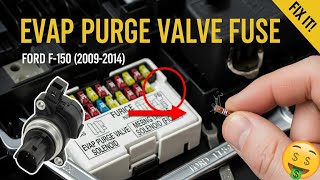
How to confirm: If multiple circuit codes appear at once (e.g., for O2 heaters or VCT solenoids like P0010, P0135), suspect a fuse. Check the under-hood fuse box. For a 2012 model, this may be a 20A fuse located in the bottom row, second from the left. For other models, consult the owner's manual for the specific fuse powering the 'EVAP Canister Purge Valve' or related PCM circuits.
Typical fix: Replace the blown fuse and investigate the root cause of the overcurrent condition.
Est. part cost: $1-$5
Rare But Worth Checking
- Faulty Powertrain Control Module (PCM): This is very rare. The PCM should only be considered after definitively proving the purge valve and its entire circuit (wiring, fuse, and connections) are in perfect condition. A failed driver circuit inside the PCM can trigger this code, sometimes caused by a shorted purge valve damaging the PCM.
Diagnosis Steps

- Scan the vehicle for any other stored trouble codes. If multiple circuit codes are present, check for a blown fuse first.
- Locate the EVAP purge valve. On 2009-2014 F-150 engines (5.4L, 5.0L, 3.5L), it is mounted on top of the intake manifold, near the throttle body, and is easily accessible.
- Visually inspect the electrical connector and wiring going to the purge valve. Look for any obvious damage like cracks, corrosion, or signs of rodent activity (chewed wires).
- Disconnect the electrical connector. With the ignition key in the 'ON' position (engine off), use a multimeter to check for battery voltage (approx. 12V) on the Red/Yellow wire in the harness-side connector.
- Test the valve itself. With the valve unplugged, use a multimeter set to Ohms to measure the resistance across the two pins on the valve. A reading between 30-50 Ohms is expected. A reading of zero ohms (short) or infinite resistance/OL (open) indicates a faulty valve.
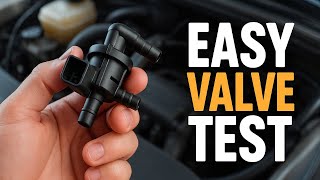
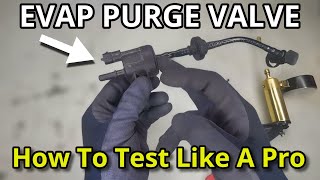
- Perform a mechanical valve check. With the valve disconnected, try to blow air through it. It should be normally closed, meaning no air should pass through. 🎬 See this step-by-step guide for testing your purge valve If air passes through, the valve is stuck open and must be replaced.
- If the wiring, fuse, and valve all test good, the issue could be a fault in the control wire going back to the PCM or a faulty driver in the Powertrain Control Module (PCM) itself, though this is extremely unlikely.
Parts You'll Likely Need

- EVAP Vapor Canister Purge Valve / Solenoid
(OEM #9U5Z9C915H (also AU5Z9C915B, CX2409))— This is the most common cause of a P0443 code. The internal solenoid coil fails electrically or the valve gets stuck mechanically. This part number is widely used across many Ford engines from this era.
Trusted brands: Motorcraft, Standard Motor Products (CP758), Dorman (911-222)
OEM price range: $50-$80
Aftermarket price range: $30-$60
Related Codes That Often Appear With This One
- P1450 — This code indicates an inability to bleed up fuel tank vacuum. A stuck-open purge valve (a common failure mode that can also cause P0443) allows constant engine vacuum to pull on the fuel tank, causing this condition and often leading to hard starts after refueling.
- P0455 / P0456 — If the purge valve is stuck open, it can create a leak in the EVAP system that the PCM may interpret as a small (P0456) or large (P0455) leak, in addition to the circuit fault.
- P0010, P0013, P0135, P0141, etc. — The EVAP purge valve often shares a power supply fuse with other engine components like VCT solenoids and O2 sensor heaters. If this fuse blows, a multitude of circuit codes, including P0443, will appear simultaneously, pointing to a power supply issue 🎬 Watch: How to find and replace the purge valve fuse rather than multiple failed parts. Manufacturer Bulletin #TSB 16-0163 confirms that P0443 can appear alongside a wide array of codes including P0010, P0135, P0141, and P0300-P0304 when specific electrical conditions occur.
Technical Service Bulletins (TSBs) & Recalls
- Safety Recall 18S32: While for later model year Focus vehicles, this recall explicitly names P0443 as a diagnostic trouble code that can be set by a stuck canister purge valve (CPV). It details how a stuck valve can cause excessive fuel tank vacuum and drivability issues, reinforcing the failure mode's recognition by Ford.
- Bulletin #TSB 16-0163: This manufacturer bulletin notes that P0443 may be stored in conjunction with numerous other codes such as P0103, P0131, and P0201-P0204, requiring specific service procedure steps to correct the underlying condition.
Platform-Specific Known Issues
- Rodent Damage: Forum users and mechanics frequently report finding chewed wires leading to the purge valve, causing a P0443 code. The soy-based insulation used in modern wiring harnesses is attractive to mice and other rodents. One Reddit user on r/FordF150 reported this exact issue after their truck sat for a week.
- Location by Engine: On the 5.0L V8, the purge valve is on the front of the intake manifold, just above the throttle body, held by two 8mm bolts. On the 3.5L EcoBoost and other engines, it is in a similar, easily accessible location on or near the intake manifold.
Mechanic-Grade Diagnostic Values
- EVAP Purge Valve Solenoid Resistance — expected: 30 - 50 Ohms. One guide specifies 34 +/- 4 Ohms.. Failure: Near 0 Ohms (short circuit) or infinite/OL (open circuit).
- Voltage at Purge Valve Connector (Harness Side) — expected: Approximately 12V (battery voltage) on the Red/Yellow wire with Key On, Engine Off.. Failure: Significantly low or no voltage indicates a problem with the power supply wire or a blown fuse.
- Scan Tool PID: EVAPCP (EVAP Canister Purge Duty Cycle) — expected: 0% when commanded closed (at idle/startup). Increases as PCM commands purge flow.. Failure: Value does not match commanded state, or PCM reports a fault on the circuit.
- Scan Tool PID: EVMV (EVAP Purge Valve Current) — expected: 0 mA when commanded closed.. Failure: Current draw when commanded off, or no current draw when commanded on.
Hidden / Shadow Codes Worth Checking
- P0443-00: This is the standard SAE format indicating the P0443 fault is currently active and not a historical code. The '-00' suffix doesn't provide new information but confirms the fault status on some advanced scan tools. (see via Professional scan tools like Ford IDS or high-end Autel/Snap-on scanners.)
Scan Tool Commands That Help
- Ford IDS, FORScan, or equivalent professional scanner: EVAP Canister Purge Valve / Vapor Management Valve (VMV) On/Off Test — Use this bidirectional control to manually command the purge valve solenoid on and off. This directly tests the PCM's driver circuit and the solenoid itself. You should hear an audible click from the valve and see a change in state on the scan tool's live data PIDs (EVAPCP).
Wiring & Ground Locations

- Purge Valve Connector Pin 1 — At the EVAP purge valve on top of the engine.. This pin carries the control signal (ground) from the PCM. It is often a Light Green/Black wire. Checking continuity from this pin to the corresponding PCM pin verifies the control wire is intact.
- Purge Valve Connector Pin 2 — At the EVAP purge valve on top of the engine.. This pin receives power from a fuse. It is often a Red/Yellow wire and should have battery voltage with the key on. No voltage here points to a blown fuse or a break in the power wire.
- Under-hood Fuse Box (Power Distribution Box) — Located in the engine bay, typically above the radiator.. This box contains the fuse that supplies power to the purge valve. For a 2012 model, a 20A fuse in the bottom row, second from left, has been identified as the correct one. Check your owner's manual for the specific fuse number for your year.
- G103 / G104 — Main chassis/engine grounds. G103 is often on the lower RH front of the engine, G104 on the rear of the LH fender apron.. While not directly for the purge valve circuit, a poor main engine or chassis ground can cause widespread, intermittent electrical issues, including PCM faults that could manifest as a P0443 code.
Real Owner Repair Stories
- f150forum.com user 'boliver' (2016 F150 XLT 3.5 EcoBoost (Note: slightly newer than range, but fuse layout is similar and highly relevant)) — Sluggishness, lack of acceleration, multiple circuit codes including P0443, P0010, P0013, P0020, P0023, P0135 & P0141.
❌ Tried (didn't work) Replacing the EVAP purge valve., Swapping camshaft position sensors.
✅ What actually fixed it Replacing a single blown 25A fuse in the under-hood fuse box at position F95. This fuse powered all the components that had thrown a circuit fault code.
Documented NHTSA Reports
- An owner reported in NHTSA ODI #11725076 that their vehicle experienced the P0443 code specifically while getting fuel, causing the check engine light to come on frequently.
- NHTSA ODI #11633558 describes a situation where a diagnostic test revealed multiple default codes including P0443, P0456, and P1450, which were later inspected by a dealership as an EVAP system related issue.
- According to NHTSA ODI #11427851, the P0443 code can be part of a larger set of illuminated malfunction indicator lamp (MIL) issues, appearing alongside codes like P0420, P1450, P0452, P0456, P0460, and P2196.
"I Checked Everything" — The Actual Cause
- A smoke test is not the correct diagnostic procedure for a P0443 code. P0443 is an electrical circuit malfunction code (open, short, or high resistance), not a leak code like P0455 or P0456. If a technician performs a smoke test for this code, it indicates a misdiagnosis of the code's meaning. The proper procedure involves electrical testing with a multimeter and scan tool.
OEM Part Supersession History
9U5Z-9C915-H→9U5Z-9C915-J— Standard part revision by Ford, likely for improved durability or minor design change.
Heads up: The new part number is a direct replacement. Other widely accepted replacement part numbers include AU5Z9C915B and Motorcraft CX2409.
Model Year Variations Within This Range
- 2009-2014: The specific fuse number and location for the EVAP purge valve in the under-hood power distribution box can vary by model year and engine. For example, a 2012 model may use a 20A fuse in a specific slot, while other years might use a different fuse number or amperage. It is critical to consult the vehicle's owner's manual for the exact fuse diagram.
Diagnostic Flowchart
Used vs. New Parts: Buying Guide for This Vehicle
When a used part is the smart pick: A used OEM purge valve from a reputable salvage yard is a very reasonable choice for this repair. The part is not a major wear item, is external to the engine, and is easy to access and replace. Failure is often electrical and not strictly tied to mileage.
Donor-vehicle mileage cap: roughly under 100000 miles for the part to have meaningful remaining life.
What to inspect on the donor part:
- Inspect the plastic housing for cracks, melting, or signs of extreme heat exposure.
- Check the electrical connector pins to ensure they are straight and free of corrosion.
- Verify the rubber O-ring that seals against the intake manifold is present and not cracked or flattened.
- If possible, bring a multimeter and test the resistance between the two pins; it should be between 30-50 Ohms.
OEM-only on this vehicle (don't cheap out):
- For this specific P0443 repair, there are no parts that must be OEM. The purge valve is a common component with reliable aftermarket options.
Aftermarket brands forum-validated for this vehicle:
- Motorcraft (OEM)
- Standard Motor Products (SMP)
- Dorman
Brands owners have reported issues with on this vehicle:
- No specific aftermarket brands were consistently cited in forums or technical articles as being problematic for this particular part on this vehicle.
Real Owner Stories
Aggregated from forums and TSBs cited above. Mileages and costs reflect what owners reported in those sources.
2011 F-150 3.7L V6
Symptoms: Check engine light with error code P0443.
What fixed it: Found a bare wire rubbing on a metal bracket about 6 inches from the purge valve plug. Repaired the wire and replaced the connector.
Source hint: F150Forum.com
2013 F-150 5.0L
Symptoms: Check Engine Light with P0443 code after the truck sat for a week.
What fixed it: Found chewed wires at the purge valve connector.
Source hint: reddit.com/r/FordF150
Ford F-150
Symptoms: Hard start after fueling.
What fixed it: The owner was advised that the likely cause was a stuck-open purge valve, which is a common fix for this symptom.
Source hint: Ford Truck Enthusiasts Forums
Ford F-150
Symptoms: P0443 appeared along with other circuit codes.
What fixed it: The cause was a blown 25A fuse at position F95, which was replaced to solve the issue.
Source hint: f150forum.com
Related OBD-II Codes
Frequently Asked Questions
Where is the EVAP purge valve located on my 2009-2014 F-150?
What resistance reading should I get when testing the purge valve on my F-150?
Why is my F-150 suddenly hard to start right after I fill up the gas tank?
I found chewed wires near the purge valve. Is this a common problem on these trucks?
My truck has code P0443 along with other codes like P0010 or P0135. What's the connection?
Is there a Ford recall for the P0443 code on the F-150?
Helpful Videos
Used OEM Parts in Stock

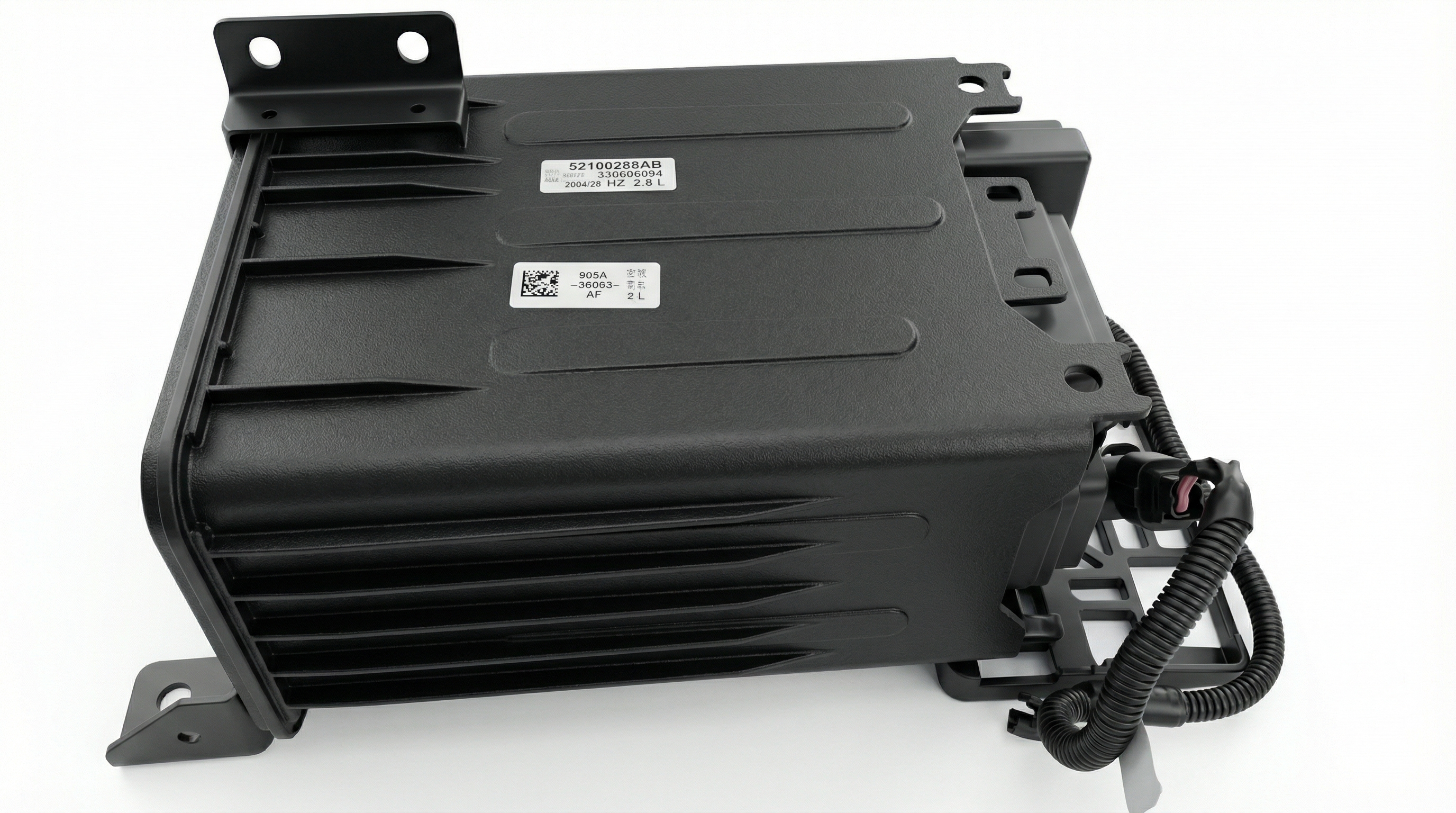

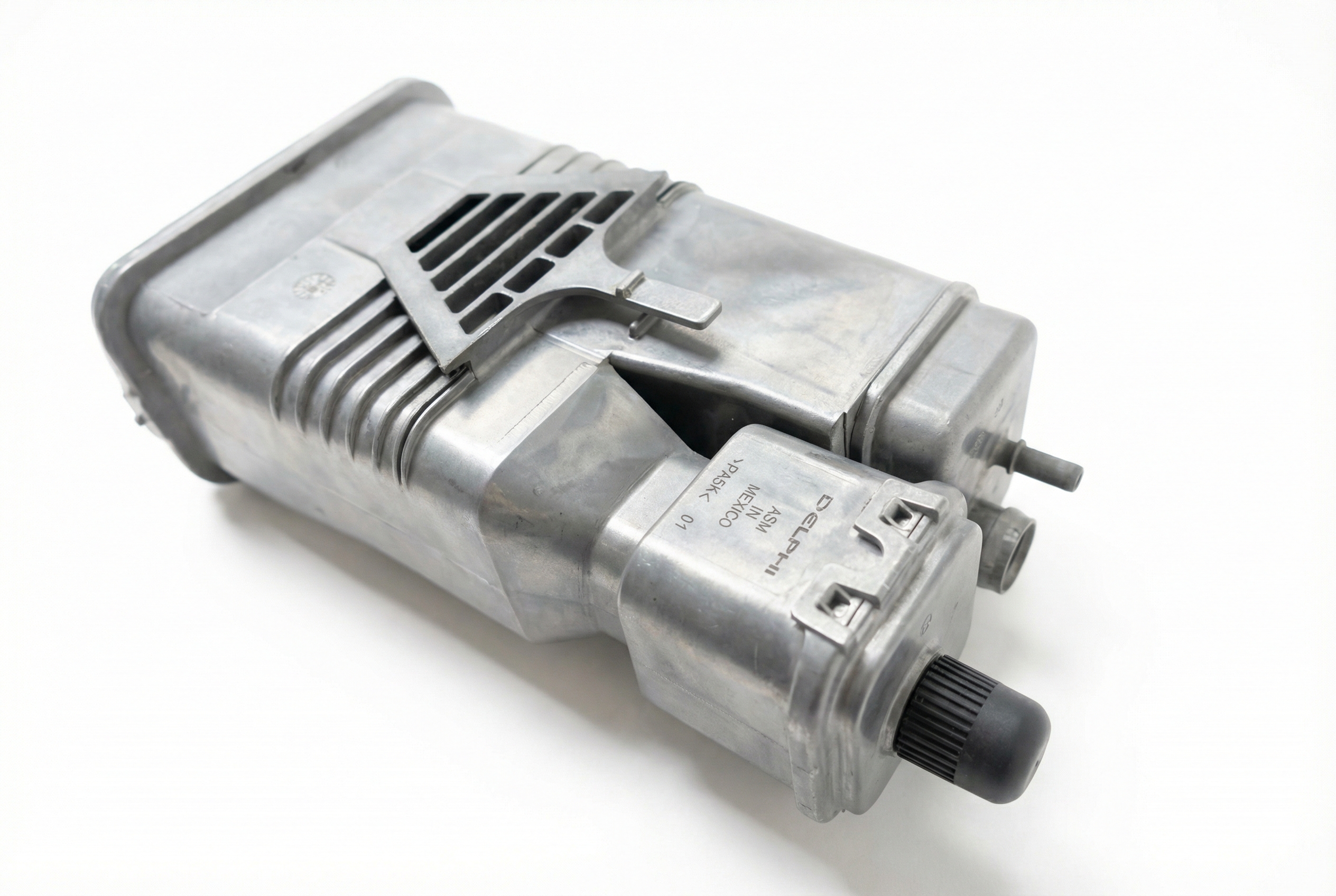
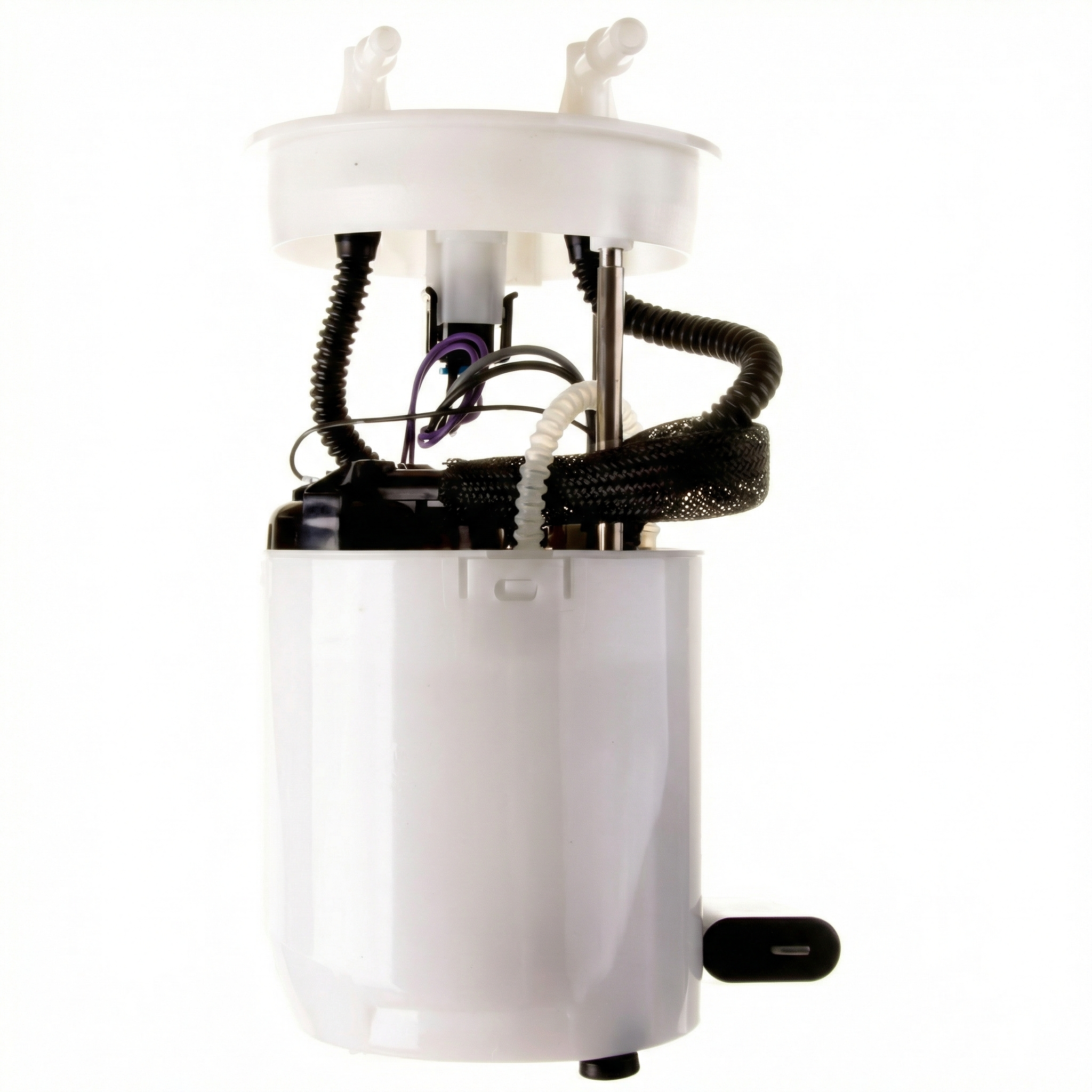
New Aftermarket Parts Available

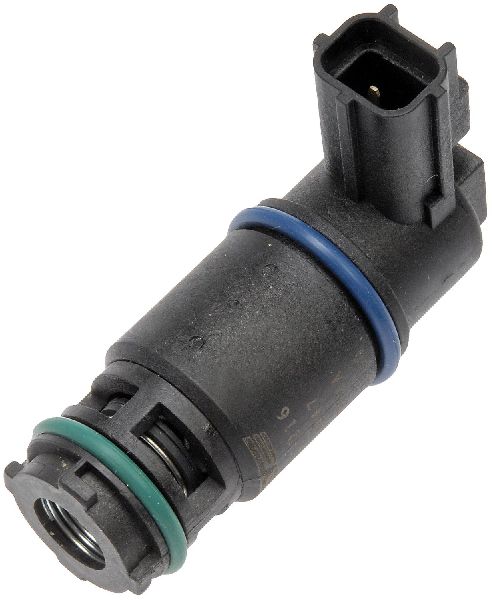

The information in this article is provided for general reference and educational purposes only. Vehicle specifications, procedures, and part compatibility can vary by production date, trim level, and region. Always consult your vehicle's factory service manual and verify part numbers before purchasing or performing repairs. Safety-critical components such as airbags, seat belts, and braking systems should be installed by a qualified professional.
- Ford F-150:
- 🎬 Helpful Videos
- 🛍️ Shop This Part
- What's Unique About the 2009-2014 Ford F-150
- Symptoms You May Notice
- Most Likely Causes
- Rare But Worth Checking
- Diagnosis Steps
- Parts You'll Likely Need
- Related Codes That Often Appear With This One
- Technical Service Bulletins (TSBs) & Recalls
- Platform-Specific Known Issues
- Mechanic-Grade Diagnostic Values
- Hidden / Shadow Codes Worth Checking
- Scan Tool Commands That Help
- Wiring & Ground Locations
- Real Owner Repair Stories
- Documented NHTSA Reports
- "I Checked Everything" — The Actual Cause
- OEM Part Supersession History
- Model Year Variations Within This Range
- Diagnostic Flowchart
- Used vs. New Parts: Buying Guide for This Vehicle
- Real Owner Stories
- 2011 F-150 3.7L V6
- 2013 F-150 5.0L
- Ford F-150
- Ford F-150
- Related OBD-II Codes
- Frequently Asked Questions
- 🎟️ Get 5% Off