

P0441 on 2013-2018 Nissan Altima: Incorrect Purge Flow Causes and Fixes
On a 2013-2018 Nissan Altima, code P0441 is most often caused by a faulty EVAP purge valve located on the engine. This is a relatively simple and affordable DIY fix, with the part costing between $30 and $100. Owners report this is a very common failure, but easily resolved by replacing the valve.
- P0441 on your Altima almost always points to a problem with the EVAP system's ability to purge fuel vapors.
- The most likely cause is a bad EVAP purge valve, which is located in the engine bay and is relatively easy to replace.
- Before buying parts, always check that your gas cap is tight and its seal is in good condition.
- Driving with this code is not dangerous, but it will cause you to fail an emissions test and may lead to a minor decrease in fuel economy or a rough idle.
- If you find small black plastic bits in the EVAP hoses, your charcoal canister has likely failed and will need to be replaced along with the purge valve.
What's Unique About the 2013-2018 Nissan Altima
For the fifth-generation Nissan Altima (2013-2018), the P0441 code is a straightforward and extremely common issue. There are no widespread recalls or complex Technical Service Bulletins (TSBs) specifically for this code, which points to it being a standard component failure 🎬 Watch: A quick overview of P0441 causes and fixes rather than a systemic design flaw. The most frequent culprit is the purge valve solenoid, a part known to fail over time across many Nissan models, including the Altima, Rogue, and Sentra. The diagnosis is typically simple, and parts are widely available from both OEM and aftermarket brands. Forum discussions confirm that owners frequently resolve this code with a simple purge valve replacement.
Symptoms You May Notice
- Check Engine Light is on
- Slight fuel smell, particularly around the vehicle after it's been parked.
- Rough or unstable idle, especially if the purge valve is stuck open.
- Slight difficulty starting the engine in some cases, particularly after refueling.
- Sluggish acceleration, which one owner on a 2015 Altima noted before the check engine light appeared.
- Replacing the oxygen (O2) sensors. While an EVAP leak can slightly affect the air-fuel mixture, P0441 is almost never caused by a bad O2 sensor.
- Replacing the mass airflow (MAF) sensor. This is unrelated to the EVAP system's purge flow test.
Most Likely Causes
- Faulty EVAP Purge Valve/Solenoid 🔴 High Probability This is the most common failure point for P0441 on Nissans. The valve, an electromechanical part, experiences constant use and can become stuck open, stuck closed, or leak internally over time due to wear or contamination.
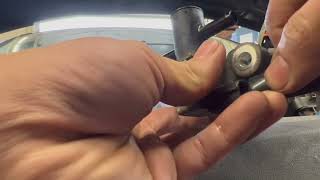
How to confirm: The purge valve is normally closed. With the engine off, disconnect the hoses and try to blow through it; if air passes, it's stuck open and faulty. You can also apply 12V power to its electrical connector; you should hear a distinct click as it opens. A multimeter can be used to check resistance across the two pins, which should typically be between 15-38 ohms.
Typical fix: Replace the EVAP purge valve. It is located in the engine bay, typically mounted to the intake manifold with one bolt, making it accessible for DIY replacement.
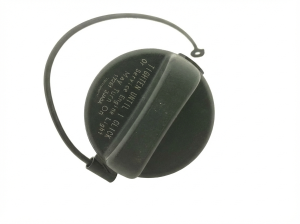
Est. part cost: $30-$100 - Loose or Defective Gas Cap 🟡 Medium Probability While P0441 is a flow code, not a leak code, a bad gas cap can sometimes contribute to erratic system pressures that the ECU may interpret as a flow problem. The cap's rubber O-ring seal can degrade, crack, or harden over time, preventing a proper seal.
How to confirm: Inspect the gas cap for any visible cracks in the plastic or damage to the rubber O-ring seal. Ensure it clicks several times when tightened. If it looks worn, replacement is an inexpensive first diagnostic step before moving to other components.
Typical fix: Tighten the gas cap correctly or replace it with a new OEM or equivalent part. It is often recommended to use an OEM cap to ensure a perfect seal.
Est. part cost: $10-$25 - Cracked or Disconnected EVAP Hoses ⚪ Low Probability The rubber and plastic hoses in the engine bay and under the car can become brittle and crack with age and exposure to heat cycles. A crack or disconnection in the purge line between the canister and the purge valve can directly cause incorrect flow.
How to confirm: Visually inspect all accessible EVAP lines running from the charcoal canister (near the fuel tank) to the purge valve in the engine bay. Flex the rubber sections to check for brittleness or hidden cracks. A professional smoke test is the most effective method for finding hard-to-see leaks.
Typical fix: Replace the damaged section of hose or reconnect any loose lines.
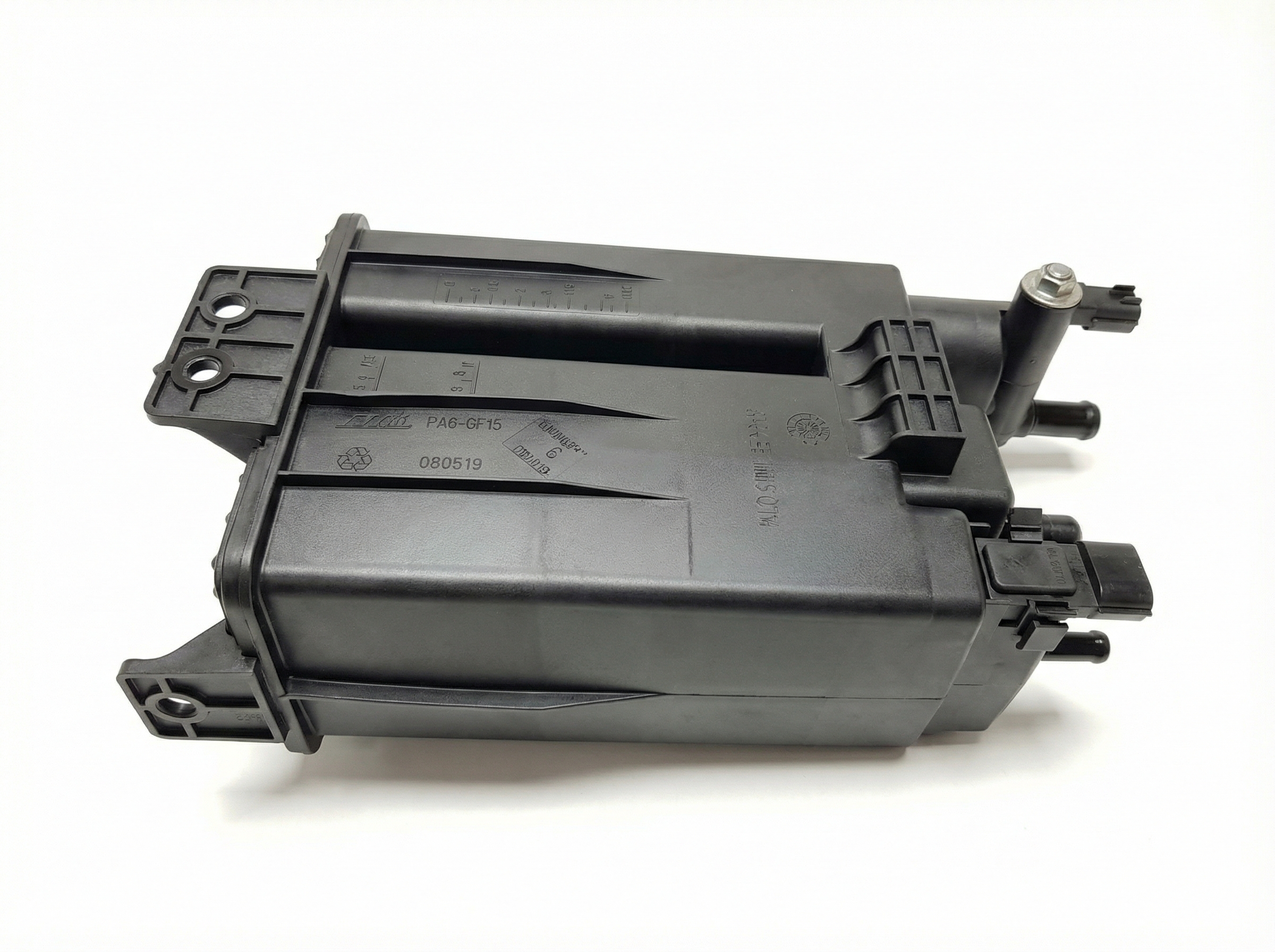
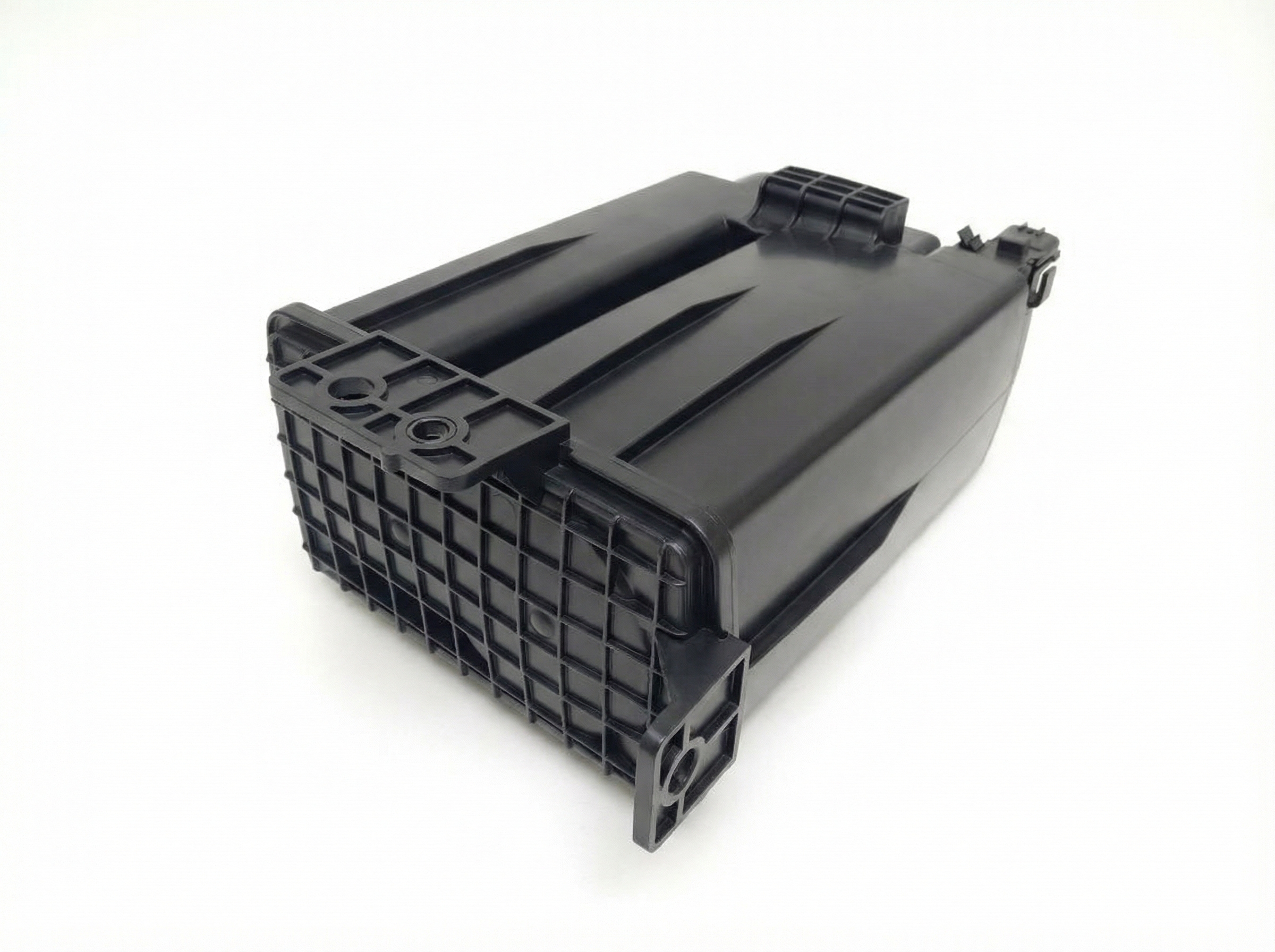
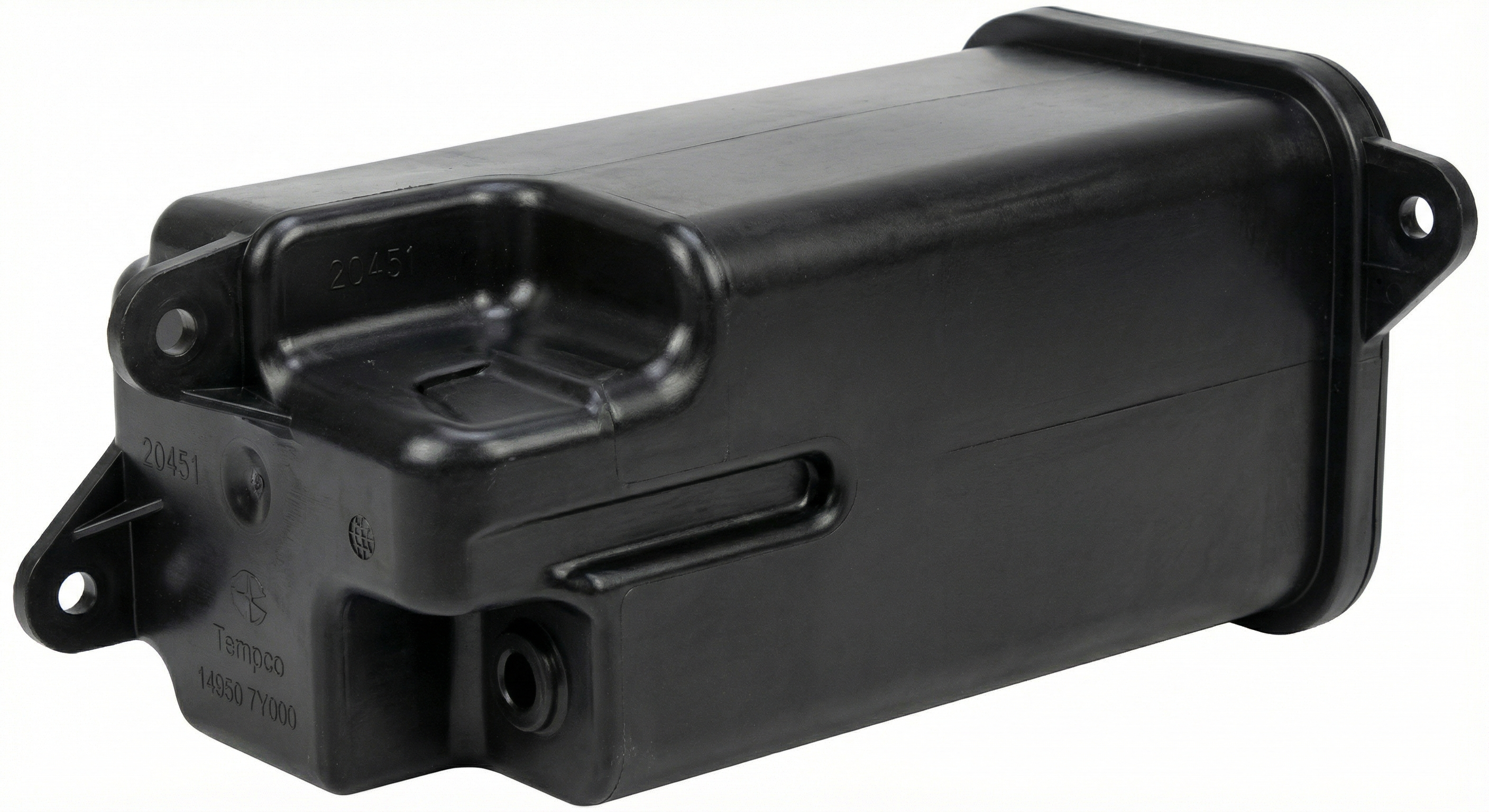
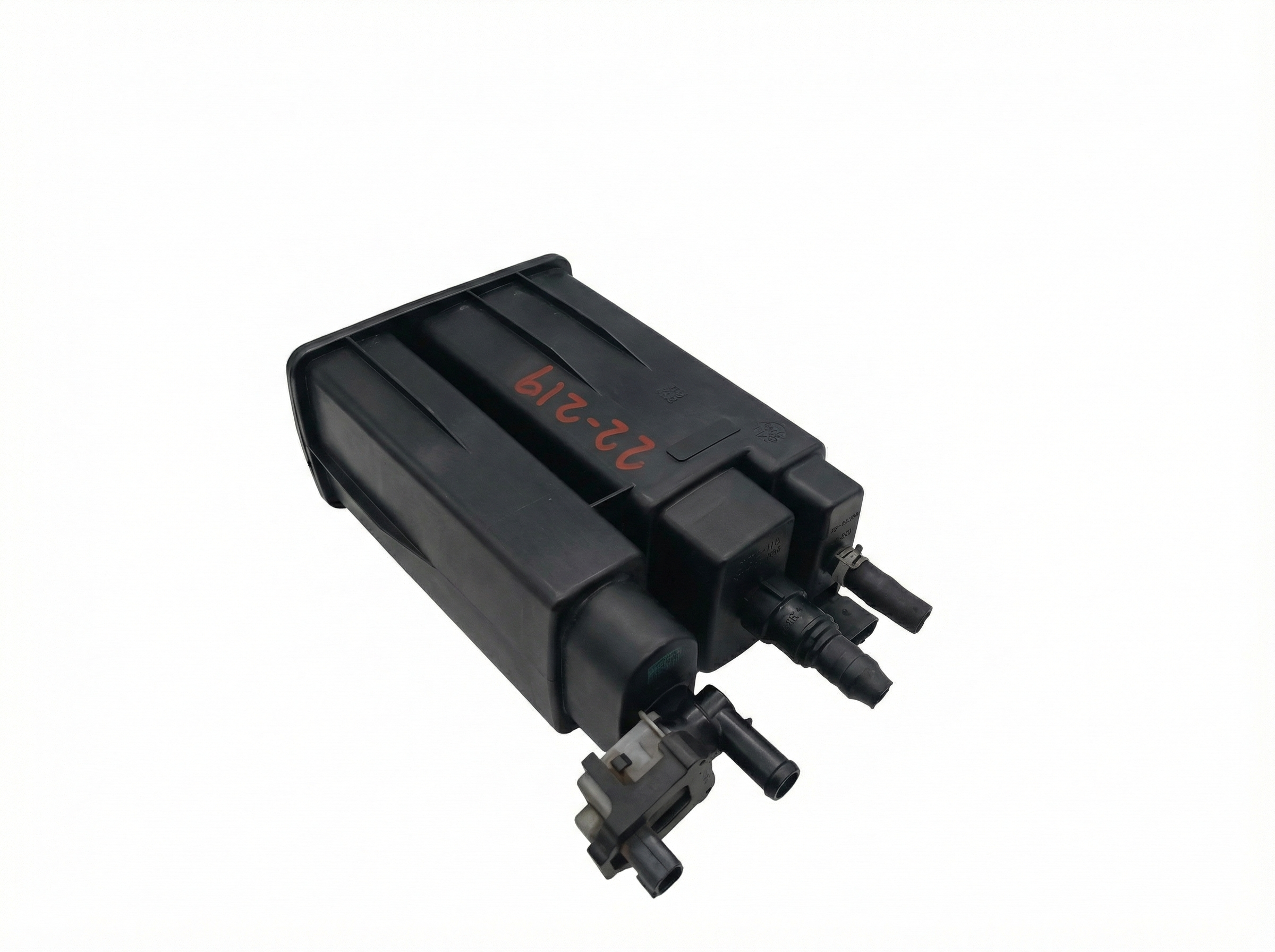
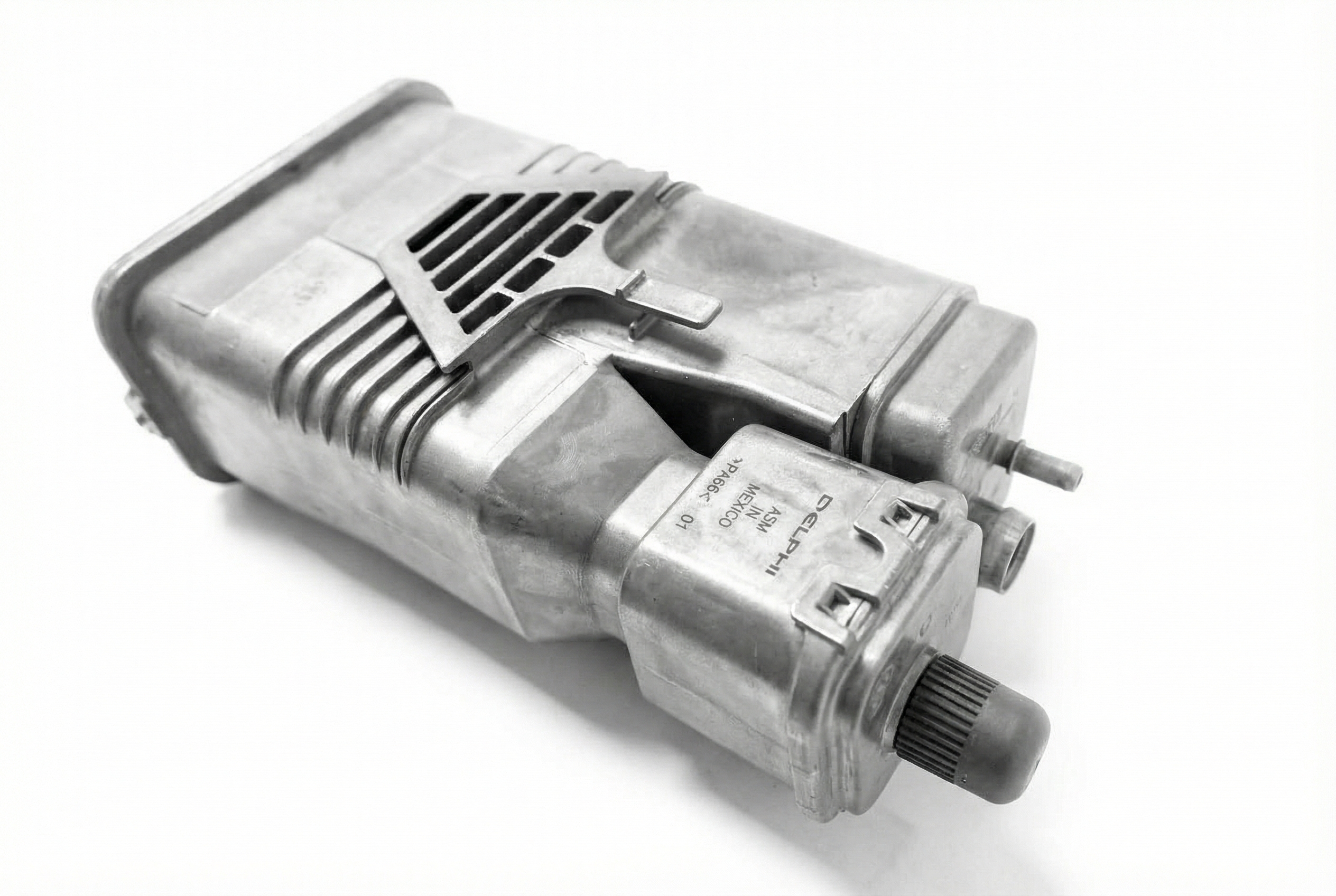
Est. part cost: $5-$30 - Clogged or Failed Charcoal Canister ⚪ Low Probability The charcoal canister can become saturated with fuel, most often from habitually overfilling the gas tank (topping off after the pump clicks off). This can cause the activated charcoal pellets inside to break apart and travel down the purge line, clogging the purge valve or the line itself.
How to confirm: When removing the purge valve or its hoses, check for black charcoal pellets. If these granules are present, the canister has failed and is the source of the blockage. The canister itself must be replaced along with the purge valve.
Typical fix: Replace the charcoal canister and blow out all connected EVAP lines with compressed air to clear any debris before installing the new purge valve.
Est. part cost: $150-$250
Rare But Worth Checking
- Faulty EVAP Vent Control Valve: This valve, located near the charcoal canister, is part of the EVAP system and can also get stuck. However, it more commonly triggers other codes like P0448 or P0455. A stuck-closed vent valve can cause a vacuum to build in the tank, sometimes resulting in a 'pop' sound when opening the gas cap.
- Wiring Issue to Purge Valve: Damage to the electrical connector or wiring for the purge valve can prevent it from operating. This could be from chafing, corrosion, or rodent damage. A visual inspection and testing for voltage at the connector can rule this out.
Diagnosis Steps
- Read the code with an OBD-II scanner to confirm P0441 is present and check for any other related EVAP codes.
- Inspect the gas cap. Ensure it is tight and the seal is not cracked or worn. If in doubt, replace it, clear the code, and drive for a few days.
- Locate the EVAP purge valve in the engine bay. On the 2.5L Altima, it is mounted on the intake manifold, easily visible and accessible.
- Visually inspect the vacuum hoses connected to and surrounding the purge valve for any obvious cracks, brittleness, or disconnections.
- Test the purge valve. With the engine off, disconnect the hoses. Try to blow through the valve; it should be closed and not allow air to pass. If it does, it's stuck open and needs replacement.
- If the valve is closed, test its operation. Apply a 12V power source to its electrical pins; it should make an audible click and open. If it doesn't click, it has failed electrically. You can also test the resistance with a multimeter, looking for a reading between 🎬 Watch: How to test if your purge valve is good 15-38 Ohms.
- If the valve seems to operate correctly, check for blockages. Disconnect the hose leading from the charcoal canister to the purge valve and inspect for black charcoal particles. If found, the canister has failed and must be replaced.
- If no obvious cause is found, a professional smoke test is the next step to find a hairline crack in an EVAP line or a leak in another component like the charcoal canister or vent valve.
Parts You'll Likely Need
- Vapor Canister Purge Valve / Solenoid
(OEM #14930-3RC0A (Supersedes 14930-JA10D))— This is the most common failure point for code P0441 on this platform. It gets stuck open or closed, leading to incorrect vapor flow.
Trusted brands: Nissan (OEM), Dorman (e.g., 911-509), Hitachi, Bosch
OEM price range: $80-$160
Aftermarket price range: $30-$75 - Fuel Cap
(OEM #17251-3JA0A)— A worn-out seal on the gas cap can prevent the EVAP system from sealing properly. While less likely to be the sole cause of P0441, it's an inexpensive and easy first step in diagnosis.
Trusted brands: Nissan (OEM), Stant
OEM price range: $20-$35
Aftermarket price range: $10-$20
Related Codes That Often Appear With This One
- P0455 — Indicates a large EVAP leak. If the purge valve is stuck wide open, the system may interpret this as a large leak.
- P0456 — Indicates a small EVAP leak. A slightly leaking purge valve or a cracked hose could trigger both P0441 and a small leak code.
- P0443 — Indicates a malfunction in the purge control valve circuit itself (e.g., an electrical open or short). If you see this code with P0441, the problem is almost certainly electrical rather than a mechanical blockage or leak.
Platform-Specific Known Issues
- Owner Experience with P0441: A 2015 Nissan Altima owner reported sluggish acceleration after highway driving, especially after refueling, which was followed by the P0441 code. The issue was resolved by replacing the purge valve solenoid at 98,000 miles.
Mechanic-Grade Diagnostic Values
- EVAP Canister Purge Valve Solenoid Resistance — expected: 15-38 Ω. A more precise factory spec is ~33.4 Ω at 25°C (77°F).. Failure: A reading of infinity (OL) indicates an open coil, and near 0 Ω indicates a shorted coil.
- Voltage at Purge Valve Connector (Harness Side, Key ON) — expected: Pin 1 (often Yellow wire): Battery Voltage (~12V). Pin 2 (often Tan wire): This is the ground-side control from the ECM; voltage will vary with duty cycle when active.. Failure: No voltage on Pin 1 points to a blown fuse or wiring issue. The fuse is often a 10A fuse labeled for emissions components in the interior fuse block.
- EVAP Fuel Tank Pressure Sensor Signal Voltage (Key On, Engine Off) — expected: Approximately 2.5V at normal atmospheric pressure. The operating range is typically 0.5V to 4.5V.. Failure: While not a direct cause of P0441, a sensor reading that is stuck high (e.g., >4.8V) or low (e.g., <0.22V) indicates a faulty sensor or wiring, which can cause the ECM to run the purge flow monitor incorrectly.
Scan Tool Commands That Help
- Nissan CONSULT or advanced bidirectional scanner: EVAP System Test / Purge Volume Control Valve Test — This function allows the technician to command the purge valve to open and close remotely. It's used to verify the valve's mechanical operation (listening for a click) and to check its effect on system pressure without the engine running, confirming both the valve and its control circuit are functional.
Wiring & Ground Locations
- E15 — Lower left side of the engine compartment.. This is a primary engine compartment ground point. A corroded or loose E15 ground can cause various electrical issues, including erratic behavior of sensors and solenoids like the purge valve that rely on a stable ground reference.
- E204 — Left side of the engine compartment.. Another key ground distribution point in the engine bay. Poor connection here can lead to intermittent electrical faults that are hard to diagnose.
- Purge Valve Connector — On the EVAP purge valve, mounted to the intake manifold.. This 2-pin connector provides power and control to the valve. Pin 1 (Yellow) should have battery voltage with the key on. Pin 2 (Tan) is the ground signal from the ECM. Testing voltage here is a critical step to differentiate a bad valve from a wiring or ECM issue.
"I Checked Everything" — The Actual Cause
- In cases where a smoke test shows no leaks, the gas cap is new, and the purge valve tests good with a multimeter and 12V click test, the root cause can be an intermittently sticking purge valve that only fails under specific vacuum or temperature conditions. The valve may hold vacuum when tested cold but leak slightly once warmed up by engine heat, causing the ECU to detect incorrect flow during a drive cycle.
- Another possibility after a clean smoke test is a saturated charcoal canister. The canister itself isn't leaking, but it is so full of liquid fuel (from chronic over-filling of the gas tank) that it cannot properly buffer fuel vapors. When the purge valve opens, it may draw raw fuel vapor or even liquid droplets, which the ECU interprets as an incorrect flow rate. This can also be accompanied by a hard start or rough idle immediately after refueling.
OEM Part Supersession History
14930-JA10D→14930-3RC0A— Standard part revision and update by Nissan. The newer part is considered a direct replacement.
Model Year Variations Within This Range
- 2013-2018: The fifth-generation Altima (L33) had a major facelift for the 2016 model year. However, based on part catalogs and repair information, the core EVAP system components, including the purge valve (14930-3RC0A) and its location on the intake manifold, remained consistent across the entire 2013-2018 generation for the 2.5L engine.
Diagnostic Flowchart
Other Known Issues on This Vehicle
Issues unrelated to this code that are worth knowing about as an owner of this generation:
- Continuously Variable Transmission (CVT) Failure 🔴 High — Very common. Failures can occur as early as 80,000-100,000 miles. Symptoms include shuddering, hesitation, whining noises, and complete loss of power. (Ref: Multiple class-action lawsuits were filed regarding this issue for 2013-2016 models. TSB NTB16-054 was issued to reprogram the TCM for cold-weather hesitation.)
- A/C Compressor Failure 🟠 Medium — Common failure, often occurring out of warranty around 60,000-120,000 miles. Symptoms start with lukewarm air at idle and progress to total failure. A locked-up compressor can prevent the engine from starting.
- Secondary Hood Latch Corrosion 🔴 High — Widespread enough to cause a major recall. The secondary latch can corrode and fail to engage, allowing the hood to fly open while driving if the primary latch is released. (Ref: Recall NHTSA ID: 20V079000 (Affects 2013-2018 models).)
- Rear Lower Control Arm / Suspension Noise 🟠 Medium — Owners report clunking or rattling noises from the rear suspension over bumps. This can be caused by loose stabilizer links or cracked rear lower control arms. (Ref: TSB NTB21-045 addresses replacing the rear lower links for noise/camber issues. TSB NTB17-107 addresses loose connecting rod nuts on SR/Maxima models.)
- Delayed CVT Engagement in Cold Weather 🟡 Low — Common on 2013-2015 models, where the transmission hesitates for several seconds before engaging Drive on a cold start. This is a protective measure by the TCM. (Ref: TSB NTB16-054 provides a software update to the TCM to improve cold-start pressure buildup and reduce the delay.)
Used vs. New Parts: Buying Guide for This Vehicle
When a used part is the smart pick: A used OEM purge valve from a low-mileage donor vehicle is a reasonable choice, as the failure is often due to wear over time. Given the low cost of new aftermarket parts, however, used is often not worth the effort unless it's readily available for a very low price.
Donor-vehicle mileage cap: roughly under 60000 miles for the part to have meaningful remaining life.
What to inspect on the donor part:
- Verify the donor vehicle's mileage.
- Inspect the electrical connector pins for any corrosion or damage.
- Check the plastic housing for any cracks or signs of extreme heat exposure.
- If possible, perform a bench test (blow through it, then apply 12V and listen for a click) before purchase.
OEM-only on this vehicle (don't cheap out):
- Fuel Cap - While aftermarket caps are available, many technicians and forum users recommend using an OEM Nissan cap to guarantee a perfect seal, as some aftermarket versions can be inconsistent.
Aftermarket brands forum-validated for this vehicle:
- Hitachi
- Bosch
- Standard Motor Products (SMP)
Brands owners have reported issues with on this vehicle:
- While Dorman (e.g., 911-509) is a very common and affordable option, some owners have reported premature failures or fitment issues. It is often successful but carries a slightly higher risk of failure compared to OEM or premium aftermarket brands.
Real Owner Stories
Aggregated from forums and TSBs cited above. Mileages and costs reflect what owners reported in those sources.
2015 Nissan Altima — 98000 miles
Symptoms: Sluggish acceleration after highway driving, especially after refueling, followed by a check engine light.
What fixed it: Replacing the purge valve solenoid.
Source hint: vehicle_specific_issues: Owner Experience with P0441
Nissan Altima
Symptoms: Sporadic idle drops and a P0441 code.
What fixed it: The user was advised to replace the purge solenoid and inspect vacuum hoses and the charcoal canister for fuel saturation.
Source hint: Reddit r/mechanic: A user with a P0441 code and sporadic idle drops
Related OBD-II Codes
Frequently Asked Questions
Is there a recall for my 2013-2018 Nissan Altima that could be related to the P0441 code?
I'm experiencing sluggish acceleration on my 2015 Altima; could this be the EVAP system?
Where is the purge valve located on the 2.5L Altima engine for DIY replacement?
Can overfilling my gas tank cause the P0441 code on my Altima?
What should the resistance be when testing the Altima's purge valve with a multimeter?
Does the 2013-2016 Altima have any known transmission issues I should watch for while fixing this code?
Helpful Videos
Used OEM Parts in Stock
New Aftermarket Parts Available


The information in this article is provided for general reference and educational purposes only. Vehicle specifications, procedures, and part compatibility can vary by production date, trim level, and region. Always consult your vehicle's factory service manual and verify part numbers before purchasing or performing repairs. Safety-critical components such as airbags, seat belts, and braking systems should be installed by a qualified professional.
- Nissan Altima:
- 🎬 Helpful Videos
- 🛍️ Shop This Part
- What's Unique About the 2013-2018 Nissan Altima
- Symptoms You May Notice
- Most Likely Causes
- Rare But Worth Checking
- Diagnosis Steps
- Parts You'll Likely Need
- Related Codes That Often Appear With This One
- Platform-Specific Known Issues
- Mechanic-Grade Diagnostic Values
- Scan Tool Commands That Help
- Wiring & Ground Locations
- "I Checked Everything" — The Actual Cause
- OEM Part Supersession History
- Model Year Variations Within This Range
- Diagnostic Flowchart
- Other Known Issues on This Vehicle
- Used vs. New Parts: Buying Guide for This Vehicle
- Real Owner Stories
- 2015 Nissan Altima — 98000 miles
- Nissan Altima
- Related OBD-II Codes
- Frequently Asked Questions
- 🎟️ Get 5% Off