

P0441 on 2012-2018 Ford Focus: EVAP Incorrect Purge Flow Causes and Fixes
For a 2012-2018 Ford Focus, code P0441 is most often caused by a faulty canister purge valve (solenoid) located in the engine bay. Expect to pay $25-$70 for an aftermarket part, and it's a simple DIY fix for many owners. Before replacing parts, always check the capless fuel filler for debris.
- P0441 on a 2012-2018 Focus almost always points to a bad canister purge valve in the engine bay, which is an inexpensive and easy DIY fix.
- Before buying parts, check the capless fuel filler for debris that might prevent it from sealing correctly. Use the emergency funnel to test its function.
- The correct OEM purge valve part number is BV6Z-9D289-R, and it comes as an assembly with hoses.
- Do not ignore the code, as it will cause you to fail an emissions inspection.
- Avoid 'topping off' your fuel tank, as this can saturate the charcoal canister and lead to recurring EVAP system problems.
What's Unique About the 2012-2018 Ford Focus
The 2012-2018 Ford Focus uses a capless fuel filler system. While the canister purge valve is the most common failure point for P0441, a worn or malfunctioning seal in this capless filler neck can also cause an EVAP system leak, triggering this code, often alongside a P0442 leak code. Unlike cars with a traditional gas cap that you can easily inspect and replace, diagnosing a faulty capless system may require closer inspection of the filler neck's internal flap and seal for debris or damage. Ford issued TSB 14-0132 for issues with this system, including difficulty inserting or removing fuel nozzles, which can indicate a problem with the filler neck assembly that could also affect sealing. A major recall (Ford 18S32 / NHTSA 18V-735) was also issued for the canister purge valve sticking open, which could cause excessive vacuum, deforming the fuel tank and leading to stalling.
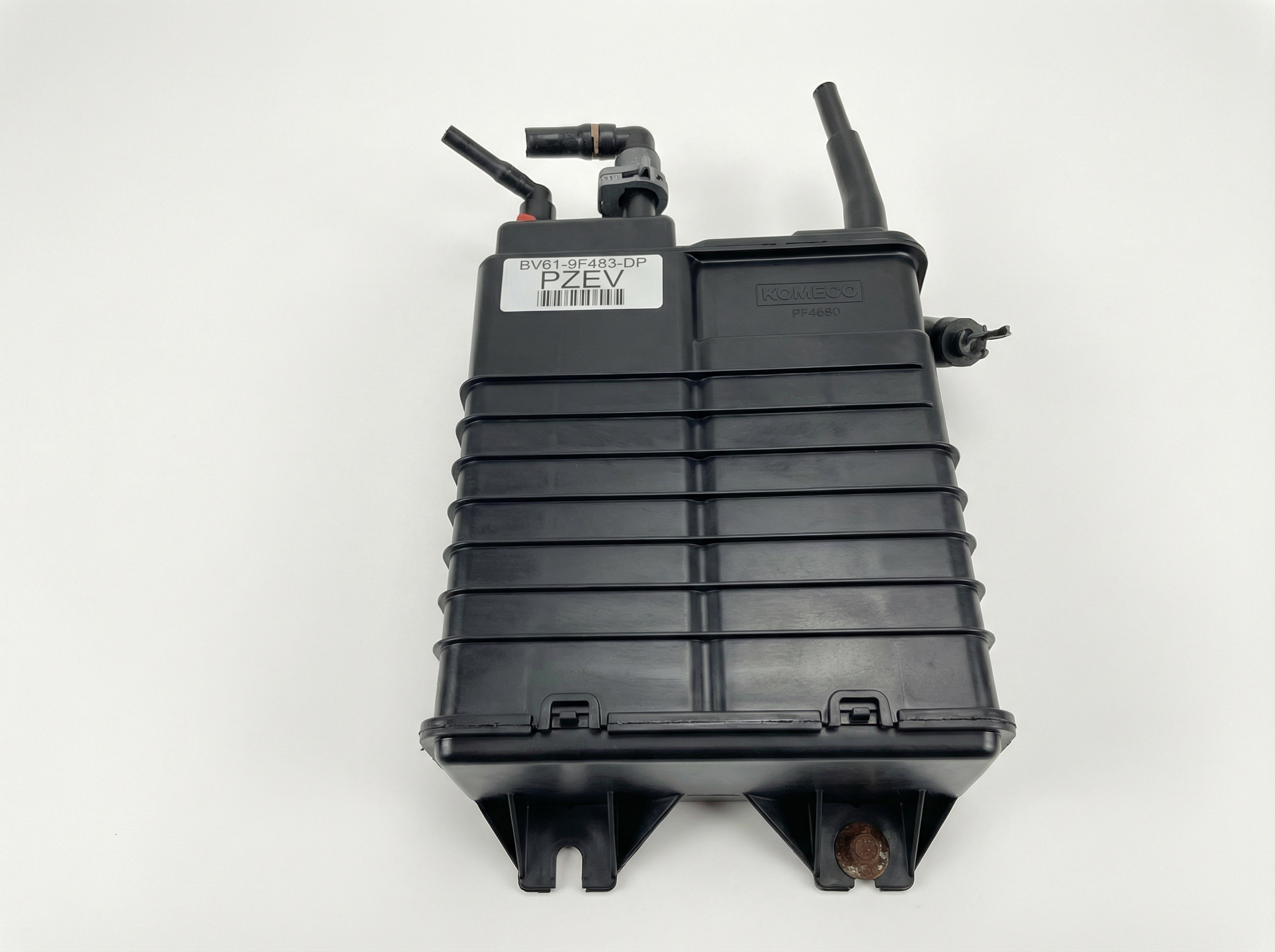
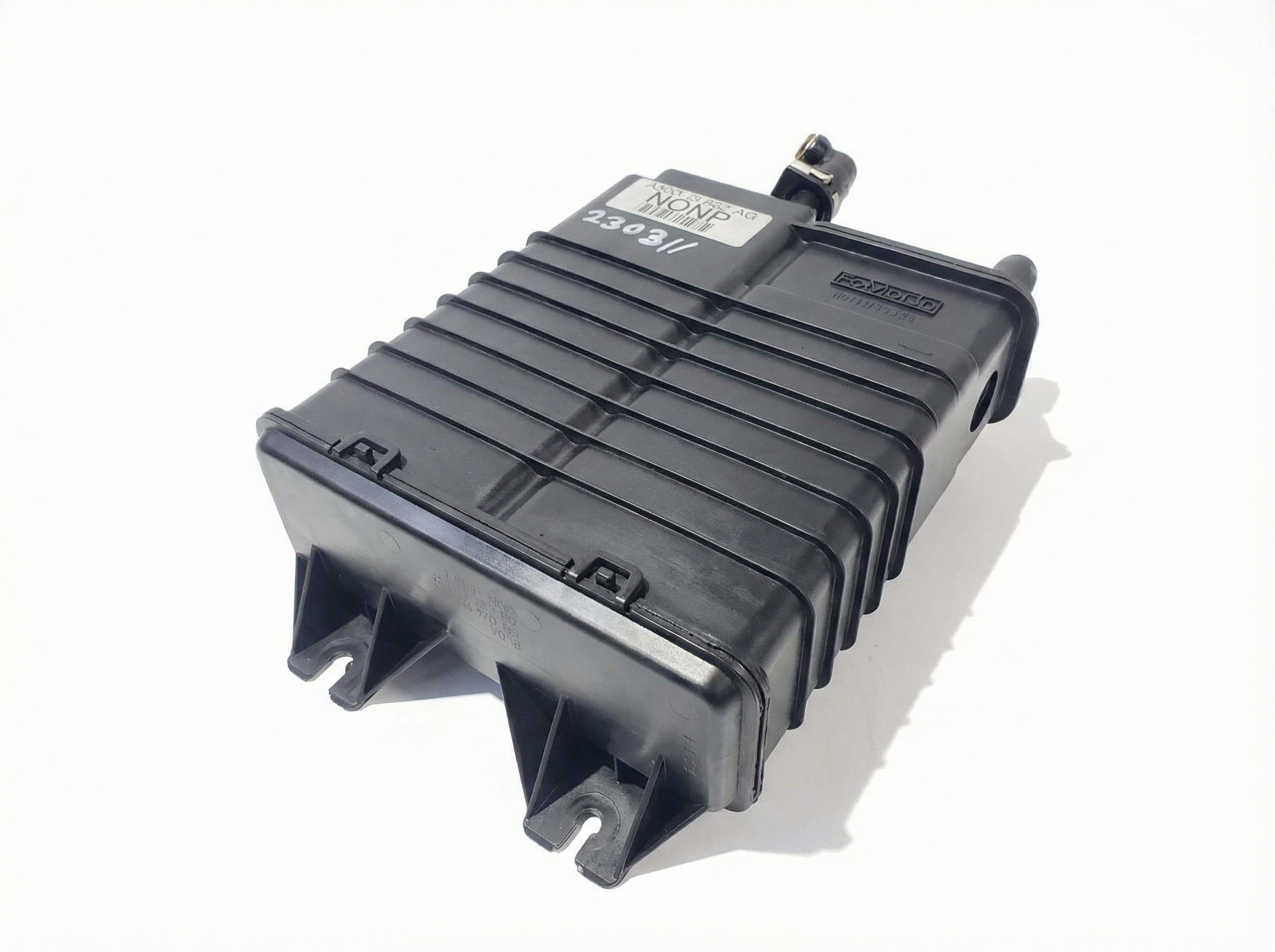
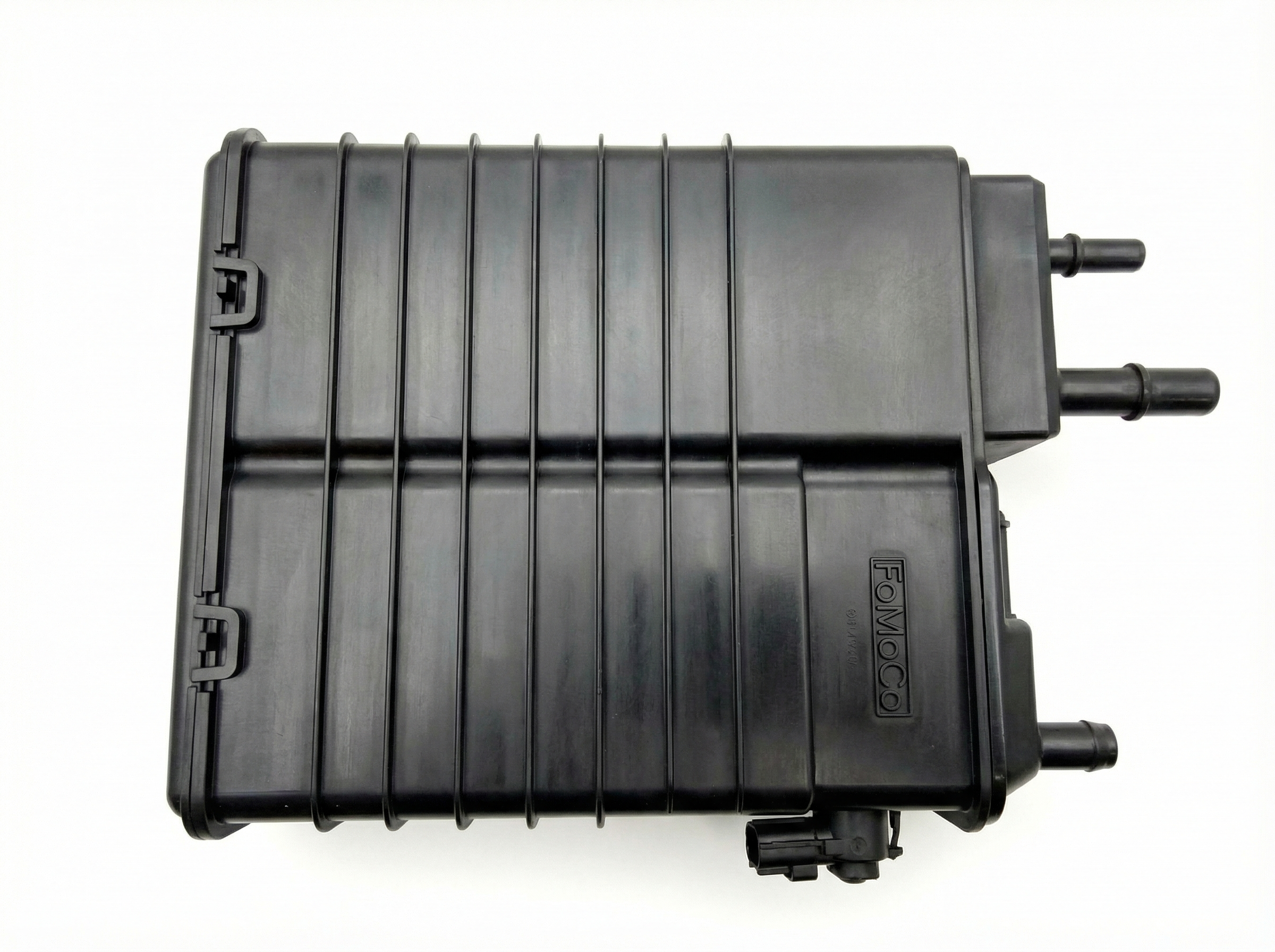
Generation note: This covers the entire third generation (Mk3) of the Ford Focus in North America. The EVAP system components, specifically the common failure points for P0441, are consistent across the pre-facelift (2012-2014) and post-facelift (2015-2018) models with the naturally aspirated 2.0L engine. However, a critical distinction exists between PZEV (Partial Zero Emission Vehicle) and standard Federal emissions packages, which use different, non-interchangeable charcoal canisters.
Symptoms You May Notice
- Check Engine Light is on.
- A faint fuel smell may be present in rare cases.
- Difficulty starting the engine or rough running for a few moments immediately after refueling (symptom of a purge valve stuck open).
- Rough idling.
- Replacing the gas cap. This vehicle does not have a traditional gas cap, so this common advice for P0441 on other cars does not apply.
Most Likely Causes
- Faulty Canister Purge Valve (Solenoid) 🔴 High Probability This is a very common failure item across many modern Ford vehicles. The solenoid can fail electrically or the valve can get stuck open or closed from age and contamination, which is a frequent cause of P0441. This part was subject to a major safety recall (18S32) because a stuck-open valve could deform the fuel tank and cause stalling.
How to confirm: The valve is normally closed. With the engine off, disconnect the hoses and try to blow through it; if air passes, it's stuck open and faulty. You can also apply 12V power to the electrical connector and listen for a distinct click, which indicates the solenoid is activating. A video by Barbour's Auto Help on YouTube demonstrates this test specifically for the Focus.
Typical fix: Replace the canister purge valve and its attached tube assembly. It is located in the engine bay, near the intake manifold.
Est. part cost: $25-$70 - Faulty Capless Fuel Filler Neck 🟡 Medium Probability The internal spring-loaded flap and seal can wear out or get stuck with debris, preventing a proper seal for the EVAP system. This is a known issue on many Ford models with the 'Easy Fuel' system.
How to confirm: Visually inspect the fuel filler opening for debris holding the flap open. Use the emergency fuel funnel that came with the car to test the flap's operation. A professional smoke test is the definitive way to confirm a leak at the filler neck.
Typical fix: Clean any debris from the filler neck using a clean cloth and a small tool. If the seal is damaged or the flap is broken, the entire fuel filler neck assembly must be replaced.
Est. part cost: $70-$150 - Cracked or Disconnected EVAP Hoses ⚪ Low Probability Plastic and rubber hoses in the engine bay become brittle over time due to heat cycles and can crack or break, especially at connection points.
How to confirm: Visually inspect all accessible EVAP lines, especially the connections to and from the purge valve, for any visible cracks, brittleness, or loose fittings. A smoke test is the most effective way to find small, hard-to-see leaks.
Typical fix: Replace the damaged section of hose. Sometimes a specific pre-formed hose assembly is required from Ford.
Est. part cost: $15-$50
Rare But Worth Checking
- Clogged or Saturated Charcoal Canister: This is uncommon but can happen, especially if you frequently 'top off' your fuel tank after the pump clicks off. The excess fuel can flood the canister, saturating the charcoal and sending debris down the line, which can block flow and even cause repeat failures of the purge valve.
- Faulty Fuel Tank Pressure Sensor: While rare to fail on its own for this code, a faulty sensor can provide incorrect data to the PCM, leading to a P0441 code. This issue will typically be accompanied by other codes, such as P0452 or P0453.
Diagnosis Steps
- Scan for any other related trouble codes. Codes like P0442, P0455, or P0456 can point towards a leak as the root cause.
- Inspect the capless fuel filler neck. Open the fuel door and ensure the metal flap is closed and sealing properly. Clean out any visible dirt or debris with a cloth. Test its spring action with the vehicle's emergency fuel funnel.
- Locate the canister purge valve in the engine bay. On the 2.0L engine, it's a small black solenoid with hoses attached, mounted near the top-rear of the engine, close to the firewall.
- Visually inspect the hoses connected to the purge valve for any obvious cracks, breaks, or loose connections.
- Test the purge valve. With the engine off, disconnect the hoses. The valve should be closed, and you should not be able to blow air through it. If you can, it is stuck open and needs replacement. This is the most common failure.
- If the valve is not stuck open, you can test its solenoid operation. Reconnect the hoses, start the engine, and with your finger on the valve, have someone rev the engine slightly. You should feel it click or pulse. Alternatively, use a scan tool that can command the valve to open.
- If the valve and hoses appear to be in good condition, the next step is to perform a smoke test on the EVAP system. This will pressurize the system with visible smoke, making it easy to find hard-to-see leaks in the lines, charcoal canister, or the filler neck seal.
Parts You'll Likely Need
- Canister Purge Valve / Solenoid (Tube Assembly)
(OEM #BV6Z-9D289-R)— This is the most frequent cause of P0441. The valve sticks open or closed, preventing correct vapor flow. The part is sold as an assembly with the attached hoses. This part number supersedes BV6Z-9D289-B and BV6Z-9D289-A.
Trusted brands: Motorcraft, Dorman, Bosch
OEM price range: $35-$60
Aftermarket price range: $25-$50 - Fuel Filler Neck (Capless)
(OEM #BV6Z-9034-F)— The seal on the capless system can fail or the flap can break, causing a leak that triggers this code. The entire neck assembly must be replaced if the seal is faulty. This part number supersedes BV6Z-9034-E, BV6Z-9034-D, BV6Z-9034-C, and BV6Z-9034-B.
Trusted brands: Motorcraft, Spectra Premium
OEM price range: $100-$160
Aftermarket price range: $70-$120
Related Codes That Often Appear With This One
- P0442 — P0442 indicates a small leak in the EVAP system. If the cause of the incorrect purge flow (P0441) is a component that is also leaking (like a faulty purge valve stuck slightly open or a bad filler neck seal), both codes can appear.
- P0456 — Indicates a very small leak detected. This can be triggered by the same faults as P0442, such as a failing seal on the capless filler neck.
Technical Service Bulletins (TSBs) & Recalls
- source — This Technical Service Bulletin addresses issues with the capless fuel filler system, including fuel nozzles getting stuck or being difficult to insert. While not directly for P0441, it details inspection and replacement procedures for the fuel filler neck, which is a known cause of EVAP leaks that can trigger this code.
Platform-Specific Known Issues
- Owner Repair Story: Purge Valve Replacement: A user on Reddit with a P0441 code had a shop replace the purge valve solenoid, which is the correct and most common fix. This reinforces that even professional shops target this part first.
- Owner Repair Story: Clogged Canister after Topping Off: A user on the r/MechanicAdvice subreddit noted that habitually overfilling the fuel tank can saturate the charcoal canister, causing charcoal bits to break down and clog the EVAP lines and the new purge valve, leading to a recurring P0441 code.
Documented NHTSA Reports
NHTSA ODI #11405532 describes a situation where a vehicle bubbles excessively for a couple of minutes after refueling and triggers code P0441.
Wiring & Ground Locations
- Main Engine Bay Grounds — Located on the chassis frame rail underneath the air filter box in the engine compartment.. The Ford Focus is known for having electrical issues due to poor grounding from the factory (paint on contact surfaces). A poor ground for the PCM or related sensors can cause erratic behavior and false codes. Cleaning these main grounds is a common preventative and diagnostic step for many electrical faults.
- G107 — A wiring diagram indicates a ground designated G107 is located on the right side of the engine compartment.. This ground point is shown in proximity to the EVAP Canister Vent Valve circuit on wiring diagrams, suggesting it may be a critical ground for the proper function of EVAP system solenoids.
OEM Part Supersession History
BV6Z-9D289-A, BV6Z-9D289-B→BV6Z-9D289-R— Standard part revision and improvement by the manufacturer.
Heads up: The newer 'R' revision is a direct replacement for the older 'A' and 'B' versions.
Model Year Variations Within This Range
- 2012-2018: Vehicles were manufactured with either a PZEV (Partial Zero Emission Vehicle) or a standard Federal emissions system, primarily based on the state where the vehicle was originally sold. These systems use different vapor canisters that are not interchangeable. Always check the underhood emissions sticker before ordering EVAP parts.
- 2012-2018: As part of recall 18S32, Ford dealers would reprogram the Powertrain Control Module (PCM). This software update alters the diagnostic strategy for the EVAP system to prevent the purge valve from creating excessive, damaging vacuum in the fuel tank. A vehicle with the recall performed has different system logic than one without.
Diagnostic Flowchart
Real Owner Stories
Aggregated from forums and TSBs cited above. Mileages and costs reflect what owners reported in those sources.
2017 Ford Focus Titanium
Symptoms: Check engine light is on with codes P0441, P0455, and P0456. The car reliably starts except for every time gas is purchased.
What fixed it: Another owner with a 2012 2.0L Titanium noted it was the purge solenoid causing the exact same issue, which is a very common failure on these vehicles.
Source hint: Reddit r/AskAMechanic - 'My car reliably starts EXCEPT for every time I purchase gas'
2013 Ford Focus 2.0L
Symptoms: EVAP leaks triggering codes P0441 or P0442 due to the capless device seal being broken or cracked on the inside.
What fixed it: Replacing the capless fuel filler neck assembly.
Source hint: YouTube comment - Electrical Car Repair LIVE
Ford Focus
Symptoms: Recurring P0441 code even after having the purge valve replaced.
What fixed it: Diagnosed as a clogged charcoal canister from habitually overfilling the fuel tank, which broke down charcoal bits and clogged the EVAP lines and the new purge valve.
Source hint: Reddit r/MechanicAdvice - 'Diagnostic code P0441'
Ford Focus
Symptoms: A normal P0441 code turned into a permanent code after a mechanic visit.
What fixed it: The shop replaced the purge valve solenoid, which is the correct and most common fix for this code.
Source hint: Reddit r/MechanicAdvice - 'Normal code (p0441) turned into permanent code after mechanic visit.'
Ford Focus
Symptoms: An owner reported that the vehicle bubbles excessively for a couple minutes after being able to drive after refueling, accompanied by a check engine light for code P0441.
What fixed it: This symptom is documented in NHTSA ODI #11405532 and is typically associated with the EVAP system issues common to this platform.
Source hint: NHTSA ODI #11405532
Related OBD-II Codes
Frequently Asked Questions
Is there a recall on the 2012-2018 Ford Focus for the P0441 code?
Why does my Focus have trouble starting right after I put gas in it?
Does TSB 14-0132 apply to my P0441 code?
I replaced the purge valve on my Focus but the P0441 code came back. What else could it be?
How do I test the purge valve on my 2.0L Ford Focus?
Can the capless fuel filler on my Focus cause a P0441?
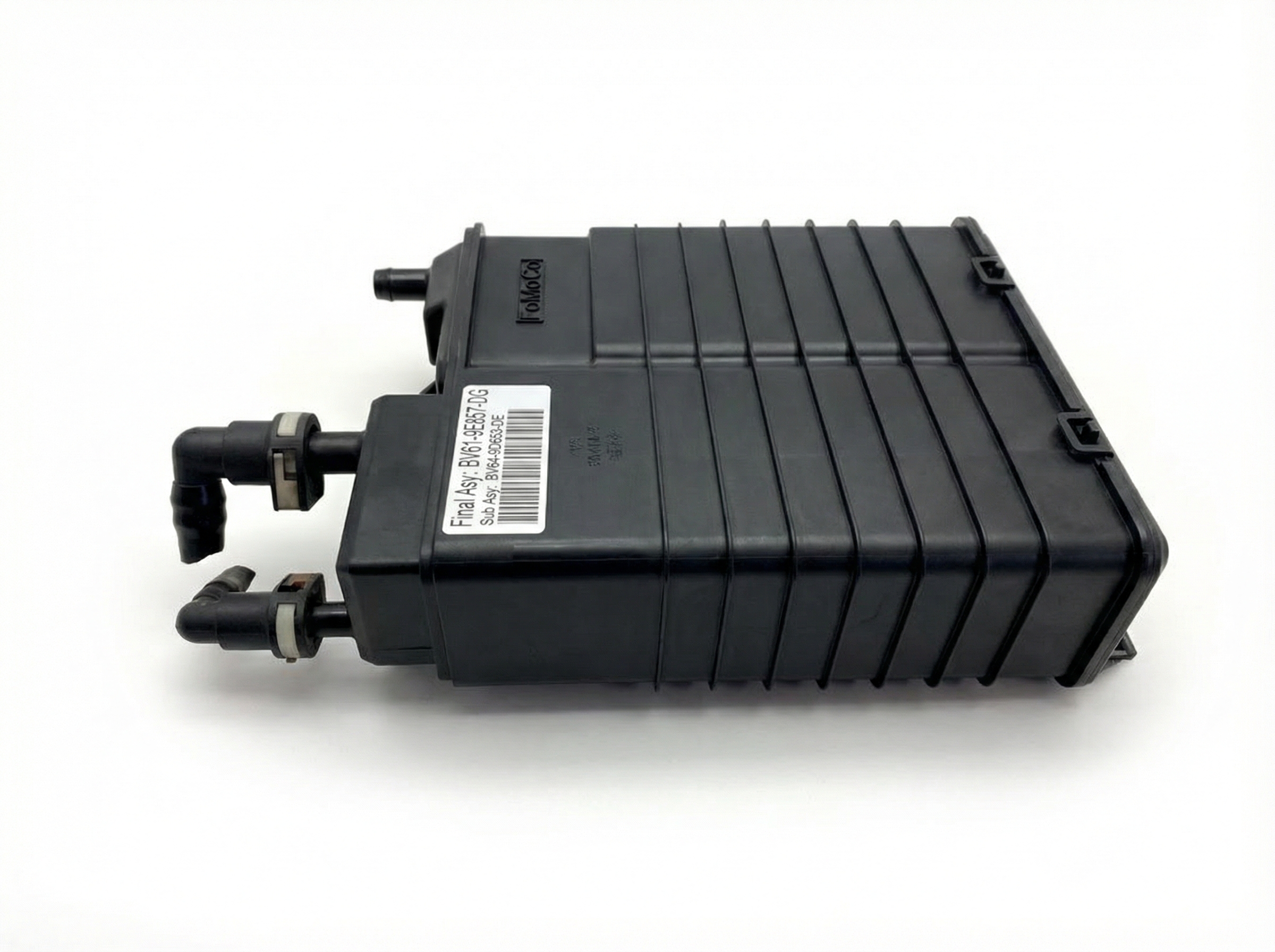
Used OEM Parts in Stock

New Aftermarket Parts Available


The information in this article is provided for general reference and educational purposes only. Vehicle specifications, procedures, and part compatibility can vary by production date, trim level, and region. Always consult your vehicle's factory service manual and verify part numbers before purchasing or performing repairs. Safety-critical components such as airbags, seat belts, and braking systems should be installed by a qualified professional.
- Ford Focus:
- 🛍️ Shop This Part
- What's Unique About the 2012-2018 Ford Focus
- Symptoms You May Notice
- Most Likely Causes
- Rare But Worth Checking
- Diagnosis Steps
- Parts You'll Likely Need
- Related Codes That Often Appear With This One
- Technical Service Bulletins (TSBs) & Recalls
- Platform-Specific Known Issues
- Documented NHTSA Reports
- Wiring & Ground Locations
- OEM Part Supersession History
- Model Year Variations Within This Range
- Diagnostic Flowchart
- Real Owner Stories
- 2017 Ford Focus Titanium
- 2013 Ford Focus 2.0L
- Ford Focus
- Ford Focus
- Ford Focus
- Related OBD-II Codes
- Frequently Asked Questions
- 🎟️ Get 5% Off