

P0441 on 2009-2014 Ford F-150: EVAP Incorrect Purge Flow Causes and Fixes
For a 2009-2014 Ford F-150, code P0441 is most often caused by a faulty canister purge valve located on the engine. This is a relatively inexpensive and easy part to replace, typically costing between $30 and $80 for an aftermarket part and taking less than 30 minutes for a DIY repair.
- P0441 on a 2009-2014 F-150 almost always points to a problem with the EVAP canister purge valve.
- Symptoms can include a rough idle and, most distinctively, trouble starting the truck right after you fill the gas tank.
- This is a DIY-friendly repair. The purge valve is usually easy to access in the engine bay and can be replaced with basic tools in under an hour.
- Do not immediately assume a bad gas cap is the cause; this code is specific to vapor flow, not a general system leak.
- The most common fix is replacing the vapor canister purge valve (OEM Part AU5Z-9C915-B or equivalent).
What's Unique About the 2009-2014 Ford F-150

The 2009-2014 (12th generation) F-150 is well-known in owner forums and by mechanics for issues with its EVAP system components, particularly the canister purge valve. While the P0441 code is generic, on this specific truck platform across various engines (5.4L, 5.0L, 3.5L), the purge valve is a very frequent point of failure. Owners often report that the valve gets stuck open, directly causing this code and leading to a classic symptom: difficulty starting the truck immediately after refueling. This happens because a stuck-open valve allows un-metered fuel vapor to flood the intake manifold after a fill-up, creating a rich condition that makes it hard to start.
Symptoms You May Notice
- Check Engine Light is on
- Difficulty starting the engine immediately after refueling (long crank time)
- Slightly rough or unstable idle
- A faint fuel odor (less common)
- Slight decrease in fuel economy
- In some cases, the remote start feature may be disabled by the PCM when a Check Engine Light is active.
- Replacing the gas cap. While a loose or faulty gas cap can cause other EVAP codes (like P0455 or P0457), it is not a typical cause for P0441, which specifically relates to incorrect purge flow, not a general system leak.
Most Likely Causes

- Faulty Canister Purge Valve/Solenoid 🔴 High Probability The purge valve on this F-150 generation is a well-documented, common failure item across all engine types. It can get stuck open or closed, directly leading to an incorrect purge flow reading by the computer. Forum discussions are filled with owners successfully fixing P0441 by replacing this part.
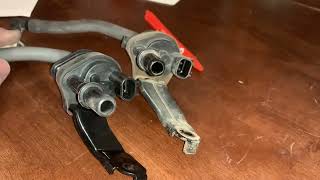
How to confirm: With the engine off, unplug the electrical connector and the EVAP lines from the valve. Try to blow through it. A normally closed valve should not allow air to pass. If you can blow through it, it's stuck open and needs replacement. A more definitive test is to start the engine, disconnect the vacuum hose from the purge valve, and feel for suction at the valve's port with the electrical connector unplugged. There should be no vacuum; if there is, the valve is stuck open.
Typical fix: Replace the canister purge valve. On the 5.0L and 3.5L engines, it is located on top of the engine's intake manifold and is very easy to access. On the 5.4L V8, it is located on the passenger side of the engine, towards the rear, making it more difficult to reach. 🎬 See this step-by-step guide for replacing the 5.4L purge valve. The replacement typically involves removing two 8mm bolts and disconnecting one electrical and one or two hose connectors.
Est. part cost: $30-$80 - Cracked, Disconnected, or Blocked EVAP Hoses 🟡 Medium Probability The plastic and rubber hoses in the EVAP system can become brittle and crack over time due to engine heat and age, causing vacuum leaks or blockages.
How to confirm: Visually inspect all accessible EVAP lines between the charcoal canister, purge valve, and intake manifold for obvious cracks, chafing, or disconnections. Pay close attention to the connection points. A smoke test is the most effective professional method to find small, hard-to-see leaks.
Typical fix: Replace the damaged section of hose or secure a loose connection.
Est. part cost: $10-$50 - Faulty Canister Vent Solenoid ⚪ Low Probability The vent solenoid, usually located near the charcoal canister by the fuel tank, can also fail. If it's stuck closed, it prevents fresh air from entering the canister during the purge cycle, which can cause an incorrect flow error. If stuck open, it can cause other leak codes.
How to confirm: Test the solenoid for proper operation using a scan tool to command it open and closed, or by applying 12V power to see if it actuates. You should have battery voltage on the Yellow-Red wire at the vent solenoid connector with the key on.
Typical fix: Replace the canister vent solenoid. This part is located near the fuel tank and may require lifting the vehicle for access.
Est. part cost: $50-$120
Rare But Worth Checking
- Clogged Charcoal Canister: This can happen if you habitually 'top off' your fuel tank after the pump clicks off. Excess liquid fuel can saturate the charcoal pellets, which can then break apart and get drawn into the purge lines, clogging the purge valve or the lines themselves.
- Faulty Fuel Tank Pressure (FTP) Sensor: The PCM relies on this sensor to detect purge flow. If the sensor gives an incorrect or flat reading (e.g., always 0.0 psi), the computer may falsely trigger P0441 or fail to properly control the purge valve. This sensor is on top of the fuel tank and is difficult to replace.
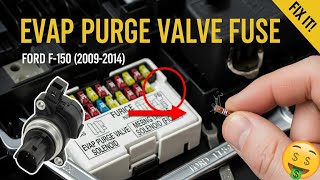
- Wiring Issue or Blown Fuse: A damaged wire or corroded connector for the purge valve can prevent it from operating correctly. The purge valve solenoid shares a fuse with other components in the power distribution box under the hood (e.g., a 20A fuse in slot F17 on some models), which could be a point of failure. 🎬 Watch: How to find and replace the EVAP solenoid fuse.
Diagnosis Steps

- Read the code with an OBD-II scanner and check for any other related codes, especially P1450.
- Visually inspect the gas cap to ensure it is tight and the seal is intact, though this is an unlikely cause.
- Locate the canister purge valve on the engine. For 5.0L/3.5L, it's on top of the intake. For 5.4L, it's on the passenger side rear. Inspect its electrical connector and the attached hoses for any visible damage or cracks.
- Test the purge valve. With the engine off, disconnect the valve and try to blow air through it. If air passes, the valve is stuck open and is faulty.
- Alternatively, start the engine, disconnect the EVAP hose from the valve's port, and check for vacuum with your finger. If suction is present, the valve is stuck open.
- If the valve tests good, inspect the EVAP hoses running from the engine bay back to the charcoal canister (located near the fuel tank) for any cracks, kinks, or disconnections.
- If no visible issues are found, a smoke test is the next step to identify any hard-to-find leaks in the system.
- If no leaks are found, the canister vent valve and the fuel tank pressure sensor should be tested for proper electrical and mechanical function, though these are less common failure points for this specific code.
Parts You'll Likely Need

- Vapor Canister Purge Valve / Solenoid
(OEM #AU5Z-9C915-B (also listed as CX-2409, supersedes 9U5Z-9C915-H))— This is the most frequent failure point for code P0441 on this vehicle. It controls the flow of fuel vapors and often gets stuck open. This part number is widely used across many Ford engines of this era, including the 5.0L and 3.5L.
Trusted brands: Motorcraft, Dorman, Duralast
OEM price range: $40-$70
Aftermarket price range: $25-$50
Related Codes That Often Appear With This One
- P1450 — Indicates the system is unable to bleed up fuel tank vacuum. This code is very commonly seen with a stuck-open purge valve on F-150s, as the constant vacuum from the engine prevents the tank pressure from stabilizing as expected.
- P0455/P0456 — Indicates a large or small EVAP leak. A cracked hose or failed component causing the P0441 flow issue could also be detected as a system leak.
- P0442 — Indicates a small EVAP leak. A cracked hose causing the P0441 flow issue could also be detected as a small leak.
Technical Service Bulletins (TSBs) & Recalls
- TSB 14-0057: Some 2011-2014 F-150 models with the 3.5L EcoBoost engine may exhibit a P0441 code. While the TSB text is not widely public, its existence confirms Ford's acknowledgement of EVAP issues on this platform.
Platform-Specific Known Issues
- Engine-Specific Purge Valve Location: The ease of repair varies by engine. For the 5.0L and 3.5L EcoBoost, the valve is on top of the engine and highly accessible, making for a 10-15 minute job. For the 5.4L V8, it is tucked away on the rear passenger side of the engine, making access much more difficult.
- Hard Starts After Refueling: The most commonly reported symptom tied directly to a failed purge valve on this platform is a long crank or no-start condition immediately after filling the fuel tank. This is a classic indicator of a stuck-open purge valve.
Mechanic-Grade Diagnostic Values
- Fuel Tank Pressure Sensor (FTPS) reading during normal purge operation — expected: Approximately -2.0 to -4.0 inches of water (-inH2O). Failure: A reading that is significantly different, or does not change when the purge valve is commanded open, indicates a flow problem.
- Canister Purge Valve (CPV) Solenoid Resistance — expected: While not a definitive spec, typical automotive solenoids of this type have a resistance between 20 and 40 ohms. A reading of infinity (open circuit) or near zero (short circuit) indicates a failed solenoid coil.. Failure: Resistance reading outside the expected range.
- Canister Vent Solenoid (CVS) Voltage — expected: Battery voltage on the Yellow/Red wire at the connector with the key on.. Failure: No voltage indicates an open circuit in the power feed, possibly a blown fuse or wiring issue.
Hidden / Shadow Codes Worth Checking
- Mode $06, Test ID $80: This refers to the EVAP monitor's leak check test results. A technician can view the raw data from the PCM's self-test, which includes pressure readings and bleed-up times. A failing value here can point to the source of the P0441 before the code fully sets or help diagnose an intermittent issue. (see via A professional scan tool or an advanced DIY tool (like FORScan) that can access Mode $06 data.)
Scan Tool Commands That Help
- Ford IDS (Integrated Diagnostic System) or FORScan: EVAP System Test — This is a guided diagnostic function that commands the PCM to run the entire EVAP monitor sequence on demand. It will seal the system, command the purge and vent valves, and monitor the FTP sensor response. This is the most effective way to test the whole system's functionality in the service bay without having to perform a drive cycle.
- Ford IDS (Integrated Diagnostic System) or other professional bidirectional scanner: Purge/Seal — This command allows the technician to manually open and close the canister purge valve while observing live data from the FTP sensor. This directly tests the valve's response and its effect on system pressure, confirming if it's opening, closing, and flowing correctly.
Wiring & Ground Locations
- Canister Purge Valve Connector (2011+ 5.0L/3.5L) — On the canister purge valve, top of the engine intake manifold.. This is the connection point for power and control signals to the most common failed part. Pin 1 (Violet/Green on some models) is the control signal from the PCM, and Pin 2 (White/Blue on some models) is the power feed. Checking for voltage and signal here is a key diagnostic step.
- G401 — Under the rear of the vehicle, above the spare tire.. This is a primary ground point for components at the rear of the vehicle, including potentially the canister vent solenoid and fuel pump module on some configurations. A corroded or loose ground here can cause intermittent operation of EVAP components.
- G101 — In the engine compartment, often on the passenger side inner fender.. This is a major engine compartment ground. While not directly tied to the purge valve in all diagrams, poor grounding here can cause a host of PCM and sensor-related issues that could indirectly lead to false codes. Ensuring this ground is clean and tight is good practice during any electrical diagnosis.
Real Owner Repair Stories
- YouTube video by 'Ford Tech Makuloco' (Multiple Ford vehicles, including F-150s of this generation.) — Check Engine Light with P1450 and/or P0441, often accompanied by a hard start or stumble after refueling.
❌ Tried (didn't work) Replacing the gas cap., Performing a smoke test which showed no leaks.
✅ What actually fixed it Replacing the canister purge valve. The creator emphasizes that even if the valve passes a simple 'blow through' test when cold, it can still fail intermittently under vacuum when the engine is running, making replacement the most effective fix for these symptoms and codes. - NHTSA ODI #11405532: An owner of a similar Ford platform reported that the vehicle stumbles excessively for a couple of minutes after refueling before being able to drive, with the check engine light active for code P0441.
"I Checked Everything" — The Actual Cause
- In many documented cases for P0441 and the related P1450 code, a smoke test will show no leaks. The root cause is not a physical leak but a functional failure of the canister purge valve. It gets stuck open by engine vacuum while driving, but may close when the engine is off for testing, leading to a 'No Fault Found' result from the smoke test. The constant, un-commanded vacuum from the stuck-open valve is what the PCM interprets as an 'incorrect flow' or 'inability to bleed up vacuum'.
OEM Part Supersession History
9U5Z-9C915-H→AU5Z-9C915-A, then AU5Z-9C915-B, then AU5Z-9C915-D, and currently AU5Z-9C915-E— Ford frequently revises parts to improve reliability or change suppliers. The high frequency of supersessions for this part indicates ongoing efforts to resolve the common failure issues.
Heads up: All listed parts are generally backward compatible. However, it is always best to use the latest revision (AU5Z-9C915-E as of early 2024) to get the most updated design. Aftermarket parts often cross-reference to the older numbers.
Model Year Variations Within This Range
- 2009-2010: These model years primarily used the 5.4L 3V and 4.6L 3V V8 engines. The purge valve on the 5.4L is notoriously difficult to access, located on the rear passenger side of the engine.
- 2011-2014: This range saw the introduction of the 3.7L V6, 5.0L V8, and 3.5L EcoBoost V6. On these engines, the purge valve (using the common AU5Z-9C915-B and its successors) is located in a much more accessible position on top of the intake manifold, making replacement significantly easier.
Diagnostic Flowchart
Real Owner Stories
Aggregated from forums and TSBs cited above. Mileages and costs reflect what owners reported in those sources.
2015 Ford F-150
Symptoms: Experienced a hard start immediately after fueling the truck, accompanied by code P1450.
What fixed it: Replaced the purge valve, noting that it was the culprit even though it didn't fail a simple 'blow-through' test.
Source hint: f150forum.com - Thread 'Hard start after fueling'
2014 Ford F-150 5.0L
Symptoms: Initially had a long-crank issue. After replacing the purge valve, the truck would not start at all.
What fixed it: The thread highlights that the new part may have been faulty out of the box or the original issue was misdiagnosed.
Source hint: f150forum.com - Thread 'Truck won't start after replacing purge valve'
Related OBD-II Codes
Frequently Asked Questions
Does TSB 14-0057 apply to my F-150?
Why is my F-150 hard to start right after I put gas in it?
Where is the purge valve located on my F-150?
Why did my remote start stop working when the P0441 code appeared?
How can I test the purge valve on my 5.0L or 3.5L engine?
I replaced the purge valve on my 2014 5.0L, but now the truck won't start at all. What happened?
Helpful Videos


Used OEM Parts in Stock

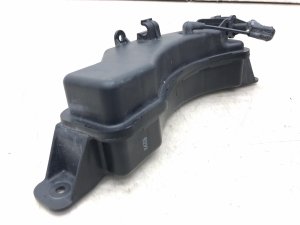
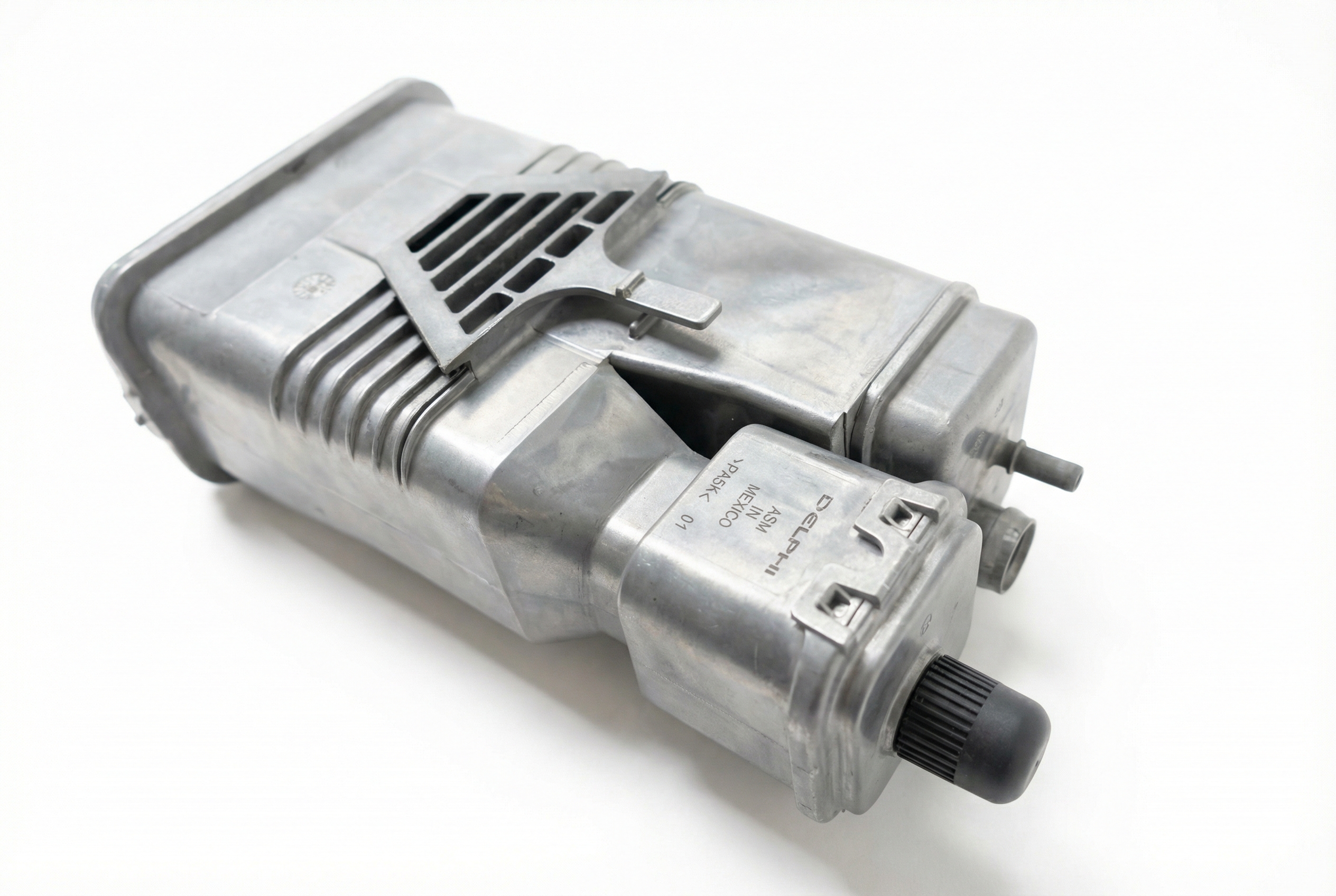
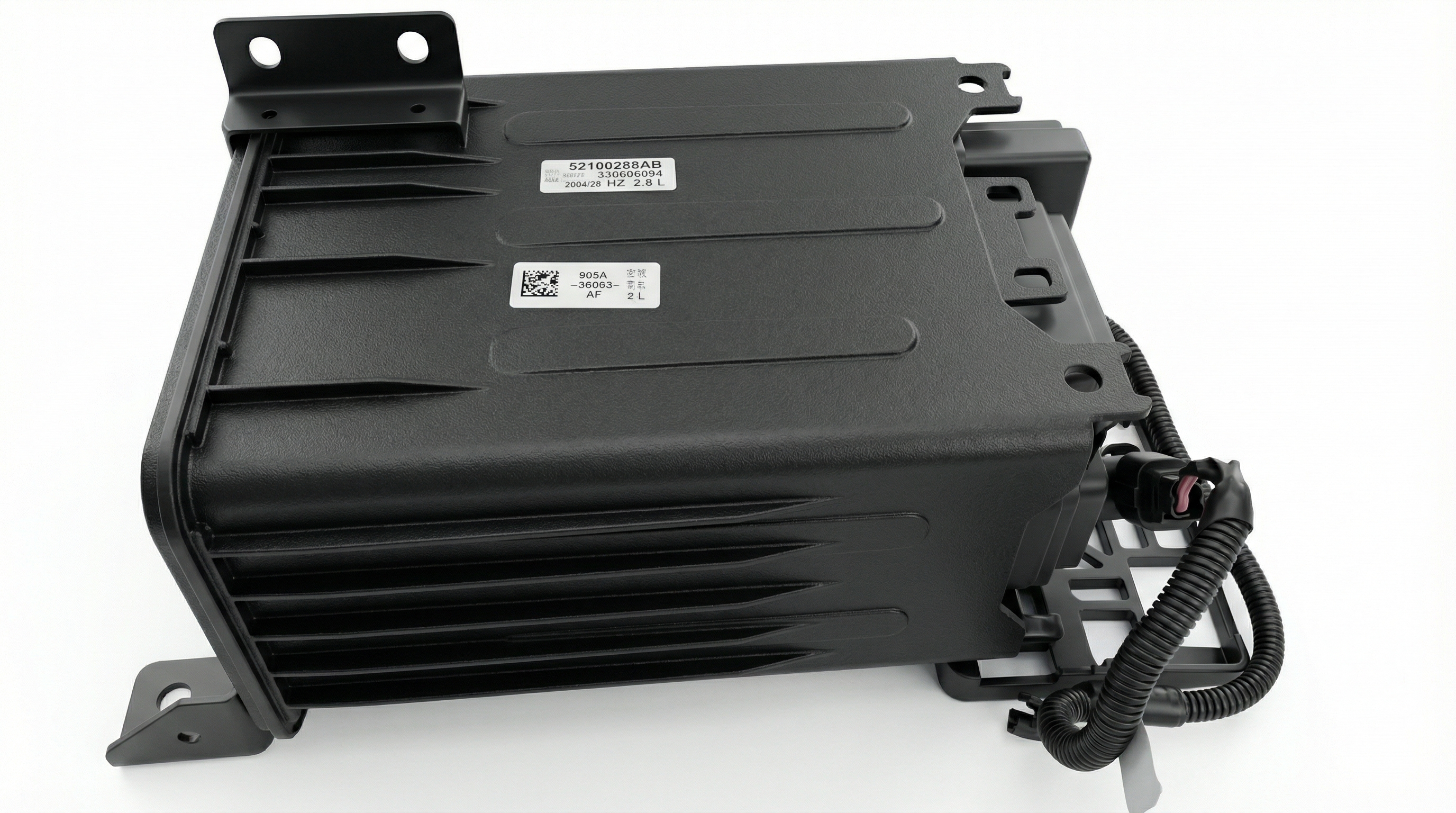
New Aftermarket Parts Available

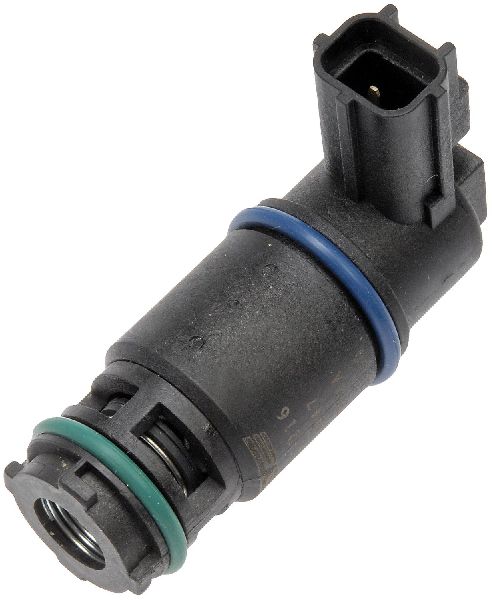

The information in this article is provided for general reference and educational purposes only. Vehicle specifications, procedures, and part compatibility can vary by production date, trim level, and region. Always consult your vehicle's factory service manual and verify part numbers before purchasing or performing repairs. Safety-critical components such as airbags, seat belts, and braking systems should be installed by a qualified professional.
- Ford F-150:
- 🎬 Helpful Videos
- 🛍️ Shop This Part
- What's Unique About the 2009-2014 Ford F-150
- Symptoms You May Notice
- Most Likely Causes
- Rare But Worth Checking
- Diagnosis Steps
- Parts You'll Likely Need
- Related Codes That Often Appear With This One
- Technical Service Bulletins (TSBs) & Recalls
- Platform-Specific Known Issues
- Mechanic-Grade Diagnostic Values
- Hidden / Shadow Codes Worth Checking
- Scan Tool Commands That Help
- Wiring & Ground Locations
- Real Owner Repair Stories
- "I Checked Everything" — The Actual Cause
- OEM Part Supersession History
- Model Year Variations Within This Range
- Diagnostic Flowchart
- Real Owner Stories
- 2015 Ford F-150
- 2014 Ford F-150 5.0L
- Related OBD-II Codes
- Frequently Asked Questions
- 🎟️ Get 5% Off