

P0441 on 2011-2016 Chevrolet Cruze: Incorrect Purge Flow Causes and Fixes
On a 2011-2016 Chevy Cruze, particularly those with the 1.4L Turbo engine, code P0441 is almost always caused by a failed EVAP purge valve solenoid located on the engine's intake manifold. It's an inexpensive part (around $25-$50) and is a very common DIY repair that takes less than 30 minutes to replace.
- P0441 on a 2011-2016 Cruze almost always points to a bad EVAP purge valve.
- Before buying parts, check that your gas cap is tight and its seal is intact.
- A faulty purge valve can also cause a lean code (P0171) and a rough idle.
- Replacing the purge valve is a beginner-friendly DIY job that requires minimal tools and time.
- Always use an OEM or high-quality aftermarket part to ensure a lasting repair.
What's Unique About the 2011-2016 Chevrolet Cruze
The first-generation Chevrolet Cruze, especially with the 1.4L Turbo (LUJ/LUV) engine, is known for having a very high failure rate of the EVAP purge valve solenoid. This component frequently gets stuck open or closed, directly causing the P0441 code. While other causes are possible, the purge valve is so commonly the culprit on this specific vehicle that it's often the first and only part that needs to be replaced to resolve the issue. A stuck-open valve is particularly common and will also create a vacuum leak, often triggering a P0171 (System Too Lean) code as well.
Generation note: The 2011-2016 model years primarily cover the first generation of the Chevrolet Cruze. In 2016, Chevrolet sold both the first-generation model (as the "Cruze Limited") and the new second-generation model. This guide applies specifically to the first-generation models and their platform mates.
Symptoms You May Notice
- Check Engine Light is on
- Slightly rough or erratic idle, sometimes fluctuating
- Difficulty starting the engine right after getting gas
- A faint fuel smell (rare)
- Audible clicking or buzzing from the purge valve itself
- Replacing the O2 sensors. While other codes related to fuel mixture (like P0171) can sometimes appear with EVAP faults, the P0441 code itself points specifically to the purge flow, not the sensors measuring exhaust.
- Replacing the EVAP vent solenoid. The vent solenoid is located near the fuel tank and is more commonly associated with leak detection codes (like P0442 or P0455), not the incorrect flow code P0441, which is focused on the purge side of the system near the engine.
Most Likely Causes
- Failed EVAP Purge Valve Solenoid 🔴 High Probability This specific part has a very high failure rate on the first-generation Cruze with the 1.4L and 1.8L engines. It can get stuck open, allowing un-metered vacuum into the intake, or stuck closed, preventing any vapor flow.
How to confirm: With the engine off, unplug the electrical connector and the two EVAP hoses from the valve. Try to blow through the valve from the port that leads to the charcoal canister (usually marked 'CAN') to the port that leads to the intake manifold ('PURGE' or unmarked). If any air passes through, it's stuck open and faulty. A normally functioning valve is closed when no power is applied.
Typical fix: Replace the EVAP purge valve solenoid. It is mounted directly on the intake manifold and secured by a small bracket, making it easily accessible.
Est. part cost: $25-$60 - Loose or Faulty Gas Cap 🟡 Medium Probability While a loose gas cap is more commonly associated with P0442 (small leak) or P0455 (large leak), a faulty cap that doesn't seal properly can sometimes contribute to incorrect flow readings. The seal can degrade over time.
How to confirm: Inspect the gas cap for any visible cracks in the rubber O-ring or seal. Ensure it is tightened until it clicks at least once. If the seal is worn, stiff, or damaged, it needs replacement.
Typical fix: Tighten or replace the gas cap. Using an OEM-spec cap is recommended to ensure a proper seal.
Est. part cost: $15-$30 - Cracked or Disconnected EVAP Hoses ⚪ Low Probability The plastic and rubber hoses in the engine bay can become brittle over time due to heat cycles and age, leading to cracks and vacuum leaks. The lines connecting directly to the purge valve are the most common culprits.
How to confirm: Visually inspect all accessible EVAP lines, especially the ones connected to the purge valve on the intake manifold, for any signs of cracking, disconnection, or brittleness. A smoke test can definitively identify hard-to-see leaks.
Typical fix: Replace the damaged section of hose or the entire pre-formed hose assembly.
Est. part cost: $10-$50
Rare But Worth Checking
- Clogged or Failed Charcoal Canister: This can happen if you frequently 'top off' your fuel tank after the pump automatically shuts off. Excess liquid fuel can saturate the canister, causing it to become clogged with charcoal pellets. These pellets can then travel up the purge line and block the new purge valve, causing it to fail repeatedly.
- Faulty EVAP Purge Flow Sensor: On vehicles equipped with a dedicated purge flow sensor, the sensor itself can fail. However, many GM vehicles, including the Cruze, infer flow by monitoring pressure changes in the tank, making this a less common cause.
Diagnosis Steps
- Read the code with an OBD-II scanner to confirm P0441 is present. Note any other codes, especially P0171 or P0496.
- Inspect the gas cap. Ensure it is tight and the rubber seal is not cracked or worn. If in doubt, it's an inexpensive part to replace as a first step.
- Locate the EVAP purge valve solenoid on the engine's intake manifold. It's a small black plastic valve with two hoses and an electrical connector.
- Visually inspect the hoses connected to the purge valve for any obvious cracks or disconnections.
- Test the purge valve. With the engine off, disconnect the valve. Attempt to blow air through it from the canister side to the intake side. If air passes through, the valve is stuck open and must be replaced. This is the most common failure.
- If the valve is not stuck open, you can test its operation. Use a scan tool with bidirectional controls to command the purge valve to open and close. You should hear an audible click. Alternatively, you can apply a 12V source to the pins to see if it opens.
- If the purge valve and its wiring seem okay, the next step would be to perform a smoke test on the EVAP system to check for cracks in the purge lines running from the engine to the charcoal canister near the tank.
- If no leaks are found, inspect the charcoal canister and vent valve for blockages or damage, though this is a less common cause for P0441.
Parts You'll Likely Need
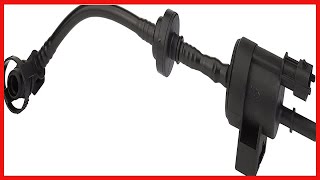
- Vapor Canister Purge Valve / Solenoid
(OEM #55566387)— This is the most frequent point of failure for the P0441 code on the 2011-2016 Cruze. It gets stuck open or closed, disrupting the correct flow of fuel vapors.
Trusted brands: ACDelco (GM OE), Dorman, Bosch (OEM)
OEM price range: $40-$70
Aftermarket price range: $25-$45
Related Codes That Often Appear With This One
- P0171 — P0171 means 'System Too Lean'. If the purge valve is stuck open, it creates a constant vacuum leak, allowing un-metered air (fuel vapors) into the intake manifold. This makes the air-fuel ratio too lean and can trigger P0171 alongside the P0441. This is a very common combination on the 1.4L Cruze.
- P0442 — P0442 indicates a small leak in the EVAP system. A faulty purge valve that is stuck partially open or not sealing correctly can sometimes be interpreted by the ECM as both an incorrect flow and a small leak.
- P0496 — P0496 indicates 'EVAP Flow During a Non-Purge Condition'. This is a more specific GM code that often accompanies P0441 when the purge valve is stuck open, as it directly points to vapor flow when the valve should be closed.
Technical Service Bulletins (TSBs) & Recalls
- 14801: Reprogram Engine Control Module - This is a voluntary emissions recall for 2011-2013 1.4L models to address carbon monoxide emissions under high load, not directly related to fixing the cause of P0441, but involves reprogramming the ECM.
- No specific TSB exists for P0441 itself, as it is almost always a hard part failure (the purge valve). Related TSBs for the EVAP system or lean codes often point back to checking the purge valve and associated PCV system components.
Platform-Specific Known Issues
- The EVAP purge valve on the 1.4L and 1.8L engines used in the first-generation Cruze is a well-documented, high-failure-rate item, often failing before 80,000 miles.
- A stuck-open purge valve on the 1.4L Turbo engine is a primary cause for a P0171 (lean) code appearing simultaneously with P0441, due to the unmetered air creating a vacuum leak.
Mechanic-Grade Diagnostic Values
- EVAP Purge Valve Solenoid Coil Resistance — expected: 20 - 40 Ohms. Failure: An open circuit (infinite resistance) or a short (near zero resistance) indicates a failed solenoid coil. Some sources cite a more specific ~32 ohms as typical.
- Voltage at Purge Valve Connector (Power Pin, Key On Engine Off) — expected: Battery Voltage (~12.0 - 12.6V). Failure: No voltage or low voltage points to a problem in the power supply circuit, such as the F3 or F13 fuse in the underhood fuse block, or a wiring fault.
- Voltage at Purge Valve Connector (Control Pin) — expected: This is a ground-side switched circuit. Voltage will be near battery voltage when the valve is commanded OFF, and will be pulsed to ground by the ECM when commanded ON.. Failure: A constant ground or constant voltage when the valve should be cycling indicates a wiring short/open or a failed ECM driver.
- Fuel Tank Pressure (FTP) Sensor Voltage (Atmospheric Pressure) — expected: ~1.5 Volts. Failure: A significantly different voltage with the gas cap off indicates a potential FTP sensor issue, not a purge flow problem.
Scan Tool Commands That Help
- GDS2 / High-End Scan Tool: EVAP Purge/Seal Test — This bidirectional test allows the technician to command the purge solenoid ON and the vent solenoid OFF to seal the system. By monitoring the Fuel Tank Pressure (FTP) sensor, you can verify if the purge solenoid opens and allows engine vacuum to draw the tank pressure into a vacuum. If the pressure doesn't change, the valve isn't opening or the line is blocked.
- GDS2 / High-End Scan Tool: EVAP Purge Solenoid Duty Cycle Control — This function allows you to manually command the purge solenoid to open at various percentages (e.g., 10%, 50%, 100%). This is useful for checking if the valve is responsive across its range and for pinpointing if it gets stuck at certain positions.
Wiring & Ground Locations
- Purge Valve Connector Pin 1 (Control) — The ground-side switched wire that runs from the purge valve connector to the Engine Control Module (ECM).. A short to ground or open circuit on this wire will prevent the ECM from controlling the valve, which can set a P0441 or a circuit code like P0443.
- Purge Valve Connector Pin 2 (Power) — The power supply wire at the purge valve connector.. This pin should have battery voltage with the key on. It receives power from a fuse in the underhood fuse block (often F3 or F13). Loss of power here means the valve can never open.
- G103 / G121 — Located on the driver's side shock tower in the engine compartment.. This is a major ground point for multiple engine bay components and modules, including the BCM and Instrument Panel Cluster. While not the primary ECM ground, poor connection here can cause widespread electrical issues that could potentially affect sensor readings or module communication related to the EVAP system.
- ECM Ground — The main engine control module ground is typically part of the main negative battery cable harness and bolts directly to the engine block, often on the left front side.. A poor ECM ground can cause a multitude of incorrect sensor readings and faulty component operation, including misinterpretation of the EVAP system's status, potentially leading to a false P0441 code.
Real Owner Repair Stories
- CruzeTalk.com forum discussions (2012 Chevrolet Cruze 1.4T) — P0441 and P0171 codes present, rough idle, car would stall after refueling.
❌ Tried (didn't work) Replaced gas cap, Replaced purge valve solenoid (code returned after a week)
✅ What actually fixed it The owner replaced the purge valve a second time, but the codes returned. Upon further inspection, they found the charcoal canister was saturated with fuel from overfilling the tank. Charcoal pellets had traveled down the EVAP line and contaminated the new purge valve, causing it to stick open. The final fix was replacing the charcoal canister, blowing out the EVAP lines with compressed air, and installing a third purge valve.
OEM Part Supersession History
55566387→55573017 (also seen as ACDelco 214-2317)— Standard part revision and improvement by the manufacturer. The newer part number is the current replacement for most 2012-2016 1.4L Cruze models.
Heads up: While the original part number was used on early models, 55573017 is the widely accepted service replacement. Always verify by VIN, but for the 1.4L engine in this range, 55573017 is typically correct.
Model Year Variations Within This Range
- 2016: In 2016, Chevrolet sold two different Cruze models. The 'Cruze Limited' was a carryover of the first generation (2011-2015) design, and this guide applies to it. The all-new second-generation 'Cruze' was also introduced in 2016 with a different body and engine. It is critical to identify whether you have a 'Limited' model when sourcing parts for a 2016 vehicle.
- 2011-2015: The 1.4L Turbo (LT, LTZ, Eco) and 1.8L (LS) engines use physically different purge valve solenoids, although they fail for the same reasons. The 1.4L part is mounted on the intake manifold, while the 1.8L part is similar but has different hose orientations.
Diagnostic Flowchart
Other Known Issues on This Vehicle
Issues unrelated to this code that are worth knowing about as an owner of this generation:
- PCV System Failure (Intake Manifold & Valve Cover) 🔴 High — Extremely common, often occurs between 60,000-100,000 miles. A check valve in the intake manifold fails, causing boost pressure to rupture the PCV diaphragm in the valve cover. (Ref: TSB PIP5197, PIP5090.)
- Water Pump / Coolant Leaks 🔴 High — Very common. Leaks often develop from the water pump housing, thermostat housing, or coolant outlet housing. (Ref: Special Coverage Adjustment 14371A extends warranty to 10 years/150,000 miles for water pump leaks on some models.)
- Valve Cover and Oil Cooler Gasket Leaks 🟠 Medium — Common source of oil leaks as the vehicle ages. The valve cover gasket hardens, and the oil cooler seals degrade from heat.
- Turbocharger Coolant Line Leaks 🟠 Medium — The O-rings on the turbocharger oil feed and return lines can degrade, causing oil leaks onto the turbo and exhaust.
- Automatic Transmission Failure 🟠 Medium — Complaints of shifting issues, hesitation, and complete failure are noted, particularly in earlier model years (2011-2012).
- Negative Crankcase Pressure / Rear Main Seal Whine 🟠 Medium — Often a result of the PCV system failure, excessive vacuum in the crankcase can pull air past the rear main seal, creating a high-pitched whine at idle. (Ref: TSB PIP5090)
Used vs. New Parts: Buying Guide for This Vehicle
When a used part is the smart pick: For this specific repair, buying a used purge valve solenoid from a junkyard is strongly discouraged. The part has a very high failure rate and is inexpensive to buy new. The risk of getting a part that has already failed or will fail shortly is extremely high.
Donor-vehicle mileage cap: roughly under 20000 miles for the part to have meaningful remaining life.
What to inspect on the donor part:
- Not applicable for the purge valve due to the high failure rate and low cost of a new part.
OEM-only on this vehicle (don't cheap out):
- While not strictly 'OEM-only', using a reputable brand for the Vapor Canister Purge Valve is critical. Cheap, unbranded online parts are known to fail quickly.
Aftermarket brands forum-validated for this vehicle:
- ACDelco (GM Original Equipment)
- Bosch (Often the OEM manufacturer)
- Dorman (Reputable aftermarket with some design improvements)
Brands owners have reported issues with on this vehicle:
- Unbranded, no-name parts from online marketplaces should be avoided as they often have high premature failure rates.
Real Owner Stories
Aggregated from forums and TSBs cited above. Mileages and costs reflect what owners reported in those sources.
2014 Chevrolet Cruze 1.4L Turbo — ~75000 miles
Symptoms: Rough idle after gas and a Check Engine Light.
What fixed it: DIY replacement of the purge solenoid valve.
Source hint: cruzetalk.com: DIY - P0496/P0441 Purge Solenoid Valve Replacement
2012 Chevrolet Cruze 1.4L Turbo — ~80000 miles
Symptoms: Rough idle and starting issues after refueling.
What fixed it: Replacement of the purge valve.
Source hint: reddit.com/r/ChevyCruze: P0441 and rough idle after gas
2013 Chevrolet Sonic 1.4L Turbo — ~65000 miles
Symptoms: Incorrect purge flow code and engine-specific failure pattern identical to the Cruze.
What fixed it: Purge valve replacement.
Source hint: sonicownersforum.com: P0441 Incorrect Purge Flow
Related OBD-II Codes
Frequently Asked Questions
Does the voluntary emissions recall 14801 for the 2011-2013 1.4L Cruze fix the P0441 code?
Why does my 1.4L Turbo Cruze have a P0171 lean code at the same time as P0441?
Is there a specific part number I should look for when replacing the purge valve on my Cruze or Sonic?
My Cruze is hard to start only after I fill up at the gas station; is this related to P0441?
I hear a clicking sound coming from the engine bay of my 1.8L Cruze. Could this be the EVAP system?
Can a bad gas cap cause P0441 on the Chevrolet Cruze?
Helpful Videos
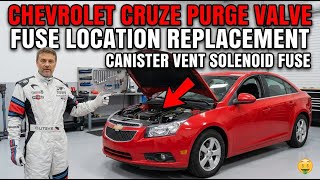
![How to Fix P0441 Engine Code in 6 Minutes [4 DIY Methods / Only $3.50]](https://img.youtube.com/vi/NJYZiDhYhP8/mqdefault.jpg)

Used OEM Parts in Stock
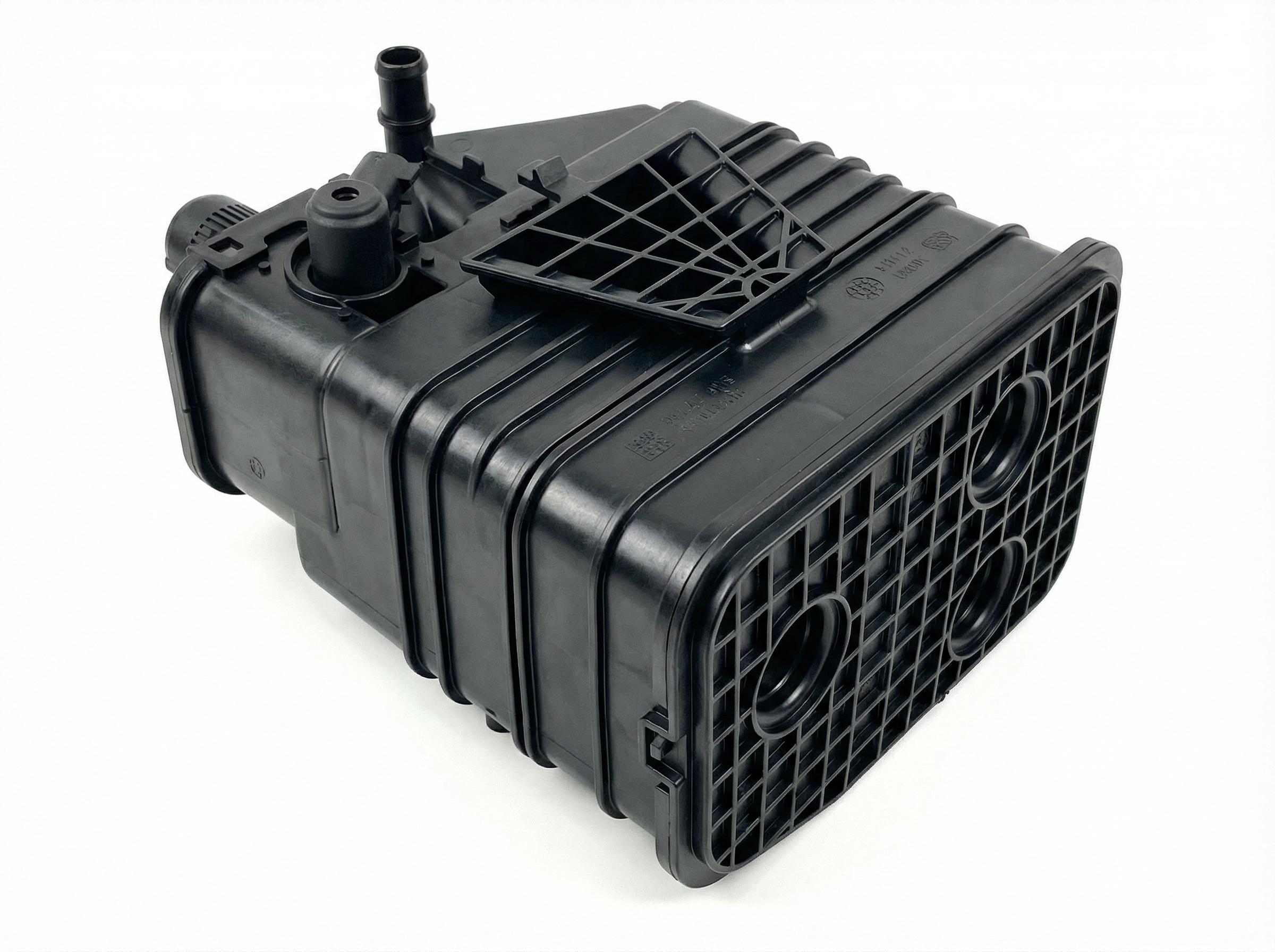


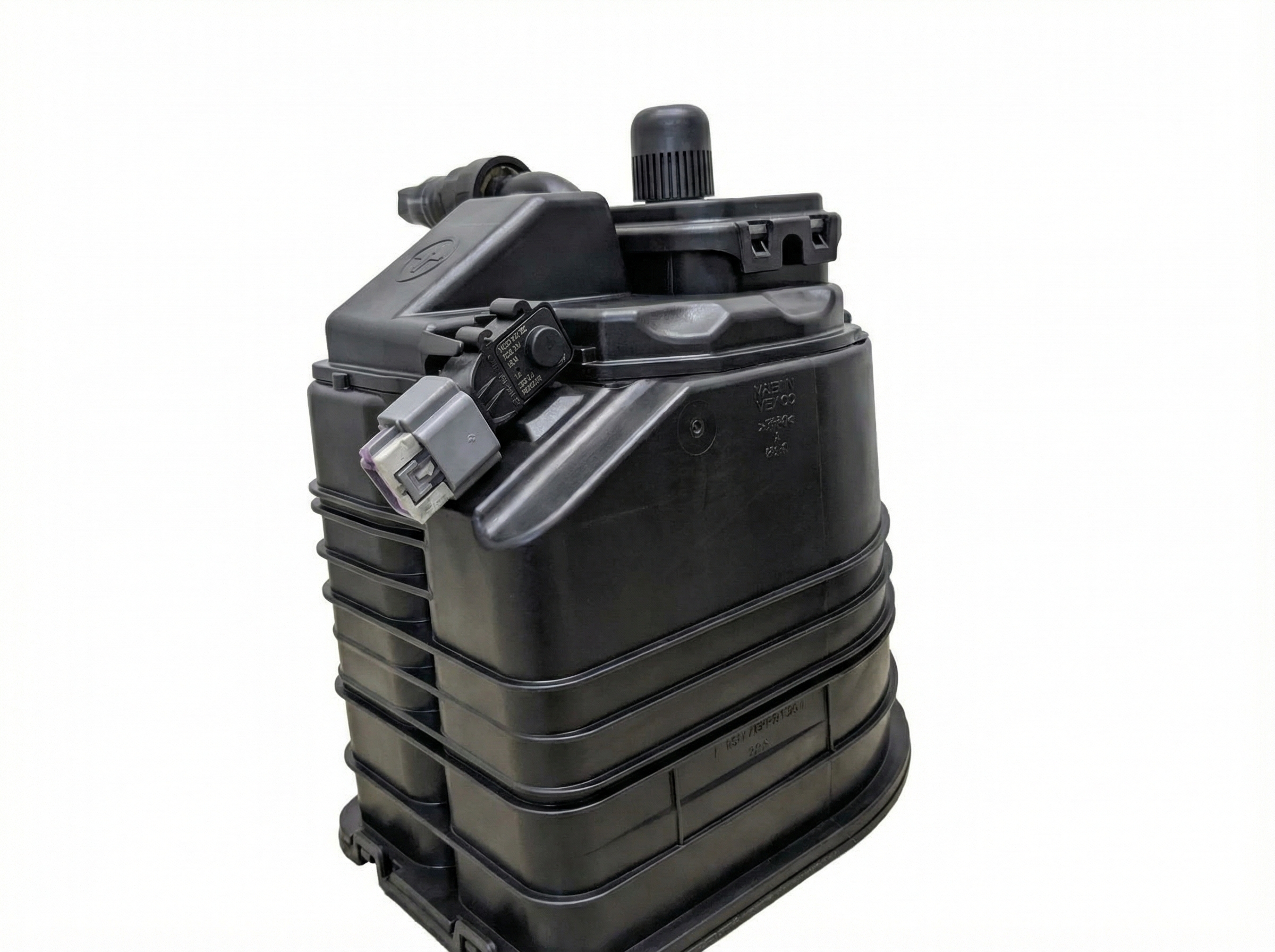
New Aftermarket Parts Available


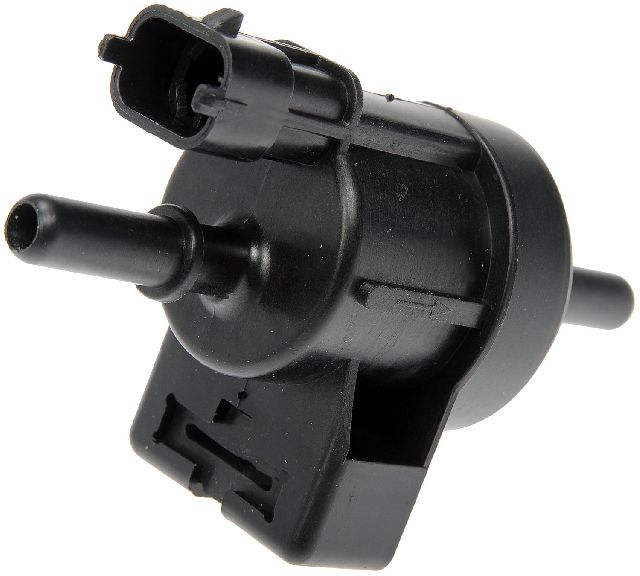
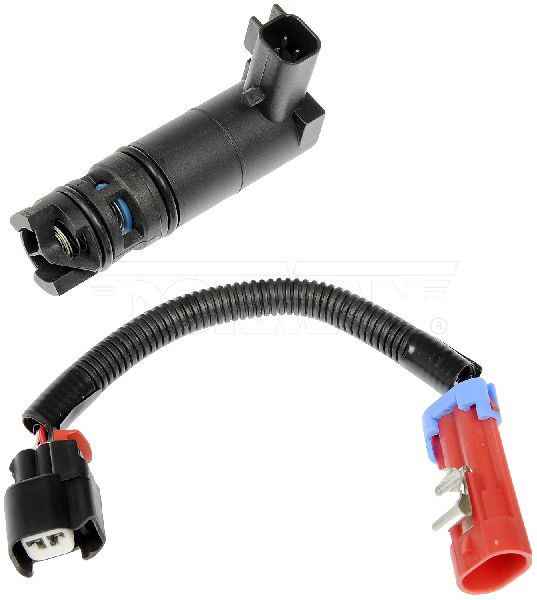

The information in this article is provided for general reference and educational purposes only. Vehicle specifications, procedures, and part compatibility can vary by production date, trim level, and region. Always consult your vehicle's factory service manual and verify part numbers before purchasing or performing repairs. Safety-critical components such as airbags, seat belts, and braking systems should be installed by a qualified professional.
- Chevrolet Cruze:
- 🎬 Helpful Videos
- 🛍️ Shop This Part
- What's Unique About the 2011-2016 Chevrolet Cruze
- Symptoms You May Notice
- Most Likely Causes
- Rare But Worth Checking
- Diagnosis Steps
- Parts You'll Likely Need
- Related Codes That Often Appear With This One
- Technical Service Bulletins (TSBs) & Recalls
- Platform-Specific Known Issues
- Mechanic-Grade Diagnostic Values
- Scan Tool Commands That Help
- Wiring & Ground Locations
- Real Owner Repair Stories
- OEM Part Supersession History
- Model Year Variations Within This Range
- Diagnostic Flowchart
- Other Known Issues on This Vehicle
- Used vs. New Parts: Buying Guide for This Vehicle
- Real Owner Stories
- 2014 Chevrolet Cruze 1.4L Turbo — ~75000 miles
- 2012 Chevrolet Cruze 1.4L Turbo — ~80000 miles
- 2013 Chevrolet Sonic 1.4L Turbo — ~65000 miles
- Related OBD-II Codes
- Frequently Asked Questions
- 🎟️ Get 5% Off