

P0440 on 2001-2006 Mazda Tribute: EVAP System Malfunction Causes and Fixes
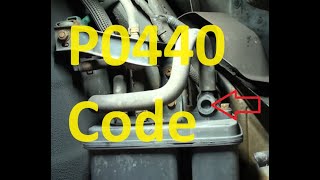
For a 2001-2006 Mazda Tribute, code P0440 most often means you have a leak in the emissions system, commonly caused by a loose gas cap, a rusted fuel filler neck, or a bad EVAP purge valve. Start by checking the gas cap, then inspect the filler neck for rust where the cap seals, a well-documented issue on this platform.
- Always start with the simplest fix: check that your gas cap is tight and its seal is in good condition.
- On a 2001-2006 Tribute, a rusted fuel filler neck is a very likely cause of P0440. Inspect it carefully before buying any parts.
- The EVAP purge valve in the engine bay is another common culprit and is relatively inexpensive and easy to replace.
- A smoke test is the most reliable way to diagnose EVAP leaks that aren't obvious from a visual inspection.
What's Unique About the 2001-2006 Mazda Tribute
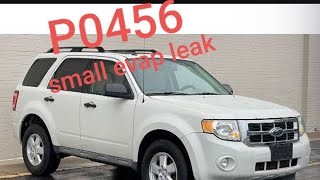
The 2001-2006 Mazda Tribute is a mechanical twin to the first-generation Ford Escape and Mercury Mariner. This shared platform is known for two specific weak points that frequently trigger a P0440 code. 🎬 Watch: Understanding P0440 causes and common fixes. First, the fuel filler neck is highly susceptible to rusting, especially in regions that use road salt, causing the gas cap to no longer seal properly. This is a widely reported problem in owner forums. Second, the EVAP purge valve solenoid is a very common failure item, often getting stuck open or closed.
Symptoms You May Notice
- Check Engine Light is on
- Faint fuel smell, particularly around the rear of the vehicle.
- Difficulty starting the engine immediately after refueling (a classic symptom of a stuck-open purge valve).
- Fuel pump nozzle clicks off repeatedly when trying to fill the tank (a common symptom of a clogged or failed vent solenoid).
- Replacing the O2 sensors. O2 sensors are not related to the EVAP system.
- Replacing the charcoal canister when only the vent solenoid is bad. The vent solenoid is often mounted to the canister but can sometimes be replaced separately. Always test the solenoid first.
Most Likely Causes
- Loose or Worn Gas Cap 🔴 High Probability This is the most common cause for an EVAP code on any vehicle. The cap's rubber O-ring seal can crack and degrade over time, preventing a tight seal.
How to confirm: First, ensure the cap is tightened until it clicks multiple times. If the light returns, remove the cap and inspect the rubber seal for any cracks, stiffness, or damage. Also, check the filler neck opening for debris. A replacement cap is inexpensive and a good first diagnostic step.
Typical fix: Replace the gas cap.
Est. part cost: $10-$25 - Rusted Fuel Filler Neck 🔴 High Probability The Tribute/Escape platform from this era is notorious for corrosion of the fuel filler neck, particularly the lip where the gas cap seals. This is especially common in the 'salt belt'. The rust creates an uneven surface that the cap's gasket cannot seal against.
How to confirm: Remove the gas cap and thoroughly inspect the metal filler neck opening with a flashlight. Look and feel for rust, pitting, or bubbling paint that would prevent a perfect seal. A professional smoke test will show smoke leaking from the gas cap area if the neck is the source of the leak.
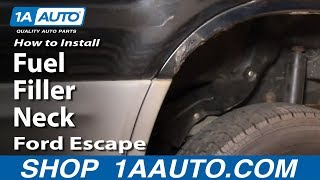
Typical fix: The fuel filler neck must be replaced. This involves relieving fuel pressure, disconnecting the battery, and lowering the fuel tank slightly to disconnect the hoses and unbolt the neck from the body. 🎬 See this walkthrough on replacing a rusted filler neck.
Est. part cost: $60-$150 - Faulty EVAP Purge Valve/Solenoid 🟡 Medium Probability This is a very common failure point on the 2001-2011 Tribute and Escape. The valve can get stuck open, closed, or fail electrically, leading to various EVAP codes including P0440 and P0443.
How to confirm: The purge valve is located in the engine bay, usually on the firewall, with two hoses and an electrical connector. A valve stuck open will often cause a rough idle or hard starting after fueling. You can test it by applying 12v to its terminals to see if it clicks open and closed. When not energized, it should be closed and not allow you to blow air through it.
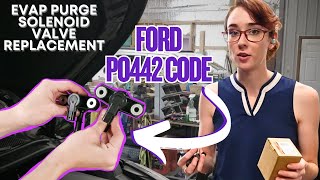
Typical fix: Replacement is straightforward for a DIYer. Disconnect the electrical connector and hoses, unbolt the valve, and install the new one. This can often be done in under 30 minutes. 🎬 Watch: How to test and replace the purge valve.
Est. part cost: $30-$75 - Faulty EVAP Vent Solenoid ⚪ Low Probability This valve is located near the charcoal canister by the fuel tank and is exposed to road debris, dust, and moisture, which can cause it to fail or become clogged.
How to confirm: A common symptom is the fuel nozzle constantly clicking off during refueling. The valve is normally open and closes when the computer tests the EVAP system. It can be tested with a scan tool that can command it closed, or by applying 12v to see if it actuates. A multimeter can also be used to check for an open circuit (OL reading) across the terminals, which indicates a burned-out solenoid.
Typical fix: Replace the vent solenoid. It is typically mounted on or near the charcoal canister under the rear of the vehicle.
Est. part cost: $50-$120 - Cracked or Disconnected EVAP Hoses ⚪ Low Probability
How to confirm: Visually inspect all accessible EVAP lines, from the engine bay back to the fuel tank, for obvious cracks, brittleness, or disconnections. Pay close attention to connections at the purge valve and canister. A smoke test is the most effective method to find small, hard-to-see leaks.
Typical fix: Replace the damaged section of hose.
Est. part cost: $5-$30
Rare But Worth Checking
- Cracked Charcoal Canister: The plastic canister itself can be damaged by road debris or develop cracks from age, creating a significant leak. This is usually found with a smoke test.
- Faulty Fuel Tank Pressure Sensor (FTP): The sensor that monitors the system's pressure can fail and send incorrect readings to the computer, tricking it into thinking there's a leak when there isn't one.
Diagnosis Steps
- Read the code with an OBD-II scanner to confirm P0440 and check for any other related codes (e.g., P0442, P0455, P0443).
- Inspect the gas cap. Ensure it is tight (clicks several times). Remove it and check the rubber seal for cracks or damage. If in doubt, replace it, clear the codes, and drive for a few days to see if the light returns.
- Thoroughly inspect the fuel filler neck for any signs of rust, bubbling, or pitting that could compromise the gas cap seal. This is a very common failure point.
- Perform a visual inspection of all EVAP hoses and components from the engine bay to the fuel tank. Look for anything that is obviously cracked, disconnected, or damaged.
- If no obvious issues are found, the most effective next step is to have the EVAP system smoke tested. A machine fills the system with a harmless, visible smoke, and any leaks will be immediately obvious as the smoke escapes.
- Locate the purge valve in the engine bay. With the engine off, it should be closed. Test for function by commanding it with a scan tool or applying 12v and listening for a click.
- Locate the vent solenoid near the charcoal canister under the vehicle. Test its function similarly. A multimeter can be used to check for an open circuit.
Parts You'll Likely Need
- Gas Cap — This is the most frequent and simple cause. The seal wears out, preventing the system from holding pressure.
Trusted brands: Motorcraft, Stant, Gates
OEM price range: $20-$35
Aftermarket price range: $10-$25 - Fuel Filler Neck
(OEM #EC01-42-210C (example, verify by VIN))— A very common failure on the Tribute/Escape due to rust, which prevents the gas cap from sealing.
Trusted brands: Dorman (e.g., 577-922), Spectra Premium (e.g., FN729), SKP
OEM price range: $150-$250
Aftermarket price range: $60-$150 - Vapor Canister Purge Valve
(OEM #PE01-18-751 (example, verify by VIN))— This solenoid is a known high-failure part on this platform. It gets stuck, causing a leak or starting issues.
Trusted brands: Motorcraft (e.g., CX1833), Standard Motor Products (SMP) (e.g., CP676), Dorman
OEM price range: $50-$90
Aftermarket price range: $30-$75 - Vapor Canister Vent Solenoid — Fails due to exposure to elements under the car, causing issues with system sealing and refueling.
Trusted brands: Motorcraft, Dorman (e.g., 911-222), Standard Motor Products (SMP)
OEM price range: $70-$130
Aftermarket price range: $50-$120
Related Codes That Often Appear With This One
- P0442 — This code indicates a 'Small EVAP Leak'. P0440 is a general malfunction code, and may be accompanied by more specific codes like P0442 that can help pinpoint the size of the leak.
- P0455 — This code indicates a 'Large EVAP Leak'. Similar to P0442, it provides more specific information about the nature of the fault the computer has detected. A loose gas cap is a very common cause for this code.
- P0443 — This code points to an electrical fault in the 'Purge Control Valve Circuit'. If you see this code along with P0440, it strongly suggests the purge valve itself or its wiring/connector is the problem.
- P0446 — This code indicates a 'Vent Control Circuit Malfunction', pointing directly at the vent valve/solenoid or its wiring near the charcoal canister.
Technical Service Bulletins (TSBs) & Recalls
- While no specific TSB for P0440 on the Tribute was found, Ford issued TSBs for the related Escape platform concerning EVAP system diagnosis. For example, Ford TSB 05-10-16 addresses diagnosing EVAP leaks, which is directly applicable.
Platform-Specific Known Issues
- There was a recall (NHTSA ID: 04V104000) for some 2001-2002 models regarding a fuel line connector O-ring that could be damaged, potentially causing a fuel leak. While this may not directly cause a P0440, it highlights a potential weak point in the fuel system's sealing.
- A recall for excessive subframe corrosion was issued for 2001-2004 models in certain states. While not directly related to the EVAP system, it indicates the platform's susceptibility to rust, which aligns with the common failure of the fuel filler neck.
Mechanic-Grade Diagnostic Values
- Fuel Tank Pressure (FTP) Sensor Voltage (KOEO) — expected: ~2.6 Volts. Failure: A significant deviation from this static voltage, or a voltage that immediately drops upon starting the engine, can indicate a stuck-open purge valve or a faulty sensor.
- EVAP Canister Vent Solenoid Coil Resistance — expected: 20-40 Ohms. Failure: A reading of infinite ohms (OL) indicates an open circuit (bad solenoid). A reading near zero ohms indicates a short circuit.
- EVAP Canister Purge Valve Coil Resistance — expected: ~15-30 Ohms. Failure: Readings far outside this range suggest an internal electrical failure in the solenoid.
- Voltage at Vent Solenoid Connector (Power Wire) — expected: ~12 Volts (Battery Voltage) with Key On, Engine Off. Failure: 0 Volts indicates a break in the power supply wire or a blown fuse, specifically Fuse 27 in the passenger compartment fuse box.
Scan Tool Commands That Help
- Ford IDS (or equivalent like FORScan): Manual EVAP System Test / Datalogger — This allows a technician to bypass the automatic self-test conditions (e.g., fuel level requirements) and manually command the purge and vent solenoids on/off. By watching the Fuel Tank Pressure (FTP) sensor data in real-time, you can confirm if each valve is working and if the system can hold a vacuum, which is crucial for isolating a faulty component from a physical leak.
Wiring & Ground Locations
- Fuse 27 (Passenger Compartment) — Located in the interior fuse panel, typically accessible from the driver or passenger footwell.. This fuse supplies 12V power to the EVAP canister vent solenoid. If it's blown, the vent solenoid cannot be commanded closed, preventing the system from sealing for a leak test and causing a fault.
- G301 / G402 — These are chassis ground points located in the rear of the vehicle, with G402 often on the left (driver's side) rear body structure.. The Fuel Tank Pressure (FTP) sensor and other EVAP components rely on a clean ground reference. Corrosion at these points, common in salt-belt vehicles, can cause erratic sensor readings, leading to a false P0440 code.
- Vent Solenoid Wiring Harness — The wiring leading to the vent solenoid connector, located near the charcoal canister at the rear of the vehicle.. Due to its exposed location, this wiring is prone to corrosion and physical damage. A common, hard-to-find failure is a broken wire inside the insulation right at the connector. The wire may look fine, but pulling on it will reveal the break.
Real Owner Repair Stories
- YouTube user 'Tuan Tran' (Vehicle appeared to be a Toyota, but the principle applies across makes for a difficult P0440 diagnosis.) — Persistent P0440 check engine light.
❌ Tried (didn't work) Replaced gas cap, Inspected hoses in the engine bay, Replaced various EVAP electronic components from a junkyard
✅ What actually fixed it After dropping the fuel tank, a crack was found on the plastic fuel tank vent valve (rollover valve) assembly located on top of the tank. Replacing this component, which required dropping the tank, finally resolved the code. - Mazda Forum user '03tribute' (2003 Mazda Tribute V6) — EVAP system leak code.
✅ What actually fixed it A smoke test revealed two separate leaks. The first was from the canister vent solenoid itself. The second, more unusual leak was from an open hose connection near the fuel filler neck, demonstrating the multiple failure points in this high-corrosion area.
"I Checked Everything" — The Actual Cause
- The most common reason for a P0440 code to persist after a smoke test comes back clean is a faulty Fuel Tank Pressure (FTP) sensor. The EVAP system may be perfectly sealed, so no smoke escapes. However, if the FTP sensor provides an incorrect reading to the PCM (e.g., it doesn't show the expected pressure change when the system is sealed and tested), the computer will incorrectly assume there is a leak and set the code.
- An intermittent electrical problem with the purge or vent solenoid can also be the cause. The solenoid might test fine on the bench or during a smoke test but fail intermittently during a specific drive cycle condition, causing the test to fail and the code to be set.
Model Year Variations Within This Range
- 2001-2006: The location of the EVAP Purge Valve differs by engine. On models with the 3.0L V6, the valve is mounted on the driver's side strut tower in the engine bay. On 4-cylinder models (2.0L and later 2.3L), it is typically found on the front of the engine near the intake manifold.
Diagnostic Flowchart
Other Known Issues on This Vehicle
Issues unrelated to this code that are worth knowing about as an owner of this generation:
- Automatic Transmission Failure 🔴 High — A widespread problem, particularly in 2005-2007 models, often occurring before 100,000 miles. Failures include bad torque converters and shift solenoids.
- Rear Wheel Well / Shock Tower Rust 🔴 High — Severe corrosion in the rear wheel wells and upper shock towers is very common, especially in salt-belt states. It can compromise the vehicle's structural integrity. (Ref: Recall 14V165000 for lower control arm rust, which is related.)
- Ignition Coil Failure (V6) 🟠 Medium — The coil-on-plug ignition coils are a frequent failure item, leading to engine misfires (P030X codes). Often caused by oil leaks from the valve cover gaskets dripping onto the coils.
- Alternator Failure (V6) 🟠 Medium — Alternators often fail prematurely, commonly due to contamination from engine oil leaks from the valve cover gaskets located directly above.
- Stalling / Hesitation (V6) 🟡 Low — Some V6 models may experience stalling at idle or hesitation, which can sometimes be resolved by reprogramming the powertrain control module (PCM).
- Rear Liftgate Glass Shattering 🟡 Low — The rear flip-up glass on the liftgate has been known to shatter spontaneously due to stress from the mounting points.
Used vs. New Parts: Buying Guide for This Vehicle
When a used part is the smart pick: For this vehicle, sourcing a used Fuel Filler Neck from a junkyard is a very smart strategy, provided the donor vehicle is from a dry, rust-free climate (e.g., Arizona, California, Texas). This directly counters the part's primary failure mode (rust) at a lower cost. Used charcoal canisters can also be a good value if they are visually inspected for cracks and damage.
Donor-vehicle mileage cap: roughly under 150000 miles for the part to have meaningful remaining life.
What to inspect on the donor part:
- For a Fuel Filler Neck: Inspect the lip where the gas cap seals for any signs of bubbling paint, flaking, or rust. The surface must be perfectly smooth.
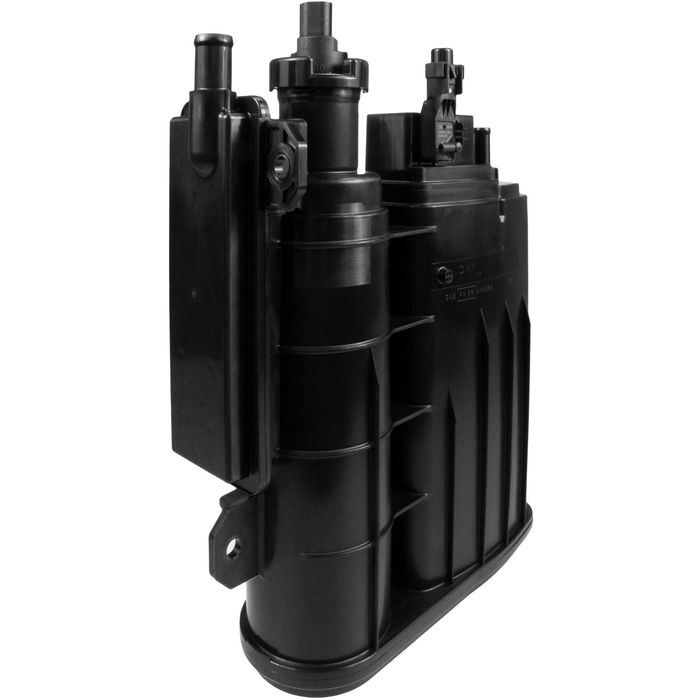
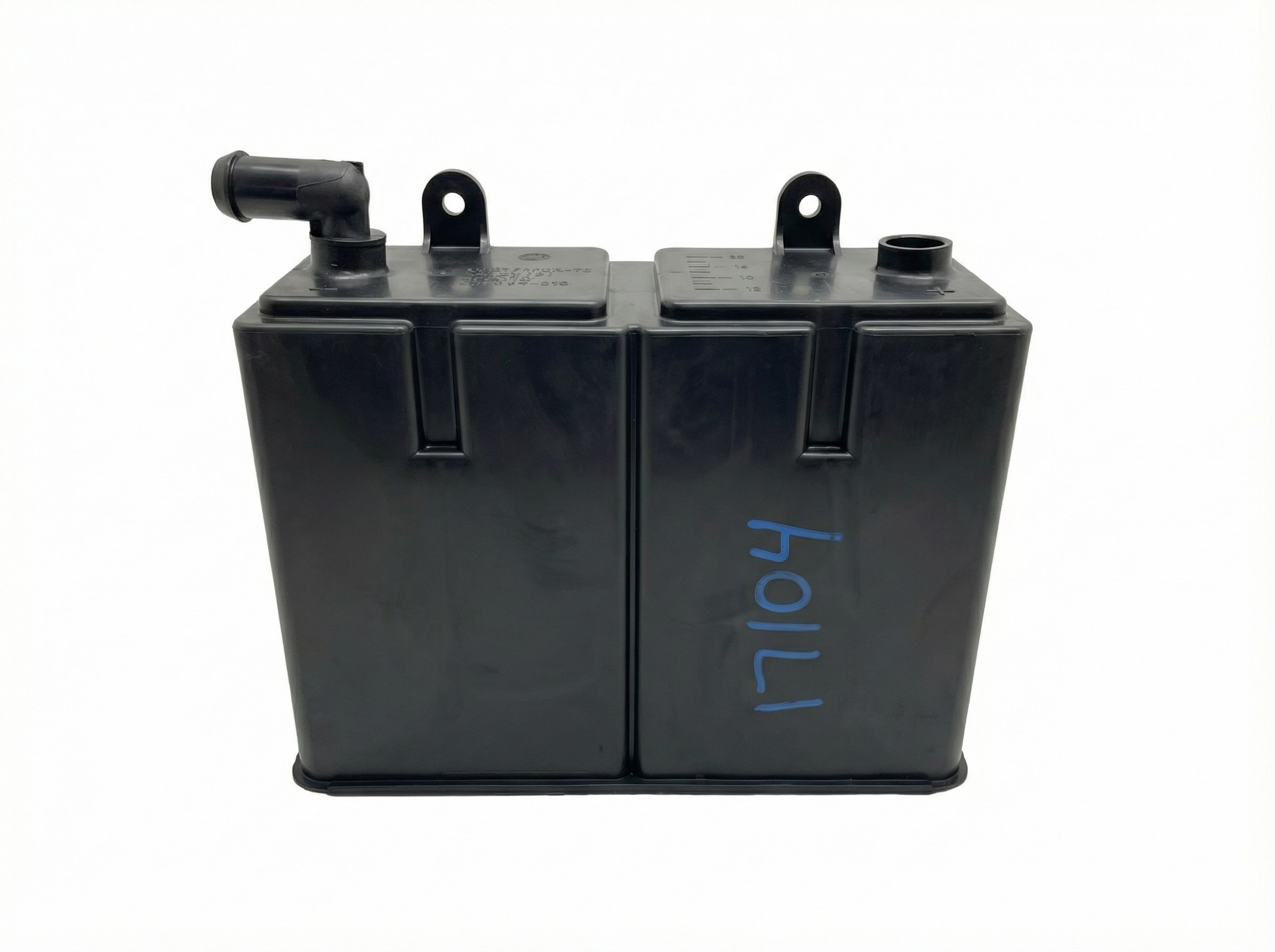
- For a Charcoal Canister: Check the plastic housing for any cracks, especially around the mounting tabs and hose ports. Ensure all nipples are intact.
- For Hoses: Squeeze the rubber hoses to ensure they are still pliable and not hard or brittle.
OEM-only on this vehicle (don't cheap out):
- Fuel Tank Pressure (FTP) Sensor. Due to its sensitivity and critical role in system self-tests, using a cheap aftermarket sensor can lead to persistent, phantom codes. Sticking with OEM (Motorcraft) or a top-tier OEM supplier is highly recommended.
Aftermarket brands forum-validated for this vehicle:
- Fuel Filler Neck: Dorman (p/n 577-922 is widely cited) and Spectra Premium are well-known, reliable replacements.
- Purge/Vent Solenoids: Motorcraft (OEM), Standard Motor Products (SMP), and Dorman are all frequently used with good results reported by owners.
Brands owners have reported issues with on this vehicle:
- Be cautious of unbranded, 'white-box' electronic parts like solenoids and sensors from online marketplaces. While tempting due to low cost, they have a higher rate of out-of-box failure and can make diagnosis more difficult.
Real Owner Stories
Aggregated from forums and TSBs cited above. Mileages and costs reflect what owners reported in those sources.
2005 Mazda Tribute — ~100000 miles
Symptoms: Automatic transmission failure including bad torque converters and shift solenoids.
What fixed it: Repair or replacement of the automatic transmission.
Source hint: mazda-forums.com/mazda-tribute/
2001 Mazda Tribute
Symptoms: Fuel line connector O-ring damage potentially causing a fuel leak.
What fixed it: Recall repair (NHTSA ID: 04V104000).
Source hint: NHTSA ID: 04V104000
2001-2004 Mazda Tribute
Symptoms: Severe corrosion in the rear wheel wells and upper shock towers; lower control arm rust.
What fixed it: Recall 14V165000 for lower control arm rust.
Source hint: Recall 14V165000
Related OBD-II Codes
Frequently Asked Questions
Is there a recall for my 2001-2002 Mazda Tribute that could be related to fuel system leaks?
Why does the gas pump nozzle keep clicking off when I try to fill my Tribute's tank?
My Tribute is hard to start specifically after I get gas. Is this related to P0440?
I live in the 'salt belt' and have a P0440 code. What should I check first besides the gas cap?
Can I use Ford Escape diagnostic information to fix my Mazda Tribute's EVAP system?
Where is the purge valve located on the 2001-2006 Tribute?
Helpful Videos
Used OEM Parts in Stock
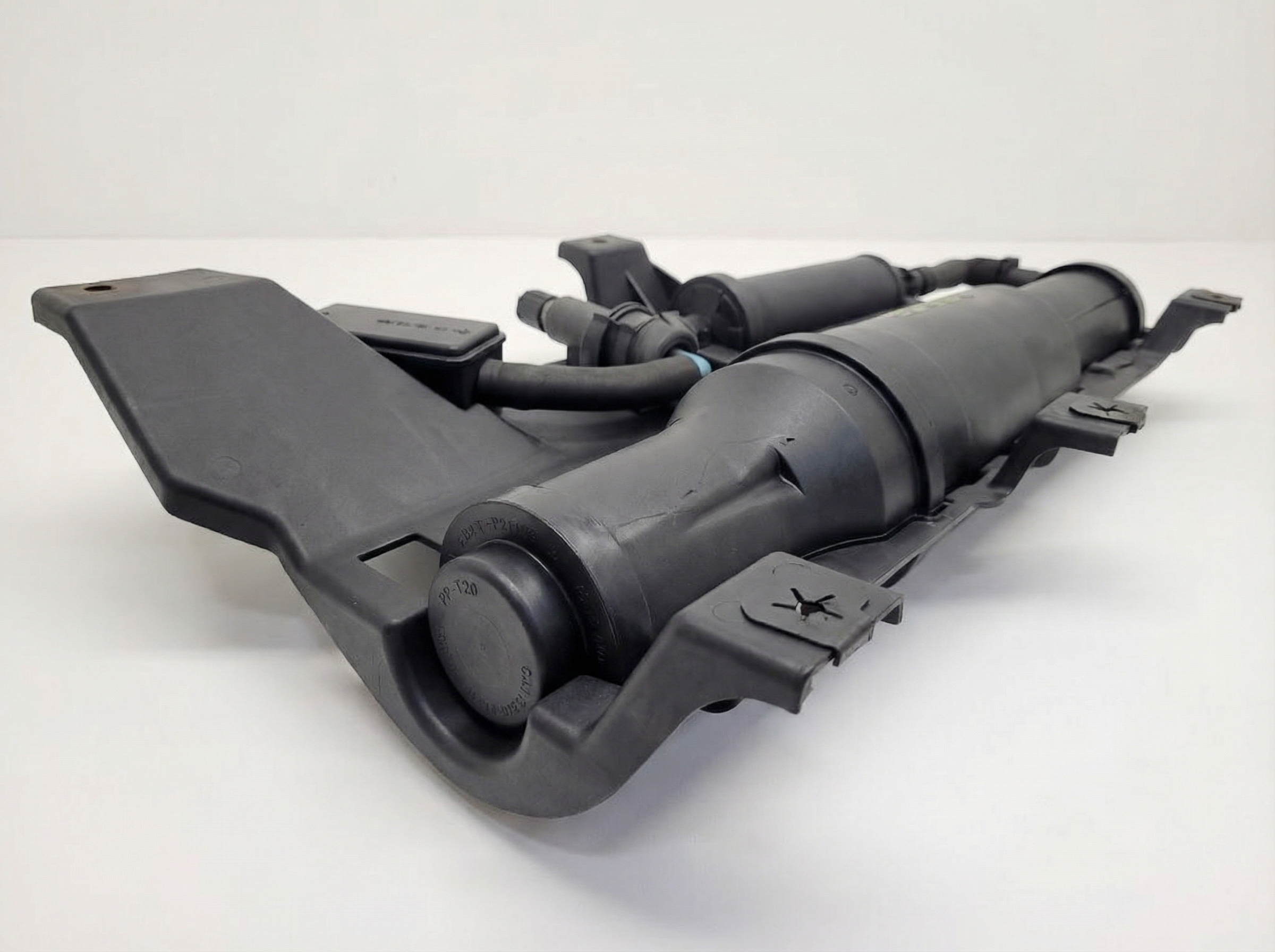
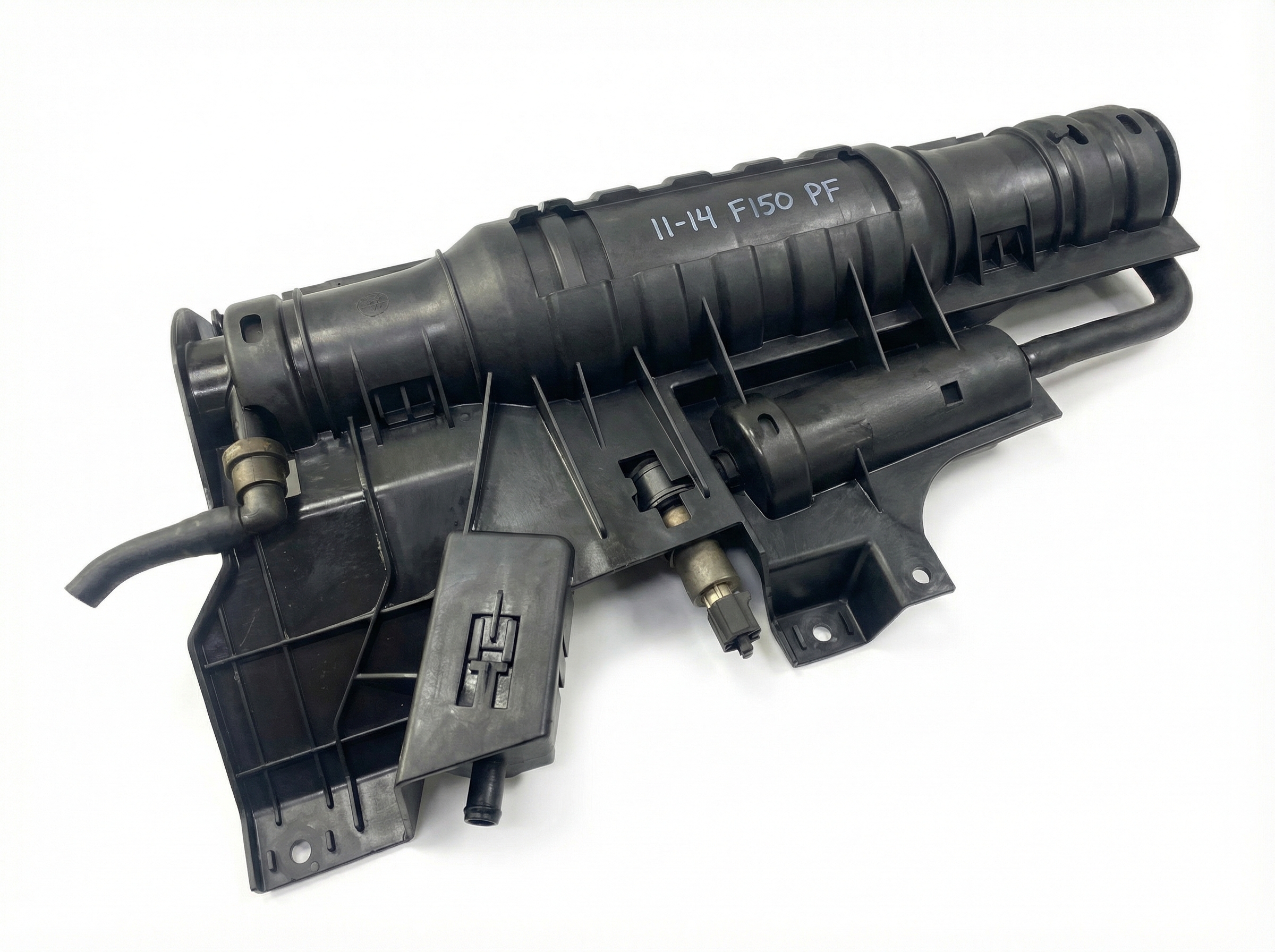
New Aftermarket Parts Available

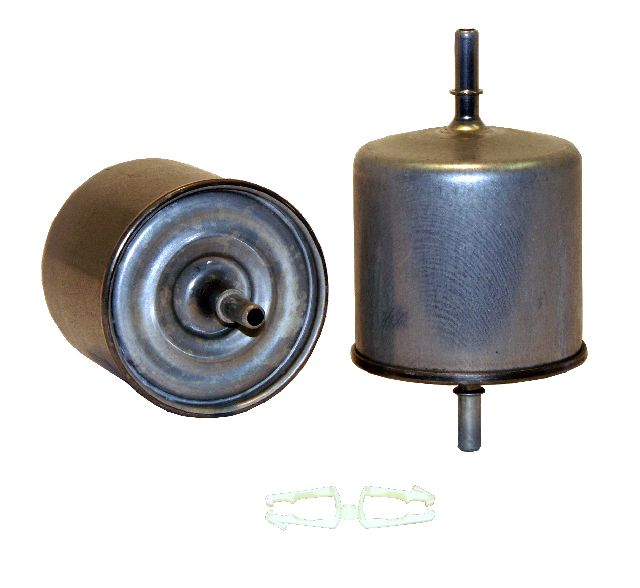
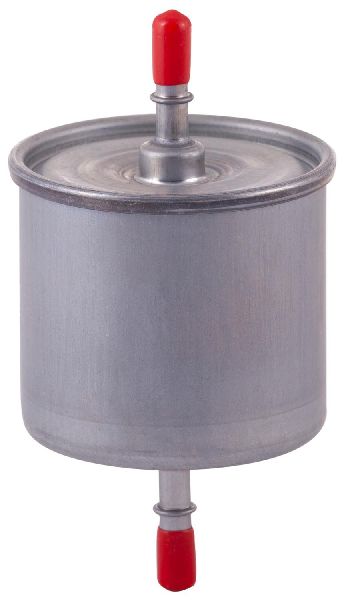

The information in this article is provided for general reference and educational purposes only. Vehicle specifications, procedures, and part compatibility can vary by production date, trim level, and region. Always consult your vehicle's factory service manual and verify part numbers before purchasing or performing repairs. Safety-critical components such as airbags, seat belts, and braking systems should be installed by a qualified professional.
- Mazda Tribute:
- 🎬 Helpful Videos
- 🛍️ Shop This Part
- What's Unique About the 2001-2006 Mazda Tribute
- Symptoms You May Notice
- Most Likely Causes
- Rare But Worth Checking
- Diagnosis Steps
- Parts You'll Likely Need
- Related Codes That Often Appear With This One
- Technical Service Bulletins (TSBs) & Recalls
- Platform-Specific Known Issues
- Mechanic-Grade Diagnostic Values
- Scan Tool Commands That Help
- Wiring & Ground Locations
- Real Owner Repair Stories
- "I Checked Everything" — The Actual Cause
- Model Year Variations Within This Range
- Diagnostic Flowchart
- Other Known Issues on This Vehicle
- Used vs. New Parts: Buying Guide for This Vehicle
- Real Owner Stories
- 2005 Mazda Tribute — ~100000 miles
- 2001 Mazda Tribute
- 2001-2004 Mazda Tribute
- Related OBD-II Codes
- Frequently Asked Questions
- 🎟️ Get 5% Off