

P0420 on 2008-2017 Buick Enclave 3.6L: Catalyst Efficiency Causes and Fixes
On the 3.6L Enclave, P0420 almost always means the Bank 1 catalytic converter has failed, often due to underlying engine issues. Bank 1 is the harder-to-reach converter against the firewall. Expect to pay $400-$800+ for a quality replacement part, plus 3-5 hours of labor. Simply replacing the converter without addressing root causes like oil consumption or timing chain issues will likely lead to a repeat failure.
- P0420 on your Enclave almost certainly means the Bank 1 (rear) catalytic converter needs replacement.
- Before replacing the converter, you MUST investigate the root cause. Check for exhaust leaks at the manifold flange, signs of oil burning, and listen for timing chain noise.
- Do not simply replace the O2 sensor to fix this code. It is most likely doing its job correctly by reporting the failed converter.
- Due to the difficult location of the Bank 1 converter (against the firewall), this is a labor-intensive repair (3-5 hours).
- Using a cheap, low-quality aftermarket converter may cause the code to return quickly. Opt for a quality OEM-grade or CARB-compliant part if required in your state.
What's Unique About the 2008-2017 Buick Enclave

For this generation of Buick Enclave and its platform mates (Chevy Traverse, GMC Acadia, Saturn Outlook), P0420 is rarely a simple fix. The 3.6L V6 engines (both the earlier LLT and later LFX) have specific, well-documented issues that lead to catalytic converter failure. Early models with the LLT engine were prone to stretched timing chains, which can alter engine timing, cause misfires, and send unburned fuel into the exhaust, destroying the converter. Later models with the LFX engine can be affected by cracked exhaust manifold/converter flanges, an issue documented in GM Technical Service Bulletin 17-NA-321. Both engines can also suffer from excessive oil consumption due to worn piston rings or PCV issues, which contaminates the catalyst over time. Because of these known underlying problems, simply replacing the converter without investigation often leads to the code returning.
Symptoms You May Notice
- Check Engine Light is on
- Vehicle may fail an emissions test
- Reduced fuel economy
- Sluggish acceleration or loss of power if the converter is clogged
- A sulfur or "rotten egg" smell from the exhaust
- A rattling noise from under the vehicle if the internal catalyst material has broken apart
- Loud exhaust noise, especially when cold, if the issue is caused by a cracked flange or exhaust leak
- Replacing the oxygen sensors immediately. While cheaper, this is rarely the fix. The P0420 code usually means the sensors are working correctly and have detected a bad converter.
- Replacing the catalytic converter without diagnosing the root cause. If the engine has an oil consumption, misfire, or timing issue, the new converter will be damaged and fail prematurely.
- Using cheap, off-the-shelf catalytic converters. Owners report that low-quality aftermarket converters may not have enough precious metal loading to satisfy the ECM's strict monitoring, causing the P0420 code to return quickly.
Most Likely Causes

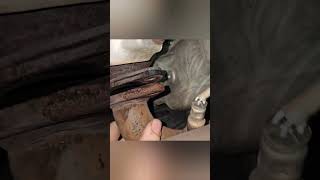
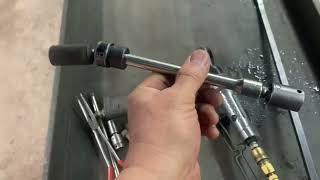
- Failed Catalytic Converter (Bank 1) 🔴 High Probability Often a secondary failure caused by other engine issues like oil consumption, timing chain problems, or cracked manifold flanges. High mileage also contributes to natural degradation. The Bank 1 converter is located on the firewall side, making it 🎬 Watch: A step-by-step guide to replacing the Bank 1 converter. subject to different heat and vibration stresses.
How to confirm: Use a scan tool to graph O2 sensor data. If the Bank 1 Sensor 2 voltage fluctuates rapidly, mirroring Bank 1 Sensor 1, the converter is bad. A temperature gun showing the outlet is not at least 100°F hotter than the inlet also points to failure.
Typical fix: Replace the Bank 1 catalytic converter. It is critical to identify and fix the root cause of the failure (oil consumption, misfires, etc.) before replacing the part to avoid repeat failure.
Est. part cost: $400-$800 for a quality aftermarket part; $900+ for OEM. - Exhaust Leak Before or Near the Converter 🟡 Medium Probability GM TSB 17-NA-321 notes that the 3.6L engine family can develop cracks at the catalytic converter's mounting flange, causing a leak that confuses the O2 sensors by drawing in outside air. Rusted-through Y-pipes are also common on platform mates. NHTSA ODI #11724643 describes a case where exhaust welds failed, creating a hole in the exhaust pipe and triggering the P0420 code.
How to confirm: Visually inspect the exhaust manifold and converter flanges for black soot marks or audible ticking/hissing noises, especially when the engine is cold. A thermal imager can reveal hot spots from leaks that are not visually apparent.
Typical fix: If a crack is found in the manifold/converter assembly, the entire unit must be replaced per GM's TSB. If a gasket is leaking or a Y-pipe is rusted, replace the affected component.
Est. part cost: $20-$40 for gaskets; cost is part of converter replacement if cracked. - Failing Downstream Oxygen (O2) Sensor (Bank 1, Sensor 2) ⚪ Low Probability O2 sensors can fail over time, but they are more often correctly reporting the converter's inefficiency rather than being the root cause of the P0420 code. Oil contamination can shorten sensor life.
How to confirm: A truly failed O2 sensor will often have its own code (like for a heater circuit failure) or show a flatline voltage on a scan tool graph when it should be reading a steady value. Swapping the Bank 1 and Bank 2 downstream sensors and seeing if the code changes to P0430 (for Bank 2) can also confirm a bad sensor.
Typical fix: Replace the Bank 1, Sensor 2 oxygen sensor.
Est. part cost: $50-$120
Rare But Worth Checking
- Underlying Engine Mechanical Issues: These are the root causes that often destroy the catalytic converter. A P0420 code can be the first sign of these more serious problems. Issues include stretched timing chains (especially on 2008-2011 LLT engines), excessive oil consumption from worn piston rings or PCV issues, and leaking fuel injectors. These must be addressed to prevent repeat converter failure.
- ECM Software Anomaly: On some related GM vehicles, like the Buick Encore, a P0420 code can be triggered by a software glitch. GM released TSB 18-NA-331 for this issue on the 1.4L engine, where a simple ECM reflash fixes the problem. While not specifically documented for the Enclave 3.6L, it's a possibility to consider, especially if all mechanical and sensor checks pass.
Diagnosis Steps
- Scan for All Codes: Check if other codes, especially for misfires (P030x), fuel trim (P0171/P0174), or post-catalyst fuel trim (P2097), are present. Address these first, as they are likely the root cause.
- Inspect for Exhaust Leaks: Carefully inspect the Bank 1 exhaust manifold and the catalytic converter flanges for cracks or black soot, which indicates a leak. Listen for hissing or ticking sounds. This is a known issue per TSB 17-NA-321.
- Analyze Oxygen Sensor Data: Use a scan tool with live data graphing. 🎬 Watch: How to diagnose a P0420 code using live sensor data. At a steady 2500 RPM, observe the voltage for the upstream (Sensor 1) and downstream (Sensor 2) O2 sensors for Bank 1.
- Interpret Sensor Graphs: A good converter will show the upstream sensor (B1S1) switching rapidly between ~0.1V and ~0.9V, while the downstream sensor (B1S2) holds a steady, high voltage (~0.6V-0.8V).
- Confirm Bad Converter: If the downstream sensor (B1S2) is fluctuating rapidly and mirroring the pattern of the upstream sensor (B1S1), the catalytic converter is not storing oxygen and has failed.
- Perform a Temperature Test: Use an infrared thermometer to check the converter's temperature at the inlet and outlet pipes after the engine is fully warmed up. The outlet should be at least 100°F hotter than the inlet. If it's the same or cooler, the converter is not working.
- Test the O2 Sensor (If Necessary): If the B1S2 sensor shows a flat line or does not respond, test the sensor itself before condemning the converter. Swapping it with the Bank 2 sensor is a common diagnostic trick.
- Check for Root Causes: Before replacing the converter, investigate potential underlying issues like oil consumption (check spark plugs for fouling), timing chain noise (especially on LLT engines), or signs of coolant contamination in the oil (milky residue on oil cap).
Parts You'll Likely Need
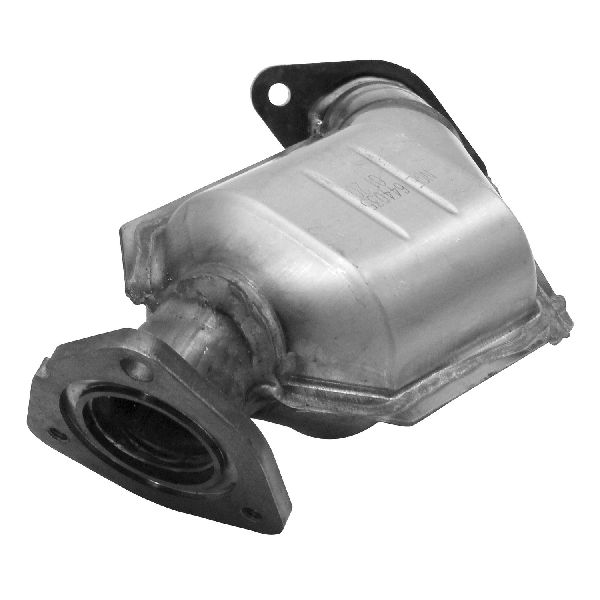
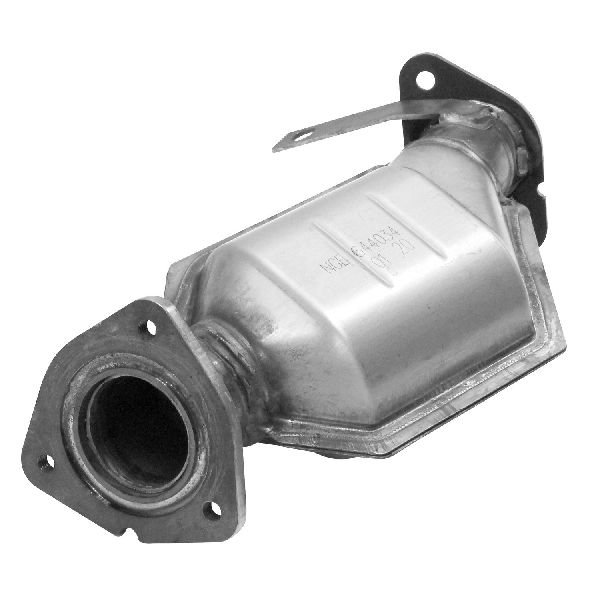
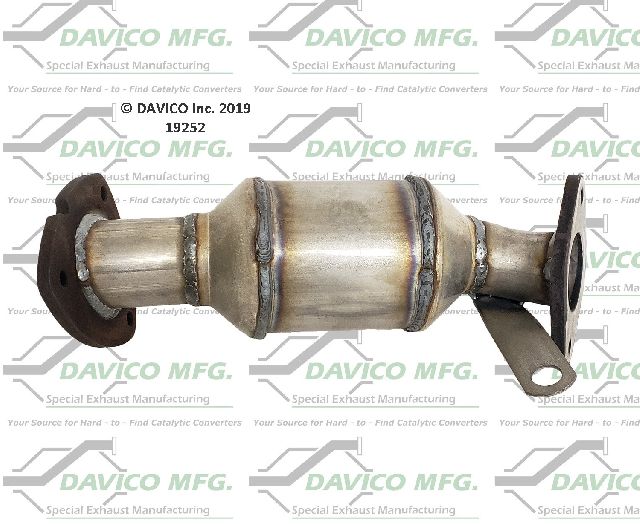
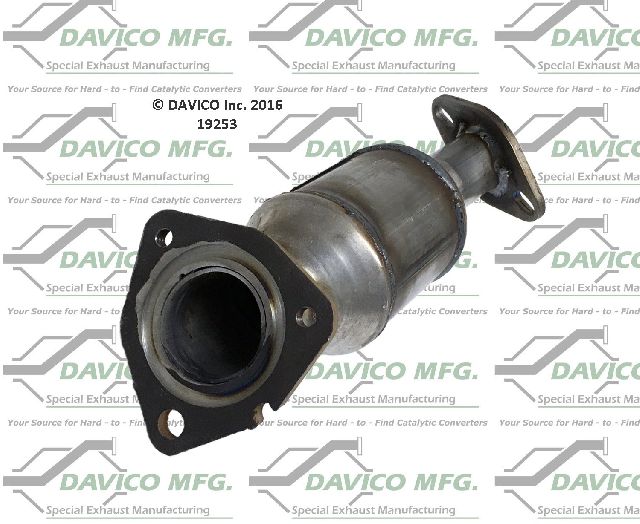
- Bank 1 Catalytic Converter
(OEM #19418927 (replaces 20906953), 84216836 (Left/Bank 1 per TSB 17-NA-321))— This is the part identified by the P0420 code. Bank 1 is on the firewall side of the engine and is more difficult to access. TSB 17-NA-321 lists specific part numbers for replacement due to flange cracks.
Trusted brands: ACDelco (OEM), Walker Exhaust, MagnaFlow, AP Exhaust
OEM price range: $880-$1300
Aftermarket price range: $400-$800 - Bank 1 Downstream Oxygen Sensor (Sensor 2)
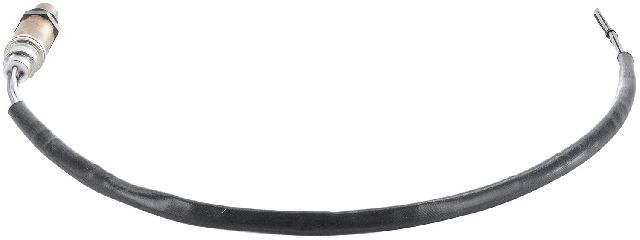
(OEM #12611165 (ACDelco 213-4229))— Infrequently the cause, but sometimes replaced as a precaution or if it fails testing. A faulty sensor can send incorrect data, triggering the P0420 code. Oil contamination from engine issues can cause premature failure.
Trusted brands: ACDelco (OEM), Denso, Bosch
OEM price range: $80-$120
Aftermarket price range: $50-$90 - Exhaust Gaskets — Always replace gaskets when replacing the catalytic converter or fixing an exhaust leak to ensure a proper seal.
Trusted brands: Fel-Pro, ACDelco, Mahle
OEM price range: $20-$40
Aftermarket price range: $10-$30
Related Codes That Often Appear With This One
- P0430 — This is the same efficiency code but for Bank 2 (the front converter). If both appear, it may point to a systemic issue like contaminated fuel or widespread oil consumption affecting both banks.
- P0300-P0306 — These are misfire codes (P0300 for random, P0301-P0306 for specific cylinders). An unresolved misfire will dump raw fuel into the exhaust, quickly overheating and destroying the catalytic converter.
- P2097 — Post Catalyst Fuel Trim System Too Rich Bank 1. This code can appear alongside P0420 and often points towards an exhaust leak between the upstream and downstream O2 sensors, which draws in air and causes the system to add excess fuel.
Technical Service Bulletins (TSBs) & Recalls

- Exhaust Smell and/or Leak with Possible Malfunction Indicator Lamp (MIL) Illuminated: Addresses cracks that may form around the catalytic converter mounting flange, causing exhaust leaks and triggering P0420 or P0430 codes. The official fix is to replace the entire converter assembly.
Platform-Specific Known Issues
- GM TSB 17-NA-321 was issued for other 3.6L LFX vehicles for cracks in the catalytic converter flange causing P0420/P0430. This is a known issue on the platform.
- Early 2008-2011 models with the LLT engine are known for premature timing chain wear, which can cause performance issues that lead to catalyst failure.
- Excessive oil consumption can be an issue, leading to oil fouling of the catalytic converters over time.
Mechanic-Grade Diagnostic Values

- Bank 1 Upstream O2 Sensor (B1S1) Voltage — expected: Rapidly fluctuating signal between approximately 0.1V and 0.9V at steady RPM.. Failure: A slow or non-responsive sensor may indicate a faulty sensor itself, which should be addressed before diagnosing the converter.
- Bank 1 Downstream O2 Sensor (B1S2) Voltage — expected: A steady, high voltage reading, typically between 0.6V and 0.8V, at steady RPM.. Failure: If the voltage fluctuates rapidly in a pattern that mirrors the upstream sensor, it confirms the catalytic converter is not storing oxygen and has failed.
- Mode $06, TID $81 (Catalyst Monitor Bank 1) — expected: The test value should be below the maximum threshold set by the manufacturer. This value represents the measured oxygen storage capacity switching ratio.. Failure: A test value that exceeds the specified maximum limit will fail the test and contribute to setting the P0420 code.
Scan Tool Commands That Help
- GDS2 (GM Dealer Scan Tool): Catalyst System Oxygen Storage Capacity Test — This is a definitive, forced diagnostic test to confirm a failed catalytic converter. The tool commands the engine to run rich, then lean, and measures the time it takes for the downstream O2 sensor to react. A long delay indicates a healthy converter, while a short delay confirms it has failed.
Wiring & Ground Locations
- G113 — Located on the left side of the engine, at a stud where the engine bolts to the transmission.. This is a primary engine-to-chassis ground. A poor connection here can cause erratic voltage and signal issues for multiple engine sensors, including the oxygen sensors, potentially leading to false codes.
- G110 — Located on the right front of the engine, mounted directly to the cylinder head.. Provides a ground path for components on the right side of the engine (Bank 2). While P0420 is for Bank 1, checking all major engine grounds is crucial for eliminating electrical issues.
- G103 — Located on the cowl in the left rear of the engine compartment, often above the brake booster.. This ground serves the Body Control Module (BCM), Instrument Panel Cluster (IPC), and the Data Link Connector (DLC). A fault here can cause communication issues with scan tools or bizarre electrical symptoms accompanying the P0420 code.
Real Owner Repair Stories
- Reddit user on r/MechanicAdvice, platform-mate vehicle (2014 Buick Enclave, 165,000 miles) — Check engine light with code P0420 appeared shortly after having an exhaust Y-pipe leak repaired.
❌ Tried (didn't work) Swapped the Bank 1 and Bank 2 downstream O2 sensors to see if the code would change to P0430. The P0420 code returned, proving the sensor was not the issue.
✅ What actually fixed it The owner diagnosed the Bank 1 catalytic converter as failed based on live O2 sensor data (downstream sensor mimicking the upstream). The final fix was replacing the Bank 1 catalytic converter. - Owner report from NHTSA ODI #11109513 — An owner reported having a P0420 code for about a year, noting that almost everything related to engine performance was replaced in an attempt to resolve the issue.
"I Checked Everything" — The Actual Cause
- A clogged Positive Crankcase Ventilation (PCV) orifice. On the 3.6L LLT engine, the fixed orifice in the valve cover is known to clog with carbon. This increases crankcase pressure, forcing oil vapor into the intake tract and past the piston rings. This oil burns in the combustion chamber and contaminates the catalytic converter over time, leading to a P0420 code. An exhaust smoke test would not detect this internal engine issue.
OEM Part Supersession History
20906953→19418927— Standard part revision and update by GM.
Model Year Variations Within This Range
- 2008-2011 (LLT Engine): These earlier models use the LLT engine, which has a fixed orifice PCV system integrated into the valve cover. This design is more prone to clogging with carbon deposits compared to the system on the later LFX engine. A clogged PCV orifice is a direct cause of increased oil consumption, which is a primary killer of catalytic converters on this platform.
Diagnostic Flowchart
Real Owner Stories
Aggregated from forums and TSBs cited above. Mileages and costs reflect what owners reported in those sources.
2020 Buick Enclave — 102000 miles
Symptoms: Check engine light with P0420 code (bank 1 cat threshold).
What fixed it: The owner was advised that the Bank 1 catalytic converter likely needed replacement. A shop mistakenly replaced the Bank 2 Sensor 2 O2 sensor first, which did not resolve the issue.
Cost: $280
Source hint: Reddit r/MechanicAdvice
2009 Buick Enclave 3.6L V6
Symptoms: Getting CEL codes for P0420 (Catalytic efficiency below threshold bank 1) and occasionally P0496 (Evap system high purge flow).
What fixed it: The final repair was not reported, but the owner was seeking diagnostic advice for the dual codes.
Source hint: Reddit r/MechanicAdvice
Buick Enclave — 31,500 miles
Symptoms: Check engine light with a P0420 catalyst efficiency code and increased exhaust noise.
What fixed it: According to NHTSA ODI #11724643, an inspection confirmed that the exhaust welds had failed, creating a hole in the exhaust pipe.
Source hint: NHTSA ODI #11724643
Related OBD-II Codes
Frequently Asked Questions
Does GM TSB 17-NA-321 apply to my Buick Enclave's P0420 code?
Why is my 2008-2011 Enclave with the LLT engine especially prone to catalytic converter failure?
Where is the Bank 1 catalytic converter located on the 3.6L V6 Enclave?
Can an exhaust leak cause the P0420 code on my Enclave?
Should I just replace the downstream O2 sensor to fix P0420?
Helpful Videos
We Have This Part in Stock


The information in this article is provided for general reference and educational purposes only. Vehicle specifications, procedures, and part compatibility can vary by production date, trim level, and region. Always consult your vehicle's factory service manual and verify part numbers before purchasing or performing repairs. Safety-critical components such as airbags, seat belts, and braking systems should be installed by a qualified professional.
- Buick Enclave:
- 🎬 Helpful Videos
- 🛍️ Shop This Part
- What's Unique About the 2008-2017 Buick Enclave
- Symptoms You May Notice
- Most Likely Causes
- Rare But Worth Checking
- Diagnosis Steps
- Parts You'll Likely Need
- Related Codes That Often Appear With This One
- Technical Service Bulletins (TSBs) & Recalls
- Platform-Specific Known Issues
- Mechanic-Grade Diagnostic Values
- Scan Tool Commands That Help
- Wiring & Ground Locations
- Real Owner Repair Stories
- "I Checked Everything" — The Actual Cause
- OEM Part Supersession History
- Model Year Variations Within This Range
- Diagnostic Flowchart
- Real Owner Stories
- 2020 Buick Enclave — 102000 miles
- 2009 Buick Enclave 3.6L V6
- Buick Enclave — 31,500 miles
- Related OBD-II Codes
- Frequently Asked Questions
- 🎟️ Get 5% Off