

OBD-II Code P0430: Catalyst System Efficiency Below Threshold (Bank 2)
The Ultimate Guide to What P0430 Means, Why It Triggers, and How to Fix It for Good
- Never replace a catalytic converter without first ruling out exhaust leaks and faulty downstream oxygen sensors, which account for up to 30% of P0430 misdiagnoses.
- Fix any active misfire (P0300-P0308) or rich/lean (P0171-P0175) codes immediately, as unburned fuel will destroy a brand-new $1,500 catalytic converter in under 50 miles.
- For 2018-2023 Ford F-150s and 2016-2019 Honda V6 models, check for manufacturer Technical Service Bulletins (TSBs) first; a $150 dealership software update often clears the code permanently.
- A P0430 code guarantees an automatic emissions test failure, and driving with a completely clogged converter for more than 3-6 months risks catastrophic engine damage from exhaust backpressure exceeding 1.5 PSI.
What Does P0430 Mean?

Your Powertrain Control Module (PCM) detects the catalytic converter on 'Bank 2' is not cleaning exhaust gases efficiently. Bank 2 is the side of the engine opposite cylinder #1. The converter neutralizes harmful pollutants like carbon monoxide. The PCM monitors this using upstream and downstream oxygen sensors. When the downstream sensor's voltage readings mimic the upstream sensor's rapid fluctuations, the converter is no longer storing oxygen and has lost its efficiency.
Technical definition: The SAE/OBD-II definition is "Catalyst System Efficiency Below Threshold (Bank 2)." The downstream oxygen sensor detects the catalytic converter is operating below the minimum 95% efficiency required to neutralize emissions.
🎬 Watch: A complete breakdown of P0430 causes and fixesCan I Drive With P0430?
Yes, But With Caution. Yes, you can drive with a P0430 code if the check engine light is solid and engine performance remains normal. However, driving over hundreds of miles with a failing catalytic converter causes it to clog completely. This creates severe exhaust backpressure, leading to engine damage and adding $800-$2,500+ to your repair bill. You will also automatically fail any required state emissions test.
Common Causes

- Failing or Failed Catalytic Converter (Very Common) — The precious metals inside the converter (platinum, palladium, rhodium) degrade over time, especially past 100,000 miles. Engine misfires or burning oil accelerate this degradation by overheating or contaminating the catalyst substrate.
- Exhaust System Leak (Common) — A crack or leak in the exhaust manifold, flex-pipe, or gaskets before the downstream O2 sensor allows outside oxygen into the exhaust stream. This extra oxygen fools the sensor, causing the PCM to incorrectly flag the converter as inefficient.
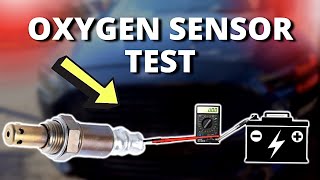
- Faulty Downstream Oxygen (O2) Sensor (Common) — The downstream O2 sensor reports converter health. An old, lazy, or biased sensor sends inaccurate data to the PCM, falsely indicating a failed converter. This is the most frequent misdiagnosis. 🎬 Watch: How to test your oxygen sensors before buying parts
- Engine Misfires or Fuel Mixture Issues (Common) — Bad spark plugs, faulty ignition coils, or leaking fuel injectors dump raw fuel into the exhaust. This fuel ignites inside the converter, melting its internal honeycomb structure. You MUST fix these root causes before replacing a converter.
- PCM Software Calibration (Less Common) — Certain vehicles have overly sensitive PCM software parameters that trigger a false P0430 code. Manufacturers like Ford and Honda issue Technical Service Bulletins (TSBs) with software updates to correct this.
- Oil or Coolant Contamination (Rare) — Internal engine leaks (blown head gasket, worn piston rings) or a clogged PCV system force coolant or oil into the combustion chamber. These fluids coat the catalyst materials, rendering them permanently ineffective.
Symptoms

- Check Engine Light is On — The light remains steady. A flashing light indicates a severe, active misfire requiring immediate attention to prevent catastrophic converter damage.
- Failed Emissions Test — Your vehicle automatically fails state emissions inspections because P0430 indicates pollutants exceed legally required limits.
- Reduced Engine Performance — A collapsed or melted internal converter structure causes an exhaust blockage, resulting in sluggish acceleration, hesitation, and severe power loss.
- Decreased Fuel Economy — An inefficient or clogged converter creates exhaust backpressure, forcing the engine to work harder and consume 5-15% more fuel.
- Rotten Egg or Sulfur Smell — A distinct sulfur smell from the tailpipe confirms the converter is failing to process hydrogen sulfide in the exhaust gases.
Diagnostic Flowchart
Tap your situation to follow the diagnostic path that matches what you're seeing on this code.
Common Fixes & Costs
- Replace Catalytic Converter
— Parts: $500-$2,500, Labor: $150-$400, ~1.5 hr book time
(Professional)
Ford F-150 (2018-2023 3.5L): OEM ML3Z-5E212-LA (Bank 2/Left Side) (Alt: MagnaFlow 280267, Walker 16737)
Honda Pilot (2016-2019 V6): OEM 18180-5MJ-A00 (Bank 2/Front Converter) (Alt: MagnaFlow 51898, Walker 16765)
Nissan Titan (2005-2015 5.6L): OEM 14002-ZR00C (Bank 2/Left Manifold Assembly) (Alt: MagnaFlow 49356, Walker 50380) - Repair Exhaust Leak
— Parts: $20-$150, Labor: $100-$250, ~1.8 hr book time
(Intermediate)
Ford F-150 (2018-2023 3.5L): OEM HL3Z-9448-A (Manifold to Head Gasket) (Alt: Fel-Pro MS 97214)
Honda Pilot (2016-2019 V6): OEM 18229-R70-A01 (Converter to J-Pipe Gasket) (Alt: Walker 31653)
Nissan Titan (2005-2015 5.6L): OEM 14036-7S001 (Manifold to Head Gasket) (Alt: Fel-Pro MS 96609) - Replace Downstream Oxygen (O2) Sensor
— Parts: $50-$200, Labor: $70-$150, ~0.8 hr book time
(DIY)
Ford F-150 (2018-2023 3.5L): OEM FR3Z-9G444-B (Alt: Bosch 16325, Denso 234-4956)
Honda Pilot (2016-2019 V6): OEM 36542-5G0-A01 (Bank 2, Sensor 2) (Alt: Denso 234-4351, Bosch 15478)
Nissan Titan (2005-2015 5.6L): OEM 226A0-8S31A (Alt: Denso 234-4835, Bosch 16596) - Update PCM Software — Parts: $0, Labor: $100-$200, ~1 hr book time (Professional)
- Replace Spark Plugs and/or Ignition Coils
— Parts: $50-$300, Labor: $100-$300, ~1.5 hr book time
(Intermediate)
Ford F-150 (2018-2023 3.5L): OEM
Honda Pilot (2016-2019 V6): OEM
Nissan Titan (2005-2015 5.6L): OEM
DIY vs Professional
- Replace Downstream Oxygen (O2) Sensor — Beginner:
Tools: Jack and jack stands, penetrating oil, oxygen sensor socket set, ratchet, basic wrenches. - Repair Exhaust Leak (Gasket) — Beginner:
Tools: Jack and jack stands, penetrating oil, socket set, torque wrench, gasket scraper, wire brush. - Replace Spark Plugs and/or Ignition Coils — Beginner:
Tools: Socket set with extensions and swivels, spark plug socket, torque wrench, dielectric grease. - Replace Catalytic Converter — Beginner:
Tools: Professional lift, high-torque impact gun, penetrating oil, torque wrench, reciprocating saw/angle grinder, oxygen-acetylene torch.
Used vs. New Parts: Buying Guide
When a used part is worth it: Federal EPA regulations make it illegal for salvage yards to sell used catalytic converters in many states. If legal locally, a used OEM converter from a low-mileage (<80k miles) wrecked vehicle is a cost-effective option for older cars.
Donor-vehicle mileage cap: roughly under 80000 miles for the part to have meaningful remaining life.
Donor quality checklist:
- Verify the donor vehicle was not scrapped for engine or emissions failures.
- Match the part number exactly; converters are highly specific to make, model, and year.
- Reject parts with heavy external rust or internal rattling.
Decision logic:
- If Vehicle is under 8 years/80,000 miles → Check federal emissions warranty coverage before buying any parts.
- If Budget is the primary concern on a vehicle over 150k miles → Install a new aftermarket part, but expect a shorter lifespan (1-3 years) compared to OEM.
- If Long-term reliability is the goal → Purchase a new OEM converter. Cheap aftermarket parts lack sufficient precious metals and fail prematurely.
Warranty tradeoff: Used parts offer 30-day warranties. Aftermarket parts offer 1-5 years. New OEM parts carry the manufacturer's standard warranty and guarantee emissions compliance.
Worst-case if a used part fails: $500-$1500 (cost of repeat labor plus a second replacement part if the cheap unit fails).
What Happens If You Wait — Timeline
- 0-2 weeks: Code P0430 sets. Check Engine Light turns on. No noticeable drivability symptoms. (MPG impact: 0-2%% · Added cost: $0)
- 1-3 months: Catalyst efficiency degrades further. Minor fuel economy drop. Automatic emissions test failure. (MPG impact: 2-5%% · Added cost: $20-$60 in wasted fuel)
- 3-9 months: Internal structure cracks or melts, creating a partial blockage. Noticeable power loss and sluggish acceleration. (MPG impact: 5-15%% · Added cost: $1,000-$2,500 (converter replacement is unavoidable))
- 9+ months: Converter clogs completely. Extreme exhaust backpressure causes engine overheating, blown gaskets, or catastrophic engine failure. (MPG impact: 15-25%+% · Added cost: $3,000-$7,000+ (converter plus major engine repairs))
Cost of Not Fixing It
- 0-3 months: Failed emissions test and a 1-5% drop in fuel economy. The car remains safe to drive if no performance issues exist. (Added cost: $0 (excluding wasted fuel))
- 3-12 months: The converter's internal structure breaks apart or melts, creating a partial clog. Expect noticeable power loss, a 5-15% MPG drop, and overheated oxygen sensors. (Added cost: $1,200-$2,800 (converter replacement becomes unavoidable))
- 12+ months: The converter clogs completely. Extreme exhaust backpressure causes blown head gaskets, damaged piston rings, and engine overheating. The engine stalls or fails to start. (Added cost: $3,000-$7,000+ (new converter plus major engine repairs))
Diagnosis Steps

- Check for Other Trouble Codes
Use an OBD-II scanner to check for additional codes. You MUST diagnose and repair misfire codes (P0300-P0308) or fuel mixture codes (P0172, P0175) first. They are the root cause of converter failure and will destroy a new unit instantly.
Tools: OBD-II Scanner (Beginner) - Inspect for Exhaust Leaks
Visually and audibly inspect the Bank 2 exhaust from the engine to the tailpipe. Look for black soot or cracks at manifold gaskets and flex pipes. Pressurize the cold exhaust with a shop vacuum in reverse and spray soapy water on joints to find bubbles. Even pinhole leaks trigger P0430.
Tools: Flashlight, Shop Vacuum, Soapy Water Spray Bottle (Beginner) - Analyze Oxygen Sensor Live Data
Observe the voltage for the upstream (B2S1) and downstream (B2S2) sensors at a steady 2,000 RPM using a live-data scanner. A healthy upstream sensor switches rapidly (0.1V-0.9V). A healthy downstream sensor stays stable (0.6V-0.8V). If the downstream graph mirrors the upstream's rapid switching, the converter has failed.
Tools: OBD-II Scanner with Live Data Graphing (Intermediate) - Swap Downstream Oxygen Sensors
Swap the downstream (post-cat) oxygen sensors between Bank 1 and Bank 2. Clear codes and drive. If the code returns as P0420 (Bank 1), the O2 sensor is faulty. If P0430 returns, the sensor is good, confirming a bad converter or exhaust leak.
Tools: Oxygen Sensor Socket, Ratchet, Penetrating Oil (Advanced) - Perform a Converter Temperature Test
With a fully warmed-up engine, measure the exhaust pipe temperature entering and exiting the catalytic converter using an infrared thermometer. A working converter generates heat; the outlet should be 30°F to 100°F hotter than the inlet. If temperatures are identical or the outlet is cooler, the converter is dead.
Tools: Infrared Thermometer (Intermediate) - Check for a Clogged Converter (Backpressure)
Remove the upstream O2 sensor and thread in a pressure gauge. Backpressure should be near zero at idle and under 1.5 PSI at 2,500 RPM. High pressure confirms a clog. Alternatively, tap the cold converter with a rubber mallet; a rattling sound means the internal ceramic has shattered.
Tools: Exhaust Backpressure Gauge, Rubber Mallet (Advanced) - Analyze Fuel Trim Data
Observe Short Term (STFT) and Long Term Fuel Trim (LTFT) for Bank 2. Values consistently above +10% indicate a lean condition (vacuum/exhaust leaks). Values below -10% indicate a rich condition (leaking injectors). Both conditions destroy converters.
Tools: OBD-II Scanner with Live Data (Advanced) - Test Oxygen Sensor Heater Resistance
Disconnect the Bank 2 downstream sensor. Set a multimeter to Ohms (Ω) and probe the two heater wires (usually the same color). Resistance should be 5-25 Ohms. Infinite resistance (OL) means an open circuit; near-zero means a short. Replace the sensor if it fails.
Tools: Digital Multimeter, Vehicle Wiring Diagram (Advanced) - Check Fuel Pressure
Connect a fuel pressure gauge to the fuel rail test port. Key On, Engine Off (KOEO) pressure must meet manufacturer specs. Low pressure indicates a weak pump; high pressure points to a bad regulator. Incorrect pressure causes the rich/lean conditions that ruin converters.
Tools: Fuel Pressure Gauge, Service Manual (Advanced) - Analyze Mode $06 Data
Access Mode $06 data on a pro scan tool to view raw PCM self-test results. Locate the Catalyst Monitor test for Bank 2 (often TID $81). If the test value exceeds the manufacturer's maximum limit, the PCM confirms the converter failed the efficiency test.
Tools: Professional Scan Tool with Mode $06 (Professional) - Perform an Injector Balance Test
If rich codes (P0172/P0175) are present, use a bidirectional scan tool to perform an injector balance test. This measures fuel pressure drop per injector to identify leaking units, a critical step for Honda J-series and GM 3.6L V6 engines.
Tools: Professional Bidirectional Scan Tool, Fuel Pressure Gauge (Professional)
When This Code Triggers (Freeze-Frame Conditions)
- Engine Coolant Temp: 170-230°F (77-110°C) (Engine must be fully warmed up and operating in closed-loop mode.)
- Vehicle Speed: 40-60 mph (Steady-state highway cruising is required for the catalyst monitor to run.)
- Engine RPM: 1000-3000 RPM (Engine speed must remain relatively constant, avoiding heavy acceleration.)
- Engine Load: 20-60% (Light to moderate engine load, typical of flat-road cruising.)
Related Codes

- P0420 — Identical code for Bank 1. If both P0420 and P0430 appear, it is highly unlikely both converters failed simultaneously. Diagnose systemic issues like contaminated fuel, a faulty thermostat, or a major vacuum leak.
- P0300-P0308 — Misfire codes. Misfires dump raw fuel into the exhaust, superheating and melting the converter. You MUST fix misfires before replacing the converter.
- P0172 / P0175 — System Too Rich codes. Leaking fuel injectors overwhelm the converter with unburned fuel, causing it to overheat and fail. Fix the rich condition first.
- P0128 — Coolant Thermostat Below Regulating Temperature. The engine runs too cold for the converters to light off, causing false P0420/P0430 codes (common on BMWs).
Climate & Environmental Factors
- Cold Weather: Converters require a 400-600°F 'light-off' temperature. During short winter trips, a marginal converter fails to reach operating temperature, triggering a P0430 code that disappears in summer.
- High Altitude: Less dense air alters the air-fuel mixture. While modern systems compensate, this adds stress to a borderline catalytic converter, pushing it below the efficiency threshold.
How to Talk to a Mechanic About This Code
Say this: "I have a P0430 code. Can you inspect for exhaust leaks and analyze the live data from the Bank 2 oxygen sensors before recommending a catalytic converter replacement?"
This directs the mechanic to perform a proper diagnosis rather than blindly replacing the most expensive part. It prevents paying for an unnecessary catalytic converter.
Avoid saying:
- 'My check engine light is on, can you fix it?' (Too vague; leads to unnecessary diagnostic fees).
- 'Just replace the catalytic converter.' (Assumes the most expensive fix without diagnosis).
- 'Do whatever you think is best.' (Gives the shop a blank check for upsells).
Questions to ask before authorizing the repair:
- Did you find any exhaust leaks between the engine and the downstream O2 sensor?
- Does the downstream sensor live data mirror the upstream sensor?
- Have you checked for Technical Service Bulletins (TSBs) for my vehicle?
- What is the warranty on the parts and labor?
Where to Take It: Dealer vs Independent vs Chain
- Dealer:
Mandatory for warranty claims or software TSBs. Too expensive for out-of-warranty hardware replacements.
Best for: Vehicles under the 8-year/80,000-mile federal emissions warranty., Vehicles requiring PCM software reflashes (Ford, Honda, Acura)., Complex diagnoses on European brands.
Downsides: Highest labor rates., Quick to recommend expensive OEM part replacements. (Typical cost: +50% vs. baseline) - Independent Shop:
The best choice for out-of-warranty P0430 repairs. They handle leaks, sensors, and catalyst replacements cost-effectively.
Best for: Out-of-warranty vehicles., Diagnosing exhaust leaks, O2 sensor failures, and performing converter replacements.
Downsides: Diagnostic skill varies; look for ASE certifications., May lack software for brand-specific PCM updates. (Typical cost: +0% vs. baseline) - Chain Shop:
High risk for misdiagnosis. Avoid for initial P0430 diagnostics.
Best for: Simple O2 sensor replacements if you have already diagnosed the issue yourself.
Downsides: Technician skill varies dramatically., Lack advanced diagnostic equipment for nuanced P0430 diagnosis., Prone to 'throwing parts at the problem'. (Typical cost: -10% vs. baseline)
When to Walk Away From the Repair
If the estimated repair cost exceeds 40-50% of your car's private-party value, consider selling the vehicle.
- Car worth $4000, fix is $2000: Borderline. The repair is 50% of the car's value. Get a second opinion and evaluate upcoming maintenance needs.
- Car worth $12000, fix is $1800: Fix it. The repair is 15% of the vehicle's value.
- Car worth $2500, fix is $1500: Walk away. The repair is 60% of the car's value. Do not invest this much in a low-value car.
What Scan Tool You Need for This Code
Minimum: An OBD-II scanner that reads and graphs live oxygen sensor data.
A $20 code reader only provides the P0430 code. You must see the live voltage graph of the downstream O2 sensor to determine if the fault is the converter or the sensor.
Budget: Ancel BD310 (~$60) — Connects via Bluetooth to a smartphone app to provide live data graphing for O2 sensors and I/M readiness status.
Mid-range: Foxwell NT510 Elite (~$180) — Offers full system diagnostics, live data graphing, and bidirectional controls to test related components.
Professional: Autel MaxiCOM MK808 (~$450) — Provides full bidirectional control, Mode $06 data access, and dealer-level diagnostics for complex or intermittent causes.
How to Clear the Code After You Fix It
- Use an OBD-II scan tool to clear the P0430 code.
- Perform a specific drive cycle to run the internal readiness monitors.
- Verify the Catalyst and O2 sensor monitors show a 'Ready' status on the scan tool.
Drive cycle (~20 minutes): 1) Cold start, idle for 3 minutes. 2) Drive at a steady 55 mph for 10 minutes using cruise control. 3) Coast down to 20 mph without touching the brakes. 4) Idle in drive for 2 minutes. (Procedures vary by manufacturer).
Readiness monitors affected: Catalyst Monitor, Oxygen (O2) Sensor Monitor
Before emissions retest: drive at least 50 miles to fully set monitors.
Watch out for:
- Disconnecting the battery clears the code but resets all readiness monitors, guaranteeing an emissions test failure.
- The code returns within 50 miles if the root cause (exhaust leak, bad sensor, misfire) remains unfixed.
- City driving rarely meets the steady-state criteria required to run the catalyst monitor.
Will This Fail Emissions / State Inspection?
Yes — this code typically fails an OBD-II emissions inspection.
- California: Automatic failure. The BAR-OIS inspection requires the Check Engine Light off and monitors 'Ready'. Only CARB-compliant replacement converters are legal.
- New York: Automatic failure. The NYS DMV OBD-II scan rejects vehicles with a P0430 code or an 'incomplete' catalyst monitor.
- Texas: Automatic failure in the 17 emissions-testing counties. The OBD-II test detects P0430 instantly.
Most Commonly Affected Vehicles
- Honda Pilot, Odyssey, Ridgeline (V6) (2016-2019) — Faulty fuel injectors cause misfires and fuel imbalances (P219A/P219B), destroying the converter. TSBs 19-072 and 20-100 outline PCM updates and injector replacements under extended warranty.
- Ford F-150, Expedition (2018-2023) — Overly sensitive PCM software triggers false P0430 codes. TSB 22-2260 dictates a PCM reflash. Do not replace the converter without checking for software updates first.
- Nissan Titan, Armada, Frontier (V6/V8) (2005-2015) — Integrated exhaust manifolds crack prematurely, creating exhaust leaks that trigger the code. Repair requires replacing the entire manifold/converter assembly.
- Chevrolet / GMC Traverse, Acadia (2012-2019) — Small cracks in the exhaust Y-pipe or flex pipe introduce oxygen, triggering a false P0430. Perform a smoke test to find leaks before condemning the converter.
- Hyundai Santa Fe (V6) (2005-2012) — P0430 is common past 100,000 miles. Always inspect for exhaust leaks at the manifold or flex pipe and test the downstream O2 sensor before replacing the converter.
- BMW 3-Series (E90/E92), X3, X5 (2006-2013) — Often presents with P0420 simultaneously. A thermostat stuck open (code P0128) prevents the engine from reaching optimal temperature, causing false catalyst codes.
- Volkswagen Touareg, Atlas (VR6) (2015-2018) — P0430 points to the driver's side converter. Check for cracks in the woven exhaust flex pipes and test downstream O2 sensors before replacing the expensive catalyst.
- Toyota 4Runner, Tundra, Sequoia (2003-2014) — Cracked exhaust manifolds (which house the converters) cause this code on V8 models. Listen for an audible ticking sound on startup. V6 models frequently suffer from aging downstream O2 sensors.
Manufacturer-Specific Notes
- Honda: On V6 models (Pilot, Odyssey), P0430 is frequently caused by faulty fuel injectors. TSB 20-100 requires a software update and injector test before touching the converter.
- Ford: For 2018+ F-Series trucks, check for PCM software updates first. TSB 22-2260 acknowledges overly sensitive factory calibration; a reflash solves the problem without parts.
- Acura: 2014-2018 V6 models set false P0430 codes due to software glitches. TSB 17-034 updates the PGM-FI software to correct this. Check this before replacing parts.
- GM (Chevrolet/GMC): An improperly sealed air filter housing allows dirt ingestion, contaminating O2 sensors and clogging converters. TSB 16-NA-111 highlights this inspection step.
Real Owner Stories
2008 Acura MDX with 203k miles
Check engine light came on with P0430. Vehicle drove normally but failed emissions.
What they tried:
- A shop replaced the O2 sensor. The light returned a day later with both P0430 and P0420.
- The owner installed an O2 sensor spacer (non-fouler) as a temporary workaround to pass inspection.
Outcome: The spacer temporarily hid the code until a new catalytic converter was sourced.
Lesson: Replacing an O2 sensor is a common but incorrect first step without live data testing. O2 spacers are temporary, illegal workarounds, not true repairs.
2018 Ford F-150 with 34k miles
P0430 code appeared with a 1-2 MPG drop and slight highway hesitation.
What they tried:
- Owner suspected bad gas and used fuel additives.
- Forum members advised checking the 8-year/80,000-mile federal emissions warranty and known TSBs.
Outcome: A dealership performed a PCM reflash covered under warranty, permanently resolving the code.
Lesson: Always check for TSBs on late-model vehicles. Software updates resolve many P0430 codes without replacing physical parts.
2011 Jeep Wrangler with 180k miles
P0430 code appeared with normal performance.
What they tried:
- A mechanic replaced the Bank 2 upstream O2 sensor based on a voltage reading.
Outcome: The code returned immediately. The catalytic converter had failed due to high mileage.
Lesson: Replacing the upstream sensor instead of the downstream sensor is a costly mistake. On a 180k-mile vehicle, the converter is the most likely culprit.
2003 Toyota 4Runner with 224k miles
P0430 code. A shop quoted $3,000 to replace both converters and all four O2 sensors.
What they tried:
- Owner sought online advice and listened for an audible ticking sound on cold starts.
Outcome: The root cause was a cracked exhaust manifold (a known Toyota issue), not a failed catalyst. Replacing the manifold fixed the code.
Lesson: Always investigate exhaust leaks before agreeing to a $3,000 full-system replacement. A cracked manifold introduces oxygen and triggers false codes.
How to Prevent This Code From Triggering
- Use Top-Tier certified gasoline. (Every fill-up) — Top-Tier fuels contain detergents that prevent carbon buildup on injectors, ensuring complete combustion and protecting the converter from unburned fuel.
- Perform regular oil and air filter changes. (Per manufacturer's schedule) — Clean oil prevents sludge contamination. Clean air filters maintain proper air-fuel ratios, reducing catalyst stress.
- Address engine misfires immediately. (As needed) — Misfires dump raw fuel into the exhaust, melting the converter's internal ceramic honeycomb and causing irreversible failure.
- Avoid short trips and allow the engine to fully warm up. (Daily habit) — Converters require 600°F to burn off carbon deposits. Frequent short trips cause gradual clogging.
- Fix oil and coolant leaks promptly. (As needed) — Internal leaks coat the converter's precious metals with contaminants, rendering it permanently useless.
Frequently Asked Questions
What is the first thing to check for a P0430 code?
Use an OBD-II scanner to check for misfire (P030x) or fuel system (P017x) codes. These underlying engine problems destroy converters and must be fixed first.
Can I use a catalytic converter cleaner to fix P0430?
Cleaners only work temporarily on light carbon deposits. They cannot repair a converter that is melted, physically broken, or chemically depleted.
What is the most common misdiagnosis for P0430?
Replacing the expensive catalytic converter without checking for exhaust leaks or testing the downstream O2 sensor. A thorough diagnosis prevents wasting thousands of dollars.
What does it mean if I have both P0420 and P0430 codes?
It is extremely rare for both converters to fail at the exact same time. This indicates a systemic engine issue, such as bad fuel, a vacuum leak, or a faulty thermostat.
Can a bad gas cap cause a P0430 code?
No. A loose gas cap triggers EVAP system codes like P0455 or P0457, not catalyst efficiency codes.
Is the catalytic converter covered under warranty?
Yes, federal law mandates an 8-year/80,000-mile warranty on catalytic converters in the United States. Always check with a dealer before paying out of pocket.
What is 'Bank 2' and how do I find it?
Bank 2 is the side of a V-style engine opposite cylinder #1. On transverse engines, it is usually the bank closest to the radiator. Consult your service manual for exact placement.
Key Takeaways
- Never replace a catalytic converter without first ruling out exhaust leaks and faulty downstream oxygen sensors, which account for up to 30% of P0430 misdiagnoses.
- Fix any active misfire (P0300-P0308) or rich/lean (P0171-P0175) codes immediately, as unburned fuel will destroy a brand-new $1,500 catalytic converter in under 50 miles.
- For 2018-2023 Ford F-150s and 2016-2019 Honda V6 models, check for manufacturer Technical Service Bulletins (TSBs) first; a $150 dealership software update often clears the code permanently.
- A P0430 code guarantees an automatic emissions test failure, and driving with a completely clogged converter for more than 3-6 months risks catastrophic engine damage from exhaust backpressure exceeding 1.5 PSI.
Helpful Videos

The information in this article is provided for general reference and educational purposes only. Vehicle specifications, procedures, and part compatibility can vary by production date, trim level, and region. Always consult your vehicle's factory service manual and verify part numbers before purchasing or performing repairs. Safety-critical components such as airbags, seat belts, and braking systems should be installed by a qualified professional.
- 🎬 Helpful Videos
- What Does P0430 Mean?
- Can I Drive With P0430?
- Common Causes
- Symptoms
- Diagnostic Flowchart
- Common Fixes & Costs
- DIY vs Professional
- Used vs. New Parts: Buying Guide
- What Happens If You Wait — Timeline
- Cost of Not Fixing It
- Diagnosis Steps
- When This Code Triggers (Freeze-Frame Conditions)
- Related Codes
- Climate & Environmental Factors
- How to Talk to a Mechanic About This Code
- Where to Take It: Dealer vs Independent vs Chain
- When to Walk Away From the Repair
- What Scan Tool You Need for This Code
- How to Clear the Code After You Fix It
- Will This Fail Emissions / State Inspection?
- Most Commonly Affected Vehicles
- Manufacturer-Specific Notes
- Real Owner Stories
- 2008 Acura MDX with 203k miles
- 2018 Ford F-150 with 34k miles
- 2011 Jeep Wrangler with 180k miles
- 2003 Toyota 4Runner with 224k miles
- How to Prevent This Code From Triggering
- Frequently Asked Questions
- What is the first thing to check for a P0430 code?
- Can I use a catalytic converter cleaner to fix P0430?
- What is the most common misdiagnosis for P0430?
- What does it mean if I have both P0420 and P0430 codes?
- Can a bad gas cap cause a P0430 code?
- Is the catalytic converter covered under warranty?
- What is 'Bank 2' and how do I find it?
- Key Takeaways
- 🎟️ Get 5% Off