

P0365 on 2018-2020 Ford F-150 3.5L EcoBoost: Exhaust Cam Sensor Fault & Oil Level Warning
On a 2018-2020 F-150 with the 3.5L EcoBoost, P0365 is most often caused by a low engine oil level starving the timing system. Before buying any parts, check your oil. Ford TSB 20-2423 directly links this code to excessive oil consumption. If the oil level is correct, the exhaust camshaft position sensor on the passenger side is likely faulty. The sensor is an inexpensive part (~$30-$60) and a straightforward DIY replacement, though access can be tight.
- Before doing anything else, check the engine oil level. Low oil is a highly probable cause for P0365 on this truck.
- The code refers to the exhaust camshaft position sensor on the passenger side (Bank 1) of the engine.
- If the oil level is correct, the sensor itself is the next most likely culprit and is a relatively inexpensive and accessible part for DIY replacement.
- This code is often linked to a known oil consumption issue; a long-term fix may require addressing the PCV system or getting a PCM update from a dealer per Ford's TSBs.
What's Unique About the 2018-2020 Ford F-150
For the 13th generation F-150 with the 3.5L EcoBoost engine, code P0365 is frequently a symptom of a larger, well-documented problem: excessive oil consumption. Multiple Ford Technical Service Bulletins (TSBs), most notably TSB 20-2423, confirm that a low engine oil level can starve the Variable Camshaft Timing (VCT) system, triggering this sensor circuit code even if the sensor itself is perfectly fine. The root cause is often a faulty PCV system design within the valve covers. Therefore, unlike on many other vehicles, this code should immediately prompt an oil level check before any parts are replaced.
Symptoms You May Notice
- Check Engine Light is on
- Rough or uneven idle
- Engine stalls or has difficulty starting
- Reduced engine power and poor acceleration
- Decreased fuel economy
- Engine may enter a 'limp mode' with severely restricted power
- Hesitation during acceleration
- Replacing the camshaft position sensor without first checking the engine oil level. On this specific vehicle, low oil is a very common root cause and replacing the sensor will not fix the problem if the oil level is low due to excessive consumption.
Most Likely Causes
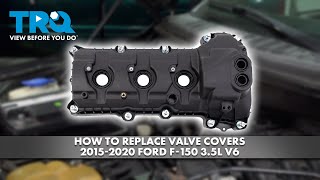
- Low engine oil level 🔴 High Probability The 3.5L EcoBoost in this year range is known for excessive oil consumption issues, as documented in multiple Ford TSBs (e.g., SSM 47961, TSB 20-2423). Low oil pressure affects the VCT system, triggering timing-related codes. The official fix per TSB 20-2423 involves a PCM reprogram and, if that fails, replacement of both valve covers with updated parts. 🎬 See this step-by-step valve cover replacement guide
How to confirm: Check the engine oil level using the dipstick. Ensure the vehicle is on level ground and has been off for at least 15 minutes to allow oil to drain back into the pan for an accurate reading, as specified by Ford.
Typical fix: Top off the engine oil to the correct level. If the problem is recurring, an oil consumption test and further diagnosis related to the PCV system or valve covers may be needed per Ford TSB 20-2423.
Est. part cost: $10-$20 for engine oil - Failed Camshaft Position Sensor (Bank 1, Exhaust) 🟡 Medium Probability These sensors operate in a high-heat environment on the cylinder head and can fail electronically over time. The sensor is located on the rear of the passenger-side cylinder head and can be difficult to access.
How to confirm: After confirming the oil level is correct, you can test the sensor with a multimeter or swap it with the intake sensor on the same bank (if they are the same part number) to see if the code changes to P0340. The sensor is located on the rear of the passenger-side cylinder head. Access is often gained through the passenger side wheel well.
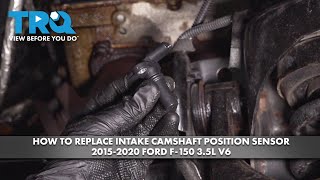
Typical fix: Replace the Bank 1 exhaust camshaft position sensor. This involves disconnecting the electrical connector, removing a single 8mm bolt, and installing the new sensor. Some owners report this is a 10-minute job once you can reach the sensor. 🎬 Watch: How to access and replace the sensor
Est. part cost: $25-$60 - Wiring or Connector Issue ⚪ Low Probability The sensor connector is located at the back of the engine and can be susceptible to heat damage or oil contamination from valve cover leaks, leading to a poor connection.
How to confirm: Visually inspect the sensor's electrical connector and wiring for any signs of damage, corrosion, or oil saturation. Wiggle the connector to see if it is loose. Check for a stable voltage signal at the connector with a multimeter.
Typical fix: Clean the connector with electrical contact cleaner. If the connector or wiring is damaged, replace the pigtail connector or repair the damaged section of the wire.
Est. part cost: $15-$30 for a new pigtail connector
Rare But Worth Checking
- Worn Timing Components (VCT Phasers, Timing Chain): While less common to cause only P0365, this engine is known for VCT phaser issues (cold start rattle), addressed in TSBs like 20-2315. Severe timing deviation due to worn components can trigger sensor codes. This is a much more involved and expensive repair.
- Slipped Camshaft Reluctor Wheel: In rare cases, the tone ring on the camshaft that the sensor reads can slip out of position, causing an incorrect signal. This requires camshaft replacement to fix.
- Faulty Powertrain Control Module (PCM): This is extremely rare. All other possibilities, including wiring, sensors, and mechanical issues, should be thoroughly exhausted before considering a PCM failure. However, note that a PCM reprogram is part of the official fix for the related oil consumption issue.
Diagnosis Steps
- Check Engine Oil Level: This is the most critical first step. Ensure the engine oil is full after letting the vehicle sit on a level surface for at least 15 minutes. If it's low, top it off, clear the code, and drive the vehicle to see if the code returns. Monitor for excessive consumption.
- Inspect the Sensor and Connector: Locate the Bank 1 (passenger side) exhaust ('B') camshaft position sensor at the rear of the cylinder head. Access may require removing the passenger front wheel and fender liner. Check for a secure connection, and inspect the wiring and connector for any signs of damage, corrosion, or oil contamination.
- Test the Sensor: If the oil level is correct and the wiring looks good, the sensor itself is suspect. You can swap the exhaust sensor with the intake sensor on the same bank and see if the code changes to P0340. If it does, the sensor is bad.
- Check for TSBs: Be aware of Ford TSB 20-2423, which directly links P0365/P0369 to excessive oil consumption on the 3.5L High-Output engine. The ultimate fix may involve a PCM reprogram and/or valve cover replacement to address the root cause of oil loss.
- Advanced Diagnostics: If a new sensor doesn't fix the issue, a more in-depth diagnosis is needed. This involves using a multimeter to check the sensor circuit for proper voltage and ground, and potentially using an oscilloscope to analyze the sensor's signal pattern. This can help identify wiring faults or a problem with the camshaft's reluctor wheel.
Parts You'll Likely Need
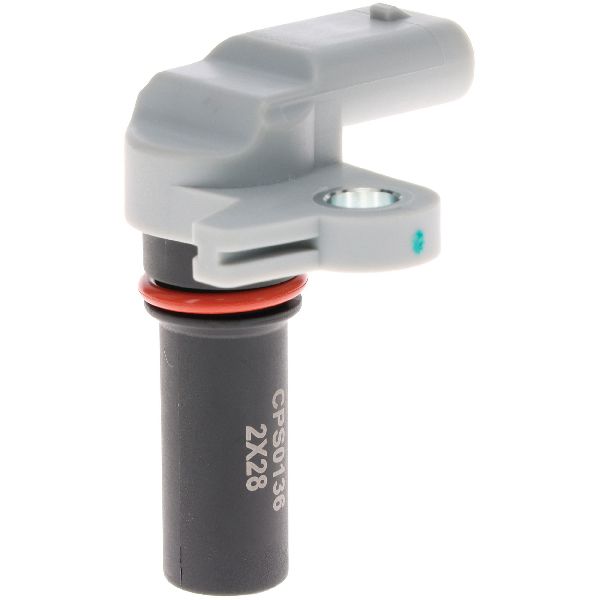
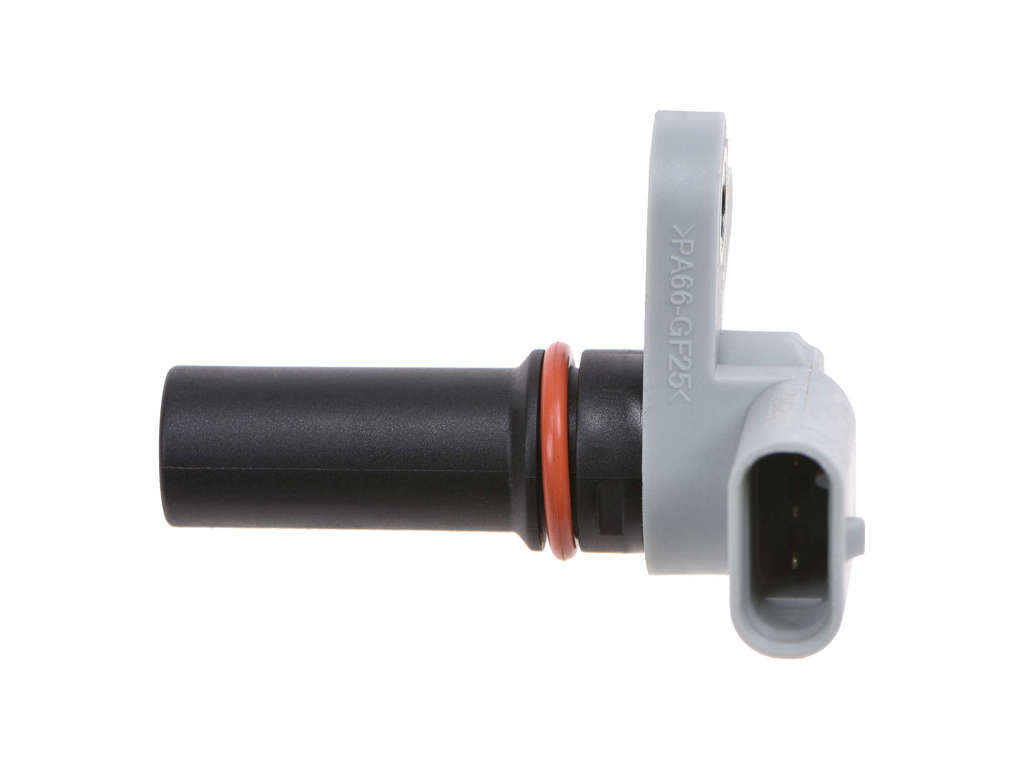
- Engine Camshaft Position Sensor
(OEM #BL3Z-6B288-C)— This is the most common part to fail after low engine oil has been ruled out as the cause.
Trusted brands: Motorcraft, Bosch, Denso, NGK/NTK
OEM price range: $35-$55
Aftermarket price range: $25-$45
Related Codes That Often Appear With This One
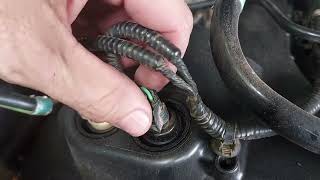
- P0369 — This code indicates an intermittent signal from the same sensor (Camshaft Position Sensor 'B' Circuit Intermittent, Bank 1). They often appear together as they point to the same component and underlying issues like low oil or a failing sensor. Ford TSBs frequently list P0365 and P0369 together. 🎬 Watch: How one owner solved P0365 and P0369 codes
- P0018 — Crankshaft Position - Camshaft Position Correlation (Bank 2 Sensor A). While this code is for the other bank, significant timing issues caused by low oil pressure can sometimes lead to multiple correlation codes.
Technical Service Bulletins (TSBs) & Recalls
- SSM 47961: Explicitly states that P0365 and/or P0369 on 2018-2019 3.5L EcoBoost engines may be due to low engine oil level, low oil pressure, or worn/damaged VCT units. It advises checking the oil level before performing other diagnostics.
- TSB 20-2423: Supersedes earlier bulletins. For 2018-2020 F-150/Navigator with the 3.5L High-Output engine, this TSB addresses excessive oil consumption that may be accompanied by P0365/P0369. The fix involves reprogramming the PCM and, if necessary, replacing both valve covers.
- TSB 20-2294: Notes that vehicles with a 3.5L EcoBoost High-Output engine may exhibit excessive oil consumption with no visible oil leaks with or without diagnostic trouble code P0365 and/or P0369.
- TSB 20-2132: States that excessive oil consumption with or without P0365/P0369 may be due to a concern with the positive crankcase ventilation (PCV) system.
Platform-Specific Known Issues
- Excessive Oil Consumption: A widely documented issue for this engine. TSB 20-2423 explicitly states that excessive oil consumption with no visible leaks may be present with or without DTC P0365/P0369. The cause is related to the PCV system within the valve covers, and the official fix requires a PCM reprogram and potentially valve cover replacement.
Mechanic-Grade Diagnostic Values
- Camshaft Position Sensor Reference Voltage — expected: Approximately 5.0 Volts DC. Failure: A reading of 0V or a fluctuating voltage points to a wiring or PCM fault, not necessarily a bad sensor.
- Camshaft Position Sensor Resistance — expected: 500 - 1500 Ohms (across pins 1 and 3). Failure: A reading outside this range suggests an internal sensor failure.
- Camshaft Position Sensor Retaining Bolt Torque — expected: 89 lb.in (10 Nm). Failure: N/A
Scan Tool Commands That Help
- Ford IDS (or equivalent bidirectional scanner): VCT Solenoid Command / Test — Use this function after confirming the sensor and its wiring circuit are good. This command energizes the VCT solenoid for the Bank 1 exhaust cam, allowing you to monitor the camshaft's actual position PID versus the desired position. A slow or non-existent response indicates a mechanical problem with the VCT solenoid or the cam phaser itself, ruling out the sensor circuit.
Wiring & Ground Locations
- Body-to-Frame Ground — Under the truck, just below the passenger front door area. This cable connects the aluminum cab body to the steel frame.. This ground is notorious for corrosion on F-150s. While not directly for the CMP sensor circuit, a poor body ground can introduce electrical noise and communication issues across various modules, including the PCM, potentially leading to erroneous sensor codes. Ford specifically warns against creating new grounds to the frame to avoid galvanic corrosion with the aluminum body.
Real Owner Repair Stories
- Mustang6G.com forum user (Ford Mustang (with similar V8 engine architecture, but relevant VCT system diagnosis)) — Rough idling and persistent P0365 / P0369 codes.
❌ Tried (didn't work) Swapped both passenger side cam sensors, Replaced all spark plugs and ignition coils, Performed a crank relearn procedure, Returned vehicle tune to stock
✅ What actually fixed it The dealer diagnosed and replaced a faulty Variable Valve Timing (VCT) solenoid under the powertrain warranty. This resolved all codes and driveability issues. - Ford F150 Forum user (2018 F-150 3.5L EcoBoost) — Check engine light with codes P0365 and P0369.
❌ Tried (didn't work) Replaced the Bank 1 exhaust cam sensor, Replaced the crankshaft position sensor, Replaced the other cam position sensor on Bank 1
✅ What actually fixed it The user did not post a final resolution, but other users suggested the problem was likely in the wiring harness, a connector, or a more significant mechanical timing issue, as simply replacing sensors did not work. This highlights the importance of diagnosing the circuit and mechanical systems before replacing more parts.
Documented NHTSA Reports
- An owner reported in NHTSA ODI #11418889 that their vehicle was subject to the conditions described in Technical Service Bulletin 19-2232, which addressed excessive oil consumption with or without DTC P0365/P0369 for vehicles built on or before 1-April-2019.
OEM Part Supersession History
BL3Z-6B288-A (also DU-95)→BL3Z-6B288-C (also DU-102)— Standard part revision by the manufacturer for improvements in reliability or material changes.
Model Year Variations Within This Range
- 2018-2020: The 3.5L High-Output (HO) EcoBoost engine, standard on the Raptor and Limited trims, is the primary engine affected by TSB 20-2423 regarding oil consumption and P0365/P0369 codes. While the standard 3.5L EcoBoost can experience similar issues, the TSB is specifically targeted at the HO variant.
Diagnostic Flowchart
Other Known Issues on This Vehicle
Issues unrelated to this code that are worth knowing about as an owner of this generation:
- VCT Cam Phaser Rattle on Cold Start 🔴 High — Very common on 3.5L EcoBoost engines built before late 2019. Noise typically lasts 2-5 seconds after a cold soak. (Ref: TSB 20-2315 (supersedes others))
- Harsh/Erratic Shifting from 10R80 Transmission 🟠 Medium — Common complaint across many Ford/Lincoln models with this 10-speed transmission. Can manifest as harsh engagements, clunking, or delayed shifts. (Ref: Multiple TSBs issued, including TSB 21-2315 and TSB 24-2046.)
- Leaking Composite Oil Pan 🟠 Medium — The stock plastic/composite oil pan is prone to developing leaks over time due to warping.
- Warped Dashboard 🟡 Low — Common cosmetic issue where the dashboard material can lift and warp, especially near the defrost vents.
Used vs. New Parts: Buying Guide for This Vehicle
When a used part is the smart pick: For this repair, a used part only makes sense for the engine valve covers if they are the root cause of oil consumption per TSB 20-2423. A used camshaft position sensor is not recommended due to its low cost new and the risk of premature failure.
Donor-vehicle mileage cap: roughly under 50000 miles for the part to have meaningful remaining life.
What to inspect on the donor part:
- For valve covers, ensure there are no cracks, especially around bolt holes.
- Verify the donor vehicle was not part of a front-end collision.
- Check that the integrated PCV baffling is intact and not full of sludge.
OEM-only on this vehicle (don't cheap out):
- Engine Camshaft Position Sensor: Due to the criticality of the timing signal, using an OEM Motorcraft sensor is strongly advised to avoid compatibility and premature failure issues common with some aftermarket brands.
Aftermarket brands forum-validated for this vehicle:
- Denso
- Bosch
- NGK/NTK
- Standard Motor Products (SMP)
Brands owners have reported issues with on this vehicle:
- No-name, unbranded sensors from online marketplaces are frequently reported to be dead-on-arrival or fail shortly after installation.
Real Owner Stories
Aggregated from forums and TSBs cited above. Mileages and costs reflect what owners reported in those sources.
2016 Ford F-150 3.5L EcoBoost
Symptoms: Hesitation during acceleration and the presence of codes P0365 and P0369.
What fixed it: Replacing the sensor with a Motorcraft part resolved the issue in a 10-minute swap.
Source hint: F150Forum.com thread 'Codes P0365 and P0369'
2018 Ford F-150 3.5L EcoBoost
Symptoms: Codes P0365 and P0369 persisted even after replacing all four cam sensors and the crank sensor.
What fixed it: The owner noted a rattling noise between 2,500-3,500 RPM, suggesting the fix required addressing a deeper mechanical fault or cam phaser failure rather than just sensors.
Source hint: F150Forum.com thread '2018 3.5 Ecoboost… PO365 and PO369'
Related OBD-II Codes
Frequently Asked Questions
Does TSB 20-2423 apply to my 2019 Ford F-150 with the 3.5L High-Output EcoBoost?
Can low engine oil really cause a P0365 code on my F-150?
Where is the Bank 1 Exhaust Camshaft Position Sensor located on the 3.5L EcoBoost?
What is the official Ford fix for P0365 if it's related to oil consumption?
Is there a way to test if the sensor itself is bad before buying a new one?
My F-150 has a cold start rattle and P0365; are they related?
Helpful Videos
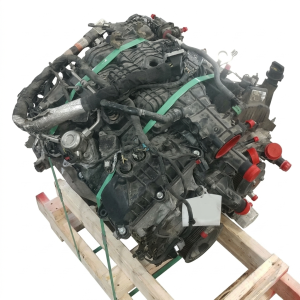
Used OEM Parts in Stock
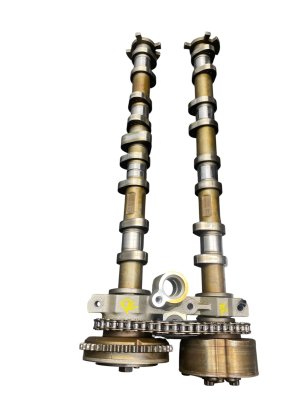
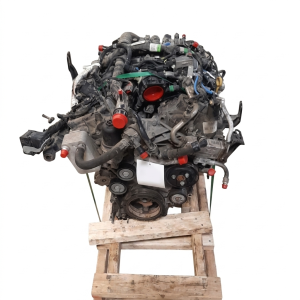
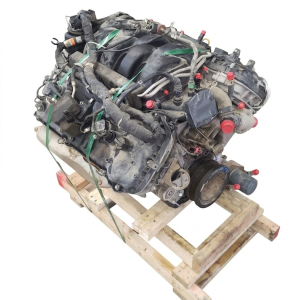
New Aftermarket Parts Available

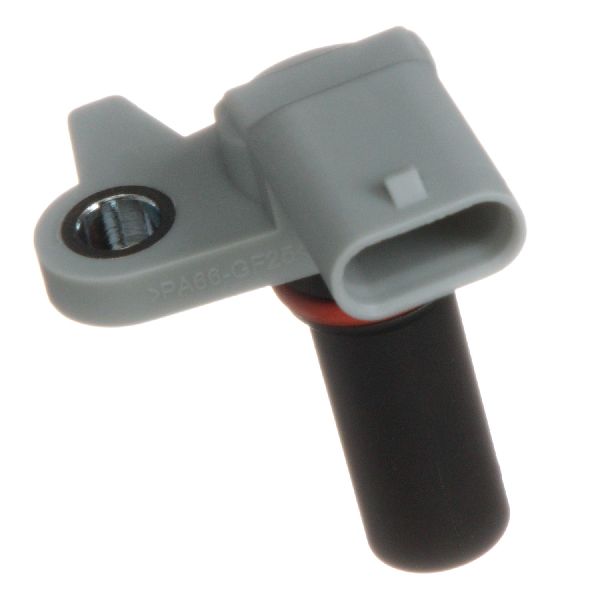

The information in this article is provided for general reference and educational purposes only. Vehicle specifications, procedures, and part compatibility can vary by production date, trim level, and region. Always consult your vehicle's factory service manual and verify part numbers before purchasing or performing repairs. Safety-critical components such as airbags, seat belts, and braking systems should be installed by a qualified professional.
- Ford F-150:
- 🎬 Helpful Videos
- 🛍️ Shop This Part
- What's Unique About the 2018-2020 Ford F-150
- Symptoms You May Notice
- Most Likely Causes
- Rare But Worth Checking
- Diagnosis Steps
- Parts You'll Likely Need
- Related Codes That Often Appear With This One
- Technical Service Bulletins (TSBs) & Recalls
- Platform-Specific Known Issues
- Mechanic-Grade Diagnostic Values
- Scan Tool Commands That Help
- Wiring & Ground Locations
- Real Owner Repair Stories
- Documented NHTSA Reports
- OEM Part Supersession History
- Model Year Variations Within This Range
- Diagnostic Flowchart
- Other Known Issues on This Vehicle
- Used vs. New Parts: Buying Guide for This Vehicle
- Real Owner Stories
- 2016 Ford F-150 3.5L EcoBoost
- 2018 Ford F-150 3.5L EcoBoost
- Related OBD-II Codes
- Frequently Asked Questions
- 🎟️ Get 5% Off