

P0363 on 2014-2020 Mercedes-Benz S-Class: Misfire Detected & Fuel Cutoff Causes
P0363 means the engine computer has cut fuel to a misfiring cylinder. On the M278 V8, this is most often caused by a failed ignition coil or a worn spark plug. Swapping the coil from the misfiring cylinder is the first diagnostic step. Expect to pay $70-$150 for an OEM-quality coil.
- P0363 is a safety measure by the car's computer to protect the catalytic converter; the real problem is indicated by an accompanying P030x code.
- For the M278 V8, the misfire is almost always caused by a bad ignition coil or a worn spark plug.
- Always diagnose by swapping the ignition coil from the bad cylinder to a good one to confirm the failure before buying parts.
- If coils and plugs don't fix the issue, a more serious problem like a fuel injector failure or mechanical damage is possible and may require professional help.
What's Unique About the 2014-2020 Mercedes-Benz S-Class
The M278 is a high-performance, twin-turbocharged, direct-injection V8 featuring a 'hot-vee' design where the turbochargers are located in the valley of the engine. This layout increases thermal stress on components located nearby, such as ignition coils, wiring harnesses, and plastic coolant lines. Ignition coil failures are a well-documented common issue. Additionally, the engine's piezoelectric fuel injectors are a known failure point, with early versions being particularly problematic, leading to misfires and potential fuel leaks. While coils and plugs are the usual culprits, the possibility of a failing injector is higher on this engine than on many others. Early M278 engines also used Silitec cylinder liners which, in some cases, were prone to scoring, leading to permanent compression loss and misfires.
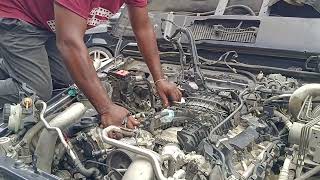
🎬 Watch: Common M278 engine issues to check before you buy.Symptoms You May Notice
- Flashing or solid Check Engine Light
- Engine shaking, vibrating, or running very rough, especially at idle
- Significant loss of engine power and poor acceleration
- Engine may hesitate or stumble
- A noticeable smell of gasoline from the exhaust
- Shuddering or vibration felt through the chassis and steering wheel
- Replacing the fuel injector first. Always diagnose the ignition system (coils and plugs) first, as it is far more common, cheaper, and easier to fix.
- Ignoring the specific misfire cylinder. P0363 only tells you the fuel has been cut; you must have the accompanying P030x code to know which cylinder to work on.
- Replacing only one ignition coil. If one coil has failed due to age and heat, others are likely to fail soon. Many owners and shops recommend replacing all 8 to prevent future issues.
Most Likely Causes
- Faulty Ignition Coil 🔴 High Probability Ignition coils are a very common failure item on the M278 engine due to high heat from the 'hot-vee' turbo design and high electrical demands. Their location in the engine valley subjects them to extreme temperatures, accelerating wear.
How to confirm: Use an OBD-II scanner to find the specific misfire code (e.g., P0304 for cylinder 4). Swap the ignition coil from the misfiring cylinder with one from a different cylinder. Clear the codes and drive the car. If the misfire code moves to the new cylinder (e.g., P0301), the coil is bad. The electrical connectors can be very difficult to remove without breaking the tabs; care must be taken.
Typical fix: Replace the failed ignition coil. It is wise to also replace the spark plug in that cylinder. Many owners and mechanics recommend replacing all 8 coils and plugs as preventative maintenance on higher-mileage vehicles to avoid repeat labor costs.
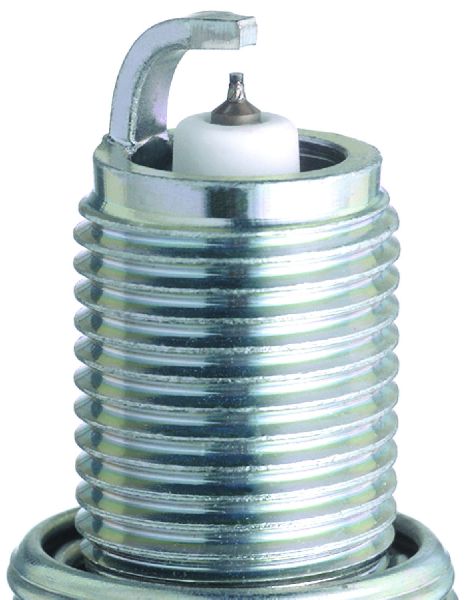
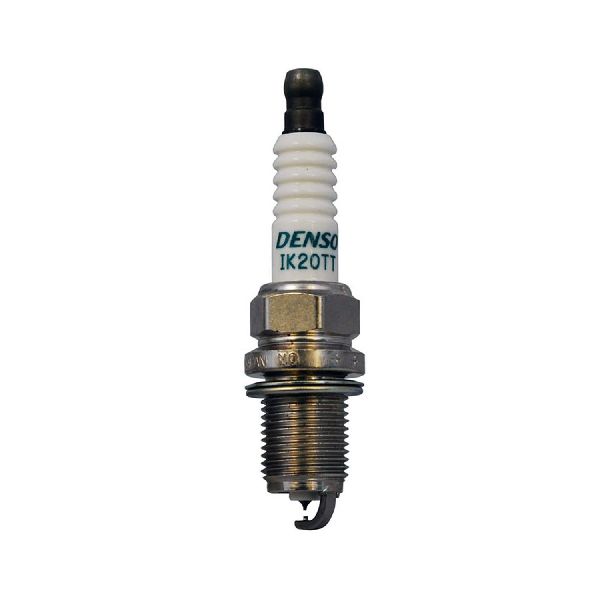
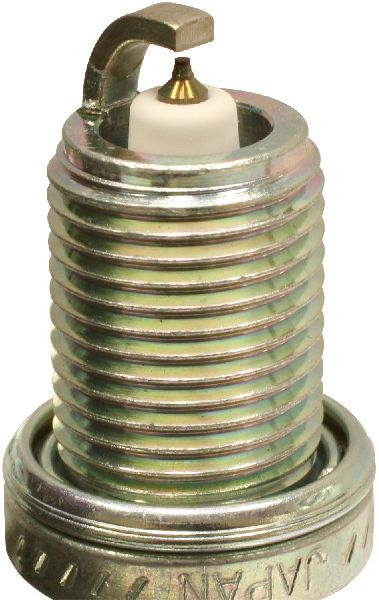
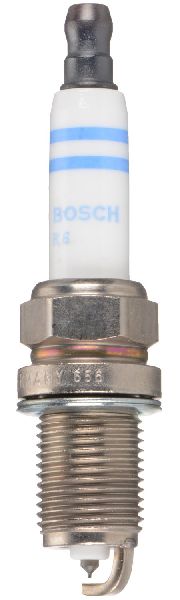
Est. part cost: $70-$150 per coil - Worn or Fouled Spark Plug 🔴 High Probability The M278's direct-injection, turbocharged design is demanding on spark plugs, which have a typical service life of around 50,000-60,000 miles. A worn plug with a large gap can overwork and destroy an ignition coil.
How to confirm: After ruling out the ignition coil, remove the spark plug from the misfiring cylinder. Inspect it for wear (worn electrode), carbon or oil fouling, or damage to the ceramic insulator. Compare it to a new plug.
Typical fix: Replace the spark plug. It is best practice to replace all 8 spark plugs as a set if they are near or past their service interval. Ensure they are gapped and torqued to Mercedes-Benz specifications (typically 23 Nm).
Est. part cost: $20-$30 per plug - Faulty Fuel Injector 🟡 Medium Probability The M278 uses advanced piezoelectric direct injectors which are a known failure point. Early production injectors were particularly prone to leaking and malfunctioning, and updated parts were later released. A recall (Campaign No. 2022030003) was issued for some model years to replace injectors and fuel rails.
How to confirm: This is more difficult to diagnose. If coils and plugs are good, a mechanic can perform tests to check fuel injector balance and flow using a Mercedes-specific scan tool like XENTRY. 🎬 Watch: How to remove the injectors and manifold on this engine. A strong smell of raw fuel in the engine bay is a critical sign of an external injector leak.
Typical fix: Replace the faulty fuel injector. This is a more labor-intensive job than coils or plugs. It is often recommended to replace all injectors on the affected bank, or all 8, as others may be close to failure. Injector replacement requires coding the new injector's flow values to the ECM with a Mercedes-specific scan tool.
Est. part cost: $200-$400 per injector
Rare But Worth Checking
- Carbon Buildup on Intake Valves: As a direct injection engine, the M278 does not have fuel washing over the intake valves. Over time, oil vapor from the PCV system can bake onto the valves, restricting airflow and causing misfires, especially on cold starts. This typically requires professional cleaning (e.g., walnut blasting).
- Internal Engine Damage (Cylinder Bore Scoring): Early M278 engines used Alusil/Silitec cylinder wall coatings that could be prone to scoring, leading to a loss of compression and a persistent misfire that ignition or fuel parts won't fix. Symptoms can include a puff of smoke on startup and increased oil consumption. A compression test, cylinder leak-down test, and inspection with a borescope are necessary to diagnose this catastrophic failure, which requires an engine rebuild or replacement.
- Leaking Camshaft Position Sensors: The camshaft position sensors on the front of the engine can leak oil internally. This oil can then wick through the wiring harness via capillary action, contaminating the connectors at the sensors, the ECU, and even O2 sensors, causing a variety of electrical faults and misfires. Inspecting the sensor connectors for oil is a key diagnostic step.
Diagnosis Steps
- Connect an OBD-II scanner to the vehicle's diagnostic port.
- Read the fault codes. Note the specific cylinder misfire code (e.g., P0305 for cylinder 5) that accompanies P0363.
- Identify the misfiring cylinder's location on the M278 engine. (Cylinders 1-4 are on the passenger side, front to back; 5-8 are on the driver's side, front to back).
- Swap the ignition coil from the misfiring cylinder with a coil from a known good cylinder.
- Clear all fault codes using the scanner.
- Start the engine and drive the vehicle until the Check Engine Light reappears.
- Re-scan for codes. If the misfire code has moved to the cylinder where you placed the suspect coil, the ignition coil is faulty and must be replaced.
- If the misfire code remains on the original cylinder, the problem is likely the spark plug or fuel injector.
- Inspect and replace the spark plug in the misfiring cylinder. It is recommended to replace all 8 if they are due.
- If the misfire persists, inspect the camshaft position sensor connectors for any signs of oil contamination from leaking sensors.
- If the ignition system is confirmed to be good, the issue is likely a faulty fuel injector or a mechanical engine problem. This stage requires professional diagnosis, including fuel system tests with a Mercedes-specific tool (XENTRY) and a compression/leak-down test to check for internal damage like cylinder scoring.
Parts You'll Likely Need
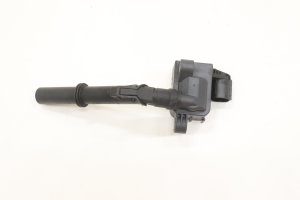
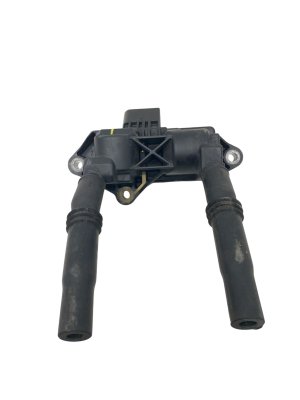
- Ignition Coil
(OEM #A2769060501 (Bosch), also see A2769063700 (Beru))— This is the most common cause of misfires on the M278 engine. Part numbers have been superseded several times.
Trusted brands: Bosch, Beru, Eldor
OEM price range: $100-$150
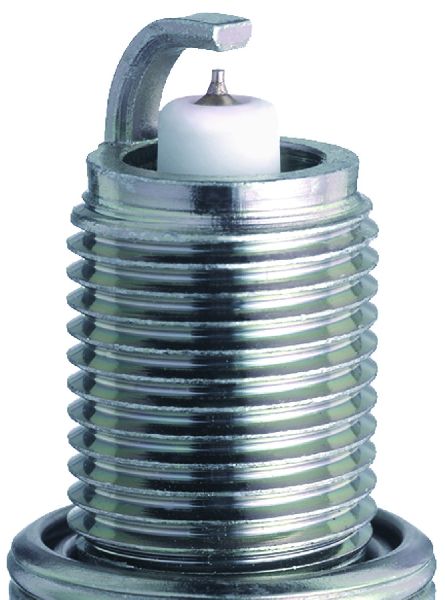
Aftermarket price range: $70-$120 - Spark Plug
(OEM #A0041596403)— A common wear item that is the second-most-likely cause of a misfire and should be replaced with the coil.
Trusted brands: Bosch, NGK
OEM price range: $25-$35
Aftermarket price range: $15-$25 - Piezoelectric Fuel Injector
(OEM #A2780700687 (superseded by A2560705600 in some cases))— A known failure point on the M278 engine, especially on earlier models, that can cause persistent misfires. A recall was issued for some vehicles.
Trusted brands: Bosch (OEM)
OEM price range: $300-$450
Aftermarket price range: $200-$350
Related Codes That Often Appear With This One
- P0300 — This code for 'Random/Multiple Cylinder Misfire' may appear if more than one cylinder is misfiring.
- P0301, P0302, P0303, P0304, P0305, P0306, P0307, P0308 — One of these codes will always be present with P0363, as it identifies the specific cylinder that is misfiring and had its fuel supply cut.
- P035x (e.g., P0351, P0354) — A code like P0351 ('Ignition Coil A Primary/Secondary Circuit') points directly to an electrical fault in the ignition coil for the corresponding cylinder (in this case, cylinder 1), strengthening the diagnosis of a bad coil.
Technical Service Bulletins (TSBs) & Recalls
- LI05.10-P-056435: Addresses a rattling noise from the engine for a few seconds after a cold start. The remedy is to install updated secondary timing chain tensioners and non-return (check) valves in the oil supply passages.
- Campaign No. 2022030003 (NHTSA Recall 22V-152): A recall to replace the fuel rail and all fuel injectors on certain models, including those with the M278 engine, due to a risk of fuel leaks from the injector body.
Platform-Specific Known Issues
- The 'hot-vee' design of the M278, with turbos in the engine valley, creates an extremely hot environment that accelerates the degradation of plastic and rubber components, including ignition coil boots and wiring insulation.
Mechanic-Grade Diagnostic Values
- Low-Pressure Fuel System Pressure (In-tank pump) — expected: 4.0 - 5.0 bar (approx. 58 - 72 PSI) at idle.. Failure: Pressure below 4.0 bar can starve the high-pressure pumps, leading to misfires under load.
- High-Pressure Fuel System Pressure (Engine-mounted HPFPs) — expected: 120 - 200 bar (approx. 1740 - 2900 PSI), variable depending on engine load.. Failure: A code like P0087 (Fuel Rail Pressure Too Low) will set if pressure drops significantly under heavy acceleration. This can be caused by a weak HPFP or a leaking injector.
- Ignition Coil Primary Winding Resistance — expected: Approximately 0.4 - 0.7 ohms.. Failure: A reading of infinity (open circuit) or very high resistance indicates a failed primary coil. This test is less reliable on modern coils than a dynamic test.
- Ignition Coil Secondary Winding Resistance — expected: Approximately 8.0 - 12.0 kOhms (8,000 - 12,000 ohms).. Failure: A reading outside this range, especially an open circuit (infinity), indicates a failed secondary winding.
Scan Tool Commands That Help
- Mercedes-Benz XENTRY/DAS: Smooth Running Test / Cylinder Comparison — This is a primary diagnostic function to identify misfiring cylinders in real-time. It graphically displays the rotational speed contribution of each cylinder, making it easy to spot the underperforming one(s) that are causing the misfire counts to rise.
- Mercedes-Benz XENTRY/DAS: Injector Quantity Compensation / Injection Correction Values — After confirming a misfire is not ignition-related, this test shows if the ECU is attempting to add or subtract significant amounts of fuel to a specific cylinder. Large correction values can indicate a clogged or leaking injector. This function is also used to code new injectors to the ECU.
- Mercedes-Benz XENTRY/DAS: Compression Test — XENTRY can perform a relative compression test by analyzing crankshaft speed during cranking. It can quickly identify a cylinder with low compression without requiring manual removal of spark plugs for a mechanical gauge test, pointing towards a mechanical issue like bore scoring or a valve problem.
Wiring & Ground Locations
- Main Engine to Chassis Ground — A braided strap connecting from one of the engine mount arms on the engine side to the vehicle's body/frame.. A corroded or loose main ground can cause a floating ground potential for the entire engine management system. This can lead to erratic sensor readings, weak ignition spark, and misfire codes that are difficult to trace, as the ECU and its sensors lack a stable reference.
- ECU/Harness Grounds (e.g., W11/3) — There are several smaller ground points for the engine wiring harness located on the cylinder heads and the side of the engine block.. Individual sensor groups and the ignition coils rely on these local grounds. A loose nut or corrosion at one of these points (often a brown wire) can cause isolated issues like a misfire on a single bank or erratic behavior from camshaft/crankshaft sensors, directly leading to P0363.
- Battery Ground Cable (A2225407114) — The main negative cable from the battery terminal to a grounding point on the chassis, often in the trunk or under the vehicle.. While less likely to cause a specific misfire, a compromised main battery ground can cause widespread electrical issues, including low voltage to the ECU and fuel pumps, which could indirectly contribute to misfires under certain conditions.
Real Owner Repair Stories
- MBWorld.org Forums (Mercedes-Benz S-Class (W222)) — Misfire code on cylinder #7, engine choking with loss of power, especially in the morning.
❌ Tried (didn't work) The owner had previously done significant work, but the misfire persisted.
✅ What actually fixed it The owner discovered two hose clamps on the intake air system were completely loose and could be spun by hand. After tightening the clamps, the misfire codes and drivability issues were resolved. This indicates an unmetered air leak was leaning out the mixture on one bank, causing the misfire. - MBWorld.org Forums (2014 S550 4matic, 73k miles) — Sudden, tremendous shaking and shuddering with dramatic loss of power on the highway. Check Engine Light came on. Codes read P0307 and P0308 (misfires on cylinders 7 and 8).
❌ Tried (didn't work) The owner was initially concerned about ignition coils or plugs.
✅ What actually fixed it The problem cleared itself after stopping and restarting the car. While the final root cause wasn't definitively posted by the original author, the behavior (multiple cylinders on one bank failing simultaneously and resolving on restart) is often symptomatic of a temporary fuel delivery issue (like a struggling fuel pump) or a failing sensor that provides a critical signal for that bank (like a camshaft position sensor), rather than individual coils or plugs. - MBWorld.org Forums (2015 S550 4matic, 62k-67k miles) — Misfire on cylinder 6 at 65k miles, followed by a misfire on cylinder 4 at 67k miles.
❌ Tried (didn't work) Replacing only the single failed coil.
✅ What actually fixed it After the second coil failed shortly after the first, the owner decided to replace all the remaining original coils as a preventative measure. This is a common pattern on the M278; due to the high-heat environment, when one coil fails due to age, the others are often near the end of their service life as well.
OEM Part Supersession History
A2780700687→A2560705600 (in some applications, verify by VIN)— The original piezoelectric injectors were known for internal and external leaks. Updated versions were released to improve reliability and sealing.
Heads up: When replacing injectors, it is critical to use the correct, updated part number for the specific vehicle. Furthermore, new injectors must be coded to the ECU using XENTRY to input their specific flow rate calibration values for proper engine operation. Failure to code new injectors can lead to rough running and misfires.A2769063700 (Beru)→A2769060501 (Bosch), among others.— Part numbers for ignition coils on this engine have been updated multiple times due to supplier changes and minor revisions.
Heads up: While most revisions are interchangeable, it is best practice to replace coils in sets or at least ensure the replacement coil is from a reputable OEM supplier like Bosch or Beru to ensure consistent performance.
Model Year Variations Within This Range
- 2011-2014 (Pre-facelift and early models): Early M278 engines were more prone to issues with the Silitec/Alusil cylinder liners (bore scoring) and used the initial version of the piezoelectric fuel injectors which had a higher failure rate.
- 2015-onward: Later M278 engines benefited from production line improvements, including the adoption of NANOSLIDE cylinder lining which was more resistant to scoring. They also received updated versions of fuel injectors and other components, though the fundamental design and common failure points like ignition coils and leaking cam sensors remained.
- 2016-2020 (Specific models): These model years were subject to a major safety recall (NHTSA 21V-961) for fuel rails and injectors that could leak, posing a fire risk. Vehicles under this recall received new, updated fuel rails and injectors free of charge.
Diagnostic Flowchart
Other Known Issues on This Vehicle
Issues unrelated to this code that are worth knowing about as an owner of this generation:
- Timing Chain Rattle on Cold Start 🟠 Medium — Very common on early M276/M278 engines. A rattle for 2-5 seconds after a cold start. (Ref: TSB LI05.10-P-056435 addresses this by installing updated secondary chain tensioners and oil check valves.)
- Leaking Plastic Turbo Coolant Lines 🔴 High — Extremely common failure point, typically between 60,000 and 100,000 miles. The plastic components become brittle from heat and will crack, causing a rapid loss of coolant.
- AIRMATIC Suspension Failure 🟠 Medium — Common on higher-mileage vehicles (over 80,000-100,000 miles). Failures include leaking air struts causing sagging, or a worn compressor.
- Oil Leaks from Camshaft Position Sensors/Solenoids 🟠 Medium — A frequent issue where oil leaks from the sensor body and wicks through the engine wiring harness, potentially damaging the ECU.
- 7G-Tronic / 9G-Tronic Transmission Hard Shifts 🟡 Low — Some owners report harsh or jerky shifting, particularly on downshifts. Often can be resolved with a software update or adaptation reset. (Ref: Software updates have been issued by dealers to address shift quality.)
Used vs. New Parts: Buying Guide for This Vehicle
When a used part is the smart pick: Used parts are generally not recommended for the primary causes of this code on the M278 due to the high-heat, high-stress nature of the engine. However, if necessary, a tested ignition coil from a low-mileage donor could be a temporary solution. Structural components like engine covers or brackets are safe to buy used.
Donor-vehicle mileage cap: roughly under 80000 miles for the part to have meaningful remaining life.
What to inspect on the donor part:
- For an ignition coil, check for cracks in the plastic housing or tearing/swelling of the rubber boot.
- Verify the VIN of the donor car to confirm mileage and check its history for accidents or flood damage.
- Avoid parts from engines that show signs of heavy oil leaks or coolant residue, as this indicates a hard life.
OEM-only on this vehicle (don't cheap out):
- Piezoelectric Fuel Injectors: Aftermarket injectors for this system are not common or trusted. Given the complexity and need for ECU coding, only new OEM (Bosch) injectors should be used.
- Camshaft Position Sensors: Due to the critical nature of the 'oil-in-harness' problem, using cheap aftermarket sensors that may leak prematurely is a major risk. Use only OEM or OEM-supplier parts.
- High-Pressure Fuel Pumps: These are complex, safety-critical mechanical parts. The risk of failure from a used unit is too high.
Aftermarket brands forum-validated for this vehicle:
- Bosch (OEM for many components, including coils and injectors)
- Beru (OEM for ignition coils)
- NGK (Spark Plugs)
Brands owners have reported issues with on this vehicle:
- Unbranded, 'white box' ignition coils and sensors from online marketplaces. These often have incorrect internal resistance or lack the durability to survive in the M278's hot-vee environment, sometimes failing within weeks or causing new electrical fault codes.
Real Owner Stories
Aggregated from forums and TSBs cited above. Mileages and costs reflect what owners reported in those sources.
2018 Mercedes-Benz GLS550 M278
Symptoms: Persistent misfire issue on cylinders 7 and 8; owner checked for carbon buildup and considered a wiring harness replacement.
What fixed it: The owner performed an exhaustive diagnostic process including replacing coils, plugs, and knock sensors, though the source notes the issue remained difficult to resolve, suggesting potential wiring or mechanical roots.
Source hint: MBWorld.org - '2018 GLS550 - M278 Very Weird Misfire Issue, Help Needed!' (2022-12-19)
Mercedes-Benz S550 M278
Symptoms: Difficulty removing stuck ignition coil electrical connectors during a routine replacement.
What fixed it: Resorted to using a small mallet to tap the connectors free to avoid breaking the plastic tabs.
Source hint: MBWorld.org - 'M278 Ignition Coil Replacement' (2025-06-03)
Mercedes-Benz S550 M278
Symptoms: Severe misfires on an early production engine.
What fixed it: Replacement of the fuel injector, associated wiring, and the O2 sensor.
Source hint: MBWorld.org - Corroborated that fuel injectors on early M278 engines were a known issue
Mercedes-Benz S-Class M278
Symptoms: Persistent misfire that was difficult to diagnose.
What fixed it: Diagnosis revealed cylinder bore scoring as the root mechanical cause.
Source hint: Reddit (r/mercedes_benz) - Provided anecdotal evidence of cylinder bore scoring on an M278 engine
Related OBD-II Codes
Frequently Asked Questions
Is there a recall for the fuel system issues causing misfires on my M278 S-Class?
My S550 has a rattling noise for a few seconds after a cold start; is this related to P0363?
Why do the ignition coils fail so frequently on the 4.7L Bi-Turbo engine?
Can I just replace the one bad spark plug to fix the misfire?
Do I need special tools to replace the fuel injectors on my M278?
I'm having trouble unplugging my coils; is there a trick for the S-Class connectors?
Helpful Videos
Used OEM Parts in Stock



New Aftermarket Parts Available


The information in this article is provided for general reference and educational purposes only. Vehicle specifications, procedures, and part compatibility can vary by production date, trim level, and region. Always consult your vehicle's factory service manual and verify part numbers before purchasing or performing repairs. Safety-critical components such as airbags, seat belts, and braking systems should be installed by a qualified professional.
- Mercedes-Benz S-Class:
- 🎬 Helpful Videos
- 🛍️ Shop This Part
- What's Unique About the 2014-2020 Mercedes-Benz S-Class
- Symptoms You May Notice
- Most Likely Causes
- Rare But Worth Checking
- Diagnosis Steps
- Parts You'll Likely Need
- Related Codes That Often Appear With This One
- Technical Service Bulletins (TSBs) & Recalls
- Platform-Specific Known Issues
- Mechanic-Grade Diagnostic Values
- Scan Tool Commands That Help
- Wiring & Ground Locations
- Real Owner Repair Stories
- OEM Part Supersession History
- Model Year Variations Within This Range
- Diagnostic Flowchart
- Other Known Issues on This Vehicle
- Used vs. New Parts: Buying Guide for This Vehicle
- Real Owner Stories
- 2018 Mercedes-Benz GLS550 M278
- Mercedes-Benz S550 M278
- Mercedes-Benz S550 M278
- Mercedes-Benz S-Class M278
- Related OBD-II Codes
- Frequently Asked Questions
- 🎟️ Get 5% Off