

P0363 on 2011-2016 Chevrolet Cruze 1.4L Turbo: Misfire Detected & Fuel Disabled
P0363 means your Cruze's computer has shut off a cylinder due to a severe misfire, likely caused by a bad ignition coil pack and/or spark plugs. However, the root cause is often a failed PCV system (valve cover or intake manifold check valve). Expect to spend $100-$250 on ignition parts, and inspect the PCV system to prevent repeat failures. The most common OEM part numbers are 25198874 for the valve cover and 55579072 for the ignition coil.
- P0363 is a serious code indicating your engine has a severe misfire. Do not drive the vehicle.
- The most likely cause is a failed ignition coil pack and/or worn spark plugs. Always replace these as a set.
- Before replacing any parts, check the PCV system. A hissing sound or strong vacuum at the oil cap points to a failed valve cover.
- CRITICAL: If you replace the valve cover, you MUST first inspect the intake manifold port to ensure its internal check valve is still present. If it's missing, the new valve cover will fail again.
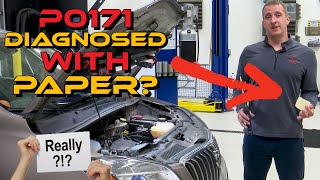
- The code P0171 (System Too Lean) appearing with your misfire code is a strong confirmation that the PCV system is the root cause.
What's Unique About the 2011-2016 Chevrolet Cruze
While P0363 is a generic protective code, its appearance on a 1.4L Turbo Cruze is almost always a direct result of two extremely common, platform-specific issues. The ignition coil pack is a high-failure item. More importantly, the engine's PCV system has a well-documented design flaw with two failure points: a diaphragm in the valve cover that tears, and a check valve in the intake manifold that disintegrates. These PCV failures create massive vacuum leaks that cause lean conditions (P0171) and misfires that ultimately trigger the P0363 code.
Symptoms You May Notice
- Flashing Check Engine Light
- Solid Check Engine Light
- Severe engine shaking, shuddering, or vibration, especially at idle
- Significant loss of power and poor acceleration
- Rough, unstable idle
- Engine may stall or be difficult to restart
- Smell of gasoline from the exhaust
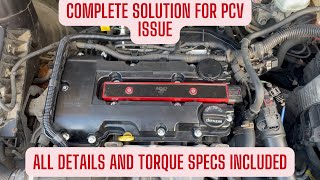
- Loud hissing or whistling sound from the engine bay 🎬 Watch this video to hear what a PCV whistle sounds like. (indicates PCV vacuum leak)
- Replacing only the valve cover without checking the intake manifold check valve. If the check valve is missing, the new valve cover diaphragm will rupture again quickly from boost pressure.
- Replacing only the spark plugs when the ignition coil is also weak. A weak coil can cause misfires even with new plugs.
- Replacing a fuel injector. While possible, injector failure is far less common on this engine than ignition or PCV system failures.
- Replacing the Mass Airflow (MAF) sensor when a P0171 code is also present. The lean code is almost always caused by the PCV vacuum leak, not a faulty sensor.
Most Likely Causes
- Failed Ignition Coil Pack 🔴 High Probability The single coil pack assembly on the 1.4L Turbo is a very common failure item due to heat and vibration. Oil leaks from the valve cover gasket are also known to seep into the spark plug wells and damage the coil boots, accelerating failure.
How to confirm: Inspect the coil pack for physical cracks, white or black marks indicating electrical arcing, and oil contamination on the boots. The most definitive test is to swap the coil with a new one, as testing is difficult.
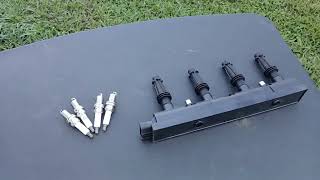
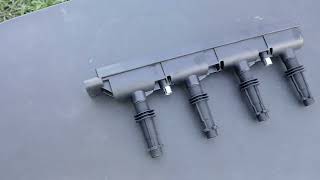
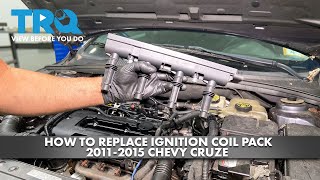
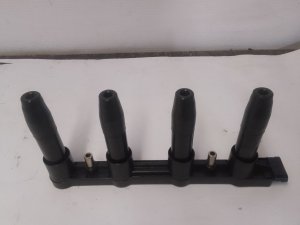
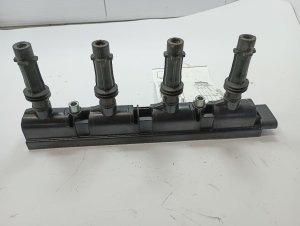
Typical fix: Replace the entire ignition coil pack assembly. It is critical to replace all four spark plugs at the same time. 🎬 Watch this step-by-step guide to replacing your plugs and coil pack. Common OEM part numbers include 55579072, 55577898, and D521C.
Est. part cost: $70-$150 - Worn or Fouled Spark Plugs 🔴 High Probability These engines are sensitive to spark plug condition and proper gap. Worn electrodes increase the voltage demand on the ignition coil, leading to misfires and premature coil failure. Oil from PCV-related issues often fouls the plugs.
How to confirm: Remove the spark plugs and inspect them for wear (rounded electrodes), oil or carbon fouling, or cracked porcelain. Ensure the gap is correct for your specific plug (many are pre-gapped and should not be adjusted).
Typical fix: Replace all four spark plugs with new, high-quality Iridium plugs specified for the engine. The recommended OEM plug is ACDelco 41-121 (superseding 41-103). This should always be done when replacing the coil pack.
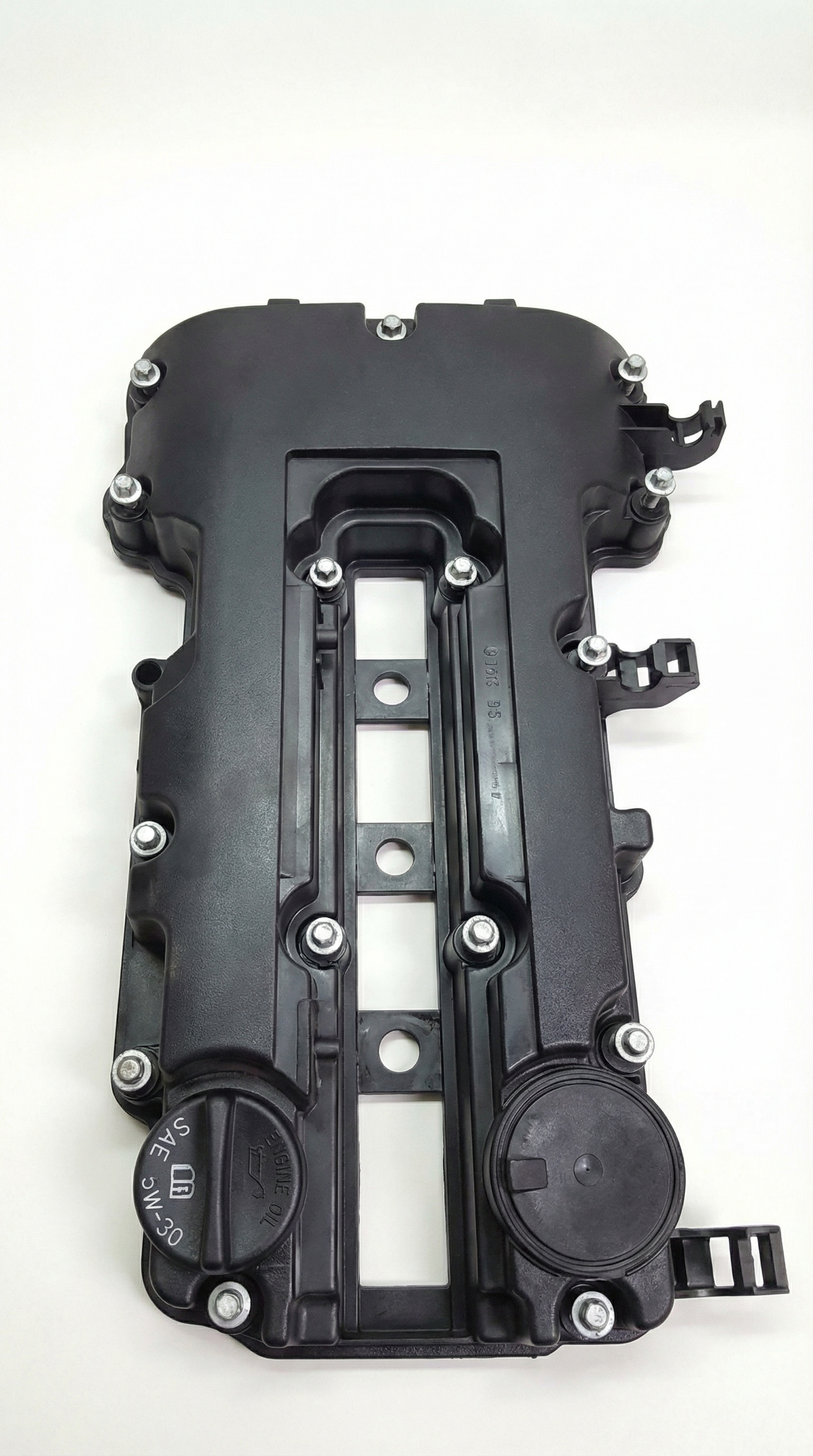
Est. part cost: $30-$60 - Failed PCV System: Torn Valve Cover Diaphragm 🔴 High Probability This is a primary design flaw. The rubber PCV regulator diaphragm is integrated into the valve cover and cannot be serviced separately. It frequently tears, creating a massive unmetered vacuum leak.
How to confirm: With the engine running, listen for a loud hissing or whistling sound from the engine bay. A definitive test is to try to remove the oil filler cap while the engine is idling; if there is strong vacuum holding it on, the diaphragm is torn.
Typical fix: Replace the entire valve cover assembly. Common OEM part numbers are 25198874 and its successor 25209141. Before replacing, you MUST inspect for the second PCV failure (intake check valve) to prevent the new cover from failing immediately.
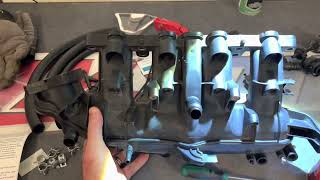
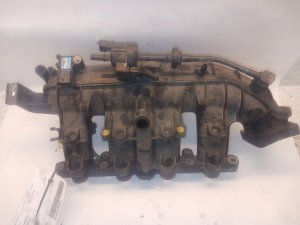
Est. part cost: $60-$150 - Failed PCV System: Missing Intake Manifold Check Valve 🟡 Medium Probability This is the second part of the PCV design flaw. A small, orange, non-return check valve inside the intake manifold becomes brittle from heat and oil, breaks, and gets ingested by the engine. This allows turbo boost pressure to enter the crankcase, which then ruptures the valve cover diaphragm.
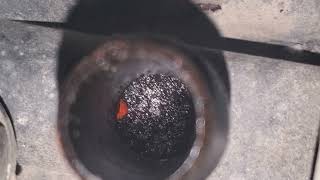
How to confirm: Remove the PCV hose from the driver's side of the intake manifold. Look inside the port with a flashlight. You should see a small orange or black nipple (the check valve). If you only see an empty black hole, the valve is gone.
Typical fix: The official GM fix is to replace the entire intake manifold. A more popular and permanent solution is to install an aftermarket external PCV check valve kit, such as those from CruzeKits.com or ZZPerformance, 🎬 See how to install a permanent PCV fix kit yourself. which bypasses the internal failure point.
Est. part cost: $150-$300 (manifold) or $70-$90 (kit)
Rare But Worth Checking
- Cracked Piston or Broken Piston Ring Land: This is a severe mechanical failure documented in GM Technical Service Bulletin 19-NA-090. It causes a loss of compression, leading to a persistent misfire that ignition or PCV parts won't fix. Diagnosis requires a compression and cylinder leak-down test. An ECM update in TSB 21-NA-202 was released to help mitigate this.
- Leaking Aftermarket Thermostat Housing: In a specific documented case, an aftermarket thermostat housing leaked coolant into the temperature sensor connector, causing an electrical short that repeatedly destroyed the ignition coil for cylinder 1. If you have repeat coil failures on cylinder 1, inspect this connector for coolant.
Diagnosis Steps
- Confirm P0363 is present, but focus on the accompanying misfire code (e.g., P0302 for cylinder 2). This tells you which cylinder to inspect.
- Perform the PCV system checks. With the engine idling, listen for a loud hissing noise. Carefully try to remove the oil filler cap; if it's held on by strong vacuum, the valve cover diaphragm has failed.
- If the PCV system seems faulty, proceed to check the intake manifold port for the presence of the small check valve before ordering parts. This is critical to prevent repeat failure.
- If the PCV system seems okay, focus on the ignition system. Remove the ignition coil pack.
- Remove the spark plugs. Inspect their condition for wear, fouling, or damage. Note the condition of the specific plug from the misfiring cylinder. Oil on the plug is a strong sign of PCV issues or a leaking valve cover gasket.
- It is highly recommended to replace the ignition coil (e.g., ACDelco D521C/55579072) and all four spark plugs (e.g., ACDelco 41-121) as a set, as they are the most common cause of misfires.
- Clear all codes and perform a test drive. If the misfire returns, further diagnosis is needed.
- If the problem persists, perform an engine compression test and cylinder leak-down test to rule out serious mechanical issues like a cracked piston or bad valves, as detailed in TSB 19-NA-090.
Parts You'll Likely Need
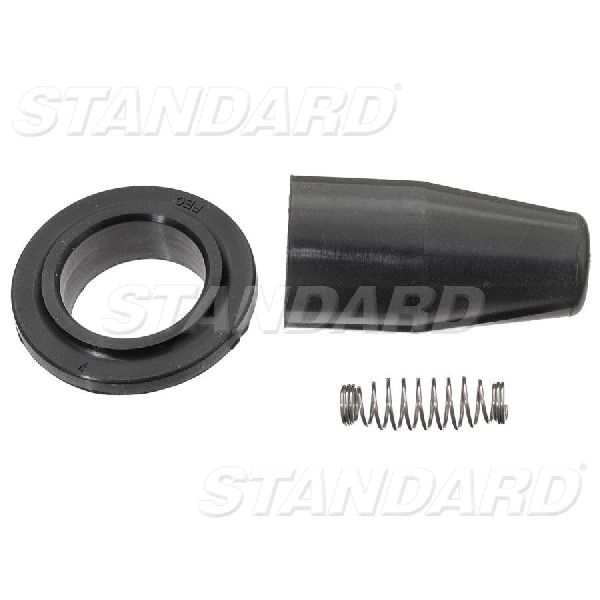
- Ignition Coil Pack
(OEM #55579072)— This is a very high-failure item and the most frequent cause of misfires on the 1.4L Cruze.
Trusted brands: ACDelco, Delphi, NGK
OEM price range: $120-$180
Aftermarket price range: $70-$120 - Iridium Spark Plugs (Set of 4)
(OEM #55580961)— Worn plugs cause misfires and should always be replaced with the ignition coil to ensure a complete and lasting repair.
Trusted brands: ACDelco, NGK, Denso
OEM price range: $40-$70
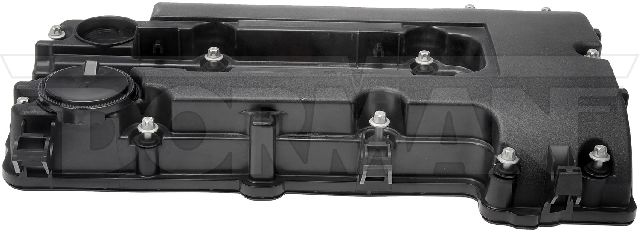
Aftermarket price range: $30-$60 - Valve Cover (Camshaft Cover)
(OEM #25198874)— The integrated PCV diaphragm tears, causing a massive vacuum leak that leads to lean codes and misfires. This is a primary point of failure for the engine.
Trusted brands: ACDelco (GM Genuine), Dorman, APDTY
OEM price range: $100-$160
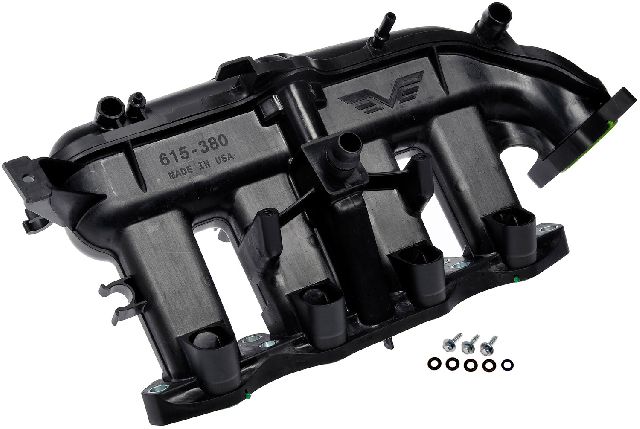
Aftermarket price range: $60-$120 - Intake Manifold or PCV Fix Kit
(OEM #55573841)— The internal check valve fails, allowing boost pressure to destroy the valve cover diaphragm. The official fix is a new manifold, but aftermarket kits provide a more robust external check valve.
Trusted brands: ACDelco (GM Genuine), CruzeKits.com, ZZPerformance
OEM price range: $200-$300
Aftermarket price range: $70-$90 (for kits)
Related Codes That Often Appear With This One
- P0300 — This is the code for a random/multiple cylinder misfire. A severe P0300 will lead the PCM to set P0363 as it disables fueling.
- P0301, P0302, P0303, P0304 — These codes specify a misfire on a single cylinder (1, 2, 3, or 4). If the misfire is severe enough, the PCM will set P0363 and shut off fuel to that specific cylinder.
- P0171 — This 'System Too Lean' code is a major clue. It is very commonly caused by the massive vacuum leaks from the failed PCV system (torn valve cover diaphragm or missing intake check valve) and strongly indicates the root cause of the misfire.
- P1101, P0106 — These codes relate to intake airflow performance and manifold pressure. They are often triggered alongside P0171 by the large vacuum leak from a failed PCV system.
Technical Service Bulletins (TSBs) & Recalls
- TSB 19-NA-090: Addresses engine misfires (P0300) and low compression caused by broken piston ring lands, a known catastrophic failure for this engine.
- TSB PIP5197 (multiple revisions): Discusses oil consumption, blue smoke, and various airflow/lean codes (P0171, P1101) all pointing back to the complex PCV system failures.
- TSB 21-NA-202: Details a dealer-installable ECM calibration update to reduce the likelihood of low-speed pre-ignition events that could lead to cracked pistons.
- Special Coverage 14371A: Extended warranty coverage for leaking water pumps on 2011-2014 models to 10 years/150,000 miles.
- Special Coverage 14311B: Extended warranty coverage for faulty negative battery cables causing various electrical problems on 2011-2015 models.
Platform-Specific Known Issues
- The Positive Crankcase Ventilation (PCV) system is notoriously unreliable. The failure of the intake manifold check valve often causes a repeat failure of the valve cover diaphragm, requiring a two-part inspection and repair.
- Oil leaks from the valve cover gasket are common and can saturate and destroy the ignition coil pack located directly below it.
Mechanic-Grade Diagnostic Values
- Long Term Fuel Trim (LTFT) at Idle — expected: Close to 0% (+/- 5%). Failure: A highly positive value, often maxing out at +25% or more, indicates a massive vacuum leak (like a failed PCV system) is causing the lean condition that leads to misfires.
- MAP Sensor Voltage at Hot Idle — expected: Typically 1.0-1.5 Volts. Failure: A higher voltage at idle (e.g., >1.7V) indicates lower engine vacuum, which is a direct symptom of a large vacuum leak from the PCV system.
- Low-Side Fuel Pressure (Key On, Engine Off) — expected: 50 - 94 PSI. Failure: While less common for this code, pressure outside this range can indicate a fuel delivery issue that could contribute to misfires.
Scan Tool Commands That Help
- GDS2 (GM Dealer Tool): Cylinder Power Balance Test — This function graphically displays the contribution of each cylinder, allowing a technician to quickly identify a misfiring cylinder without swapping parts. It's a primary step when using the dealer-level tool to confirm which cylinder is the source of the P0363 fuel cut.
- GDS2 (GM Dealer Tool): Fuel Injector Balance Test — If ignition and PCV issues have been ruled out, this test can command each injector to fire and measure the corresponding pressure drop in the fuel rail, helping to identify a clogged or weak injector that could cause a misfire.
Wiring & Ground Locations
- G103 / G107 — On the left side of the engine block, near the starter motor and transmission bellhousing.. These are the primary engine-to-chassis grounds. A loose or corroded connection here can cause a host of electrical issues, including weak spark, erratic sensor readings, and intermittent misfires that are difficult to diagnose.
- Ignition Coil Connector (X101) — The 7-pin connector on the ignition coil pack itself.. Corrosion within this connector is a known issue that can cause primary ignition circuit faults (P035x, P230x) and misfires. A documented case showed corrosion shorting multiple terminals, which damaged the ignition module but left the ECM's control signal intact. The fix required cleaning the connector and replacing the coil pack.
- ECM Connector — The main connectors at the Engine Control Module (ECM).. In a documented case, corrosion inside the ECM connector itself was the root cause of a short that led to a P0351 (Ignition Coil Primary Circuit) code and a persistent misfire. The coil pack was damaged by the short, but the ultimate fix was cleaning the ECM connector pins.
Real Owner Repair Stories
- YouTube channel 'Automotive Test Solutions' (2015 Chevy Cruze 1.4L) — Persistent cylinder 1 misfire (P0301) with ignition coil circuit codes (P0351, P2301).
❌ Tried (didn't work) Initial assumption was a simple coil pack failure.
✅ What actually fixed it Corrosion was found inside the 7-pin ECM connector, shorting several terminals together. This short damaged the ignition module (coil pack). The final fix required cleaning the corrosion from the connector AND replacing the ignition coil pack. - CruzeTalk Forum Member (2012 Chevy Cruze 1.4L, 120,000 miles) — P0302, rough idle, flashing check engine light.
❌ Tried (didn't work) Ignition coil and spark plug replacement did not solve the issue.
✅ What actually fixed it A compression test revealed cylinder 2 had only 60 PSI. A subsequent leak-down test confirmed an internal engine issue. Upon disassembly, a cracked piston ring land was found on cylinder #2. Replacing all four pistons and rings resolved the misfire, aligning with GM TSB #19-NA-090. - YouTube channel 'Lindell's Edge' (Chevy Cruze 1.4L (year not specified)) — Misfire on startup, rough running.
❌ Tried (didn't work) Initially suspected a faulty ignition coil.
✅ What actually fixed it The final fix involved two issues: a faulty EVAP purge valve that was leaking vacuum, and a spark plug that had become loose in its bore. Replacing the purge valve and properly torquing the new spark plugs resolved the misfire.
OEM Part Supersession History
25198874→25209141 (and others)— Standard part revision by GM. Later versions may have minor improvements to materials or design, but functionality is identical.
Heads up: No known incompatibilities within the 2011-2016 Gen 1 range. Aftermarket aluminum valve covers are available, but some users report sealing issues compared to the OEM plastic design.55579072→25198623— Standard part number consolidation and revision by GM.
Heads up: No known incompatibilities. These part numbers are interchangeable for the specified vehicle range.
Model Year Variations Within This Range
- 2011-2016: The 1.4L turbo engine was produced under two RPO codes, LUJ and LUV. The LUV is a slightly modified version of the LUJ. However, for the purposes of diagnosing P0363 and related PCV/ignition faults, they are mechanically identical and share the same failure points and repair procedures.
- 2016: In 2016, the first-generation model was sold as the 'Cruze Limited' alongside the all-new second-generation Cruze. The Cruze Limited retains the LUJ/LUV engine and its associated problems. The new second-gen 2016.5+ Cruze uses a different engine (LE2) that does not have this specific PCV failure pattern.
Diagnostic Flowchart
Other Known Issues on This Vehicle
Issues unrelated to this code that are worth knowing about as an owner of this generation:
- Leaking Water Pump 🔴 High — Extremely common, often between 60,000-100,000 miles. Can cause engine overheating if not addressed. (Ref: Special Coverage 14371A extended the warranty for this issue on some models.)
- Leaking Oil Cooler Gaskets 🔴 High — Very common failure. Gaskets degrade, causing oil to leak onto the hot exhaust manifold and catalytic converter, creating a fire risk and strong burning smell.
- Cracked/Leaking Plastic Thermostat Housing 🔴 High — The plastic housing and outlet pipe are prone to cracking, leading to significant coolant loss. Often fails around 60,000-90,000 miles.
- Faulty Negative Battery Cable 🟠 Medium — A poor factory crimp causes a wide range of bizarre electrical issues, including 'Service StabiliTrak' messages, flickering displays, and no-start conditions. (Ref: Special Coverage 14311B addressed this known defect.)
- Sticking EVAP Purge Valve 🟡 Low — Commonly fails in the 'open' position, causing rough idle, lean codes, and difficulty starting immediately after refueling.
Used vs. New Parts: Buying Guide for This Vehicle
When a used part is the smart pick: For this specific repair, obtaining used parts is generally not recommended. The key failure items (valve cover, ignition coil, intake manifold check valve) are all known wear or design-flaw components. A used part from a junkyard is highly likely to have the same defect or be near the end of its service life.
Donor-vehicle mileage cap: roughly under 40000 miles for the part to have meaningful remaining life.
What to inspect on the donor part:
- If considering a used valve cover, inspect the PCV diaphragm port for any signs of oil residue, which indicates a tear.
- For a used intake manifold, visually confirm the orange check valve is present and not deformed, but this is still a high-risk purchase.
- Never buy a used ignition coil or spark plugs.
OEM-only on this vehicle (don't cheap out):
- PCV Fix Kit: While the concept is aftermarket, kits from reputable, Cruze-specific vendors like CruzeKits.com or ZZPerformance are considered more reliable than generic solutions.
- Sensors: While not a primary cause for P0363, if any sensors are replaced during diagnosis (e.g., MAP), using OEM/ACDelco is strongly advised to avoid erratic readings.
Aftermarket brands forum-validated for this vehicle:
- Valve Cover: Dorman offers both plastic (e.g., 264-967) and aluminum (e.g., 264-969) versions which are popular alternatives.
- Ignition Coil: ACDelco (OEM), Delphi, and NGK are trusted brands.
- PCV Fix Kits: CruzeKits.com and ZZPerformance are highly regarded in owner forums for providing a permanent solution to the intake check valve issue.
Brands owners have reported issues with on this vehicle:
- Unbranded 'no-name' ignition coils and valve covers from online marketplaces are frequently reported to fail prematurely, sometimes within weeks or months.
Real Owner Stories
Aggregated from forums and TSBs cited above. Mileages and costs reflect what owners reported in those sources.
2015 Chevrolet Cruze 1.4L Turbo
Symptoms: Water pump going bad; owner received a high repair quote and discussed misdiagnosis issues regarding the crank seal.
What fixed it: Finding a cheaper repair option than the $1,100 dealer quote; thread notes the water pump is often covered under extended warranty.
Cost: $1,100-$1,100
Source hint: Reddit r/ChevyCruze - Water pump failure story
2011-2016 Chevrolet Cruze 1.4L Turbo
Symptoms: Burning smell and oil drips on the exhaust manifold.
What fixed it: Replacing the oil cooler seals or the entire oil cooler unit.
Source hint: Reddit r/cruze - Oil cooler leak discussion
2011-2016 Chevrolet Cruze 1.4L Turbo
Symptoms: P0363 and misfire sequence; rough idle and PCV failure symptoms.
What fixed it: Following step-by-step guides for the 'PCV fix' involving the intake manifold and valve cover.
Source hint: CruzeTalk.com - General Forum Resource
Related OBD-II Codes
Frequently Asked Questions
I hear a loud hissing sound from my 1.4L Turbo engine and the idle is very rough. Is this related to P0363?
Does TSB 19-NA-090 apply to my Chevrolet Cruze if I have a P0363 code?
Can I just replace the PCV diaphragm in the valve cover to save money?
Is there a way to prevent the new valve cover from failing again immediately?
What spark plugs should I use for my 2011-2016 Cruze to avoid misfire codes?
Is the water pump failure on my 2014 Cruze related to the P0363 misfire code?
Helpful Videos

Used OEM Parts in Stock

New Aftermarket Parts Available


The information in this article is provided for general reference and educational purposes only. Vehicle specifications, procedures, and part compatibility can vary by production date, trim level, and region. Always consult your vehicle's factory service manual and verify part numbers before purchasing or performing repairs. Safety-critical components such as airbags, seat belts, and braking systems should be installed by a qualified professional.
- Chevrolet Cruze:
- 🎬 Helpful Videos
- 🛍️ Shop This Part
- What's Unique About the 2011-2016 Chevrolet Cruze
- Symptoms You May Notice
- Most Likely Causes
- Rare But Worth Checking
- Diagnosis Steps
- Parts You'll Likely Need
- Related Codes That Often Appear With This One
- Technical Service Bulletins (TSBs) & Recalls
- Platform-Specific Known Issues
- Mechanic-Grade Diagnostic Values
- Scan Tool Commands That Help
- Wiring & Ground Locations
- Real Owner Repair Stories
- OEM Part Supersession History
- Model Year Variations Within This Range
- Diagnostic Flowchart
- Other Known Issues on This Vehicle
- Used vs. New Parts: Buying Guide for This Vehicle
- Real Owner Stories
- 2015 Chevrolet Cruze 1.4L Turbo
- 2011-2016 Chevrolet Cruze 1.4L Turbo
- 2011-2016 Chevrolet Cruze 1.4L Turbo
- Related OBD-II Codes
- Frequently Asked Questions
- 🎟️ Get 5% Off