

P0351 on 2011-2017 Honda Odyssey: Ignition Coil 'A' Circuit Malfunction Causes and Fixes
On a 2011-2017 Honda Odyssey, code P0351 almost always means the ignition coil for cylinder #1 has failed. The most common fix is to replace the single faulty coil, which is a simple DIY job. Expect to pay $40-$80 for a quality aftermarket coil. This issue is often exacerbated by the engine's VCM system, which can cause spark plug fouling and stress the coils.
- P0351 on your Odyssey means there's an electrical problem with the ignition coil for cylinder #1.
- The most likely cause is a bad ignition coil, which is a simple and inexpensive part to replace yourself.
- Use the 'coil swap' trick to be 100% sure the coil is bad before buying a new one.
- Cylinder #1 is on the rear bank (near the firewall) on the passenger side.
- If your check engine light is flashing, pull over and limit driving to prevent expensive catalytic converter damage.
What's Unique About the 2011-2017 Honda Odyssey
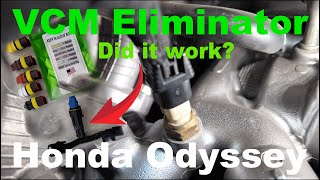
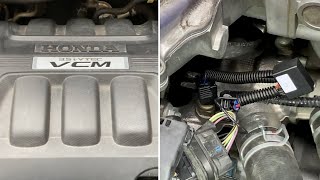
The J35Z8 engine in this generation of Odyssey is equipped with Honda's Variable Cylinder Management (VCM) system, specifically VCM-2. This system deactivates cylinders (including cylinder #1 on the rear bank) to improve fuel economy, but is widely associated with long-term issues like spark plug fouling from oil consumption and piston ring problems. Honda has acknowledged these issues through class-action lawsuits and Technical Service Bulletins (TSBs) like 11-033 and 13-081, which involve software updates and even piston ring replacements under an extended warranty. A spark plug fouled by VCM-related issues increases the electrical load on its ignition coil, often leading to premature coil failure and the P0351 code. Many owners proactively install a 'VCM Muzzler' to disable the system and prevent this cascade of problems.
Symptoms You May Notice
- Check Engine Light is on (may be solid or flashing)
- Rough or shaking idle
- Engine hesitation or stumbling during acceleration
- Noticeable loss of engine power
- Reduced fuel economy
- Difficulty starting the engine
- Replacing the spark plug without testing the ignition coil. A bad coil can foul a new plug, and a bad plug can damage a new coil. It's best to inspect both.
- Assuming all coils need to be replaced. While they can be replaced as a set for preventative maintenance, typically only the single failed coil needs replacement to resolve the code.
- Performing an expensive piston ring job for VCM issues without first trying to disable the VCM with a muzzler and replacing the fouled plugs, which often resolves the misfire.
Most Likely Causes
- Defective Ignition Coil on Cylinder #1 🔴 High Probability Ignition coils are a common wear item operating under high heat and voltage. On the J35Z8, the rear bank of cylinders (where #1 is located) experiences significant heat soak. Furthermore, increased electrical stress from VCM-fouled spark plugs makes coil failure the most frequent cause for P0351.
How to confirm: The easiest way to confirm is to swap the ignition coil from cylinder #1 with another cylinder (e.g., cylinder #4, which is easily accessible on the front bank). Clear the codes and drive. If the code changes to P0354, the coil is bad. If P0351 returns, the problem is elsewhere.
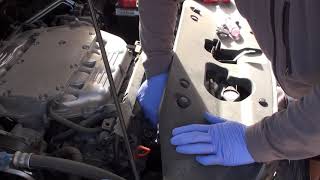
Typical fix: Replace the faulty ignition coil. It is held in by a single 10mm bolt. Access to the rear bank requires removing the plastic engine cover.
Est. part cost: $40 - $110 - Worn or Fouled Spark Plug in Cylinder #1 🟡 Medium Probability The VCM system is known to cause oil to foul the spark plugs in the deactivated cylinders (1-4). Honda issued TSB 13-081 which extended the warranty to cover piston ring replacement for this issue. A fouled plug creates higher resistance, forcing the coil to work harder and eventually fail.
How to confirm: After removing the ignition coil, remove the spark plug from cylinder #1. Inspect it for black, sooty carbon buildup or wet oil fouling, which are classic signs of VCM-related issues. Compare it to a plug from a non-VCM cylinder if possible (e.g., #5 or #6).
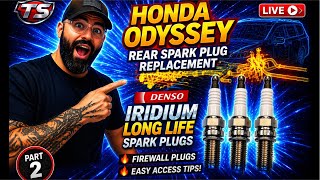
Typical fix: Replace the spark plug. It is highly recommended to replace all six spark plugs 🎬 Watch: Step-by-step walkthrough for replacing all six spark plugs. if they are near the end of their service interval (100,000 miles). Consider installing a VCM disabling device to prevent recurrence.
Est. part cost: $15 - $30 per plug - Damaged Wiring or Connector ⚪ Low Probability Engine vibration and high heat in the engine bay, especially for the rear bank of cylinders, can make plastic connectors brittle and wires fragile over time.
How to confirm: Visually inspect the wiring harness and the 3-pin connector going to the cylinder #1 ignition coil. Look for signs of melting, corrosion on the pins, frayed wires, or a broken locking tab causing a loose connection.
Typical fix: Repair the damaged section of wire or replace the connector pigtail.
Est. part cost: $10 - $30
Rare But Worth Checking
- Faulty Powertrain Control Module (PCM): This is extremely rare. Before considering PCM replacement, all other possibilities (coil, plug, wiring) must be exhaustively ruled out by a professional, typically involving advanced diagnostics to test the driver circuit from the PCM as outlined in Honda's official troubleshooting steps.
Diagnosis Steps
- Read the trouble codes with an OBD-II scanner to confirm P0351 and check for any other related codes like P0301.
- Identify Cylinder #1. On the J35Z8 engine, it is located on the bank of cylinders closest to the firewall (rear bank) 🎬 Watch: How to access and replace rear bank spark plugs., on the passenger side.
- Swap the ignition coil. Turn off the engine. Disconnect the electrical connector and remove the 10mm bolt holding the coil in place. Swap the coil from cylinder #1 with the coil from cylinder #4 (front bank, passenger side).
- Clear the codes using the scanner. Start the engine and let it run for a few minutes, or take a short drive.
- Re-scan for codes. If the code is now P0354 ('Ignition Coil 'D' Circuit'), the ignition coil you moved is faulty and needs to be replaced.
- If code P0351 returns, the original coil is good. The problem is in the wiring, spark plug, or PCM. Proceed to the next steps.
- Inspect the spark plug. Remove the spark plug from cylinder #1 and check its condition. A heavily worn or fouled plug (sooty black or oily) can cause this code and is a strong indicator of VCM-related issues.
- Inspect the wiring and connector for cylinder #1. Look closely for any signs of damage, corrosion, or loose pins.
- If the coil, plug, and wiring are all good, the issue may be an intermittent connection or a rare PCM fault, which may require professional diagnosis following Honda's service manual procedures.
Parts You'll Likely Need
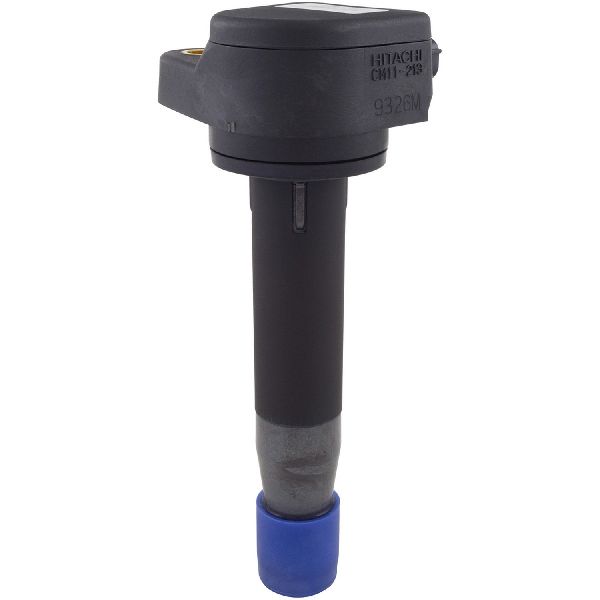
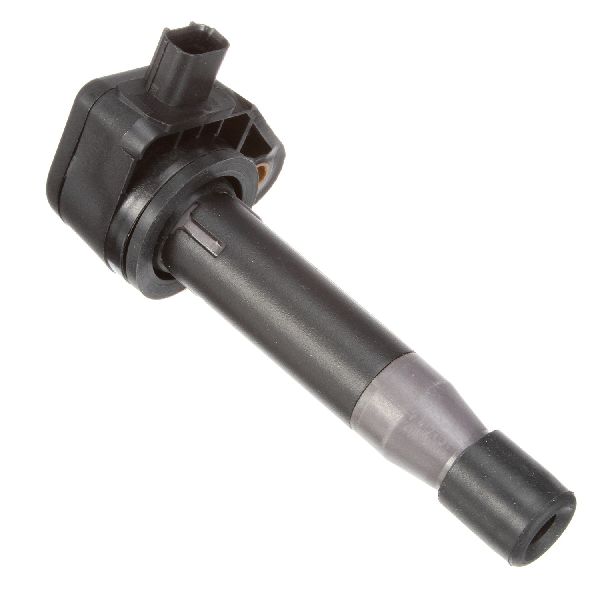
- Ignition Coil
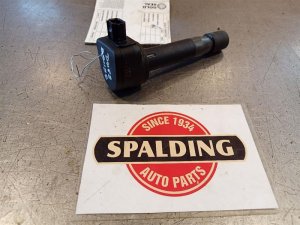
(OEM #30520-R70-A01)— This is the most common component to fail and directly cause the P0351 code.
Trusted brands: Denso (673-2311), NGK (49020 / U5304), Hitachi (IGC0056)
OEM price range: $85-$125
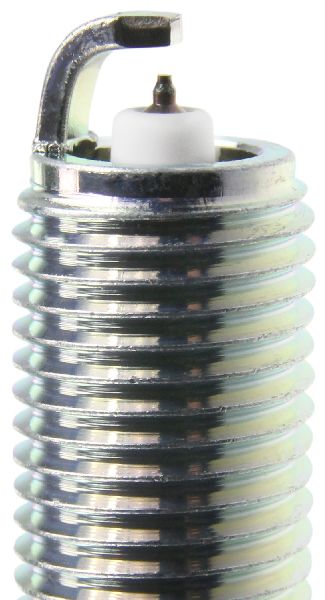
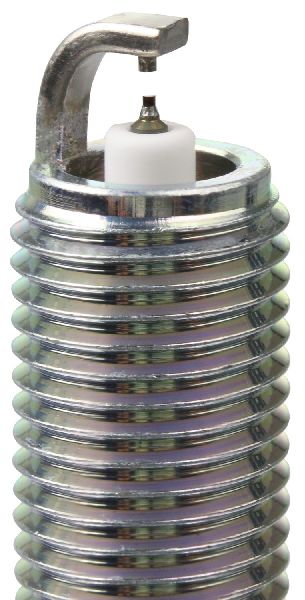
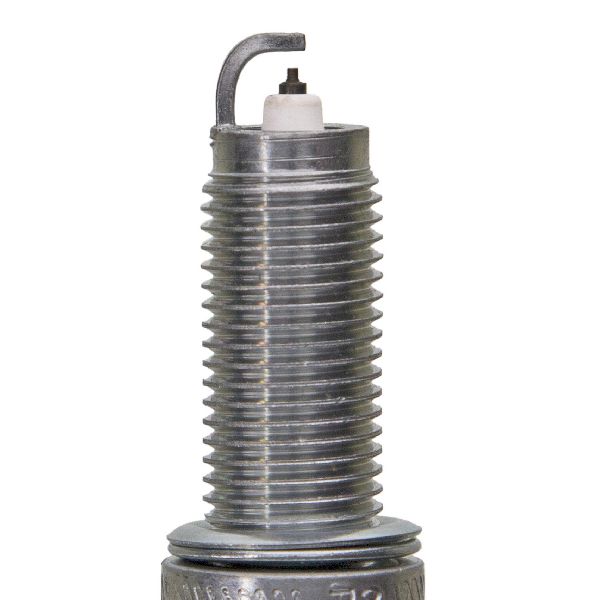
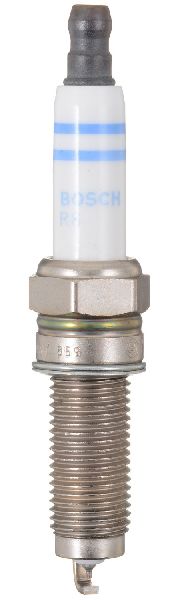
Aftermarket price range: $40-$80 - Spark Plug
(OEM #12290-R71-L01)— A worn or fouled spark plug is the second most likely cause, either by itself or by causing the coil to fail. It's wise to replace it if its condition is poor or its age is unknown, especially given the VCM issues.
Trusted brands: NGK (DILZKR7A11G), Denso (DXU22HCR-D11S)
OEM price range: $25-$35
Aftermarket price range: $15-$25
Related Codes That Often Appear With This One
- P0301 — P0301 is the code for 'Cylinder 1 Misfire Detected.' P0351 indicates the specific electrical reason (the coil circuit) for the misfire that P0301 reports.
- P0300 — This code for 'Random/Multiple Cylinder Misfire' might appear alongside P0351 if the misfire is severe enough to affect overall engine stability, or if other cylinders are also beginning to have issues.
- P3400 / P3497 — These codes relate to the VCM system being stuck off or on. They point to the underlying VCM issue that often leads to the spark plug fouling that causes P0301 and P0351. TSB 11-033 addresses these codes with a PGM-FI software update.
Technical Service Bulletins (TSBs) & Recalls
- Honda TSB 13-081: 'Warranty Extension: MIL Comes On With DTCs P0301 Through P0304'. Addresses spark plug fouling due to piston rings on certain cylinders (1-4) rotating and aligning. The fix involves inspecting plugs, a potential PCM software update (for 2011 models), and in confirmed cases, cleaning pistons and replacing rings under an extended warranty.
- Honda TSB 11-033: 'Engine Oil Consumption; MIL May Be On With DTC P3400 and/or P3497'. Addresses issues where the VCM system's frequent switching contributes to oil consumption. The corrective action is a PGM-FI software update.
- Honda TSB 25-061: A newer warranty extension for 2013-2017 Odysseys for the same VCM misfire issue (P0301-P0304), extending coverage to 10 years or 150,000 miles.
Platform-Specific Known Issues
- The J35Z8 engine features Variable Cylinder Management (VCM-2), which is known to cause spark plug fouling and oil consumption issues, particularly on the cylinders that are frequently deactivated (1-4). This can be a contributing factor to ignition component failure. Many owners on forums like Odyclub.com and Reddit advocate for installing a 'VCM Muzzler' or 'VCM Tuner II' to disable the system and prevent costly repairs like piston ring replacement.
Mechanic-Grade Diagnostic Values
- Ignition Coil Primary Circuit Voltage (Power Supply) — expected: Should match battery voltage (~12V) with key on, engine off.. Failure: No voltage indicates an open circuit in the power supply wire or a blown fuse (Fuse #10 or #11 in the under-hood fuse box).
- Ignition Coil Driver Signal (PCM Control) — expected: 5 to 20 Hz when measured with a multimeter on the Hertz scale while cranking the engine.. Failure: No Hertz signal indicates a broken wire between the PCM and the coil, or a faulty PCM driver.
- Ignition Coil Primary Winding Resistance — expected: Approximately 0.49 - 0.57 Ohms (Note: This value is for a different Honda engine but provides a general baseline; specific J35Z8 values are not widely published).. Failure: A reading of OL (Open Loop) or significantly outside the expected range indicates a bad coil.
- Ignition Coil Secondary Winding Resistance — expected: Approximately 9.5 - 11.1 kOhms (Note: This value is for a different Honda engine but provides a general baseline).. Failure: A reading of OL (Open Loop) or significantly outside this range indicates a bad coil.
Scan Tool Commands That Help
- Honda Diagnostic System (HDS) or equivalent: Ignition System Test or Coil Circuit Test — This function, available on professional scanners, can actively test the ignition coil circuits to check for voltage and resistance, helping to confirm if the fault is with the coil, wiring, or PCM without manual probing.
- Honda Diagnostic System (HDS) or equivalent: Actuation Test / Bi-Directional Control — Allows a technician to manually command the PCM to fire a specific ignition coil. Listening for a click or using a spark tester during this command can confirm if the coil is receiving the signal and is mechanically functional.
- Honda Diagnostic System (HDS): Reset ECM/PCM — After a repair, such as replacing a coil or updating software, the PCM should be reset to clear learned values and ensure it recognizes the new component correctly.
Wiring & Ground Locations
- Ignition Coil 3-Pin Connector — On top of each ignition coil.. This is the primary connection point. Pin 1 is the PCM trigger signal, Pin 2 is the ground, and Pin 3 is the 12V+ power supply from the IG1 fuse. A loose or corroded connection here is a common cause of P0351.
- G101 — On the front of the right cylinder head, often near the thermostat housing.. This is a primary engine and ECU ground termination point. A loose or corroded G101 ground can cause a wide range of intermittent electrical issues, including ignition system faults and misfires.
- Under-hood Fuse/Relay Box — In the engine compartment, typically on the driver's side.. This box contains the fuses that supply power to the ignition coils (e.g., Fuse #10 and #11, typically 15A). A blown fuse will cut power to a bank of coils.
Real Owner Repair Stories
- Odyclub.com forum user (2012 Honda Odyssey) — Check engine light with codes P0301, P0303, P0351, P0353, and P3400 (VCM stuck off). Engine was misfiring.
❌ Tried (didn't work) Initially, the owner suspected a major VCM-related engine failure due to the number of codes.
✅ What actually fixed it The owner disabled the VCM system using a 'VCMuzzler II'. After disabling VCM, they replaced the spark plugs for cylinders 1 and 3, which were found to be fouled. This resolved all misfire and ignition coil circuit codes.
OEM Part Supersession History
30520-R70-A01→30520-R70-S01— Standard part revision by Honda. Reasons are not publicly detailed but typically involve minor improvements in materials, manufacturing process, or internal electronics for better durability.
Model Year Variations Within This Range
- 2011-2013: These models were equipped with a 5-speed automatic transmission (6-speed on Touring models). TSB 13-081 mentions a potential PCM software update specifically for some 2011 models to address VCM-related misfires, which is not listed for later years.
- 2014-2017: These facelift models received a standard 6-speed automatic transmission across all trims. While the core J35Z8 engine and VCM system remained, the transmission and PCM software were different from the earlier years.
Diagnostic Flowchart
Used vs. New Parts: Buying Guide for This Vehicle
When a used part is the smart pick: For this repair, a used part is generally not recommended for the ignition coil itself. Coils are wear items with a finite lifespan, and a used coil may have limited life remaining or be the source of the same problem. A used wiring harness connector pigtail from a junkyard is a perfectly acceptable repair for a broken connector.
Donor-vehicle mileage cap: roughly under 80000 miles for the part to have meaningful remaining life.
What to inspect on the donor part:
- For a connector pigtail, ensure the plastic is not brittle or cracked.
- Check that the locking tab is intact and functional.
- Inspect the wire insulation for any signs of melting, chafing, or previous repairs.
- Look for clean, corrosion-free metal pins inside the connector.
OEM-only on this vehicle (don't cheap out):
- Powertrain Control Module (PCM) - Aftermarket or used PCMs often have programming and VIN compatibility issues that can be difficult and expensive to resolve.
Aftermarket brands forum-validated for this vehicle:
- Denso (often the OEM supplier)
- NGK
- Hitachi
Brands owners have reported issues with on this vehicle:
- Unnamed, no-brand ignition coils from online marketplaces. Forum discussions frequently mention premature failure of cheap, unbranded coils, leading to the code returning within a few months.
Real Owner Stories
Aggregated from forums and TSBs cited above. Mileages and costs reflect what owners reported in those sources.
2013 Honda Odyssey
Symptoms: Check engine light.
What fixed it: Replaced ignition coil (NGK Ignition Coil 49020).
Source hint: AutoZone product review for NGK Ignition Coil 49020
Honda Odyssey
Symptoms: P0351 code
What fixed it: Replaced ignition coil (NGK Ignition Coil 49020).
Source hint: AutoZone product review for NGK Ignition Coil 49020
2011-2017 Honda Odyssey J35Z8 3.5L V6 — ~115000 miles
Symptoms: misfire codes and fouled plugs
What fixed it: Disabling the VCM system with a 'muzzler' device to prevent recurrence.
Source hint: Odyclub.com: 'The VCM Mega Thread- The Disabling of...'
2011-2017 Honda Odyssey J35Z8 3.5L V6
Symptoms: misfire and oil consumption problems
What fixed it: installing a VCM disabling device
Source hint: Reddit r/HondaOdyssey: 'VCM Muzzler'
Related OBD-II Codes
Frequently Asked Questions
Where is cylinder #1 located on my 2011-2017 Odyssey's J35Z8 engine?
What is VCM and how does it cause the P0351 code on this vehicle?
Is there a warranty extension from Honda that might cover the root cause of P0351?
What's the easiest way to test if the ignition coil for cylinder #1 is actually bad?
I've heard about a 'VCM Muzzler'. Can installing one help prevent P0351 from returning?
Why does the ignition coil on cylinder #1 seem to fail more often?
Helpful Videos
Used OEM Parts in Stock
New Aftermarket Parts Available

The information in this article is provided for general reference and educational purposes only. Vehicle specifications, procedures, and part compatibility can vary by production date, trim level, and region. Always consult your vehicle's factory service manual and verify part numbers before purchasing or performing repairs. Safety-critical components such as airbags, seat belts, and braking systems should be installed by a qualified professional.
- Honda Odyssey:
- 🎬 Helpful Videos
- 🛍️ Shop This Part
- What's Unique About the 2011-2017 Honda Odyssey
- Symptoms You May Notice
- Most Likely Causes
- Rare But Worth Checking
- Diagnosis Steps
- Parts You'll Likely Need
- Related Codes That Often Appear With This One
- Technical Service Bulletins (TSBs) & Recalls
- Platform-Specific Known Issues
- Mechanic-Grade Diagnostic Values
- Scan Tool Commands That Help
- Wiring & Ground Locations
- Real Owner Repair Stories
- OEM Part Supersession History
- Model Year Variations Within This Range
- Diagnostic Flowchart
- Used vs. New Parts: Buying Guide for This Vehicle
- Real Owner Stories
- 2013 Honda Odyssey
- Honda Odyssey
- 2011-2017 Honda Odyssey J35Z8 3.5L V6 — ~115000 miles
- 2011-2017 Honda Odyssey J35Z8 3.5L V6
- Related OBD-II Codes
- Frequently Asked Questions
- 🎟️ Get 5% Off