

P0344 on 2013-2020 Lincoln MKZ 2.0L Hybrid: Intermittent Cam Sensor Causes & Fixes
On the 2013-2020 Lincoln MKZ Hybrid, code P0344 is most often caused by moisture in the engine oil from frequent short trips, per Ford TSB SSM 48598. The fix is an oil and filter change plus a new camshaft position sensor. Expect to spend $50-$150 on parts for a DIY fix.
- For the 2013-2020 Lincoln MKZ Hybrid, P0344 is almost always caused by moisture in the engine oil due to short driving habits, as per Ford TSB SSM 48598.
- The first diagnostic step should always be to check the oil filler cap and dipstick for a milky, frothy appearance.
- The correct repair, according to the TSB, is to replace BOTH the engine oil/filter and the camshaft position sensor.
- If the oil is clean, the issue is likely a failed sensor or a wiring problem, but this is less common for this specific vehicle.
- The repair is straightforward and can be done by a DIYer with basic tools, with the sensor being easily accessible on top of the engine.
What's Unique About the 2013-2020 Lincoln MKZ
For the Lincoln MKZ Hybrid and its siblings, the Ford Fusion Hybrid and C-Max Hybrid, this code has a very specific and well-documented cause. Ford issued Technical Service Bulletin (TSB) SSM 48598, which directly links P0344 to excessive moisture buildup in the engine oil. This happens because the hybrid system often runs on electric power during short trips, preventing the gasoline engine from getting hot enough to burn off normal condensation. The TSB notes this is common in vehicles driven less than 6,000 miles per year and advises that the primary fix is an oil change combined with a new sensor. The TSB also recommends advising the customer to allow the engine to reach full operating temperature more regularly to prevent recurrence. An earlier TSB (G0000050 / NHTSA ID 10058223) also noted that on 2013-2015 models, sensors built on or before February 5, 2015, were prone to premature failure.
Symptoms You May Notice
- Check Engine Light is on
- Engine stalling, especially at low speeds or when stopping
- Rough or unstable idle
- Hesitation or stumbling during acceleration
- Difficulty starting the engine, or a complete no-start condition
- Reduced engine power and increased fuel consumption
- Replacing only the camshaft position sensor without changing the moisture-contaminated oil. The TSB explicitly recommends doing both, as the contaminated oil is the root cause and can damage the new sensor.
- Confusing the camshaft position (CMP) sensor with the crankshaft position (CKP) sensor. They are different sensors with different functions and locations.
- Replacing the VCT solenoid when the root cause is simply dirty/low oil. The VCT system is hydraulic and highly dependent on oil quality.
Most Likely Causes
- Excessive Moisture in Engine Oil 🔴 High Probability As a hybrid, the gasoline engine often doesn't run long enough during short trips to reach full operating temperature and burn off condensation. This is officially documented in Ford TSB SSM 48598 for the MKZ, Fusion, and C-Max hybrids.
How to confirm: Remove the oil filler cap and check for a milky, frothy, or creamy-brown residue on the underside. Check the dipstick for the same signs of water contamination. This should be the very first check on this vehicle for this code.
Typical fix: Perform an engine oil and filter change AND replace the camshaft position sensor as recommended by the TSB. 🎬 Watch: Step-by-step guide to replacing the sensor and clearing codes. It is also recommended to adjust driving habits to ensure the gasoline engine fully warms up more frequently.
Est. part cost: $50-$150 - Failed Camshaft Position (CMP) Sensor 🟡 Medium Probability If oil moisture is not the cause, the sensor itself can fail from age, heat, and vibration. For 2013-2015 models, an earlier TSB noted a batch of sensors made before Feb 5, 2015 were prone to early failure. Oil contamination can also directly damage the sensor, necessitating its replacement even if it wasn't the original point of failure.
How to confirm: After confirming the oil is clean, the most common diagnostic step is to replace the sensor. It can also be tested with a multimeter for resistance (compare to spec in a service manual) or by monitoring its signal on a scan tool for dropouts.
Typical fix: Replace the Bank 1 (intake) camshaft position sensor. On the 2.0L engine, Sensor 'A' is the intake sensor.
Est. part cost: $25-$100 - Wiring or Connector Issue ⚪ Low Probability
How to confirm: Visually inspect the wiring harness and connector going to the camshaft position sensor for any signs of damage, corrosion, oil saturation, or loose pins. Wiggling the connector with the engine running may cause the idle to change, indicating a poor connection.
Typical fix: Repair the damaged section of the harness or clean/replace the connector pigtail.
Est. part cost: $5-$50
Rare But Worth Checking
- Weak 12V Battery: A weak or failing 12-volt battery can cause a variety of random, intermittent electrical faults and codes on modern vehicles. This is especially true on hybrids where a weak 12V battery doesn't produce the classic 'slow crank' symptom, as the high-voltage battery starts the engine. A poor ground connection can produce similar electrical gremlins.
- Failing Variable Camshaft Timing (VCT) Solenoid: A sticking VCT solenoid can cause the camshaft timing to be erratic, which the PCM might misinterpret as a sensor signal problem. Symptoms often overlap with a bad CMP sensor. These solenoids are known to be sensitive to dirty oil and debris.
- Stretched Timing Chain or Failing Tensioner: This is a much less common cause for an intermittent code and would likely be accompanied by rattling noises from the engine or other timing-related codes. It is more likely on higher-mileage vehicles (over 100,000 miles).
Diagnosis Steps
- Check for Technical Service Bulletins (TSBs). Be aware of Ford TSB SSM 48598, which points to oil moisture as the primary cause for P0344 on MKZ Hybrids. Also note TSB G0000050 for 2013-2015 models with potentially faulty original sensors.
- Inspect the Engine Oil. Remove the oil filler cap and dipstick. Look for a milky, frothy, or creamy-brown residue indicating moisture contamination. This is the most important first step for this specific vehicle.
- If moisture is found, perform an engine oil and filter change AND replace the camshaft position sensor as per the TSB.
- If the oil is clean, proceed to inspect the sensor and its connector.
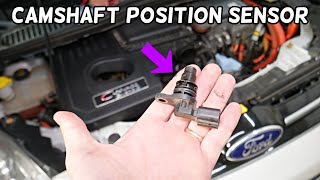
- Locate the intake camshaft position sensor ('A' sensor). On the 2.0L engine, it is on top of the valve cover, held by a single 8mm bolt. 🎬 See this video to quickly locate the sensor on your engine.
- Inspect the electrical connector and wiring for damage, corrosion, or a loose fit. Try unplugging and replugging it to see if the condition changes.
- If wiring looks good, test the 12V battery. A weak battery can cause numerous random electrical codes on these vehicles.
- If the battery and wiring are good, the next step is typically to replace the camshaft position sensor.
- After replacement, clear the codes using an OBD-II scanner and test drive the vehicle to ensure the problem is resolved. Note that some Ford vehicles may require a camshaft position sensor relearn procedure, which may require a high-end scan tool.
Parts You'll Likely Need
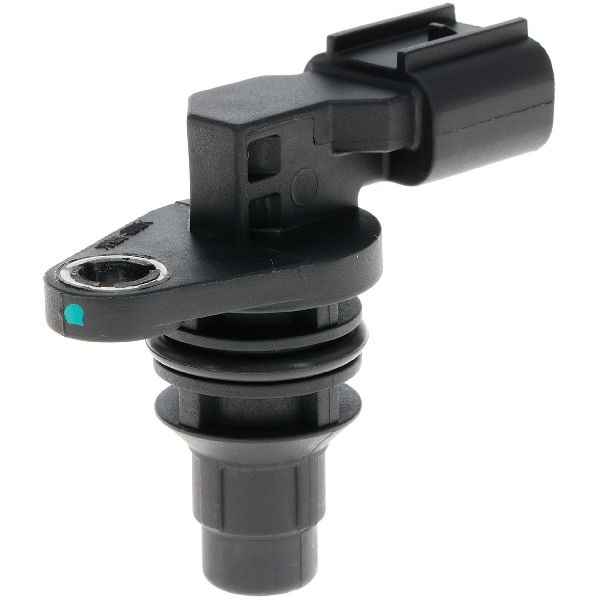
- Camshaft Position Sensor
(OEM #DU-110)— This sensor is either the direct cause of failure or is replaced as part of the TSB procedure for moisture-contaminated oil. It is also noted as a potential failure point on early (2013-2015) models.
Trusted brands: Motorcraft, Bosch, Delphi, NTK
OEM price range: $60-$100
Aftermarket price range: $25-$70 - Engine Oil and Filter
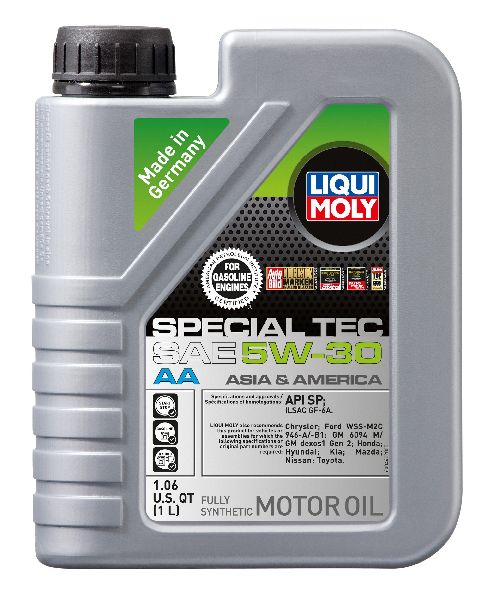
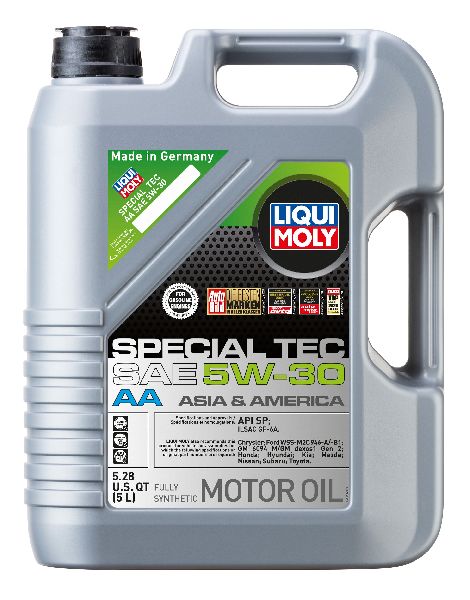
(OEM #Motorcraft FL-910-S (Filter))— Required to fix the most common cause of this code on this specific vehicle: moisture contamination in the oil. Use the manufacturer-specified SAE 0W-20 or 5W-20 synthetic blend oil.
Trusted brands: Motorcraft, Mobil 1, Castrol
OEM price range: $50-$90
Aftermarket price range: $40-$70
Related Codes That Often Appear With This One
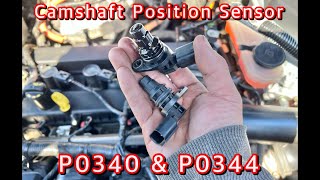
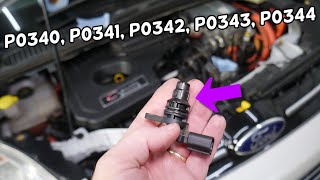
- P0340 — P0340 is a general fault for the same sensor circuit ('Camshaft Position Sensor 'A' Circuit Malfunction'). P0344 indicates the fault is intermittent, while P0340 indicates a more constant failure. 🎬 Watch: A mechanic explains how these different camshaft codes relate. TSB SSM 48598 mentions that both codes can be triggered by the oil moisture issue.
Technical Service Bulletins (TSBs) & Recalls
- SSM 48598: Illuminated Malfunction Indicator Lamp (MIL) With DTC P0340 And/Or P0344 on 2013-2020 Fusion Hybrid/MKZ Hybrid and 2013-2018 C-Max Hybrid vehicles due to moisture in engine oil from short driving distances.
- G0000050 / NHTSA ID 10058223: For 2013-2015 models, addresses P0340/P0344 caused by faulty sensors built on or before 02/05/2015.
Platform-Specific Known Issues
- TSB SSM 48598: Ford has documented that 2013-2020 MKZ Hybrid vehicles may exhibit DTC P0340 and/or P0344 due to excessive moisture in the engine oil. This is caused by frequent short-distance driving where the engine does not reach full operating temperature. The fix is to replace the CMP sensor and change the oil and filter.
- TSB G0000050 (NHTSA ID 10058223): An earlier TSB for 2013-2015 models indicated that original camshaft position sensors manufactured on or before February 5, 2015, were prone to premature failure and should be replaced if P0340 or P0344 appears.
Mechanic-Grade Diagnostic Values
- CMP Sensor Reference Voltage (VREF) — expected: 4.5V - 5.5V DC with key on, engine off.. Failure: Voltage below 4.5V or 0V indicates an open or short in the wiring from the PCM.
- CMP Sensor Ground Circuit Integrity — expected: Less than 5 ohms of resistance between the ground pin on the connector and the battery negative terminal.. Failure: High resistance indicates a bad ground connection.
- CMP Sensor Signal Voltage (Hall-effect type) — expected: A square wave signal that switches between approximately 0V and 5V as the engine is cranked.. Failure: A signal that is stuck high, stuck low, or has dropouts indicates a faulty sensor or wiring issue.
- Variable Camshaft Timing (VCT) Solenoid Resistance — expected: 5 - 14 Ohms.. Failure: A reading outside this range, or an open/short circuit, points to a faulty solenoid coil.
Scan Tool Commands That Help
- Ford IDS (Integrated Diagnostic System): Camshaft Position Sensor Relearn — After replacing the camshaft position sensor, if the vehicle runs poorly or won't start, a relearn procedure may be required to synchronize the new sensor with the PCM. Not all vehicles require this, but it can be a necessary step.
- High-End OBD-II Scanner with Live Data: Live Data Graphing - CMP_SIG (Camshaft Position Sensor Signal) — To visually check for intermittent dropouts in the sensor's signal while the engine is running. Wiggling the harness connector while monitoring the graph can help pinpoint a loose connection.
Wiring & Ground Locations
- CMP Sensor Connector — On top of the valve cover, connected to the intake camshaft position sensor ('A' Sensor).. This is the primary point for visual inspection of corrosion or damage, and for performing voltage and resistance tests on the sensor circuit.
- G101 — Left front of the engine compartment.. This is a major chassis and engine ground point. A loose or corroded connection here can introduce electrical noise and cause erratic behavior from various engine sensors, including the CMP sensor.
- G104 — Located at the rear of the transmission.. Since the transmission is bolted to the engine, a poor ground at this location can affect the entire engine block's ground path, potentially causing intermittent signal loss for the CMP sensor.
- 14290 Wiring Harness (Chafe Point) — While more common on other Ford platforms like the Escape, it's worth noting that engine wiring harnesses can chafe against brackets or moving parts. On some models, this occurs near the steering shaft or brake pedal mount.. Though not specifically documented for the MKZ Hybrid with P0344, a persistent code after replacing the sensor and changing the oil could warrant a general inspection of the engine harness for signs of abrasion or damage.
OEM Part Supersession History
9L8Z-6B288-B→DU-110 (Motorcraft Service Part Number)— Standard part number supersession and branding for service replacement.
Heads up: DU-99 is also cited for the platform-mate C-Max, but DU-110 is the most commonly referenced part for the MKZ/Fusion. Verify fitment by VIN.
Model Year Variations Within This Range
- 2013-2015: According to TSB G0000050, original camshaft position sensors manufactured on or before February 5, 2015, had a higher-than-normal failure rate. Vehicles in this range with the original sensor are more likely to have a primary sensor failure as the cause for P0344.
Diagnostic Flowchart
Other Known Issues on This Vehicle
Issues unrelated to this code that are worth knowing about as an owner of this generation:
- Faulty Canister Purge Valve 🟠 Medium — Very common. Symptoms include difficulty starting after refueling, rough idle, and EVAP-related codes (P1450, P0456). (Ref: TSB 19-2207)
- Transmission Failure (Outer Bearing) 🔴 High — Reported by some owners, typically at higher mileage (e.g., ~110k miles). Can be a very expensive repair.
- 12V Battery Parasitic Drain 🟠 Medium — Some owners report issues with the 12V battery draining prematurely. Causes can vary, with one known issue being a faulty power trunk lid module.
- Cracked Plastic Valve Cover 🟡 Low — Some owners have reported oil leaks due to a cracked plastic valve cover.
- Hybrid Battery Degradation 🟠 Medium — As with any hybrid, the high-voltage battery capacity will decrease over time, typically noticeable after 8-10 years, leading to reduced fuel economy and electric range.
Used vs. New Parts: Buying Guide for This Vehicle
When a used part is the smart pick: For this repair, a used part is generally not recommended for the sensor itself due to its low cost and critical function. A used wiring connector pigtail from a junkyard is a viable option if the original is damaged and a new pigtail is unavailable or too expensive.
Donor-vehicle mileage cap: roughly under 100000 miles for the part to have meaningful remaining life.
What to inspect on the donor part:
- For a connector pigtail, inspect for any signs of corrosion on the pins.
- Ensure the plastic is not brittle or cracked.
- Check that the locking tab is intact and functional.
- Verify there is at least 4-6 inches of wire past the connector to allow for easy splicing.
OEM-only on this vehicle (don't cheap out):
- Camshaft Position Sensor: While high-quality aftermarket brands are available, using an OEM Motorcraft sensor is the safest bet to avoid compatibility issues that can sometimes occur with critical engine sensors on Ford vehicles.
Aftermarket brands forum-validated for this vehicle:
- Bosch
- Denso
- NTK/NGK
- Delphi
Brands owners have reported issues with on this vehicle:
- No-name, unbranded sensors from online marketplaces should be avoided. Owners frequently report that these parts fail quickly or are dead-on-arrival, leading to the code returning.
Real Owner Stories
Aggregated from forums and TSBs cited above. Mileages and costs reflect what owners reported in those sources.
2018 Lincoln MKZ Hybrid 2.0L — ~65000 miles
Symptoms: The Check Engine Light came on after a period of frequent, short-distance city driving. The car sometimes hesitated when accelerating from a stop.
What fixed it: Following the TSB recommendation, the fix was to replace the camshaft position (CMP) sensor and perform a complete engine oil and filter change to remove the contaminated oil.
Source hint: TSB SSM 48598
2016 Lincoln MKZ Hybrid
Symptoms: Multiple random warning lights for safety systems appeared on the dash intermittently, along with other electrical gremlins.
What fixed it: The owner was advised by others that the root cause was likely a weak 12V battery, and the recommended first step was to have the battery tested and replaced if necessary.
Source hint: Reddit r/lincolnmotorco
2014 MKZ Hybrid
Symptoms: The 12V battery would repeatedly go dead, causing a no-start condition and various electrical codes to appear when it was low on charge.
What fixed it: The source of the parasitic drain was traced to a faulty power trunk lid motor that was continuously drawing power. Replacing the faulty module resolved the battery drain.
Source hint: Lincolns of Distinction Forum
Related OBD-II Codes
Frequently Asked Questions
My 2017 MKZ Hybrid has a P0344 code and I mostly drive short distances. Could my driving habits be the cause?
How can I check for the oil moisture problem mentioned in the TSB for my MKZ Hybrid?
I have a 2014 MKZ Hybrid with P0344. Is there a known issue with the original sensor?
My MKZ Hybrid has a P0344 code along with several other random warning lights. What should I look at first?
Which camshaft position sensor is 'Sensor A' for code P0344 on the 2.0L engine?
If I replace the camshaft position sensor myself, is there any special procedure required afterwards?
Does the Ford Fusion Hybrid have the same P0344 problem?
Helpful Videos
Used OEM Parts in Stock

New Aftermarket Parts Available


The information in this article is provided for general reference and educational purposes only. Vehicle specifications, procedures, and part compatibility can vary by production date, trim level, and region. Always consult your vehicle's factory service manual and verify part numbers before purchasing or performing repairs. Safety-critical components such as airbags, seat belts, and braking systems should be installed by a qualified professional.
- Lincoln MKZ:
- 🎬 Helpful Videos
- 🛍️ Shop This Part
- What's Unique About the 2013-2020 Lincoln MKZ
- Symptoms You May Notice
- Most Likely Causes
- Rare But Worth Checking
- Diagnosis Steps
- Parts You'll Likely Need
- Related Codes That Often Appear With This One
- Technical Service Bulletins (TSBs) & Recalls
- Platform-Specific Known Issues
- Mechanic-Grade Diagnostic Values
- Scan Tool Commands That Help
- Wiring & Ground Locations
- OEM Part Supersession History
- Model Year Variations Within This Range
- Diagnostic Flowchart
- Other Known Issues on This Vehicle
- Used vs. New Parts: Buying Guide for This Vehicle
- Real Owner Stories
- 2018 Lincoln MKZ Hybrid 2.0L — ~65000 miles
- 2016 Lincoln MKZ Hybrid
- 2014 MKZ Hybrid
- Related OBD-II Codes
- Frequently Asked Questions
- 🎟️ Get 5% Off