

P0344 on 2012-2020 Chevrolet Sonic 1.4L Turbo: Intermittent Cam Sensor Causes and Fixes
On the Chevy Sonic 1.4L Turbo, code P0344 is almost always caused by a failing intake camshaft position sensor. It's an inexpensive part (~$25-$60) and is easy to replace for a DIYer. A key diagnostic is to swap the identical intake and exhaust sensors; if the code changes to P0365, the sensor is confirmed bad. Oil contamination is a frequent contributor to sensor failure.
- P0344 on a Sonic 1.4L specifically points to the INTAKE camshaft position sensor, located on the back of the engine near the firewall.
- The easiest and cheapest first step is to swap the intake and exhaust cam sensors to see if the code follows the sensor (changing to P0365). If it does, you've found the bad part.
- The replacement is very simple, requiring only basic tools and about 15-30 minutes of work.
- Always inspect the wiring connector for oil contamination or damage, as a bad connection can mimic a failed sensor.
- While no recalls exist for this issue, it is a well-documented common failure point for this engine.
What's Unique About the 2012-2020 Chevrolet Sonic
The Chevrolet Sonic 1.4L Turbo engine uses two separate camshaft position sensors: one for the intake cam ('Sensor A') and one for the exhaust cam ('Sensor B'). Code P0344 specifically points to the intake sensor. Because both sensors are identical and easily accessible, a common and effective diagnostic trick on this platform is to swap the intake and exhaust sensors. If the fault code changes to P0365 (Camshaft Position Sensor 'B' Circuit), you have definitively proven the sensor itself is the problem.
Generation note: The 2012-2020 model years cover the entire first generation of the Chevrolet Sonic. A facelift occurred in 2017, but the 1.4L LUJ/LUV engine and its core components, including the camshaft sensors, remained consistent. The information in this guide applies to all years in the range.
Symptoms You May Notice
- Check Engine Light is on
- Engine is difficult to start or cranks for a long time, especially when hot
- Engine stalls, especially at low speeds or idle
- Rough or erratic idle
- Hesitation or stumbling during acceleration
- Reduced engine power
- Noticeably worse fuel economy
- Engine dies and will not restart
- Replacing the crankshaft position sensor. This is a different sensor with a different function and location, which will set different codes (e.g., P0336).
- Replacing the camshaft position actuator solenoids (VVT solenoids). While these can leak oil and cause other performance issues, they will typically set different codes (e.g., P0010, P0011) and are not the direct cause of P0344.
Most Likely Causes
- Failing Intake Camshaft Position Sensor 🔴 High Probability The sensor is a common failure item due to age and heat cycles in the engine bay. Oil contamination from other common leak points on the 1.4L engine (like the valve cover or cam actuator solenoids) can also degrade the sensor's plastic housing and internal electronics over time. The sensor can also fail internally, causing an erratic signal without visible external damage.
How to confirm: The most reliable method is to swap the intake sensor (at the back of the engine) with the identical exhaust sensor (at the front). Clear the codes and drive. If the code returns as P0365 (Sensor 'B'), the sensor you moved is faulty. If P0344 returns, the issue is in the wiring or connector.
Typical fix: Replace the intake camshaft position sensor. It is held in by a single E10 (External Torx) or 10mm bolt and should be torqued to 6 N.m (53 lb-in).
Est. part cost: $25-$60 - Wiring Harness or Connector Issue 🟡 Medium Probability The wiring harness connector can become brittle from heat. The locking tab can break, leading to a poor connection. More specifically, oil leaking from a failed sensor or a leaky valve cover gasket can wick down into the connector and along the wiring, causing intermittent shorts or opens in the circuit.
How to confirm: Visually inspect the connector for cracks, corrosion, or saturation with engine oil. Disconnect it and check for oil inside the connector itself. Wiggle the connector with the engine running to see if it causes a stall or stumble. Use a multimeter to check for 5V reference, ground, and a fluctuating signal voltage at the connector with the engine running.
Typical fix: Clean the connector terminals with electrical contact cleaner. If the connector or pigtail is damaged or full of oil, it will need to be replaced. Secure any loose connections.
Est. part cost: $15-$30 for a new pigtail connector
Rare But Worth Checking
- Stretched Timing Chain or Faulty Tensioner: While less common for this specific code, a worn timing chain can cause the camshaft and crankshaft correlation to be slightly off, which may initially present as an intermittent sensor code before a more severe timing correlation code like P0016 appears. This is a much more involved and expensive repair.
- Weak Battery or Faulty Starting System: A low battery or failing starter can cause a significant voltage drop during engine cranking. This can sometimes interrupt the signal from the cam sensor just long enough for the ECM to log an intermittent fault. If symptoms are primarily during startup, test the battery and starting system.
- Faulty Engine Control Module (ECM): This is very rare. The ECM itself can fail, but all other possibilities, especially sensor and wiring issues, should be exhausted before considering ECM replacement.
Diagnosis Steps
- Read the codes with an OBD-II scanner to confirm P0344 is the primary code.
- Locate the intake and exhaust camshaft position sensors on the 1.4L engine. The intake sensor ('A') is on the rear (firewall side) of the cylinder head, and the exhaust sensor ('B') is on the front.
- Inspect the wiring and connector for the intake sensor. Disconnect it and check for oil inside the connector pins, which indicates a leaking sensor. Check for visible damage, corrosion, or a loose connection. Ensure the gray locking tab on the connector is secure.
- Sensor Swap Test: Disconnect both sensors. Unbolt the intake and exhaust sensors (one E10 or 10mm bolt each) and swap their positions. Reinstall and reconnect them. The bolt torque is 6 N.m or 53 lb-in.
- Clear the codes with the scanner and start the engine. Drive the vehicle until the Check Engine Light returns.
- Re-scan for codes. If code P0365 (Sensor 'B' fault) now appears, the original intake sensor is faulty and needs to be replaced.
- If code P0344 returns, the sensor is likely good, and the problem is in the wiring to the intake sensor connector or, rarely, the ECM.
- If wiring is suspected, use a multimeter to test the intake sensor connector for a 5-volt reference wire, a good ground, and a signal wire that fluctuates as the engine runs.
- After replacing the sensor, some vehicles may benefit from a Crankshaft Position Variation Relearn procedure using a professional scan tool to ensure the ECM is perfectly calibrated, though the car will often run fine without it.
Parts You'll Likely Need
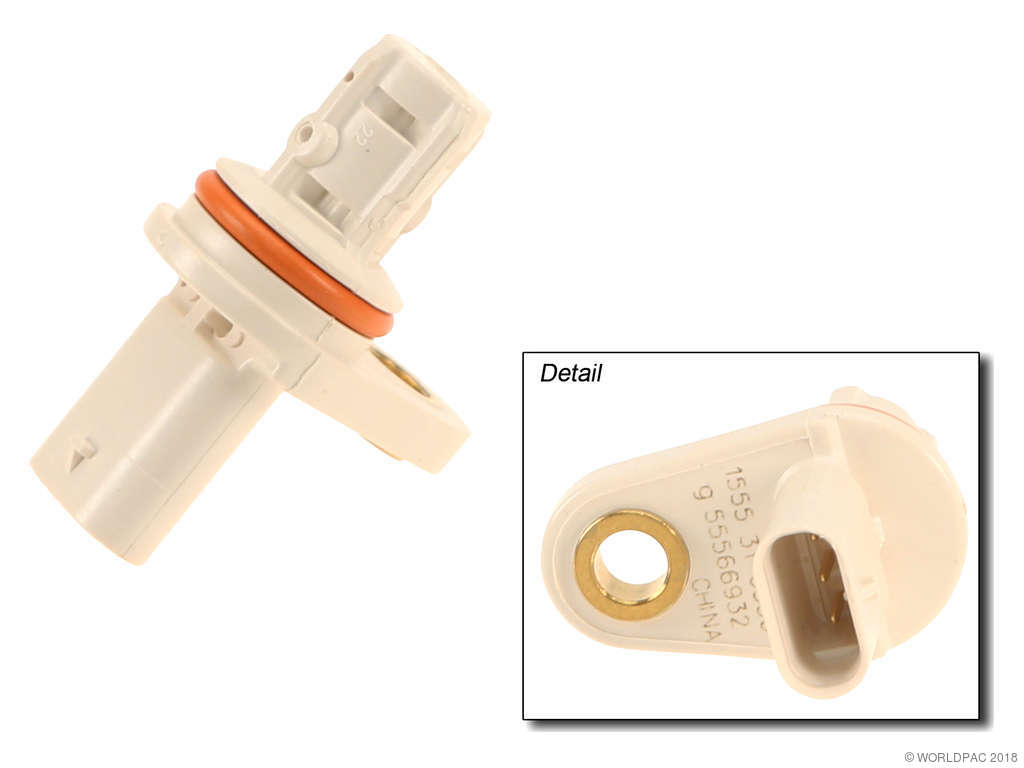
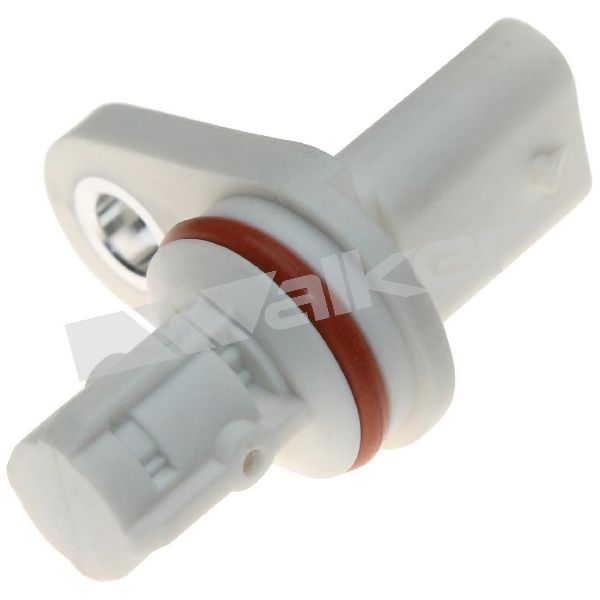
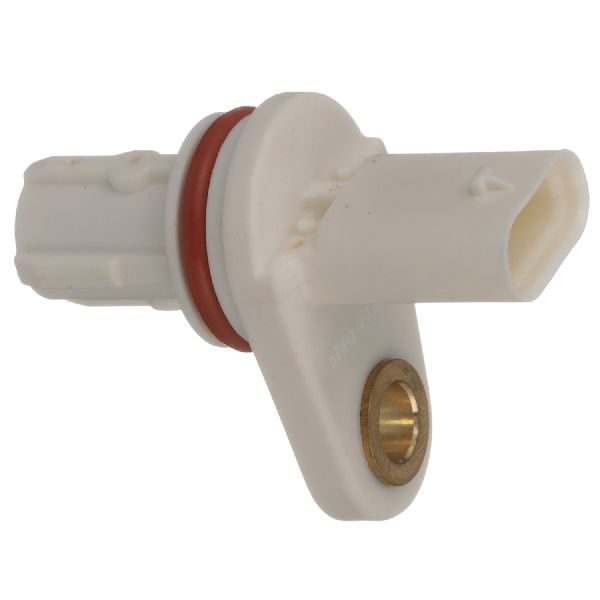
- Camshaft Position Sensor
(OEM #25195555 (supersedes 55565708))— This sensor is the most frequent cause of code P0344. It fails due to heat and oil exposure. The same part is used for both the intake and exhaust positions.
Trusted brands: ACDelco (GM Original Equipment, P/N 213-4701), Delphi, NTK/NGK, Bosch
OEM price range: $45-$70
Aftermarket price range: $25-$50
Related Codes That Often Appear With This One
- P0340 — P0340 is a general fault for the same sensor circuit ('A' / Intake). P0344 indicates an intermittent problem, while P0340 may indicate a more constant or hard failure.
- P0300 — A random misfire code (P0300) can occur because the intermittent cam sensor signal causes incorrect ignition and fuel timing, leading to misfires across multiple cylinders.
- P0365 — This code for the exhaust camshaft sensor ('B') will appear after performing the sensor swap diagnostic test if the original intake sensor was indeed faulty.
Platform-Specific Known Issues
- Oil Contamination from Leaky Valve Cover: The 1.4L engine is known for valve cover gasket leaks. Oil drips down onto various components, including the camshaft position sensors and their wiring, accelerating their failure. When replacing the sensor, it's wise to inspect the valve cover gasket for any signs of seepage.
Mechanic-Grade Diagnostic Values
- Camshaft Position Sensor Connector Voltage Test (3-wire Hall-effect sensor) — expected: With the key on, engine off, and connector unplugged: Pin 1 (Reference Voltage): ~5.0V. Pin 2 (Ground): 0V (check for continuity to chassis ground). Pin 3 (Signal): Should show a low voltage or 0V. With the engine running, the signal wire voltage should fluctuate rapidly, best observed with an oscilloscope as a square wave.. Failure: No 5V reference voltage points to a wiring or ECM issue. No ground indicates a broken ground wire. A signal wire that is stuck high or low, or does not fluctuate while cranking/running, indicates a bad sensor or wiring short/open.
Scan Tool Commands That Help
- GDS2, Tech2, or equivalent bidirectional scanner: Crankshaft Position Variation Relearn (also known as CASE Relearn) — This procedure is required after replacing the ECM, crankshaft sensor, or performing major engine work that disturbs the crank-to-sensor relationship. While not always mandatory for only a cam sensor replacement, it is recommended if drivability issues, misfire codes, or a P1336 code appear after the repair. It calibrates the ECM to minor imperfections in the crankshaft reluctor wheel, ensuring accurate misfire detection and timing.
Wiring & Ground Locations
- Intake Camshaft Position Sensor (CMP) Circuit at ECM — At the main Engine Control Module (ECM) connector.. For advanced diagnosis, you can test for continuity and shorts directly from the sensor connector to the ECM pins. Based on available diagrams for the 1.4L engine, the relevant pins are typically labeled 'Camshaft CAM X 5V Reference', 'Camshaft CAM X Ground', and 'Camshaft CAM X Control' (Signal). This allows you to isolate a wiring fault from a sensor or ECM fault.
- Main Engine Ground Path — A critical ground path runs from the battery negative terminal to the chassis, and from the chassis to the engine block.. A loose or corroded main engine ground can cause floating voltages and intermittent signals for multiple sensors, including the camshaft position sensor. Ensuring this path is clean and tight is a fundamental step in diagnosing any intermittent electrical issue.
OEM Part Supersession History
55565708→25195555— Standard part revision and improvement by the manufacturer.
Heads up: None. The new part number is a direct replacement for the old one.
Model Year Variations Within This Range
- 2012-2020: The Chevrolet Sonic used the LUJ/LUV 1.4L turbo engine for its entire run. However, the related Chevrolet Cruze introduced a new 1.4L turbo engine (RPO code LE2) around 2017. The LE2 has a different design (aluminum block, integrated exhaust manifold/cylinder head) and its components, including sensors and turbo, are NOT interchangeable with the Sonic's LUJ/LUV engine. Be cautious when sourcing parts from a Cruze of the same year.
Diagnostic Flowchart
Other Known Issues on This Vehicle
Issues unrelated to this code that are worth knowing about as an owner of this generation:
- PCV System Failure (Valve Cover & Intake Manifold) 🔴 High — Very common, often occurs between 60k-120k miles. Can cause lean codes (P0171), rough idle, and oil leaks. (Ref: GM TSB #18-NA-202, PIP5197M, PI0907B cover various aspects of PCV failures and related codes.)
- Leaking Water Pump 🟠 Medium — Common failure item, particularly on earlier models (2012-2014). Can lead to coolant loss and overheating. (Ref: GM Special Coverage Adjustment 14371A extends warranty to 10 years/150,000 miles for this issue on affected models.)
- Valve Cover Gasket Oil Leak 🟠 Medium — Extremely common. The gasket becomes brittle with heat and age, causing oil to seep onto the exhaust manifold (creating a burning smell) and other engine components.
- Thermostat Housing Failure / Stuck Thermostat 🟠 Medium — The integrated sensor in the plastic housing can fail, causing the cooling fans to run constantly and triggering code P0597.
- Cracked/Warped Plastic Valve Cover 🔴 High — The entire plastic valve cover, which integrates the PCV system, is prone to cracking and warping from heat, causing vacuum leaks and oil leaks. Aftermarket aluminum covers are a popular upgrade. (Ref: Related to PCV TSBs like 18-NA-202.)
Used vs. New Parts: Buying Guide for This Vehicle
When a used part is the smart pick: Given the low cost of a new aftermarket sensor and its high failure rate, buying a used camshaft position sensor is not recommended. The risk of premature failure outweighs the minimal cost savings. A used wiring harness pigtail from a junkyard is a viable option if the original connector is broken and the donor part is in good condition.
Donor-vehicle mileage cap: roughly under 80000 miles for the part to have meaningful remaining life.
What to inspect on the donor part:
- For a pigtail connector: Ensure the plastic is not brittle or cracked.
- Check that the locking tab is intact and functional.
- Inspect the connector pins for any signs of corrosion or oil contamination.
- Ensure there is at least 6 inches of wire attached to allow for easy splicing.
OEM-only on this vehicle (don't cheap out):
- No parts for this specific repair are considered 'OEM-only'. Quality aftermarket sensors are widely available and perform well.
Aftermarket brands forum-validated for this vehicle:
- ACDelco (Professional or GM OE)
- Delphi
- NTK/NGK
- Bosch
Brands owners have reported issues with on this vehicle:
- Unnamed or 'white-box' brands from online marketplaces can be a gamble, with higher rates of being dead-on-arrival or having a short service life. It is generally safer to stick with recognized brands.
Real Owner Stories
Aggregated from forums and TSBs cited above. Mileages and costs reflect what owners reported in those sources.
2012-2020 Chevrolet Sonic 1.4L Turbo
Symptoms: The engine was difficult to start and would crank for a long time, especially when hot. It also experienced stalling and a rough idle.
What fixed it: The owner confirmed the intake cam sensor was faulty by swapping it with the exhaust sensor and seeing the code move; replacing the intake sensor resolved the issue.
Source hint: chevysonic.org / sonicownersforum.com
2011-2016 Chevrolet Cruze 1.4L Turbo
Symptoms: The vehicle threw a P0344 code and had oil contamination found directly inside the sensor connector.
What fixed it: Replacing the sensor and cleaning the oil out of the connector terminals with electrical contact cleaner.
Source hint: cruzetalk.com
2013-2022 Chevrolet Trax 1.4L Turbo
Symptoms: High failure rate of cam sensors leading to P0344; owners noted stalling and stumbling during acceleration.
What fixed it: Replacing both the intake and exhaust sensors at the same time as preventative maintenance.
Source hint: Reddit (r/ChevySonic, r/Cruze)
Related OBD-II Codes
Frequently Asked Questions
Is there a TSB for the PCV system failure on my 1.4L Turbo Sonic that might be related to my oil leaks?
My 2014 Sonic is losing coolant and overheating; is there a special warranty for this?
Can I just swap the sensors to see if the intake sensor is bad?
What is the correct torque spec for the camshaft position sensor bolt on the LUJ/LUV engine?
Why is there oil inside my camshaft sensor electrical connector?
Should I perform a relearn procedure after replacing the sensor?
We Have This Part in Stock



The information in this article is provided for general reference and educational purposes only. Vehicle specifications, procedures, and part compatibility can vary by production date, trim level, and region. Always consult your vehicle's factory service manual and verify part numbers before purchasing or performing repairs. Safety-critical components such as airbags, seat belts, and braking systems should be installed by a qualified professional.
- Chevrolet Sonic:
- 🛍️ Shop This Part
- What's Unique About the 2012-2020 Chevrolet Sonic
- Symptoms You May Notice
- Most Likely Causes
- Rare But Worth Checking
- Diagnosis Steps
- Parts You'll Likely Need
- Related Codes That Often Appear With This One
- Platform-Specific Known Issues
- Mechanic-Grade Diagnostic Values
- Scan Tool Commands That Help
- Wiring & Ground Locations
- OEM Part Supersession History
- Model Year Variations Within This Range
- Diagnostic Flowchart
- Other Known Issues on This Vehicle
- Used vs. New Parts: Buying Guide for This Vehicle
- Real Owner Stories
- 2012-2020 Chevrolet Sonic 1.4L Turbo
- 2011-2016 Chevrolet Cruze 1.4L Turbo
- 2013-2022 Chevrolet Trax 1.4L Turbo
- Related OBD-II Codes
- Frequently Asked Questions
- 🎟️ Get 5% Off