

P0344 on 2011-2016 Chevrolet Cruze 1.4L Turbo: Intermittent Cam Sensor Causes and Fixes
P0344 on a 2011-2016 Chevy Cruze 1.4L Turbo most often points to a failing camshaft position sensor or a wiring issue, frequently caused by oil contamination from the engine's known PCV system failures. It can also be triggered by low/dirty oil, a bad negative battery cable, or timing chain problems. Replacing the sensor is a common first step, but fixing the root cause of oil leaks is often necessary.
- P0344 on your Cruze 1.4L means the intake camshaft position sensor signal is intermittent.
- Before buying parts, check your engine oil level and inspect the sensor's wiring for obvious damage or oil contamination.
- The most common fix is replacing the intake camshaft position sensor, which is an accessible and affordable DIY job.
- If you have significant oil leaks around the top of the engine, you likely need to replace the entire valve cover assembly due to a failed PCV system.
- If a new sensor doesn't fix the code, the problem could be related to the VVT system or, more seriously, the timing chain.
What's Unique About the 2011-2016 Chevrolet Cruze
The 1.4L Turbo engine in the first-generation Cruze is known for a cascade failure in its PCV system that directly leads to code P0344. A check valve inside the intake manifold fails, allowing boost pressure into the crankcase, which then ruptures a diaphragm in the valve cover. This creates a vacuum leak and forces oil past seals, saturating the camshaft position sensor and its connector. Furthermore, timing chain stretch is a known concern on these engines, which can cause the camshaft and crankshaft correlation to become erratic, triggering intermittent sensor codes before a major failure.
Symptoms You May Notice
- Check Engine Light is on
- Engine is hard to start or cranks but won't start
- Engine stalls, especially at idle or low speeds
- Rough idling
- Hesitation or stumbling during acceleration
- Reduced engine power and poor fuel economy
- Audible hissing or whistling from the engine bay at idle (indicates a ruptured PCV diaphragm in the valve cover).
- Replacing the crankshaft position sensor instead of the camshaft position sensor.
- Replacing the ECM prematurely before thoroughly checking wiring, grounds, oil level, and the sensor itself.
- Replacing the valve cover for an oil leak without addressing the failed check valve in the intake manifold, leading to a repeat failure.
Most Likely Causes
- Failing Intake Camshaft Position Sensor 🔴 High Probability Sensors can fail from age and heat cycles, but on this engine, they are most often destroyed by oil contamination. The common failure of the PCV system and valve cover gasket leads to oil leaking directly onto the sensor and its electrical connector.
How to confirm: Use a scan tool to monitor the sensor's data stream for dropouts. You can also swap the intake and exhaust camshaft sensors (they are identical parts) and see if the code changes to P0369 (Exhaust Cam Sensor 'B' Intermittent). Physically inspect the sensor for oil saturation upon removal.
Typical fix: Replace the intake camshaft position sensor. This is often a temporary fix if the oil leak that caused the failure is not also addressed.
Est. part cost: $25-$60 - Wiring or Connector Issue 🟡 Medium Probability The engine bay environment leads to heat-damaged and brittle wiring. Oil leaks from the valve cover saturate the connector, degrading the plastic and causing a poor connection. The wiring pigtail itself can become brittle and fail.
How to confirm: Visually inspect the wiring harness and connector for signs of damage, corrosion, or heavy oil contamination. Wiggle the connector with the engine running to see if it induces a stall. Check for continuity and proper voltage (typically a 5V reference, ground, and signal) at the connector with a multimeter.
Typical fix: Clean the oil from the connector with electrical contact cleaner. If the connector or wiring is damaged, replace the pigtail connector.
Est. part cost: $15-$40 - Low or Dirty Engine Oil 🟡 Medium Probability These engines can consume oil due to the PCV issues, and owners may not check the level frequently. Low or dirty oil impedes the function of the oil-pressure-driven Variable Valve Timing (VVT) system, causing camshaft timing to be erratic and triggering intermittent sensor codes as the cam phasers struggle to respond.
How to confirm: Check the engine oil level and condition using the dipstick. If it's low or very dirty, this is a likely contributor.
Typical fix: Perform an oil and filter change using the correct specification oil (5W-30 full synthetic). Address the root cause of any oil consumption or leaks, which is often the PCV system.
Est. part cost: $40-$80 - Failing VVT Solenoids (Camshaft Position Actuators) ⚪ Low Probability The VVT solenoids are oil-pressure driven and can become clogged with sludge from infrequent oil changes or fail electrically. A sticky solenoid can cause incorrect camshaft phasing that the sensor reports as an intermittent fault.
How to confirm: You can test the solenoids' resistance with a multimeter or command them with a capable scan tool. Swapping the intake and exhaust solenoids is a common and effective diagnostic step to see if the fault code follows the solenoid.
Typical fix: Replace the faulty VVT solenoid(s). It is often recommended to replace them in pairs. Clean the mounting ports before installing new ones.
Est. part cost: $30-$70 per solenoid
Rare But Worth Checking
- Stretched Timing Chain or Timing Component Issue: While less common than a simple sensor failure, timing chain issues are a known weakness on the 1.4L engine. A stretched chain can cause the cam/crank correlation to be inconsistent, leading to intermittent codes like P0344 before more severe correlation codes (like P0016 or P0017) appear.
- Weak Battery or Charging System Fault: Low system voltage during cranking can cause erratic signals from engine sensors. This platform is specifically known for having a faulty negative battery cable connection, which causes a poor ground and a host of intermittent electrical issues that can mimic a sensor failure. Check for GM Special Coverage 14311B.
- Incorrectly Installed Camshaft Exciter Wheel: If recent engine work was performed involving camshaft removal, the exciter wheel (reluctor ring) for the sensor may have been damaged or installed incorrectly. GM issued a technical bulletin (PI1237B) about this causing intermittent crank/no-start issues.
- Failing Engine Control Module (ECM): This is very rare, but an internal fault in the ECM's driver circuit for the sensor could prevent it from correctly processing the signal. This should only be considered after all other possibilities, especially wiring and grounds, have been exhaustively checked.
Diagnosis Steps
- Read all stored fault codes with an OBD-II scanner. Note any other codes present, especially P1101, P0171, P0016, or P0300.
- Check the engine oil level and condition. Top off or change if necessary using 5W-30 full synthetic oil.
- With the engine running, listen for a distinct hissing or whistling noise from the valve cover, which indicates a ruptured PCV diaphragm. You can also try to remove the oil cap; if it's held down by strong vacuum, the PCV system has failed.
- Visually inspect the intake camshaft position sensor and its connector for physical damage, loose connection, or heavy oil contamination. The sensor is on the top-left of the valve cover (driver's side).
- Inspect the negative battery cable connection at the battery and the chassis ground for looseness or corrosion. This is a known failure point.
- Using a scan tool with live data, monitor the camshaft position sensor signal while the engine is running. Look for any dropouts or erratic readings.
- If wiring is suspected, inspect the harness between the sensor and the ECM for shorts, opens, or corrosion. Test for 5V reference, ground, and a fluctuating signal voltage at the pigtail.
- If the sensor is oil-fouled or suspected to be faulty, replace the intake camshaft position sensor. Consider swapping it with the exhaust sensor first to see if the code changes to P0369.
- If the code returns, investigate the root cause of any oil leaks, which is likely the PCV system (valve cover and intake manifold check valve).
- If the problem persists, consider testing or swapping the VVT solenoids.
- For persistent issues, a 'cam/crank relearn' may be required using a capable scan tool.
- If correlation codes like P0016 are also present, more advanced diagnostics are needed to inspect the timing chain and its components for wear or slack.
Parts You'll Likely Need
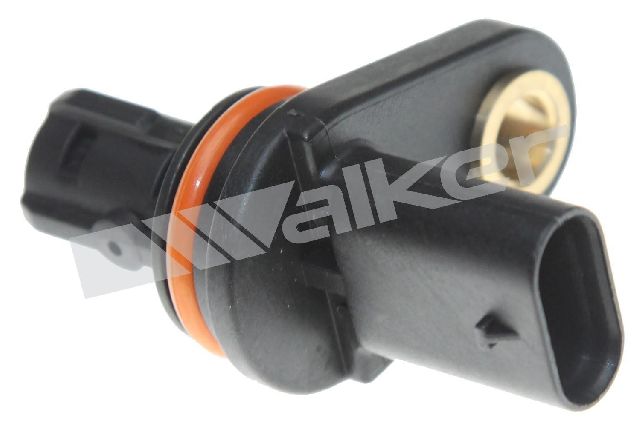
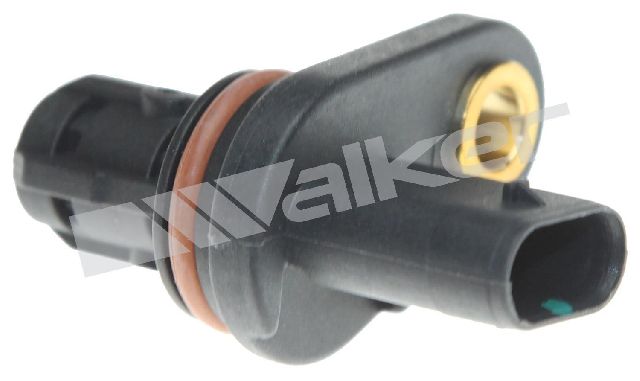
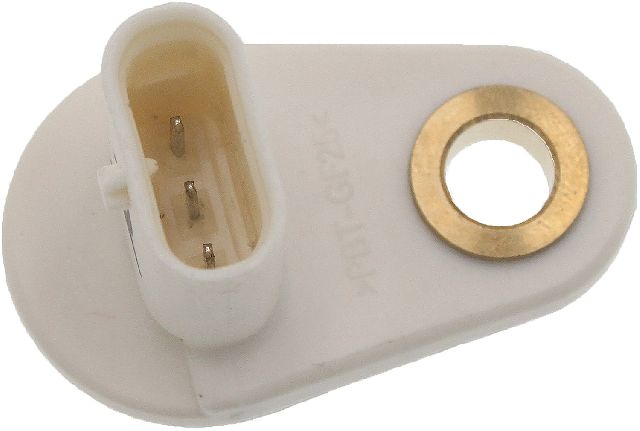
- Intake Camshaft Position Sensor
(OEM #55565708 (cross-references to ACDelco 213-4691))— This sensor is the most frequent part replaced for a P0344 code due to electronic failure or, more commonly on this engine, oil contamination.
Trusted brands: ACDelco, Delphi, Bosch
OEM price range: $40-$70
Related Codes That Often Appear With This One
- P0340 — This is a general, 'hard fault' code for the same sensor circuit. P0344 indicates the fault is intermittent, while P0340 indicates a more constant malfunction.
- P0016 / P0017 — These codes indicate a correlation problem between the crankshaft and camshaft. An intermittent P0344 might be an early warning for a stretching timing chain that will eventually lead to a persistent correlation code.
- P0300 / P030x — Random or specific cylinder misfire codes can occur because incorrect camshaft timing data leads to improper spark and fuel delivery.
- P1101, P0171, P0106 — These codes are often related to the PCV system failure. A ruptured valve cover diaphragm creates a significant unmetered air (vacuum) leak, triggering intake performance and lean condition codes alongside any sensor codes caused by resulting oil leaks.
Technical Service Bulletins (TSBs) & Recalls
- PI1237B: Intermittent Crank No Start, Intermittent Extended Crank, SES Light On
- 14311B: Special Coverage Adjustment – Negative Battery Cable Loose.
- 14371A: Special Coverage Adjustment - Water Pump Shaft Seal Leak.
Platform-Specific Known Issues
- PCV System Cascade Failure: The integrated PCV system is the Achilles' heel of this engine. A non-serviceable check valve in the intake manifold fails and is often ingested by the engine. This allows turbo boost pressure to enter the crankcase, which quickly ruptures the orange PCV diaphragm located in the valve cover. The result is a massive vacuum leak (causing codes P1101, P0171), rough idle, and high crankcase pressure that forces oil out of seals, most notably the valve cover gasket, which then leaks onto and destroys the cam position sensors.
- Faulty Negative Battery Cable: GM issued Special Coverage 14311B for an improperly crimped negative battery cable terminal. This creates high resistance and a poor ground, causing a wide array of bizarre, intermittent electrical problems, including flickering displays, warning messages, stalling, and erratic sensor readings that can trigger a P0344 code.
- Improperly Installed Camshaft Exciter Wheel: A GM Technical Service Bulletin (PI1237B) notes that an intermittent crank/no-start condition can be caused by an improperly installed camshaft position exciter wheel after engine service, which could potentially set a P0344 code.
Mechanic-Grade Diagnostic Values
- Camshaft Position Sensor Connector Voltage — expected: Pin 1 (Signal): Fluctuating voltage while cranking. Pin 2 (Ground): 0V. Pin 3 (5V Reference): 5V with key on, engine off.. Failure: No voltage or steady voltage on the signal wire, missing 5V reference, or poor ground.
- Camshaft Position Sensor Bolt Torque — expected: 6 Nm or 53 lb in. Failure: N/A - This is an installation specification.
- Camshaft Position Actuator Solenoid Valve Bolt Torque — expected: 8 Nm or 71 lb in. Failure: N/A - This is an installation specification.
Scan Tool Commands That Help
- GDS2/Tech2: Camshaft Position Correlation Test — To verify if the cam and crank signals are properly correlated after a repair or when suspecting a timing issue.
- GDS2/Tech2: VVT Solenoid Control — To command the intake and exhaust VVT solenoids on and off to check for mechanical binding or electrical response, which can help rule them out as a cause.
- GDS2/Tech2: Crankshaft Position Variation Learn — A 'relearn' procedure is sometimes necessary after replacing a camshaft sensor, crankshaft sensor, or timing components to clear false misfire data and ensure proper timing interpretation by the ECM.
Wiring & Ground Locations
- B17 Intake Camshaft Position Sensor Connector — Located on the top left (driver's side) of the valve cover.. This is the primary connector to inspect for oil contamination, damage, or looseness. The pins are: Pin 1 (Yellow) - Signal to ECM, Pin 2 (Black) - Low Reference/Ground, Pin 3 (Gray) - 5V Reference from ECM.
- G105 / G107 — Main engine block and chassis ground points, typically located on the driver's side frame rail or near the transmission.. A poor engine ground can cause a floating voltage reference for all engine sensors, including the camshaft sensor, leading to intermittent and bizarre electrical faults. These should be checked for corrosion and tightness.
- Negative Battery Cable Ground — The main ground connection from the battery negative terminal to the chassis, located in the trunk near the battery.. A faulty crimp on this cable is a known issue (Special Coverage 14311B) that causes system-wide low voltage and intermittent electrical problems, which can manifest as a P0344 code.
Real Owner Repair Stories
- YouTube user comment section (2011-2015 Chevrolet Cruze (model year not specified)) — Service Stabilitrak error, rough idle, slow start, radio turning on and off.
❌ Tried (didn't work) Misdiagnosed as a bad battery.
✅ What actually fixed it Replacing the negative battery cable due to an insufficient crimp at the terminal, a known issue covered by GM Special Coverage 14311B.
OEM Part Supersession History
55565708→25195555— Part number consolidation and potential minor revision by GM.
Heads up: The parts are interchangeable. 25195555 is the current service replacement for 55565708.
Model Year Variations Within This Range
- 2011-2020: The 1.4L Turbo engine came in two main variants, LUJ and LUV. While very similar, there were minor internal and tuning differences over the years. However, for the purposes of diagnosing P0344, the camshaft position sensor, its location, and the common failure modes (PCV, wiring, oil leaks) are virtually identical between them.
Diagnostic Flowchart
Other Known Issues on This Vehicle
Issues unrelated to this code that are worth knowing about as an owner of this generation:
- PCV System Failure (Intake Manifold & Valve Cover) 🔴 High — Extremely common. The check valve in the intake manifold fails, which then over-pressurizes the crankcase and ruptures the diaphragm in the valve cover. Often occurs between 60,000 and 120,000 miles. (Ref: GM Extended Warranty Coverage (e.g., 14726))
- Leaking Water Pump 🔴 High — Very common failure, often leaking from the weep hole or shaft seal. Can occur as early as 50,000 miles. (Ref: GM Special Coverage 14371A / 14-06-01-001F (extends warranty to 10 years/150,000 miles).)
- Faulty Negative Battery Cable Connection 🟠 Medium — Common issue where an insufficient crimp on the negative battery terminal causes a poor ground, leading to a wide range of intermittent electrical problems, including stalling and no-starts. (Ref: GM Special Coverage 14311B (extends warranty).)
- Cracked Plastic Thermostat Housing & Water Outlet 🟠 Medium — The original plastic components become brittle with heat cycles and are a frequent source of coolant leaks. Aftermarket aluminum replacements are a popular upgrade.
- Oil Leaks (Oil Cooler, Pan Gasket, Crank Seals) 🟠 Medium — Beyond the valve cover, these engines are prone to oil leaks from the oil cooler lines/seals, oil pan gasket, and front main (crankshaft) seal, often exacerbated by failed PCV systems.
Used vs. New Parts: Buying Guide for This Vehicle
When a used part is the smart pick: For major mechanical components like a complete valve cover assembly or an intake manifold, a used part from a low-mileage donor can be a cost-effective option, provided it is thoroughly inspected.
Donor-vehicle mileage cap: roughly under 50000 miles for the part to have meaningful remaining life.
What to inspect on the donor part:
- For a valve cover, inspect the PCV diaphragm area for any signs of tearing or brittleness. Ensure there are no cracks in the plastic.
- For an intake manifold, verify the internal PCV check valve is intact (this can be difficult without disassembly but is crucial).
- Check for any warping on mating surfaces and ensure all threaded holes are intact.
OEM-only on this vehicle (don't cheap out):
- Camshaft Position Sensor: Due to the intermittent nature of P0344, using a cheap aftermarket sensor can introduce new variables and make diagnosis difficult. Stick with OEM (ACDelco) or a reputable OEM supplier like Delphi or Bosch.
- Negative Battery Cable: Given the known defect with the original, it is critical to use the updated OEM replacement part to ensure a permanent fix.
Aftermarket brands forum-validated for this vehicle:
- ACDelco (OEM)
- Delphi (Often the OEM supplier)
- Bosch
Brands owners have reported issues with on this vehicle:
- Unbranded, 'white box' sensors from online marketplaces. While cheap, they have a high failure rate and can be out of specification, leading to continued problems.
Real Owner Stories
Aggregated from forums and TSBs cited above. Mileages and costs reflect what owners reported in those sources.
2012 Chevrolet Cruze 1.4L Turbo
Symptoms: Owner reported a P1101 code and identified a failure in the valve cover/PCV system.
What fixed it: Replacement of the valve cover due to a failed PCV diaphragm.
Source hint: ScannerDanner.com forum post 'RE: 2012 Chevy Cruze 1.4L Turbo'
2011-2016 Chevrolet Cruze 1.4L Turbo
Symptoms: Owner discussed the urgency of fixing PCV issues, noting symptoms like rough idle and vacuum leaks.
What fixed it: Addressing the PCV system (valve cover and intake manifold check valve) to prevent further engine damage and sensor fouling.
Source hint: Reddit r/cruze thread 'PCV issues: fix immediately or can I wait?'
Related OBD-II Codes
Frequently Asked Questions
Is there a special coverage for electrical issues that might cause a P0344 on my 2011-2016 Cruze?
Why does my Cruze have a whistling noise and a P0344 code at the same time?
Can I swap the sensors to see if the intake camshaft sensor is actually bad?
Does TSB PI1237B apply to my intermittent starting issues?
Will changing my oil fix a P0344 code on this vehicle?
Is the P0344 code related to the water pump leak mentioned in TSB 14371A?
Helpful Videos
We Have This Part in Stock


The information in this article is provided for general reference and educational purposes only. Vehicle specifications, procedures, and part compatibility can vary by production date, trim level, and region. Always consult your vehicle's factory service manual and verify part numbers before purchasing or performing repairs. Safety-critical components such as airbags, seat belts, and braking systems should be installed by a qualified professional.
- Chevrolet Cruze:
- 🎬 Helpful Videos
- 🛍️ Shop This Part
- What's Unique About the 2011-2016 Chevrolet Cruze
- Symptoms You May Notice
- Most Likely Causes
- Rare But Worth Checking
- Diagnosis Steps
- Parts You'll Likely Need
- Related Codes That Often Appear With This One
- Technical Service Bulletins (TSBs) & Recalls
- Platform-Specific Known Issues
- Mechanic-Grade Diagnostic Values
- Scan Tool Commands That Help
- Wiring & Ground Locations
- Real Owner Repair Stories
- OEM Part Supersession History
- Model Year Variations Within This Range
- Diagnostic Flowchart
- Other Known Issues on This Vehicle
- Used vs. New Parts: Buying Guide for This Vehicle
- Real Owner Stories
- 2012 Chevrolet Cruze 1.4L Turbo
- 2011-2016 Chevrolet Cruze 1.4L Turbo
- Related OBD-II Codes
- Frequently Asked Questions
- 🎟️ Get 5% Off