

P0341 on 2008-2017 VW 2.0T TSI (Jetta, Golf, Passat): Timing Chain vs. Sensor Guide
On the VW 2.0T TSI engine, code P0341 almost always indicates a stretched timing chain or failed tensioner, NOT a bad camshaft sensor. This is a critical repair costing $1,200-$2,700 to prevent catastrophic engine failure. Do not drive the vehicle. The definitive check is the 'Camshaft Adaptation' value in VCDS/OBDeleven; a reading more negative than -5° confirms chain stretch.
- P0341 on a VW 2.0T TSI is a critical warning. Stop driving the vehicle immediately to prevent catastrophic engine failure.
- The cause is almost certainly a stretched timing chain or failed tensioner, not the camshaft sensor itself.
- The definitive diagnosis is checking 'Camshaft Adaptation' with a VAG-specific scan tool. A value more negative than -5° confirms a stretched chain.
- Do not waste money replacing the camshaft position sensor first. Verify the mechanical timing.
- The only correct fix is a complete timing chain service using updated parts, which is a complex and expensive job best left to a professional.
What's Unique About the 2008-2017 Volkswagen Jetta/Golf/Passat/Tiguan/CC

On most cars, P0341 is a straightforward sensor failure. On the CCTA/CBFA 2.0T TSI engine, however, this code is a notorious and serious warning of a stretched timing chain or a failing timing chain tensioner. Early versions of the tensioner (pre-2013, part numbers starting with 06H) used a ratchet-and-pawl mechanism prone to failure, which could allow the timing chain to lose tension, stretch, and ultimately jump a tooth. The updated tensioner (P/N: 06K109467K) uses a more robust design. Therefore, P0341 on this platform is a mechanical timing problem until proven otherwise, and simply replacing the sensor will not fix the issue.
Generation note: This issue applies to all specified models from 2008-2017 with the CCTA or CBFA 2.0T TSI engine, including the Jetta (Mk5, Mk6), Golf/GTI (Mk5, Mk6), Passat (B6, B7), Tiguan (Mk1), and CC. The common thread is the EA888 Gen 1/2 engine platform, not the specific vehicle generation.
Symptoms You May Notice
- Check Engine Light is on, sometimes with a flashing EPC (Electronic Power Control) light.
- Engine runs rough or idles poorly, sometimes described as sounding 'like a diesel'.
- A brief, sharp rattling noise from the right side of the engine on cold starts, sometimes called the 'death rattle', which lasts for 1-3 seconds.
- Hard starting or extended cranking time.
- Engine stalling, especially when coming to a stop.
- Noticeable loss of power or hesitation during acceleration.
- Misfire codes (P0300, P0301, etc.) may also be present.
- Replacing the camshaft position sensor without first verifying the mechanical timing. This is the most common and costly mistake, as it does not fix the underlying and dangerous problem of a failing timing chain.
Most Likely Causes

- Stretched Timing Chain and/or Failed Timing Chain Tensioner 🔴 High Probability A known design flaw in the original timing chain tensioner (pre-2013 models) can cause it to fail without warning, leading to a loss of chain tension and subsequent stretching of the chain itself. This was the subject of VW TSB #TB-15-12-01.
How to confirm: Use a VAG-specific scan tool (like VCDS or OBDeleven) to check 'Camshaft Adaptation' (MVB 93, field 3 or IDE00322). A value more negative than -5.0 degrees at warm idle strongly indicates significant chain stretch. A visual inspection of the tensioner's extension through the inspection port (P/N: 06H115418AA) on the lower timing cover can also confirm failure; if more than 6-7 ridges are visible on the new-style tensioner, the chain is stretched.
Typical fix: Replace the timing chain, timing chain tensioner (with the updated part 06K109467K), and all related guide rails, hardware, and seals. This is typically done as a complete kit.
Est. part cost: $400-$750 - Low Engine Oil Level or Pressure 🟡 Medium Probability The variable valve timing (VVT) system, which advances and retards the camshaft, is operated by engine oil pressure. If the oil level is low or the incorrect oil is used, the system cannot function correctly, leading to a cam/crank correlation error.
How to confirm: Check the engine oil level using the dipstick. If it is low, top it off with VW 502 00 specification oil, clear the codes, and see if the code returns.
Typical fix: Top up or change the engine oil and filter. Investigate any potential oil leaks or consumption issues, which are also common on this platform.
Est. part cost: $50-$100 - Faulty Camshaft Adjuster Spool Valve or Bridge Screen ⚪ Low Probability A mesh screen on the camshaft adjuster bridge can disintegrate, and the debris can jam the spool valve that controls oil flow for the VVT system. This is documented in VW Technical Tip 01-15-08 (also known as TSB 2024874).
How to confirm: Inspect the camshaft adjuster bridge for a missing screen and inspect the spool valve for debris, damage, or sticking. A VCDS output test can also check the range of motion of the VVT system.
Typical fix: Replace the camshaft adjuster bridge and/or the spool valve. In some cases, the entire intake camshaft must be replaced if the internal VVT mechanism is damaged.
Est. part cost: $100-$500
Rare But Worth Checking
- Faulty Camshaft Position Sensor (G40): While this is the component named in the code, it is very rarely the actual cause of P0341 on this engine. It should only be considered after all mechanical timing issues have been definitively ruled out. Oil leaking into the sensor's connector is one possible failure mode.
- Wiring or Connector Issue: A damaged wire or a loose, corroded connector at the camshaft position sensor can cause a signal interruption. This is more likely than sensor failure but less likely than the primary timing chain issue. An owner in NHTSA ODI #11354817 reported that their vehicle cut off as if out of gas, and the issue was attributed to bad wiring in the powertrain related to the P0341 sensor code.
Diagnosis Steps

- Check the engine oil level and condition. Top up if low with VW 502 00 spec oil and clear codes to see if they return.
- Scan the ECM for all fault codes. Note if P0016, P0011, or misfire codes are present. NHTSA ODI #11362367 describes a scenario where a vehicle idled rough, stalled, and would not restart, showing a cluster of codes including P0341, P0300, P0016, and P0011.
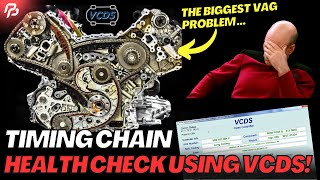
- Using a VAG-specific scan tool (VCDS, OBDeleven), access Engine Measuring Value Block 93, field 3 ('Camshaft Adaptation'). Start the engine and observe the value at warm idle. A reading more negative than -5.0° is a strong indicator of a stretched timing chain.
- If chain stretch is indicated, stop the engine. Visually inspect the timing chain tensioner by removing the small plastic inspection plug (P/N: 06H115418AA) on the lower timing cover. Check if it is the old-style tensioner (with a thin clip) or if the new style is over-extended (more than 6-7 ridges showing).
- If the Camshaft Adaptation value is within spec (e.g., -1° to -4°), investigate other causes like low oil pressure or a faulty VVT spool valve as described in TSB 01-15-08.
- Only if all mechanical timing and VVT system checks pass should you suspect the camshaft position sensor itself or its wiring. Check for oil contamination in the sensor connector.
Parts You'll Likely Need

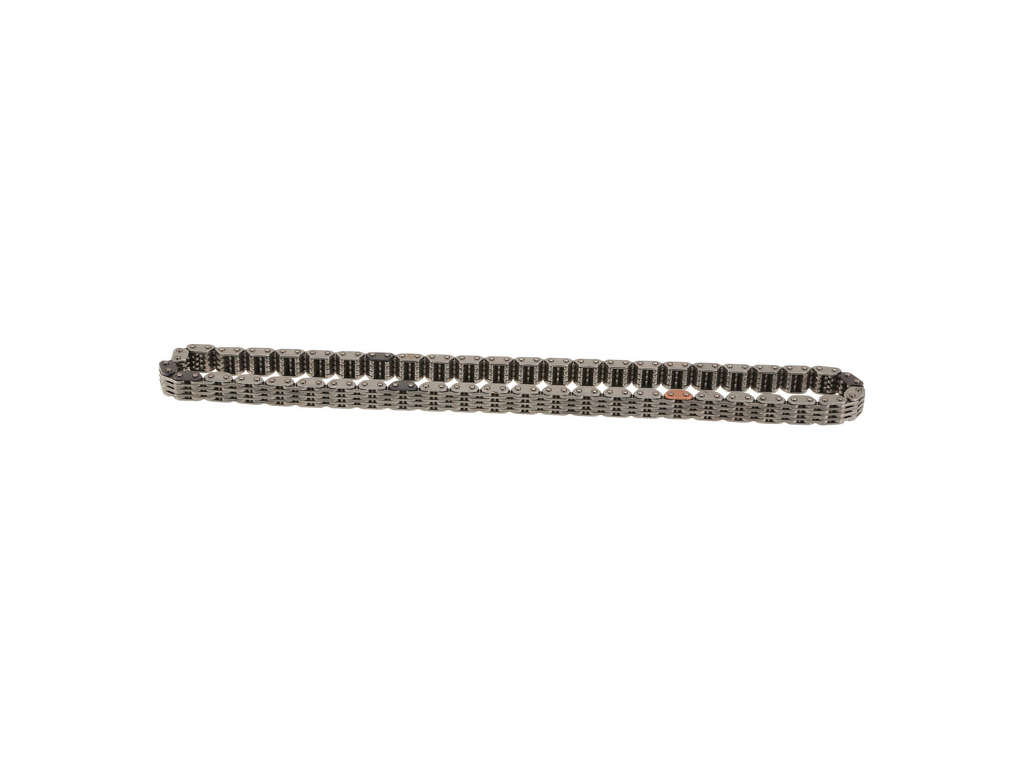
- Timing Chain Kit
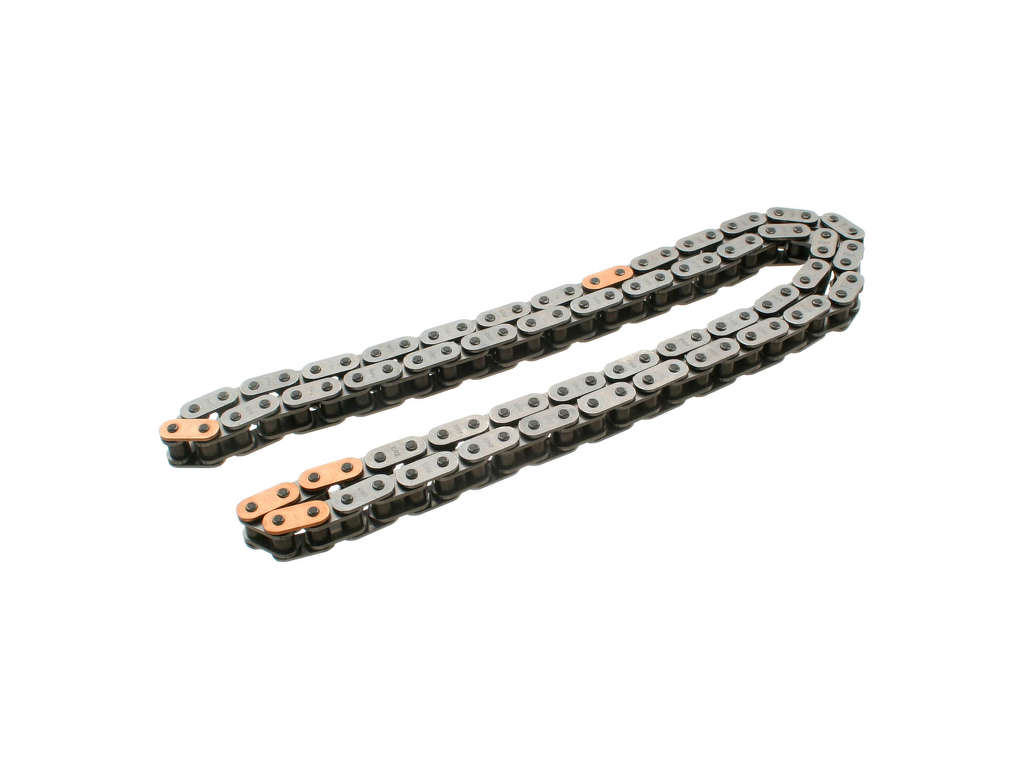
(OEM #06K109467K (Tensioner Only))— This is the most common fix. A complete kit ensures all wear components (chain, guides, and the critical tensioner) are replaced with updated parts. The tensioner itself is the most critical component to update.
Trusted brands: INA, FCP Euro, Iwis, Febi Bilstein
OEM price range: $500-$750
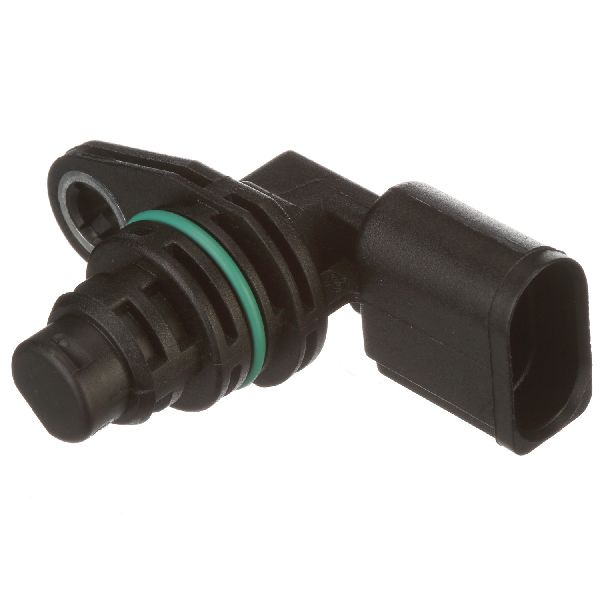
Aftermarket price range: $350-$550 - Camshaft Position Sensor (G40)
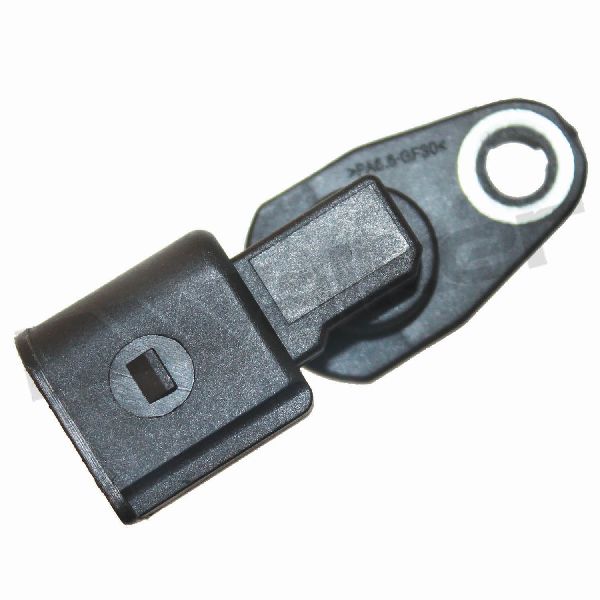
(OEM #06H905163B)— This is a common misdiagnosis. Only replace this part if mechanical timing has been verified as correct. It's inexpensive but rarely the solution.
Trusted brands: Bosch, Delphi
OEM price range: $80-$120
Aftermarket price range: $30-$60
Related Codes That Often Appear With This One
- P0016 — This code directly indicates a 'Crankshaft/Camshaft Correlation' error. When seen with P0341, it makes a stretched timing chain almost certain. It is specifically mentioned in VW TSB #TB-15-12-01.
- P0011 — This code for 'Camshaft Position 'A' - Timing Over-Advanced' can point to issues with the VVT system, such as a stuck spool valve or low oil pressure, which are also potential causes of P0341.
- P0300, P0301, P0302, P0303, P0304 — Random or specific cylinder misfire codes. Incorrect camshaft timing disrupts the air/fuel mixture and spark timing, leading to misfires.
Technical Service Bulletins (TSBs) & Recalls
- VW TSB #TB-15-12-01 (NHTSA ID: 10045560) - Titled 'Engine Rattling Noises after Start, Engine Doesn't Start, Timing Chain Slipped'. Directly addresses timing chain tensioner failure causing chain slipping and lists P0016 as a related code.
- VW Technical Tip 01-15-08 / TSB 2024874 (NHTSA ID: MC-10174989-0001) - Discusses rough running and multiple fault codes (including P0341) caused by a damaged camshaft adjuster spool valve or a disintegrated screen from the camshaft adjuster bridge.
Platform-Specific Known Issues
- The original timing chain tensioner was the subject of a class-action lawsuit (Settlement ID: CV-16-3422-DDP) due to its high failure rate, which led to catastrophic engine damage. While not an official recall, this highlights the widespread nature of the problem. The settlement provided for warranty extensions and partial reimbursement for past repairs, but did not cover preventative replacement.
Mechanic-Grade Diagnostic Values
- Camshaft Position Sensor (G40) Connector Voltage — expected: Approximately 5.0V reference between pin 1 (power) and pin 3 (ground) with key on, engine off.. Failure: No voltage or significantly lower voltage indicates a wiring or ECM power supply issue.
- Camshaft Position Sensor (G40) Signal Wire Continuity — expected: Less than 1.5 Ω between the sensor connector (pin 2) and the corresponding pin at the ECM connector.. Failure: Resistance greater than 1.5 Ω (or an open circuit) indicates a break in the signal wire.
- Camshaft Adjuster Magnet (N205) Solenoid Resistance — expected: 5.0 - 15.0 Ω for TSI engines.. Failure: A reading outside this range, or an open/short circuit, indicates a faulty solenoid coil.
Scan Tool Commands That Help
- VCDS (VAG-COM): Engine -> Basic Settings -> Group 094 — This runs a system test of the intake camshaft adjustment. With the engine warm and idling, it actuates the VVT system and reports 'Syst. OK' if the mechanical and hydraulic components can achieve their target positions. This is a definitive test to use after confirming the Cam Adaptation value is within spec to rule out a mechanical VVT issue.
- VCDS (VAG-COM) or OBDeleven: Engine -> Output Tests -> Camshaft Adjustment Valve (N205) — This is a quick bidirectional test to check the electrical integrity of the N205 solenoid. When activated, you should hear an audible 'click' from the solenoid. A lack of a click points to a failed solenoid or a wiring issue, helping to distinguish between an electrical fault and a mechanical/hydraulic one.
Wiring & Ground Locations
- G05e / Engine Ground — Main ground connection point on the engine block.. A poor engine ground can cause erratic sensor readings and unpredictable behavior from the ECM, potentially leading to false P0341 codes. Ensuring this connection is clean and tight is a crucial basic step.
- G40 Sensor Connector — On the upper timing cover, this 3-pin connector plugs into the Camshaft Position Sensor.. This connector is a primary point of failure. Oil can leak into it from a failed sensor seal, causing a short. The terminals are gold-plated and require careful handling. Pin 1 is power (~5V), Pin 2 is signal, and Pin 3 is ground.
Real Owner Repair Stories
- NHTSA ODI #11020732 — An owner reported that their check engine light came on indicating code P0341. They took the car to a shop where the camshaft position sensor was replaced in an attempt to fix the problem, illustrating the common first step many take before realizing the issue is mechanical.
- Go-Parts article citing forum user (2013 VW CC 2.0T (CBFA)) — P0341, engine runs rough, sounds like a diesel. Runs better immediately after clearing the code, then deteriorates.
❌ Tried (didn't work) Clearing codes (temporary fix), Replacing external VVT components (N205 solenoid, etc.), Confirming timing chain was not stretched
✅ What actually fixed it The final fix was replacing the entire intake camshaft assembly. The internal, non-serviceable VVT adjuster mechanism within the camshaft itself had failed, a rare but possible cause after all other more common issues are ruled out. - Golfmk6.com forum user (MK6 GTI with K04 turbo) — Fine metal mesh pieces found on magnetic oil drain plug. No specific codes mentioned, but this is a direct cause of VVT-related codes like P0341.
❌ Tried (didn't work) The timing chain and tensioner had already been preventatively replaced with updated parts.
✅ What actually fixed it The user removed the camshaft bridge and found the integrated oil screen had disintegrated. They removed the remaining screen material, cleaned the oil passages, and reinstalled the bridge. This prevented the debris from causing a VVT system blockage that would lead to codes like P0341.
OEM Part Supersession History
06H109467T (and earlier revisions like ...N, ...AB)→06K109467K— The original tensioner used a weak ratchet pawl and retaining clip prone to sudden mechanical failure, especially from loss of oil pressure on shutdown. The updated '06K' design is a more robust, fully enclosed, multi-step ratchet mechanism that prevents the piston from retracting.
Heads up: The old part numbers should never be used for replacement. Only the latest revision (06K109467K or newer) should be installed.06H103144J (and earlier)→06H103144K— The original camshaft bridge included a small mesh oil screen that was found to break apart, sending debris into the VVT system and clogging the spool valve or camshaft adjuster. The official VW TSB eventually recommended simply removing the screen if found during service.
Model Year Variations Within This Range
- 2008.5 - mid-2012: These vehicles were originally equipped with the failure-prone '06H' series timing chain tensioner. Any vehicle in this range that has not had documented timing service is at extremely high risk for tensioner failure and should be inspected immediately.
- All (CCTA vs CBFA): The CCTA is the 49-state emissions engine. The CBFA was for California-emissions states and includes a Secondary Air Injection (SAI) system for cleaner startups. This has no direct impact on the P0341 cause or fix, but it is a key engine identifier.
Diagnostic Flowchart
Other Known Issues on This Vehicle
Issues unrelated to this code that are worth knowing about as an owner of this generation:
- Water Pump/Thermostat Housing Failure 🔴 High — Very common, often fails between 60,000-100,000 miles. The original plastic housing is prone to cracking and leaking coolant. (Ref: A warranty extension was offered for some models.)
- Intake Manifold Runner Flap Motor Failure (P2015) 🟠 Medium — Common failure of the plastic runner arm or position sensor, causing a P2015 code. Typically occurs over 80,000 miles. (Ref: A warranty extension was offered for this component on many vehicles.)
- PCV / Oil Separator Failure 🟠 Medium — The internal diaphragm is known to tear, causing a loud whistling noise, high idle, lean codes (P0171), and potential rear main seal failure due to excess crankcase pressure.
- Intake Valve Carbon Buildup 🟠 Medium — Inevitable on all direct-injection engines. Causes cold start misfires, rough idle, and loss of performance. Typically requires manual cleaning (walnut blasting) every 60,000-80,000 miles.
- High-Pressure Fuel Pump (HPFP) Failure 🟠 Medium — Can cause fuel cuts under load, hesitation, and lean conditions. Not as common as other issues but a known weak point.
- Excessive Oil Consumption 🔴 High — Some early EA888 engines, particularly certain Audi variants, were subject to a class-action lawsuit for excessive oil consumption due to piston ring design. While less universal on VWs, oil consumption can still be an issue. (Ref: Class-action lawsuit for some Audi models.)
Used vs. New Parts: Buying Guide for This Vehicle
When a used part is the smart pick: For this specific P0341 repair, using used parts is generally not recommended for the core components. A used Camshaft Position Sensor (G40) or N205 solenoid could be a cost-effective choice for diagnosis if the part is confirmed to be from a low-mileage, running vehicle. However, given their relatively low cost new, it's often not worth the risk.
Donor-vehicle mileage cap: roughly under 60000 miles for the part to have meaningful remaining life.
What to inspect on the donor part:
- For sensors/solenoids, ask for the donor vehicle's VIN to check its service history if possible.
- Inspect electrical connectors for any corrosion, cracks, or cut wires.
- For a used N205 solenoid, test its resistance with a multimeter before purchase; it should be between 5-15 Ohms for a TSI engine.
OEM-only on this vehicle (don't cheap out):
- Timing Chain
- Timing Chain Tensioner
- Timing Chain Guides
Aftermarket brands forum-validated for this vehicle:
- INA (Often the OEM supplier for timing components)
- Iwis (High-quality chain manufacturer)
- Febi Bilstein (Reputable for timing kits)
- Bosch (OEM supplier for sensors)
Brands owners have reported issues with on this vehicle:
- No-name, unbranded timing kits from online marketplaces. The risk of premature failure and catastrophic engine damage is too high to justify the small cost savings.
Real Owner Stories
Aggregated from forums and TSBs cited above. Mileages and costs reflect what owners reported in those sources.
2010-2012 VW Golf GTI 2.0T TSI
Symptoms: Owner discussed the timing chain tensioner TSB and the high risks of catastrophic engine failure associated with the original tensioner design.
What fixed it: Replacement of the timing chain tensioner with the updated part (06K109467K).
Source hint: reddit.com/r/GolfGTI/comments/2cw6j0/20t_timing_chain_tensioner_issues/
2008-2013 Audi A3 (8P) 2.0T
Symptoms: Susceptible to the same timing chain tensioner failure and P0341 code as the VW models due to the shared CCTA/CBFA engine platform.
What fixed it: Replacement of the timing chain, tensioner, and related guide rails.
Source hint: Article Context - Platform Mates
Related OBD-II Codes
Frequently Asked Questions
Does VW TSB #TB-15-12-01 apply to my Jetta if it has a rattling noise on startup?
I heard there was a class-action lawsuit regarding the timing chain on these models. Does it cover preventative replacement?
What is the 'Camshaft Adaptation' limit I should look for in VCDS to see if my chain is stretched?
Can a damaged screen in the camshaft adjuster bridge cause the P0341 code?
What specific oil should I use to ensure the VVT system functions correctly and avoids correlation codes?
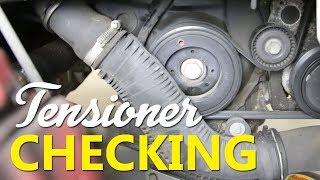
Is there a visual way to check the tensioner without taking the whole engine apart?
Helpful Videos

We Have This Part in Stock


The information in this article is provided for general reference and educational purposes only. Vehicle specifications, procedures, and part compatibility can vary by production date, trim level, and region. Always consult your vehicle's factory service manual and verify part numbers before purchasing or performing repairs. Safety-critical components such as airbags, seat belts, and braking systems should be installed by a qualified professional.
- Volkswagen Jetta/Golf/Passat/Tiguan/CC:
- 🎬 Helpful Videos
- 🛍️ Shop This Part
- What's Unique About the 2008-2017 Volkswagen Jetta/Golf/Passat/Tiguan/CC
- Symptoms You May Notice
- Most Likely Causes
- Rare But Worth Checking
- Diagnosis Steps
- Parts You'll Likely Need
- Related Codes That Often Appear With This One
- Technical Service Bulletins (TSBs) & Recalls
- Platform-Specific Known Issues
- Mechanic-Grade Diagnostic Values
- Scan Tool Commands That Help
- Wiring & Ground Locations
- Real Owner Repair Stories
- OEM Part Supersession History
- Model Year Variations Within This Range
- Diagnostic Flowchart
- Other Known Issues on This Vehicle
- Used vs. New Parts: Buying Guide for This Vehicle
- Real Owner Stories
- 2010-2012 VW Golf GTI 2.0T TSI
- 2008-2013 Audi A3 (8P) 2.0T
- Related OBD-II Codes
- Frequently Asked Questions
- 🎟️ Get 5% Off