

P0340 on 2006-2010 Ford Explorer 4.0L V6: Cam Sensor or Timing Chain Fixes
P0340 on a 4.0L SOHC Explorer most often means a failed camshaft position sensor, which is an easy and affordable DIY fix. However, this code can also be the first sign of a failing timing chain cassette, a notorious and expensive problem for this engine. Any rattling noise on startup with this code warrants immediate investigation into the timing system, as continued driving can lead to catastrophic engine damage. A failing alternator creating electrical noise is also a known, tricky cause.
- P0340 on a 2006-2010 Explorer 4.0L indicates a fault in the passenger-side camshaft position sensor circuit.
- The most likely fix is replacing the camshaft position sensor, an inexpensive and easy DIY job.
- Crucially, this code can also be an early warning for failing timing chain guides, a serious and expensive issue common to this engine. Any rattling noise from the engine means you should stop driving and have the timing system inspected immediately.
- Diagnosis should start with the sensor and its wiring, but if those are good, the mechanical timing system must be investigated.
What's Unique About the 2006-2010 Ford Explorer
The 4.0L SOHC V6 engine, used in this generation of Explorer and its platform mates, is infamous for timing chain problems. The engine uses a complex system with multiple chains, and the plastic guides and hydraulic tensioners are known to fail. When the guides break, the chain develops slack, causing it to slap against other components. This can create an erratic signal from the camshaft position sensor, triggering a P0340 code long before catastrophic failure occurs. A video from a user on YouTube shows a completely broken tensioner arm and large pieces of the plastic guide missing, which was the root cause of their P0340 and rattling noise. While the code can certainly be caused by a simple sensor failure, the high probability of it indicating a severe mechanical timing issue makes diagnosis on this specific engine more critical than on many other vehicles. Another well-documented but often overlooked issue is a failing alternator producing excessive AC ripple voltage (electrical noise), which directly interferes with the sensitive cam sensor signal, triggering the code even when the sensor and wiring are perfectly fine.
Symptoms You May Notice
- Check Engine Light is on
- Engine is hard to start or will not start
- Engine stalls unexpectedly, especially at low speeds
- Rough idling or unstable idle speed
- Loss of engine power and poor acceleration
- Reduced fuel economy
- Audible rattling or chain slapping noise from the engine, especially on cold startups (the 'death rattle')
- A "Stop Safely Now" message displayed in the instrument cluster (as noted in manufacturer TSB #20B14-S2 regarding signal quality issues)
- Replacing the Crankshaft Position Sensor (CKP) instead of the Camshaft Position Sensor (CMP).
- Replacing the sensor without checking the wiring, only to find the problem was a bad connection or a wiring fault further down the harness.
- Replacing only the sensor when the root cause is a mechanical timing chain issue, leading to the code returning and the underlying dangerous condition worsening.
- Replacing the sensor and checking wiring when the root cause is electrical noise from a failing alternator.
Most Likely Causes
- Failed Camshaft Position Sensor (CMP) 🔴 High Probability The sensor is a common failure point due to age and heat cycles. A frequent failure mode is the sensor's O-ring leaking oil, which then contaminates the internal electronics and causes it to short out. Owners often recommend using OEM Motorcraft sensors over cheaper aftermarket alternatives, which are reported to have higher failure rates.
How to confirm: Inspect the sensor and its connector for oil contamination. Test the sensor's output signal with a multimeter or oscilloscope. A common diagnostic step is to clear the codes and swap the passenger side (Bank 1) and driver's side (Bank 2) sensors to see if the code changes to P0345 (Bank 2). The sensor is typically located on the driver's side valve cover, near the firewall, and held in by a single 7mm or 8mm bolt.
Typical fix: Replace the faulty camshaft position sensor. This is a well-documented DIY job that takes less than 30 minutes. 🎬 Watch: How to test and replace the camshaft position sensor
Est. part cost: $20-$65 - Worn or Broken Timing Chain Cassettes/Tensioners 🟡 Medium Probability The 4.0L SOHC engine is well-known for premature failure of its plastic timing chain guides. There are multiple chains, with guides at the front and rear of the engine. The plastic becomes brittle with age and breaks apart, leaving the chain loose. This is a widely documented issue across forums and repair videos.
How to confirm: Listen for a distinct rattling or chain-slapping noise, especially on cold starts between 2,400 and 3,000 rpm. In one forum thread, a user confirmed the timing issue after a compression check showed low compression on one bank (100 psi vs 200 psi), indicating the cam timing had jumped. Visual inspection requires removing the valve covers, where you may see a very loose chain or visible pieces of broken plastic guides.
Typical fix: This is a major repair that involves replacing all timing chains, guides, and tensioners. Due to a chain at the rear of the engine, the entire engine must often be removed from the vehicle for the repair, making labor costs extremely high. 🎬 See this walkthrough of the complex 4.0L timing chain repair Many owners consider this repair to be more expensive than the vehicle's value.
Est. part cost: $250-$600 for a full kit - Damaged Wiring or Connector ⚪ Low Probability The wiring harness in the engine bay is exposed to heat and vibration, which can cause wires to become brittle, frayed, or connectors to become loose or corroded over time.
How to confirm: Visually inspect the wiring harness and connector for the camshaft position sensor. Check for broken wires, corrosion in the connector pins, or a loose connection. Manufacturer bulletin #SSM 50245 suggests inspecting the harness directly above the steering shaft u-joint for potential damage that can trigger P0340. Use a multimeter to check for proper voltage (should be a 5V reference), ground, and signal at the connector.
Typical fix: Repair the damaged section of wiring or replace the pigtail connector.
Est. part cost: $10-$30 for a new connector
Rare But Worth Checking
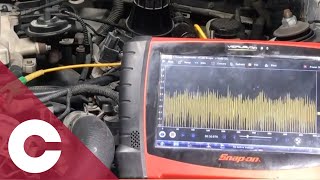
- Failing Alternator: A failing diode in the alternator can produce excessive AC ripple (electrical noise) that interferes with the camshaft position sensor's signal, triggering a P0340 code. A technician demonstrated that excessive AC voltage ripples were visible on an oscilloscope connected to the battery and that disconnecting the alternator power cable resulted in a clean cam sensor signal. This is a known, though uncommon, issue on many Ford vehicles.
- Failing Powertrain Control Module (PCM): This is very rare, but the PCM itself can fail, causing it to misinterpret the sensor's signal. One owner on a forum replaced nearly every other component before a PCM swap finally resolved the code. This should only be considered after all other possibilities have been exhaustively ruled out.
- Moisture Contamination: Manufacturer bulletin #SSM 48598 notes that excessive moisture build-up in the engine oil, often caused by driving short distances, can lead to a MIL with DTC P0340.
- External Contamination: NHTSA ODI #11035325 describes a situation where grease was thrown onto a sensor from a nearby axle, causing a check engine light and multiple codes including P0340.
Diagnosis Steps
- Read all fault codes with an OBD-II scanner. Note any other codes that are present, especially P0344, P0016, or misfire codes.
- Listen for engine noise. Start the engine from cold and listen for any rattling, ticking, or chain-slapping sounds. A distinct rattle that changes with RPM is a strong indicator of a timing chain problem.
- Inspect the Bank 1 camshaft position sensor (typically on the driver's side valve cover near the firewall) and its electrical connector for any visible damage, oil contamination, or loose connections.
- Clear the codes. If possible, swap the Bank 1 and Bank 2 (passenger side) camshaft position sensors. If the code changes to P0345 (Bank 2), the sensor you moved is faulty.
- If the code remains P0340, test the wiring. Use a multimeter to check the connector for a reference voltage (typically 5V), a solid ground, and a signal wire.
- If wiring is good, use an oscilloscope to observe the sensor's signal pattern while the engine is running. A good sensor should produce a clean square wave. A noisy, intermittent, or absent signal confirms a bad sensor. Manufacturer TSB #20B14-S2 notes that P0340 can be triggered by poor crankshaft and camshaft signal quality during start up.
- Test the alternator for excessive AC ripple voltage. With the engine running, connect an oscilloscope or a multimeter set to AC Volts to the battery terminals. A reading significantly above 0.1V AC (100mV) indicates a bad diode in the alternator that is creating electrical noise. 🎬 Watch: How a failing alternator triggers the P0340 code
- If all electrical tests pass, the root cause is likely mechanical. A professional diagnosis is recommended. This may involve a relative compression test or removal of the valve covers for visual inspection of the chain guides and tensioners.
Parts You'll Likely Need
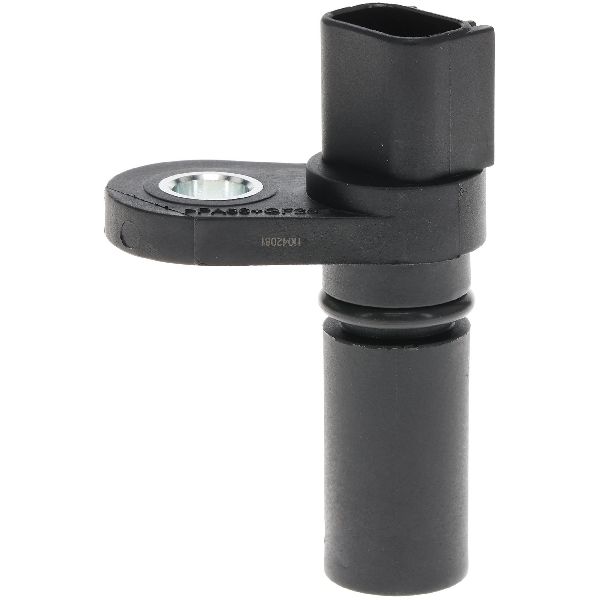
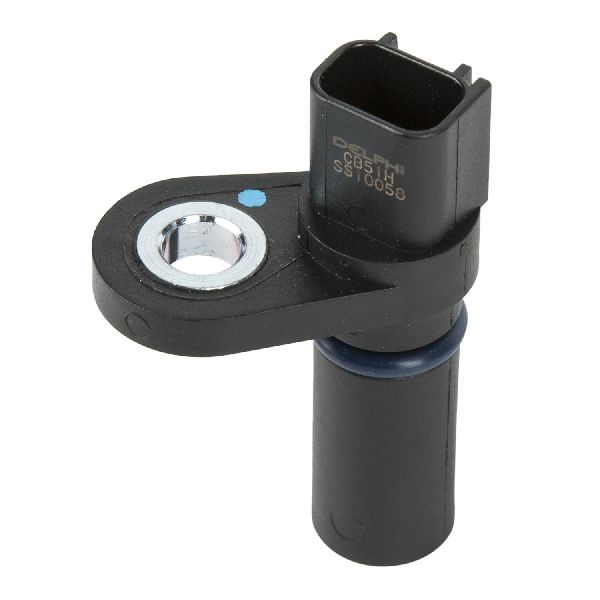
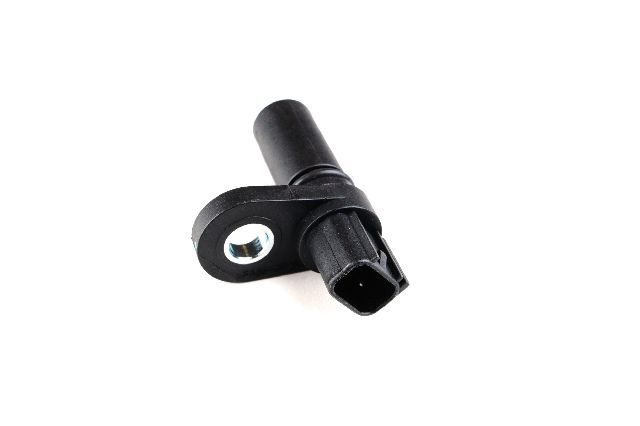
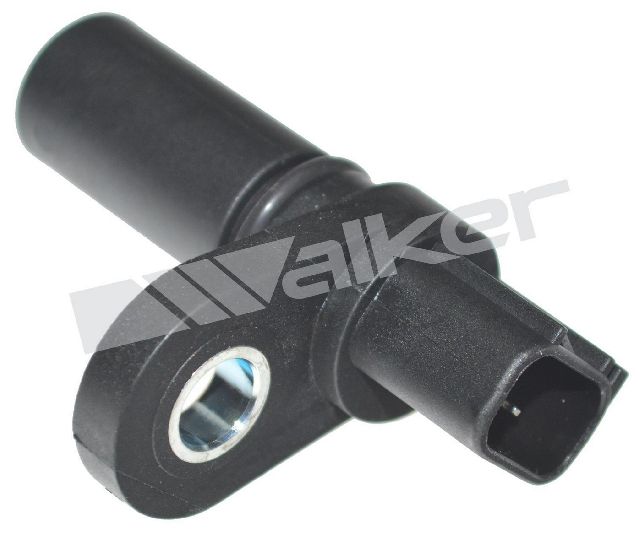
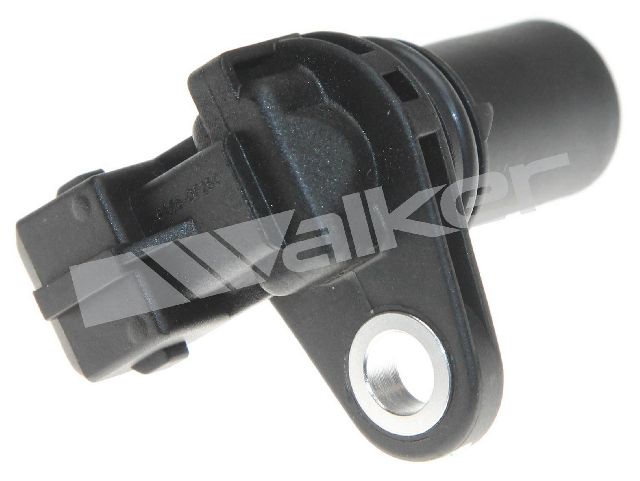
- Camshaft Position Sensor
(OEM #5L2Z-6B288-A)— This is the most common cause of a P0340 code and is a simple replacement part. It is highly recommended to use the OEM Motorcraft part to avoid premature failure.
Trusted brands: Motorcraft, Standard Motor Products (SMP), Delphi
OEM price range: $50-$80
Aftermarket price range: $20-$45 - Timing Chain Kit
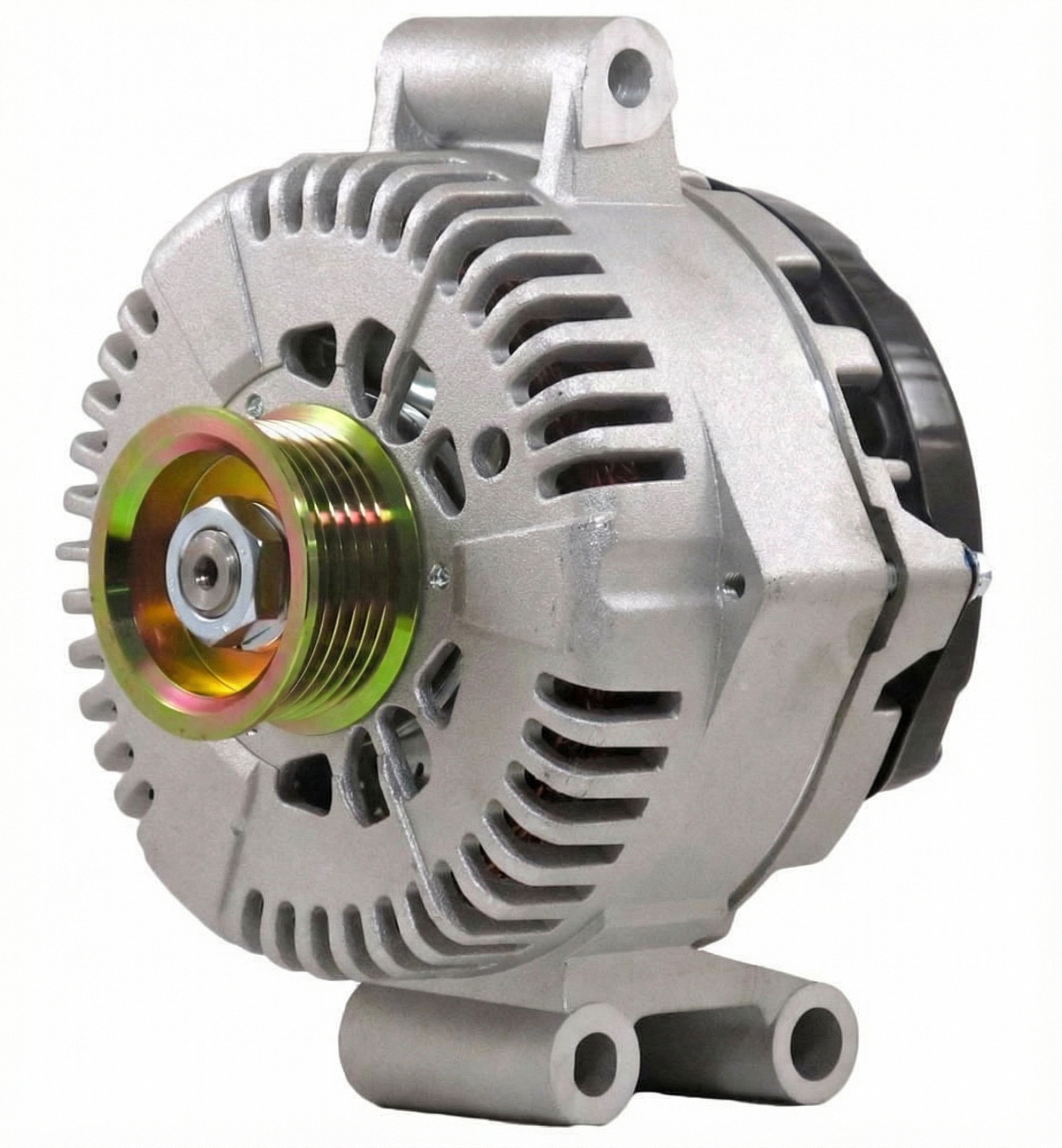
(OEM #Refer to kit components like 7U3Z-6A257-A (Left Cassette) and 4L2Z-6M290-AA (Right Cassette))— If the cause is mechanical wear, a full kit including chains, guides, and tensioners is required for a complete and lasting repair. - Alternator — A failing alternator with a bad diode can introduce AC ripple into the electrical system, interfering with the CMP sensor and causing a P0340 code.
Trusted brands: Motorcraft, Bosch, Denso
OEM price range: $250-$400
Aftermarket price range: $150-$250
Related Codes That Often Appear With This One
- P0344 — This code indicates an intermittent signal from the same sensor (Camshaft Position Sensor 'A' Circuit Intermittent Bank 1). It often appears with P0340, pointing strongly to a failing sensor, oil contamination, or a wiring connection issue.
- P0300, P0301-P0306 — These are random or specific cylinder misfire codes. If the cam timing is incorrect due to a bad sensor signal or a timing chain issue, the PCM cannot properly time the spark and fuel, leading to misfires.
- P0016 — This code indicates a Crankshaft Position - Camshaft Position Correlation (Bank 1 Sensor A) error. It means the mechanical timing between the crank and cam is off, strongly suggesting a stretched or jumped timing chain.
- P1A0C — This code may be present alongside P0340 due to signal quality issues during start up, as documented in TSB #20B14-S2.
Technical Service Bulletins (TSBs) & Recalls
- TSB 10-18-11: For 2010 models with specific build dates (5/28/2009-6/30/2009), addresses engine rattle near the front of the engine block cradle, and/or DTC P0340 with rough running. The procedure may involve a relative compression test and replacement of front timing components or the entire long block assembly.
- Bulletin #SSM 50245: Notes that a rough running engine and DTC P0340 may occur if the 14290 wiring harness is damaged directly above the steering shaft u-joint.
- Bulletin #20B14-S2: Addresses P0340 and P1A0C codes resulting from poor crankshaft and camshaft signal quality during start up.
- Bulletin #SSM 48598: Indicates that P0340 and/or P0344 may occur due to excessive moisture build up in the engine oil, particularly when the vehicle is driven short distances.
Platform-Specific Known Issues
- The 4.0L SOHC V6 is widely known for its complex timing chain system that uses plastic guides that become brittle and break, leading to chain rattle ('death rattle') and timing-related codes like P0340. This is the most significant vehicle-specific issue related to this code.
- A Technical Service Bulletin (TSB 10-18-11) was issued for some 2010 models with engine build dates from 5/28/2009 to 6/30/2009. It addresses engine rattle, MIL on with DTC P0340, lack of power, or a rough run condition related to the balance shaft and front timing components.
Mechanic-Grade Diagnostic Values
- CMP Sensor Connector Voltage (3-wire sensor) — expected: One wire with ~5V (Reference Voltage), one wire with 0V (Ground), one wire with a fluctuating signal voltage (typically 0-5V) when the engine is running.. Failure: Missing 5V reference, bad ground (>0.1V), or a signal wire that is stuck high or low.
- Alternator AC Ripple Voltage — expected: Less than 0.1 Volts (100 millivolts) AC at the battery terminals with the engine running.. Failure: AC voltage significantly above 0.1V, especially if it increases with RPM. A technician with an oscilloscope identified excessive ripples as the cause of P0340.
Scan Tool Commands That Help
- Ford IDS / High-End Scanners: Kamshaft Position (CMP) PID — Use this to monitor the live data stream from the CMP sensor. While cranking or running, the PID should show a consistent signal that changes with engine speed. Dropouts or erratic readings can confirm a sensor or wiring issue without an oscilloscope.
- N/A - General Procedure: Kamshaft/Crankshaft Relearn — For this specific vehicle and code, a dedicated relearn procedure is generally NOT required after simply replacing the camshaft position sensor. The PCM typically adapts to the new sensor automatically after a few drive cycles. A relearn is more commonly associated with crankshaft sensors or after major timing component replacement.
Wiring & Ground Locations
- G100 / G101 — Left front corner of the engine compartment, near the battery and fender apron.. These are primary chassis and battery grounds. A poor connection here can introduce electrical noise and voltage drops throughout the system, potentially affecting the PCM and sensor readings.
- G104 — Right front corner of the engine compartment.. This is another critical engine compartment ground. Ensuring it is clean and tight is a key step in ruling out simple electrical issues before replacing parts.
- G102 — Center rear of the engine compartment for the 4.0L engine.. This ground is located near the engine and firewall, in closer proximity to the sensor and its harness. Corrosion or a loose connection here could directly impact the CMP sensor circuit.
- CMP Sensor Connector — On the driver's side valve cover, near the firewall.. This is the direct connection point for the sensor. It should be inspected for oil contamination (from a leaking sensor O-ring), corrosion, and pin fitment. The wires leading to this connector can become brittle from heat.
Real Owner Repair Stories
- Oz Mechanics YouTube Channel (Ford vehicle with P0340 (specific model not stated but diagnosis is applicable)) — Check engine light with P0340 code.
❌ Tried (didn't work) Initial assumption was a bad sensor or wiring.
✅ What actually fixed it The technician used an oscilloscope and found excessive AC ripple voltage coming from the alternator, indicating a bad diode. Disconnecting the alternator's power cable cleaned up the cam sensor signal instantly. The final fix was replacing the alternator. - YouTube user comment/repair video (Ford vehicle with P0340) — Engine backfires and stalls after starting, P0340 code present.
❌ Tried (didn't work) Replaced the camshaft position sensor., Replaced the wiring pigtail for the sensor.
✅ What actually fixed it The owner tested the alternator output and found that while it produced 14 volts at idle, the voltage would drop into the 11s when the engine was revved. Replacing the alternator, which had a failing voltage regulator/diode, provided a steady 14+ volts under load and resolved the P0340 code. - NHTSA ODI #11065568 — An owner reported that while driving, the check engine light came on with codes P0340 and P0344. After replacing the cam sensor and clearing codes, the check engine light began to flash again after only a few days of driving.
OEM Part Supersession History
1L2Z-6B288-AA→5L2Z-6B288-A— Part has been updated by Ford over time.
Heads up: Using older revisions or some aftermarket sensors is reported by owners to cause premature failure or persistent codes. It is highly recommended to use the specified OEM Motorcraft part.
Model Year Variations Within This Range
- 2006-2010: No significant variations within this model year range have been identified that would alter the diagnosis or common causes of a P0340 code. The 4.0L SOHC engine and its core components remained consistent.
Diagnostic Flowchart
Real Owner Stories
Aggregated from forums and TSBs cited above. Mileages and costs reflect what owners reported in those sources.
2006 Ford Explorer 4.0L
Symptoms: Check engine light with code P0340, vehicle continues to stall from time to time.
What fixed it: Replaced the camshaft position sensor.
Source hint: YouTube comment by 'the mechanics club'
Ford Explorer 4.0L SOHC
Symptoms: Triggered both P0340 and P0345 codes simultaneously.
What fixed it: Complete timing chain replacement.
Source hint: ExplorerForum.com thread titled 'P0340 and P0345 on 4.0 SOHC solved'
Ford Ranger 4.0L SOHC
Symptoms: P0340 code accompanied by low compression on one bank (100 psi vs 200 psi), indicating the cam timing had jumped.
What fixed it: Diagnosed as a mechanical timing issue requiring timing chain repair.
Source hint: Ranger-Forums.com thread titled 'P0340 code'
2010 Ford Explorer 4.0L
Symptoms: Engine rattle near the front of the engine block cradle, MIL on with DTC P0340, lack of power, and a rough run condition.
What fixed it: Replacement of front timing components or the entire long block assembly.
Source hint: TSB 10-18-11
Documented NHTSA Reports
- An owner filed a complaint (NHTSA ODI #11035325) reporting that grease was thrown onto a sensor, causing a check engine light with multiple codes including P0340, P0344, and P0365.
- NHTSA ODI #11065568 describes a vehicle where the check engine light came on at 5,800 miles with codes P0340 and P0344; despite replacing the cam sensor, the light returned shortly after.
Related OBD-II Codes
Frequently Asked Questions
Does TSB 10-18-11 apply to my 2006 Ford Explorer 4.0L?
Should I buy a cheaper aftermarket camshaft position sensor to fix the P0340 code?
I have code P0340 and hear a loud rattling noise on cold starts. What does this mean?
How can I easily test if the Bank 1 camshaft position sensor is the actual problem?
Can a bad alternator cause a P0340 code on my Explorer?
Is replacing the timing chains on the 4.0L SOHC a DIY job?
Helpful Videos
Used OEM Parts in Stock



New Aftermarket Parts Available


The information in this article is provided for general reference and educational purposes only. Vehicle specifications, procedures, and part compatibility can vary by production date, trim level, and region. Always consult your vehicle's factory service manual and verify part numbers before purchasing or performing repairs. Safety-critical components such as airbags, seat belts, and braking systems should be installed by a qualified professional.
- Ford Explorer:
- 🎬 Helpful Videos
- 🛍️ Shop This Part
- What's Unique About the 2006-2010 Ford Explorer
- Symptoms You May Notice
- Most Likely Causes
- Rare But Worth Checking
- Diagnosis Steps
- Parts You'll Likely Need
- Related Codes That Often Appear With This One
- Technical Service Bulletins (TSBs) & Recalls
- Platform-Specific Known Issues
- Mechanic-Grade Diagnostic Values
- Scan Tool Commands That Help
- Wiring & Ground Locations
- Real Owner Repair Stories
- OEM Part Supersession History
- Model Year Variations Within This Range
- Diagnostic Flowchart
- Real Owner Stories
- 2006 Ford Explorer 4.0L
- Ford Explorer 4.0L SOHC
- Ford Ranger 4.0L SOHC
- 2010 Ford Explorer 4.0L
- Documented NHTSA Reports
- Related OBD-II Codes
- Frequently Asked Questions
- 🎟️ Get 5% Off