

P0340 on 2011-2017 Chrysler 200 3.6L: Camshaft Sensor Causes and Fixes
This code indicates a problem with the camshaft position sensor circuit for Bank 1. The most common fix is replacing the Bank 1 camshaft position sensor, which is a relatively inexpensive part. However, on the 3.6L Pentastar, this code can also be a symptom of low oil levels or more serious mechanical issues like failing cam phasers.
- P0340 on your Chrysler 200 points to the camshaft position sensor circuit on the passenger-side (rear) of the engine.
- Before buying parts, check your engine oil level. Low oil is a common cause for this code on the 3.6L Pentastar.
- The easiest way to test the sensor is to swap it with the identical one on the driver's side (Bank 2). If the code follows the sensor (changing to P0345), you've found the problem.
- If the sensor and oil level are fine, carefully inspect the wiring and connector for damage or oil contamination.
- Be aware that this code can sometimes indicate more serious mechanical engine problems, like a failing cam phaser or timing chain.
What's Unique About the 2011-2017 Chrysler 200
The 3.6L Pentastar V6 engine, while generally durable, has known issues that can trigger a P0340 code. Unlike many engines where this code almost always points to a bad sensor, on the Pentastar it can be an early warning for mechanical problems. Issues like failing rocker arms, worn timing components, or faulty cam phasers can disrupt the camshaft's position and cause the sensor to send an erratic signal, even if the sensor itself is good. Low oil level or pressure, often due to a common oil filter housing leak, can also starve the cam phasers and trigger this code.
Generation note: The 2011-2017 year range covers two generations of the Chrysler 200: the first generation (2011-2014, JS platform) and the second generation (2015-2017, UF platform). Both generations used the 3.6L Pentastar V6, and the causes and fixes for P0340 are largely the same as they are engine-specific. The second generation featured an updated 3.6L Pentastar with slightly more horsepower (295 vs 283) and a 9-speed automatic transmission instead of the previous 6-speed. However, the core engine architecture and sensor systems related to P0340 remained consistent.
Symptoms You May Notice
- Check Engine Light is on
- Engine is hard to start or won't start.
- Engine stalls, especially at low speeds or idle.
- Rough running or misfiring
- Reduced engine power and poor acceleration.
- Vehicle may enter 'limp mode', limiting shifting.
- Delayed engine startup, where it cranks longer than usual before firing.
- Traction control or ABS light may illuminate simultaneously, as the engine's torque calculation is compromised.
- Replacing the Crankshaft Position Sensor. The symptoms can be similar, and codes like P0335 (Crankshaft Position Sensor Circuit) can sometimes appear alongside P0340, as noted in TSB #18-022-17 REV. A.
- Immediately replacing the camshaft sensor without checking oil level or wiring. On this engine, P0340 is often a symptom of another problem, not the root cause. Many forum posts and mechanic videos emphasize checking oil and mechanicals first.
Most Likely Causes
- Failed Camshaft Position Sensor (Bank 1) 🔴 High Probability Sensors can fail over time due to heat and vibration. It's the most straightforward cause and a common failure point.
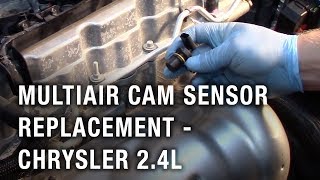
How to confirm: Swap the Bank 1 (passenger side/rear) and Bank 2 (driver side/front) sensors. They are identical. If the code changes to P0345 (Bank 2), the sensor is bad. The Bank 1 sensor is on the rear of the engine and requires removing the upper intake manifold for access, a process shown in many online videos.
Typical fix: Replace the faulty camshaft position sensor.
Est. part cost: $20-$50 - Wiring or Connector Issue 🟡 Medium Probability The engine bay environment can cause wiring to become brittle or connectors to get contaminated with oil from common leaks (like valve covers or the oil filter housing).
How to confirm: Visually inspect the wiring harness and connector for the Bank 1 camshaft position sensor. Look for frayed wires, loose pins, corrosion, or oil contamination. Wiggle the harness while the engine is running to see if it causes a stall or stumble. A diagnostic video on a Jeep with the same engine showed a bent pin in the connector was the culprit.
Typical fix: Repair the damaged wiring or clean/replace the connector.
Est. part cost: $5-$30 - Low Engine Oil Level or Pressure 🟡 Medium Probability The 3.6L Pentastar is known for oil leaks from the oil filter housing/cooler assembly, which can lead to low oil levels. Low oil pressure prevents the cam phasers (which control valve timing) from operating correctly, leading to a timing mismatch that the sensor reports. A Reddit user with a P0340 on a JK noted the issue started right after having a leaking oil cooler replaced.
How to confirm: Check the engine oil level via the dipstick. Inspect the area around the oil filter housing (in the engine's valley) for signs of oil leaks. TSB S1809000007RevC directly addresses customer complaints of oil leaks from this area.
Typical fix: Top off the engine oil to the correct level. Repair any oil leaks, most commonly by replacing the oil filter housing assembly.
Est. part cost: $0 (for oil top-off) or $100-$250 (for oil filter housing assembly)
Rare But Worth Checking
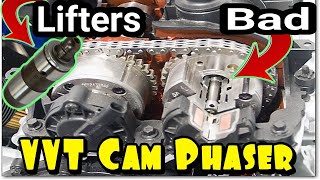
- Failing Camshaft Phaser: A failing phaser can get stuck or have delayed movement, causing a mechanical timing issue that sets a sensor circuit code. This is a more complex and expensive repair. A mechanic on YouTube demonstrates how a bad phaser can be physically rotated by hand when it should be locked, which directly leads to cam sensor codes.
- Worn Timing Chain or Tensioners: A stretched timing chain can cause the camshaft and crankshaft to lose synchronization, triggering this code. This is usually accompanied by a rattling noise on startup. A user on JK-Forum.com with all four cam sensor codes (P0340, P0345, P0365, P0390) ultimately traced it back to timing issues after a rebuild.
- Faulty Aftermarket Oil Filter: A user on a Chrysler forum reported that a P0340 code on their Sebring was caused by a NAPA-brand oil filter that came apart internally, restricting oil flow and pressure. The issue was resolved by switching back to a different brand filter.
- Failing Powertrain Control Module (PCM): While rare, the PCM itself can fail, causing it to misinterpret the sensor's signal. This should be the last item to consider after all other possibilities are exhausted. TSB #18-022-17 REV. A involves a PCM software update to fix various diagnostic issues, which could be a first step before replacing the module.
Diagnosis Steps
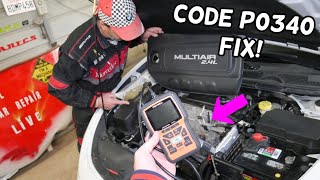
- Read the code with an OBD-II scanner to confirm P0340 is the primary code.
- Check the engine oil level and condition. Top off if low and inspect for major leaks, especially around the oil filter housing in the engine valley.
- Locate the Bank 1 camshaft position sensor on the rear (passenger side) of the engine. Access will likely require removing the upper intake manifold.
- Inspect the sensor's electrical connector and wiring for any signs of damage, corrosion, or oil contamination. Ensure the connector is securely latched.
- If possible, swap the Bank 1 and Bank 2 camshaft sensors. Clear the codes and drive the vehicle. If the code returns as P0345 (Bank 2), the sensor you moved is faulty and needs replacement.
- If the code P0340 returns after the swap, the problem lies in the wiring, the timing components, or the PCM.
- Use a multimeter to test for proper voltage (5V reference) and ground at the sensor connector with the key on, engine off.
- If wiring and the sensor are confirmed good, the issue may be mechanical. Listen for a ticking noise (bad rocker arm) or a brief rattle on startup (bad cam phaser). At this point, professional diagnosis is recommended.
Parts You'll Likely Need
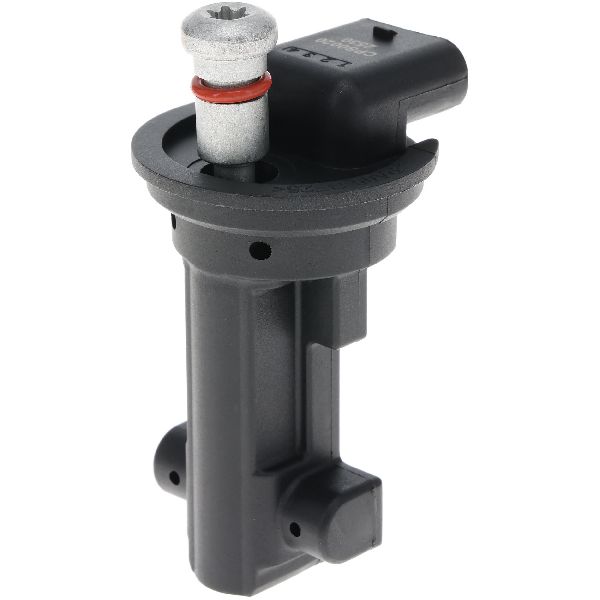
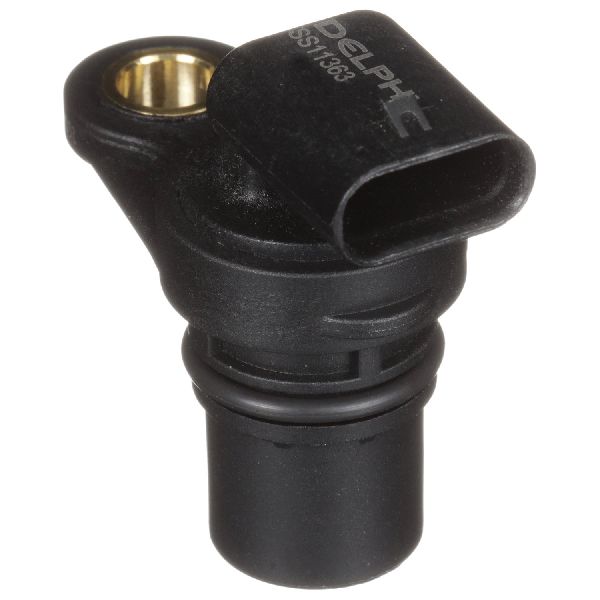
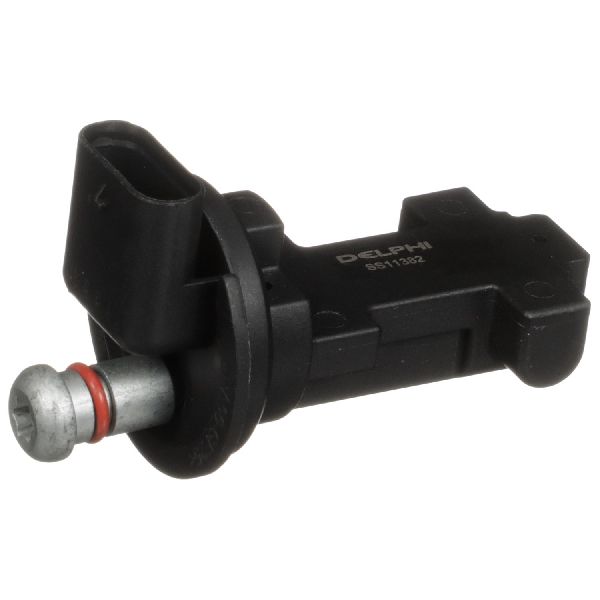
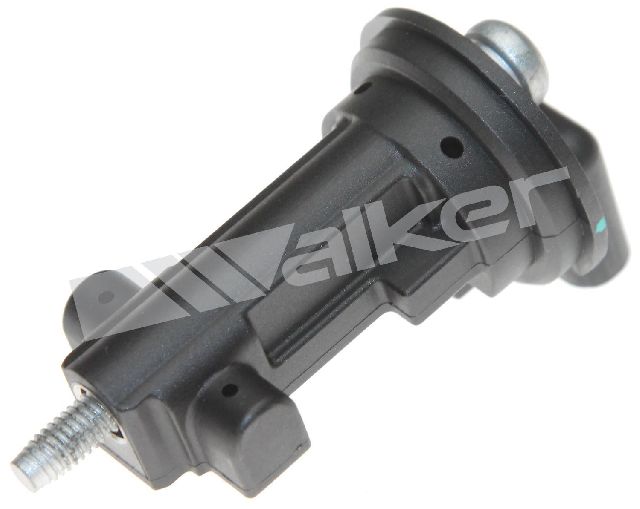
- Camshaft Position Sensor
(OEM #05149141AF)— This is the most common direct cause of the code when it's not related to oil or mechanical issues. The sensors are identical for both banks. This part number is widely confirmed across Mopar parts sites and forums.
Trusted brands: Mopar, Bosch, Delphi, NTK
OEM price range: $40-$60
Aftermarket price range: $20-$45
Related Codes That Often Appear With This One
- P0344 — This code indicates an intermittent signal from the same sensor, pointing to a wiring issue or a sensor that is beginning to fail. A Reddit user reported getting P0340, replacing the sensor, and then getting P0344, indicating the problem was not the sensor itself.
- P0335 — This is for the Crankshaft Position Sensor. Since the cam and crank sensors work together for timing, a fault in one system can sometimes be flagged with a fault in the other. TSB #18-022-17 REV. A lists both codes together as being addressed by a PCM software update.
- P0365 / P0390 / P0345 — These are the corresponding codes for the other camshaft position sensors on the Pentastar V6. If multiple cam sensor codes are present at once, it strongly points to a systemic problem like low oil pressure, a shared wiring/ground issue, or a major mechanical timing problem (timing chain/phasers).
- U1424 — This code for 'Implausible Engine Torque Signal' can be triggered when the PCM gets conflicting data from the cam/crank sensors, affecting its ability to calculate engine torque. It is mentioned alongside P0340 in TSB #18-022-17 REV. A.
Technical Service Bulletins (TSBs) & Recalls
- 18-022-17 REV. A: Mentions P0340 - Camshaft Position Sensor Circuit Bank 1 Sensor 1 as a potential DTC on 2015+ models. The fix is a PCM software update to improve diagnostic accuracy.
- S1809000007RevC: Addresses customer complaints of engine oil leaks or consumption, often traced back to the oil filter adapter housing, a common indirect cause of P0340.
Platform-Specific Known Issues
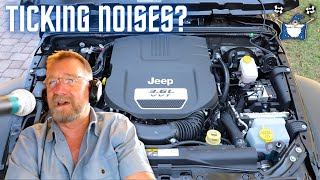
- The 3.6L Pentastar engine is known for rocker arm failure, which creates a distinct ticking sound. While this more commonly sets misfire codes, severe valvetrain disruption can lead to cam/crank correlation issues.
- Leaking oil filter housing assemblies are a very common problem, leading to low oil levels that can cause P0340 by affecting the oil-actuated cam phasers. TSBs have been issued specifically for this leak.
Mechanic-Grade Diagnostic Values
- Camshaft Position Sensor 5V Supply Circuit — expected: 4.5 to 5.02 volts. Failure: Voltage below 4.5V indicates an open or high resistance in the supply circuit.
- Camshaft Position Sensor Ground Circuit Resistance — expected: Below 5.0 Ohms. Failure: Resistance above 5.0 Ohms indicates an open or high resistance in the ground circuit.
- Camshaft Position Sensor Signal Circuit Voltage (Key On, Engine Off) — expected: Switches between ~5V and ~0V when a magnet is brought near the sensor tip.. Failure: Voltage does not switch, indicating a faulty sensor.
- Alternator Output Voltage (Under Load) — expected: Stable 13.8 to 14.2 volts when revving the engine.. Failure: Voltage dropping to 11-12V under load can create electrical noise and trigger a false P0340.
Scan Tool Commands That Help
- wiTECH (Chrysler Dealer Tool): View Desired vs. Actual Cam/Crank Positions — This is critical for diagnosing mechanical timing issues. If the 'Actual' position reported by the sensor does not match the PCM's 'Desired' position, it points towards a mechanical problem (stretched chain, bad phaser) rather than a sensor or wiring fault.
Wiring & Ground Locations
- Engine to Chassis Ground — On the first generation (2011-2014), a key ground strap connects from the transmission mount bolt on the engine block to the chassis frame rail, accessible from the driver's side wheel well.. A poor engine ground can cause erratic behavior in various sensors, including the camshaft position sensor, by creating an unstable voltage reference. Ensuring this connection is clean and tight is a crucial step in diagnosing electrical faults.
- Camshaft Position Sensor Pinout (Bank 1) — At the sensor connector on the rear cylinder head.. The 3.6L Pentastar uses a 4-wire sensor that is essentially two sensors in one housing (one for intake cam, one for exhaust). Knowing the pin functions—5V supply, ground, intake signal, exhaust signal—is essential for accurate multimeter testing. For P0340, you are testing the circuits related to the 'A' sensor (intake or exhaust, depending on manufacturer definition for that year).
Real Owner Repair Stories
- YouTube channel Oz Mechanics (Vehicle with 3.6L Pentastar engine) — Persistent P0340 code.
❌ Tried (didn't work) Initial diagnosis pointed towards replacing the camshaft position sensor.
✅ What actually fixed it The technician checked a diagnostic database (IATN) and found multiple confirmed fixes where a failing alternator was the root cause. A scope test on the alternator revealed excessive AC ripple (electrical noise), which was interfering with the cam sensor signal. Replacing the alternator resolved the P0340 code. - JK-Forum.com user (2018 Jeep JKU with 3.6L Pentastar (after engine rebuild)) — Crank-no-start with four simultaneous cam sensor codes (P0340, P0345, P0365, P0390).
❌ Tried (didn't work) Verified 4.9V supply and <3 Ohms ground at the sensor connectors., Wiggled harness with no change., Cleaned and re-seated all related connectors., Replaced both camshaft position sensors with new parts.
✅ What actually fixed it The user later discovered that during the rebuild, the camshafts for Bank 1 and Bank 2 were accidentally swapped. The tone wheels on the camshafts are different for each bank. Swapping the camshafts back to their correct locations fixed the issue. This highlights a critical mechanical cause when multiple cam codes appear after major engine work.
When the Usual Fixes Don't Work
- While replacing the camshaft position sensor is the most common fix, numerous owner and technician reports for the 3.6L Pentastar engine show that this often fails to resolve the P0340 code. In many of these cases, the actual cause was found to be either a failing alternator creating electrical interference or a purely mechanical issue like a bad cam phaser that can be physically wiggled by hand when it should be locked. These instances underscore the importance of not defaulting to sensor replacement on this specific engine without first checking the charging system voltage under load and listening for mechanical engine noises.
Model Year Variations Within This Range
- 2015-2017 (Second Generation): The second-generation Chrysler 200 paired the 3.6L V6 with a 9-speed automatic transmission, compared to the 6-speed in the first generation (2011-2014). While the engine is fundamentally the same, PCM software and transmission control interactions are different. A PCM software update mentioned in TSB #18-022-17 REV. A would be specific to the vehicle's generation and software calibration.
- 2014+: Some factory wiring diagrams for 2014 and newer Pentastar engines reportedly contain errors regarding ground terminal locations. A technician relying solely on an incorrect diagram might struggle to diagnose a ground circuit fault, leading them to mistakenly replace other components.
Diagnostic Flowchart
Other Known Issues on This Vehicle
Issues unrelated to this code that are worth knowing about as an owner of this generation:
- Cracked Oil Filter Housing/Cooler Assembly 🔴 High — Very common, often occurs after 50,000 miles. Can lead to major oil leaks, low oil pressure, and engine damage if not addressed. (Ref: TSB #9003357, S1809000007RevC)
- Rocker Arm / Lifter Failure ('Pentastar Tick') 🔴 High — Common issue, often presenting as a distinct ticking noise from the top of the engine. If ignored, a failed rocker arm can destroy the camshaft. (Ref: TSB #9100229 (addresses lifter replacement))
- Transmission Failure / Harsh Shifting (9-Speed ZF) 🔴 High — Primarily affects 2015-2017 models with the 9-speed automatic. Complaints include lurching, sudden shifts to neutral, and premature failure. (Ref: Recall S55 / NHTSA 16V-529)
- Totally Integrated Power Module (TIPM) Failure 🟠 Medium — More common on the first generation (2011-2014). Can cause a wide range of bizarre electrical problems, including no-start conditions and random accessory activation.
- Random Head Restraint Deployment 🟠 Medium — Affects 2011-2017 models. The active head restraints can deploy without a collision due to a plastic component failure, potentially causing injury. (Ref: NHTSA has numerous complaints, but no universal recall was issued.)
Used vs. New Parts: Buying Guide for This Vehicle
When a used part is the smart pick: For this repair, using a used part is generally not recommended for the sensor itself due to its low cost and high importance. However, if a more complex mechanical issue is diagnosed, sourcing a complete, low-mileage used cylinder head or even a full engine assembly from a reputable salvage yard can be a cost-effective alternative to a full internal engine rebuild.
Donor-vehicle mileage cap: roughly under 80000 miles for the part to have meaningful remaining life.
What to inspect on the donor part:
- For a sensor: Avoid. The risk of getting a part near the end of its life is too high.
- For a mechanical assembly (engine/head): Look for a donor vehicle with documented service history.
- Check for signs of oil leaks around the valve covers and oil filter housing on the donor engine.
- If possible, have the salvage yard perform a compression test before purchase.
OEM-only on this vehicle (don't cheap out):
- Camshaft Phasers
- Timing Chain Tensioners
- Powertrain Control Module (PCM)
Aftermarket brands forum-validated for this vehicle:
- NTK (for sensors)
- Bosch (for sensors)
- Delphi (for sensors)
Brands owners have reported issues with on this vehicle:
- Unnamed, no-brand 'white box' sensors from online marketplaces are frequently reported on forums as being dead-on-arrival or failing within a short period.
Real Owner Stories
Aggregated from forums and TSBs cited above. Mileages and costs reflect what owners reported in those sources.
2012 Chrysler 200 3.6L
Symptoms: The engine would crank but would not start, and the P0340 code was present.
What fixed it: A technician suggested the issue was likely low compression from jumped timing after a sensor replacement failed to resolve the issue.
Source hint: https://www.2carpros.com/questions/chrysler-200-2012-chrysler-200-cranks-will-not-start-and-engine-code-p0340
2011-2017 Chrysler 200 3.6L — ~50000 miles
Symptoms: Engine oil leaks or high oil consumption, potentially leading to timing mismatch codes.
What fixed it: Replacing the oil filter adapter housing assembly.
Cost: $100-$250
Source hint: TSB S1809000007RevC
2011-2018 Jeep Wrangler JK 3.6L
Symptoms: Frustrating chase of P0340 and P0344 codes that started immediately after an oil cooler replacement and spark plug change.
What fixed it: The source highlights the complexity of diagnosis following oil cooler service, often involving checking for shared wiring problems or oil pressure issues.
Source hint: Reddit r/MechanicAdvice thread 'P0340 and now P0344 help Jeep JK 36'
Related OBD-II Codes
Frequently Asked Questions
Is there a TSB for the P0340 code on my 2015 Chrysler 200 3.6L?
My Chrysler 200 has a P0340 and a massive oil leak in the center of the engine; are they related?
Can I test if the Bank 1 sensor is actually bad before buying a new one?
Why did my Traction Control and ABS lights come on at the same time as the P0340 code?
I replaced the sensor on my 2012 Chrysler 200 but it still won't start. What else could it be?
Does the 'Pentastar Tick' have anything to do with the P0340 code?
Helpful Videos
Used OEM Parts in Stock
New Aftermarket Parts Available


The information in this article is provided for general reference and educational purposes only. Vehicle specifications, procedures, and part compatibility can vary by production date, trim level, and region. Always consult your vehicle's factory service manual and verify part numbers before purchasing or performing repairs. Safety-critical components such as airbags, seat belts, and braking systems should be installed by a qualified professional.
- Chrysler 200:
- 🎬 Helpful Videos
- 🛍️ Shop This Part
- What's Unique About the 2011-2017 Chrysler 200
- Symptoms You May Notice
- Most Likely Causes
- Rare But Worth Checking
- Diagnosis Steps
- Parts You'll Likely Need
- Related Codes That Often Appear With This One
- Technical Service Bulletins (TSBs) & Recalls
- Platform-Specific Known Issues
- Mechanic-Grade Diagnostic Values
- Scan Tool Commands That Help
- Wiring & Ground Locations
- Real Owner Repair Stories
- When the Usual Fixes Don't Work
- Model Year Variations Within This Range
- Diagnostic Flowchart
- Other Known Issues on This Vehicle
- Used vs. New Parts: Buying Guide for This Vehicle
- Real Owner Stories
- 2012 Chrysler 200 3.6L
- 2011-2017 Chrysler 200 3.6L — ~50000 miles
- 2011-2018 Jeep Wrangler JK 3.6L
- Related OBD-II Codes
- Frequently Asked Questions
- 🎟️ Get 5% Off