

P0340 on 2011-2016 Chevrolet Cruze 1.4L Turbo: Intake Cam Sensor Causes and Fixes
On a 2011-2016 Cruze 1.4L, code P0340 is most often caused by a weak battery or a failing intake camshaft position sensor. Before replacing the sensor (a ~$40 part), always test the battery first, as a low charge state is a known issue that triggers this code, often with P0335 and P0365. If the battery is good, the next step is to swap the identical intake and exhaust sensors to see if the code changes to P0365, confirming a bad sensor.
- Always test the battery first when you see a P0340 on a 2011-2016 Cruze 1.4L, especially if P0335 or P0365 are also present.
- The intake and exhaust camshaft position sensors are identical; swapping them is a fast and free way to confirm if a sensor is bad.
- Check the sensor's electrical connector for oil contamination from a leaking valve cover gasket, a common issue on this engine.
- Replacing the intake camshaft position sensor is a simple, 15-minute DIY job that only requires basic tools.
What's Unique About the 2011-2016 Chevrolet Cruze

For the first-generation Cruze 1.4L Turbo, P0340 has several platform-specific quirks. General Motors issued Technical Service Bulletin #PIP5482B because a weak or undercharged battery can cause this code, often along with P0335 (crank sensor) and P0365 (exhaust cam sensor), without any actual sensor failure. This typically happens on vehicles with low mileage or those that have been parked for an extended time. Additionally, the intake and exhaust camshaft position sensors are identical and interchangeable 🎬 Watch: How to locate and replace both camshaft sensors, which provides a simple, no-cost diagnostic step by swapping them to see if the fault code follows the sensor.
Symptoms You May Notice
- Check Engine Light is on
- Engine is difficult to start or takes longer to crank.
- Engine runs rough or misfires.
- Engine may stall, especially at low speeds or idle.
- Reduced engine power and poor acceleration.
- Decreased fuel economy
- Engine sputters or stumbles on startup.
- Replacing the camshaft position sensor without first testing the battery. A weak battery is a very common cause of this code on this specific engine, as documented by GM.
- Replacing the ECM when the actual problem is a simple wiring issue, oil contamination in the connector, or a bad ground.
- Replacing only the valve cover gasket when the PCV system integrated into the valve cover has failed, leading to continued oil leaks that can foul the sensor connector again.
Most Likely Causes

- Weak or Failing Battery 🔴 High Probability GM TSB #PIP5482B specifically identifies a low battery state of charge as a cause for P0340, P0335, and P0365 codes setting simultaneously during cranking, especially after the car has sat for a while.
How to confirm: Test the battery with a multimeter or an electronic battery tester like the GR8 / EL-50313-20 mentioned in the TSB. A healthy, resting battery should be at or above 12.4V. Have the battery load-tested at an auto parts store, as a voltage test alone may not reveal a weak battery.
Typical fix: Recharge or replace the car battery. After replacement, clear the codes and start the vehicle twice to ensure they do not return.
Est. part cost: $150-$250 - Faulty Intake Camshaft Position Sensor 🔴 High Probability The sensor is a common failure item on this engine due to heat cycles and age. It is a plastic sensor with an O-ring that can become brittle over time.
How to confirm: Swap the intake cam sensor with the identical exhaust cam sensor. They are located on the passenger side of the engine. Clear the codes and run the engine. If the code changes to P0365 (Exhaust Cam Sensor), the original sensor is confirmed bad.
Typical fix: Replace the intake camshaft position sensor. The replacement involves removing a single 10mm or E10 Torx bolt and disconnecting the electrical connector.
Est. part cost: $25-$80 - Damaged Wiring or Oil-Soaked Connector 🟡 Medium Probability The valve cover gasket on the 1.4L engine is a very common failure point, known for leaking oil directly onto the engine block and surrounding components. This oil can saturate the camshaft position sensor connector, degrading the connection and causing signal issues.
How to confirm: Visually inspect the sensor's electrical connector and nearby wiring for oil contamination, corrosion, or physical damage. Disconnect it and check for oil inside the connector housing.
Typical fix: Clean the connector and sensor with electrical contact cleaner. If oil contamination is from a valve cover leak, replace the valve cover assembly. If the connector or wiring is damaged, splice in a new pigtail connector.
Est. part cost: $10-$50 for a pigtail, $50-$150 for a valve cover assembly.
Rare But Worth Checking
- Stretched Timing Chain: While less common than sensor or battery issues, a stretched timing chain can cause the camshaft and crankshaft signals to be out of sync, triggering P0340, often with P0016. This is a more serious mechanical issue that can lead to significant engine damage if ignored.
- Faulty Engine Control Module (ECM): Water intrusion into the ECM connectors is a known, though uncommon, issue on the Cruze platform that can cause a wide range of electrical faults, including P0340. This should only be considered after all other possibilities are exhausted and the wiring harness has been verified to be intact.
- Bad Ground Connection: A corroded or loose engine or chassis ground can cause intermittent electrical issues and trigger sensor circuit codes. Inspect the main ground straps for integrity, especially the one near the battery and the one on the engine block near the ignition coil harness.
Diagnosis Steps

- Read all fault codes with an OBD-II scanner. Note if P0335 or P0365 are also present, as this points strongly to a battery issue.
- Test the Battery: Check the battery's state of charge and health using a professional tester like the GR8 / EL-50313-20. A voltage below 12.4V at rest is suspect. Have it load-tested. This is the most important first step for this specific vehicle.
- Inspect the Sensor and Connector: Locate the intake camshaft position sensor on the top, rearward side of the engine. Inspect its connector and the surrounding wiring for any signs of oil saturation, corrosion, or damage. If oil is present, the valve cover assembly is likely leaking and needs replacement.
- Perform the 'Sensor Swap Test': The intake and exhaust cam sensors are identical and interchangeable. Label them, then swap their positions. The intake sensor is toward the firewall, and the exhaust sensor is toward the front. Clear the codes and drive the vehicle. If the code changes to P0365 (Exhaust Sensor), the sensor you moved is faulty and needs replacement.
- Test the Circuit: If the code P0340 returns after the swap, the problem is in the wiring or the ECM. Use a multimeter to check for 5V reference, proper ground, and signal continuity at the sensor connector, following the vehicle's service manual. Check for damage to the wiring harness where it might rub against other components.
- Check Mechanical Timing: If all electrical checks pass, the issue could be mechanical, such as a stretched timing chain. This is a more advanced diagnosis and usually involves checking for correlation between cam and crank signals on an oscilloscope or physically inspecting the timing components.
Parts You'll Likely Need

- Camshaft Position Sensor
(OEM #25195556 (supercedes 55565709))— This is the most common part to fail that directly causes a P0340 code, after ruling out battery issues. Both intake and exhaust sensors use the same part number.
Trusted brands: ACDelco (GM Genuine), Delphi, NGK/NTK, Standard Motor Products (SMP)
OEM price range: $50-$80
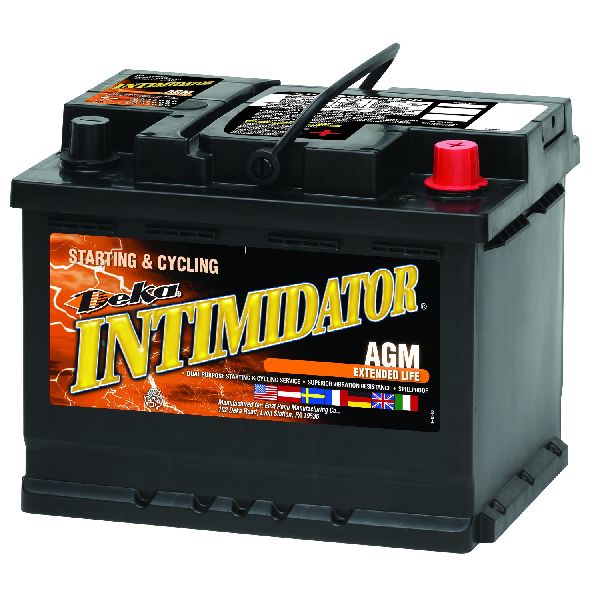
Aftermarket price range: $25-$50 - Car Battery — A weak battery is a documented cause of this code on the 1.4L Cruze engine, as noted in GM TSB #PIP5482B.
Trusted brands: ACDelco, Interstate, DieHard, Duralast
OEM price range: $200-$300
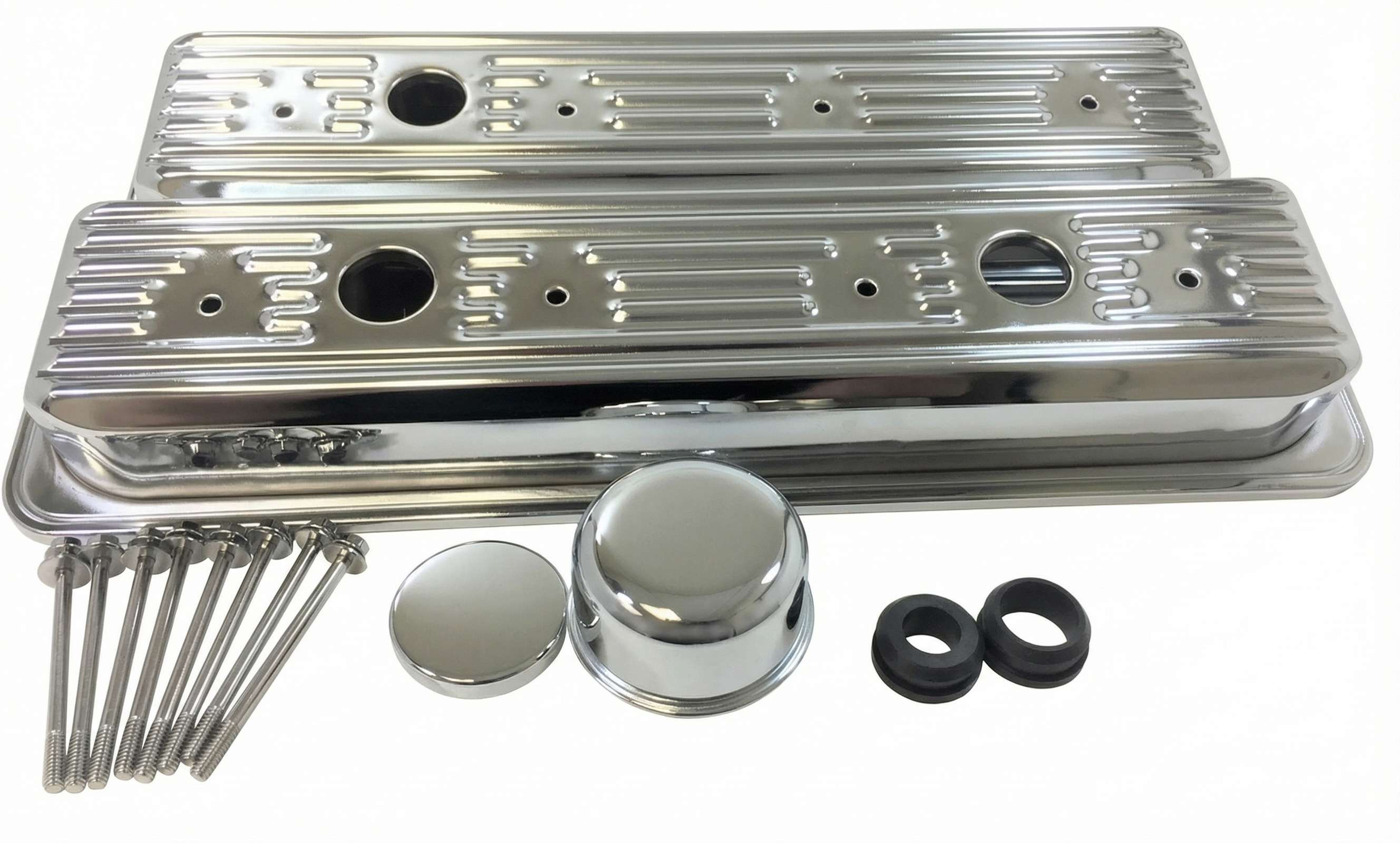
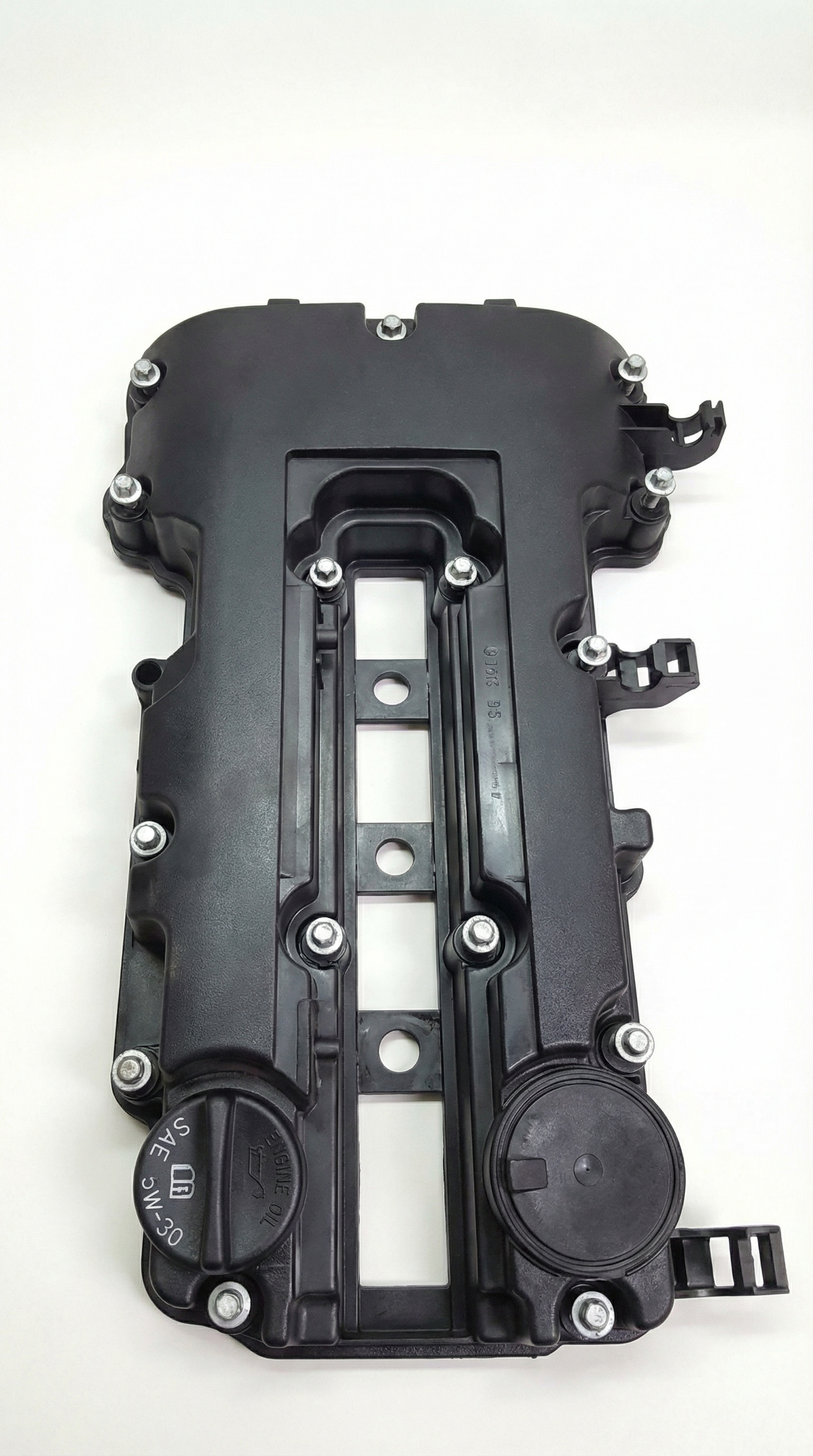
Aftermarket price range: $150-$250 - Valve Cover with Integrated PCV
(OEM #25198874 (ACDelco))— If the sensor connector is soaked in oil, the cause is almost always a leaking valve cover. The integrated PCV diaphragm also fails, causing vacuum leaks (P0171) and pressurizing the crankcase, which forces oil out. Replacing the entire cover is the correct fix.
Trusted brands: ACDelco (GM Genuine), Dorman
OEM price range: $100-$150
Aftermarket price range: $50-$90
Related Codes That Often Appear With This One
- P0365 — This is the code for the exhaust camshaft position sensor. If seen with P0340 and P0335, it strongly suggests a weak battery or systemic electrical issue, per GM TSB #PIP5482B 🎬 Watch: Solving multiple sensor codes caused by electrical issues.
- P0335 — This is the code for the crankshaft position sensor. Its appearance alongside P0340 is another strong indicator of a weak battery or a wiring harness problem common to both circuits.
- P0011 — This code for 'Intake Camshaft Position System Performance' can appear if the issue is related to the Variable Valve Timing (VVT) system, which can be affected by oil pressure or a failing VVT solenoid, rather than just the sensor circuit.
- P0171 — This code for 'System Too Lean' can be triggered by a failed PCV system within the valve cover, which creates a vacuum leak. This same PCV failure can also cause the oil leaks that contaminate the cam sensor connector.
Technical Service Bulletins (TSBs) & Recalls
- TSB #PIP5482B: Addresses multiple sensor codes (P0335, P0340, P0365) being set by a low voltage condition during cranking. Instructs technicians to test the battery before replacing sensors.
Platform-Specific Known Issues
- GM Technical Service Bulletin #PIP5482B notes that P0340, P0335, and P0365 can be set by a low battery state of charge during engine cranking.
- Oil leaks from the valve cover gasket are extremely common and can contaminate the sensor connector, leading to a poor signal and this fault code. The failure is often linked to the integrated PCV system failing.
- The intake and exhaust camshaft position sensors are identical (part number 25195556) and can be swapped for diagnostic purposes.
Mechanic-Grade Diagnostic Values
- Camshaft Position Sensor Connector - 5V Reference Circuit to Ground — expected: 4.8-5.2 V (Key On, Engine Off). Failure: Voltage outside this range suggests a short to voltage, short to ground, or an issue with the ECM's 5V supply.
- Camshaft Position Sensor Connector - Low Reference Circuit to Chassis Ground — expected: Less than 5 Ohms. Failure: Resistance greater than 5 Ohms indicates an open or high resistance in the ground circuit back to the ECM.
- Camshaft Position Sensor Connector - Signal Circuit to Ground — expected: 4.8-5.2 V (Key On, Engine Off, Sensor Disconnected). Failure: Voltage less than 4.8V may indicate a short to ground or an open in the signal circuit.
Wiring & Ground Locations
- B23F (Intake Camshaft Position Sensor) — On the top, rearward side of the engine valve cover, closer to the firewall.. This is the sensor that generates the signal for the P0340 code. Its connector is the primary test point for the circuit.
- K20 (Engine Control Module) Connector X1, Pin 55 — The ECM is located in the engine compartment, next to the left strut tower. Pin 55 on the X1 connector is for the exhaust cam sensor, but the intake sensor pin is in a similar location on its respective connector.. This is the destination pin at the ECM for the camshaft position sensor signal. Testing for continuity between the sensor connector and this pin can verify the integrity of the signal wire.
- G103 — On the left (driver's side) shock tower in the engine compartment.. This is a major chassis ground point for multiple engine bay components. A loose or corroded connection here can cause various intermittent electrical issues, including sensor circuit faults.
- G114 — Located on the left rear of the engine block.. This is a critical engine block ground. Poor connection here has been linked to multiple sensor codes, stalling, and StabiliTrak errors.
Real Owner Repair Stories
- Reddit user on r/cruze (2012 Cruze 1.4L) — Engine will turn over but not start. If the camshaft position sensor is disconnected, the engine will start and run smoothly.
❌ Tried (didn't work) Replacing both camshaft position sensors., Verifying mechanical timing was correct., Fixing a separate low oil pressure issue caused by a broken oil bypass valve.
✅ What actually fixed it The user reported the car would only run with the sensor unplugged, which forces the ECM into a default or 'limp' mode. While the final fix was not posted in the thread, this specific symptom points towards a critical wiring issue (like a short between the signal and reference wires) or a damaged reluctor wheel on the camshaft, which provides a confusing signal to the ECM. - YouTube video comment/description (2012 Cruze 1.4L Turbo) — StabiliTrak/traction control errors, multiple random codes for already-replaced parts (boost sensors, misfires), engine stalling, and cooling fan running on high.
❌ Tried (didn't work) Replacing coil packs, Replacing spark plugs, Replacing the negative battery cable
✅ What actually fixed it The owner discovered a faulty ground wire that is part of the harness running to the ignition coil pack. The ground point is on the engine block. Repairing this ground connection resolved the multiple, seemingly unrelated electronic faults.
OEM Part Supersession History
55565709→25195556— This is a standard part number update by GM. The new part is a direct replacement for the old one with no known compatibility issues.
Model Year Variations Within This Range
- 2011-2016: The 1.4L turbo engine was designated LUJ in early years (approx. 2011-2012) and LUV later (approx. 2013-2016). For the purpose of diagnosing P0340, there are no significant differences in the camshaft position sensor, its circuit, or common causes between the LUJ and LUV engines in this generation.
Diagnostic Flowchart
Other Known Issues on This Vehicle
Issues unrelated to this code that are worth knowing about as an owner of this generation:
- PCV System Failure (Valve Cover & Intake Manifold) 🔴 High — Extremely common. The valve cover diaphragm can tear, and a check valve in the intake manifold can fail, often before 80,000 miles. (Ref: No recall, but aftermarket kits like CruzeKits exist to provide a more permanent fix for the intake manifold check valve.)
- Coolant Leaks (Water Pump, Thermostat Housing, Outlets) 🔴 High — Very common. Plastic components in the cooling system become brittle and crack. The water pump is a frequent failure point. (Ref: Special Coverage Adjustment #14371 covers the water pump for 10 years/150,000 miles.)
- Valve Cover Gasket Oil Leak 🟠 Medium — Extremely common, often a symptom of a failed PCV system increasing crankcase pressure.
- Negative Battery Cable Malfunction 🔴 High — Common enough to warrant a recall. A poor connection at the battery terminal can cause a wide range of electrical issues or a no-start condition. (Ref: Recall #14V522000 (GM #14311))
- Transmission Failure / Shifting Issues 🟠 Medium — Reported by a significant number of owners, particularly in the 2011 model year, involving hard shifts, rattling, and failure. (Ref: Recall #16V502000 for defective park lock levers.)
- Oil Cooler Line Leaks 🟠 Medium — The seals on the automatic transmission oil cooler lines are known to degrade and leak oil.
Used vs. New Parts: Buying Guide for This Vehicle
When a used part is the smart pick: For this specific repair, using a used part is generally not recommended. The primary failure parts (sensor, battery, valve cover) are either wear items or inexpensive enough new that the risk of a used part failing shortly after installation outweighs the minimal cost savings.
Donor-vehicle mileage cap: roughly under 80000 miles for the part to have meaningful remaining life.
What to inspect on the donor part:
- If considering a used valve cover, inspect the integrated PCV diaphragm area for any cracks or tears. Ensure the gasket sealing surfaces are not warped or damaged.
- For any used electrical component, inspect connectors for corrosion, broken locking tabs, or signs of oil saturation.
OEM-only on this vehicle (don't cheap out):
- While not strictly 'OEM-only', owners and technicians strongly report that using an OEM/ACDelco camshaft position sensor provides the best reliability and avoids issues with incorrect signal readings that can sometimes occur with budget aftermarket sensors.
Aftermarket brands forum-validated for this vehicle:
- Delphi (often the original OEM supplier)
- NGK/NTK
- Standard Motor Products (SMP)
Brands owners have reported issues with on this vehicle:
- No-name, unbranded sensors from online marketplaces are frequently reported to be dead-on-arrival or fail prematurely.
Real Owner Stories
Aggregated from forums and TSBs cited above. Mileages and costs reflect what owners reported in those sources.
2011 Chevrolet Cruze 1.4L Turbo
Symptoms: The car was experiencing hard shifts, rattling, and eventually transmission failure.
What fixed it: The context mentions this as a known issue for the 2011 model year, often requiring repair under Recall #16V502000 for the defective park pawl or addressing general transmission failure.
Source hint: known_issues section citing
2014 Chevrolet Cruze 1.4L Turbo — ~80000 miles
Symptoms: Rough idle and oil leaks caused by a failed PCV system and a torn regulator diaphragm in the valve cover.
What fixed it: Replacement of the valve cover assembly and potentially the intake manifold or using an aftermarket kit like CruzeKits to fix the check valve.
Source hint: cruzetalk.com forum citations
2012-2016 Chevrolet Cruze 1.4L Turbo
Symptoms: A chirping or squealing noise from the engine area, often mistaken for a water pump issue.
What fixed it: The noise was actually a crank seal leak caused by excess crankcase pressure from a failed PCV system.
Source hint: reddit.com/r/cruze forum citation
Related OBD-II Codes
Frequently Asked Questions
My 2014 Cruze is throwing P0340, P0335, and P0365 all at once. Does GM have a service bulletin for this?
Can I swap the intake and exhaust sensors on my 1.4L Turbo to see if the sensor is bad?
I see oil inside my camshaft sensor connector. Is this related to the P0340 code?
Is there a recall for electrical issues that might cause a P0340 on my 2011-2016 Cruze?
Could a PCV system failure cause my camshaft sensor to fail?
What professional tool does GM recommend for testing the battery on my Cruze?
Helpful Videos

Used OEM Parts in Stock
New Aftermarket Parts Available


The information in this article is provided for general reference and educational purposes only. Vehicle specifications, procedures, and part compatibility can vary by production date, trim level, and region. Always consult your vehicle's factory service manual and verify part numbers before purchasing or performing repairs. Safety-critical components such as airbags, seat belts, and braking systems should be installed by a qualified professional.
- Chevrolet Cruze:
- 🎬 Helpful Videos
- 🛍️ Shop This Part
- What's Unique About the 2011-2016 Chevrolet Cruze
- Symptoms You May Notice
- Most Likely Causes
- Rare But Worth Checking
- Diagnosis Steps
- Parts You'll Likely Need
- Related Codes That Often Appear With This One
- Technical Service Bulletins (TSBs) & Recalls
- Platform-Specific Known Issues
- Mechanic-Grade Diagnostic Values
- Wiring & Ground Locations
- Real Owner Repair Stories
- OEM Part Supersession History
- Model Year Variations Within This Range
- Diagnostic Flowchart
- Other Known Issues on This Vehicle
- Used vs. New Parts: Buying Guide for This Vehicle
- Real Owner Stories
- 2011 Chevrolet Cruze 1.4L Turbo
- 2014 Chevrolet Cruze 1.4L Turbo — ~80000 miles
- 2012-2016 Chevrolet Cruze 1.4L Turbo
- Related OBD-II Codes
- Frequently Asked Questions
- 🎟️ Get 5% Off