

P0324 on 2015-2017 GMC Canyon: Knock Control System Error Causes and Fixes
On a 2015-2017 GMC Canyon, code P0324 often points to more than just a bad knock sensor. For 2017 models with the 3.6L V6 (LGZ), a failing water pump is a very common cause, per GM TSB #21-NA-030. For 2015-2017 models with the 2.5L I4 (LCV), if P0324 appears with other codes, suspect loose intake manifold bolts as described in TSB #PIP5529B. A standalone code with no other symptoms is more likely a faulty knock sensor or its wiring.
- For a 2017 GMC Canyon with the 3.6L V6, investigate the water pump for noise before replacing the knock sensor.
- If P0324 appears with many other codes (especially on a 2015 model), look for a shared electrical problem like a bad ground before buying any parts.
- If P0324 is the only code, the most likely causes are a faulty knock sensor or its wiring.
- Always torque a new knock sensor to the manufacturer's specification to ensure it functions correctly.
What's Unique About the 2015-2017 Gmc CANYON
For the GMC Canyon and its twin, the Chevrolet Colorado, this code has two well-documented and unusual causes tied to specific engines. For the 2017 model with the 3.6L V6 (LGZ) engine, GM issued TSB #21-NA-030 explaining that vibrations from a failing water pump can be picked up by the knock sensor and misinterpreted as engine knock, falsely triggering the P0324 code. For the 2015-2017 models with the 2.5L I4 (LCV) engine, TSB #PIP5529B indicates that P0324 can appear with a host of other codes due to loose intake manifold bolts, causing a vacuum leak and erratic sensor readings.
Diagnostic Flowchart
Tap your situation to follow the diagnostic path that matches what you're seeing on this vehicle.
Symptoms You May Notice
- Check Engine Light is on
- Audible engine pinging or knocking, especially during acceleration
- Reduced engine power and hesitation
- Decreased fuel efficiency
- Rough or fluctuating idle
- Squeaking or grinding noise from the engine belt area (if caused by water pump)
- Loud engine ticking noise (can be a sign of internal mechanical issues like lifter failure, which can also trigger P0324)
- Replacing the knock sensor(s) on a 3.6L V6 when the actual cause is a noisy water pump, leading to a costly and ineffective repair.
- Chasing individual sensor failures when multiple codes from TSB #PIP5529B are present, instead of checking for loose intake manifold bolts on the 2.5L I4.
Most Likely Causes
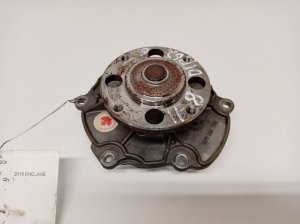
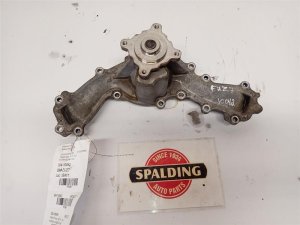
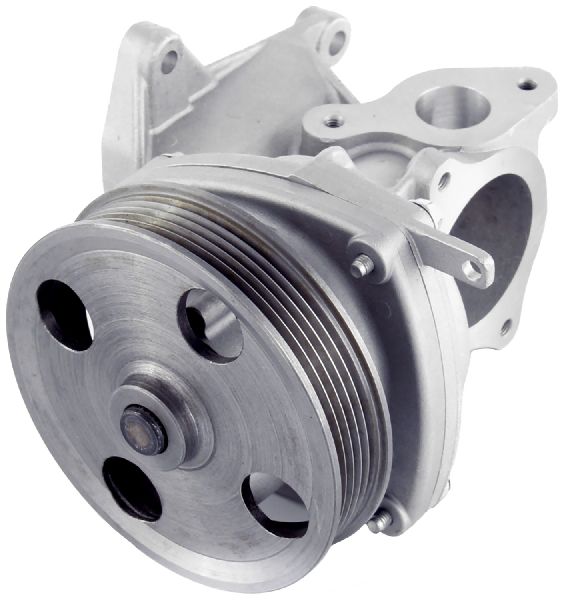
- Noisy Water Pump (2017+ 3.6L V6 LGZ Engine) 🔴 High Probability A widely known issue documented in GM TSB #21-NA-030. Vibrations from a failing water pump bearing are transmitted through the engine block and misread by the highly sensitive knock sensors. This specifically affects 2017 and newer models with the LGZ V6.
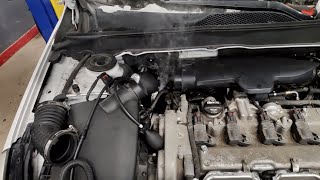
How to confirm: A mechanic will listen to the water pump with a stethoscope for unusual grinding or squeaking noises. The definitive test involves using a scan tool (like GDS2) to monitor the 'Total Knock Retard' parameter. Then, remove the serpentine belt 🎬 Watch: Mechanic demonstrates the belt removal test for water pump noise. (which drives the water pump) and run the engine briefly. If the knock retard value disappears with the belt off, the water pump is confirmed as the cause.
Typical fix: Replace the water pump and serpentine belt. It is also recommended to replace the thermostat and flush the coolant at the same time.
Est. part cost: $100-$250 - Loose Intake Manifold Bolts (2.5L LCV Engine) 🟡 Medium Probability GM TSB #PIP5529B notes that P0324 can be set with a wide array of other codes (like P0171, P0106, P0506) on the 2.5L LCV engine. The root cause is often intake manifold bolts that have loosened over time, creating a vacuum leak that the ECM cannot reconcile.
How to confirm: Check if multiple other codes are present, especially those listed in TSB #PIP5529B. Visually inspect and physically check the torque on the intake manifold bolts. If they are loose, this is the likely cause.
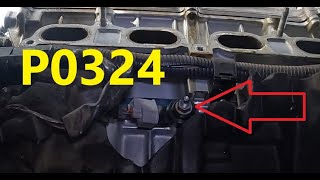
Typical fix: Per the TSB, remove one intake manifold bolt at a time, apply medium-strength threadlocker 🎬 See how to properly secure and seal loose intake manifold bolts., and torque to the correct specification in the proper sequence. The intake gasket usually does not need to be replaced.
Est. part cost: $5-$15 for threadlocker - Faulty Knock Sensor(s) 🟡 Medium Probability The sensor itself can fail from age, heat, and vibration. This is a common cause on most vehicles when the code appears by itself. The 3.6L V6 has two sensors, one on each bank, and accessing them is labor-intensive, particularly the one on the passenger side which may require starter removal.
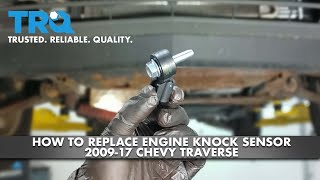
How to confirm: After ruling out other causes, test the sensor's resistance and voltage output. 🎬 Watch: Step-by-step guide to accessing and replacing a GM knock sensor. The sensor is located on the side of the engine block. A typical GM knock sensor should have a resistance between 93k and 110k ohms. If one has failed on a V6, it is wise to replace both.
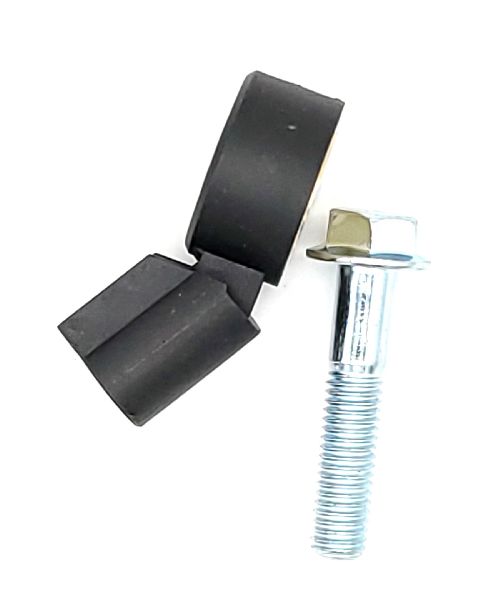
Typical fix: Replace the knock sensor(s). It is critical to torque the new sensor to the exact specification (typically 15 lb-ft or 20 Nm, but verify for your specific model), as over-tightening can damage the new part or alter its sensitivity.
Est. part cost: $40-$90 per sensor - Damaged Knock Sensor Wiring or Connector ⚪ Low Probability Wires can become brittle from heat cycles or damaged by rubbing against other components, leading to a short or open circuit. Other TSBs for these trucks note various harness chafing issues that can cause widespread electrical problems.
How to confirm: Visually inspect the wiring harness leading to the knock sensor(s) for any signs of melting, chafing, or corrosion at the connector. Perform a continuity test with a multimeter. Check for a stable voltage signal at the ECM connector pins for the knock sensor.
Typical fix: Repair the damaged section of wire or replace the connector pigtail.
Est. part cost: $10-$30
Rare But Worth Checking
- Other Mechanical Engine Noises: Per TSB #21-NA-278 (mentioned in pass 1, but not found in pass 2 search), other issues on the 3.6L engine like failing hydraulic lash adjusters (lifters) or timing chain components can create noise that might trigger a P0324. This is less common than the water pump issue but possible if a distinct ticking or rattling noise is present, and should be investigated to prevent severe engine damage.
- Faulty Engine Control Module (ECM): This is a very rare cause. The ECM is generally reliable, but an internal failure can cause it to misinterpret the knock sensor signal. All other possibilities, including wiring and grounds, should be exhausted before condemning the ECM.
Diagnosis Steps
- Scan the ECM for all stored trouble codes. Note if P0324 is alone or present with other codes.
- If multiple codes are present on a 2.5L engine, check for TSB #PIP5529B applicability. Prioritize inspecting the intake manifold bolts for looseness before checking individual components.
- If the vehicle is a 2017+ model with the 3.6L V6, follow the diagnosis from TSB #21-NA-030: Listen to the water pump with a stethoscope for noise. If noise is present or suspected, confirm by monitoring knock retard on a scan tool. If knock retard disappears when the accessory belt is removed, the water pump is the fault.
- If P0324 is the only code (and the water pump is ruled out), perform a visual inspection of the knock sensor(s) and their wiring harnesses for obvious damage, melting, or corrosion.
- Test the knock sensor's internal resistance with a multimeter. A good GM sensor should read between 93,000 and 110,000 ohms (93-110 kOhms). An open or shorted reading indicates a failed sensor.
- Check for proper voltage and ground at the knock sensor connector. Inspect wiring for chafing, especially near heat shields or pulleys. Check for poor connections at major grounds like G103 and G104 on the engine.
- If an audible engine knock or tick is present, investigate for internal mechanical issues (e.g., lifters, timing components) as the noise itself could be the trigger.
- If all other tests pass, the issue may be an intermittent wiring fault or, in rare cases, a failure within the ECM itself.
Parts You'll Likely Need
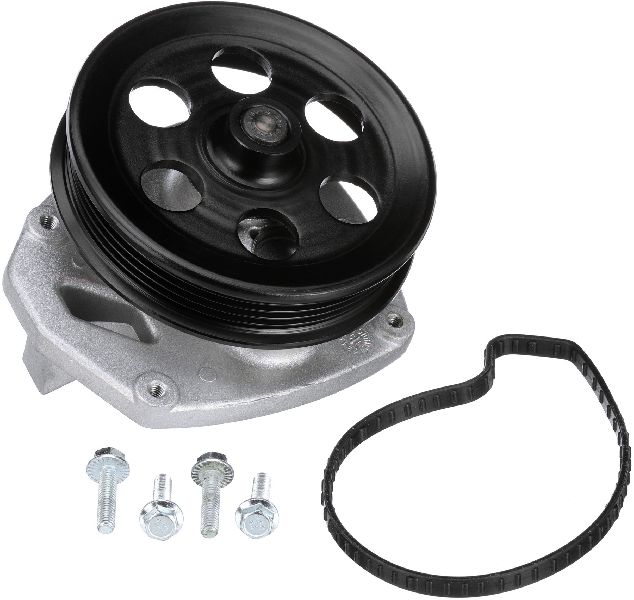
- Water Pump Kit (3.6L LGZ Engine)
(OEM #12679360)— The most common cause of P0324 on 2017+ 3.6L V6 models due to vibrations being misinterpreted as knock, as per TSB #21-NA-030.
Trusted brands: ACDelco (OEM)
OEM price range: $150-$250
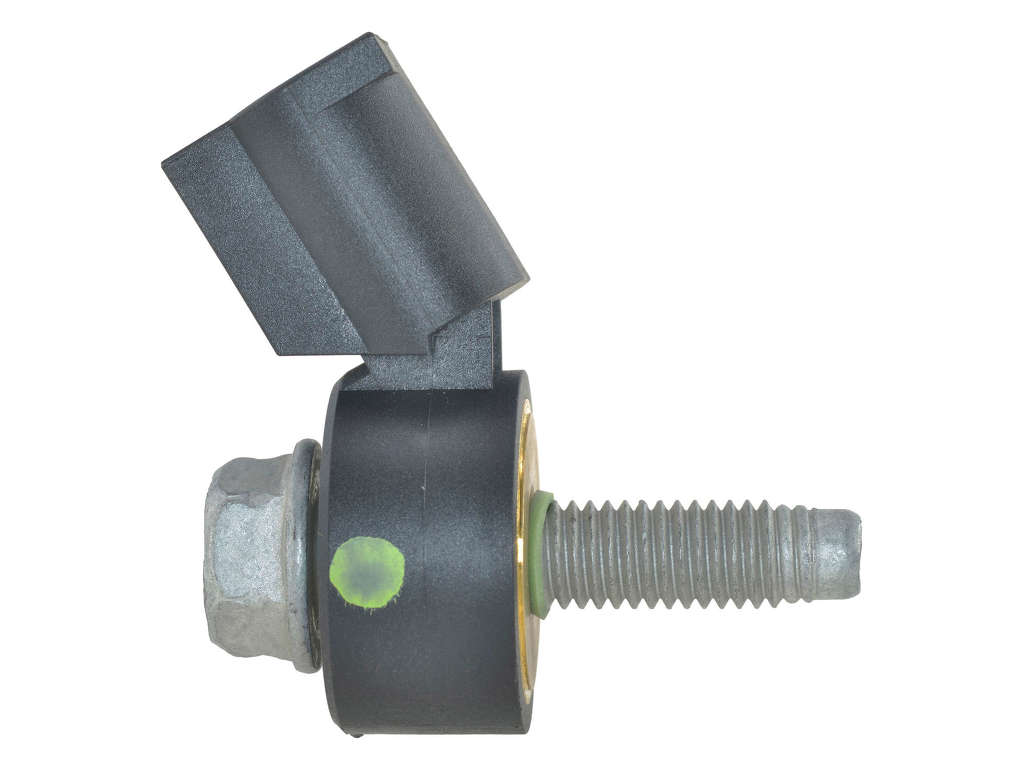
Aftermarket price range: $80-$160 - Knock Sensor
(OEM #12642298)— This is the most common fix when the code appears by itself and vehicle-specific TSBs have been ruled out. The 3.6L V6 uses two. Note: The part number 12642298 is sometimes misidentified as an EGR pipe by online catalogs, but is the correct number for the sensor.
Trusted brands: ACDelco (OEM), Delphi, NGK/NTK
OEM price range: $60-$100
Aftermarket price range: $30-$70 - Threadlocker, Medium Strength — Required for the fix outlined in TSB #PIP5529B for loose intake manifold bolts on the 2.5L engine.
Trusted brands: Loctite, Permatex
OEM price range: $10-$20
Aftermarket price range: $5-$15
Related Codes That Often Appear With This One
- P0326 — This code, 'Knock Sensor 1 Circuit Range/Performance', is very similar and can be triggered by the same electrical, sensor, or external noise faults.
- P0068, P0101, P0106, P0171, P0131, P0137, P0331, P0506 — According to TSB #PIP5529B, any combination of these codes appearing with P0324 on a 2.5L Canyon or Colorado strongly suggests a common issue like loose intake manifold bolts, not failures of all those individual components.
Technical Service Bulletins (TSBs) & Recalls
- 21-NA-030: Identifies a noisy water pump as a cause for P0324 on 2017-2021 models with the 3.6L LGZ engine. Provides diagnostic steps involving listening for noise and checking knock retard with the serpentine belt removed.
- PIP5529B: Mentions P0324 as part of a group of codes that can be set by loose intake manifold bolts on the 2.5L LCV engine. Recommends removing, applying threadlocker, and re-torquing the bolts.
- PIP5529A: An earlier version of the same electrical/intake bolt bulletin.
Platform-Specific Known Issues
- Failing Water Pump on 3.6L V6 (2017+): A failing water pump on 2017 and newer models with the 3.6L LGZ engine can create vibrations and noise that falsely trigger a P0324 code. This is a well-documented issue covered by GM TSB #21-NA-030.
- Loose Intake Manifold Bolts on 2.5L I4 (2015-2017): A shared electrical system fault, often caused by loose intake manifold bolts creating a vacuum leak, can trigger P0324 along with a host of other seemingly unrelated codes. This is documented in GM TSB #PIP5529B.
Mechanic-Grade Diagnostic Values
- Knock Sensor Resistance — expected: 93,000 to 110,000 Ohms (93-110 kOhms). Failure: An open reading (infinite resistance) or a reading significantly outside the expected range indicates a faulty sensor.
- Knock Sensor AC Voltage Output (Tap Test) — expected: A small AC voltage spike (e.g., ~1 Volt) when the engine block near the sensor is tapped with a hammer or pry bar (engine off).. Failure: No voltage signal or a very low signal (e.g., less than 10 millivolts) suggests the sensor is dead and not producing a signal.
- Knock Sensor Mounting Bolt Torque — expected: 15 lb-ft (20 Nm). Failure: N/A - This is a specification, not a reading.
Scan Tool Commands That Help
- GDS2 (GM Dealer Tool) or equivalent professional scanner: Data Display > Ignition Data > Total Knock Retard — This is the primary live data parameter to watch when diagnosing a potential false knock from an accessory like the water pump on the 3.6L V6. Per TSB #21-NA-030, a technician should observe this value, then remove the accessory belt and run the engine briefly. If the 'Total Knock Retard' value drops to zero or significantly decreases, it confirms the noise was coming from a belt-driven accessory.
Wiring & Ground Locations
- G103 / G104 — On the 3.6L V6, these are primary engine grounds. G103 is typically on the front of the passenger side (right side) cylinder head. G104 is often on the rear of the driver's side (left side) cylinder head.. The knock sensors rely on a clean ground reference through the engine block. A corroded or loose main engine ground can introduce electrical noise into the system, potentially causing the ECM to misinterpret sensor signals and set a P0324.
- ECM Connector X2 (3.6L V6) — The main Engine Control Module connector.. For advanced diagnosis, the knock sensor signals can be tested directly at the ECM. For the 3.6L (LH9, similar architecture), Knock Sensor 1 signal is on Pin 8 (Dark Blue wire) and Knock Sensor 2 signal is on Pin 6 (Light Blue wire). Verifying the signal here rules out the entire harness between the sensor and the ECM.
Real Owner Repair Stories
- ColoradoFans forum user (2018 Chevrolet Colorado 3.6L V6) — Check Engine Light with code P0324, accompanied by a squeaking/chirping noise from the engine bay.
❌ Tried (didn't work) Initially suspected a bad knock sensor or wiring.
✅ What actually fixed it The user followed the advice in TSB #21-NA-030. The diagnosis confirmed the noise was from the water pump. Replacing the water pump resolved both the noise and the P0324 code.
OEM Part Supersession History
Unknown→12642298— Standard part lifecycle updates.
Heads up: Multiple online parts catalogs incorrectly list GM part number 12642298 as an 'EGR Valve Vacuum Pipe'. However, this is the correct and widely-used part number for the knock sensor itself for this application. Technicians should be aware of this catalog error to ensure they order the correct part.
Model Year Variations Within This Range
- 2017-2017 (for this vehicle range): The 2017 model year introduced the 3.6L LGZ V6 engine, which replaced the previous LFX V6. The LGZ engine is the primary engine affected by the water pump failure described in TSB #21-NA-030 that causes a false P0324 code. Models from 2015-2016 with the 3.6L LFX are less likely to experience this specific water-pump-related issue.
Helpful Videos
Used OEM Parts in Stock


New Aftermarket Parts Available


The information in this article is provided for general reference and educational purposes only. Vehicle specifications, procedures, and part compatibility can vary by production date, trim level, and region. Always consult your vehicle's factory service manual and verify part numbers before purchasing or performing repairs. Safety-critical components such as airbags, seat belts, and braking systems should be installed by a qualified professional.
- Gmc CANYON:
- 🎬 Helpful Videos
- 🛍️ Shop This Part
- What's Unique About the 2015-2017 Gmc CANYON
- Diagnostic Flowchart
- Symptoms You May Notice
- Most Likely Causes
- Rare But Worth Checking
- Diagnosis Steps
- Parts You'll Likely Need
- Related Codes That Often Appear With This One
- Technical Service Bulletins (TSBs) & Recalls
- Platform-Specific Known Issues
- Mechanic-Grade Diagnostic Values
- Scan Tool Commands That Help
- Wiring & Ground Locations
- Real Owner Repair Stories
- OEM Part Supersession History
- Model Year Variations Within This Range
- 🎟️ Get 5% Off