

P0316 on 2015-2022 Ford Escape: Startup Misfire and Critical Coolant Intrusion Warning
P0316 on a 2015-2022 Ford Escape indicates a misfire within the first 1,000 engine revolutions. This code is a critical warning for potential coolant leaking into the cylinders, a known issue with 1.5L and 2.0L EcoBoost engines that can lead to catastrophic engine failure and requires immediate attention. The root cause is often a flaw in the engine block design, acknowledged by Ford through multiple service bulletins.
- P0316 on a 2015-2022 Ford Escape with an EcoBoost engine is a potentially critical code that should not be ignored.
- The most probable cause is a serious engine defect causing coolant to leak into the cylinders.
- Immediately check your coolant level. If it's low, do not continue to drive the vehicle.
- Do not simply replace spark plugs or coils without first ruling out coolant intrusion, as this will not solve the underlying problem.
- If you suspect coolant intrusion, reference Ford TSB 22-2229 (for 2.0L) or Customer Satisfaction Program 21N12 (for 1.5L) when speaking with a dealership or repair shop.
What's Unique About the 2015-2022 Ford ESCAPE

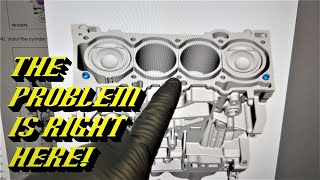
On many vehicles, a P0316 code might point to a simple tune-up. However, on 2015-2022 Ford Escapes with 1.5L and 2.0L EcoBoost engines, this code is a notorious red flag for a serious, well-documented engine design flaw. The design allows coolant to leak directly into the cylinders through a crack that can form in the block between cylinders, causing the startup misfire. 🎬 Watch: Understanding the P0316 code and common startup misfire causes. Ford has issued multiple Technical Service Bulletins (TSBs) acknowledging the problem, such as TSB 22-2229, which recommend a complete engine long block or short block replacement as the permanent fix.
Diagnostic Flowchart

Tap your situation to follow the diagnostic path that matches what you're seeing on this vehicle.
Generation note: This issue affects both the third generation Escape (2013-2019) and the fourth generation (2020-present) that are equipped with the problematic 1.5L and 2.0L EcoBoost engines. The engine block design flaw is the core issue, not the vehicle generation itself. TSBs confirm the issue on Escapes built up to May 2019.
Symptoms You May Notice

- Rough running or sputtering engine, especially on a cold start.
- Flashing Check Engine Light.
- White smoke from the exhaust, particularly at startup.
- Unexplained and persistent loss of engine coolant.
- Engine overheating or temperature gauge running high.
- A sweet or chemical smell from the exhaust or engine bay.
- Engine may run smoothly after initial rough start as the coolant burns off.
- Replacing only the spark plugs and/or ignition coils without checking for coolant loss. This may temporarily resolve the misfire, but the code will return as coolant continues to foul the new parts and damage the engine.
- Mistaking the issue for a simple head gasket failure. The problem is a crack in the engine block itself, so replacing only the head gasket will not solve the problem.
Most Likely Causes

- Coolant Intrusion into Cylinders 🔴 High Probability A design flaw in the engine block of some 1.5L and 2.0L EcoBoost engines creates a thin wall between coolant passages and the cylinders. This can crack, allowing coolant to leak directly into the combustion chamber. Ford has acknowledged this with TSBs like 22-2229 (for 2.0L) and Customer Satisfaction Program 21N12 (for 1.5L).
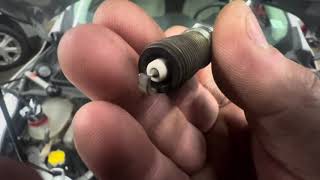
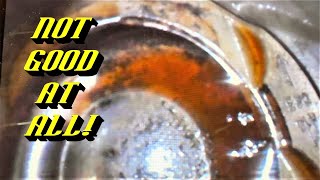
How to confirm: Perform a cooling system pressure test; the system should be pressurized to ~20 PSI and monitored for several hours. A pressure drop of more than 4 PSI in 5 hours is a strong indicator of a leak. Use a borescope to visually inspect inside the cylinders for pooled coolant on the piston tops. A spark plug from the affected cylinder may appear 'steam-cleaned' or wet and may smell like coolant.
Typical fix: Replacement of the engine long block assembly (for 2.0L) or short block (for 1.5L) is the official Ford-recommended repair to install a revised engine block design.
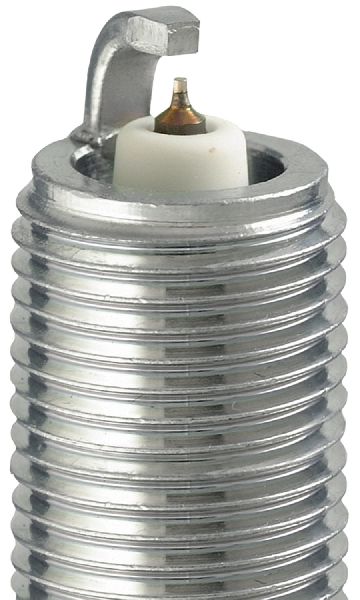
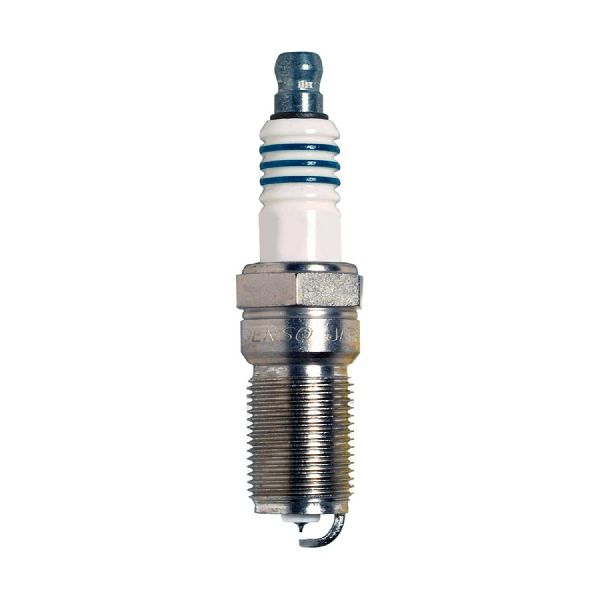
Est. part cost: $4000-$8000 - Worn or Fouled Spark Plugs 🟡 Medium Probability While standard wear is possible, spark plugs can also become fouled by coolant from the primary issue, causing them to fail. This is often a symptom of the larger problem, and replacing only the plugs will not be a permanent fix.
How to confirm: Remove the spark plugs and inspect for wear, carbon tracking, or wetness/contamination from coolant. A steam-cleaned appearance is a tell-tale sign of coolant intrusion.
Typical fix: Replace all spark plugs. Use Motorcraft SP-578 or equivalent OEM-spec plugs. This is often done as part of the larger engine replacement job.
Est. part cost: $40-$80 - Failing Ignition Coil(s) 🟡 Medium Probability
How to confirm: If a specific cylinder is misfiring (e.g., P0302), swap the ignition coil with a known good cylinder (e.g., cylinder 3). If the misfire code moves to the new cylinder (P0303), the coil is bad. Many owner complaints note that this step fails to resolve the issue, pointing back to coolant intrusion.
Typical fix: Replace the faulty ignition coil. Motorcraft part numbers vary by engine and year.
Est. part cost: $50-$100 - Faulty Fuel Injector ⚪ Low Probability
How to confirm: Requires advanced diagnostics, such as monitoring fuel trims or performing an injector balance test with a capable scan tool. A leaking injector can flood a cylinder overnight, causing a startup misfire.
Typical fix: Replace the faulty fuel injector.
Est. part cost: $70-$150
Rare But Worth Checking
- Crankshaft Position Sensor (CKP) Failure: While a failing CKP sensor can cause a P0316 code on many vehicles, it is not a common cause for this specific platform given the prevalence of the coolant intrusion issue. If all other tests for coolant and ignition faults are negative, the CKP sensor circuit should be inspected.
- Seasonal Fuel Blend Change: In some regions, the switch from summer to winter blend fuel can cause an isolated P0316 code without other misfire codes. The less volatile summer blend fuel can be harder to ignite on a cold start. If this is the cause, the code may clear on its own after a few tanks of the new fuel blend.
Diagnosis Steps
- Check the engine coolant level in the reservoir. If it is low, this is a major red flag for this specific issue.
- Scan the PCM for all stored trouble codes. Note any cylinder-specific misfire codes (P0301-P0304) that accompany P0316.
- Pressurize the cooling system to 20 PSI using a pressure tester. Let the vehicle sit for at least 3-5 hours. A pressure drop of more than 4 PSI indicates a leak.
- Remove the spark plugs from the misfiring cylinders. Inspect them for any signs of wetness, a sweet smell (coolant), or an unusually clean, white appearance (steam-cleaned).
- Use a borescope (inspection camera) to look inside the spark plug holes of the misfiring cylinders. Visually check for pooled coolant on top of the pistons. This is the definitive confirmation.
- If no coolant is found, proceed with standard misfire diagnostics: inspect spark plugs for wear, swap ignition coils between cylinders to see if the misfire code follows the coil, and check for fuel injector issues.
- If coolant intrusion is confirmed, consult a professional service center. For 2.0L engines, reference TSB 22-2229. For 1.5L engines, reference Customer Satisfaction Program 21N12 to check for warranty extension eligibility.
Parts You'll Likely Need
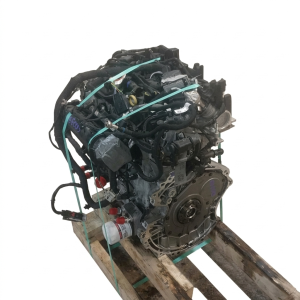
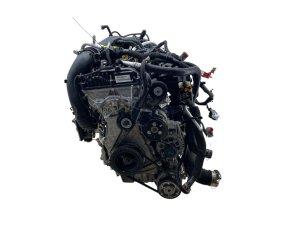
- Engine Long Block Assembly
(OEM #GV6Z-6006-AA (example for 2.5L, 2.0L varies))— This is the official Ford-recommended fix for the 2.0L EcoBoost coolant intrusion issue, as it replaces the faulty engine block with an updated design.
Trusted brands: Motorcraft
OEM price range: $5000-$7000
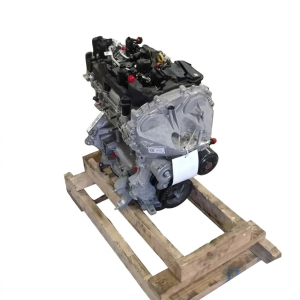
Aftermarket price range: $3000-$6000 - Engine Short Block Assembly
(OEM #DS7Z-6009-J (supersedes older versions for 1.5L))— This is the official fix for the 1.5L EcoBoost under Customer Satisfaction Program 21N12.
Trusted brands: Motorcraft
OEM price range: $2000-$3500
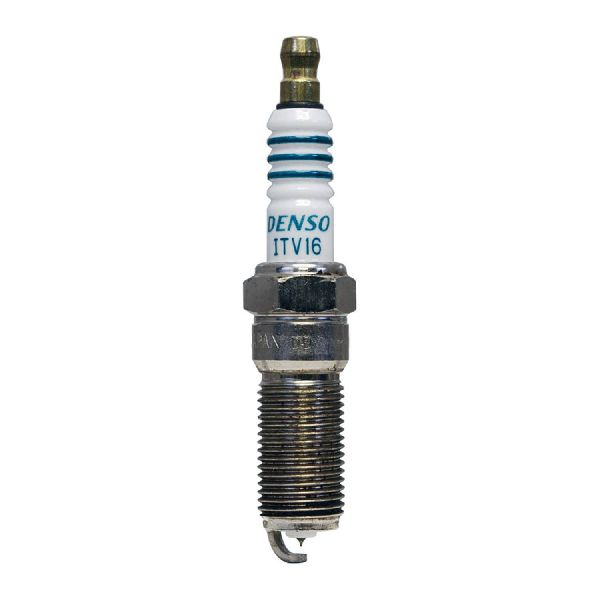
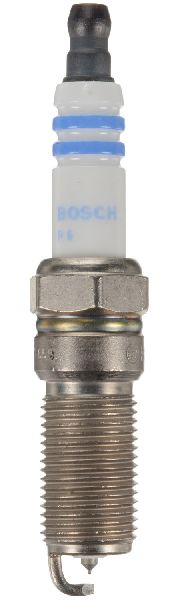
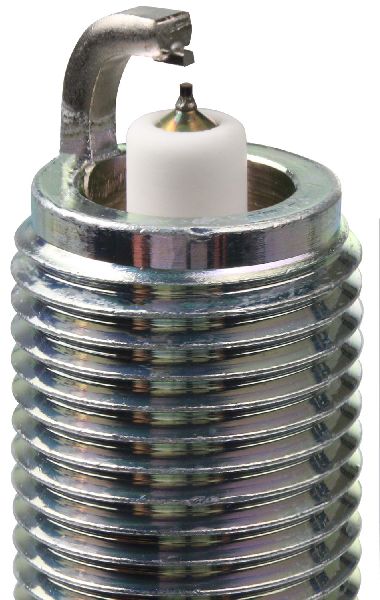
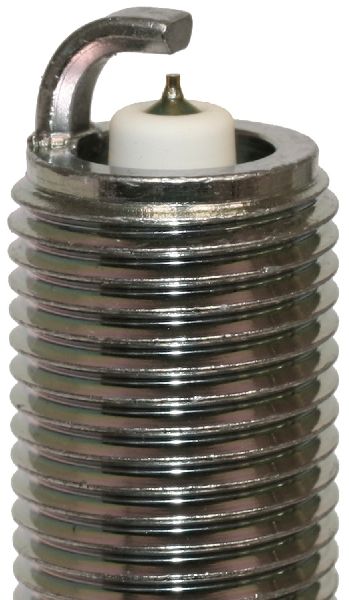
Aftermarket price range: $1500-$2500 - Spark Plugs
(OEM #Motorcraft SP-578 (example, verify by VIN))— Often the first and most affordable part to replace for a misfire. They can also be fouled by coolant, necessitating replacement even if a larger repair is needed.
Trusted brands: Motorcraft, NGK
OEM price range: $60-$90
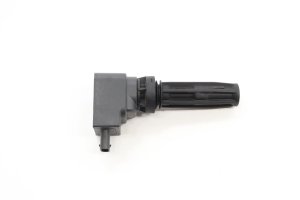
Aftermarket price range: $40-$70 - Ignition Coil — A common failure item that directly causes misfires. It's a likely culprit if coolant intrusion has been ruled out.
Trusted brands: Motorcraft, Bosch, Delphi
OEM price range: $70-$120
Aftermarket price range: $50-$90
Related Codes That Often Appear With This One
- P0300 — This indicates a random or multiple-cylinder misfire, which is common when coolant intrusion affects more than one cylinder or is intermittent.
- P0301, P0302, P0303, P0304 — These codes pinpoint the specific cylinder(s) that are misfiring. P0302 (Cylinder 2 Misfire) is frequently cited along with P0316 in NHTSA complaints and forum discussions for this vehicle.
- P0217, P1299 — These codes indicate an engine overheat condition, a direct consequence of significant coolant loss from an internal leak.
Technical Service Bulletins (TSBs) & Recalls
- TSB 19-2346: Supersedes TSB 19-2208. For 2.0L EcoBoost engines in 2017-2019 Escape, 2015-2018 Edge, and 2017-2019 Fusion/MKC/MKZ. Addresses coolant intrusion, white smoke, and rough running with DTCs P0300-P0304 and P0316. Recommends replacement of the long block engine assembly.
- Customer Satisfaction Program 21N12: For certain 2017-2019 Escapes and Fusions with 1.5L EcoBoost engines. Provides a one-time repair for coolant intrusion, which involves replacing the engine short block. The program extended coverage to 7 years or 84,000 miles, with a final claim date of Nov 30, 2022 for out-of-warranty vehicles.
- SSM 47204: An earlier communication for 2.0L EcoBoost engines in Escape, MKC, and Edge vehicles, noting that a rough run condition with P0316 could be due to coolant intrusion from block corrosion.
- TSB 22-2229: This TSB was mentioned in Pass 1 and some NHTSA complaints but has been superseded by later bulletins like TSB 19-2346 for this issue.
Platform-Specific Known Issues
- A known design defect in the 1.5L and 2.0L EcoBoost engine blocks can cause coolant to leak into the cylinders. Ford has issued Technical Service Bulletin (TSB) 22-2229 for the 2.0L engine and Customer Satisfaction Program 21N12 for the 1.5L engine, which may cover the cost of a short block or long block replacement for eligible vehicles.
- Multiple NHTSA owner complaints for 2017-2019 Escapes explicitly link P0316 and cylinder-specific misfire codes to coolant intrusion requiring engine replacement. [ODI #11625237, ODI #11608497, ODI #11652617]
- The design flaw is described by technicians as an open-deck block with thin passages between cylinders that can crack over time.
Mechanic-Grade Diagnostic Values
- Mode $06 Misfire Data — expected: Zero or very low misfire counts per cylinder during the self-test.. Failure: A high number of misfires logged for a specific cylinder (e.g., Cylinder 2) before the check engine light threshold is met.
- Low-side fuel pressure — expected: 45 PSI minimum, key on engine off (KOEO) and during acceleration.. Failure: Pressure below 45 PSI can indicate a weak fuel pump, contributing to lean misfires.
Hidden / Shadow Codes Worth Checking
- Mode $06, Test ID $A2-$AB: This is not a DTC, but a diagnostic monitor test result. It shows the raw misfire count for each cylinder (Cylinder 1 through 10) for the last 10 driving cycles. A technician can view this data to see which cylinder is misfiring, even if the misfire count isn't high enough to set a P030x code. (see via A professional scan tool with Mode $06 capabilities, such as the Ford IDS.)
Scan Tool Commands That Help
- Ford IDS (Integrated Diagnostic System): Power Balance Test — This bidirectional test allows a technician to disable one cylinder at a time and observe the corresponding drop in RPM. If disabling a cylinder causes little to no change in RPM, that cylinder is identified as the source of the misfire. It's a definitive way to confirm which cylinder is not contributing power.
- Ford IDS (Integrated Diagnostic System): Relative Compression Test — This test uses the CKP sensor to measure the speed of each compression stroke to identify cylinders with low compression without removing spark plugs. It's a quick way to check for base engine mechanical problems that could cause a misfire.
Wiring & Ground Locations
- G104 — On the LH (driver's side) rear of the engine compartment, near the EEC (PCM) module and hood hinge.. This is a primary ground point for the Powertrain Control Module (PCM) and the Misfire Sensor. A poor connection at this ground can cause erratic sensor readings and false misfire detection.
- Ignition Coil Connector — On top of the valve cover, connecting to each ignition coil.. The 3-wire connector provides power, ground, and a control signal from the PCM to the ignition coil. Corrosion or a loose pin in this connector can directly cause a misfire on a specific cylinder. The pigtail connector kit is available as a separate part (e.g., Motorcraft 31259WY).
Real Owner Repair Stories
- Reddit user in r/fordfusion (2017 Ford Fusion SE with 2.0L EcoBoost) — Check engine light on, symptoms of coolant intrusion.
❌ Tried (didn't work) Not specified, owner went to dealer after describing symptoms.
✅ What actually fixed it The Ford dealer acknowledged the problem based on the symptoms and TSB 22-2229. The engine was replaced under warranty.
OEM Part Supersession History
TSB 19-2346→TSB 22-2229— Updated parts list and service procedure for the 2.0L EcoBoost coolant intrusion issue.
Heads up: TSB 22-2229 is the most current directive and should be followed for repairs.
Model Year Variations Within This Range
- 2015-2019: For the 2.0L EcoBoost, vehicles built on or before May 16, 2019, have the original engine block design prone to coolant intrusion. Models built after this date, and generally from the 2020 model year onward, received a redesigned engine block to correct the flaw.
- 2017-2019: For the 1.5L EcoBoost, vehicles built on or before June 10, 2019 are noted in TSBs as being affected by the coolant intrusion issue.
Helpful Videos

Used OEM Parts in Stock


New Aftermarket Parts Available

The information in this article is provided for general reference and educational purposes only. Vehicle specifications, procedures, and part compatibility can vary by production date, trim level, and region. Always consult your vehicle's factory service manual and verify part numbers before purchasing or performing repairs. Safety-critical components such as airbags, seat belts, and braking systems should be installed by a qualified professional.
- Ford ESCAPE:
- 🎬 Helpful Videos
- 🛍️ Shop This Part
- What's Unique About the 2015-2022 Ford ESCAPE
- Diagnostic Flowchart
- Symptoms You May Notice
- Most Likely Causes
- Rare But Worth Checking
- Diagnosis Steps
- Parts You'll Likely Need
- Related Codes That Often Appear With This One
- Technical Service Bulletins (TSBs) & Recalls
- Platform-Specific Known Issues
- Mechanic-Grade Diagnostic Values
- Hidden / Shadow Codes Worth Checking
- Scan Tool Commands That Help
- Wiring & Ground Locations
- Real Owner Repair Stories
- OEM Part Supersession History
- Model Year Variations Within This Range
- 🎟️ Get 5% Off