

P0314 on 2011-2016 Chevrolet Cruze 1.4L: Single Cylinder Misfire Causes and Fixes
On a 1.4L Cruze, P0314 is most often caused by worn spark plugs, a faulty ignition coil, or a failed PCV system creating a significant vacuum leak. A basic tune-up (plugs and coil) is the first step. If the problem persists, inspect the valve cover and intake manifold for signs of PCV failure, which is a very common factory flaw on this engine.
- P0314 means the engine has a misfire on a single, unidentified cylinder.
- On the 2011-2016 Cruze 1.4L, immediately suspect the ignition system (plugs, coil) and the PCV system (valve cover, intake manifold).
- A hissing noise or strong suction at the oil cap are classic signs of the common PCV failure on this engine.
- Always check the small orange PCV valve in the intake manifold port before replacing a failed valve cover to prevent a repeat failure.
- Ignoring a misfire can lead to costly catalytic converter damage.
What's Unique About the 2011-2016 Chevrolet Cruze
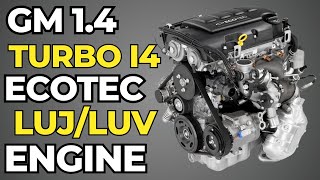
The 1.4L Turbo engine (RPO codes LUV, LUJ, A14NET) in the first-generation Cruze is notoriously prone to PCV (Positive Crankcase Ventilation) system failures. A ruptured diaphragm inside the valve cover or a disintegrated check valve in the intake manifold can create a significant vacuum leak. This leak leads to a lean air-fuel mixture, causing rough idling and misfires that can trigger a P0314 code when the misfire is intermittent or hard for the ECM to isolate. The failure is a chain reaction: when the intake manifold check valve fails, boost pressure enters the crankcase, over-pressurizes it, and ruptures the weaker diaphragm in the valve cover, causing the main vacuum leak.
Generation note: The 2011-2016 year range primarily covers the first generation of the Chevrolet Cruze. However, in 2016, Chevrolet sold both the first-generation model (as the 'Cruze Limited') and the redesigned second-generation model. This guide specifically applies to the first-generation platform (2011-2015 and 2016 Cruze Limited) equipped with the 1.4L Turbo engine.
Symptoms You May Notice
- Rough or unstable idle
- Engine hesitation or stumbling during acceleration
- Flashing or solid Check Engine Light
- Noticeable loss of power
- A hissing or whistling noise from the engine bay, especially at idle
- Strong suction at the oil fill cap, making it difficult to remove with the engine running
- Increased oil consumption or new oil leaks appearing on the engine
- Replacing oxygen (O2) sensors or the Mass Airflow (MAF) sensor. While a vacuum leak can cause related codes (like P0171), the root cause on this engine is often the PCV system, not the sensors themselves.
Most Likely Causes
- Worn or Incorrect Spark Plugs 🔴 High Probability The 1.4L turbo engine is sensitive to spark plug wear and type. Non-OEM plugs or an incorrect heat range or gap can lead to inefficient combustion and misfires.
How to confirm: Remove and inspect the spark plugs for wear (rounded electrode), fouling (black, sooty, or oily deposits), or an incorrect gap. The OEM gap is typically 0.028 inches (0.7mm). They should be ACDelco Iridium plugs for best performance.
Typical fix: Replace all four spark plugs with the correct OEM-spec parts (e.g., ACDelco 55585534 / 41-121) and ensure they are torqued properly.
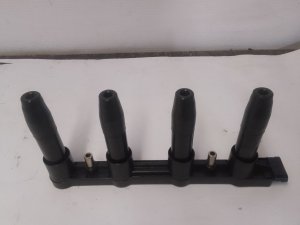
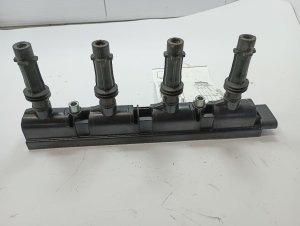
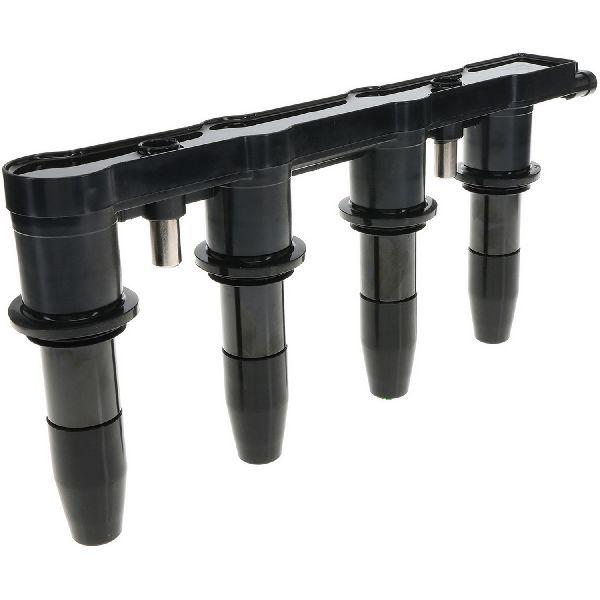
Est. part cost: $40-$80 - Failed Ignition Coil Pack 🔴 High Probability The single coil-on-plug rail assembly is a common failure item. Heat and vibration can cause cracks in the housing or internal electronic failure, leading to weak or inconsistent spark.
How to confirm: Inspect the coil pack housing for cracks, carbon tracking, or oil saturation from a leaking valve cover gasket. A definitive test requires a spark tester to check for a strong, blue spark on each boot or swapping with a known-good part.
Typical fix: Replace the entire ignition coil pack assembly.
Est. part cost: $100-$250 - Failed PCV System (Vacuum Leak) 🔴 High Probability This is a well-documented factory defect. A small orange check valve in the intake manifold disintegrates, and/or a rubber diaphragm in the valve cover ruptures, causing a massive unmetered air leak.
How to confirm: With the engine running, listen for a loud hissing. Try to remove the oil fill cap; if strong suction holds it down, the valve cover diaphragm is torn. To check the manifold, remove the PCV hose from the driver's side of the intake manifold and look inside the port for a small, orange, nipple-like check valve. If it is missing or damaged, the intake manifold has failed.
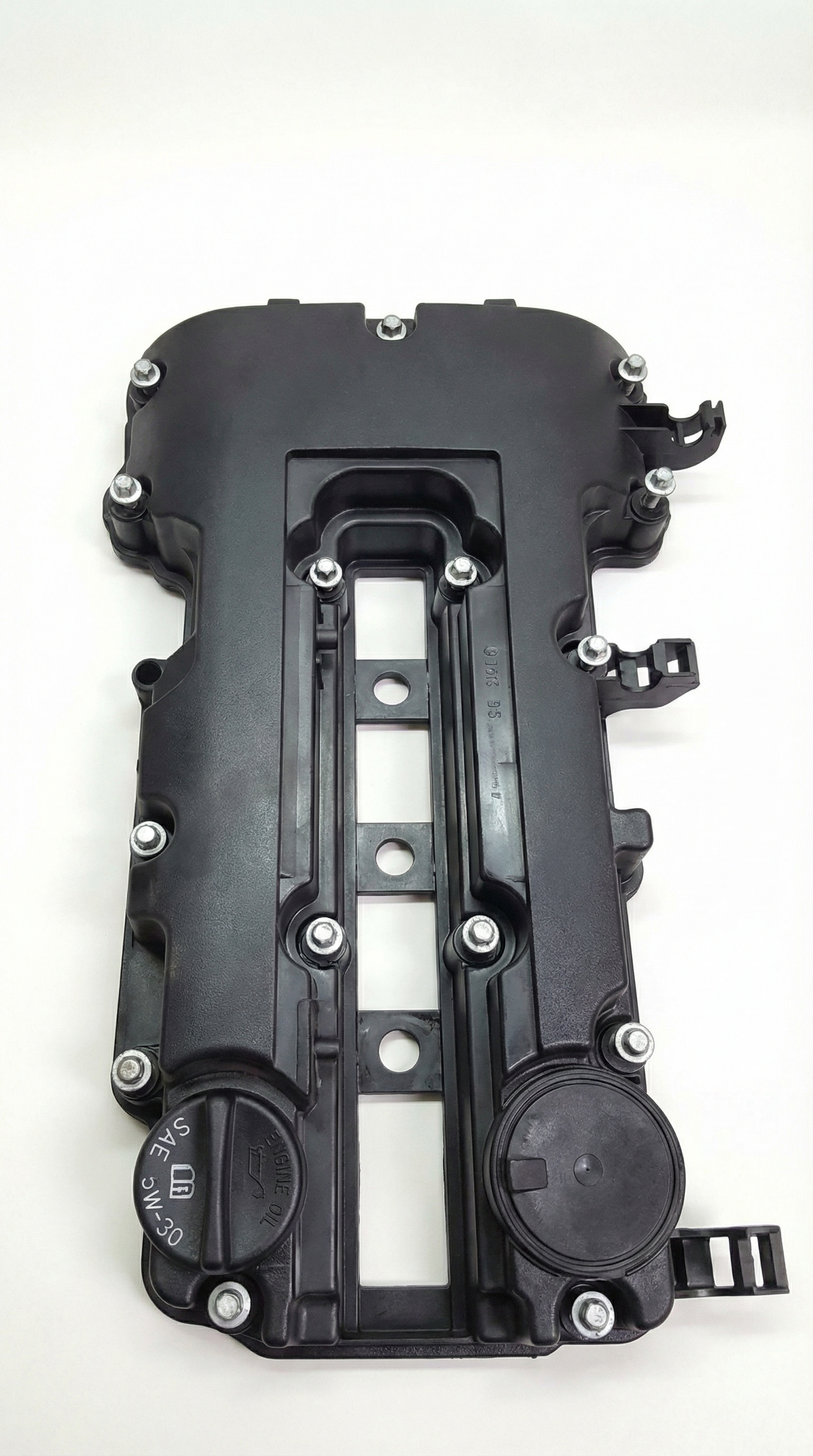
Typical fix: If the valve cover diaphragm is torn, replace the entire valve cover assembly. If the intake manifold check valve is missing, the manifold must be replaced or an external PCV fix kit (e.g., from CruzeKits.com or ZZP) must be installed.
Est. part cost: $80-$200 for a valve cover, $150-$300 for an intake manifold, or ~$75 for an external fix kit. - Crankshaft Position Variation Learn Not Performed 🟡 Medium Probability The ECM relies on a learned data profile from the crankshaft position sensor to accurately detect misfires. If this data is corrupt, or has not been relearned after a repair (like a clutch, flywheel, or sensor replacement), the ECM may be unable to identify which cylinder is misfiring, resulting in P0314.
How to confirm: This can only be confirmed and performed using a GM-compatible bi-directional scan tool. This step is usually performed after other primary causes are ruled out.
Typical fix: Perform the 'Crankshaft Position Variation Learn' procedure (often called a CASE relearn) using a capable scan tool.
Est. part cost: $0
Rare But Worth Checking
- Clogged or Faulty Fuel Injector: While less common than ignition or PCV issues, a single injector failing can cause a misfire that the ECM struggles to pinpoint. This may require a flow test to confirm.
- Low Cylinder Compression: Mechanical engine problems like worn piston rings, damaged pistons, or valve issues can cause misfires. This is a more serious issue and should be investigated with a compression test if all other causes are ruled out.
- Carbon Buildup on Intake Valves: As a direct-injection engine, the 1.4L LUV is prone to carbon buildup on the back of the intake valves, which can disrupt airflow and cause misfires. GM has issued TSB 16-NA-383 regarding this issue on various engines.
Diagnosis Steps
- Read all stored fault codes. Codes like P0171, P1101, or P0299 strongly point towards a PCV system vacuum leak.
- Perform a visual inspection. Look for cracked hoses, oil leaks around the valve cover, and listen for distinct hissing sounds from the engine bay at idle.
- Check for PCV system failure. With the engine running, try to remove the oil fill cap. If strong suction holds it down, the valve cover diaphragm is ruptured. Alternatively, place a plastic bag or glove over the oil fill opening; if it gets sucked in, the diaphragm is bad.
- Inspect the intake manifold PCV port. Remove the corrugated PCV hose from the driver's side of the intake manifold and look inside the port for a small, orange check valve. If it is missing, the intake manifold is the source of the failure and must be replaced or bypassed with a kit.
- If no PCV faults are obvious, perform a basic tune-up. Inspect and replace the spark plugs (ACDelco Iridium recommended, gapped to 0.028") and the ignition coil pack if their age or condition is unknown.
- If the issue persists, use a bi-directional scan tool to perform the 'Crankshaft Position Variation Learn' procedure.
- If the misfire continues, proceed with more advanced diagnostics, such as testing fuel injector function, checking fuel pressure, and performing an engine compression test to rule out mechanical issues.
Parts You'll Likely Need
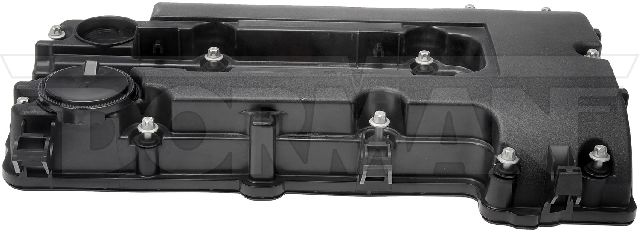
- Valve Cover with PCV Valve
(OEM #25198874, 25209141 (updated))— The PCV diaphragm is integrated into the valve cover and is a very common failure point, causing a major vacuum leak. It is not serviced separately.
Trusted brands: ACDelco (GM Genuine), Dorman (e.g., 264-968)
OEM price range: $120-$180
Aftermarket price range: $60-$120 - Ignition Coil Pack
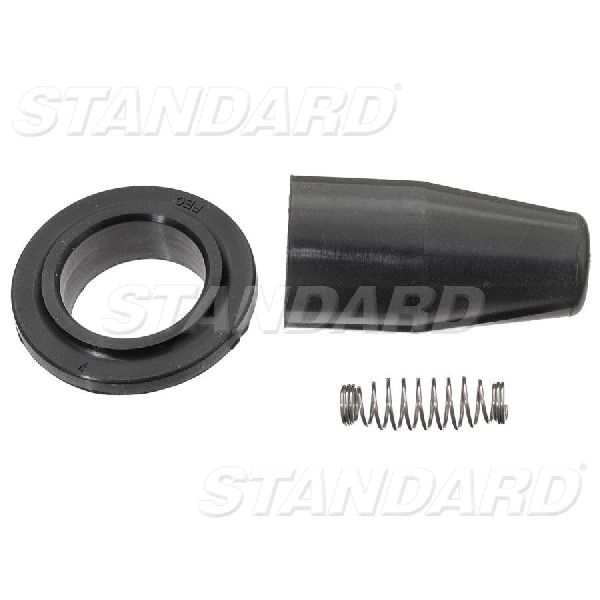
(OEM #55579072)— The coil pack is a frequent cause of misfires on the 1.4L engine and is replaced as a single unit.
Trusted brands: ACDelco, Delphi, NGK
OEM price range: $150-$250
Aftermarket price range: $80-$150 - Iridium Spark Plugs (Set of 4)
(OEM #55585534 (ACDelco 41-121))— Worn or incorrect spark plugs are a primary cause of misfires and are a critical maintenance item. Gap to 0.028 inches.
Trusted brands: ACDelco, NGK
OEM price range: $50-$80
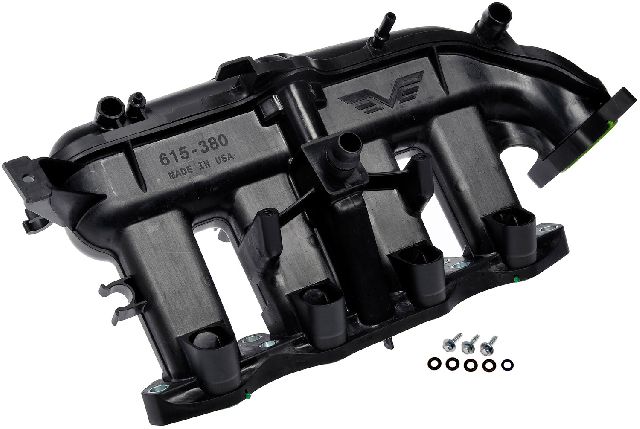
Aftermarket price range: $40-$60 - Intake Manifold
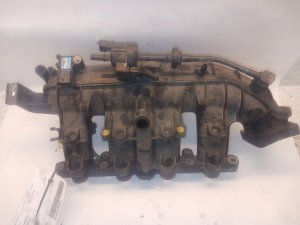
(OEM #55573171)— The integrated PCV check valve fails and gets ingested by the engine, requiring manifold replacement to fix the resulting vacuum leak.
Trusted brands: ACDelco (GM Genuine), Dorman (e.g., 615-380)
Related Codes That Often Appear With This One
- P0171 — System Too Lean. This code is frequently caused by the same unmetered vacuum leak from a failed PCV system that causes the misfire.
- P1101 — Intake Air Flow System Performance. This GM-specific code often points directly to a vacuum leak between the throttle body and cylinders, such as the failed intake manifold check valve.
- P0299 — Turbocharger Underboost. A significant vacuum/boost leak from the PCV system can prevent the turbo from building its target pressure.
- P0300 — Random/Multiple Cylinder Misfire. If the condition worsens, the single unspecified misfire (P0314) may escalate to affect multiple cylinders.
Technical Service Bulletins (TSBs) & Recalls
- TSB 16-NA-383: Addresses misfires (P0300-P0308) due to excessive carbon buildup on intake valves in gasoline direct injection engines.
- GM Special Coverage Adjustment #14491: While not a TSB, this program extended the warranty on the valve cover (PCV diaphragm) for some vehicles due to the high failure rate. Owners should check with a dealer to see if their VIN is covered.
- PIP5090 (and related bulletins): This Preliminary Information bulletin has gone through several revisions and discusses diagnosing misfires, rough idle, and lean conditions, often leading to the PCV system components.
Platform-Specific Known Issues
- The PCV system design on the 1.4L Turbo (LUV/LUJ) engine is a significant weak point. It uses two failure-prone check valves: one in the valve cover (a rubber diaphragm) and one in the intake manifold (a small plastic nipple). When the intake manifold valve fails, engine boost pressure enters the crankcase and ruptures the diaphragm in the valve cover, creating a chain reaction failure that results in a large vacuum leak and multiple fault codes.
- Even if the orange nipple in the intake manifold is visually present, the flap portion of the valve can be deteriorated and non-functional, still requiring a fix.
- Aftermarket companies like CruzeKits.com and ZZPerformance have developed external check valve kits to permanently bypass the faulty internal manifold valve, which is often a more durable and cost-effective repair than replacing the manifold with another OEM unit that is prone to the same failure.
Mechanic-Grade Diagnostic Values
- Low-Side Fuel Pressure (at fuel rail) — expected: Approximately 400 kPa or 58 PSI at idle. The system is variable and pressure changes with engine load.. Failure: Significantly lower pressure indicates a weak fuel pump or clogged filter. Pressure that doesn't vary with load may indicate a faulty fuel pressure sensor or Chassis Control Module (CCM) issue.
- Long Term Fuel Trim (LTFT) at Idle — expected: Within +/- 5%.. Failure: High positive values (e.g., +25% to +35%) strongly suggest a vacuum leak, which is a classic symptom of PCV system failure on this engine.
- Mass Airflow (MAF) Sensor Reading at Hot Idle — expected: Approximately 2.5 g/s.. Failure: Significantly higher readings (e.g., 4 g/s) or readings that don't correlate with calculated airflow can indicate a faulty MAF sensor, though this is less common than PCV issues.
Scan Tool Commands That Help
- GDS2 / GM-compatible Bi-directional Scanner: Crankshaft Position Variation Learn (CASE Relearn) — Required after replacing the crankshaft position sensor, ECM, or making major engine repairs. Failure to perform this can cause the ECM to be unable to accurately detect which cylinder is misfiring, leading directly to a P0314 code. The procedure involves revving the engine to a specific RPM fuel cut-off point as prompted by the scan tool.
- GDS2 / GM-compatible Bi-directional Scanner: Fuel Injector Balance Test — If a fuel delivery issue is suspected after ignition and vacuum systems are confirmed good, this test can help identify a weak or clogged injector by measuring the pressure drop for each cylinder.
Wiring & Ground Locations
- Ignition Coil Harness Ground — A small ground wire that attaches from the main engine harness (near the ignition coil connector) to a bolt on the top of the valve cover.. A poor or missing connection at this specific ground point can cause a multitude of random electronic issues, including stalling, multiple phantom codes, and misfires that mimic a bad coil pack. The ECM can lose its reference, leading to erratic behavior. One owner found that a loose or overtightened screw at this location caused stalling and multiple misfire codes.
- Ignition Coil Connector (7-pin) — The main electrical connector on the ignition coil pack assembly, located on top of the valve cover.. The terminals inside this connector can suffer from 'fretting corrosion,' causing a poor connection that leads to stalling, hesitation, and intermittent misfires. GM issued TSB #16-NA-015 for this issue. The fix is to replace the connector pigtail (GM P/N 19300958).
- ECM Ground (G107) — Typically located on the engine block or cylinder head, providing the main ground path for the Engine Control Module.. While not as commonly reported as the valve cover ground, a compromised main ECM ground can cause unpredictable behavior, including misfire detection faults. Verifying all engine-to-chassis grounds are clean and tight is a crucial step in diagnosing persistent electronic issues.
Real Owner Repair Stories
- YouTube user video (2012 Chevrolet Cruze 1.4L Turbo) — Stalling every 5-10 seconds, multiple random codes appearing after replacing parts, stability track warnings, underboost codes, and multiple misfire codes.
❌ Tried (didn't work) Replacing the coil pack multiple times, Replacing other sensors
✅ What actually fixed it The small ground wire from the engine harness to the valve cover was making a poor connection. The owner cut the old terminal and ran a new 16-gauge wire to the same grounding point on the valve cover, which resolved all the electronic issues, including the misfires and stalling.
OEM Part Supersession History
25198874→25209141— Updated design for the valve cover assembly, likely to improve the longevity of the integrated PCV diaphragm.Multiple (e.g., 13355784, 19300958)→19119634 (ACDelco PT3106)— Consolidation and update of the ignition coil connector pigtail service kit used to address fretting corrosion issues (TSB 16-NA-015).
Diagnostic Flowchart
Other Known Issues on This Vehicle
Issues unrelated to this code that are worth knowing about as an owner of this generation:
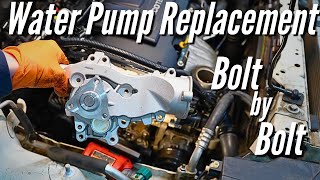
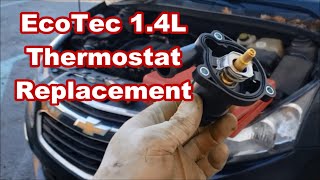
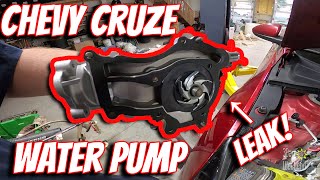
- Coolant Leaks (Water Pump & Thermostat Housing) 🔴 High — Extremely common. The water pump often fails before 80,000 miles, and the plastic thermostat housing is prone to cracking and leaking.
- Faulty Negative Battery Cable 🟠 Medium — Common. An insufficient crimp on the negative battery terminal causes high resistance, leading to flickering lights, loss of power steering, and various erroneous warning lights (e.g., Stabilitrak). (Ref: GM Special Coverage #14311 / TSB PIP-5313-B)
- Oil Cooler/Housing Leaks 🟠 Medium — Frequent after 60,000-100,000 miles. The seals between the oil cooler and the engine block degrade, causing significant oil and/or coolant leaks.
- Cracked/Brittle PCV Hoses 🔴 High — Very common. The corrugated plastic PCV hose running from the intake manifold to the turbo inlet becomes brittle from heat and cracks, causing a vacuum/boost leak.
- Transmission Control Module (TCM) Communication Failure 🟠 Medium — Occurs intermittently on some vehicles, can be triggered by battery replacement. May cause shifting issues or a no-start condition. (Ref: TSB #PIP4990C (addresses U0101))
Used vs. New Parts: Buying Guide for This Vehicle
When a used part is the smart pick: Due to the high failure rate of key plastic and rubber components from heat, using junkyard parts for a P0314 repair on a 1.4L Cruze is generally not recommended. The primary causes (PCV system, ignition coil) are wear items. A used part may have very little life left or could be faulty from the start.
Donor-vehicle mileage cap: roughly under 40000 miles for the part to have meaningful remaining life.
What to inspect on the donor part:
- For a valve cover: Absolutely no visible cracks. The part should be from the newest possible model year to potentially have updated materials.
- For an ignition coil: No cracks in the housing, no carbon tracking on the boots, and the rubber boots should still be pliable, not hard or brittle.
OEM-only on this vehicle (don't cheap out):
- Valve Cover: While aftermarket options exist, many owners report premature failure or warping of aftermarket brands like Dorman, leading to leaks. The updated GM/ACDelco part is the most reliable choice.
- Spark Plugs: The engine is sensitive to plug type. Using the specified ACDelco Iridium plugs (41-121) is critical for proper performance and avoiding misfires.
Aftermarket brands forum-validated for this vehicle:
- Ignition Coil Pack: Delphi and NGK are reputable OEM suppliers and considered reliable alternatives to ACDelco.
- PCV Fix Kits: For users wanting to bypass the failure-prone factory design, kits from ZZPerformance and CruzeKits are well-regarded in owner forums as a more permanent solution than replacing OEM components.
Brands owners have reported issues with on this vehicle:
- Dorman Valve Cover: Multiple forum and Reddit users have reported issues with Dorman valve covers warping, causing oil to leak into the spark plug wells.
- Unbranded/eBay Valve Covers & Coil Packs: These are often cited as failing very quickly, sometimes within months, making the cheap initial price a false economy.
Real Owner Stories
Aggregated from forums and TSBs cited above. Mileages and costs reflect what owners reported in those sources.
2011-2016 Chevrolet Cruze 1.4L Turbo
Symptoms: The owner noticed the orange nipple was present in the intake manifold, but the valve was still failing because the internal flap was gone.
What fixed it: Replacement or repair of the intake manifold check valve after discovering the visual presence of the nipple didn't guarantee functionality.
Source hint: Reddit r/Cruze - Gen1 1.4L Turbo Intake Manifold check valve testing discovery
2011-2016 Chevrolet Cruze 1.4L Turbo
Symptoms: Owners reported recurring PCV system failures including valve cover and intake manifold issues leading to lean codes and misfires.
What fixed it: Installation of an external PCV fix kit from CruzeKits.com to permanently bypass the faulty internal manifold valve.
Cost: $75-$75
Source hint: Reddit r/Cruze - CruzeKits.com PCV Fix Kit Support
Related OBD-II Codes
Frequently Asked Questions
Is there a warranty extension for the valve cover issues on my 2011-2016 Chevrolet Cruze?
What specific spark plugs should I use for my 1.4L Turbo engine to avoid misfire codes?
I see the orange nipple in my intake manifold; does that mean the PCV system is fine?
Are there any TSBs regarding misfires and carbon buildup for this vehicle?
Can I fix the intake manifold failure without buying a whole new OEM manifold?
Why is it so hard to remove my oil fill cap while the engine is idling?
Helpful Videos
Used OEM Parts in Stock

New Aftermarket Parts Available


The information in this article is provided for general reference and educational purposes only. Vehicle specifications, procedures, and part compatibility can vary by production date, trim level, and region. Always consult your vehicle's factory service manual and verify part numbers before purchasing or performing repairs. Safety-critical components such as airbags, seat belts, and braking systems should be installed by a qualified professional.
- Chevrolet Cruze:
- 🎬 Helpful Videos
- 🛍️ Shop This Part
- What's Unique About the 2011-2016 Chevrolet Cruze
- Symptoms You May Notice
- Most Likely Causes
- Rare But Worth Checking
- Diagnosis Steps
- Parts You'll Likely Need
- Related Codes That Often Appear With This One
- Technical Service Bulletins (TSBs) & Recalls
- Platform-Specific Known Issues
- Mechanic-Grade Diagnostic Values
- Scan Tool Commands That Help
- Wiring & Ground Locations
- Real Owner Repair Stories
- OEM Part Supersession History
- Diagnostic Flowchart
- Other Known Issues on This Vehicle
- Used vs. New Parts: Buying Guide for This Vehicle
- Real Owner Stories
- 2011-2016 Chevrolet Cruze 1.4L Turbo
- 2011-2016 Chevrolet Cruze 1.4L Turbo
- Related OBD-II Codes
- Frequently Asked Questions
- 🎟️ Get 5% Off