

P0307 on 2004-2011 Audi A6 4.2L V8: Cylinder 7 Misfire Causes and Fixes
P0307 on a C6 Audi A6 4.2L V8 is most often caused by a failed ignition coil or a worn spark plug. If replacing those doesn't fix it, the next most likely cause is heavy carbon buildup on the intake valves, a common issue with FSI engines requiring professional cleaning. In rarer cases, a faulty fuel injector or vacuum leak could be the culprit.
- P0307 indicates a misfire specifically in cylinder 7.
- Always start your diagnosis with the simplest and most common fixes: swap the ignition coil, then the spark plug, to see if the problem moves.
- On the 2004-2011 Audi A6 4.2L FSI, heavy carbon buildup on the intake valves is a highly probable cause if new plugs and coils don't solve the misfire.
- Driving with a flashing check engine light can cause expensive damage to your catalytic converter; get the misfire addressed promptly.
- Cleaning the intake valves (walnut blasting) is a known, periodic maintenance requirement for this direct-injection engine to maintain performance and prevent misfires.
What's Unique About the 2004-2011 Audi A6
The 4.2L V8 in this generation of Audi A6 uses Fuel Stratified Injection (FSI), a form of direct injection. While this technology improves power and efficiency, it has a significant downside: it allows oil and fuel vapors from the PCV system to bake onto the intake valves, causing carbon buildup. This buildup restricts airflow and is a very common cause of misfires, including P0307, that won't be fixed by typical ignition or fuel part replacements. This issue is considered inevitable on FSI engines.
Symptoms You May Notice
- Flashing or solid Check Engine Light
- Rough or vibrating idle
- Engine hesitation or stumbling during acceleration
- Noticeable loss of power
- Increased fuel consumption
- Smell of unburnt fuel from the exhaust
- Hard starting engine
- Replacing the oxygen sensor. A misfire will cause the O2 sensor to report abnormal readings, but it is the symptom, not the cause.
- Replacing the catalytic converter. A persistent misfire can destroy a catalytic converter, but the misfire itself must be fixed first.
- Replacing the Mass Airflow (MAF) sensor for a single cylinder misfire. A failing MAF typically affects all cylinders and would not cause an isolated P0307 code.
Most Likely Causes
- Faulty Ignition Coil 🔴 High Probability Coil-on-plug ignition systems are common failure points on many modern engines, including this Audi V8. Heat and vibration can cause the coil to fail electronically, resulting in a weak or no spark.
How to confirm: Swap the ignition coil from cylinder 7 with another cylinder (e.g., cylinder 6 or 8). Clear the codes and drive the car. If the code changes to P0306 or P0308, the ignition coil is faulty. This is a common diagnostic step seen in owner forums.
Typical fix: Replace the failed ignition coil. It is often recommended to replace all 8 coils at the same time, especially on higher mileage vehicles, to ensure consistent performance and prevent future failures.
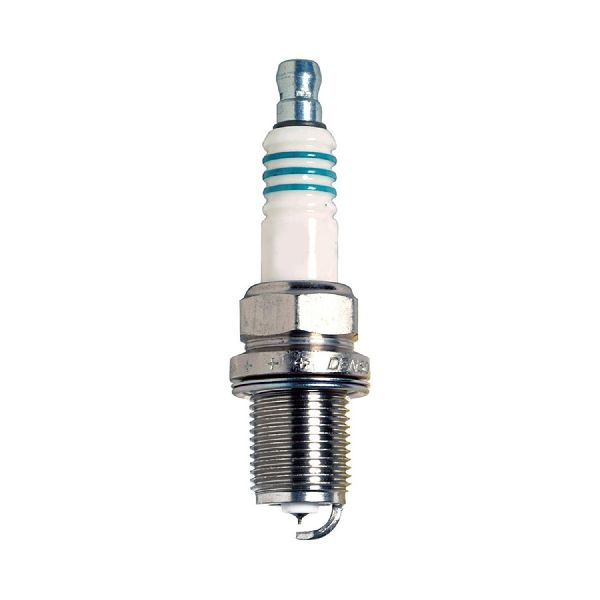
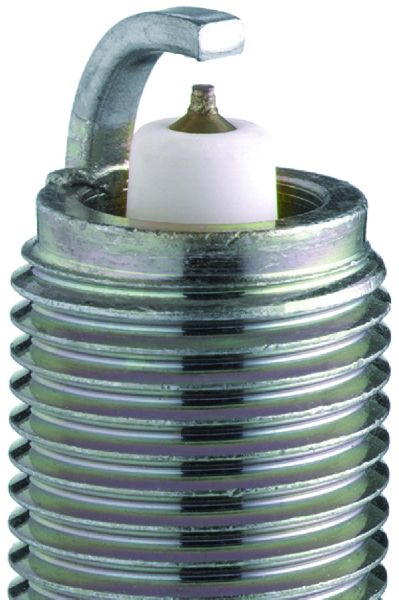
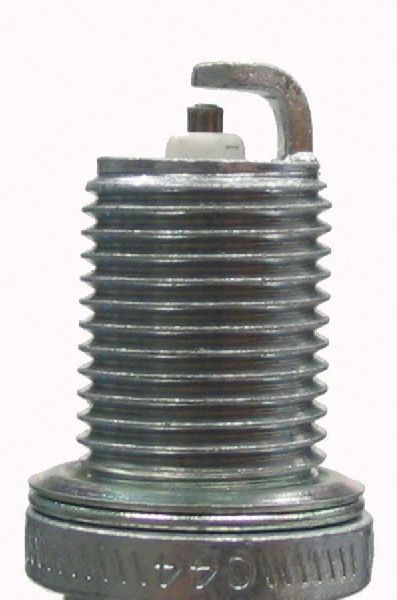
Est. part cost: $40-$150 per coil - Worn or Fouled Spark Plug 🔴 High Probability Spark plugs are a regular maintenance item and will eventually wear out, leading to a weak spark and misfires. The service interval is typically around 60,000 km (approx. 37,000 miles).
How to confirm: After swapping the coil proves inconclusive, remove the spark plug from cylinder 7 and inspect it for wear, oil fouling, or damage. Compare it to a new plug or a plug from a working cylinder.
Typical fix: Replace the spark plug in cylinder 7. It is best practice to replace all 8 spark plugs at the same time to ensure consistent performance.
Est. part cost: $15-$30 per plug - Carbon Buildup on Intake Valves 🔴 High Probability The FSI direct injection engine design does not spray fuel over the intake valves, which allows carbon deposits from the PCV system to accumulate. This buildup restricts airflow and can prevent the valves from closing properly, causing misfires, especially on cold starts.
How to confirm: Visually inspect the intake valves using a borescope after removing the intake manifold. Significant black, sooty deposits confirm the issue. This is a known, widespread problem for this engine family.
Typical fix: The intake valves must be cleaned mechanically. The most effective method is 'walnut blasting,' where crushed walnut shells are used as a media to blast the carbon away without damaging engine components. This is a labor-intensive job.
Est. part cost: $20-$50 for gaskets, but shop labor can be $600-$1500+ - Faulty Fuel Injector 🟡 Medium Probability A fuel injector can become clogged, leak, or fail electronically, preventing the correct amount of fuel from being delivered to cylinder 7. This can lead to a lean or rich misfire.
How to confirm: This is more difficult to diagnose. It involves checking the injector's electrical resistance or performing a flow test. Swapping injectors between cylinders is possible but requires removing the intake manifold and replacing seals. A professional diagnosis is often required.
Typical fix: Replace the faulty fuel injector. The intake manifold must be removed for access. It's often recommended to replace all injectors on a high-mileage engine if one fails.
Est. part cost: $100-$250+
Rare But Worth Checking
- Vacuum Leak: A leak in a vacuum hose or intake manifold gasket near cylinder 7 can lean out the air/fuel mixture and cause a misfire. A smoke test is the best way to find a leak. A failed PCV valve is a common source of vacuum leaks on these engines.
- Low Compression: A mechanical engine problem, such as a burnt valve, worn piston rings, or a bad head gasket, can cause a loss of compression in cylinder 7. A compression test will confirm this. Timing chain guide failure, a known issue on the 4.2L V8, can also lead to jumped timing and compression loss.
- ECM Software Issue: While the cited TSB is for a different model, it shows that Audi has used software updates to fix misfire codes. It's worth checking with a dealer if an update is available for your vehicle's ECM. [A01166020322224]
- Intake Manifold Runner Flap Issue: The variable intake manifold has plastic components that can fail, causing airflow problems to specific cylinders. This can trigger various codes, including misfires. Repair kits are sometimes available as an alternative to replacing the entire manifold.
Diagnosis Steps
- Read the fault codes with an OBD-II scanner to confirm P0307 and note any other codes present.
- To rule out the ignition coil, swap the coil from cylinder 7 with an adjacent cylinder (like 5 or 8). Clear the codes, run the engine, and re-scan. If the misfire code moves to the new cylinder (e.g., P0305 or P0308), the coil is bad.
- If the misfire remains on cylinder 7, perform the same swap test with the spark plug.
- If the coil and plug are good, inspect the spark plug well for any oil leaking from the valve cover gasket, which can short out the coil and cause a misfire.
- The next step for the 4.2L FSI engine is to inspect the intake valves for carbon buildup. This requires removing the intake manifold and using a borescope. This is a very common cause of misfires on this engine.
- If no significant carbon is found, the issue may be a faulty fuel injector. This is a more involved diagnosis that may require professional help to perform flow testing.
- While the intake is off, check for vacuum leaks and inspect the intake manifold runner flaps for proper operation.
- If all else fails, perform a compression test and a cylinder leak-down test on cylinder 7 to check for mechanical engine issues like bad valves, piston rings, or head gasket failure.
Parts You'll Likely Need
- Ignition Coil
(OEM #077905115T)— This is one of the most common failure items causing a single-cylinder misfire. This part number supersedes several previous versions.
Trusted brands: Bosch, NGK, Eldor, Beru
OEM price range: $70-$120
Aftermarket price range: $30-$80 - Spark Plug
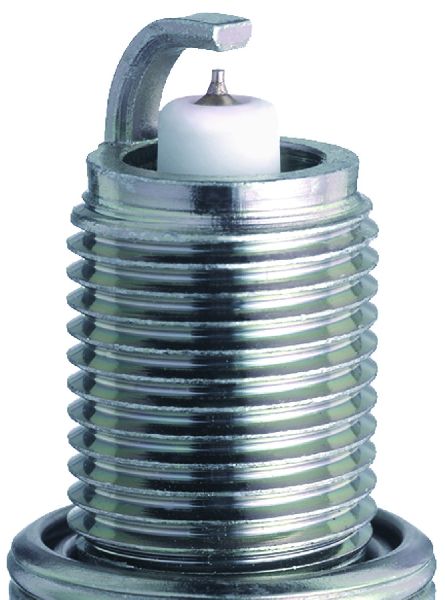
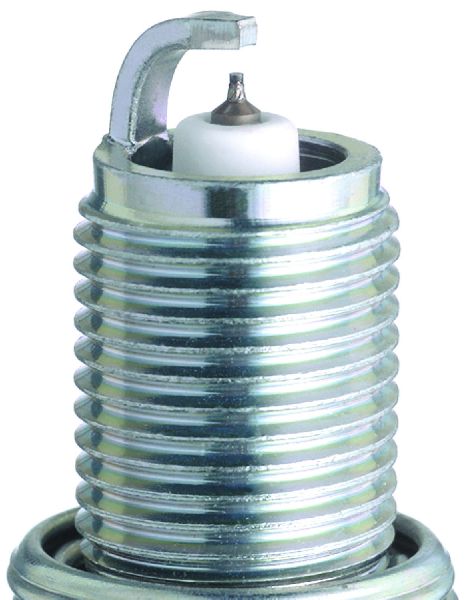
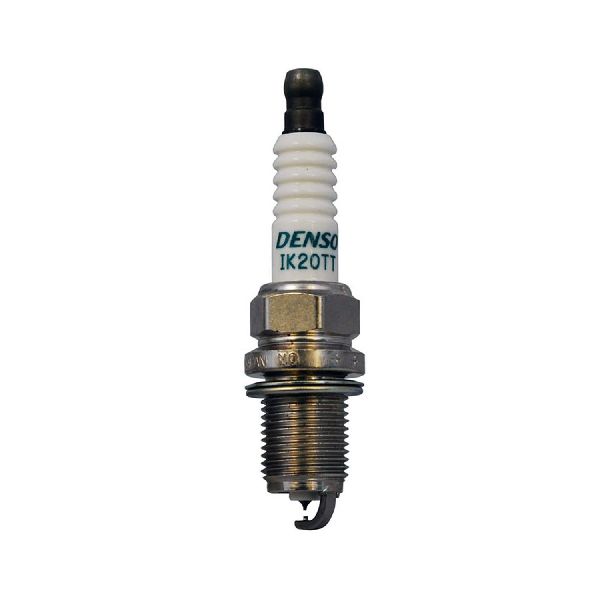
(OEM #101905621B)— Spark plugs are a routine wear item and a frequent cause of misfires.
Trusted brands: NGK, Bosch, Denso
OEM price range: $20-$30
Aftermarket price range: $15-$25 - Intake Manifold Gasket Set
(OEM #079129717B (Manifold to Head), 079129717D (Upper to Lower Manifold))— These must be replaced whenever the intake manifold is removed, which is required for carbon cleaning or fuel injector replacement.
Trusted brands: Victor Reinz, Elring
OEM price range: $50-$80
Aftermarket price range: $30-$60
Related Codes That Often Appear With This One
- P0300 — If the cause of the misfire is systemic, like major carbon buildup, low fuel pressure, or a large vacuum leak, multiple cylinders may misfire randomly, triggering a P0300 (Random/Multiple Misfire) code alongside the specific P0307.
- P0301-P0306, P0308 — Codes for other cylinders may appear with P0307, especially if the issue is carbon buildup, bad fuel, or a failing fuel pump affecting the entire engine.
- P0171, P0174 — These codes indicate a 'System Too Lean' condition on Bank 1 and Bank 2. A vacuum leak, often from a failed PCV valve, is a common cause that can also trigger misfire codes like P0307.
Technical Service Bulletins (TSBs) & Recalls
- A01166020322224: While for a different model (RS 5), this TSB indicates that Audi has addressed misfire codes (P0300-P0308) with an ECM software update, suggesting it could be a possibility for other models.
Platform-Specific Known Issues
- The 4.2L FSI V8 engine is well-known for developing heavy carbon deposits on the intake valves. This is not a matter of 'if' but 'when'. This service is often recommended every 40,000-60,000 miles to prevent misfires, rough idle, and loss of performance. A DIY-er with the right tools can perform a walnut blast cleaning by following detailed online guides.
Mechanic-Grade Diagnostic Values
- High-Pressure Fuel Rail Pressure (FSI Engine) — expected: Up to 136 bar (1973 PSI) under load. At idle, should be around 40 bar (580 PSI).. Failure: Significantly lower pressure indicates a failing High-Pressure Fuel Pump (HPFP). Pressure that is too high can indicate a faulty fuel pressure regulator.
- Low-Pressure Fuel System — expected: Typically operates around 40-60 PSI to supply the high-pressure pumps.. Failure: Low pressure from the in-tank pump will starve the HPFPs and cause misfires under load.
- Live Misfire Count via VCDS — expected: 0 counts at idle and under load.. Failure: Incrementing numbers in the counter for cylinder 7 confirm a real-time misfire event.
Hidden / Shadow Codes Worth Checking
- Live Misfire Counters (not a DTC): The ECU tracks misfires per cylinder in real-time, even before they are frequent enough to set a P0307 code and turn on the Check Engine Light. (see via Using a VAG-specific scan tool like VCDS, navigate to Engine (01) -> Measuring Blocks -> Groups 015, 016, and 017. Cylinder 7 will be in Group 017.)
Scan Tool Commands That Help
- VCDS (VAG-COM): Advanced Measuring Values — To log misfire counts against engine RPM and load. This helps determine if the misfire on cylinder 7 happens at idle, under acceleration, or only on cold starts, which is crucial for diagnosis.
- VCDS (VAG-COM): Output Tests — Can be used to cycle individual components like the fuel injectors to listen for an audible click, providing a basic check of electronic function without removal.
Wiring & Ground Locations
- N326 & N85 — N326 is the ignition coil for cylinder 7. N85 is the fuel injector for cylinder 7. Cylinder 7 is the third cylinder back on the driver's side (Bank 2) in a US-spec vehicle.. Knowing the correct component designators is critical for checking wiring diagrams and ECU pinouts.
- Engine Ground Points — A primary engine-to-chassis ground strap is typically located near the engine mount. Another critical ground point is on the cylinder block itself.. A corroded or loose engine ground can cause erratic electrical behavior, including weak spark or inconsistent injector signals, which can lead to misfires.
Real Owner Repair Stories
- AudiWorld Forums user 'jjdunkel' (2008 Audi A6 4.2L with 70k miles) — Shaking on first start of the day, blinking CEL under hard acceleration, persistent P0302 code (Cylinder 2, but same diagnostic principle applies).
❌ Tried (didn't work) Replaced spark plug on the misfiring cylinder., Replaced ignition coil on the misfiring cylinder., Replaced the fuel filter.
✅ What actually fixed it The user pulled the intake manifold off for a second time and replaced the fuel injector for the misfiring cylinder, which finally solved the problem. - iATN Professional Technician Network (2000 Audi A6 4.2L (pre-FSI, but relevant diagnosis)) — P0307 only sets after heavy acceleration to 5000+ RPM.
❌ Tried (didn't work) Swapped ignition coils., Swapped fuel injectors., Installed new spark plugs.
✅ What actually fixed it The final fix reported was a weak valve spring on cylinder 7, causing valve float only at high RPM. This required a cylinder head repair.
"I Checked Everything" — The Actual Cause
- A common scenario on the 4.2L FSI is a failed PCV valve (oil separator). While a major tear might show on a smoke test, a smaller internal diaphragm failure may not. This failure creates excessive crankcase vacuum, which can pull oil into the intake and foul spark plugs or disrupt the air-fuel mixture, causing misfires. A key symptom is a strong suction when trying to remove the oil cap while the engine is running.
When the Usual Fixes Don't Work
- In one documented case for a 2008 A6, after replacing the spark plug and ignition coil for a cylinder misfire did not solve the issue, the owner ultimately had to replace the fuel injector for that cylinder. This highlights that while coils and plugs are the most common culprits, a persistent single-cylinder misfire is often fuel-related, especially if carbon buildup has been ruled out.
OEM Part Supersession History
077905115B, C, F, H, K, P, Q→077905115T— Progressive updates by the manufacturer to improve reliability and performance of the ignition coil.
Heads up: While older revisions may work, the latest 'T' revision is recommended for longevity and to prevent future misfires. It is advisable to replace all coils with the same revision to ensure balanced ignition performance.
Model Year Variations Within This Range
- 2005-2006: The C6 A6 was launched with the 4.2L port-injected V8 (Engine Code: BAT, 335hp). This engine is NOT direct injection and is therefore not prone to the severe intake valve carbon buildup that plagues the later FSI version.
- 2007-2011: These model years use the 4.2L FSI (Fuel Stratified Injection) V8 (Engine Code: BVJ, 350hp). This direct-injection engine is the one highly susceptible to carbon buildup on intake valves as a primary cause for misfires.
Diagnostic Flowchart
Other Known Issues on This Vehicle
Issues unrelated to this code that are worth knowing about as an owner of this generation:
- Timing Chain Guide/Tensioner Failure 🔴 High — More common on higher mileage vehicles (100k+ miles). Characterized by a rattling noise from the back of the engine on cold starts. (Ref: No specific recall, but it is a widely documented issue. Repair is extremely labor-intensive as the engine must be removed.)
- Excessive Oil Consumption 🟠 Medium — Common across many V8 Audis of this era, often starting after 60,000 miles. Caused by worn piston rings and valve seals.
- Intake Manifold Runner/Flap Failure 🟠 Medium — The plastic arms and internal flaps in the variable intake manifold can break or bind, causing airflow issues, performance loss, and check engine lights.
- Leaking Valve Cover and Timing Cover Gaskets 🟡 Low — Oil leaks from the valve cover gaskets are common and can drip onto exhaust manifolds causing a burning smell, or into spark plug wells causing misfires.
Used vs. New Parts: Buying Guide for This Vehicle
When a used part is the smart pick: For this repair, used parts are generally not recommended for wear items. However, a used intake manifold from a low-mileage, rear-ended donor car could be a cost-effective alternative to a new one if yours is cracked or internally damaged.
Donor-vehicle mileage cap: roughly under 70000 miles for the part to have meaningful remaining life.
What to inspect on the donor part:
- For an intake manifold, check for cracks, especially around mounting points.
- Verify the runner flaps move freely by hand.
- Ask for the VIN of the donor car to confirm it's from a compatible engine code (e.g., BVJ for FSI).
- Avoid parts from engines that show signs of heavy oil sludge or coolant contamination.
OEM-only on this vehicle (don't cheap out):
- Fuel Injectors: Due to the precision of FSI injectors and the labor involved, using new OEM or OEM-supplier (Bosch) injectors with new seals is critical to avoid leaks and repeat failures.
- PCV Valve/Oil Separator: Aftermarket versions can have poor quality diaphragms that fail quickly, leading to the same vacuum leaks and oil consumption issues. Stick with OEM for this part.
Aftermarket brands forum-validated for this vehicle:
- Ignition Coils: Bosch, NGK, Eldor (often the OEM supplier).
- Spark Plugs: NGK, Bosch.
- Gaskets: Victor Reinz, Elring.
Brands owners have reported issues with on this vehicle:
- Unbranded, no-name ignition coils and fuel injectors from online marketplaces. These often have a high failure rate and can cause more diagnostic headaches than they solve.
Real Owner Stories
Aggregated from forums and TSBs cited above. Mileages and costs reflect what owners reported in those sources.
2012 Audi A8 4.2L FSI V8
Symptoms: Misfire on Cylinder #7; owner attempted to swap coils and plugs but the misfire remained on the same cylinder.
What fixed it: The diagnostic progression in the report suggests the issue moved toward deeper causes like carbon buildup or fuel system faults after simple ignition swaps failed.
Source hint: AudiWorld Forums - 'P0307 Misfire on Cylinder # 7 - tried a couple things' (2012)
Audi 4.2L V8 FSI — ~50000 miles
Symptoms: Significant amount of carbon buildup present on the intake valves even on a seemingly well-maintained car.
What fixed it: DIY Walnut Blasting cleaning of the intake valves.
Source hint: YouTube - 'Audi 4.2 V8 Carbon Cleaning | DIY Walnut Blasting step by step instructions' (2022)
Related OBD-II Codes
Frequently Asked Questions
Is there an Audi TSB for misfire codes like P0307 on the FSI V8 engine?
How often should I replace the spark plugs on my 4.2L Audi A6 to prevent misfires?
Why does my Audi A6 4.2L FSI suffer from carbon buildup more than other engines?
What is the recommended method for cleaning carbon buildup on the 4.2L V8 intake valves?
Can I diagnose a P0307 code by swapping parts between cylinders?
How often is carbon cleaning recommended for the Audi 4.2L FSI engine?
Helpful Videos
Used OEM Parts in Stock


New Aftermarket Parts Available

The information in this article is provided for general reference and educational purposes only. Vehicle specifications, procedures, and part compatibility can vary by production date, trim level, and region. Always consult your vehicle's factory service manual and verify part numbers before purchasing or performing repairs. Safety-critical components such as airbags, seat belts, and braking systems should be installed by a qualified professional.
- Audi A6:
- 🎬 Helpful Videos
- 🛍️ Shop This Part
- What's Unique About the 2004-2011 Audi A6
- Symptoms You May Notice
- Most Likely Causes
- Rare But Worth Checking
- Diagnosis Steps
- Parts You'll Likely Need
- Related Codes That Often Appear With This One
- Technical Service Bulletins (TSBs) & Recalls
- Platform-Specific Known Issues
- Mechanic-Grade Diagnostic Values
- Hidden / Shadow Codes Worth Checking
- Scan Tool Commands That Help
- Wiring & Ground Locations
- Real Owner Repair Stories
- "I Checked Everything" — The Actual Cause
- When the Usual Fixes Don't Work
- OEM Part Supersession History
- Model Year Variations Within This Range
- Diagnostic Flowchart
- Other Known Issues on This Vehicle
- Used vs. New Parts: Buying Guide for This Vehicle
- Real Owner Stories
- 2012 Audi A8 4.2L FSI V8
- Audi 4.2L V8 FSI — ~50000 miles
- Related OBD-II Codes
- Frequently Asked Questions
- 🎟️ Get 5% Off