

P0306 on 2003-2009 Toyota 4Runner: Cylinder 6 Misfire Causes and Fixes
P0306 on a 4th Gen 4Runner is a cylinder 6 misfire. While it can be a simple fix like an ignition coil (~$70) or spark plug (~$15), this specific engine has a notorious and well-documented issue with head gasket failure causing coolant to leak into cylinder 6, particularly on 2003-2005 models. A head gasket repair can cost over $2,500.
- P0306 on a 2003-2009 4Runner is a misfire on cylinder 6, located at the rear of the driver's side of the engine.
- While the cause could be a simple ignition coil or spark plug, you must immediately suspect a leaking head gasket, a known and costly issue for this engine.
- Key symptoms of the head gasket failure include a rough idle for a few seconds on a cold start, mysterious coolant loss, and a gurgling sound from the dashboard.
- The first diagnostic step is to swap the cylinder 6 ignition coil with another cylinder to rule out an easy fix. If the misfire does not move, a head gasket issue is highly likely.
- Do not ignore this code. A coolant leak can cause catastrophic engine damage, and a persistent misfire can destroy your catalytic converter.
What's Unique About the 2003-2009 Toyota 4Runner
While any vehicle can experience a misfire, the 2003-2009 4Runner with the 1GR-FE V6 engine has a widely recognized vulnerability to head gasket failure, specifically affecting cylinder 6. This issue is most prevalent in the 2003-2005 model years, prior to a design update by Toyota. The failure allows small amounts of coolant to seep into the cylinder, especially when the engine is cold, causing a rough start and the P0306 code. This exact failure mode is documented in numerous owner complaints to the NHTSA and is a common topic in enthusiast forums for the 4Runner, Tacoma, and FJ Cruiser which share this engine.
Symptoms You May Notice
- Check Engine Light is on or flashing
- Rough engine idle, especially on a cold start, that may smooth out after a few seconds or a minute.
- Noticeable engine vibration or shaking.
- Loss of engine power and sluggish acceleration.
- Unexplained coolant loss, requiring frequent top-offs of the radiator or overflow tank.
- Gurgling or sloshing noise from behind the dashboard, which is air in the heater core from combustion gases entering the cooling system.
- White smoke from the exhaust pipe, particularly on startup, which is coolant burning off.
- Replacing only the ignition coil and spark plug without checking for coolant loss. Many owners replace these parts only to have the P0306 code return because the underlying issue is the head gasket.
Most Likely Causes
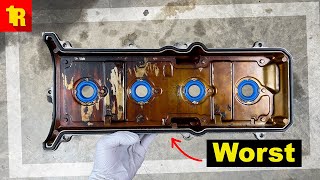
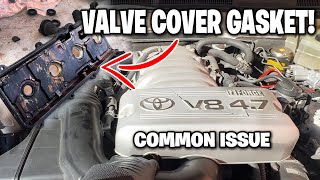
- Blown Head Gasket 🔴 High Probability Early 1GR-FE engines (primarily 2003-2005) used a head gasket design that was prone to failure, particularly at the rear of the engine at cylinder 6. Toyota later updated the part design. NHTSA complaints confirm this pattern, with owners reporting coolant leaks into cylinder 6 causing a P0306 misfire. This issue is not isolated to the 4Runner; it's also well-documented on the Toyota Tacoma and FJ Cruiser with the same engine.
How to confirm: Perform a chemical block test on the coolant to check for exhaust gases. A coolant system pressure test can also reveal a leak. A borescope inspection of cylinder 6 (after the engine has sat overnight) may show visible coolant on top of the piston. A leak-down test can also be performed, pressurizing the cylinder and watching for bubbles in the radiator.
Typical fix: Replacement of both head gaskets with the updated, multi-layer steel (MLS) parts. This is a major engine repair that often includes replacing the timing chain and water pump at the same time.
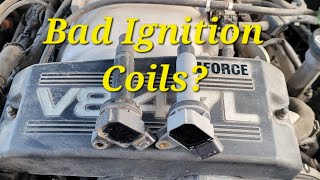
Est. part cost: $250-$500 for a full gasket set and new head bolts. - Failed Ignition Coil 🟡 Medium Probability Ignition coils are a common wear item on most modern vehicles. Heat and vibration cause them to fail over time. The plastic housing can also develop cracks, allowing the spark to arc to the cylinder head instead of the spark plug.
How to confirm: Swap the ignition coil from cylinder 6 with another cylinder (e.g., cylinder 4, which is easier to access on the same bank). Clear the codes and drive. If the code changes to P0304, the ignition coil is faulty.
Typical fix: Replace the faulty ignition coil. It is often recommended to replace all coils if they are original and high-mileage.
Est. part cost: $50-$90 for one OEM-quality (e.g., Denso) coil. - Worn or Fouled Spark Plug ⚪ Low Probability
How to confirm: Remove the spark plug from cylinder 6 and inspect it. Look for heavy carbon buildup, oil, or a white/greenish, crusty deposit from coolant contamination. A wet plug can indicate a leaking injector or coolant. A clean-looking plug that was steam-cleaned by coolant is another sign.
Typical fix: Replace the spark plug. If it was contaminated with coolant, the head gasket is the root cause and the misfire will return.
Est. part cost: $10-$20 for one Iridium spark plug. - Faulty Fuel Injector ⚪ Low Probability
How to confirm: This is more difficult to diagnose. A professional can perform a fuel injector balance test. A DIY method is to listen to the injector with a mechanic's stethoscope to ensure it's clicking. Swapping injectors is possible but labor-intensive as it requires removing the intake manifold.
Typical fix: Replace the faulty fuel injector. It's often recommended to replace them as a set.
Est. part cost: $150-$250 for one OEM injector.
Diagnosis Steps
- Check for other stored DTCs. Address any other codes first.
- Note the coolant level in the overflow reservoir and radiator (when cold). Mark the level to track any loss over time. Check for a 'milkshake' consistency on the oil filler cap or dipstick, indicating coolant in the oil.
- On a cold engine, start the vehicle and observe the idle. A rough idle for the first 30-60 seconds that then smooths out is a classic symptom of a slow coolant leak into the cylinder.
- Swap the ignition coil from cylinder 6 (driver's side, rearmost cylinder) with cylinder 4 (driver's side, middle cylinder). Cylinder 6 is the most difficult to access.
- Clear the codes and drive the vehicle to see if the misfire code returns and has moved to cylinder 4 (P0304). If it has, the ignition coil is the problem.
- If the code remains P0306, remove and inspect the spark plug from cylinder 6. Look for excessive wear, damage, or contamination (oil, fuel, or a greenish-white deposit from coolant). Replace if necessary.
- If the plug and coil are good, the next step is to investigate the head gasket. Perform a chemical combustion leak test (block tester) on the cooling system. This test detects exhaust gases in the coolant, a definitive sign of a blown head gasket.
- Alternatively, pressurize the cooling system to ~15 psi and let it sit overnight. The next day, remove the spark plug from cylinder 6 and use a borescope to look for coolant on the piston.
- If all tests above are negative, consider a faulty fuel injector or, in rare cases, a mechanical engine issue requiring a compression and leak-down test.
Parts You'll Likely Need
- Head Gasket Set
(OEM #04111-31343)— This is the most probable, serious cause of a P0306 on this specific engine due to a known design flaw in early models. The fix requires replacing both left and right gaskets.
Trusted brands: Toyota OE
OEM price range: $300-$450
Aftermarket price range: $150-$300 - Ignition Coil
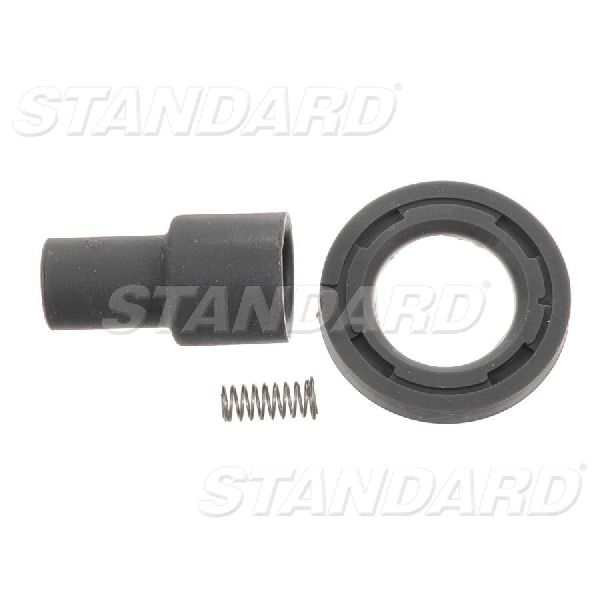
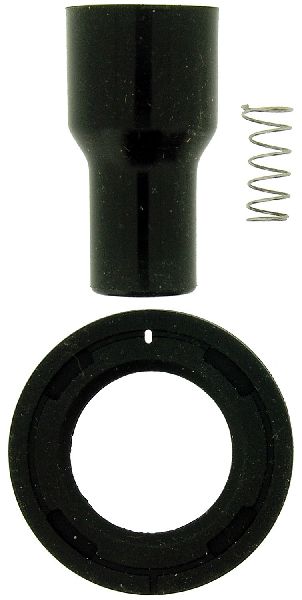
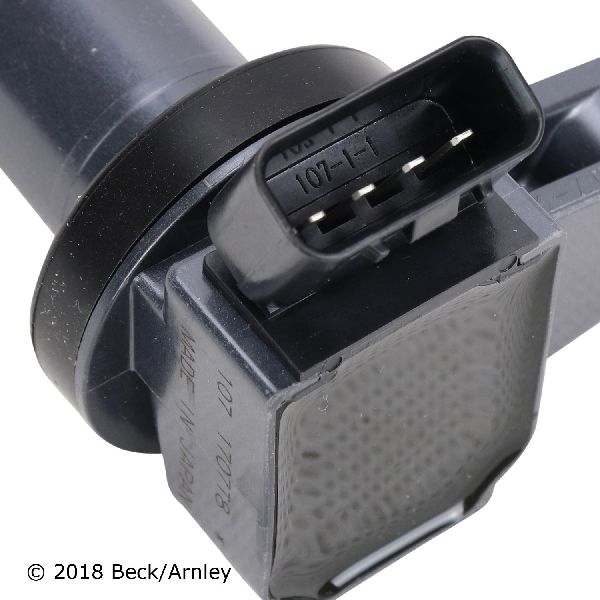
(OEM #90919-02248)— A common failure point for misfires on any vehicle and the easiest component to check first via swapping.
Trusted brands: Denso, NGK
OEM price range: $80-$110
Aftermarket price range: $40-$70 - Spark Plug
(OEM #90919-01235 (Denso SK20R11))— A routine maintenance item that can cause a misfire if worn, but also provides diagnostic clues if contaminated by coolant.
Trusted brands: Denso, NGK
OEM price range: $15-$25
Aftermarket price range: $10-$18
Related Codes That Often Appear With This One
- P0300 — If the misfire becomes more severe or other cylinders are affected (e.g., by the head gasket issue progressing), a P0300 (Random/Multiple Cylinder Misfire) code may appear.
- P0304 — This code for cylinder 4 may appear alongside P0306. Some forum discussions suggest the head gasket issue can sometimes affect the adjacent cylinder on the same bank, though cylinder 6 is the most common point of failure.
- P0356 — This code indicates a fault in the ignition coil primary or secondary circuit for cylinder 6. If the ECM detects a problem with the coil's electrical circuit itself, rather than just a misfire, it will set this code. This points more directly to a bad coil or a wiring issue.
Technical Service Bulletins (TSBs) & Recalls
- While no specific TSB for P0306/head gasket failure exists, Toyota has issued related TSBs for the 1GR-FE. TSB EG007-07 addresses an oil leak from the timing cover where it meets the cylinder head and block, indicating this is a known sensitive sealing area.
Platform-Specific Known Issues
- Premature Head Gasket Failure: The 1GR-FE engine in 2003-2005 4Runners is particularly susceptible to a head gasket leak at cylinder 6. NHTSA records show multiple owner complaints of this exact failure mode. One owner reported a dealer diagnosis confirming an antifreeze leak into cylinder 6, requiring a $2,644.91 repair. Another complaint documented a borescope video showing coolant entering the cylinder. A third owner noted having to refill engine coolant weekly in conjunction with the P0306 code.
Mechanic-Grade Diagnostic Values
- Fuel Pressure (at idle) — expected: 284 kPa (approx. 41 psi). Failure: Significantly lower pressure could indicate a weak fuel pump, causing lean misfires.
- Spark Plug Insulation Resistance — expected: 10 MΩ or more. Failure: A reading below 10 MΩ indicates the plug is internally shorted or fouled and cannot create a strong spark.
- ECM Terminal Voltages — expected: Varies by pin; refer to service manual.. Failure: Incorrect voltage at an injector or ignition coil pin (e.g., IGT6 for cylinder 6) can indicate a wiring or ECM fault.
Hidden / Shadow Codes Worth Checking
- Mode $06 Data: Mode $06 is a diagnostic function that tracks data from emissions monitor tests, including misfire counts for each cylinder. It can show misfires happening even if they aren't frequent enough to set a P030x code or turn on the Check Engine Light. This is invaluable for catching intermittent issues. (see via A professional scan tool or an advanced OBD-II app (like Torque Pro) can access Mode $06 data. In Toyota's Techstream software, this is found under the 'Monitor' screen.)
Scan Tool Commands That Help
- Toyota Techstream: Misfire Monitor — This should be used instead of the standard 'Data List' for misfire diagnosis. It provides a more accurate count, including a 'Misfire Rate' (current) and 'EWMA' (Exponentially Weighted Moving Average over the last 10 trips), which helps distinguish current problems from historical ones.
- Toyota Techstream: Active Test: Control the Injector — After ruling out spark, you can use this bidirectional command to disable the cylinder 6 injector. If the engine's idle does NOT change when the injector is disabled, it confirms that cylinder was not contributing, pointing to a fuel or compression issue on that cylinder.
- Toyota Techstream: Active Test: Relative Compression — If a head gasket or other mechanical issue is suspected, this test cranks the engine with fuel and spark disabled. The ECM measures the rotational speed for each cylinder's compression stroke. A cylinder with low compression (e.g., from a leaking head gasket) will show a significantly higher RPM value, indicating a problem without needing a manual compression gauge.
Wiring & Ground Locations
- Engine Ground (Main) — From the negative battery terminal to the engine block, typically located on the passenger side near the motor mount.. A poor engine ground can cause erratic behavior in the ignition system, leading to weak spark and intermittent misfires that are difficult to diagnose.
- Firewall Ground — A ground strap connecting the rear of the engine/cylinder head to the vehicle's firewall.. This ground is critical for the ECM and various sensors. Corrosion or a loose connection can cause phantom electrical issues, including misfire codes.
- Cylinder 6 Ignition Coil Connector — Driver's side (Bank 2) of the engine, rearmost coil. The Ignition Trigger (IGT) signal for cylinder 6 is typically sent from a specific pin on the ECM (e.g., pin 19 on connector E5 on some models).. If a new coil doesn't fix the issue, checking for battery voltage at the connector (with key on) and continuity of the IGT and ground wires back to the ECM is the next step.
Real Owner Repair Stories
- TacomaWorld forum user 'spadechest' (2007 Toyota Tacoma 4.0L 1GR-FE (73k miles)) — Rough idle on cold start that went away when warm, then progressed to a constant rough idle with a P0305 (Cylinder 5 Misfire) code.
❌ Tried (didn't work) Initial diagnosis pointed directly to the head gasket due to symptoms.
✅ What actually fixed it The owner confirmed coolant inside cylinder 5 after pulling the spark plug. They performed a DIY replacement of the head gasket, which resolved the misfire and rough running conditions. This confirms the known failure pattern on a vehicle with the updated gasket design, though at relatively low mileage.
OEM Part Supersession History
Unknown (specific pre-2006 gasket P/N)→Contained within Full Gasket Kit 04111-31343— The original head gasket design was prone to failure, especially at cylinder 6. Toyota introduced an updated Multi-Layer Steel (MLS) gasket to resolve the issue.
Heads up: The new gasket is a direct replacement for the old one. When performing the repair, it is critical to use the updated part.
Model Year Variations Within This Range
- 2003-2005: These model years were originally equipped with a head gasket design more prone to failure at cylinder 6. While any 1GR-FE can have a head gasket fail, the probability is significantly higher on these earlier models that haven't had the gaskets replaced with the updated part.
Diagnostic Flowchart
Other Known Issues on This Vehicle
Issues unrelated to this code that are worth knowing about as an owner of this generation:
- Frame Rust/Rot 🔴 High — Very common, especially in salt-belt states. Can become structurally unsafe. Led to class-action lawsuits. (Ref: Subject of a class-action lawsuit, but no formal recall for the 4Runner unlike the Tacoma.)
- Seized Brake Calipers 🟠 Medium — Extremely common. The caliper pistons, particularly the front lower ones, are prone to seizing, causing uneven pad wear, dragging brakes, and pulling.
- Cracked/Melting Dashboard 🟡 Low — Widespread issue, especially on vehicles exposed to sun/heat. The vinyl cracks and can become sticky. (Ref: Toyota issued a Warranty Enhancement Program (ZE6) for 2003-2005 models, but it has since expired.)
- Cracked Exhaust Manifolds 🟠 Medium — Commonly occurs, leading to an exhaust leak ticking noise when the engine is cold that may go away as the metal heats up and expands.
- 4WD Actuator Failure 🟠 Medium — The actuator motor for engaging 4-Low and the center differential lock can seize from lack of use. Can be an expensive repair.
Used vs. New Parts: Buying Guide for This Vehicle
When a used part is the smart pick: A used ignition coil from a junkyard is an inexpensive and effective way to diagnose a bad coil. If swapping the used coil to another cylinder moves the misfire code, you've found your problem for a fraction of the cost of a new part.
Donor-vehicle mileage cap: roughly under 120000 miles for the part to have meaningful remaining life.
What to inspect on the donor part:
- For an ignition coil, check for cracks in the plastic housing or corrosion on the electrical connector pins.
- Ensure the rubber boot is supple and not dry-rotted or torn.
- If possible, source from a vehicle that appears to have been well-maintained or has lower mileage.
OEM-only on this vehicle (don't cheap out):
- Head Gasket: While reputable aftermarket options exist, the cost and labor involved in a head gasket job are immense. Using a genuine Toyota OEM gasket set (04111-31343) is the safest bet to ensure a long-lasting repair and avoid doing the job twice.
Aftermarket brands forum-validated for this vehicle:
- Ignition Coils: Denso (the OEM supplier), NGK.
- Spark Plugs: Denso, NGK (use the specific Iridium plug required).
- Head Gaskets: Fel-Pro, Cometic Gasket (offers MLS gaskets in various thicknesses).
Brands owners have reported issues with on this vehicle:
- Unbranded, no-name ignition coils and sensors from online marketplaces. These often have a high failure rate and can cause more diagnostic confusion.
Real Owner Stories
Aggregated from forums and TSBs cited above. Mileages and costs reflect what owners reported in those sources.
2003-2005 Toyota 4Runner 4.0L V6
Symptoms: Dealer diagnosis confirmed an antifreeze leak into cylinder 6.
What fixed it: Head gasket repair.
Cost: $2,644.91
Source hint: NHTSA complaints cited in vehicle_specific_issues
2003-2005 Toyota 4Runner 4.0L V6
Symptoms: Owner had to refill engine coolant weekly in conjunction with the P0306 code.
What fixed it: Head gasket replacement.
Source hint: NHTSA complaints cited in vehicle_specific_issues
2003-2009 Toyota 4Runner 4.0L V6
Symptoms: P0306 code with symptoms of a rough cold start and coolant loss.
What fixed it: Diagnostic process started with a coil swap to isolate the cylinder 6 misfire.
Source hint: T4R.org (Toyota 4Runner Forum) thread titled 'P0306 CODE - V6'
2003-2005 Toyota 4Runner 4.0L V6
Symptoms: Borescope video showing coolant entering the cylinder.
What fixed it: Head gasket replacement.
Source hint: NHTSA complaints cited in vehicle_specific_issues
Related OBD-II Codes
Frequently Asked Questions
Does TSB EG007-07 cover my P0306 misfire and head gasket repair?
Why does my 4Runner V6 only misfire on cylinder 6 during a cold start?
Can I just swap the ignition coil to see if that's the problem?
Is the P0306 head gasket issue unique to the 4Runner?
What kind of spark plugs should I use for the 1GR-FE 4.0L V6?
How can I be certain it's a head gasket before paying for a major repair?
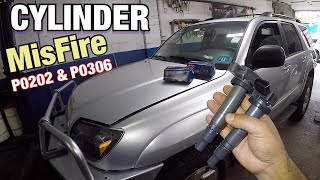
Helpful Videos
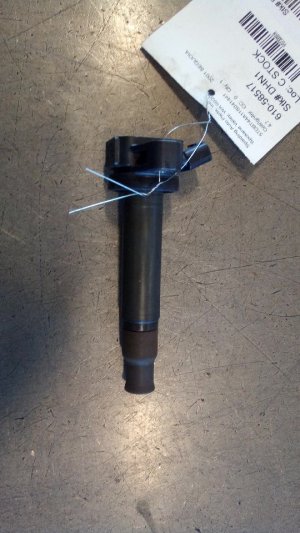
Used OEM Parts in Stock



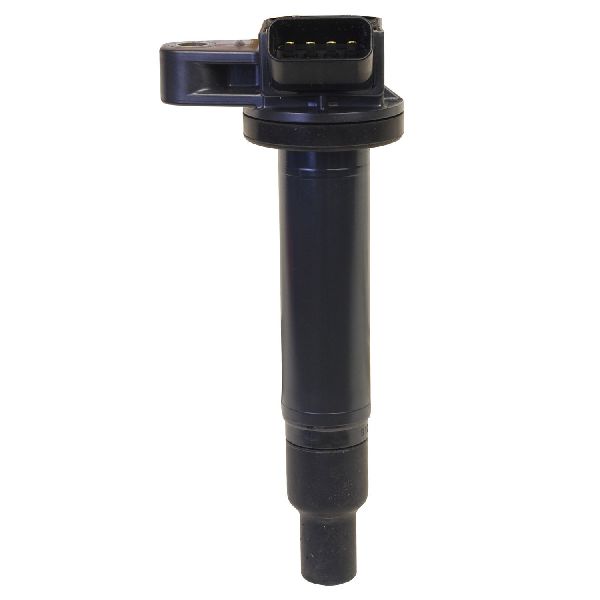
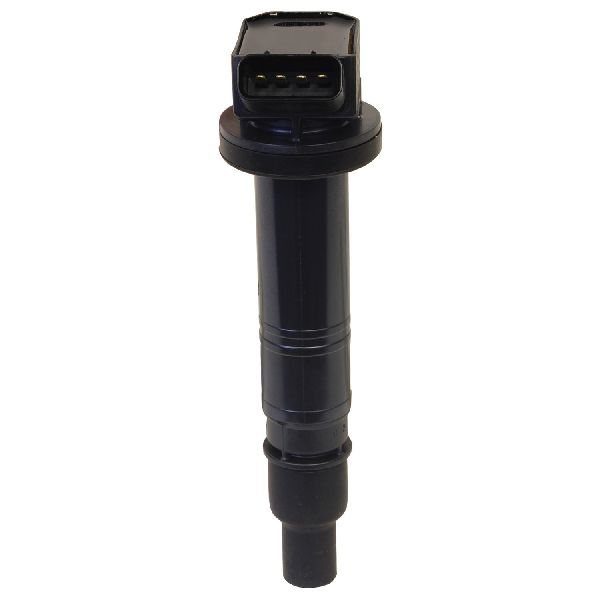
New Aftermarket Parts Available


The information in this article is provided for general reference and educational purposes only. Vehicle specifications, procedures, and part compatibility can vary by production date, trim level, and region. Always consult your vehicle's factory service manual and verify part numbers before purchasing or performing repairs. Safety-critical components such as airbags, seat belts, and braking systems should be installed by a qualified professional.
- Toyota 4Runner:
- 🎬 Helpful Videos
- 🛍️ Shop This Part
- What's Unique About the 2003-2009 Toyota 4Runner
- Symptoms You May Notice
- Most Likely Causes
- Diagnosis Steps
- Parts You'll Likely Need
- Related Codes That Often Appear With This One
- Technical Service Bulletins (TSBs) & Recalls
- Platform-Specific Known Issues
- Mechanic-Grade Diagnostic Values
- Hidden / Shadow Codes Worth Checking
- Scan Tool Commands That Help
- Wiring & Ground Locations
- Real Owner Repair Stories
- OEM Part Supersession History
- Model Year Variations Within This Range
- Diagnostic Flowchart
- Other Known Issues on This Vehicle
- Used vs. New Parts: Buying Guide for This Vehicle
- Real Owner Stories
- 2003-2005 Toyota 4Runner 4.0L V6
- 2003-2005 Toyota 4Runner 4.0L V6
- 2003-2009 Toyota 4Runner 4.0L V6
- 2003-2005 Toyota 4Runner 4.0L V6
- Related OBD-II Codes
- Frequently Asked Questions
- 🎟️ Get 5% Off