

P0306 on 2004-2006 Lexus RX 330: Cylinder 6 Misfire Causes and Fixes
On a 2004-2006 Lexus RX 330, the P0306 code is almost always caused by a bad ignition coil on cylinder 6. A worn spark plug is the second most likely cause. Expect to pay around $40-$85 for a quality aftermarket ignition coil (Denso is OEM) and it's a very easy 15-minute DIY fix. Be careful, as the ignition coil's plastic connector clip is known to be brittle and can break during removal.
- P0306 on a 2004-2006 RX 330 means cylinder 6 is misfiring.
- The most likely cause is a bad ignition coil, which is an easy and inexpensive DIY replacement because cylinder 6 is on the front of the engine.
- A simple way to confirm a bad coil is to swap it with another cylinder's coil (e.g., cylinder 4) and see if the trouble code follows the coil.
- If the coil isn't the problem, the next most likely cause is a worn spark plug.
- Don't be alarmed by the VSC light; it typically comes on with the check engine light for a misfire and will go away once the misfire is fixed.
What's Unique About the 2004-2006 Lexus RX 330

For the 3MZ-FE engine in the 2004-2006 RX 330, a P0306 code is a fortunate failure. Cylinder 6 is part of the front cylinder bank (Bank 2), located near the radiator. This makes the ignition coil and spark plug extremely easy to access for diagnosis and replacement, unlike the rear cylinders (1, 3, 5) which require removing the intake manifold. Owners frequently report that a simple ignition coil swap is all that's needed to fix the problem.
Symptoms You May Notice

- Check Engine Light is on (may be solid or flashing)
- VSC (Vehicle Stability Control) and 'TRAC OFF' lights are often on at the same time
- Rough or vibrating idle
- Engine shaking and hesitation during acceleration
- Noticeable loss of engine power
- Smell of gasoline from the exhaust
- Decreased fuel economy
- Replacing the catalytic converter. A misfire can cause catalytic converter codes (like P0420 or P0430) to appear due to unburnt fuel, but the converter itself is rarely the root cause of the misfire.
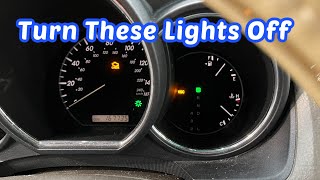
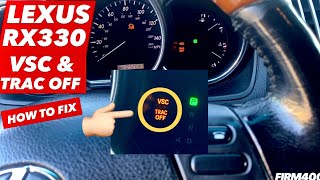
- Replacing the VSC computer. The VSC and TRAC OFF lights are triggered by the engine misfire as a safety precaution; fixing the misfire will resolve the VSC light issue after clearing the codes. 🎬 Watch: How to reset the VSC and Trac Off lights
Most Likely Causes

- Faulty Ignition Coil 🔴 High Probability Ignition coils are a common wear item on many vehicles, and the 3MZ-FE is no exception. Heat and vibration eventually cause the internal windings to fail. The plastic connector clip also becomes very brittle with age and can break when attempting to disconnect it.
How to confirm: Swap the ignition coil from cylinder 6 with the one from cylinder 4 (the middle cylinder on the same bank). Clear the codes and drive. If the code changes to P0304, the ignition coil is faulty. This is the most common diagnostic step reported by owners.
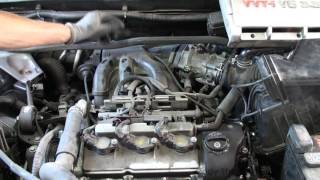
Typical fix: Replace the faulty ignition coil. It is held in by a single 10mm bolt. Be extremely careful when releasing the electrical connector's locking tab. If it breaks, the connector may need to be secured with a zip tie or replaced.
Est. part cost: $40-$85 - Worn or Fouled Spark Plug 🟡 Medium Probability Spark plugs have a finite service life. The original iridium plugs have a long life (Toyota recommends 120,000 miles), but will eventually wear out, leading to a weak spark and misfires. Oil leaking from a failed valve cover gasket tube seal can also foul the plug.
How to confirm: After confirming the ignition coil is good, remove the spark plug from cylinder 6. Inspect it for wear (worn electrode), fouling (black, oily, or white deposits), or damage. A healthy plug should have a light tan color. The gap should be checked; it should be between 1.0 mm and 1.1 mm (0.039 in. and 0.043 in.).
Typical fix: Replace the spark plug. If the plugs are old or their history is unknown, it is best practice to replace all six. The rear three are difficult to access and require removal of the intake manifold.
Est. part cost: $10-$20 per plug - Faulty Fuel Injector ⚪ Low Probability Less common than ignition issues, but injectors can become clogged or fail electrically over time, preventing the correct amount of fuel from reaching the cylinder. This can sometimes happen after other engine work is performed, potentially dislodging debris in the fuel rail.
How to confirm: After ruling out the coil and plug, swap the fuel injector from cylinder 6 to cylinder 4. This is more involved as it requires removing the fuel rail for the front bank. If the code moves to P0304, the injector is bad. A mechanic can also perform a fuel injector balance test or check its resistance.
Typical fix: Replace the faulty fuel injector. Some owners choose to replace all three on the front bank at the same time.
Est. part cost: $50-$150 for a refurbished OEM injector, $200+ for new.
Rare But Worth Checking
- Vacuum Leak: A vacuum leak near cylinder 6 from a cracked hose (like a PCV hose) or bad intake manifold gasket could cause a lean misfire. While this often causes codes on multiple cylinders (e.g., P0171, P0174), a gasket leak near an intake runner can sometimes isolate the misfire to a single cylinder.
- Low Engine Compression: This is a more serious mechanical issue, such as a burnt valve, worn piston rings, or a leaking head gasket. A compression test would be needed to diagnose this. This is very unlikely if the misfire appeared suddenly on an otherwise healthy engine.
- Wiring Harness or Connector Issue: The connector to the ignition coil or fuel injector can become brittle and break, or a wire could be damaged, causing an intermittent connection. The locking tab on the ignition coil connector is a known weak point. If it breaks, the connection can become loose over time.
Diagnosis Steps
- Confirm the presence of code P0306 using an OBD-II scanner. Note any other codes present, such as P0356, which strongly indicates a coil/wiring fault.
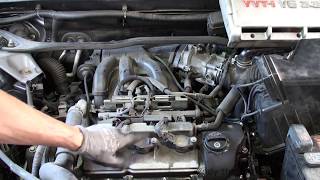
- Locate cylinder 6. On the 3MZ-FE engine, the cylinders are numbered 1-3-5 on the rear bank (against the firewall) and 2-4-6 on the front bank (near the radiator), from passenger to driver side. 🎬 Watch: Identify the correct cylinder and bank locations Cylinder 6 is on the front bank, driver's side.
- BE CAREFUL: The plastic locking tab on the ignition coil electrical connector is notoriously brittle. Pry it up gently. If it breaks, you may need to secure the connector with a zip tie after re-installation or replace the connector pigtail.
- Swap the ignition coil from cylinder 6 with the coil from cylinder 4 (the middle one on the front bank).
- Clear the codes with the scanner and start the engine. Let it run or drive it until the check engine light comes back on.
- Re-scan for codes. If the code is now P0304, the ignition coil you moved is bad and needs to be replaced.
- If the code remains P0306, the ignition coil is likely good. The next step is to inspect the spark plug. Remove the plug from cylinder 6 and check its condition. While the plug is out, check the spark plug tube for oil, which indicates a leaking valve cover gasket/tube seal.
- If the coil and spark plug are good, the issue may be with the fuel injector or wiring. Check the wiring and connector for the cylinder 6 ignition coil and fuel injector for any visible damage.
- For a more advanced diagnosis, you can swap the fuel injectors between cylinders 6 and 4, which requires removing the front fuel rail. If the code then moves to P0304, the injector is the culprit.
- If the problem persists, a compression test may be necessary to rule out mechanical engine problems. This is best left to a professional.
Parts You'll Likely Need

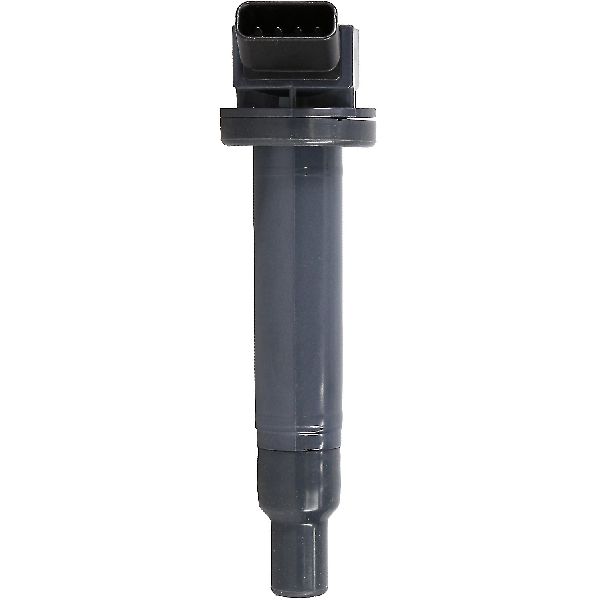
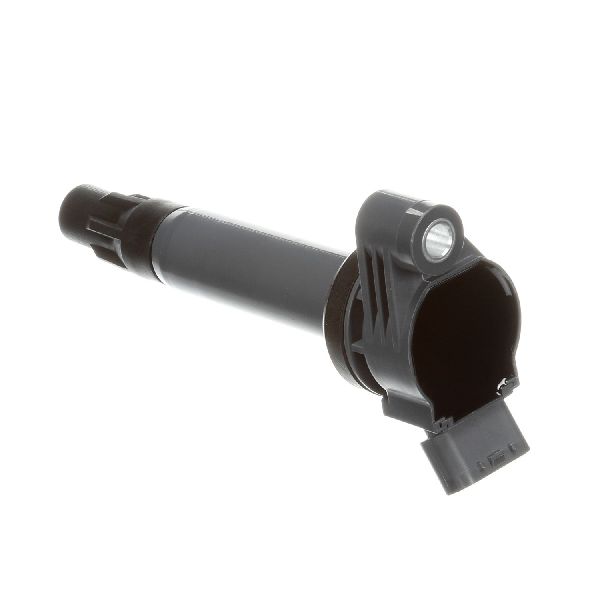
- Ignition Coil
(OEM #90919-02246)— This is the most frequent cause of a P0306 code on this vehicle due to its common failure rate.
Trusted brands: Denso (OEM Manufacturer, Aftermarket P/N: 673-1303), NGK, Delphi
OEM price range: $95-$140
Aftermarket price range: $40-$85 - Iridium Spark Plug
(OEM #90919-01210)— A worn spark plug is the second most common cause of an isolated cylinder misfire.
Trusted brands: Denso (SK20R11), NGK (IFR6T11)
OEM price range: $12-$16
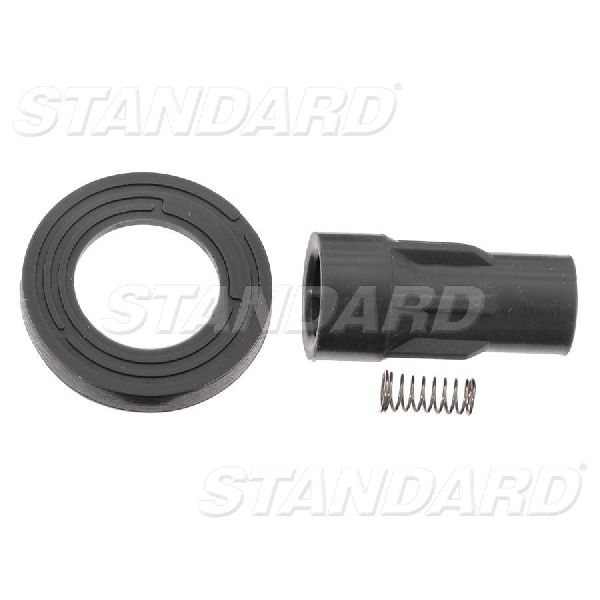
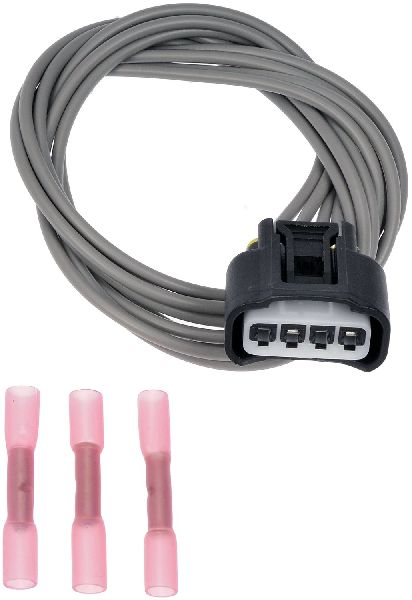
Aftermarket price range: $10-$14 - Ignition Coil Connector — Needed if the original connector's locking tab breaks during removal, which is a very common occurrence. Standard Motor Products S2527 is a known aftermarket replacement.
Trusted brands: Dorman, Standard Motor Products (SMP)
OEM price range: N/A
Aftermarket price range: $15-$25
Related Codes That Often Appear With This One
- P0300 — If the misfire is intermittent or affects multiple cylinders, a P0300 (Random/Multiple Cylinder Misfire) might be stored alongside P0306.
- P0302, P0304 — If other even-numbered cylinder codes are present, it could point to a common issue on that cylinder bank, like a vacuum leak affecting the front bank (Bank 2).
- P0356 — This code specifically indicates a fault in the ignition coil primary/secondary circuit for cylinder 6, pointing directly to a bad coil or a wiring issue to that coil.
Platform-Specific Known Issues
- Brittle Ignition Coil Connectors: The plastic locking tabs on the ignition coil connectors become extremely brittle over time due to engine heat cycles. It is very common for the tab to snap off when trying to disconnect the coil, even when being careful. If this happens, the connector may not seat securely, leading to a poor connection and future misfires. The common solutions are to secure the connector with a small zip tie or to cut off the old connector and splice in a new pigtail.
Mechanic-Grade Diagnostic Values
- Fuel Pressure (engine idling) — expected: 304 to 343 kPa (44 to 50 psi). Failure: Pressure below this range may indicate a weak fuel pump or clogged filter. Pressure above may indicate a faulty pressure regulator.
- Fuel Pressure (5 mins after engine stop) — expected: 147 kPa (21 psi) or more. Failure: Pressure dropping below this indicates a leak in the system, possibly from a fuel injector or check valve.
- Fuel Injector Resistance — expected: 13.4 to 14.2 Ω at 20°C (68°F). Failure: Resistance outside this range indicates a faulty injector coil.
- Ignition Coil Primary Resistance — expected: ~0.5 to 0.7 Ω. Failure: A reading outside this range suggests a fault in the primary winding.
- Ignition Coil Secondary Resistance — expected: ~8.5 to 11.1 kΩ. Failure: A reading outside this range suggests a fault in the secondary winding.
Hidden / Shadow Codes Worth Checking
- Mode $06 Misfire Data: Toyota/Lexus vehicles store detailed misfire counts for each cylinder that may not trigger a CEL but can be viewed with an advanced scan tool. Techstream provides the most detailed view, showing a current 'misfire rate' and a historical count 'EWMA' over the last 10 drive cycles. (see via Use the 'Monitor' screen within Toyota Techstream software. Some high-end generic OBD-II scanners can also access Mode $06 data.)
Scan Tool Commands That Help
- Toyota Techstream: Power Balance Test (Active Test) — This active test allows a technician to individually disable the fuel injector to each cylinder one by one. When a healthy cylinder is disabled, engine RPM will drop noticeably. When the misfiring cylinder (Cylinder 6) is disabled, there will be little to no change in RPM, confirming it is the non-contributing cylinder.
- Toyota Techstream: Misfire Monitor (Data List) — To diagnose an intermittent misfire that doesn't set a hard code immediately. The monitor screen shows raw misfire counts per cylinder, which can identify a cylinder that is misfiring under specific load or temperature conditions, even if the count isn't high enough to trigger the CEL.
Wiring & Ground Locations
- Ignition Coil Connector (Cylinder 6) — Front (radiator side) cylinder bank, driver's side.. Each coil has a 4-pin connector. The wires are IGT (trigger from ECM), IGF (confirmation signal to ECM), power, and ground. A poor connection at this specific connector will cause P0306 and/or P0356.
- Ed / Ee — Service manuals designate 'Ed' as a ground point at the front of the engine and 'Ee' at the rear of the engine.. The ignition coils share a common ground. While a bad ground typically causes multiple misfires (P0300), corrosion at a specific grounding point could potentially cause an isolated issue. These are the primary engine ground locations to check for integrity.
- BECU (Body ECU) — Attached to the back of the fusebox under the driver's side of the dashboard.. The BECU is involved in various body-related trigger signals. While not a direct cause of a single cylinder misfire, checking its connections can be useful if multiple, seemingly unrelated electrical issues are present with the misfire code.
Real Owner Repair Stories
- ClubLexus Forum User 'rlin78' (2004 Lexus RX330, >100,000 miles) — Check engine light, VSC light, lack of power, engine shaking, smell of gas.
✅ What actually fixed it The owner swapped the ignition coil from cylinder 6 to cylinder 4. The trouble code changed from P0306 to P0304. Replacing the faulty ignition coil with a new Denso part resolved the issue. - YouTube User 'ThEsToRyOfMyLiFe' (2004 Lexus RX330) — Flashing check engine light, VSC light, tire pressure light, rough running, vibration on acceleration.
❌ Tried (didn't work) Considered replacing the gas cap based on other videos, but decided to scan codes first.
✅ What actually fixed it A scan revealed codes P0306 and P0356, pointing to the cylinder 6 ignition coil. The owner replaced the ignition coil, which fixed the rough running and vibration.
OEM Part Supersession History
90919-02246→90919-02246 (current)— This part number remains the primary OEM part number for this application and has not been officially superseded.
Heads up: The part number 90080-19025 is often cross-referenced and is compatible, but 90919-02246 is the most commonly cited OEM number for the RX 330.
Model Year Variations Within This Range
- 2004-2006: There are no significant mechanical or electrical differences related to the engine management system or ignition components within the 2004-2006 model year range that would affect the diagnosis or repair of a P0306 code.
Diagnostic Flowchart
Used vs. New Parts: Buying Guide for This Vehicle
When a used part is the smart pick: A used OEM Denso ignition coil from a reputable salvage yard with a known low-mileage donor vehicle can be a cost-effective and reliable alternative to a new, unbranded aftermarket coil.
Donor-vehicle mileage cap: roughly under 100000 miles for the part to have meaningful remaining life.
What to inspect on the donor part:
- Ensure there are no cracks in the plastic housing of the coil.
- Check the electrical connector pins for any signs of green or white corrosion.
- Inspect the rubber boot for tears, brittleness, or swelling.
- If possible, ask for the mileage of the donor vehicle.
OEM-only on this vehicle (don't cheap out):
- No parts for this specific repair are strictly 'OEM-only', but using high-quality brands is critical for longevity.
Aftermarket brands forum-validated for this vehicle:
- Denso (OEM supplier)
- NGK
- Delphi
Brands owners have reported issues with on this vehicle:
- Unbranded, generic ignition coils sold on online marketplaces at a very low price point are frequently reported by owners to have high premature failure rates.
Real Owner Stories
Aggregated from forums and TSBs cited above. Mileages and costs reflect what owners reported in those sources.
2004 Lexus RX 330 — 100000 miles
Symptoms: Check engine light and VSC light came on, accompanied by a lack of power, engine shaking, and a smell of gas. The engine RPM was also unstable.
What fixed it: The owner swapped the ignition coil from cylinder 6 to cylinder 4. The code changed to P0304, confirming the coil was bad. Replacing the single faulty ignition coil with a new Denso part resolved all symptoms.
Source hint: ClubLexus - P0306 and VSC light fixed
Related OBD-II Codes
Frequently Asked Questions
Where is cylinder 6 located on my 2004-2006 RX 330's engine?
Why did my VSC and 'TRAC OFF' lights come on at the same time as the P0306 Check Engine Light?
The plastic locking tab on my ignition coil connector broke off. What should I do?
I'm replacing the spark plugs. What is the correct spark plug gap for the 3.3L V6?
I found oil in the spark plug tube for cylinder 6. What does this indicate?
How difficult is it to replace all six spark plugs on this vehicle?
I swapped the ignition coil from cylinder 6 to 4, but the code is still P0306. What should I check next?
Helpful Videos
Used OEM Parts in Stock

New Aftermarket Parts Available


The information in this article is provided for general reference and educational purposes only. Vehicle specifications, procedures, and part compatibility can vary by production date, trim level, and region. Always consult your vehicle's factory service manual and verify part numbers before purchasing or performing repairs. Safety-critical components such as airbags, seat belts, and braking systems should be installed by a qualified professional.
- Lexus RX 330:
- 🎬 Helpful Videos
- 🛍️ Shop This Part
- What's Unique About the 2004-2006 Lexus RX 330
- Symptoms You May Notice
- Most Likely Causes
- Rare But Worth Checking
- Diagnosis Steps
- Parts You'll Likely Need
- Related Codes That Often Appear With This One
- Platform-Specific Known Issues
- Mechanic-Grade Diagnostic Values
- Hidden / Shadow Codes Worth Checking
- Scan Tool Commands That Help
- Wiring & Ground Locations
- Real Owner Repair Stories
- OEM Part Supersession History
- Model Year Variations Within This Range
- Diagnostic Flowchart
- Used vs. New Parts: Buying Guide for This Vehicle
- Real Owner Stories
- 2004 Lexus RX 330 — 100000 miles
- Related OBD-II Codes
- Frequently Asked Questions
- 🎟️ Get 5% Off