

P0306 on 2017 Ford Fusion: Cylinder 6 Misfire Causes and Fixes (2.7L V6)
P0306 on a 2017 Ford Fusion Sport indicates a misfire in cylinder 6. This is often caused by a bad ignition coil or spark plug. However, be aware of manufacturer bulletins (TSBs) linking this code to serious oil consumption issues that may require internal engine repair, such as cylinder head or complete engine replacement.
- P0306 on a 2017 Fusion is specific to the Sport model with the 2.7L V6 engine.
- The most likely causes are a bad ignition coil or spark plug on cylinder 6.
- Always check for other codes, especially those related to oil pressure (P0524, P06DD).
- Be aware of high oil consumption, as Ford TSBs link this symptom to serious internal engine issues that can cause misfires.
- Start diagnosis by swapping the coil and then the spark plug from cylinder 6 to another cylinder to see if the misfire follows.
What's Unique About the 2017-2017 Ford FUSION
For the 2017 Fusion Sport with the 2.7L EcoBoost V6, a P0306 code can be more than a simple tune-up issue. Ford has issued multiple Technical Service Bulletins (TSBs) for this engine family that connect persistent misfire codes with excessive oil consumption. These bulletins suggest the root cause could be internal engine problems, such as defective valve guides in the cylinder heads or issues with the entire long block, making a thorough diagnosis crucial before replacing parts.
Diagnostic Flowchart
Tap your situation to follow the diagnostic path that matches what you're seeing on this vehicle.
Symptoms You May Notice
- Flashing or solid Check Engine Light
- Rough or shaking idle, sometimes worse when the A/C is on
- Engine hesitation or stumbling during acceleration
- Noticeable loss of power
- Poor fuel economy
- Smell of raw fuel from the exhaust
- White or blue smoke from the exhaust, especially after a hot restart
- Replacing only the spark plug when the ignition coil is the actual cause.
- Repeatedly replacing ignition parts when the underlying cause is excessive oil consumption fouling the cylinder, as described in the TSBs.
Most Likely Causes
- Faulty Ignition Coil 🔴 High Probability Coil-on-plug systems are a common failure point on many modern engines due to constant heat and vibration. The 2.7L EcoBoost is known for ignition component failures.
How to confirm: Swap the ignition coil from cylinder 6 with another cylinder (e.g., cylinder 5). Clear the codes and run the engine. If the misfire code changes to P0305, the coil is bad.
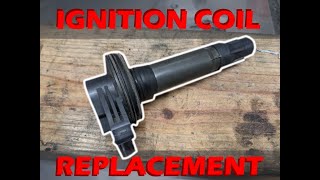
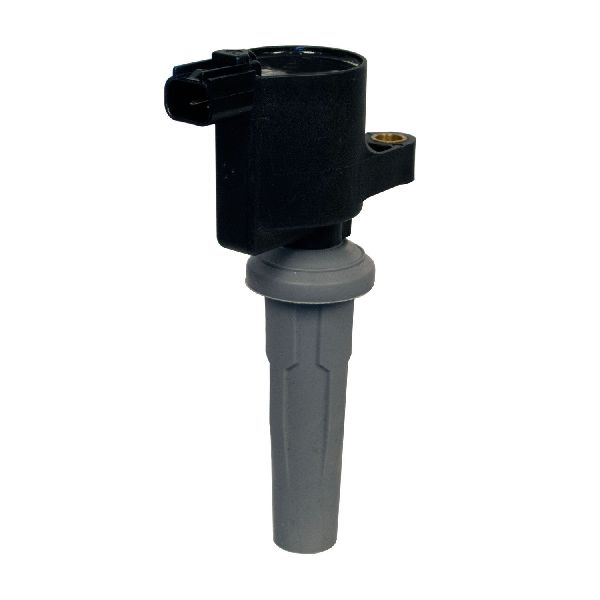
Typical fix: Replace the faulty ignition coil 🎬 Watch a mechanic demonstrate how to fix a P0306 engine code. for cylinder 6. The OEM part is a Motorcraft DG549.
Est. part cost: $50-$90 - Worn or Fouled Spark Plug 🔴 High Probability
How to confirm: Remove the spark plug from cylinder 6 and inspect it for wear, carbon buildup, or oil fouling. Oil fouling is a key indicator of the more serious internal engine issue. You can also swap it with another cylinder's plug to see if the misfire follows.
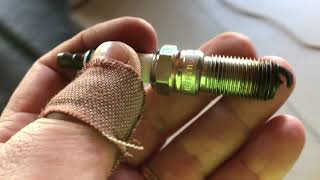
Typical fix: Replace the spark plug. It is recommended to replace all six spark plugs 🎬 See a step-by-step walkthrough for changing spark plugs on this engine. at the same time for even performance. The OEM part is a Motorcraft SP-594 (which may supersede SP-545).
Est. part cost: $15-$30 per plug - Internal Engine Issues (per TSBs) 🟡 Medium Probability TSB 19-2243 (which supersedes 17-2235) and others identify a known issue with excessive oil consumption (1 quart in <3,000 miles) leading to misfires. The cause is often attributed to faulty cylinder head valve guides. Forum discussions confirm this is a recurring problem for owners.
How to confirm: Monitor oil consumption closely. Perform a cylinder compression test and a leak-down test. If codes P0524 (Engine Oil Pressure Too Low) or P06DD (Engine Oil Pressure Control Circuit Stuck Off) are also present, it strongly points to this issue as per TSBs.
Typical fix: This is a major repair that may involve replacing both cylinder heads or the entire engine long block, as specified by manufacturer bulletins. This is not a DIY repair.
Est. part cost: $3000-$15000+ - Clogged or Faulty Fuel Injector ⚪ Low Probability
How to confirm: After ruling out ignition issues, a mechanic can test the fuel injector's function and flow rate. This can also trigger codes like P0206.
Typical fix: Clean or replace the fuel injector for cylinder 6.
Est. part cost: $70-$150
Rare But Worth Checking
- Vacuum Leak: A vacuum leak near the intake manifold for cylinder 6 can lean out the air/fuel mixture and cause a misfire. This is less common for a single-cylinder misfire.
- Low Compression: Beyond the TSBs, low compression from worn piston rings or a bad valve can cause a persistent misfire on a single cylinder. This would be confirmed with a compression or leak-down test.
Diagnosis Steps
- Read the trouble codes with an OBD-II scanner and note any other codes present, especially P0300, P0316, P0524, or P06DD.
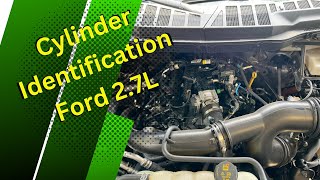
- Identify cylinder 6. 🎬 Watch this quick guide to identify cylinder locations on your 2.7L. On the 2.7L V6 in the Fusion (a transverse engine), the cylinders are numbered 1-2-3 on the bank closer to the firewall (rear) and 4-5-6 on the bank closer to the radiator (front). Cylinder 6 is the one on the driver's side of the front bank.
- Swap the ignition coil from cylinder 6 with cylinder 5. Clear the codes and run the engine. If the code changes to P0305, the ignition coil is faulty. Replace the coil.
- If the code remains P0306, swap the spark plug from cylinder 6 with cylinder 4. Clear codes and run the engine. If the code changes to P0304, the spark plug is the issue. Replace all six plugs for best results.
- If the misfire stays on cylinder 6, inspect the wiring and connector for the ignition coil and fuel injector for any damage or corrosion.
- Begin monitoring engine oil level. If the vehicle consumes more than 1 quart of oil in less than 3,000 miles, refer to TSB 19-2243. This is a critical step.
- If oil consumption is high, or if basic ignition fixes don't work, take the vehicle to a qualified technician. They should perform a cylinder compression test and a cylinder leak-down test to check for mechanical engine problems.
- A professional should investigate a clogged or failing fuel injector on cylinder 6 if all ignition and mechanical checks pass.
- If tests confirm low compression or link to the oil consumption TSB, the repair will likely involve cylinder head or engine replacement as per Ford's guidelines.
Parts You'll Likely Need
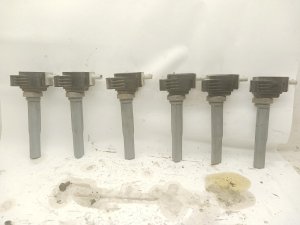
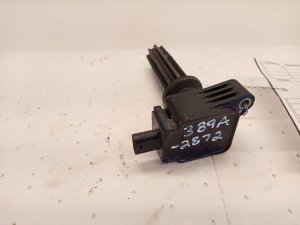
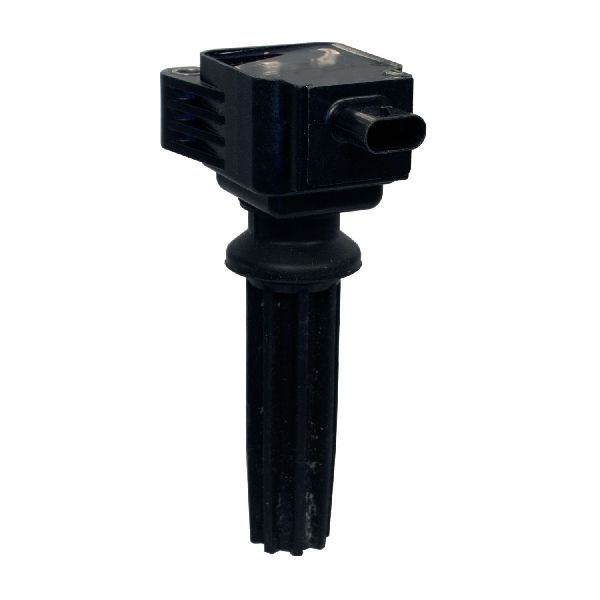
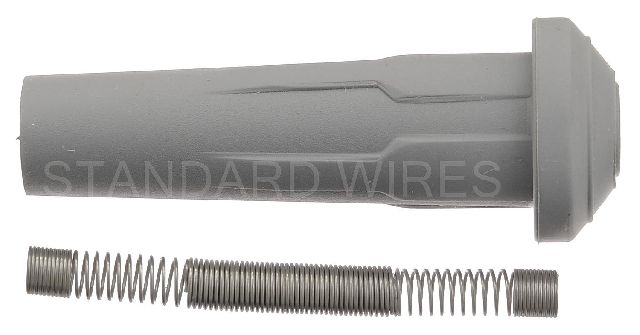
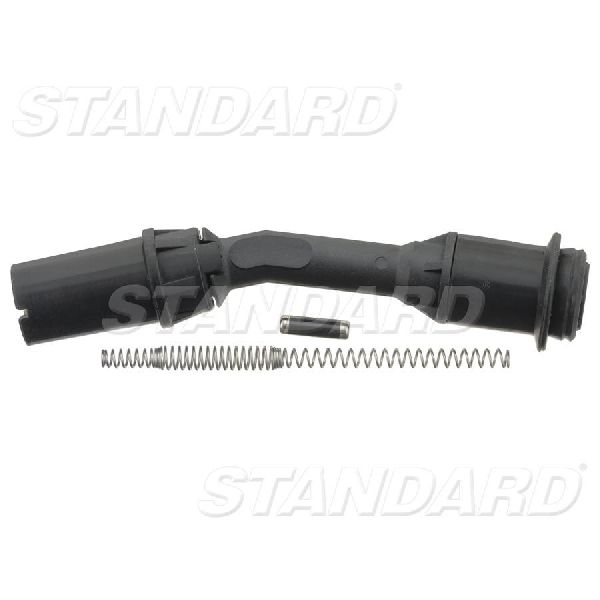
- Ignition Coil
(OEM #DG549)— This is one of the most common failure items to cause a single-cylinder misfire on EcoBoost engines.
Trusted brands: Motorcraft, NGK, Denso
OEM price range: $60-$100
Aftermarket price range: $40-$80 - Spark Plug
(OEM #SP-594)— A worn, damaged, or oil-fouled spark plug cannot create the spark needed for combustion. Oil fouling is a key symptom of the larger engine issue.
Trusted brands: Motorcraft, NGK, Bosch
OEM price range: $15-$30
Aftermarket price range: $10-$25 - Engine Long Block — In cases where the misfire is caused by the known oil consumption issue described in TSBs, a complete engine replacement is often the final repair prescribed by Ford.
Trusted brands: Motorcraft (OEM Remanufactured), Jasper (Aftermarket Remanufactured)
OEM price range: $6000-$9000+
Aftermarket price range: $5000-$8000
Related Codes That Often Appear With This One
- P0300 — If the misfire condition is intermittent or affects other cylinders, a P0300 (Random Misfire Detected) code may appear alongside P0306.
- P0316 — Indicates a misfire was detected within the first 1,000 engine revolutions on startup, which is common with P030x codes and mentioned specifically in the TSBs.
- P0524 / P06DD — According to multiple TSBs, the presence of these oil pressure codes along with misfire codes strongly suggests a severe internal engine problem requiring inspection of the cylinder heads or long block.
Technical Service Bulletins (TSBs) & Recalls
- TSB 19-2243: Supersedes previous bulletins, links misfires and oil consumption to faulty valve guides requiring cylinder head replacement on 2017 Fusions.
- TSB 17-2077 / 19-2384: Earlier TSBs for the F-150 with the 2.7L, but describe the i
Platform-Specific Known Issues
- TSB 19-2243: The Primary Culprit: This TSB supersedes older versions and applies to the 2017 Fusion Sport. It details a procedure for diagnosing misfires (P030x), rough idle, and blue/white smoke linked to excessive oil consumption (over 1 quart per 3,000 miles). The root cause is often identified as faulty valve guides, requiring cylinder head replacement. If oil pressure codes P0524/P06DD are also present, the TSB points toward replacing the entire long block.
- Owner Experience: From Misfire to New Engine: A user on Reddit with a 2017 Fusion Sport detailed their experience with this exact issue. It began with misfires and high oil consumption (~3500 miles to bone dry). After escalating the issue with the dealer, it was confirmed to be the known manufacturing defect, resulting in a full engine replacement under warranty. This highlights the severity and reality of the TSB.
- Forum Discussion: Not Just a Simple Fix: Threads on the Ford Edge Forum regarding the 2.7L engine show owners discussing the same oil consumption and misfire problems, often referencing the TSBs. This confirms the problem is engine-specific, not just limited to the Fusion, and that the community is well aware that a simple plug/coil swap may not be the final answer.
Mechanic-Grade Diagnostic Values
- Low-Side Fuel Pressure (at idle) — expected: 35 to 65 PSI. Failure: Significant pressure drops under load, even if idle pressure seems normal, can indicate a weak in-tank fuel pump.
- High-Side Fuel Pressure (Direct Injection) — expected: 500 to 2,500+ PSI (varies with engine load). Failure: Readings on a scan tool that do not respond correctly to engine demand can indicate a failing high-pressure fuel pump (HPFP).
Hidden / Shadow Codes Worth Checking
- Mode 6, TID $A7: Ford uses Mode 6 data to store misfire counts for each cylinder. TID $A7 corresponds to cylinder 6 (TID $A2 for Cyl 1, $A3 for Cyl 2, etc.). A high count in this monitor, even without a P0306 code, can confirm that cylinder 6 is the source of an intermittent misfire. (see via A capable OBD-II scanner that can display Mode $06 test results.)
Scan Tool Commands That Help
- Ford IDS (Integrated Diagnostic System): Power Balance Test — This function graphically displays the power contribution of each cylinder in real-time. A significant drop or erratic line for cylinder 6 confirms it is not contributing power correctly and helps isolate the issue, especially for intermittent misfires that don't immediately set a code.
Wiring & Ground Locations
- Engine Ground Point — On some Fusion models, a main engine-to-chassis ground point is located on the top of the strut mount tower in the engine bay. Another primary ground runs from the engine block to the body.. A poor engine ground can cause a host of electrical issues, including weak spark or erratic sensor readings that could lead to a misfire code. When performing electrical tests on the ignition or fuel injector circuits, using a known-good ground point is essential for accurate multimeter readings.
- Cylinder 6 Ignition Coil Connector — On the front cylinder bank (closer to the radiator), on the driver's side cylinder. The connector plugs directly onto the top of the ignition coil.. This connector and its wiring are the final link for the spark command. Check for corrosion, pushed-out pins, or damage to the wiring harness. Wiggling the connector with the engine running may reveal a loose connection if it causes the misfire to change.
Helpful Videos
Used OEM Parts in Stock




New Aftermarket Parts Available


The information in this article is provided for general reference and educational purposes only. Vehicle specifications, procedures, and part compatibility can vary by production date, trim level, and region. Always consult your vehicle's factory service manual and verify part numbers before purchasing or performing repairs. Safety-critical components such as airbags, seat belts, and braking systems should be installed by a qualified professional.
- Ford FUSION:
- 🎬 Helpful Videos
- 🛍️ Shop This Part
- What's Unique About the 2017-2017 Ford FUSION
- Diagnostic Flowchart
- Symptoms You May Notice
- Most Likely Causes
- Rare But Worth Checking
- Diagnosis Steps
- Parts You'll Likely Need
- Related Codes That Often Appear With This One
- Technical Service Bulletins (TSBs) & Recalls
- Platform-Specific Known Issues
- Mechanic-Grade Diagnostic Values
- Hidden / Shadow Codes Worth Checking
- Scan Tool Commands That Help
- Wiring & Ground Locations
- 🎟️ Get 5% Off