

P0305 on 2011-2016 BMW 5-Series N63 V8: Cylinder 5 Misfire Causes and Fixes
P0305 indicates a misfire on cylinder 5. On the BMW N63 engine, this is most often caused by a failed ignition coil or spark plug, which are simple DIY fixes. However, it is also frequently caused by a failing fuel injector, a known weak point on this engine that requires expensive, coded replacements. Due to the engine's design, valve stem seal failure is another significant possibility.
- P0305 on this BMW is a misfire on the front-most cylinder on the driver's side.
- Always start diagnosis by swapping the ignition coil from cylinder 5 to cylinder 6 to see if the fault code follows.
- Be highly suspicious of the fuel injector on cylinder 5, as they are a very common and well-documented failure point on the N63 engine.
- Check for high oil consumption or blue smoke from the exhaust after idling, as these are classic signs of failing valve stem seals which will foul the spark plug and cause this code.
- If replacing a fuel injector, it must be the latest available index number and must be electronically coded to the vehicle's computer (DME).
What's Unique About the 2011-2016 BMW 5-Series
The N63 V8 is a unique "hot-vee" engine, with the turbochargers and exhaust manifolds located in the valley between the cylinder banks. This design generates immense heat, which contributes to two of the most common and notorious causes of misfires on this platform: premature failure of fuel injectors and degradation of valve stem seals. While ignition components are a common cause, any P030x code on an N63 requires a closer look at the fuel injectors and for signs of oil burning. These issues were so prevalent on early models (2008-2013) that BMW initiated a comprehensive "Customer Care Package" (CCP) to replace injectors, timing chains, crankcase vent lines, and other components.
Generation note: The 2011-2016 year range covers the F10 generation 5-Series but includes two versions of the N63 engine. Models from 2011-2013 have the original N63 (N63B44O0), which is known for significant reliability issues. Models from late 2012/early 2013 onward feature the updated N63TU (N63B44O1), also known as the N63TU1. The N63TU introduced Valvetronic, forged connecting rods, updated fuel injectors, and improved cooling, making it more robust and less prone to some of the earlier issues like injector and timing chain failure.
Symptoms You May Notice
- Rough or vibrating idle
- Hesitation or stumbling during acceleration
- Noticeable loss of engine power
- Solid or flashing Check Engine Light
- Smell of unburned fuel from the exhaust
- Reduced fuel economy
- Shaking or shuddering on startup that may stabilize after a few seconds
- Replacing only the spark plug when it has been fouled by a leaking fuel injector or bad valve stem seals. The new plug will quickly foul again, and the misfire will return.
- Replacing ignition coils and spark plugs repeatedly without addressing the underlying cause, such as a leaking injector, which is a very common scenario described by owners.
- Assuming a misfire is from ignition components when it is actually caused by carbon buildup on the intake valves, a common issue on direct-injection engines like the N63.
Most Likely Causes
- Faulty Ignition Coil 🔴 High Probability Ignition coils are a common failure item on modern BMWs due to high under-hood temperatures and electrical stress. The N63's 'hot-vee' design exacerbates this. They are considered a regular maintenance item by many owners, with failure possible at any mileage.
How to confirm: Swap the ignition coil from cylinder 5 with another cylinder (e.g., cylinder 6). Clear the codes and drive the vehicle. If the code changes to P0306, the coil is faulty. This is the definitive DIY diagnostic step.
Typical fix: Replace the faulty ignition coil. It is often recommended to replace all 8 coils if they are original and high-mileage, as the others are likely near the end of their service life.
Est. part cost: $40-$80 per coil - Worn or Fouled Spark Plug 🔴 High Probability
How to confirm: After confirming the coil is good, remove the spark plug from cylinder 5. Inspect it for wear (worn electrode), carbon buildup, or fouling from oil (wet and black, indicating valve stem seals) or fuel (smells strongly of gas, indicating a leaky injector). A clean, dry plug that is simply worn points to a standard maintenance issue.
Typical fix: Replace the spark plug. BMW recommends a 30,000-50,000 mile replacement interval. If the plugs are near their service interval, replace all 8.
Est. part cost: $15-$30 per plug - Failing Fuel Injector 🔴 High Probability Early N63 engines are notorious for fuel injector failures, with some failing in as little as 20,000-30,000 miles. The piezoelectric injectors are sensitive to heat and can fail by leaking fuel into the cylinder or not firing properly. BMW has released multiple updated versions (indexes). This was a primary component replaced under the N63 Customer Care Package. The N63TU has improved injectors but failures can still occur.
How to confirm: Check for a strong fuel smell on the spark plug. A more definitive test involves using a scan tool to monitor fuel rail pressure after shutdown; a rapid drop indicates a leak. A technician can also use a borescope to look for fuel washing or pooling on the piston crown in cylinder 5. Misfire codes on Bank 2 (P0305, P0306, P0307, P0308) are often traced back to a single leaking injector on that bank.
Typical fix: Replace the faulty fuel injector. Injectors must be replaced with the same or a newer index number. The latest version is Index 12 (part number 13538616079). It is highly recommended to replace all 4 injectors on the same bank (Bank 2 for cylinder 5) at the same time. The new injector must be calibrated/coded to the DME with a diagnostic tool.
Est. part cost: $200-$450 per injector - Leaking Valve Stem Seals 🟡 Medium Probability The N63's "hot-vee" design bakes the rubber valve stem seals, causing them to harden, crack, and lose their ability to seal. This allows oil to leak down the valve guides into the combustion chamber, fouling the spark plug and causing a misfire, often after idling. This issue is common on N63 engines, sometimes appearing with as few as 48,000 miles.
How to confirm: The primary symptoms are excessive oil consumption (e.g., needing to add a quart every 500-1000 miles) and puffs of blue/white smoke from the exhaust after idling at a stoplight or on a cold start. The spark plug in cylinder 5 will be coated in burnt oil deposits (black, sooty, and sometimes wet). A definitive diagnosis is made by observing smoke after letting the car idle for several minutes.
Typical fix: This is an extensive and expensive repair that involves replacing all 32 valve stem seals. It requires specialized tools to perform the job with the engine in the car, though some shops prefer to remove the engine entirely. This is typically a job for a professional specialist, with costs often cited between $7,000 and $9,000 at a dealership.
Est. part cost: $200-$400 for seals and gaskets
Rare But Worth Checking
- Cracked Crankcase Ventilation (PCV) Hoses: The plastic PCV hoses and their integrated check valves become brittle from engine heat and can crack or break. This creates a vacuum leak that disrupts the air-fuel ratio and can cause misfires, rough idle, and sometimes light smoke from the exhaust. Owners report these hoses breaking easily during other repairs.
- Low Cylinder Compression: While less common, internal engine damage such as worn piston rings, a damaged piston, or a problem with a valve can cause a loss of compression, leading to a persistent misfire that does not resolve with ignition or fuel component replacement.
- Faulty DME Injector Driver: In rare cases, the MOSFET transistor in the DME (engine computer) that controls the fuel injector for cylinder 5 can fail or burn out. This prevents the injector from firing, causing a persistent misfire on that cylinder even with a new injector. This requires DME repair or replacement.
- High-Pressure Fuel Pump (HPFP) Failure: The N63 has two HPFPs, one for each bank. A failing HPFP on Bank 2 can cause low fuel pressure to cylinders 5-8, leading to multiple misfires on that bank, often accompanied by a low fuel rail pressure code.
Diagnosis Steps
- Read the fault codes using an OBD-II scanner to confirm P0305 and check for any other codes, especially mixture control or fuel pressure codes.
- Check the freeze frame data to see the engine conditions (RPM, load, temperature) when the misfire occurred.
- Swap the ignition coil from cylinder 5 with the coil from cylinder 6 (the cylinder next to it on the same bank). Clear the codes and drive the car. If the fault moves to P0306, the ignition coil is bad.
- If the misfire remains on cylinder 5, remove the spark plug. Inspect it for excessive wear, damage, or fouling from oil (black, sooty, wet) or fuel (strong gasoline smell). Replace if necessary.
- While the plug is out, inspect the spark plug well for oil, which indicates a leaking valve cover gasket.
- If the plug is clean and the coil is good, suspect the fuel injector. A strong fuel smell from the plug is a major clue. A professional can perform a fuel rail pressure bleed-down test or use a borescope to check for a leaking injector.
- Check for signs of bad valve stem seals: let the engine idle for 5-10 minutes, then rev the engine and look for a puff of blue-white smoke from the exhaust.
- Inspect the crankcase ventilation (PCV) hoses for cracks or breaks, which can cause vacuum leaks.
Parts You'll Likely Need
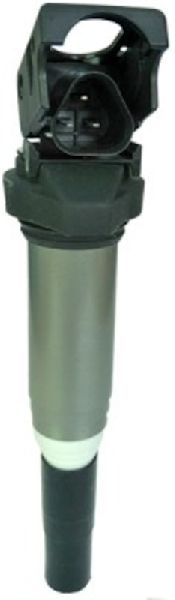
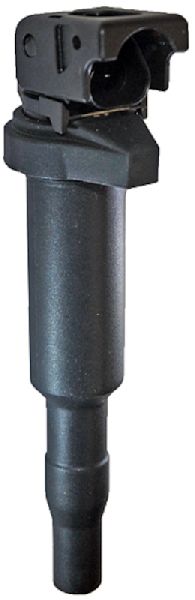
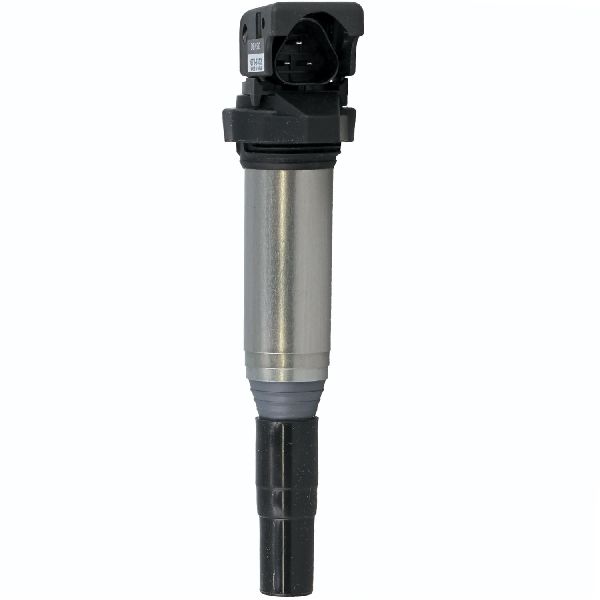
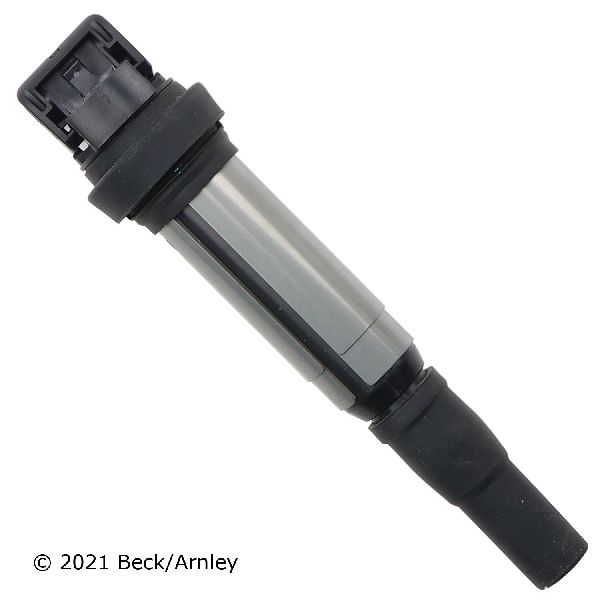
- Ignition Coil
(OEM #12138616153)— A very common failure point on BMWs causing misfires. It's the first part to check via a simple swap test.
Trusted brands: Bosch, Delphi, Eldor
OEM price range: $60-$90
Aftermarket price range: $35-$60 - Spark Plug
(OEM #12120037582)— A standard maintenance item that can cause misfires when worn. It can also be fouled by other failing components like injectors or valve stem seals, serving as a key diagnostic clue.
Trusted brands: Bosch, NGK
OEM price range: $25-$35
Aftermarket price range: $15-$25 - Fuel Injector (Index 12+)
(OEM #13538616079)— A notorious weak point on the N63 engine. Leaking injectors are a very common cause of persistent, single-cylinder misfires that can also lead to rich conditions and misfires on adjacent cylinders.
Trusted brands: BMW (OEM)
OEM price range: $250-$450
Aftermarket price range: $180-$300
Related Codes That Often Appear With This One
- P0300 — Random/Multiple Cylinder Misfire Detected. If the root cause, like a large vacuum leak or a failing HPFP, affects multiple cylinders, P0300 may appear with P0305 and other cylinder-specific codes.
- 29E1 — BMW-specific code for Mixture Control 2 (Bank 2). This often accompanies misfire codes on Bank 2 (cylinders 5-8) and points towards a fuel delivery or air/fuel mixture issue, such as a failing injector or vacuum leak.
- P0306, P0307, P0308 — Misfire codes for other cylinders on the same bank (Bank 2). This often points to a systemic issue on that bank, most commonly a failing High-Pressure Fuel Pump (HPFP) for Bank 2.
Technical Service Bulletins (TSBs) & Recalls
- SI B11 06 14: The main TSB for the N63 Customer Care Package (CCP), outlining the inspection and replacement of fuel injectors, mass air sensors, crankcase vent lines, vacuum pump, and timing chain.
- SI B00 13 14: An administrative bulletin detailing the customer handling, loaner car policy, and goodwill gestures ($50 gift) associated with the N63 CCP.
- SI B13 01 19: A later TSB related to fuel injector issues, though specific details require dealer access.
Platform-Specific Known Issues
- The N63 Customer Care Package (CCP): For 2008-2013 N63 engines, BMW launched a massive service campaign (not officially a recall) to address the most common failures. Dealers would inspect and, if necessary, replace the timing chain, fuel injectors, mass air flow sensors, crankcase vent lines, battery, and vacuum pump. Any owner of a pre-N63TU vehicle should verify if this service was performed, as it is critical to the engine's long-term health.
- Valve Stem Seal Class Action Lawsuit: The valve stem seal and oil consumption issues were so widespread on N63 engines that they resulted in a class-action lawsuit. The settlement provided for reimbursement for past repairs and coverage for future valve stem seal replacements if the vehicle failed an oil consumption test. This highlights the severity and frequency of the problem.
Mechanic-Grade Diagnostic Values
- High-Pressure Fuel System Pressure (HPFP) — expected: Should maintain pressure after engine shutdown. A rapid drop indicates a potential leak, often from a faulty injector.. Failure: Pressure drops quickly after turning off the engine.
- Ignition Coil Primary Circuit Voltage — expected: Approximately 14V static voltage with key on, engine off. Should show a commanded grounding signal from the DME when running.. Failure: Absence of the grounding command from the DME, which can indicate a wiring issue or a failed DME driver.
Hidden / Shadow Codes Worth Checking
- CDKCF1 or 140510: BMW-specific fault code for 'Misfire, cylinder 5: detected'. This is the manufacturer's equivalent of the generic P0305 code. (see via BMW-specific diagnostic software like ISTA or a high-end scanner.)
- CDKCF8 or 140001: 'Combustion misfires, several cylinders: Fuel injection is switched off'. The DME will set this code and deactivate the injector for the misfiring cylinder(s) to protect the catalytic converter. (see via BMW-specific diagnostic software like ISTA or a high-end scanner.)
- 140501: 'Misfire, cylinder 5: Injection is switched off'. This code confirms the DME has intentionally shut down the fuel injector for cylinder 5 due to a persistent misfire. (see via BMW-specific diagnostic software like ISTA or a high-end scanner.)
Scan Tool Commands That Help
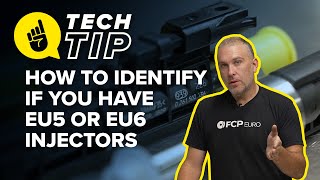
- ISTA: Injector Determination Service Function — Crucial for N63TU engines (2013+) to determine if the vehicle requires EU5 or EU6 type injectors before ordering replacements. The two types are not interchangeable. The path is Vehicle management > Service functions > Powertrain > Engine electronics > Injector determination.
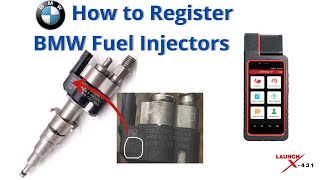
- ISTA or capable bidirectional scanner: Fuel Injector Coding / Registration — Required any time a fuel injector is replaced. The unique calibration value printed on the new injector must be entered into the DME to ensure precise fuel delivery and smooth engine operation.
- ISTA: Misfire Detection Test Plan — When diagnosing a misfire, ISTA provides a guided test plan that analyzes engine data and suggests diagnostic steps, such as checking specific components or running further tests based on the fault pattern.
Wiring & Ground Locations
- Ignition Coil Harness Ground — A ground circuit is integrated into the metal bushing of the ignition coil harness duct on each cylinder bank. This is secured to the valve cover with a bolt.. If this ground bolt is not properly secured and torqued after repairs, it can cause BSD (Bit Serial Data) communication faults and potentially damage components on that circuit, leading to various running issues including misfires.
- DME for Cylinders 5-8 (DME2) — The N63 uses two DMEs. DME2 controls Bank 2 (cylinders 5-8). Its specific location can vary but is typically in the engine bay's electronics box.. A P0305 fault originates from DME2. Any wiring tests for the cylinder 5 ignition coil or fuel injector will trace back to the connectors on this specific control unit.
Real Owner Repair Stories
- Bimmerpost user (N63TU engine) — Misfire on multiple cylinders, including cylinder 3, after reporting low fuel pressure on Bank 2.
❌ Tried (didn't work) Replaced HPFP on Bank 2, Replaced all spark plugs and coils, Replaced all fuel injectors on Bank 1 (cylinders 1-4), Moved coil from cylinder 3 to 4, Put a new spark plug in cylinder 3
✅ What actually fixed it The electrical connector for the ignition coil was not fully seated. Although it felt connected, it had a 5mm gap. The user had to apply extra force to overcome the resistance of the rubber seal and fully seat the connector, which resolved the misfire. - Bimmerpost user (2011 BMW 550i (N63)) — System Too Rich codes for both banks, plus misfires on cylinders 1 and 5 (P0301, P0305).
❌ Tried (didn't work) Replacing spark plugs and coils (this temporarily cleared the misfire codes but the rich codes remained), Replacing the low-pressure fuel pump, Replacing both high-pressure fuel pumps (HPFPs)
✅ What actually fixed it Replacing all 8 fuel injectors finally solved the 'System Too Rich' and misfire problems. However, immediately after this fix, the P0301 and P0305 codes returned, suggesting a new, separate issue or a problem with the new parts/installation.
OEM Part Supersession History
Multiple older versions, including 13537585261 and 13537565138→13538616079 (Index 12)— Early index injectors were prone to failure. The Index 12 version has improved filtering and thermo-compensating oil for better durability and performance.
Heads up: You must replace injectors with the same or a newer index number. It is highly recommended to replace all injectors on a bank at the same time to ensure balanced fuel delivery.EU5 Injectors→EU6 Injectors— Change in European emissions standards.
Heads up: EU5 and EU6 injectors are NOT interchangeable. They are physically different and require different DME software. Installing the wrong type will cause running issues. A BMW scan tool (ISTA) must be used to run the 'Injector Determination' function to confirm which type is required for a specific vehicle before ordering parts.
Model Year Variations Within This Range
- 2011-2013 (N63B44O0): This is the original N63 engine, which is highly prone to timing chain stretch, injector failure, and high oil consumption. It uses piezoelectric injectors that have been through many revisions. Most of the engine's negative reputation is based on this version.
- 2013-2016 (N63B44O1 / N63TU): The 'Technical Update' (TU) is a significant revision. It features Valvetronic, forged internals, updated and more reliable fuel injectors (solenoid-type), improved cooling, and revised timing components. While still susceptible to some issues like valve stem seals, it is a much more robust engine than its predecessor. This version also introduced the EU5/EU6 injector split.
Diagnostic Flowchart
Other Known Issues on This Vehicle
Issues unrelated to this code that are worth knowing about as an owner of this generation:
- Excessive Oil Consumption 🔴 High — Extremely common on pre-N63TU engines, often starting around 50k-80k miles. Caused by both valve stem seals and piston ring issues. (Ref: Addressed by N63 Customer Care Package (SI B11 06 14) and a class-action lawsuit.)
- Premature Timing Chain Stretch 🔴 High — Common on early N63 engines, typically showing symptoms around 80k-120k miles. Can lead to catastrophic engine failure if not addressed. (Ref: SI B11 06 14 (N63 CCP) included a timing chain check and replacement if stretched beyond a certain tolerance.)
- Battery Drain 🟠 Medium — A known issue where the engine's high electrical demand and heat can cause premature battery failure and various electrical gremlins. The CCP included a battery replacement and a software update to change the oil service interval, which was related to battery life calculation. (Ref: Addressed as part of the N63 Customer Care Package.)
- Carbon Buildup on Intake Valves 🟠 Medium — As a direct-injection engine, the N63 is prone to carbon buildup on the intake valves, which is not washed by fuel. This typically requires cleaning (walnut blasting) every 60k-80k miles to prevent rough idle and performance loss.
Used vs. New Parts: Buying Guide for This Vehicle
When a used part is the smart pick: For this specific engine, using used parts is generally discouraged for critical components like fuel injectors, timing chain components, and valve stem seals due to the high failure rates and precision required. Used cosmetic items or certain robust sensors might be acceptable, but the core failure parts for a P0305 should be new.
Donor-vehicle mileage cap: roughly under 50000 miles for the part to have meaningful remaining life.
What to inspect on the donor part:
- Verify the donor vehicle's VIN to confirm it had the N63TU engine if sourcing later-model parts.
- For any electronic component, check for signs of water damage or corrosion on the pins.
- Avoid parts from vehicles that show signs of a major collision or fire.
OEM-only on this vehicle (don't cheap out):
- Fuel Injectors: Aftermarket or remanufactured injectors for the N63 have a poor reputation. Only Genuine BMW Index 12 injectors (or newer, if available) should be used.
- Valve Stem Seals: The labor to replace these is immense, making it critical to use high-quality Genuine BMW seals to ensure longevity and avoid a repeat failure.
- Timing Chain Components: Given the history of timing chain issues on the early N63, using only Genuine BMW chains, guides, and tensioners is essential for a reliable repair.
Aftermarket brands forum-validated for this vehicle:
- Bosch: Bosch is the original equipment manufacturer (OEM) for many BMW parts, including ignition coils and injectors. Buying the Bosch-branded part is often identical to the Genuine BMW part without the dealer markup.
- Delphi, Eldor: These are also OEM suppliers for BMW ignition coils and are considered reliable alternatives to the Genuine BMW part.
- Dinan, Ignition Projects: These brands offer high-performance ignition coils that some owners choose as an upgrade, claiming higher spark energy.
Brands owners have reported issues with on this vehicle:
- Unbranded or generic ignition coils and fuel injectors from online marketplaces. These often have a very high failure rate and can cause persistent issues, wasting time and money.
Real Owner Stories
Aggregated from forums and TSBs cited above. Mileages and costs reflect what owners reported in those sources.
2011-2013 BMW 550i (F10) N63
Symptoms: Misfires specifically on cylinders 1 and 5.
What fixed it: Replacing coils, plugs, and all 8 fuel injectors.
Source hint: f10.bimmerpost.com thread titled 'P0301 & P0305 BMW 550i F10'
2014-2016 BMW 550i (F10) N63TU
Symptoms: Misfires on cylinders 5 and 6 accompanied by a low-pressure code.
What fixed it: Bank 2 High Pressure Fuel Pump (HPFP) failure was the suspected cause.
Source hint: f10.bimmerpost.com thread titled 'n63tu possible HPFP failure'
2013 BMW 5-Series N63 — ~50000 miles
Symptoms: Excessive oil consumption and smoke from the exhaust.
What fixed it: Valve stem seal replacement performed by a dealer under the class-action lawsuit settlement.
Source hint: bimmerpost.com thread titled '2013 N63 like new after valve stem seal repair'
Related OBD-II Codes
Frequently Asked Questions
What is the N63 Customer Care Package (CCP) and does it cover my P0305 misfire?
Can I replace just the cylinder 5 injector with any version available?
Is there a specific TSB for the fuel injector issues on my 5-Series?
My 550i is blowing blue-white smoke after idling; is this related to the P0305 code?
How can I tell if my P0305 is a coil or an injector without a shop?
What is the recommended spark plug replacement interval for the N63 engine?
Helpful Videos
Used OEM Parts in Stock



New Aftermarket Parts Available


The information in this article is provided for general reference and educational purposes only. Vehicle specifications, procedures, and part compatibility can vary by production date, trim level, and region. Always consult your vehicle's factory service manual and verify part numbers before purchasing or performing repairs. Safety-critical components such as airbags, seat belts, and braking systems should be installed by a qualified professional.
- BMW 5-Series:
- 🎬 Helpful Videos
- 🛍️ Shop This Part
- What's Unique About the 2011-2016 BMW 5-Series
- Symptoms You May Notice
- Most Likely Causes
- Rare But Worth Checking
- Diagnosis Steps
- Parts You'll Likely Need
- Related Codes That Often Appear With This One
- Technical Service Bulletins (TSBs) & Recalls
- Platform-Specific Known Issues
- Mechanic-Grade Diagnostic Values
- Hidden / Shadow Codes Worth Checking
- Scan Tool Commands That Help
- Wiring & Ground Locations
- Real Owner Repair Stories
- OEM Part Supersession History
- Model Year Variations Within This Range
- Diagnostic Flowchart
- Other Known Issues on This Vehicle
- Used vs. New Parts: Buying Guide for This Vehicle
- Real Owner Stories
- 2011-2013 BMW 550i (F10) N63
- 2014-2016 BMW 550i (F10) N63TU
- 2013 BMW 5-Series N63 — ~50000 miles
- Related OBD-II Codes
- Frequently Asked Questions
- 🎟️ Get 5% Off