

P0304 on 2019-2024 Mazda CX-5 2.5L Turbo: Cylinder 4 Misfire Causes and Fixes
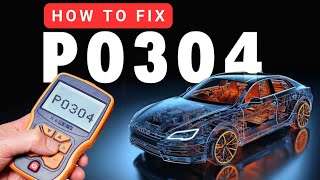
P0304 on a Mazda CX-5 2.5L Turbo is most often caused by a failed ignition coil or a worn spark plug in cylinder 4. However, be aware of Mazda-specific issues like internal cylinder head faults or a restricted exhaust due to condensation, which are also documented causes. If basic ignition parts don't solve the issue, these more serious problems should be investigated.
- P0304 indicates a misfire in cylinder 4, the cylinder closest to the passenger side on the 2.5L engine.
- Always start diagnosis by swapping the ignition coil, then the spark plug, to rule out the most common and simple failures.
- Be aware of Mazda-specific TSBs for this code, especially the potential for a serious cylinder head issue on turbo models or a blocked muffler from frozen water.
- A flashing check engine light signals a severe misfire that can quickly damage your catalytic converter; stop driving immediately if this occurs.
What's Unique About the 2017-2024 Mazda CX-5
While standard ignition part failures are common, the 2.5L Turbo CX-5 has specific documented issues leading to a P0304 code. Mazda has issued Technical Service Bulletins (TSBs) for problems ranging from internal cylinder head issues on turbo engines to exhaust restrictions caused by frozen condensation in the muffler. [TSB #01-001-23a, TSB #01-007-19-3541] The cylinder head issue is particularly notable; TSB #01-001-23a explains that a seizing variable valve in the exhaust manifold can cause excessive heat, leading to uneven wear on the exhaust valve seat and a loss of compression. These platform-specific problems mean diagnosis should go beyond just swapping coils and plugs if the issue persists.
Generation note: This guide covers the second generation (KF) Mazda CX-5. The 2.5L Turbo engine (PY-VPTS) was introduced in the 2019 model year, so this guide is most relevant for 2019-2024 models. Some cited issues, like the cylinder head fault, are specific only to the turbo engine within certain production years. [TSB #01-001-23a, 34]
Symptoms You May Notice
- Rough or shaking idle
- Poor acceleration and lack of power. [TSB #01-001-23a, TSB #SA-022-19]
- Flashing or solid Check Engine Light
- Engine noise or loud rumble. [TSB #SA-022-19, 25]
- Hesitation during acceleration, especially under load.
- Shutter in gear when first taking off.
- Smell of unburnt gas from the exhaust.
- Replacing only spark plugs when an ignition coil is the root cause, or when a more serious TSB-related issue is present.
- A dealer incorrectly blaming aftermarket spark plugs for a misfire that was actually caused by the TSB-related cylinder head failure.
- Repeatedly replacing spark plugs that are being fouled by a separate root cause, such as a leaking fuel injector or excessive carbon buildup.
Most Likely Causes
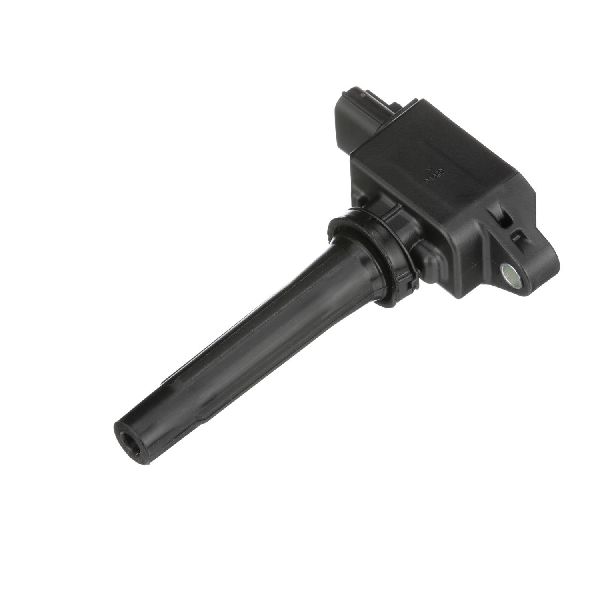
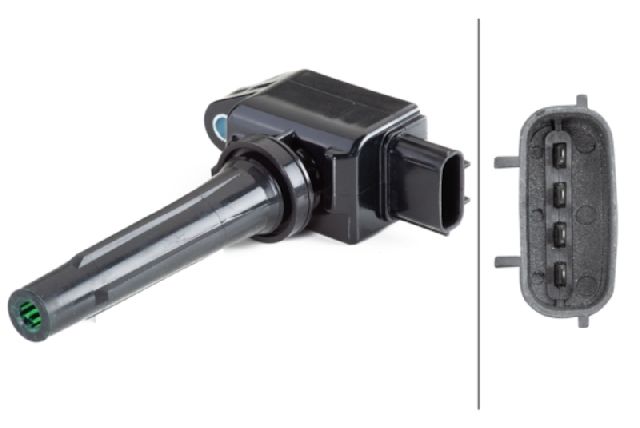
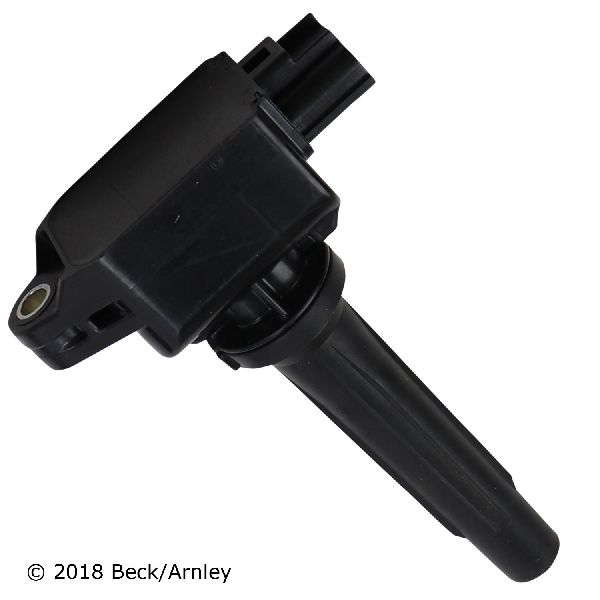
- Failed Ignition Coil 🔴 High Probability Coil-on-plug systems are common failure points on most modern engines due to constant exposure to heat and vibration. Some owners report them failing after a recent spark plug change.
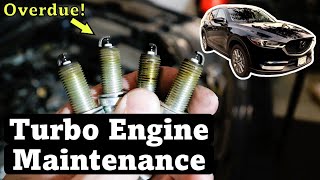
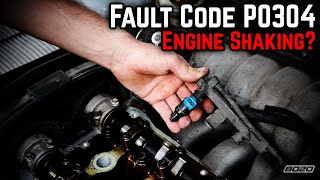
How to confirm: Swap the ignition coil from cylinder 4 with another cylinder (e.g., cylinder 3). Clear the codes and drive. If the code changes to P0303, the coil is bad. This is the standard first diagnostic step 🎬 Watch: How to quickly find the real cause of P0304. recommended across owner forums.
Typical fix: Replace the faulty ignition coil. It is often recommended to replace all four if they are original and high-mileage, as worn plugs can wear out coils faster.
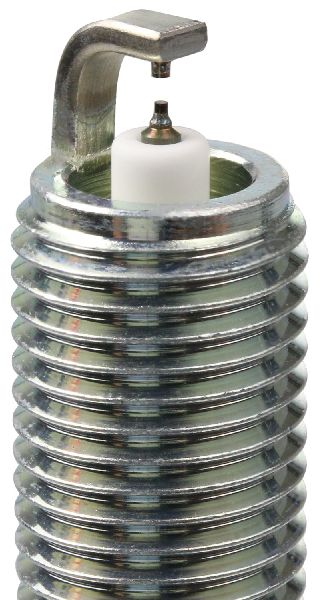
Est. part cost: $40-$80 - Worn or Fouled Spark Plug 🔴 High Probability Spark plugs are a maintenance item. On direct injection engines like the PY-VPTS, oil vapors from the PCV system can contribute to faster fouling. In some cases, a new plug can be faulty or fail prematurely, causing a repeat misfire.
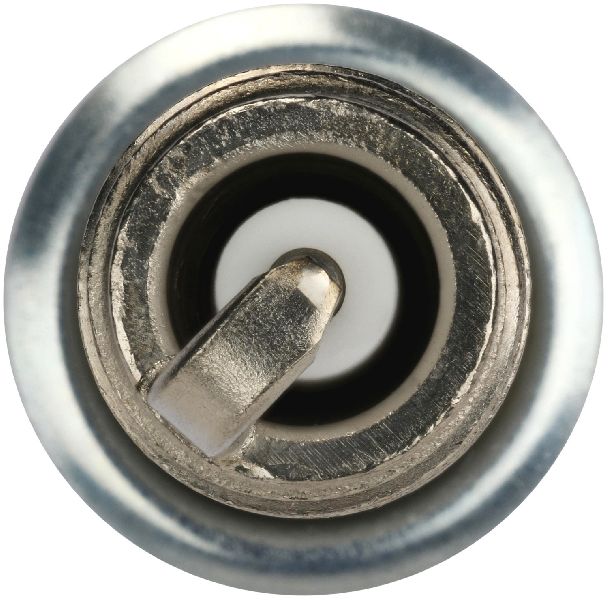
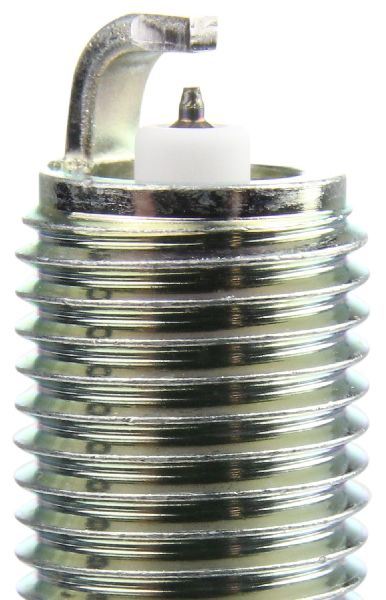
How to confirm: After confirming the coil is good, remove the spark plug from cylinder 4. Inspect for wear (electrode erosion), carbon buildup, oil fouling, or physical damage. A plug that appears wet with fuel can indicate a leaking injector. Compare it to a plug from a working cylinder.
Typical fix: Replace the spark plug. Spark plugs are typically replaced as a set of four. Ensure they are gapped correctly.
Est. part cost: $40-$80 for a set of four - Internal Cylinder Head/Valve Issue 🟡 Medium Probability A specific TSB (#01-001-23a) was issued for 2019-2020 2.5L Turbo engines for rough idling and misfire codes (P0301-P0304). The cause is a seizing variable valve in the exhaust manifold, which overheats the exhaust port and causes the valve seat to wear, leading to compression loss. A Reddit user with a 2020 Turbo confirmed this required a new cylinder head (part PYY1-10-SJ0C) and exhaust manifold (part PY8V-13-450K). A YouTuber documented a similar failure on a 2023 model, which also required a cylinder head replacement under warranty after a compression test showed low PSI in cylinders 1 and 4.
How to confirm: This is difficult for a DIYer. If spark and fuel are confirmed good, a compression test and cylinder leak-down test are required. Low compression on cylinder 4 (and potentially others) points to this issue. The TSB applies to 2019-2020 CX-5s with VINs lower than JM3KF**843332.
Typical fix: Requires professional repair involving cylinder head and exhaust manifold replacement per the TSB. This is a major engine repair.
Est. part cost: $2000+ - Carbon Buildup on Intake Valves 🟡 Medium Probability Like all gasoline direct injection (GDI) engines, the PY-VPTS is susceptible to carbon buildup on the intake valves. Since fuel is injected directly into the cylinder, it doesn't wash over the valves to clean them. Fumes from the PCV system bake onto the hot valves, restricting airflow and potentially causing misfires, especially on cold starts. A Reddit user noted their P0304 was resolved after a fuel injection and intake valve cleaning service.
How to confirm: Visual inspection is required by removing the intake manifold. A borescope can be used to inspect the valve stems and ports for thick, black carbon deposits. This is often suspected after ignition and fuel delivery components have been ruled out.
Typical fix: Manual cleaning of the intake valves, often via walnut shell blasting. Spray-in cleaners are generally considered less effective for heavy buildup.
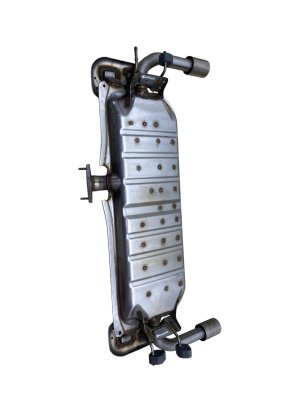
Est. part cost: $0 (DIY) to $800 (Shop Service) - Restricted Main Silencer (Muffler) ⚪ Low Probability Mazda TSB #01-007-19-3541 notes that water can accumulate and freeze in the main silencer (muffler), restricting exhaust flow and causing misfires, including P0304. This is more likely in cold climates (below 32°F/0°C) with short-trip driving patterns where the exhaust doesn't get hot enough to evaporate condensation. An owner complaint confirmed this diagnosis on their 2018 model. [ODI #11451413]
How to confirm: Inspect the exhaust for excessive water drainage or signs of ice blockage in freezing temperatures. The TSB advises checking freeze-frame data for low Intake Air Temperature (IAT) and short drive times. A mechanic can measure exhaust backpressure to confirm a restriction.
Typical fix: Replace the main silencer assembly with the updated part, which features two drain holes to prevent water accumulation.
Est. part cost: $400-$900 - Faulty Fuel Injector ⚪ Low Probability Direct injectors operate under very high pressure and can fail, either by clogging or leaking. A leaking injector can cause a rich condition and foul the spark plug.
How to confirm: If spark and compression are good, the injector is a suspect. A professional can perform a fuel injector balance test. A DIY method involves listening to the injector with a mechanic's stethoscope to ensure it's clicking. Swapping injectors between cylinders is a more involved job than swapping coils but is a definitive test. A code P0172 (System Too Rich) alongside P0304 strongly points to a leaking injector.
Typical fix: Replace the faulty fuel injector for cylinder 4. It is often recommended to replace all four, especially at higher mileage.
Est. part cost: $100-$200
Rare But Worth Checking
- Dislodged rocker arm in the valvetrain, as mentioned in a forum discussion.
- Vacuum leak near cylinder 4 from a bad intake manifold gasket.
- Damaged wiring or a loose connector at the ignition coil or fuel injector.
Diagnosis Steps
- Read the code with an OBD-II scanner and note any other codes present. Check freeze-frame data for conditions like engine temperature and load when the code was set.
- Swap the ignition coil from cylinder 4 to cylinder 3. Clear the codes and run the engine to see if the misfire code changes to P0303. If it does, the ignition coil is faulty.
- If the misfire remains on cylinder 4, inspect the spark plug. Look for wear, damage, or fouling (carbon or oil). A wet plug suggests a fuel leak. Even if it looks okay, consider swapping it with another cylinder's plug as a test.
- Inspect the wiring and connector for the ignition coil and fuel injector on cylinder 4 for any damage, corrosion, or looseness.
- Listen to the fuel injector on cylinder 4 with a mechanic's stethoscope; it should have a regular, audible clicking sound. Compare it to the other injectors.
- If basic components are ruled out, consider vehicle-specific issues. In cold climates, check for a restricted muffler per TSB #01-007-19-3541. For 2019-2020 Turbo models, be aware of the cylinder head issue (TSB #01-001-23a) and consider a compression test if other diagnostics are inconclusive.
Parts You'll Likely Need
- Ignition Coil
(OEM #PE20-18-100A)— This is the most common failure part for a single-cylinder misfire. This part number supersedes older versions like PE01-18-100.
Trusted brands: NGK, Denso, Mazda OE
OEM price range: $120-$160
Aftermarket price range: $40-$80 - Spark Plug
(OEM #PY8V-18-110)— Spark plugs are a routine maintenance item and a frequent cause of misfires as they wear out or become fouled.
Trusted brands: NGK, Denso
OEM price range: $25-$35 per plug
Aftermarket price range: $10-$20 per plug - Cylinder Head
(OEM #PYY1-10-SJ0C)— Required to fix the compression loss issue described in TSB #01-001-23a for certain 2.5T models. This is a major repair.
Trusted brands: Mazda OE
OEM price range: $2000+
Aftermarket price range: N/A - Main Silencer (Muffler)
(OEM #PY33-40-100)— May be required if the misfire is caused by exhaust restriction from trapped, frozen water, as per TSB #01-007-19-3541. The replacement part is a modified design with drain holes.
Trusted brands: Mazda OE
OEM price range: $800-$950
Aftermarket price range: $300-$500
Related Codes That Often Appear With This One
- P0300 — If the misfire is intermittent or affects multiple cylinders, a P0300 (Random/Multiple Cylinder Misfire) may be stored alongside P0304. [ODI #11675874, 17]
- P0301, P0302, P0303 — These codes may appear with P0304 if the underlying cause, such as the cylinder head issue noted in TSB #01-001-23a, affects other cylinders. A YouTuber's vehicle with a head issue also had low compression on cylinder 1.
- P0340, P3400, P349B, P3498 — TSB #SA-022-19 links these codes with P0304 for issues related to lack of power and rough idle, pointing to a more complex engine problem, possibly related to cylinder deactivation or valve timing systems.
- P0172 — A 'System Too Rich' code appearing with P0304 is a strong indicator that the fuel injector in cylinder 4 is leaking fuel into the cylinder.
Technical Service Bulletins (TSBs) & Recalls
- 01-001-23a: Poor acceleration and rough idling with DTC P0301-P0304 on turbo engines due to compression leakage from a worn exhaust valve seat.
- SA-022-19: Lack of power, rough idle, engine noise with DTCs including P0304.
- 01-007-19-3541: Misfire caused by frozen water accumulated in the main silencer, restricting exhaust flow in cold weather.
Platform-Specific Known Issues
- Turbo Engine Cylinder Head Failure (TSB #01-001-23a): Affects 2019-2020 2.5T models (VINs below JM3KF**843332). A seizing valve in the exhaust manifold causes overheating and exhaust valve seat wear, leading to loss of compression and misfire codes like P0304. The fix requires replacing the cylinder head and exhaust manifold. This has been confirmed by owners on forums and YouTube.
- Frozen Muffler Condensation (TSB #01-007-19-3541): In cold climates on short trips, water can accumulate and freeze inside the main silencer (muffler), creating an exhaust blockage that causes misfires on startup. The fix is a redesigned muffler with drain holes.
- Intake Valve Carbon Buildup: As a direct-injection engine, the PY-VPTS is prone to carbon deposits on intake valves over time, which can restrict airflow and cause misfires. This is not a defect but a known characteristic of GDI engines that may require periodic manual cleaning (e.g., walnut blasting).
Mechanic-Grade Diagnostic Values
- High-Pressure Fuel Pump Pressure (Idle) — expected: 435 PSI. Failure: Significantly lower pressure may indicate a failing high-pressure fuel pump, though this is less likely to cause a single-cylinder misfire.
- High-Pressure Fuel Pump Pressure (Under Load) — expected: ~2100 PSI (above 3000 RPM and 60% engine load). Failure: Inability to reach target pressure under load could cause hesitation and misfires, though typically random (P0300) rather than isolated to one cylinder.
- Engine Compression — expected: 160-170 PSI per cylinder, with minimal variation between cylinders.. Failure: A cylinder reading significantly lower than others (e.g., below 130 PSI) indicates a mechanical problem like worn piston rings, a bad valve seal, or the cylinder head issue from TSB #01-001-23a.
Hidden / Shadow Codes Worth Checking
- P0304:00: The ':00' is a component identifier used by Mazda (and Ford). It specifies the fault condition is related to the base component itself and not a sub-system. For P0304:00, it simply confirms the misfire detection on cylinder 4 without pointing to a more specific subset of causes, which a different suffix might. (see via Most modern OBD-II scanners will display this suffix. It is visible in the provided NHTSA TSBs. [TSB #01-001-23a, TSB #SA-022-19])
Scan Tool Commands That Help
- Mazda M-MDS (or equivalent professional scan tool): Cylinder Balance Test / Power Balance Test — This function allows a technician to disable individual fuel injectors one by one to see the effect on engine RPM. If disabling cylinder 4 causes no change in RPM, it confirms that cylinder is not contributing, verifying the misfire. If disabling another cylinder causes a significant drop, it confirms that cylinder was working properly. This helps isolate the problem cylinder electronically.
- Mazda M-MDS (or equivalent professional scan tool): Live Data Monitoring (Fuel Trims, Misfire Count) — Observing short-term and long-term fuel trims (STFT, LTFT) can diagnose fuel-related issues. A high positive trim indicates the system is adding fuel to compensate for a lean condition (like a vacuum leak), while a high negative trim indicates subtracting fuel for a rich condition (like a leaking injector). Monitoring the dedicated misfire counter for cylinder 4 can confirm if the misfire is constant or only occurs under specific conditions (e.g., high load, idle).
Wiring & Ground Locations
- Engine Block to Chassis Ground — Typically a heavy gauge wire running from the engine block or transmission case to a point on the vehicle's chassis or firewall.. A poor or corroded main engine ground can cause a host of electrical issues, including weak spark. While it usually causes multiple/random misfires, a localized increase in resistance could potentially affect the coil on cylinder 4 more than others. Forum users often recommend checking and cleaning all major grounding points as a basic step.
- Cylinder Head Ground — A smaller ground wire often attached from the wiring harness to a bolt on the valve cover or cylinder head.. This ground is critical for the proper operation of the ignition coils, which are often grounded through the cylinder head. A loose or corroded ground point here can directly cause a weak spark and misfires.
Real Owner Repair Stories
- YouTube video / Forum discussion (Mazda with 2.5L SkyActiv engine) — Check engine light with codes P0172 (System Too Rich) and P0304 (Cylinder 4 Misfire). Bluish/blackish smoke from exhaust. Spark plug for cylinder 4 was wet with fuel.
❌ Tried (didn't work) Replacing spark plugs
✅ What actually fixed it The root cause was a leaking direct fuel injector on cylinder 4. The injector was leaking fuel into the cylinder, causing a rich condition and fouling the plug. Replacing the single fuel injector for cylinder 4 resolved both codes. - Reddit user dfever (2015 Mazda 3 2.0L with ~91k miles (Note: Not a CX-5 Turbo, but demonstrates a common diagnostic path)) — Flashing check engine light, P0304 code, hesitation on acceleration, limp mode after hard acceleration.
❌ Tried (didn't work) Swapping spark plugs between cylinder 4 and 3., Swapping ignition coils between cylinder 4 and 3 (initially).
✅ What actually fixed it Despite an initial coil swap not moving the code, the final fix was replacing all four ignition coils. The user noted the original coil swap may have been misleading or the issue intermittent, but a full replacement solved the problem permanently.
OEM Part Supersession History
py8w10100, py8w10100a, py8w10100b, py8w10100d, pyy110sj0a, pyy110sj0b→PYY1-10-SJ0C— This is the cylinder head assembly. The supersession history indicates multiple revisions, likely to address issues including the valve seat failure outlined in TSB #01-001-23a.
Heads up: When replacing a cylinder head due to the TSB, it is critical to use the latest revised part number (PYY1-10-SJ0C or newer) to ensure the fix is permanent.
Model Year Variations Within This Range
- 2019: The 2.5L Turbo engine was introduced, delivering 250 hp and 310 lb-ft of torque. This is the first model year potentially affected by the cylinder head TSB #01-001-23a.
- 2022: A mid-cycle refresh occurred. All-wheel drive (AWD) became standard across all trims. The 2.5L Turbo engine received a slight power increase to 256 hp and 320 lb-ft on premium fuel. The transmission was also retuned for smoother response.
- 2024: The Carbon Edition trim became available with the turbocharged engine.
Diagnostic Flowchart
Other Known Issues on This Vehicle
Issues unrelated to this code that are worth knowing about as an owner of this generation:
- Cracked Cylinder Head (Coolant Leak) 🔴 High — Affects some 2019-2021 2.5T models. A class-action lawsuit was filed regarding this issue, alleging coolant leaks from cracks in the cylinder head. (Ref: Related to TSB 01-001-23a, though that TSB focuses on compression loss, not external coolant leaks.)
- Excessive Oil Consumption (Early 2.5T) 🟠 Medium — More common on 2016 to early 2019 models due to a PCV system design integrated into the valve cover. Can lead to low oil levels and premature wear. (Ref: Mazda issued a TSB for some 2021 models for oil consumption related to valve stem seals, but the earlier PCV issue is also well-documented by owners.)
- Cylinder Deactivation Failure (Non-Turbo) 🔴 High — Affects 2018+ non-turbo 2.5L engines. A software issue could cause a rocker arm to get stuck, leading to engine damage. A recall was issued for 2018-2019 models. (Ref: Recall #4620F / NHTSA #20V-434)
- Leaking Plastic Thermostat Housing 🟡 Low — The plastic thermostat housing can degrade over time and cause coolant leaks. An upgraded metal/aluminum housing is available as a fix.
Used vs. New Parts: Buying Guide for This Vehicle
When a used part is the smart pick: For simple, external, bolt-on components like an ignition coil, a used part from a low-mileage donor vehicle can be a cost-effective diagnostic tool or temporary fix. If swapping a used coil moves the misfire code, you've confirmed the diagnosis for the cost of a junkyard part.
Donor-vehicle mileage cap: roughly under 60000 miles for the part to have meaningful remaining life.
What to inspect on the donor part:
- Check for signs of extreme heat damage (discoloration, cracking) on the plastic housing of the coil.
- Ensure the electrical connector is clean, free of corrosion, and not damaged.
- Look for a vehicle that appears well-maintained and wasn't in a severe front-end collision.
OEM-only on this vehicle (don't cheap out):
- Cylinder Head: Due to the specific failure mode detailed in TSB #01-001-23a, only a new, updated OEM part (PYY1-10-SJ0C or newer) should be used to guarantee a permanent fix.
- Fuel Injectors: Direct injectors are high-precision components operating under extreme pressure. Given the risk of leaks causing engine damage, new OEM injectors are strongly recommended over used or unverified aftermarket brands.
Aftermarket brands forum-validated for this vehicle:
- Ignition Coils: While OEM is safest, brands like NGK and Denso are often the original equipment manufacturers and are considered reliable alternatives.
- Spark Plugs: NGK and Denso Iridium plugs are typically the OEM choice and are highly recommended.
Brands owners have reported issues with on this vehicle:
- Unbranded ignition coils and fuel injectors from online marketplaces. Forum users often report premature failure of cheap, no-name electrical components.
Real Owner Stories
Aggregated from forums and TSBs cited above. Mileages and costs reflect what owners reported in those sources.
2020 Mazda CX-5 2.5L Turbo
Symptoms: Rough idling and misfire codes.
What fixed it: Replacement of the cylinder head (part PYY1-10-SJ0C) and exhaust manifold (part PY8V-13-450K).
Cost: $2000+
Source hint: Reddit user report cited in Internal Cylinder Head/Valve Issue section
2023 Mazda CX-5 2.5L Turbo
Symptoms: Misfire and low compression (low PSI) in cylinders 1 and 4.
What fixed it: Cylinder head replacement under warranty.
Source hint: YouTuber documentation cited in TSB #01-001-23a context
2018 Mazda CX-5
Symptoms: Misfire caused by exhaust restriction in freezing temperatures.
What fixed it: Replacement of the main silencer (muffler) with an updated part featuring two drain holes.
Cost: $400-$900
Source hint: Owner complaint ODI #11451413
2017-2024 Mazda CX-5 2.5L Turbo
Symptoms: P0304 code present.
What fixed it: Fuel injection and intake valve cleaning service.
Cost: $0-$800
Source hint: Reddit user report cited in Carbon Buildup on Intake Valves section
Related OBD-II Codes
Frequently Asked Questions
Does TSB #01-001-23a apply to my 2019 Mazda CX-5 Turbo?
Why does my CX-5 misfire only when it is freezing outside?
What specific parts are needed if my 2020 Turbo has the cylinder head failure mentioned in the TSB?
Can carbon buildup cause a P0304 on the 2.5L Turbo engine?
Is it true that a bad muffler can cause a P0304 code on this vehicle?
Should I replace all my spark plugs if only cylinder 4 is misfiring?
Helpful Videos

Used OEM Parts in Stock



New Aftermarket Parts Available

The information in this article is provided for general reference and educational purposes only. Vehicle specifications, procedures, and part compatibility can vary by production date, trim level, and region. Always consult your vehicle's factory service manual and verify part numbers before purchasing or performing repairs. Safety-critical components such as airbags, seat belts, and braking systems should be installed by a qualified professional.
- Mazda CX-5:
- 🎬 Helpful Videos
- 🛍️ Shop This Part
- What's Unique About the 2017-2024 Mazda CX-5
- Symptoms You May Notice
- Most Likely Causes
- Rare But Worth Checking
- Diagnosis Steps
- Parts You'll Likely Need
- Related Codes That Often Appear With This One
- Technical Service Bulletins (TSBs) & Recalls
- Platform-Specific Known Issues
- Mechanic-Grade Diagnostic Values
- Hidden / Shadow Codes Worth Checking
- Scan Tool Commands That Help
- Wiring & Ground Locations
- Real Owner Repair Stories
- OEM Part Supersession History
- Model Year Variations Within This Range
- Diagnostic Flowchart
- Other Known Issues on This Vehicle
- Used vs. New Parts: Buying Guide for This Vehicle
- Real Owner Stories
- 2020 Mazda CX-5 2.5L Turbo
- 2023 Mazda CX-5 2.5L Turbo
- 2018 Mazda CX-5
- 2017-2024 Mazda CX-5 2.5L Turbo
- Related OBD-II Codes
- Frequently Asked Questions
- 🎟️ Get 5% Off