

P0303 on 2005-2009 Subaru Legacy 2.5L Turbo: Cylinder 3 Misfire Causes and Fixes
P0303 on a 2005-2009 Subaru Legacy GT most often means a failed ignition coil or a fouled spark plug in cylinder 3. Start with a simple coil swap to diagnose. If that doesn't solve it, a compression test is critical, as this engine is prone to piston ringland failure, which is a catastrophic engine problem.
- P0303 on your Legacy GT is a misfire in the rear passenger-side cylinder.
- Always start diagnosis by swapping the cylinder 3 ignition coil with the one from cylinder 1. This is a free and fast way to identify a bad coil.
- When checking the spark plug, look for oil in the tube. If you see oil, you must replace the valve cover gaskets to permanently fix the issue.
- If new coils and plugs don't fix the misfire, do not keep replacing parts. Perform a compression test immediately to check for serious internal engine damage like ringland failure.
What's Unique About the 2005-2009 Subaru Legacy

While ignition parts are the common culprits for a P0303 on any car, the EJ255 turbo engine in the Legacy GT has a well-documented weakness: the piston ringlands. The pistons are cast from a hypereutectic aluminum silicon alloy which can be brittle. A misfire on this engine, especially if not resolved by replacing the coil and plug, has a higher-than-average chance of being caused by a serious internal mechanical problem like a cracked ringland, which means a loss of compression. For this reason, a compression test is a much more critical diagnostic step on this platform compared to many other vehicles.
Symptoms You May Notice
- Rough or unstable idle, sometimes feeling like the engine is shaking.
- Flashing or solid Check Engine Light.
- Noticeable hesitation or stuttering during acceleration.
- A distinct loss of engine power, especially under boost.
- Reduced fuel economy.
- The smell of unburnt fuel from the exhaust.
- Difficulty starting the engine.
- Replacing only the spark plug when the spark plug tube is full of oil. The new plug will quickly become fouled, and the misfire will return. The root cause is the leaking valve cover gasket/tube seal.
- Ignoring the possibility of a mechanical failure. Many owners spend hundreds of dollars on ignition and fuel parts only to find the issue was low compression from a failed ringland. A compression test is essential on this engine before investing heavily in parts. 🎬 See how to properly perform a compression test on a Subaru.
- Replacing a turbo that failed from oil starvation without addressing the root cause: the clogged banjo bolt filter in the oil feed line. The new turbo will quickly fail as well.
Most Likely Causes

- Failed Ignition Coil 🔴 High Probability Coil-on-plug units are subjected to significant heat and vibration, and failure is common with age. While a major recall affected later Subaru models, coils on this generation are still a frequent failure point.
How to confirm: Swap the ignition coil from cylinder 3 with the coil from cylinder 1 (passenger side, front). Clear the codes and drive. If the code changes to P0301, the ignition coil is faulty. This is the most definitive and cost-effective initial diagnostic step. 🎬 Watch this step-by-step guide on diagnosing and fixing a P0303 code.
Typical fix: Replace the failed ignition coil. It is often recommended to replace all four coils at the same time, especially on a higher-mileage vehicle, to prevent future failures. Use OEM or reputable aftermarket brands like Denso or NGK.
Est. part cost: $50-$100 per coil - Worn or Fouled Spark Plug 🔴 High Probability Turbocharged engines are harder on spark plugs. An oil leak from a failing spark plug tube seal (part of the valve cover gasket) can also foul the plug, which is a very common issue on EJ engines that causes a P0303.
How to confirm: After ruling out the coil, remove the spark plug from cylinder 3. Inspect it for wear, carbon buildup, or oil fouling. The correct plug for the EJ255 is typically an NGK SILFR6A. A less common but known issue is a hairline crack in the plug's ceramic insulator, which can cause the spark to arc to the head.
Typical fix: Replace the spark plug. If oil was present in the spark plug tube, stuff a rag down the tube to absorb the oil before installing the new plug. The valve cover gasket and tube seals must also be replaced to prevent a recurring misfire. Use high-quality NGK iridium plugs for best performance.
Est. part cost: $40-$80 for a set of four plugs - Clogged or Failed Fuel Injector 🟡 Medium Probability
How to confirm: Listen to the injector with a mechanic's stethoscope to ensure it's clicking. You can also test its electrical resistance or, for a more definitive test, swap the injector from cylinder 3 with another cylinder and see if the misfire code follows. This is more labor-intensive than a coil swap.
Typical fix: Replace the faulty fuel injector. It's good practice to replace the injector seals at the same time. The stock injectors are often referred to as 'dark blue' injectors.
Est. part cost: $100-$200 per injector - Low Compression (Internal Engine Damage) 🟡 Medium Probability This is the most serious potential cause. The EJ255 engine is known for piston ringland failure, which results in a loss of compression and often presents as excessive oil consumption or 'blow-by'. Other causes include burnt exhaust valves or a failed head gasket.
How to confirm: Perform a compression test on all four cylinders. A significantly lower reading in cylinder 3 (more than 15-20% variance from the others) confirms a mechanical problem. A subsequent cylinder leak-down test can pinpoint the exact cause (piston rings vs. valves).
Typical fix: This requires major engine repair, typically an engine rebuild or replacement. If ringlands have failed, forged pistons are a common upgrade to prevent future failures.
Est. part cost: $2000+ for engine work
Rare But Worth Checking
- Vacuum Leak: A leak from a cracked vacuum hose or a bad intake manifold gasket near cylinder 3 can lean out the air/fuel mixture, causing a misfire. Check all hoses connected to the intake manifold.
- Loose Exhaust Valve Guide: A known, though less common, issue on some EJ engines where the valve guide can work its way loose in the cylinder head, leading to poor valve seating and a misfire. This requires cylinder head removal to repair.
- Clogged AVCS Banjo Bolt Filter: If the filter screen in the oil control solenoid (AVCS) banjo bolt on the passenger side head gets clogged, it can disrupt valve timing for both cylinders 1 and 3, potentially causing a P0303 along with a P0301.
Technical Service Bulletins (TSBs) & Recalls
- TSB Bulletin #11-130-13R notes that engine misfire DTCs including P0303, along with rough idle or difficulty starting, may require specific inspection and repair procedures for intake and exhaust camshaft position-related issues.
- TSB Bulletin #11-124-12R and TSB Bulletin #11-100-11R also document P0303 in conjunction with difficulty starting and rough idle, suggesting these symptoms are frequently linked to broader engine performance issues across the Subaru lineup.
- TSB Bulletin #11-125-12 further corroborates the occurrence of P0303 misfire codes alongside camshaft position sensor codes (P0365, P0366, P0390, P0391) in similar manufacturer engine platforms.
Diagnosis Steps

- Read the trouble codes with an OBD-II scanner. Note any other codes present and check for a flashing check engine light.
- Ignition Coil Test: Swap the ignition coil from cylinder 3 (rear passenger side) with cylinder 1 (front passenger side). Clear the codes, start the engine, and see if the misfire code moves to P0301. If it does, the coil is bad.
- Spark Plug Inspection: If the code stays on P0303, remove the ignition coil and inspect the spark plug tube for oil. If oil is present, the valve cover gasket is leaking. Pull the spark plug (requires a 5/8" spark plug socket) and check its condition. A fouled or worn plug should be replaced.
- Fuel Injector Check: If the coil and plug are good, the next step is the fuel injector. Listen for a steady clicking sound from the injector with the engine running using a mechanic's stethoscope. For a more thorough test, swap the injector with another cylinder.
- Compression Test: If the misfire persists, a compression test is mandatory. Test all four cylinders and compare the results. A low reading on cylinder 3 (e.g., 120 PSI when others are 140-150 PSI) indicates a serious mechanical problem.
- Cylinder Leak-Down Test: If compression is low, a leak-down test will determine if the leak is from the piston rings (air heard in the oil fill cap), intake valve (air heard in the throttle body), or exhaust valve (air heard in the exhaust pipe). This pinpoints ringland failure vs. a valve issue.
Parts You'll Likely Need
- Ignition Coil
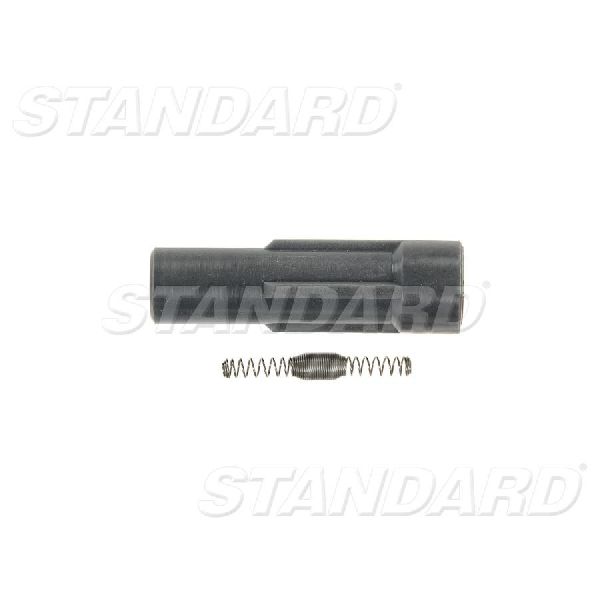
(OEM #22433AA541 (superseded by 22433AA542, 22433AA640, 22433AA641))— This is one of the most common failure points for a single-cylinder misfire on the EJ255 engine.
Trusted brands: Subaru (OEM), Denso, NGK
OEM price range: $90-$120
Aftermarket price range: $50-$80 - Spark Plugs
(OEM #22401AA630 (NGK SILFR6A))— Spark plugs are a regular maintenance item and a frequent cause of misfires. The EJ255 performs best with the specified OEM-equivalent plugs.
Trusted brands: NGK (SILFR6A)
OEM price range: $60-$90 (set of 4)
Aftermarket price range: $40-$60 (set of 4) - Valve Cover Gasket Kit (with Spark Plug Tube Seals)
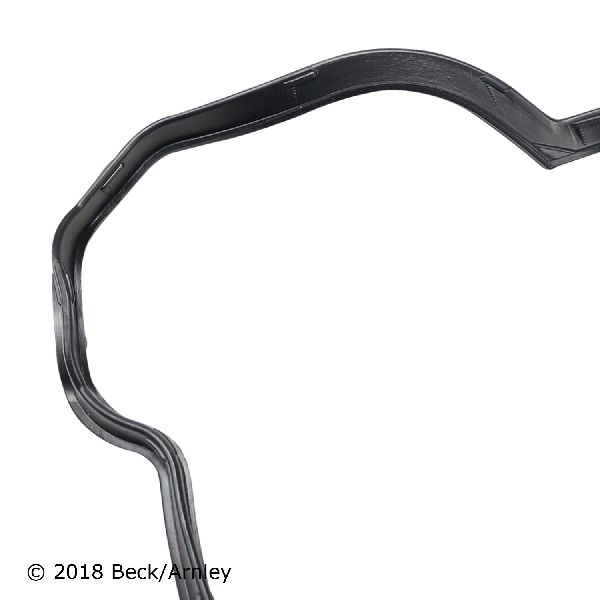
(OEM #13270AA190 (Right Side Gasket))— If oil is found in the spark plug well, replacing these seals is necessary to fix the root cause of the fouled plug. This is a very common leak. 🎬 Watch this walkthrough for replacing your Legacy GT valve cover gaskets.
Trusted brands: Subaru (OEM), Fel-Pro, Ishino
OEM price range: $40-$60
Aftermarket price range: $25-$40
Related Codes That Often Appear With This One
- P0300 — If the misfire is intermittent or affecting other cylinders, a P0300 (Random/Multiple Misfire) code may appear alongside P0303.
- P0301 — If both cylinders on the passenger side bank (1 and 3) are misfiring, it could point to a shared issue like a clogged AVCS oil filter screen or a problem with the timing on that bank.
Platform-Specific Known Issues

- Piston Ringland Failure: The cast pistons in the stock EJ255 engine are a known weak point. Excessive heat or detonation (engine knock) can cause the ringland (the area of the piston that holds the rings) to crack, leading to a loss of compression and a persistent misfire.
Mechanic-Grade Diagnostic Values
- Fuel Injector Resistance — expected: 10-14 Ohms (for high-impedance 'dark blue' injectors). Failure: A reading of infinite resistance (OL) indicates an open coil, while a reading near zero indicates a short. Any injector that deviates significantly from the others is suspect.
- Ignition Coil Primary Resistance — expected: Approximately 0.7 - 0.9 Ohms. Failure: A reading significantly outside this range suggests a faulty coil.
- Fuel Pressure (at idle, vacuum line disconnected from regulator) — expected: ~43.5 PSI (3.0 bar). Failure: Significantly lower pressure indicates a weak fuel pump or faulty regulator. Pressure should rise 1:1 with boost.
- Long Term Fuel Trim (LTFT) at idle — expected: Within +/- 10%. Failure: Consistently high positive trims (> +10%) can indicate a vacuum leak. Consistently high negative trims (< -10%) can indicate a leaking injector.
Hidden / Shadow Codes Worth Checking
- Mode $06, Test ID $A4: Misfire count for Cylinder 3. This is not a 'code' but a specific monitor that tracks misfires before they are frequent enough to set a P0303 trouble code. (see via An advanced OBD-II scanner capable of displaying Mode $06 data, or Subaru-specific software like RomRaider or the Subaru Select Monitor.)
Scan Tool Commands That Help
- Subaru Select Monitor (SSM) or equivalent (e.g., RomRaider Logger): Live Data > Roughness Monitor #3 — To monitor the real-time misfire count for cylinder 3. This is extremely useful for diagnosing intermittent misfires that don't immediately set a code. A rising count on this parameter confirms the misfire is actively occurring.
Wiring & Ground Locations

- Engine Block Grounds — There are critical ground points bolted to the top of the intake manifold, near the Tumble Generator Valve (TGV) housings on both sides.. Poor grounding at the intake manifold can cause erratic behavior in the ignition system, leading to misfires. These grounds are often disturbed during other repairs and must be clean and tight.
- Main Chassis Ground — The main battery ground cable connects to the chassis near the driver's side strut tower.. A corroded or loose main ground can cause a host of electrical issues, including weak spark and misfires.
Real Owner Repair Stories
- Forum discussions on LegacyGT.com and NASIOC (2005 Subaru Legacy GT, mileage varied) — Persistent P0303, rough idle, hesitation under boost.
❌ Tried (didn't work) Replaced spark plug, Swapped ignition coils, Cleaned MAF sensor
✅ What actually fixed it A hairline crack was found in the ceramic insulator of the cylinder 3 spark plug. The crack was difficult to see but allowed the spark to arc to the cylinder head instead of across the electrode gap. Replacing the plug with a new one resolved the issue. - Reddit r/subaru user report (2007 Subaru Legacy GT) — P0303 and lean codes (P0171) on Bank 1, especially at idle.
❌ Tried (didn't work) Replaced spark plugs and ignition coils, Smoke tested for vacuum leaks (test was clean)
✅ What actually fixed it The lower O-ring on the cylinder 3 fuel injector was dried out and cracked, creating a small vacuum leak specific to that cylinder's intake port. This leaned out the mixture for cylinder 3, causing the misfire. Replacing the fuel injector O-rings fixed both the misfire and the lean code. - NASIOC forum thread (2006 Subaru WRX (EJ255 engine)) — P0303 misfire under load, good compression test results.
❌ Tried (didn't work) Ignition coils, Spark plugs, Fuel injectors, Compression test passed with good numbers
✅ What actually fixed it A cylinder leak-down test revealed air escaping from the exhaust, indicating a burnt exhaust valve on cylinder 3. The cylinder head had to be removed and the valve replaced.
"I Checked Everything" — The Actual Cause
- A common scenario is a smoke test showing no leaks, but the actual cause is a bad lower fuel injector O-ring on cylinder 3. The leak is so small and localized to the intake port that a general smoke test of the manifold may not reveal it. The symptom is often a lean condition (high positive fuel trims) on Bank 1 that accompanies the P0303.
OEM Part Supersession History
22433AA541→22433AA640, then 22433AA641— Revisions to improve reliability and performance.
Heads up: No known incompatibilities. The latest part number, 22433AA641, is the recommended replacement for all 2005-2009 Legacy GT models.
Model Year Variations Within This Range
- 2005-2006: These model years came from the factory with a catalytic converter in the uppipe (the pipe between the exhaust manifold and the turbo). This cat is known to break apart with age and can be ingested by the turbo, causing catastrophic failure. While not a direct cause of P0303, a failing turbo can affect overall engine health and performance. Many owners proactively replace it with a catless uppipe from a later model (2007-2009) or an aftermarket unit.
- 2007-2009: These models feature the Subaru Intelligent Drive (SI-Drive) system, which adds complexity to the ECU tuning and throttle mapping. The core engine components related to a P0303 remain the same as earlier years. The turbo was changed from a VF40 to a VF46 in some models, but this does not significantly alter P0303 diagnosis.
Diagnostic Flowchart
Other Known Issues on This Vehicle
Issues unrelated to this code that are worth knowing about as an owner of this generation:
- Clogged Turbo Oil Feed Banjo Bolt Filters 🔴 High — Extremely common. These filters can clog with debris, starving the turbo of oil and leading to catastrophic failure. Many owners pre-emptively remove them. (Ref: Subaru issued TSBs recommending cleaning or removal, though the specific numbers are debated across forums. (e.g., TSB 02-103-08))
- Premature Turbo Failure (IHI VF40) 🔴 High — Common, often as a direct result of the clogged banjo bolt filters. Failures can occur well under 100k miles.
- Cracked Plastic Radiator End Tanks 🟠 Medium — The plastic end tanks crimped to the aluminum radiator core become brittle with heat cycles and age, often failing around 100k-125k miles.
- Piston Ringland Failure 🔴 High — A notorious weak point of the stock cast pistons in the EJ255/EJ257 engines. Can occur at various mileages, sometimes even on stock, unmodified cars. (Ref: A class-action lawsuit was filed for later model years, but the issue is well-documented in the 2005-2009 generation.)
- Leaking Valve Cover and Spark Plug Tube Gaskets 🟠 Medium — Very common as the vehicle ages. Oil leaks into the spark plug wells, causing misfires, and also drips onto the exhaust manifold, creating a burning smell.
- Clogged AVCS Solenoid Filters 🟠 Medium — Similar to the turbo banjo bolt, these filters can clog and cause rough idling, poor acceleration, and codes for the entire bank (e.g., P0301 & P0303).
Used vs. New Parts: Buying Guide for This Vehicle
When a used part is the smart pick: Ignition coils and fuel injectors are generally safe to purchase used, provided they come from a reputable dismantler with a known low-mileage donor vehicle. They offer significant cost savings over new OEM parts.
Donor-vehicle mileage cap: roughly under 80000 miles for the part to have meaningful remaining life.
What to inspect on the donor part:
- For ignition coils, check for cracks in the plastic housing or corrosion on the electrical connector pins.
- For fuel injectors, ensure the plastic connector isn't brittle or cracked and that the O-rings are present (though they should always be replaced before installation).
- Ask the seller for the VIN of the donor car to verify its year and model.
- Avoid parts from vehicles that show signs of flood damage or have been sitting in a field for years.
OEM-only on this vehicle (don't cheap out):
- Internal engine components (pistons, rings, bearings). If rebuilding, use new OEM or high-quality forged aftermarket parts.
- Engine sensors like the Crankshaft Position Sensor or Camshaft Position Sensor. Aftermarket versions are notoriously unreliable for Subarus.
Aftermarket brands forum-validated for this vehicle:
- Ignition Coils: Denso, NGK
- Spark Plugs: NGK (specifically the OEM-spec SILFR6A)
- Gaskets: Fel-Pro, Ishino
Brands owners have reported issues with on this vehicle:
- Unbranded, 'white-box' ignition coils and sensors from online marketplaces. These have a very high failure rate and often cause more diagnostic headaches.
Real Owner Stories
Aggregated from forums and TSBs cited above. Mileages and costs reflect what owners reported in those sources.
2005 Subaru Legacy GT EJ255
Symptoms: Owner working through a P0303, performing diagnostic steps from coil packs to compression testing.
What fixed it: Diagnostic process involving checking coil packs and compression testing to identify the root cause.
Source hint: LegacyGT.com thread titled 'P0303 - Cylinder Misfire Help!?'
2005 Subaru Legacy EJ255
Symptoms: Code P0303 triggered; initial troubleshooting focused on plugs, coils, and wires.
What fixed it: Inspection and replacement of spark plugs, ignition coils, or spark plug wires.
Source hint: LegacyGT.com thread titled '2005 Legacy - Code P0303'
2005-2009 Subaru Legacy GT EJ255
Symptoms: Misfires on both cylinders 1 and 3 (same bank) after replacing plugs and coils.
What fixed it: Investigation into bank-specific issues like the AVCS system.
Source hint: LegacyGT.com thread titled 'P0301 & P0303 Cylinder misfiring code'
2005-2009 Subaru Legacy GT EJ255
Symptoms: CEL P0303 triggered immediately after a DIY repair.
What fixed it: Valve cover gasket replacement (addressing leaking tube seals that foul spark plugs).
Source hint: YouTube video 'Fixing My Leaking Valve Cover DIY - Subaru WRX/STi EJ255 EJ257 - Why Do I Have A CEL P0303 now...'
Related OBD-II Codes
Frequently Asked Questions
Which spark plugs should I use for my 2005-2009 Subaru Legacy EJ255 to avoid P0303?
I found oil in my spark plug tube while checking cylinder 3. Is this causing my misfire?
My Legacy GT has a P0303 and a P0301. Could this be related to the AVCS system?
Is there a specific ignition coil brand recommended for the EJ255?
What is the most serious cause of a P0303 on the 2005-2009 Legacy 2.5L Turbo?
How can I tell if my P0303 is a bad coil or a broken piston ringland?
Helpful Videos
Used OEM Parts in Stock
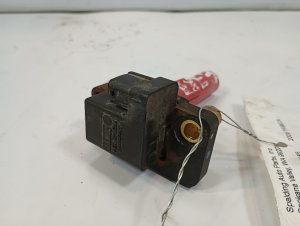

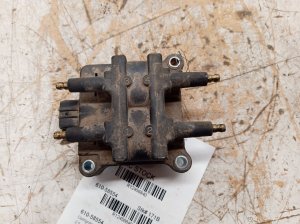
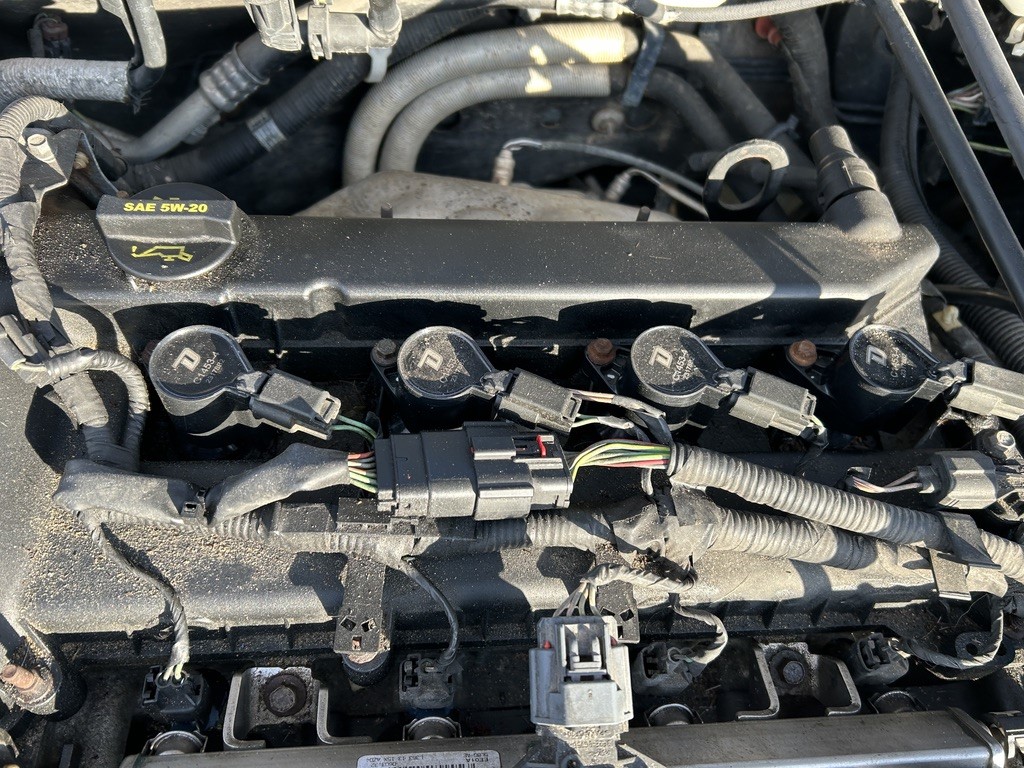
New Aftermarket Parts Available
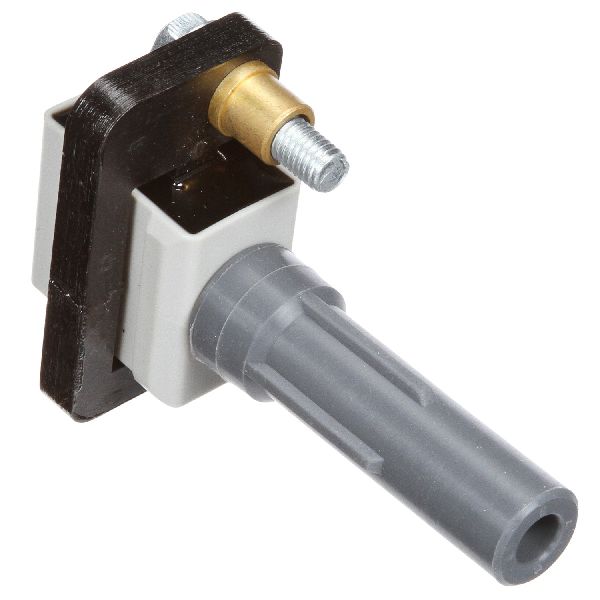



The information in this article is provided for general reference and educational purposes only. Vehicle specifications, procedures, and part compatibility can vary by production date, trim level, and region. Always consult your vehicle's factory service manual and verify part numbers before purchasing or performing repairs. Safety-critical components such as airbags, seat belts, and braking systems should be installed by a qualified professional.
- Subaru Legacy:
- 🎬 Helpful Videos
- 🛍️ Shop This Part
- What's Unique About the 2005-2009 Subaru Legacy
- Symptoms You May Notice
- Most Likely Causes
- Rare But Worth Checking
- Technical Service Bulletins (TSBs) & Recalls
- Diagnosis Steps
- Parts You'll Likely Need
- Related Codes That Often Appear With This One
- Platform-Specific Known Issues
- Mechanic-Grade Diagnostic Values
- Hidden / Shadow Codes Worth Checking
- Scan Tool Commands That Help
- Wiring & Ground Locations
- Real Owner Repair Stories
- "I Checked Everything" — The Actual Cause
- OEM Part Supersession History
- Model Year Variations Within This Range
- Diagnostic Flowchart
- Other Known Issues on This Vehicle
- Used vs. New Parts: Buying Guide for This Vehicle
- Real Owner Stories
- 2005 Subaru Legacy GT EJ255
- 2005 Subaru Legacy EJ255
- 2005-2009 Subaru Legacy GT EJ255
- 2005-2009 Subaru Legacy GT EJ255
- Related OBD-II Codes
- Frequently Asked Questions
- 🎟️ Get 5% Off