

P0303 on 2009-2013 Subaru Forester: Cylinder 3 Misfire Causes and Fixes
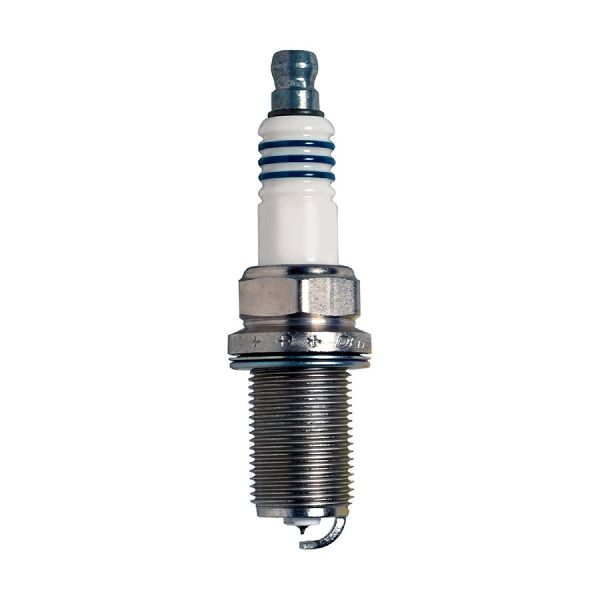
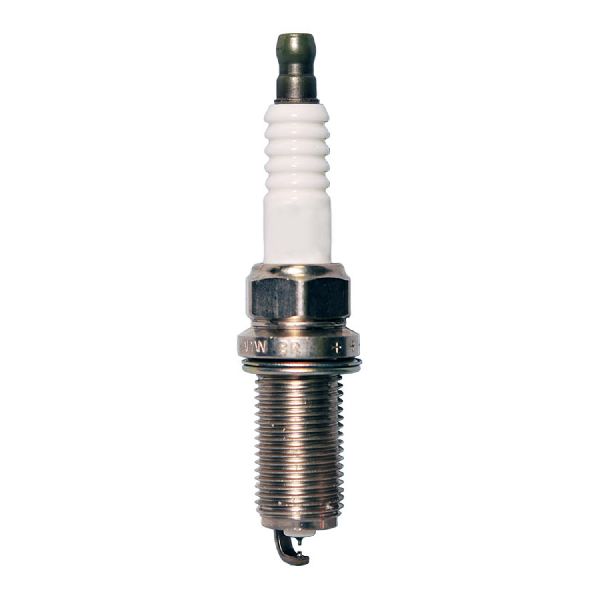
Code P0303 on a 2009-2013 Forester means cylinder 3 is misfiring. The most common causes are a bad spark plug or a failed ignition coil, often complicated by oil leaking into the spark plug tube. Start by swapping the coil from cylinder 3 with another cylinder (like #1) to see if the code follows. A set of four NGK Iridium spark plugs costs $40-$80, and a single ignition coil is about $50-$100.
- P0303 on a 2009-2013 Forester is a misfire on the rear, passenger-side cylinder.
- Always start diagnosis by swapping the ignition coil from cylinder 3 to cylinder 1. This is a free, 10-minute test that often finds the problem.
- When you inspect the spark plug, check for oil in the tube. If oil is present, you must replace the valve cover gaskets to permanently fix the misfire.
- Use only NGK brand spark plugs for best results, as recommended by enthusiasts.
- If you own a 2011-2013 model, check if your vehicle is affected by the WRE-21 ignition coil recall.
What's Unique About the 2009-2013 Subaru Forester

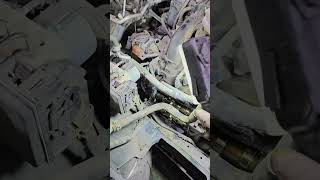
On this generation of Forester, a P0303 code is frequently caused by either a simple ignition component failure or a well-known oil leak. The valve cover gaskets, specifically the spark plug tube seals, can degrade and allow oil to seep into the spark plug well 🎬 Watch: See how oil leaks into the spark plug holes., fouling the plug and causing a misfire. This is a very common failure point reported by numerous owners. Additionally, while a major ignition coil recall (WRE-21) affected later Subaru models, coils on the 2009-2013 generation can still fail from heat and age, making them a primary suspect. A critical distinction within this generation is the engine change: 2009-2010 models use the EJ253 SOHC engine, while 2011-2013 models use the newer FB25 DOHC engine. The FB25 is known for potential oil consumption issues and a different valve train design (shim-over-bucket) where tight valve clearances can cause misfires as the engine ages.
Symptoms You May Notice

- Rough or shaking idle
- Engine hesitation or stumbling during acceleration
- Noticeable loss of power
- Solid Check Engine Light
- Flashing Check Engine Light (indicates a severe, catalyst-damaging misfire)
- VDC (Vehicle Dynamics Control) warning light is on
- Cruise control light is blinking
- Explanation for VDC/Cruise Lights: Subaru's safety protocol disables VDC and cruise control whenever a Check Engine Light is triggered, as the vehicle's stability and speed-control systems rely on accurate engine performance data. This causes the corresponding lights to illuminate or flash, but they do not indicate a separate problem with those systems.
- Replacing the oxygen sensor. While a faulty O2 sensor can cause performance issues, it is unlikely to cause a single-cylinder misfire code like P0303. It would typically cause a random misfire code (P0300) or fuel trim codes.
- Assuming a head gasket failure immediately. While Subarus have a history of head gasket issues, for a single cylinder misfire on this model, it's crucial to rule out the much more common and cheaper ignition and oil leak issues first. An external oil leak from the head gasket is different from an internal leak causing a misfire.
Most Likely Causes

- Worn or Fouled Spark Plug 🔴 High Probability Spark plugs are regular maintenance items. The issue is often accelerated by oil leaking from the spark plug tube seals, which fouls the plug, causing a wet, black appearance and preventing a proper spark.
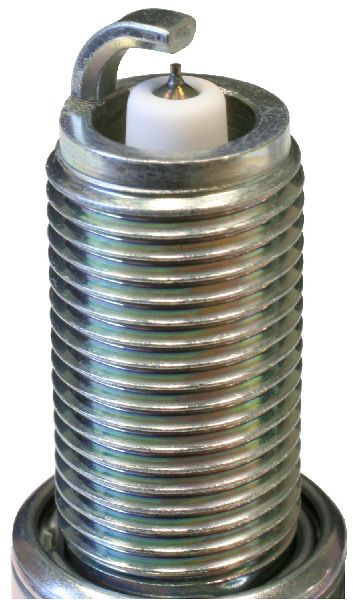
How to confirm: Remove the spark plug from cylinder 3. Inspect it for wear, carbon buildup, or oil contamination. A wet, black, glossy appearance indicates oil fouling.
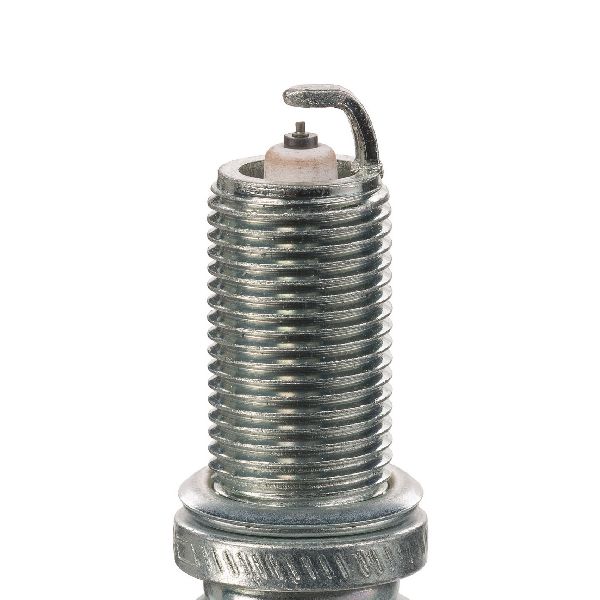
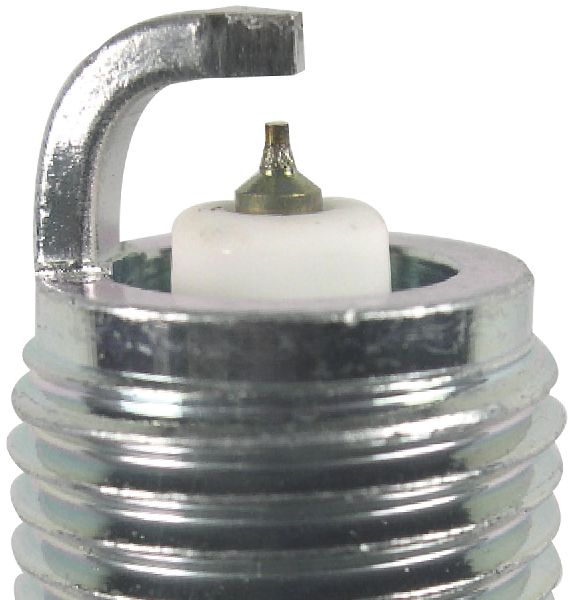
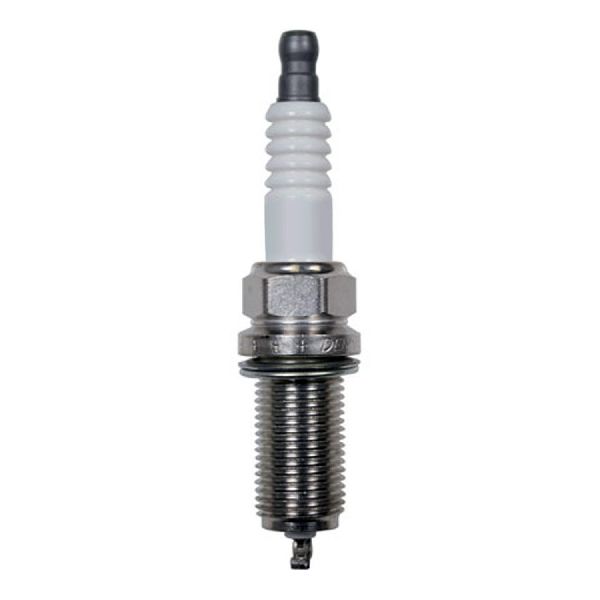
Typical fix: Replace all four spark plugs as a set. It is critical to use the correct NGK Iridium plugs for this engine to avoid further issues.
Est. part cost: $40-$80 - Failed Ignition Coil 🔴 High Probability Ignition coils are a common failure item due to age and heat cycles. While not covered by the major WRE-21 recall, their failure is a frequent cause of single-cylinder misfires on this platform.
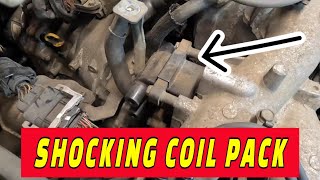
How to confirm: Swap the ignition coil from cylinder 3 with the coil from cylinder 1 (front passenger side). Clear the codes and drive the vehicle. If the code changes to P0301, the ignition coil is faulty. 🎬 Watch: A quick guide to replacing a faulty coil pack. Visually inspect the coil boot for white residue or black carbon tracks, which indicate it is arcing against the cylinder head.
Typical fix: Replace the single failed ignition coil. Many owners recommend replacing all four if they are original to prevent future failures.
Est. part cost: $50-$100 for one aftermarket coil - Leaking Spark Plug Tube Seals 🟡 Medium Probability The seals integrated into the valve cover gasket are a very common failure point on Subaru EJ engines, allowing oil to fill the spark plug wells. This is one of the most frequently cited issues by owners in online forums for this specific problem.
How to confirm: When you remove the ignition coil and spark plug for cylinder 3, look for liquid oil in the tube. If the bottom of the coil boot is wet with oil, the seals are leaking.
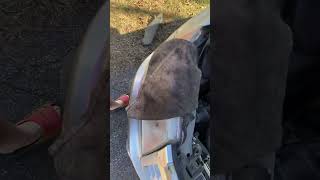
Typical fix: Replace the valve cover gasket and the integrated spark plug tube seals. This is often done at the same time as a spark plug change. The job requires removing the valve cover. 🎬 See this walkthrough for replacing gaskets and spark plugs.
Est. part cost: $30-$60 for a gasket kit - Clogged or Faulty Fuel Injector ⚪ Low Probability
How to confirm: If ignition components are confirmed good, listen to the injector with a mechanic's stethoscope; it should make a consistent clicking sound. For a more definitive test, you can swap the injector with another cylinder, but this is more labor-intensive.
Typical fix: Replace the faulty fuel injector.
Est. part cost: $70-$150
Rare But Worth Checking
- Low Engine Compression: If ignition and fuel system checks don't reveal the cause, a mechanical issue like a burnt exhaust valve or worn piston rings could be the culprit. A forum user on ultimatesubaru.org with a P0303 chased the issue through plugs, wires, and injectors before a compression and leak-down test confirmed a bad exhaust valve. These tests are required for diagnosis.
- Damaged Crankshaft Pulley: A damaged or warped crankshaft pulley (harmonic balancer) can send erratic signals to the crankshaft position sensor, causing the ECM to register phantom misfires, especially at higher RPMs. In a documented case on a 2009 Forester with P0303 & P0304, the owner replaced ignition components to no avail. The final fix was swapping the crankshaft pulley, which resolved the codes that only appeared above 5,000 RPM.
Diagnosis Steps

- Read the trouble code with an OBD-II scanner to confirm P0303 and check for any other codes.
- Note the status of the Check Engine, VDC, and Cruise Control lights. A flashing CEL indicates a severe misfire requiring immediate attention.
- Locate cylinder 3 (passenger side, rear) and cylinder 1 (passenger side, front).
- Swap the ignition coil from cylinder 3 with the one from cylinder 1. Clear the codes and drive the car. If the code returns as P0301, the ignition coil is bad and must be replaced.
- If the code remains P0303, remove the ignition coil and spark plug from cylinder 3. Check the spark plug tube for pooled oil. If oil is present, the valve cover gasket/tube seals are leaking and must be replaced.
- Inspect the removed spark plug. If it is wet with oil, black with carbon, or the electrode is worn, it needs replacement. It is best practice to replace all four spark plugs with NGK Iridium plugs.
- If the misfire persists on cylinder 3 with a new plug and a known-good coil, the issue may be fuel-related. Check the wiring to the fuel injector and listen for its operation with a stethoscope.
- For persistent issues, perform an engine compression test and a cylinder leak-down test on cylinder 3 to check for mechanical problems like a bad valve, piston ring, or head gasket. A compression test showing low numbers on cylinder 3 points to a mechanical fault.
Parts You'll Likely Need
- Spark Plugs (Set of 4)
(OEM #22401AA670)— Spark plugs are a primary cause of misfires and are a standard maintenance item. Oil fouling from leaking tube seals often requires their replacement.
Trusted brands: NGK
OEM price range: $60-$80
Aftermarket price range: $40-$60 - Ignition Coil
(OEM #22433AA642 (for 2009-2010 models), 22433AA621 (for 2010-2012 SOHC models), 22433AA630 (for 2011-2013 models))— This is the second most likely failure point for a P0303 code. Part number can vary by specific model year and build date.
Trusted brands: Denso, NGK, Bosch
OEM price range: $120-$170
Aftermarket price range: $50-$100 - Valve Cover Gasket Kit (with Tube Seals)
(OEM #13294AA070 (Gasket), 13271AA071 (Spark Plug Seal))— Required to fix the common oil leak into the spark plug tubes that fouls the spark plug and causes the misfire. It's best to buy a kit that includes the main gasket and the four tube seals.
Trusted brands: Fel-Pro, Beck/Arnley, Victor Reinz
OEM price range: $50-$70
Aftermarket price range: $30-$60
Related Codes That Often Appear With This One
- P0301, P0302, P0304 — If other cylinder misfire codes are present, it may point to a problem affecting multiple cylinders, such as a vacuum leak, low fuel pressure, or a failing component in a waste-spark system. For example, P0303 and P0304 together could point to the coil pack side that fires both cylinders.
- P0300 — This is a 'Random Misfire' code. It often appears with specific cylinder misfire codes and indicates the misfires are not isolated to just one cylinder, suggesting a more widespread issue like a vacuum leak or fuel delivery problem.
Technical Service Bulletins (TSBs) & Recalls
- WRE-21 (Recall): Supersedes WUQ-02. Relates to ignition coil failure on later model Subarus, but highlights a known weak point in the ignition system. The recall involves replacing all four ignition coils and potentially reprogramming the ECM.
- TSB Bulletin #11-130-13R: Provides specific inspection and repair procedures for engine misfire DTCs, including P0303, which may be related to intake and exhaust camshaft positions.
- TSB Bulletin #11-100-11R: Notes that P0303 can be associated with difficulty starting and a rough idle, often appearing alongside camshaft position sensor codes.
Platform-Specific Known Issues

- Ignition Coil Recall (WRE-21): This recall for short-circuiting ignition coils primarily affects later models (2017-2019 Impreza/Crosstrek) and supersedes a previous recall, WUQ-02. While it does not directly apply to the 2009-2013 Forester, it underscores a history of ignition coil issues in Subaru vehicles, making coil failure a strong possibility for a P0303 code.
- Leaking Spark Plug Tube Seals: A very common problem where the seals in the valve cover fail, allowing engine oil to flood the spark plug tubes. This fouls the spark plug and is a frequent cause of misfire codes on this engine, as documented extensively in owner forums and by repair shops.
Mechanic-Grade Diagnostic Values
- Ignition Coil Secondary Resistance (EJ25 Waste Spark Pack) — expected: 9.5 - 12.9 kΩ. Failure: A reading outside this range indicates a faulty coil winding.
- Spark Plug Wire Resistance (EJ25) — expected: Cylinder 3: 5 - 13 kΩ. Failure: Significantly higher resistance or an open circuit (infinite resistance) means the wire is bad.
- Injector Pulse Width (Typical) — expected: 1 - 10 ms at idle. Failure: Values that are erratic or significantly different for cylinder 3 compared to others can indicate a failing injector or wiring issue.
- FB25 Engine Valve Clearance (Intake) — expected: 0.13 mm ± 0.03 mm (0.10 mm to 0.16 mm). Failure: Clearance that is too tight (below 0.10 mm) can cause a valve not to seat properly, leading to low compression and misfires, especially when cold.
- FB25 Engine Valve Clearance (Exhaust) — expected: 0.24 mm ± 0.03 mm (0.21 mm to 0.27 mm). Failure: A tight exhaust valve is a common cause of misfires on higher-mileage FB engines due to valve seat wear.
Hidden / Shadow Codes Worth Checking
- Roughness Monitor Count: This is not a traditional DTC, but a live data parameter showing the exact number of misfire events the ECU has counted for each specific cylinder. A high count on cylinder 3 confirms the misfire location before a code is formally set. (see via This data is accessible through the Subaru Select Monitor (SSM) dealer tool or some advanced aftermarket scan tools with Subaru-specific programming (X-Gauge, Cobb Accessport).)
Scan Tool Commands That Help
- Subaru Select Monitor (or equivalent): Cylinder Contribution Test / Power Balance Test — This function allows the technician to disable one cylinder at a time (either by cutting fuel or spark) to observe the corresponding drop in engine RPM. If disabling cylinder 3 causes little or no change in RPM, it confirms that cylinder is not contributing power, pinpointing the location of the misfire.
- Subaru Select Monitor (or equivalent): View Live Data: 'Roughness Monitor #3' — Use this to confirm intermittent misfires that may not be severe enough to set a constant CEL. Watching the count increase in real-time while driving under specific conditions (e.g., high RPM, cold start) can help isolate when the misfire occurs.
Wiring & Ground Locations
- Main Engine Ground Strap — On many Subarus of this era, a primary braided ground strap connects the engine block to the chassis. On the FB engine, one important ground point is on the top starter bolt, connecting to the engine harness. Another strap is often found on the passenger side, connecting the frame rail to the cylinder head.. A corroded or loose main engine ground can cause a host of erratic electrical issues, including weak spark and incorrect sensor readings, which can lead to phantom misfire codes. Technicians report that these straps can corrode and fail, especially in salt-belt regions.
Real Owner Repair Stories
- Reddit user in r/subaruimpreza (2008 Subaru Impreza 2.0 NA (EJ-series engine)) — Rough idle, difficult start, P0301 and P0303 codes (misfires on both cylinders on the passenger side).
❌ Tried (didn't work) Checked compression (was good), Checked ignition coils, Checked fuel injectors
✅ What actually fixed it The user discovered a broken banjo bolt filter (screen) for the passenger side AVCS (Variable Valve Timing) solenoid. This clogged the oil flow to the VVT system for that bank, causing the misfires. Removing the broken filter remnants resolved the issue. - YouTube video by 'The Car Doctor Channel' (1996 Subaru Legacy 2.2L (EJ-series engine)) — Returning P0303 code after tune-up.
❌ Tried (didn't work) New ignition coil, New spark plugs and wires
✅ What actually fixed it Diagnosis revealed a loose exhaust valve guide in the cylinder head for cylinder #3. This is a known mechanical failure on some EJ engines. The fix required removing the cylinder head for machine work to replace the guide. - YouTube video by 'Fix It All' (2009 Subaru Forester (EJ25 engine)) — P0303 and P0304 codes appearing only during hard acceleration, above 5,000 RPM.
❌ Tried (didn't work) Spark plugs, Plug wires, Ignition coil, Oxygen sensor, Verifying timing belt was correct
✅ What actually fixed it The crankshaft pulley (harmonic balancer) was swapped with one from the original engine. The theory was the pulley was slightly damaged or out of balance, sending erratic signals from the crankshaft position sensor's reluctor teeth at high RPM. Replacing the pulley completely solved the high-RPM misfire codes.
OEM Part Supersession History
22433AA620→22433AA621— Standard part revision/update by the manufacturer.
Heads up: These parts are generally interchangeable for the specified SOHC models, but it is always best to use the latest revision (22433AA621) for improved reliability.
Model Year Variations Within This Range
- 2009-2010: These models use the EJ253 SOHC engine with a timing belt and a waste-spark ignition system (one coil pack with plug wires). Common P0303 causes are the classic oil-fouled plugs from leaking tube seals, bad plug wires, or the coil pack itself.
- 2011-2013: These models use the FB25 DOHC engine with a timing chain and coil-on-plug ignition. While still susceptible to oil leaks, they introduce new potential causes for P0303, such as high oil consumption leading to fouled plugs and, most notably, misfires from tight valve clearances that require a complex shim adjustment procedure.
Diagnostic Flowchart
Real Owner Stories
Aggregated from forums and TSBs cited above. Mileages and costs reflect what owners reported in those sources.
2009 Forester Premium — 137500 miles
Symptoms: VDC Off light on, Cruise light on, Check Engine light on, resulting in a P0303 code.
What fixed it: Advised to check the spark plugs first, as they were 37k miles overdue for replacement.
Source hint: Reddit r/SubaruForester
2009 Subaru Forester
Symptoms: Misfire on cylinder 3 and 4 at high RPM.
What fixed it: Discovered a damaged crankshaft pulley was the cause after all other common parts were replaced.
Source hint: subaruforester.org thread titled '2009-misfire-cylinder-3-4-at-high-rpm.464633'
2010 Subaru Forester
Symptoms: P0303 error code.
What fixed it: Quoted for head gasket repair alongside the P0303 fix due to leaking spark plug tubes.
Source hint: Reddit r/MechanicAdvice thread '2010_subaru_forester_p0303_error'
Older Subaru 2.5L engine
Symptoms: P0303 Cyl 3 misfire.
What fixed it: Discovered a burnt exhaust valve via a compression test after troubleshooting plugs, wires, and injectors.
Source hint: ultimatesubaru.org thread 'p0303-cyl3-misfire-help'
Related OBD-II Codes
Frequently Asked Questions
Why are my VDC and Cruise Control lights flashing along with the Check Engine Light for P0303?
Does the WRE-21 ignition coil recall apply to my 2009-2013 Forester?
I found oil on my cylinder 3 spark plug. What does this mean for my EJ25 engine?
What spark plugs should I use when fixing a P0303 misfire on this engine?
How can I test if the ignition coil is causing the cylinder 3 misfire?
Helpful Videos


Used OEM Parts in Stock

New Aftermarket Parts Available

The information in this article is provided for general reference and educational purposes only. Vehicle specifications, procedures, and part compatibility can vary by production date, trim level, and region. Always consult your vehicle's factory service manual and verify part numbers before purchasing or performing repairs. Safety-critical components such as airbags, seat belts, and braking systems should be installed by a qualified professional.
- Subaru Forester:
- 🎬 Helpful Videos
- 🛍️ Shop This Part
- What's Unique About the 2009-2013 Subaru Forester
- Symptoms You May Notice
- Most Likely Causes
- Rare But Worth Checking
- Diagnosis Steps
- Parts You'll Likely Need
- Related Codes That Often Appear With This One
- Technical Service Bulletins (TSBs) & Recalls
- Platform-Specific Known Issues
- Mechanic-Grade Diagnostic Values
- Hidden / Shadow Codes Worth Checking
- Scan Tool Commands That Help
- Wiring & Ground Locations
- Real Owner Repair Stories
- OEM Part Supersession History
- Model Year Variations Within This Range
- Diagnostic Flowchart
- Real Owner Stories
- 2009 Forester Premium — 137500 miles
- 2009 Subaru Forester
- 2010 Subaru Forester
- Older Subaru 2.5L engine
- Related OBD-II Codes
- Frequently Asked Questions
- 🎟️ Get 5% Off