

P0303 on 2012-2018 Mazda 3 2.0L Skyactiv-G: Cylinder 3 Misfire Causes and Fixes
P0303 on a 2012-2018 Mazda 3 with the 2.0L Skyactiv-G engine most often means the ignition coil on cylinder 3 has failed. This is a common issue, especially on 2012-2014 models with original 'YUMEBISHI' coils, as noted in a TSB. A new OEM-quality ignition coil costs between $35 and $150 and is a simple 15-minute DIY replacement. Swapping the coil from cylinder 3 to another cylinder is the definitive free diagnostic step.
- P0303 on a 2012-2018 Mazda 3 almost always points to a problem specific to cylinder 3.
- The most likely cause is a bad ignition coil. Always perform the 'coil swap' test first; it's free and takes 10 minutes.
- If the Check Engine Light is flashing, stop driving immediately to prevent expensive damage to the catalytic converter.
- If new coils and spark plugs don't fix the misfire, the next most likely causes are a clogged fuel injector or carbon buildup on the intake valves.
- This is a very DIY-friendly repair if the cause is a bad coil or spark plug.
What's Unique About the 2012-2018 Mazda 3

The 2012-2018 Mazda 3 with the 2.0L Skyactiv-G engine is known for a few specific issues that can cause a P0303 code. For the early Skyactiv models (2012-2014), Mazda issued a Technical Service Bulletin (TSB 01-014/16) for premature ignition coil failure from a specific supplier named 'YUMEBISHI'. Additionally, as these are direct-injection engines, they can be susceptible to carbon buildup on the intake valves over time, which can disrupt airflow and lead to misfires, an issue also covered by a TSB (01-012/19). While less common, clogged fuel injectors have also been identified as a cause after ignition components were ruled out, as documented in owner forums.
Generation note: This range covers two generations of the Mazda 3 that used the 2.0L Skyactiv-G engine: the late second generation (BL, 2012-2013) and the third generation (BM/BN, 2014-2018). The primary causes for P0303 are consistent across these years, though a specific TSB for faulty ignition coils (01-014/16) was issued for 2012-2016 models, including the Mazda 3. Another TSB regarding misfires in cold weather due to a frozen muffler (01-006/18) applies to 2014-2018 models. A TSB for carbon buildup (01-012/19) specifically targets 2012-2013 models. Manufacturer Bulletin #01-012-19-3612 further confirms that vehicles may experience the Check Engine Light with P0303 stored in memory due to these conditions.
Symptoms You May Notice
- Rough or shaking idle
- Hesitation or stumbling during acceleration
- Flashing Check Engine Light
- Noticeable loss of engine power
- Reduced fuel economy
- Engine stalling
- Fuel smell from the exhaust
- Sputtering or popping sounds from the engine
- Replacing only the spark plug when the ignition coil is the actual point of failure.
- Assuming a major engine problem before performing the simple ignition coil swap diagnostic.
- Replacing the fuel pump when the issue is isolated to a single cylinder's injector or ignition system.
- Replacing coils and plugs with aftermarket parts, which may not resolve the issue, leading to a misdiagnosis of carbon buildup.
Most Likely Causes


- Failed Ignition Coil 🔴 High Probability Mazda issued a TSB (#01-014/16) for 2012-2016 models acknowledging that original ignition coils from a supplier named 'YUMEBISHI' were prone to premature failure. These faulty coils can be identified by their 4-digit lot numbers, whereas the improved MITSUBISHI-made coils have 5-digit lot numbers. This remains the most common cause for a single-cylinder misfire across this entire year range. Manufacturer Bulletin #01-010-18-3442b notes that an engine misfire during acceleration with a flashing check engine light and P0303 may occur, even if the DTC is not immediately stored.
How to confirm: Swap the ignition coil from cylinder 3 with another cylinder (e.g., cylinder 2). Cylinder 3 is the third from the right (passenger side). Clear the codes and drive. If the code changes to P0302, the ignition coil is faulty. Visually inspect the coil boot for white traces or black soot, which indicates it is cracked and arcing against the engine block.
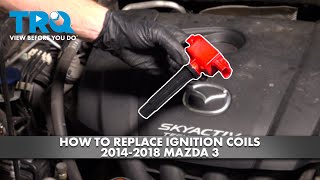
Typical fix: Replace the faulty ignition coil. 🎬 Watch: Step-by-step guide to replacing your ignition coils. It is often recommended to replace all four coils if they are original and high-mileage, as the others may fail soon. Using OEM or reputable aftermarket brands like NGK or Denso is advised.
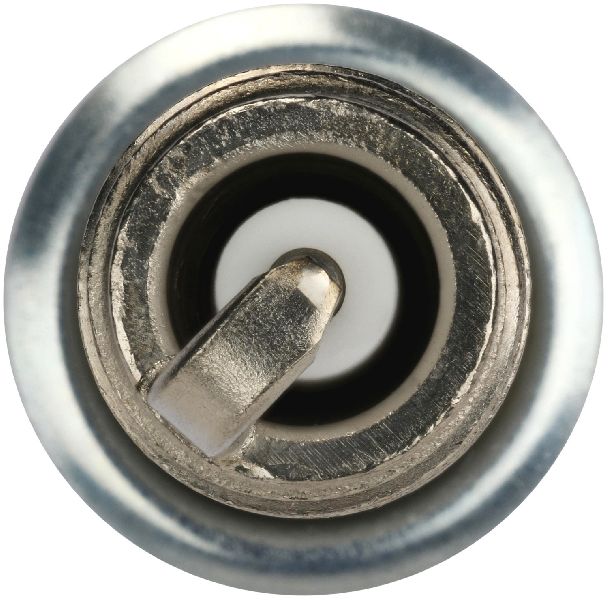
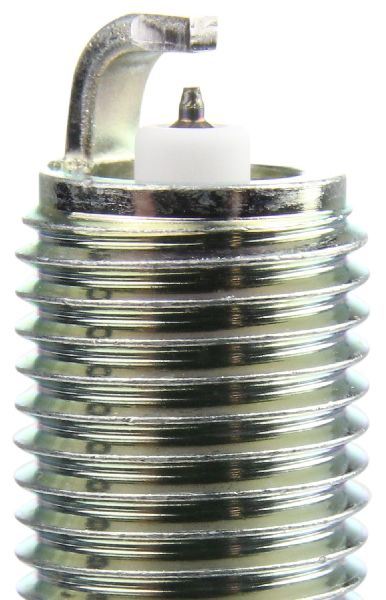
Est. part cost: $35-$100 - Worn or Fouled Spark Plug 🟡 Medium Probability Spark plugs are a standard maintenance item. The recommended service interval for the Skyactiv-G engine is 75,000 miles. A worn, improperly gapped, or fouled plug can't create a strong enough spark, leading to incomplete combustion. Many owners replace plugs first, as it's routine maintenance.
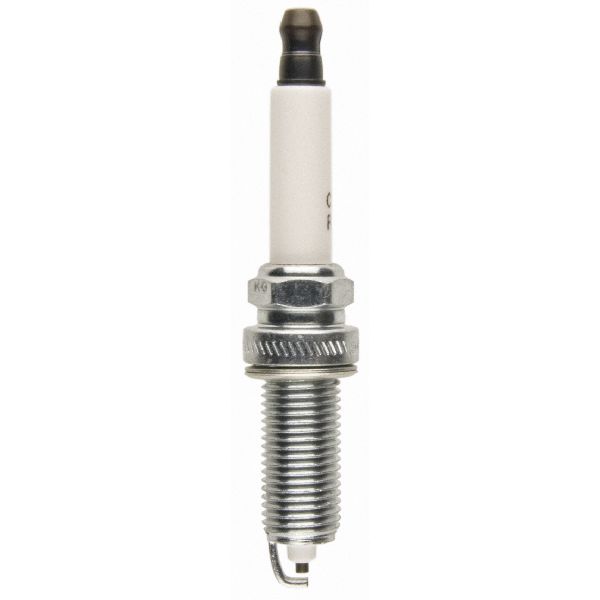
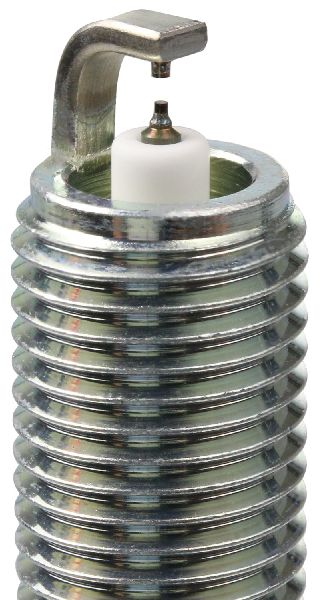
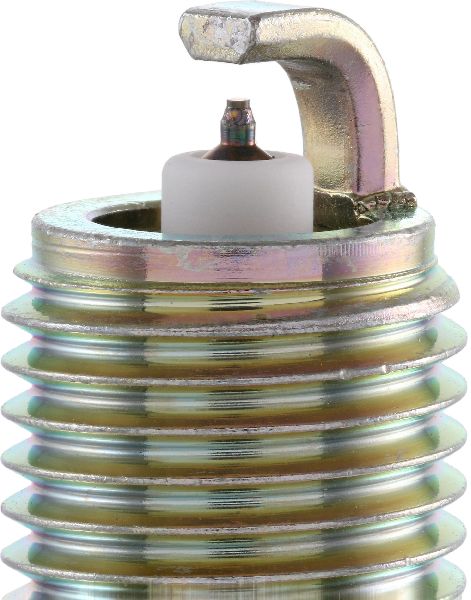
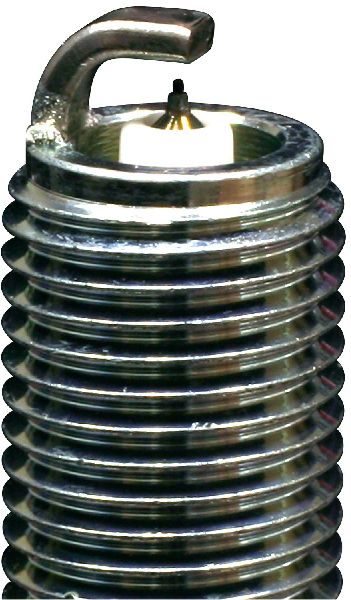
How to confirm: After ruling out the ignition coil, remove the spark plug from cylinder 3. Inspect it for wear (worn electrode), carbon fouling (black, sooty), or oil fouling. Compare it to a new plug. The correct OEM plug is typically an NGK Iridium plug, part number PE5R-18-110.
Typical fix: Replace the spark plug in cylinder 3. It is best practice to replace all four spark plugs as a set to ensure even performance and avoid future misfires on other cylinders.
Est. part cost: $10-$25 per plug - Clogged or Faulty Fuel Injector ⚪ Low Probability As a direct-injection engine, the fuel injectors can become clogged or fail electronically over time. Forum discussions from owners confirm that a clogged injector can be the root cause of a persistent P0303 after ignition parts have been replaced. In one documented case, a user had the same cylinder 3 injector fail four times, suggesting a potential wiring issue to the injector. Manufacturer Bulletin #01-001-23a notes that customers may complain about poor acceleration and rough idling with DTC P0303:00, though this specifically applies to turbo engines.
How to confirm: This is more difficult to diagnose. A professional can perform a fuel injector balance test. A DIY method is to swap the fuel injector from cylinder 3 with another cylinder, but this is a more involved repair requiring removal of the fuel rail. Before swapping, one can listen to the injector with a mechanic's stethoscope to check if it's clicking like the others.
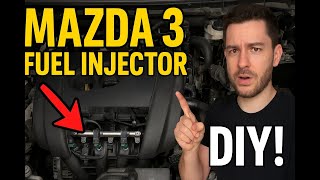
Typical fix: Replace the faulty fuel injector. 🎬 See this DIY walkthrough for replacing a fuel injector. Sometimes professional fuel system cleaning can resolve minor clogs, but electronic failure requires replacement. If the issue recurs, the injector wiring harness should be inspected.
Est. part cost: $70-$200
Rare But Worth Checking
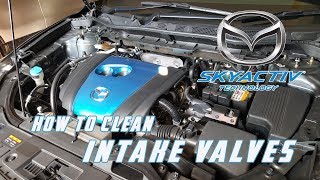
- Intake Valve Carbon Buildup: Skyactiv-G engines are direct-injection, meaning fuel is sprayed directly into the cylinder, not over the intake valves. This allows carbon deposits from the PCV system to bake onto the back of the valves, disrupting airflow and causing misfires, especially on cold starts during the accelerated warm-up system (AWS) operation. Mazda has a TSB (01-012/19, superseding 01-020/15) for this issue on 2012-2013 models, outlining a cleaning procedure. This often requires professional service like walnut blasting. 🎬 Watch: How to clean carbon buildup on Skyactiv engines.
- Low Engine Compression: Though uncommon, internal mechanical problems like worn piston rings, a leaking head gasket, or damaged valves can cause a loss of compression in cylinder 3, resulting in a persistent misfire that ignition and fuel parts won't fix. A compression test is the definitive diagnostic step for this. A mechanic in one forum thread performed this test to rule out engine damage.
- Frozen Muffler / Main Silencer: For 2014-2018 models, Mazda issued TSB 01-006/18 for misfire codes that appear after starting the vehicle in freezing temperatures (below 32°F / 0°C). Water from condensation can accumulate and freeze in the muffler, restricting exhaust flow and causing backpressure that leads to a misfire. Manufacturer Bulletin #01-007-19-3541 similarly notes that frozen water accumulated in the main silencer can restrict exhaust flow and cause P0303.
Diagnosis Steps

- Read the code with an OBD-II scanner. Note if the Check Engine Light is solid or flashing. A flashing light indicates a severe, catalyst-damaging misfire.
- Swap the ignition coil from cylinder 3 to an adjacent cylinder (like cylinder 2 or 4). Cylinder 3 is the third from the right (belt side). Clear the codes and run the engine to see if the misfire code follows the coil (e.g., changes to P0302 or P0304). If it does, the coil is bad.
- If the code remains P0303, inspect the spark plug in cylinder 3. Look for signs of wear, fouling, or damage. Replace if necessary. It's best to replace all four at once for even performance.
- If the coil and plug are good, the issue may be fuel-related. Inspect the wiring to the fuel injector for cylinder 3 for any visible damage. A more advanced step is to swap the injector with another cylinder, though this is more labor-intensive.
- If the misfire persists, especially on cold starts, consider carbon buildup on the intake valves. This may require a borescope inspection to confirm and professional cleaning (e.g., walnut blasting) to resolve.
- Perform a compression test on cylinder 3 to rule out mechanical engine problems like bad rings or valves.
- If the issue occurs only in freezing temperatures on a 2014-2018 model, inspect the muffler for signs of ice blockage as per TSB 01-006/18. The official fix is a replacement muffler with drain holes.
Parts You'll Likely Need
- Ignition Coil
(OEM #PE20-18-100A)— This is the most frequent cause of a P0303 code on this engine, with a known history of premature failure on earlier models as per TSB 01-014/16. This part number supersedes PE20-18-100 and PE01-18-100A.
Trusted brands: NGK, Denso, Bosch, Mazda (OEM)
OEM price range: $120-$180
Aftermarket price range: $35-$100 - Iridium Spark Plug
(OEM #PE5R-18-110)— Spark plugs are a common wear item and the second most likely cause after the ignition coil. A fouled or worn plug in cylinder 3 will prevent a proper spark. The OEM-spec plug is NGK Iridium PE5R-18-110.
Trusted brands: NGK, Denso
OEM price range: $20-$30
Aftermarket price range: $10-$25
Related Codes That Often Appear With This One
- P0300 — If the misfire is intermittent or begins to affect other cylinders due to a shared underlying cause (like carbon buildup or a failing fuel pump), a P0300 (Random/Multiple Cylinder Misfire) may be stored alongside P0303.
- U0442 / U0401 — In some complex cases, a P0303 misfire can be accompanied by communication codes like U0442 (Invalid Data Received from PCM) or U0401, which may point to deeper electrical or module issues rather than a simple component failure.
- P0316 — As noted in Manufacturer Bulletin #01-005-20-3704, vehicles may exhibit a rough run or lack of power with DTCs P0303 and P0316 stored together.
Technical Service Bulletins (TSBs) & Recalls
- 01-014/16: Premature failure of original 'YUMEBISHI' ignition coils on 2012-2016 Skyactiv models.
- 01-012/19 (supersedes 01-020/15): Misfire codes due to carbon deposits on intake valves.
- 01-006/18: Rough idle and misfire codes in freezing temperatures due to a frozen main silencer (muffler).
- 01-005/15: Misfire codes and increased engine oil level due to fuel accumulation in the crankcase during short trips in extreme cold.
- Bulletin #01-012-19-3612: Confirms Check Engine Light with DTC P0303:00 stored in memory for certain Mazda models.
- Bulletin #01-007-19-3541: Addresses P0303 caused by frozen water accumulated in the main silencer, restricting exhaust flow.
- Bulletin #01-010-18-3442b: Notes engine misfire during acceleration with a flashing check engine light and P0303:00.
Platform-Specific Known Issues
- TSB 01-014/16 identified faulty 'YUMEBISHI' brand ignition coils on 2012-2016 models, recommending replacement with MITSUBISHI-made parts if found defective.
- TSB 01-012/19 (supersedes 01-020/15) addresses misfire codes caused by carbon deposits on intake valves for 2012-2013 models, outlining a cleaning procedure to be performed if misfires occur during cold start warm-up.
- TSB 01-006/18 notes that misfires in cold weather on 2014-2018 models can be caused by a frozen muffler blocking exhaust flow. The fix is a modified muffler with drain holes.
- TSB 01-005/15: Misfire codes and increased engine oil level due to fuel accumulation in the crankcase during short trips in extreme cold.
Mechanic-Grade Diagnostic Values
- High-Pressure Fuel System — expected: Up to 3,000 PSI. Failure: Significantly lower pressure readings under load can indicate a failing high-pressure fuel pump (HPFP), which could cause a misfire.
- Ignition Coil Primary Amperage Waveform — expected: A consistent waveform pattern on a lab scope.. Failure: An inconsistent or erratic waveform indicates an internally shorted or failing ignition coil, confirming it as the source of the misfire.
Scan Tool Commands That Help
- Mazda IDS (Integrated Diagnostic System): Power Balance Test — This function allows a technician to disable one cylinder at a time to observe the corresponding drop in engine RPM. If disabling cylinder 3 causes little or no change in RPM, it confirms that cylinder is not contributing power, pinpointing the misfire without swapping parts.
Wiring & Ground Locations
- Main Engine Ground — Typically located on the engine block near the transmission housing, connecting the main engine harness to the chassis.. A loose or corroded main engine ground can cause intermittent and hard-to-diagnose electrical issues, including weak spark or erratic injector signals that can lead to a misfire code like P0303.
Real Owner Repair Stories
- Reddit user krob58 on r/mazda (2012 Mazda 3 hatchback, 2.0L Skyactiv, 140k miles) — Check Engine Light with code P0303.
❌ Tried (didn't work) Replaced all spark plugs and ignition coils with aftermarket parts. The code returned the next day.
✅ What actually fixed it The user was advised by the dealer that the issue was carbon buildup. However, multiple forum members suggested the true cause was the use of aftermarket ignition coils, which are a common point of failure, and recommended replacing the cylinder 3 coil with an OEM part before paying for a carbon cleaning service. The strong consensus pointed to the aftermarket parts being the problem.
OEM Part Supersession History
PE01-18-100A, PE20-18-100→PE20-18-100A— The original 'YUMEBISHI' coils (identified by a 4-digit lot number) were prone to internal failure. The updated part is from a different supplier (MITSUBISHI, with a 5-digit lot number) and is more robust.PE19-20-3F0→PE19-20-3F0A— This is the part number for the high-pressure fuel pump (HPFP). While not a primary cause for a single-cylinder misfire, a failing pump can cause fuel starvation issues. Revisions often improve reliability.
Model Year Variations Within This Range
- 2012-2013: These early Skyactiv-G engines were considered 'partial Skyactiv' and did not feature the full 4-2-1 exhaust header due to space constraints in the 2nd generation chassis. This can make them slightly more susceptible to issues like carbon buildup addressed in TSB 01-012/19.
- 2014-2018: These models feature the 'full Skyactiv' engine design, including the tuned 4-2-1 exhaust header, an improved chassis, and revised transmission tuning, which may affect long-term engine characteristics compared to the earlier models.
Diagnostic Flowchart
Real Owner Stories
Aggregated from forums and TSBs cited above. Mileages and costs reflect what owners reported in those sources.
2013 Mazda 3 skyactiv
Symptoms: When the weather is cold and the engine is under high load, it misfires to the point the car puts itself into a safe mode, shuts off the injector to cylinder 3, and limits throttle to about 20%.
What fixed it: Diagnosed as a clogged cylinder 3 injector.
Source hint: ScannerDanner Forum
2012 Mazda 3
Symptoms: Experienced a recurring P0303 misfire on Cylinder 3 after replacing aftermarket coils and plugs.
What fixed it: Dealer recommended carbon cleaning of the intake valves.
Source hint: Reddit r/mazda - 'Misfire on Cylinder 3. Dealer wants to carbon clean. Thoughts?'
2017 Mazda3 — ~150000 miles
Symptoms: Complex case on a high-mileage car involving P0303-00 along with other codes.
What fixed it: Coils, plugs, and a compression test did not solve the issue, pointing towards a potential fuel injector or wiring problem.
Source hint: Reddit r/mazda - '2017 Mazda3 Engine Problems (P0303-00)'
2013 Mazda 3
Symptoms: Recurring P0303 every 8 months.
What fixed it: Mechanics repeatedly diagnosed a bad fuel injector on cylinder 3, suggesting a possible underlying wiring harness issue.
Source hint: Reddit r/mazda - 'Fuel Injector replaced 4 times now what's going on??'
Mazda 3
Symptoms: Persistent P0303 code after spark plugs and ignition coils were already replaced.
What fixed it: Replacing the ignition wires/boot resolved the misfire.
Source hint: Mazdas247 Forum - 'P0303, easiest/cheapest fix to check first before checking more expensive fixes?'
Related OBD-II Codes
Frequently Asked Questions
How do I know if my 2012-2016 Mazda 3 has the faulty ignition coils mentioned in TSB 01-014/16?
Why does my 2014-2018 Mazda 3 only misfire and show P0303 in freezing temperatures?
The dealer recommended a carbon cleaning for my P0303 code. Is this a known issue on the Skyactiv-G engine?
What is the recommended spark plug for the 2.0L Skyactiv-G to fix a misfire?
I keep getting a P0303 code and mechanics say my cylinder 3 fuel injector is bad. Why does it keep failing?
Can a misfire code be related to my engine oil level increasing?
Helpful Videos

Used OEM Parts in Stock


New Aftermarket Parts Available

The information in this article is provided for general reference and educational purposes only. Vehicle specifications, procedures, and part compatibility can vary by production date, trim level, and region. Always consult your vehicle's factory service manual and verify part numbers before purchasing or performing repairs. Safety-critical components such as airbags, seat belts, and braking systems should be installed by a qualified professional.
- Mazda 3:
- 🎬 Helpful Videos
- 🛍️ Shop This Part
- What's Unique About the 2012-2018 Mazda 3
- Symptoms You May Notice
- Most Likely Causes
- Rare But Worth Checking
- Diagnosis Steps
- Parts You'll Likely Need
- Related Codes That Often Appear With This One
- Technical Service Bulletins (TSBs) & Recalls
- Platform-Specific Known Issues
- Mechanic-Grade Diagnostic Values
- Scan Tool Commands That Help
- Wiring & Ground Locations
- Real Owner Repair Stories
- OEM Part Supersession History
- Model Year Variations Within This Range
- Diagnostic Flowchart
- Real Owner Stories
- 2013 Mazda 3 skyactiv
- 2012 Mazda 3
- 2017 Mazda3 — ~150000 miles
- 2013 Mazda 3
- Mazda 3
- Related OBD-II Codes
- Frequently Asked Questions
- 🎟️ Get 5% Off