

P0303 on 2018-2023 Ford Mustang 2.3L EcoBoost: Cylinder 3 Misfire Causes and Fixes
P0303 on a 2.3L EcoBoost Mustang is most often a bad spark plug or ignition coil in cylinder 3. These are affordable DIY fixes, costing $20-$100. However, this engine, particularly in pre-2020 models, is also known for a serious head gasket design flaw that causes coolant to leak into the cylinder, which is a much more expensive repair. Any persistent P0303 code should be investigated for coolant loss immediately.
- P0303 indicates a misfire in cylinder 3. On the 2.3L EcoBoost, start your diagnosis with the cheapest and most common parts: the ignition coil and spark plug.
- A simple and effective diagnostic step is to swap the ignition coil from cylinder 3 to another cylinder to see if the misfire code follows it.
- Be aware that 2018-2019 models are prone to a serious head gasket failure. If you are losing coolant without an external leak or see white smoke from the exhaust, this is a strong possibility.
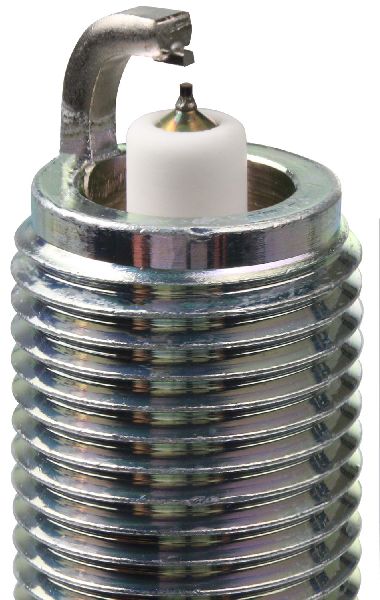
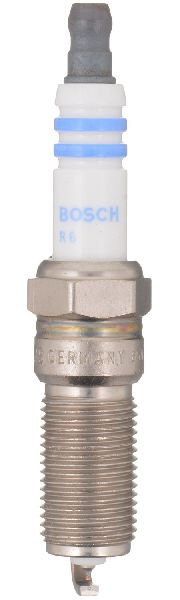
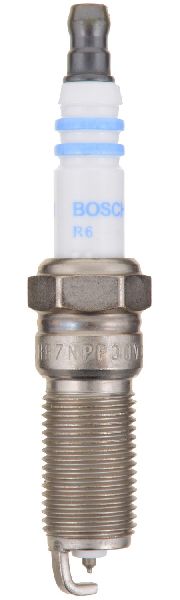
- Always use high-quality, OEM-specification spark plugs and ensure they are gapped correctly for this turbocharged engine.
- If you continue driving with a flashing check engine light, you risk severe damage to your catalytic converter, turning a small repair into a very expensive one.
What's Unique About the 2018-2023 Ford Mustang
The 2.3L EcoBoost is a high-performance, direct-injected, and turbocharged engine. This design puts significant stress on ignition components like spark plugs and coils, making them common failure points. More critically, 2.3L EcoBoost engines from 2015-2019 have a documented design weakness in the engine block between cylinders that can lead to head gasket failure and coolant leaking into the cylinders, causing misfires. This often presents as a P0303 or other single-cylinder misfire code, especially on a cold start. While Ford reportedly updated the block design in newer models, any 2.3L EcoBoost experiencing a persistent misfire should be checked for this issue.
Symptoms You May Notice
- Rough or shaking idle
- Hesitation or stumbling during acceleration
- Noticeable loss of engine power
- Flashing Check Engine Light (indicates a severe misfire)
- Smell of fuel from the exhaust
- White smoke from the exhaust, especially on cold starts (if coolant is leaking)
- Rough engine operation during driving
- Replacing oxygen (O2) sensors. O2 sensors can be affected by a misfire, but they are almost never the cause of a single-cylinder misfire code.
- Replacing the catalytic converter. A misfire can damage the converter, but the converter itself does not cause the misfire.
Most Likely Causes
- Faulty Ignition Coil 🔴 High Probability Coil-on-plug systems are common failure points, and the high heat and pressure in a turbocharged engine can shorten their lifespan.
How to confirm: Swap the ignition coil from cylinder 3 with another cylinder (e.g., cylinder 2). Clear the codes and drive the car. If the code changes to P0302, the coil is bad. This is a common first diagnostic step recommended on owner forums.
Typical fix: Replace the faulty ignition coil. It's often recommended to replace all four at the same time for preventative maintenance.
Est. part cost: $40-$80 per coil - Worn or Fouled Spark Plug 🔴 High Probability Turbocharged engines are harder on spark plugs and require specific heat ranges and gaps. Incorrect plugs, extended change intervals, or an improper gap can cause misfires.
How to confirm: After confirming the coil is good, remove the spark plug from cylinder 3. Inspect it for wear, carbon fouling, oil, or coolant contamination. Compare it to a plug from a working cylinder. Check that the gap is correct (typically around 0.028 - 0.031 inches).
Typical fix: Replace the spark plug. It is best practice to replace all four spark plugs at once with OEM-spec parts, ensuring they are gapped correctly before installation.
Est. part cost: $20-$50 for a set of four - Carbon Buildup on Intake Valves 🟡 Medium Probability As a Gasoline Direct Injection (GDI) engine, fuel is sprayed directly into the cylinder, not over the intake valves. The PCV system vents oil vapors over the hot valves, which bake into hard carbon deposits over time. This restricts airflow and can cause misfires.
How to confirm: This requires removing the intake manifold to visually inspect the intake ports and valves. A borescope can also be used. This is typically done after ruling out ignition and fuel delivery issues.
Typical fix: The intake valves need to be cleaned, typically through a process called walnut blasting, where crushed walnut shells are used as a media to safely scrub the valves clean.
Est. part cost: $50-$100 for gaskets if doing it yourself - Clogged Fuel Injector ⚪ Low Probability Direct injection fuel injectors operate under very high pressure and can become clogged over time, though it's less common than ignition issues.
How to confirm: This is more complex to diagnose. A professional can perform a fuel injector flow test. A DIY method is to swap the injector with another cylinder, but this is much more labor-intensive than swapping a coil and requires removing the intake manifold.
Typical fix: Clean or replace the faulty fuel injector.
Est. part cost: $70-$150 per injector
Rare But Worth Checking
- Head Gasket Failure / Coolant Intrusion: This is a widely documented and serious issue for 2015-2019 2.3L EcoBoost engines due to a design flaw in the engine block. An NHTSA owner complaint for a 2018 Mustang with P0303 specifically found coolant in cylinder 3. [ODI #11710053] Symptoms include coolant loss, white exhaust smoke, and misfires on cold starts. A Mustang6G forum member with P0303 noted, 'Losing any coolant? Keep a very close eye on coolant level. If you're losing any it's likely the head gasket.' Another owner confirmed a bad head gasket after a P0303 code, stating their 'p0303 code didn't end well... built motor in the works.'
- Powertrain Control Module (PCM) Software Issue: Ford has issued TSBs for misfire codes caused by PCM software. TSB 22-2185 specifically addresses P0300/P0316 (random/startup misfire) on 2021-2022 2.3L models and requires a PCM reprogram. While TSB 22-2464 is officially for the 5.0L engine, one owner on Mustang6G reported that a dealer applied this TSB to fix a misfire issue that began with a P0303 code on their vehicle.
Diagnosis Steps
- Read the codes with an OBD-II scanner and note any other codes present.
- Swap the ignition coil from cylinder 3 to cylinder 2. Clear the codes and run the engine to see if the misfire moves to cylinder 2 (code P0302). If it does, the ignition coil is faulty.
- If the misfire remains on cylinder 3, swap the spark plug from cylinder 3 to cylinder 1. Before swapping, inspect the plug for damage and verify the gap is correct (e.g., ~0.028"). Clear codes and see if the misfire moves to cylinder 1 (code P0301). If it does, the spark plug is bad.
- If the misfire stays on cylinder 3, inspect the spark plug well and the old spark plug for signs of oil or a sweet-smelling green/orange residue (coolant).
- Check the coolant reservoir level. If it is consistently low with no visible external leaks, it could indicate an internal leak (head gasket).
- Perform a compression test on all four cylinders. A significant loss of compression in cylinder 3 points to a mechanical problem. Note: Some owners have reported passing compression and leak-down tests even with a failed head gasket, so this is not always definitive.
- Use a borescope to look inside cylinder 3 for coolant pooling, excessive carbon, or cylinder wall damage. This is a key step to diagnose head gasket failure. [ODI #11710053, 25]
- If all else fails, the issue could be a clogged fuel injector or, in rare cases, a wiring or PCM driver issue. Professional diagnosis may be required.
Parts You'll Likely Need
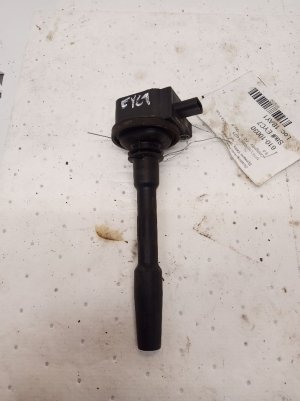
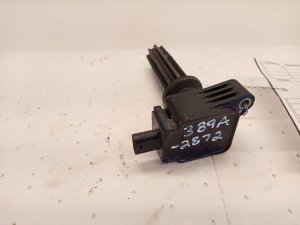
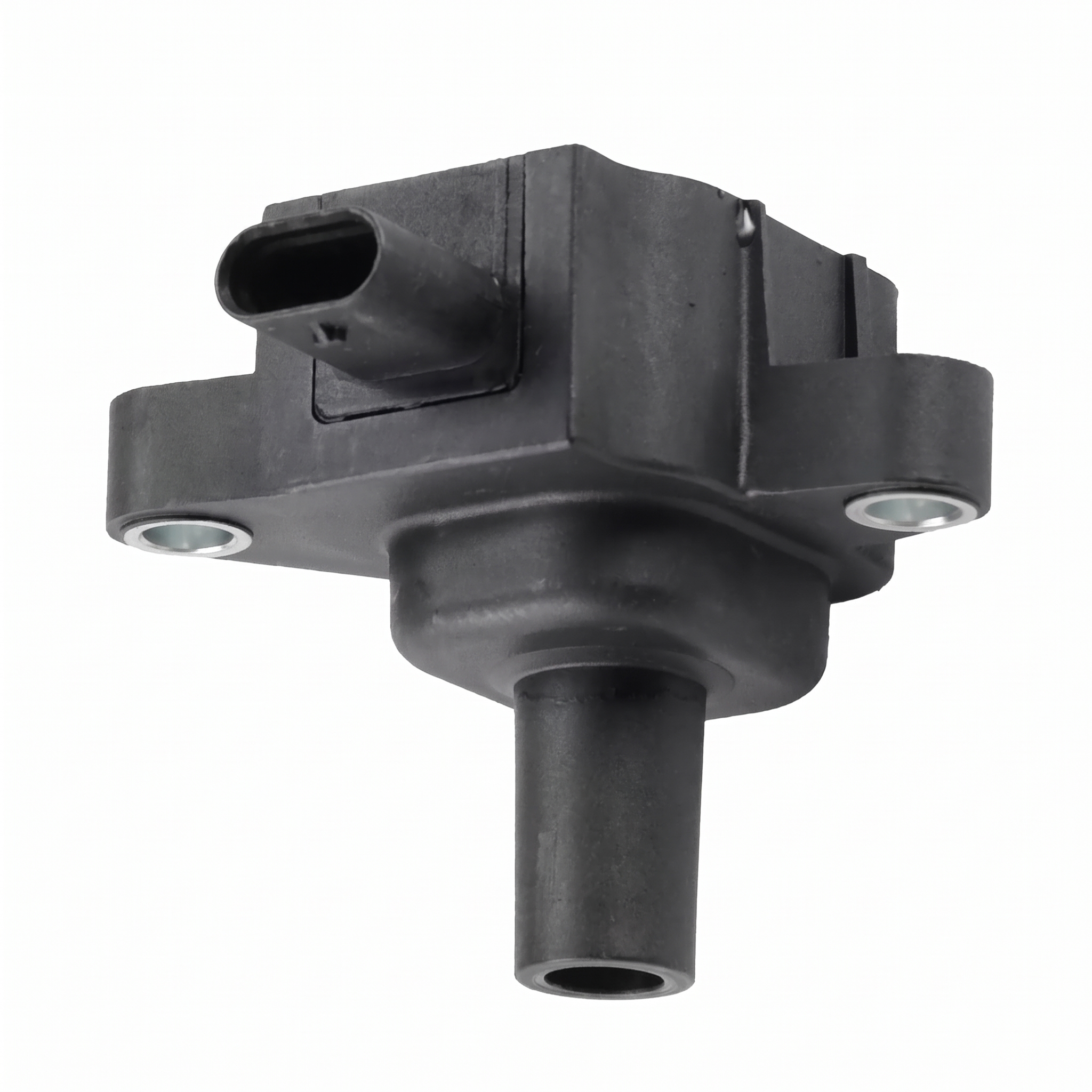
- Ignition Coil
(OEM #P2GZ-12029-A)— This is one of the most common failure items causing a single-cylinder misfire.
Trusted brands: Motorcraft, NGK, Denso, MSD
OEM price range: $60-$90
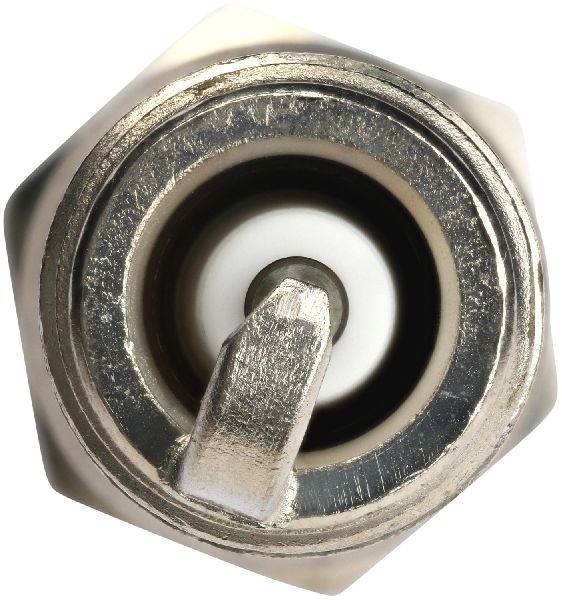
Aftermarket price range: $40-$70 - Spark Plug
(OEM #Motorcraft SP-578 (CYFS-12Y-PCT))— Worn, fouled, or incorrectly gapped spark plugs are a primary cause of misfires in turbocharged engines.
Trusted brands: Motorcraft, NGK
OEM price range: $10-$20 per plug
Aftermarket price range: $5-$15 per plug - Head Gasket
(OEM #K2GZ-6051-A)— If diagnosis confirms coolant intrusion, a head gasket replacement is required. This is a known weak point on pre-2020 2.3L EcoBoost engines. Part number K2GZ-6051-A is the updated gasket for 2019 and newer models.
Trusted brands: Motorcraft, Fel-Pro
OEM price range: $100-$200
Aftermarket price range: $80-$150
Related Codes That Often Appear With This One
- P0300 — If the misfire is intermittent or affects multiple cylinders, a P0300 (Random Misfire Detected) code may appear alongside P0303.
- P0316 — This code means "Misfire Detected on Startup (First 1000 Revolutions)" and often accompanies other misfire codes, pointing to an issue present during a cold start, which is a classic symptom of coolant intrusion.
- P0353 — This code indicates an "Ignition Coil 'C' Primary/Secondary Circuit Malfunction." If this code is present with P0303, it points directly to a problem with the ignition coil or its circuit for cylinder 3, rather than a fuel or mechanical issue. The PCM may shut down the injector for cylinder 3 to protect the catalyst when P0353 is set.
Technical Service Bulletins (TSBs) & Recalls
- TSB 22-2185: Addresses illuminated MIL with DTCs P0300 and/or P0316 in some 2021-2022 Mustang 2.3L models.
- TSB 22-2464: Addresses various misfire DTCs (including P0303) on 2021-2022 5.0L engines due to PCM software, but has been anecdotally applied to 2.3L engines with similar issues.
Platform-Specific Known Issues
- A significant known issue for 2015-2019 2.3L EcoBoost engines is head gasket failure due to the open-deck block design, which can allow coolant to leak into the cylinders. This often presents as a misfire on a cold start with white smoke from the exhaust. An NHTSA owner complaint (ODI #11710053) for a 2018 Mustang with P0303 confirmed coolant intrusion in cylinder 3. [ODI #11710053]
- TSB 22-2185 was issued for some 2021-2022 Mustangs with the 2.3L engine for random misfires (P0300/P0316) at startup, indicating potential software-related issues that require a dealer to reprogram the PCM.
- Carbon buildup on intake valves is a common side effect of direct injection engines and can lead to misfires over time if not cleaned.
Mechanic-Grade Diagnostic Values
- Spark Plug Gap — expected: 0.028 in (0.7 mm) - 0.031 in (0.8 mm). Failure: A gap outside of this range can cause weak spark and misfires.
- Mode 6 Misfire Count (per cylinder) — expected: Value of 0 or a very low number for the current and last 10 driving cycles.. Failure: A significantly higher value for cylinder 3 compared to other cylinders indicates a persistent misfire, even if a CEL is not currently triggered.
Hidden / Shadow Codes Worth Checking
- Mode 6, Test ID $A5, Component ID $03: This is not a DTC, but the specific Mode 6 test data for 'Misfire counts for cylinder 3'. It allows a technician to see the raw number of misfire events detected by the PCM, which is useful for diagnosing intermittent issues that aren't severe enough to set a P0303 code yet. (see via Advanced OBD-II scan tool with Mode 6 capability, or Ford-specific software like FORScan.)
Scan Tool Commands That Help
- Ford IDS (Integrated Diagnostic Software): Power Balance Test — This function graphically displays the RPM contribution of each cylinder, allowing a technician to visually identify a cylinder that is not contributing equally. A dip in the graph for cylinder 3 confirms it is the source of the misfire.
- FORScan: Misfire Monitor Live Data (PIDs) — Allows for real-time monitoring of misfire counts per cylinder while driving or during specific conditions (like cold start) to pinpoint when the P0303 is occurring.
Wiring & Ground Locations
- Engine to Chassis Ground Strap — Typically a braided strap from the back of the cylinder head or intake manifold area to the firewall on the driver's side.. A poor or corroded main engine ground can cause a host of electrical issues, including weak spark, which can lead to intermittent misfires. Ensuring this connection is clean and tight is a crucial, often overlooked, step.
- G104 — Located in the engine bay, near the battery.. This ground point provides the ground for the Data Link Connector (DLC). While not a direct cause of the misfire, a bad ground here can interfere with diagnostic tool communication.
- Cylinder 3 Ignition Coil Connector — On top of the valve cover, the third coil from the front of the engine.. This is the direct electrical connection for the ignition coil. The pins should be checked for corrosion, and the wiring harness leading to it should be inspected for any signs of chafing or damage, which could interrupt the signal from the PCM.
Real Owner Repair Stories
- Mustang6G.com forum user (2018 Mustang EcoBoost PP) — P0303 code, misfire only on cold starts.
❌ Tried (didn't work) Dealer initially diagnosed it as a faulty spark plug and replaced it three times.
✅ What actually fixed it A pressure test of the cooling system revealed a leak. A borescope inspection confirmed coolant inside the cylinder. Ford replaced the short block and cylinder head under warranty. - Reddit user r/ecoboostmustang (2019 Mustang EcoBoost, >100k miles) — P0303 code, obvious misfire.
❌ Tried (didn't work) Replaced ignition coils on cylinders 2 and 3., Replaced all spark plugs twice.
✅ What actually fixed it Dealer diagnosed a coolant leak that had damaged the engine, requiring a full engine replacement. The user was told this is a known internal issue. - Mustang6G.com forum user (2017 Mustang EcoBoost) — Misfire on cold starts, coolant level dropping, smell of coolant, white smoke from exhaust. Eventually threw a P0303 code.
❌ Tried (didn't work) Swapping coil packs between cylinders.
✅ What actually fixed it A cooling system pressure test confirmed a leak from 20 PSI down to 12 PSI in an hour. A borescope found coolant in the cylinder. Due to a backorder on head gaskets, the dealer replaced the entire long block under instruction from Ford.
OEM Part Supersession History
EJ7Z-6051-B→EJ7Z-6051-E, and later K2GZ-6051-A— The original head gasket design for the 2.3L EcoBoost was prone to failure. The part was updated to improve sealing around the coolant passages between cylinders. The K2GZ-6051-A is the gasket used in 2019+ models with the revised block design.
Heads up: While later gaskets like the Focus RS version (G1FZ-6051-A) are often used as an upgrade on pre-2019 blocks, it's critical to use the correct gasket for the specific engine block revision.
Model Year Variations Within This Range
- 2018-2019: These model years still used the earlier open-deck engine block design, which is more susceptible to the head gasket failure that causes coolant intrusion and misfires like P0303.
- 2020-2023: Starting around mid-2019 for the 2020 model year, Ford implemented a revised engine block design. This new design uses smaller, drilled coolant passages between the cylinders instead of large cast slits, providing more surface area for the head gasket to seal. These engines are considered less prone to the 'Ecoboom' head gasket failure.
Diagnostic Flowchart
Other Known Issues on This Vehicle
Issues unrelated to this code that are worth knowing about as an owner of this generation:
- Head Gasket Failure / Coolant Intrusion 🔴 High — Most common on pre-2020 models due to a block design flaw. Can occur at mileages from 30k to 80k. Often presents as a cold start misfire with white smoke.
- Carbon Buildup on Intake Valves 🟠 Medium — An inherent issue with all Gasoline Direct Injection (GDI) engines. Becomes noticeable after 50,000-80,000 miles, causing rough idle or misfires. Severity depends on driving habits.
- Low-Pressure Fuel Sensor (LPFS) Failure 🔴 High — A well-documented issue where the sensor fails, gets stuck, or provides incorrect readings to the PCM. This can cause lean conditions, stumbling, and potentially catastrophic engine failure ('Ecoboom'). It's considered a preventative replacement by many enthusiasts.
- 10-Speed Automatic Transmission Problems 🟡 Low — Some owners report issues with the 10R80 transmission, including hard or erratic shifting and hesitation. PCM software updates can sometimes address these concerns.
- Cracked Exhaust Manifold 🟠 Medium — The exhaust manifold can be prone to cracking due to the high temperatures generated by the turbocharged engine, especially on tuned vehicles.
Used vs. New Parts: Buying Guide for This Vehicle
When a used part is the smart pick: For ignition coils, a used part from a low-mileage donor vehicle can be a cost-effective option. Since they are easy to access and replace, the labor risk is low if the used part fails prematurely. For non-mechanical parts like connectors or small brackets, used is perfectly acceptable.
Donor-vehicle mileage cap: roughly under 50000 miles for the part to have meaningful remaining life.
What to inspect on the donor part:
- For ignition coils, check for cracks in the plastic housing or corrosion on the electrical pins.
- Ask for the VIN of the donor car to verify its model year and mileage via a vehicle history report.
- Avoid parts from vehicles that show signs of being in a major front-end collision or fire.
OEM-only on this vehicle (don't cheap out):
- Head Gasket: Always use a new, high-quality OEM (Motorcraft) or reputable aftermarket (Fel-Pro, Athena) head gasket. The cost of labor for this job is too high to risk using a used part.
- Spark Plugs: Always install new spark plugs. They are inexpensive wear items critical to engine performance.
Aftermarket brands forum-validated for this vehicle:
- Ignition Coils: MSD, Mishimoto, NGK, and Denso are frequently cited by owners as reliable performance alternatives to OEM.
- Head Gaskets: Fel-Pro is a widely trusted aftermarket brand for gaskets. For performance builds, the OEM Ford Focus RS head gasket is a popular upgrade.
Brands owners have reported issues with on this vehicle:
- Unbranded, no-name ignition coils and sensors from online marketplaces. While cheap, they have a very high failure rate and can cause persistent diagnostic headaches.
Real Owner Stories
Aggregated from forums and TSBs cited above. Mileages and costs reflect what owners reported in those sources.
2018 Ford Mustang 2.3L EcoBoost
Symptoms: Misfire on cylinder 3 (P0303) caused by coolant intrusion into the cylinder.
What fixed it: Diagnosis confirmed head gasket failure/coolant intrusion, requiring engine or head gasket repair.
Source hint: NHTSA owner complaint ODI #11710053
2015-2019 Ford Mustang 2.3L EcoBoost — ~55000 miles
Symptoms: Cold start misfire with white smoke from the exhaust.
What fixed it: Repair of the head gasket due to the open-deck block design flaw.
Source hint: vehicle_specific_issues section regarding 2015-2019 2.3L EcoBoost head gasket failure
2021-2022 Ford Mustang 2.3L EcoBoost
Symptoms: Random misfires (P0300/P0316) at startup with an illuminated Check Engine Light.
What fixed it: Dealer reprogrammed the PCM (Powertrain Control Module) per TSB 22-2185.
Source hint: TSB 22-2185
Related OBD-II Codes
Frequently Asked Questions
Does TSB 22-2185 apply to my 2021 Mustang 2.3L EcoBoost if I have a P0303 code?
I have a 2018 Mustang 2.3L with a P0303 and white smoke on cold starts; is this a known issue?
What is the recommended spark plug gap for the 2.3L EcoBoost to prevent misfires?
Can carbon buildup cause a P0303 on my Mustang even if my ignition coils are fine?
Should I replace just the cylinder 3 ignition coil or all four?
Helpful Videos
Used OEM Parts in Stock
New Aftermarket Parts Available


The information in this article is provided for general reference and educational purposes only. Vehicle specifications, procedures, and part compatibility can vary by production date, trim level, and region. Always consult your vehicle's factory service manual and verify part numbers before purchasing or performing repairs. Safety-critical components such as airbags, seat belts, and braking systems should be installed by a qualified professional.
- Ford Mustang:
- 🎬 Helpful Videos
- 🛍️ Shop This Part
- What's Unique About the 2018-2023 Ford Mustang
- Symptoms You May Notice
- Most Likely Causes
- Rare But Worth Checking
- Diagnosis Steps
- Parts You'll Likely Need
- Related Codes That Often Appear With This One
- Technical Service Bulletins (TSBs) & Recalls
- Platform-Specific Known Issues
- Mechanic-Grade Diagnostic Values
- Hidden / Shadow Codes Worth Checking
- Scan Tool Commands That Help
- Wiring & Ground Locations
- Real Owner Repair Stories
- OEM Part Supersession History
- Model Year Variations Within This Range
- Diagnostic Flowchart
- Other Known Issues on This Vehicle
- Used vs. New Parts: Buying Guide for This Vehicle
- Real Owner Stories
- 2018 Ford Mustang 2.3L EcoBoost
- 2015-2019 Ford Mustang 2.3L EcoBoost — ~55000 miles
- 2021-2022 Ford Mustang 2.3L EcoBoost
- Related OBD-II Codes
- Frequently Asked Questions
- 🎟️ Get 5% Off